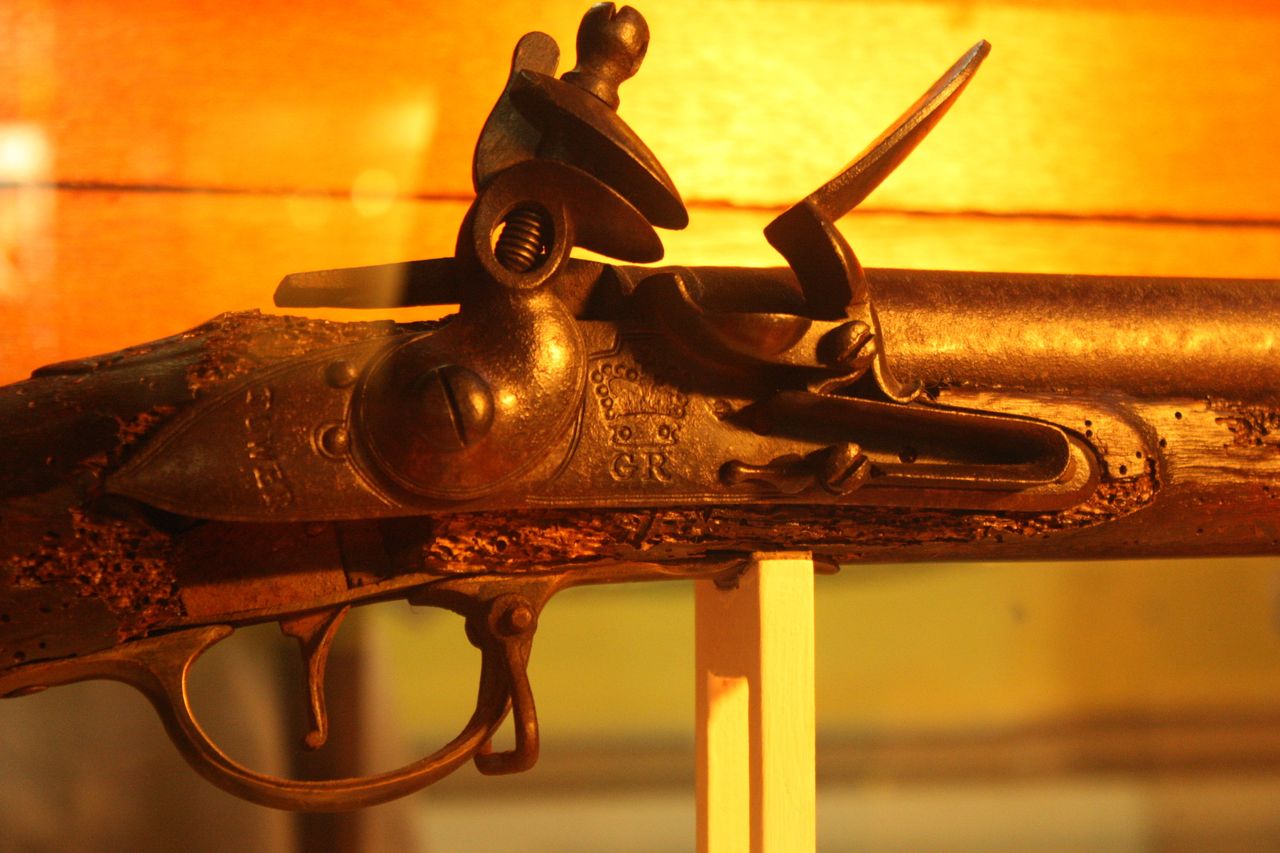
Few military firearms had a career as long, or as influential, as the Brown Bess. For well over 100 years, this flintlock musket armed British soldiers across Europe, North America, India, and beyond. Its staying power was not about elegance or precision. It came from a hardheaded mix of durability, logistics, battlefield doctrine, and imperial reach.
It was built for battlefield reliability
The Brown Bess earned its reputation because it kept working in ugly conditions. Mud, rain, smoke, rough transport, and hurried loading all punished military weapons, yet this musket proved sturdy enough for long campaigns and hard use by ordinary soldiers.
That mattered more than refinement. Armies did not need a delicate showpiece. They needed something a redcoat could carry for miles, drill with endlessly, and fire under stress. The Brown Bess was simple, rugged, and forgiving, which made it exactly the kind of tool an expanding empire wanted in its infantry ranks.
It was designed for mass production
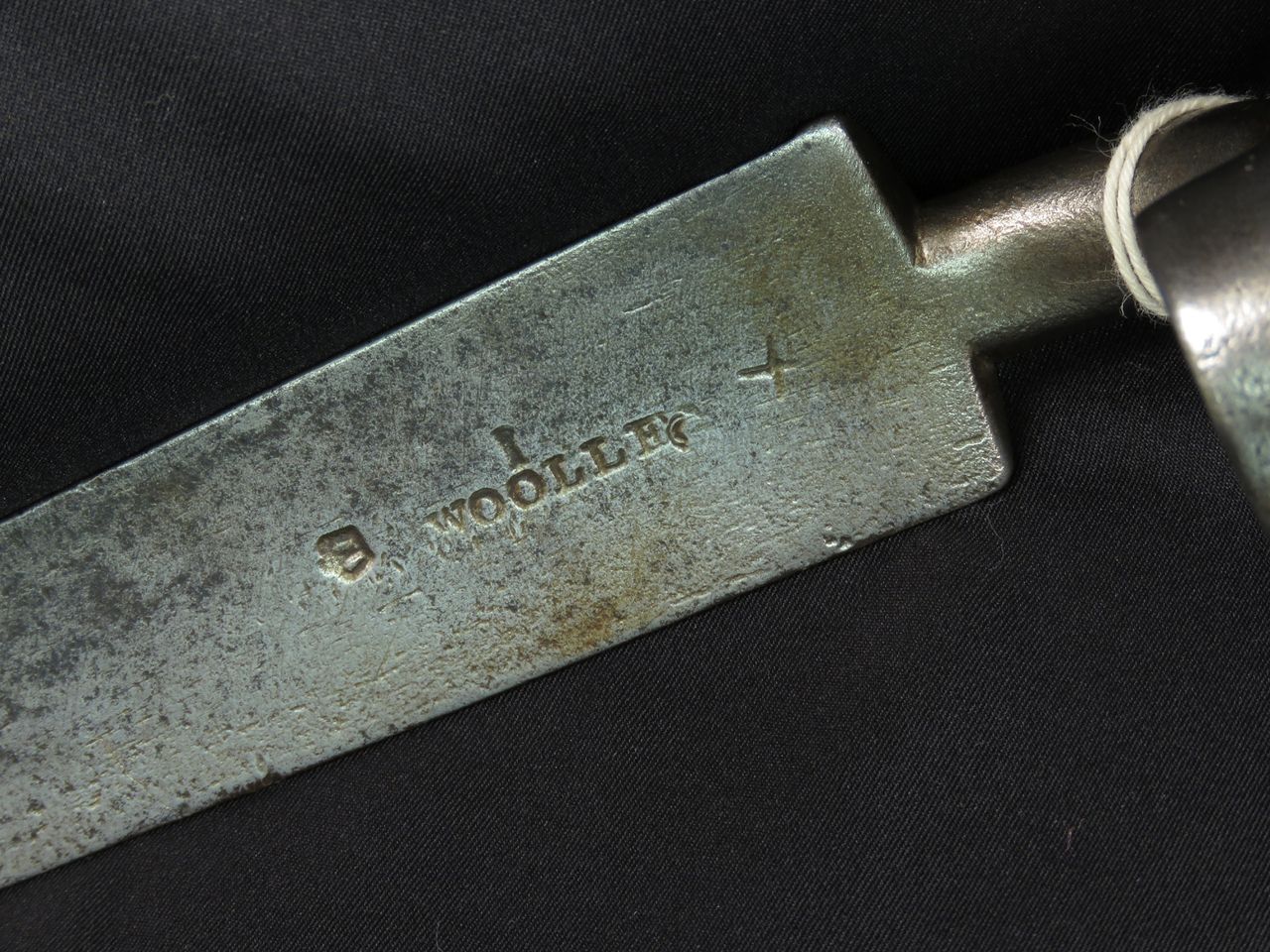
Part of the Brown Bess story is not glamorous at all. It was a manufacturing success. Britain needed large numbers of muskets, and the design was standardized enough to be produced in volume by contractors supplying the military over many decades.
That consistency helped keep armies equipped during long wars. A weapon that can be made again and again, with familiar parts and familiar handling, has a huge advantage over more experimental alternatives. The Brown Bess fit a system that valued dependable output as much as battlefield performance, and that production muscle helped extend its life far beyond a single generation.
Accuracy mattered less than volley fire
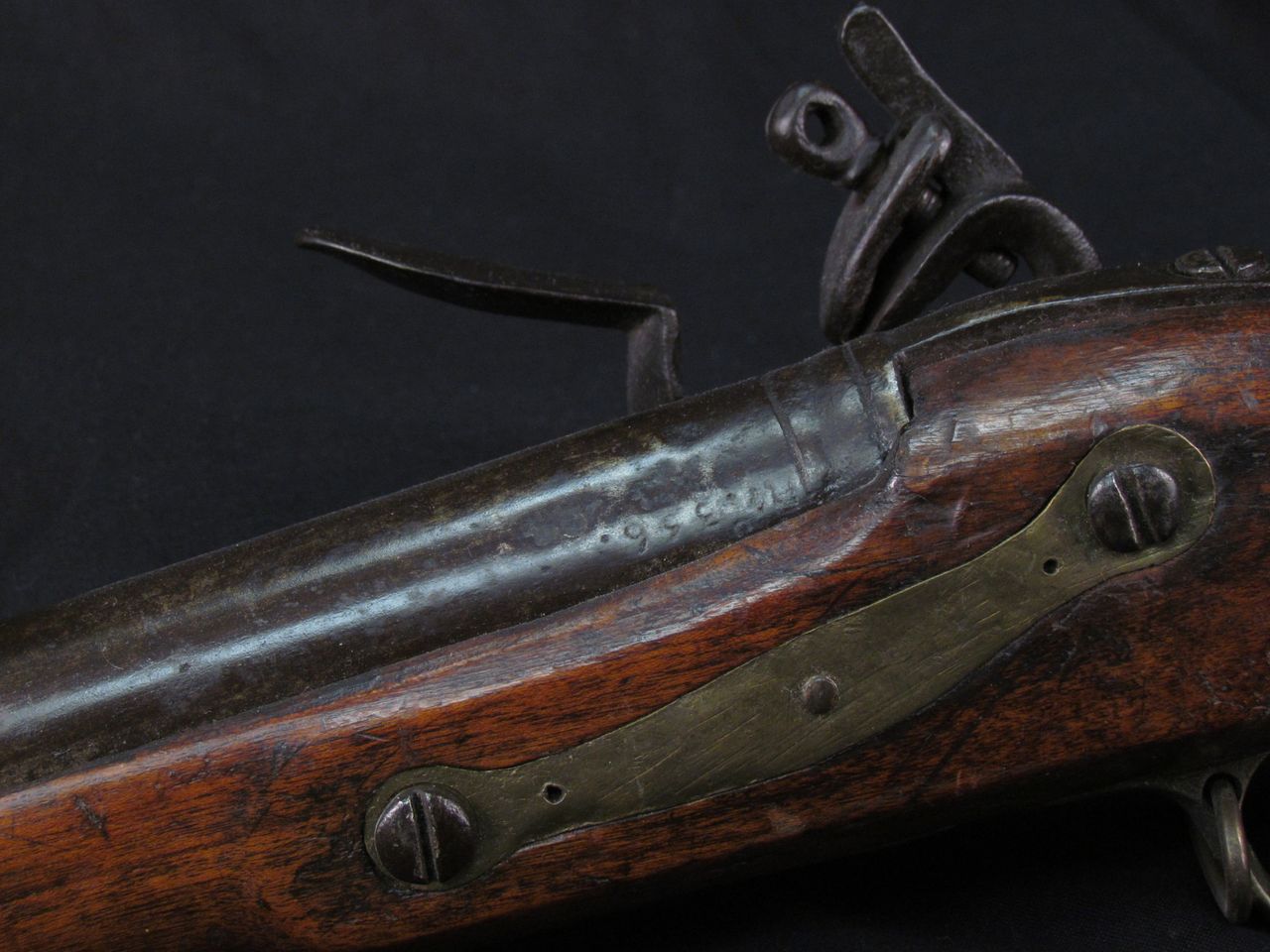
Modern readers often ask whether the Brown Bess was accurate. The honest answer is that pinpoint precision was not its main job. In the 18th century, British infantry fought in lines, firing volleys meant to disrupt, shock, and overwhelm enemy formations.
In that world, rate of fire, drill, and discipline often counted for more than a perfectly aimed shot. The Brown Bess was good enough for the tactical system it served. It threw a large ball downrange, added smoke and noise to the psychological chaos of battle, and worked best when hundreds of soldiers used it together rather than as individual marksmen.
The large caliber delivered brutal impact

The Brown Bess fired a hefty .75 caliber ball, and that gave it serious close range authority. It was not a surgeon’s instrument, but on crowded battlefields where formations advanced within relatively short distances, that kind of stopping power was deeply valued.
The size of the ball also fit the era’s priorities. Soldiers were expected to load quickly, often with fouled barrels after repeated firing. A slightly undersized ball and cartridge system helped keep the musket practical in action. The result was a weapon that traded fine precision for speed, punch, and battlefield utility, which commanders were usually happy to accept.
It worked hand in hand with the bayonet
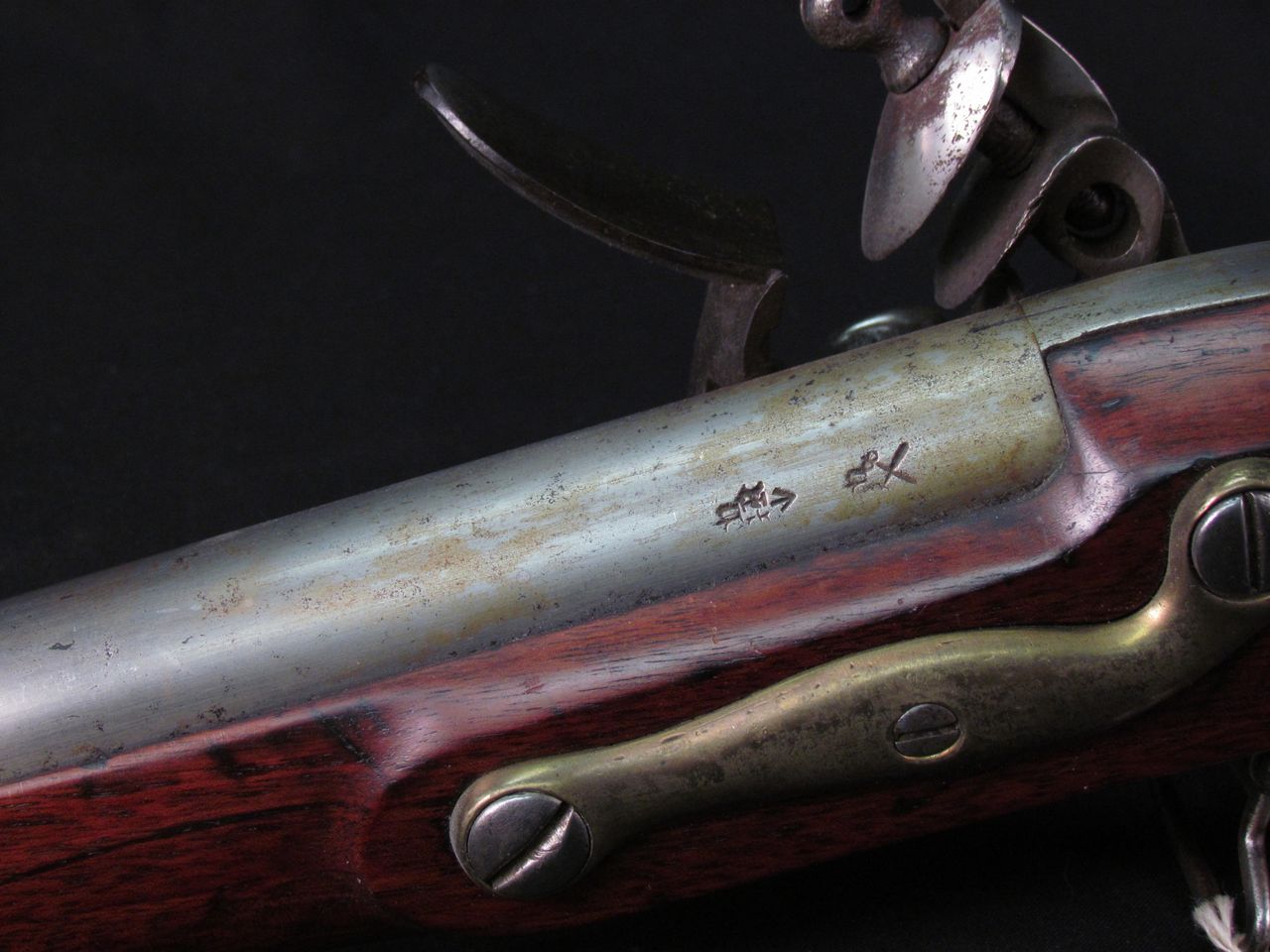
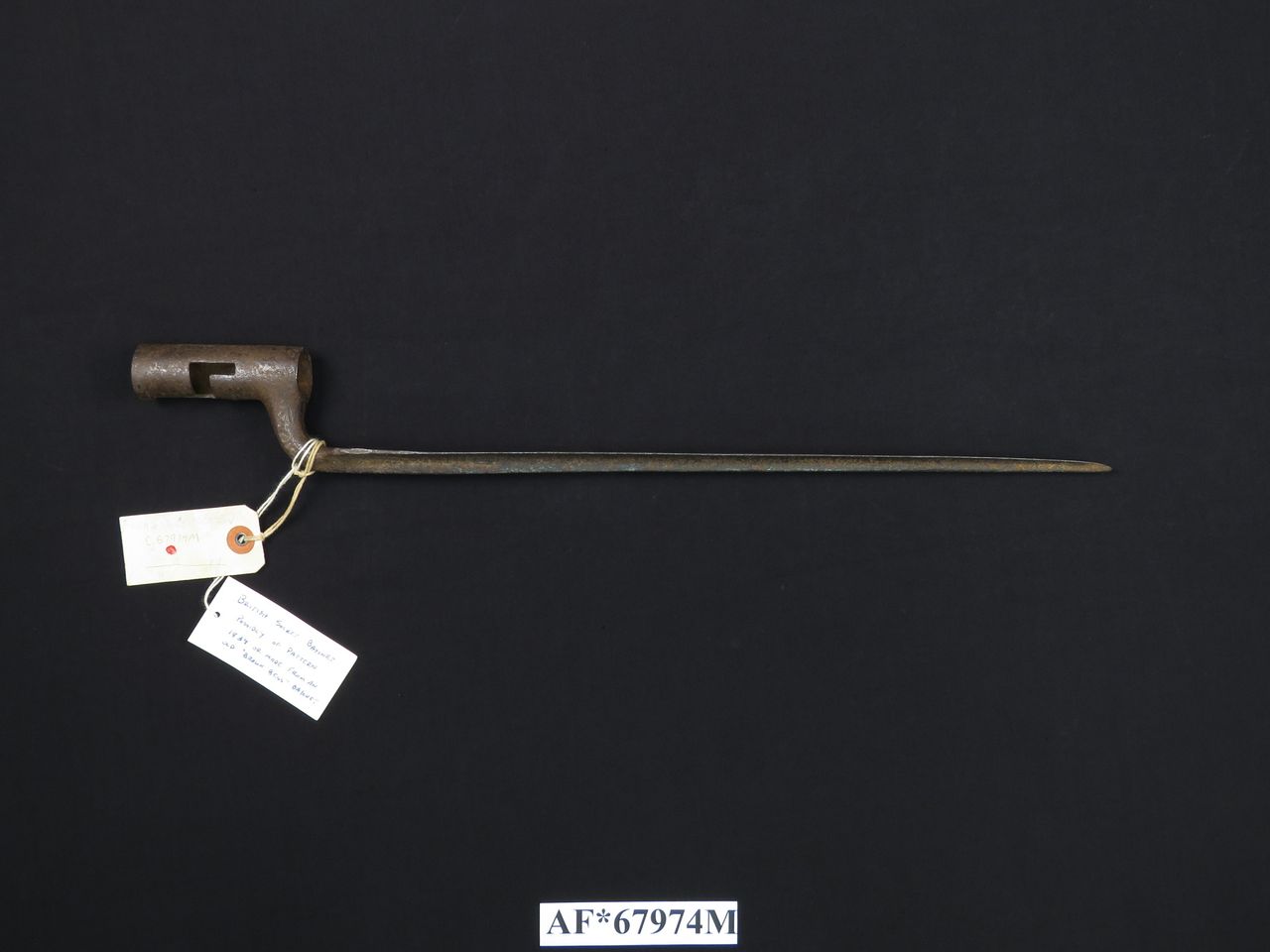
The Brown Bess was never just a gun. With a socket bayonet fixed to the muzzle, it became a spear-like infantry weapon suited to the close, frightening business of 18th and early 19th century combat. That dual role made it far more versatile than its firing mechanism alone suggests.
British tactics relied heavily on discipline and aggression, and the bayonet was central to that identity. Soldiers could fire volleys, then advance with cold steel without changing weapons. The musket’s long service owes a lot to this combination. It supported both ranged and shock action in one package, which made it ideal for the battlefield doctrine of its time.
Training soldiers on it was relatively straightforward

No musket was truly easy to master, especially under pressure, but the Brown Bess benefited from a drill system that could be taught repeatedly and at scale. British military training emphasized routine, repetition, and synchronized movement, and this weapon fit that culture extremely well.
A standard manual of arms meant recruits could be turned into functioning infantrymen with predictable habits. They learned how to load, present, fire, recover, and fix bayonets in a common rhythm. That matters in any big army. The easier a weapon is to integrate into training, the more likely it is to stick around, especially when the army using it fights often and globally.
Britain’s global empire kept it in constant use
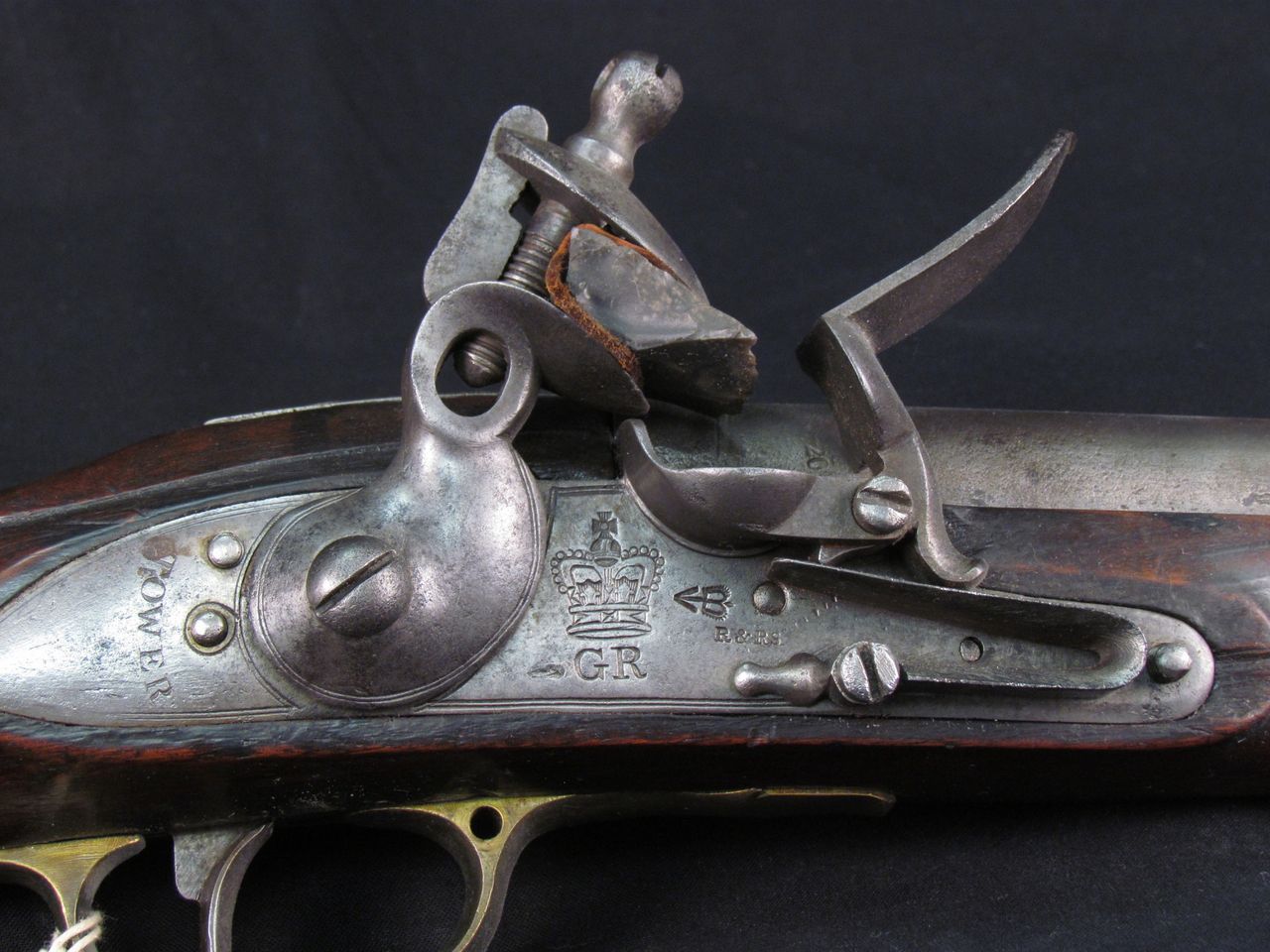
The Brown Bess did not serve in one theater and disappear. It followed British troops, marines, militias, and colonial forces across a sprawling imperial map. From European battlefields to North America, the Caribbean, India, and beyond, the musket remained a familiar presence.
That wide distribution reinforced its longevity. Once a weapon is embedded across garrisons, supply depots, ships, and allied forces, replacing it becomes a much bigger project than choosing a newer design. The Brown Bess kept proving useful in many different environments, and Britain’s global commitments rewarded continuity as much as innovation.
It was supported by a strong supply system
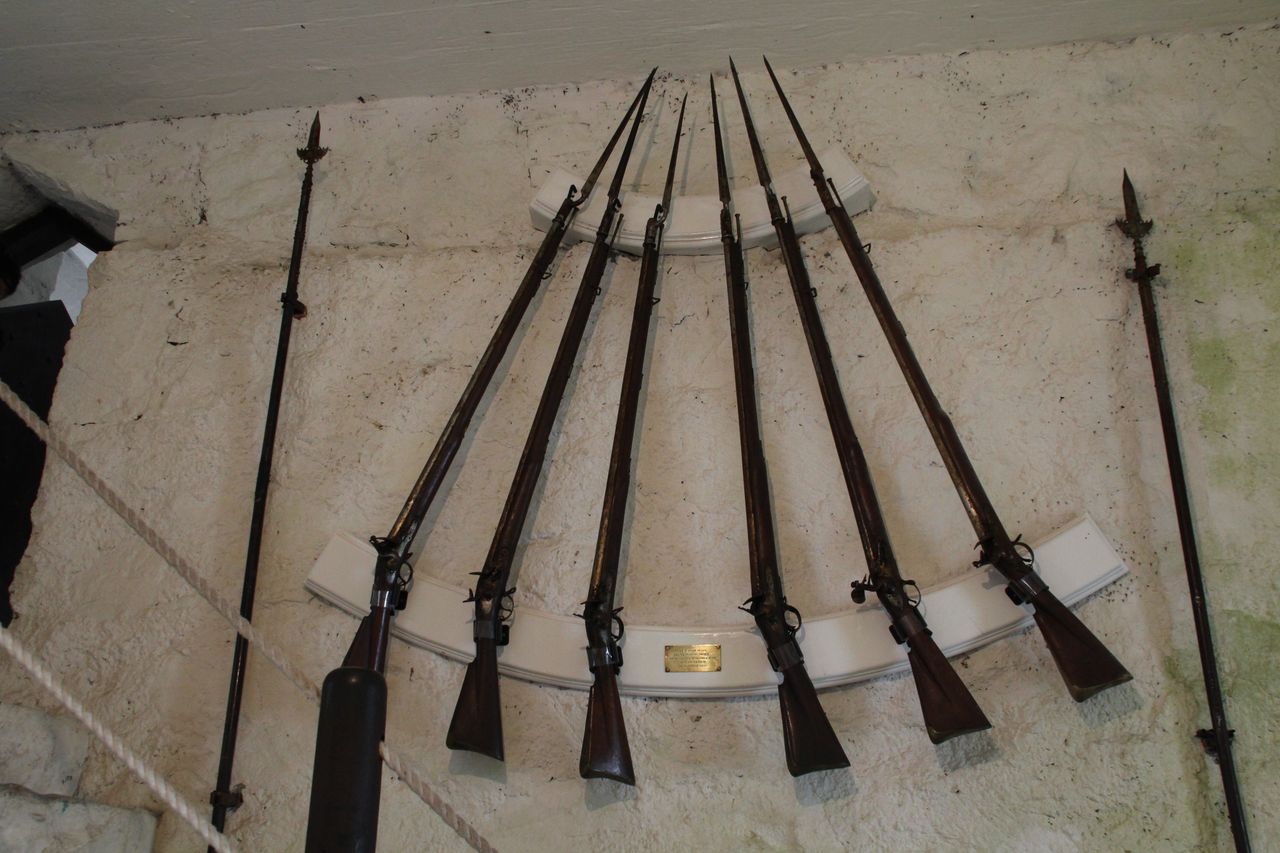
Weapons last longer when armies can actually feed them. The Brown Bess benefited from an established supply chain for flints, cartridges, spare components, and replacement arms. That logistical backbone is less dramatic than battlefield heroics, but it often decides what stays in service.
British military power depended on moving material efficiently by land and sea. A familiar musket simplified storage, transport, maintenance, and resupply. Officers and quartermasters knew what they were dealing with. In practical terms, that made the Brown Bess more attractive than a technically improved weapon that would complicate procurement or confuse existing systems during wartime.
New technology arrived slowly and unevenly
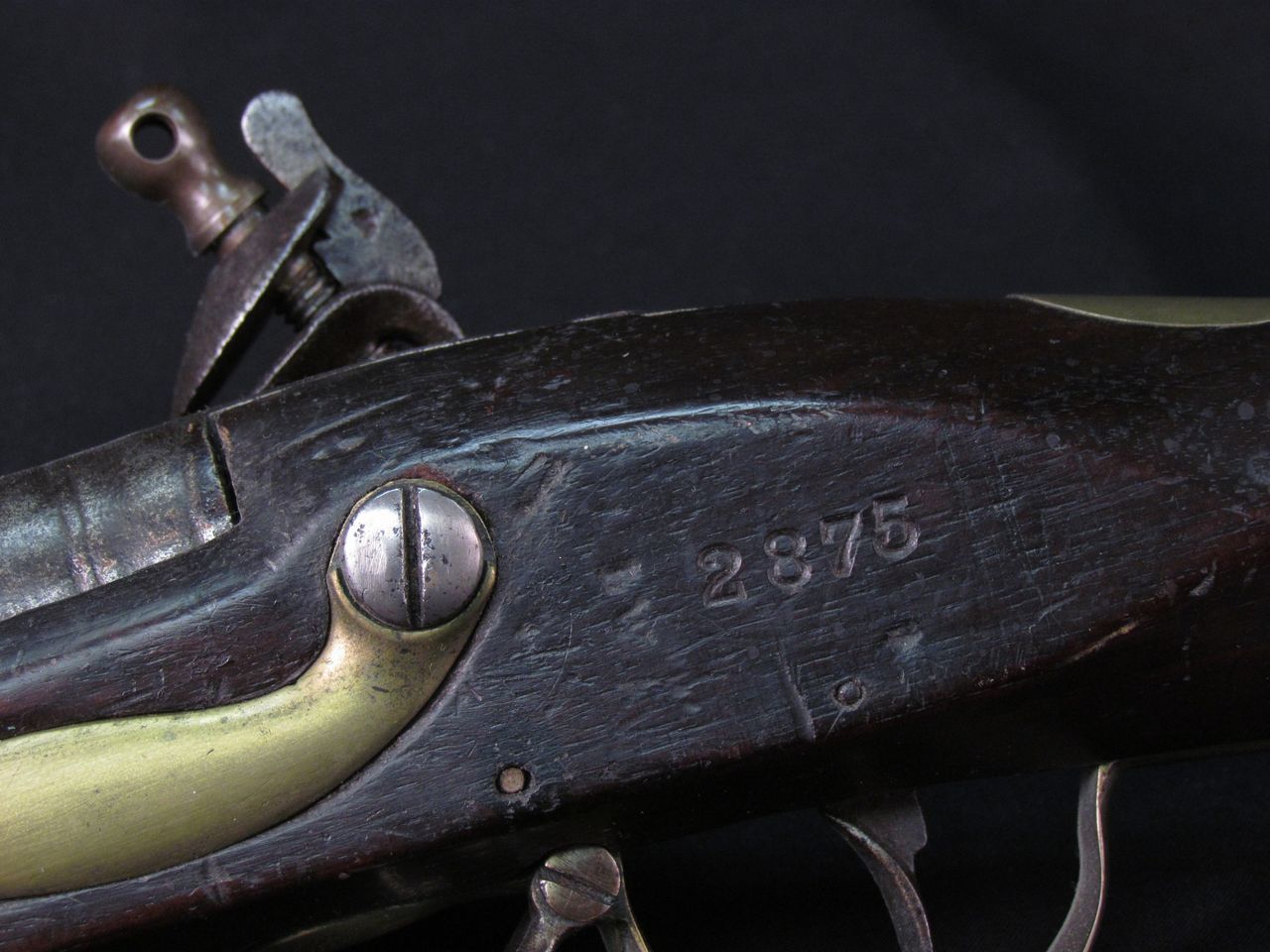
It is tempting to imagine that one better invention should have replaced the Brown Bess overnight. History rarely works that cleanly. Improvements in firearms came in steps, and many early alternatives were expensive, specialized, or difficult to roll out across a huge army.
As long as the Brown Bess remained adequate, there was little reason to rush a total change. Flintlocks were familiar, and military institutions are naturally cautious when lives depend on reliability. Only when percussion systems and other advances became mature enough, affordable enough, and scalable enough did the old musket’s long dominance finally begin to fade.