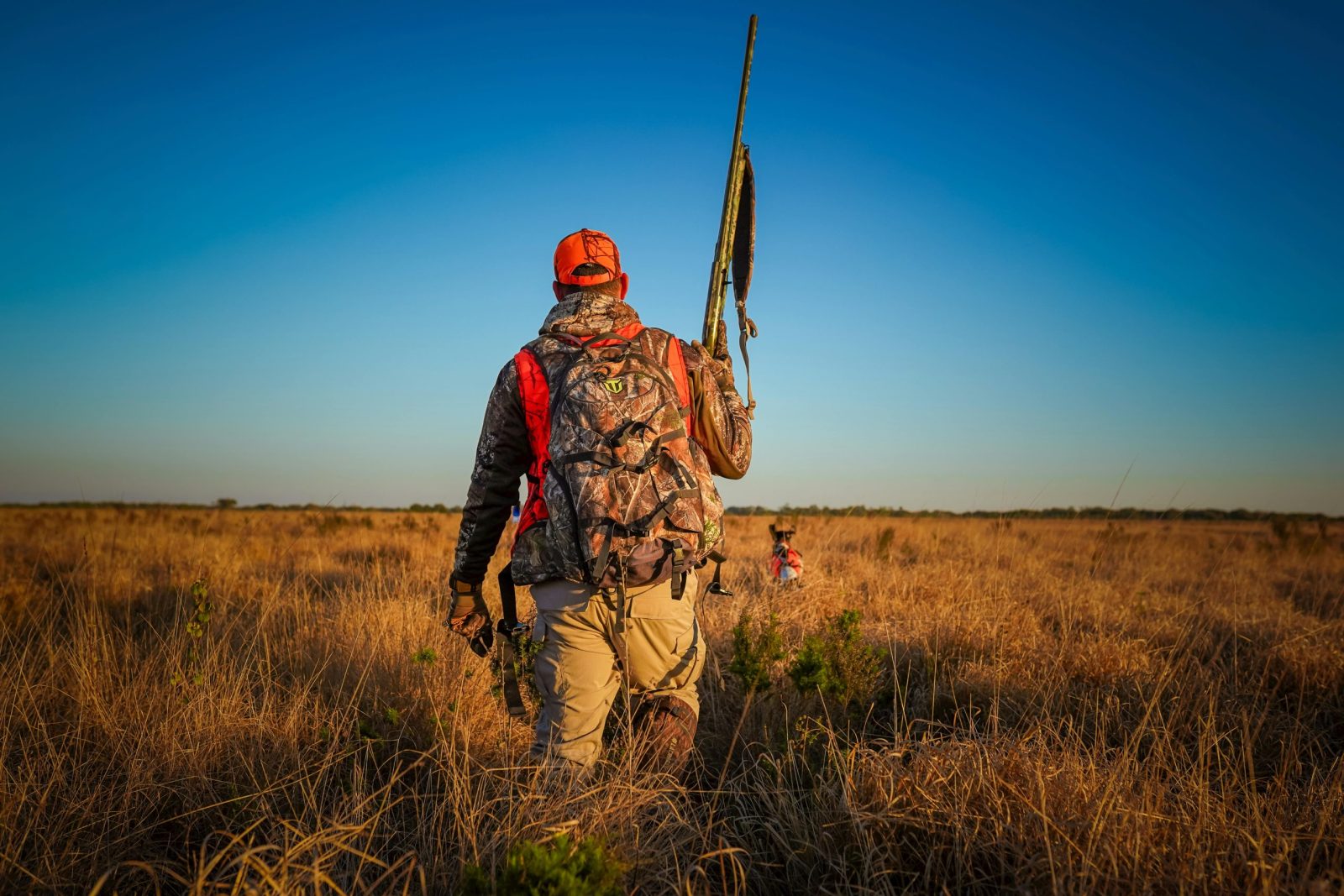
A rifle feels very different at mile six than it does at the truck. That is exactly where the Winchester Model 70 Featherweight starts to make real sense.
A carry weight that stays friendly all day
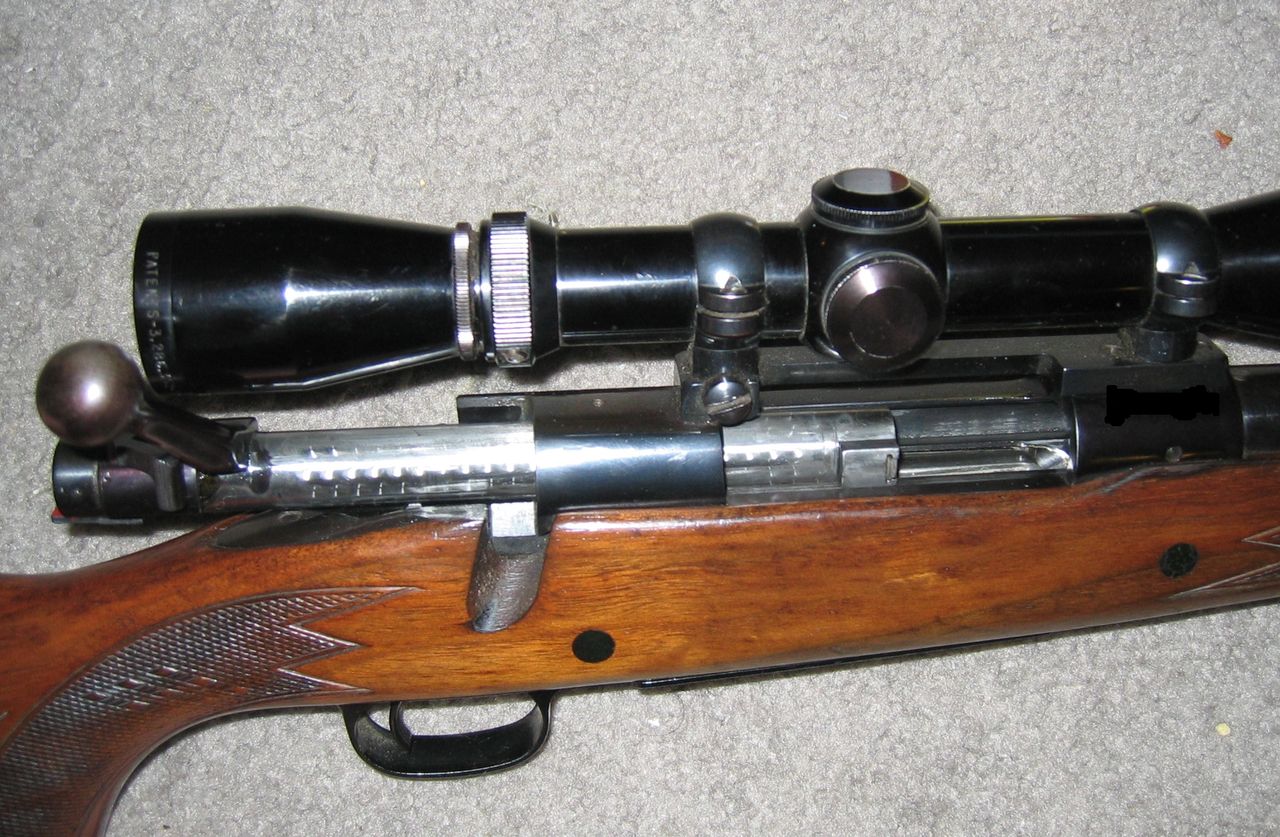
The biggest advantage is right in the name. Current Featherweight variants in Winchester’s lineup are listed at about 7 pounds, which is light enough to matter on long climbs but still heavy enough to settle naturally in the hands, according to Winchester’s product information.
That middle ground is important. Ultralight rifles can feel twitchy offhand, especially when breathing hard or shooting from improvised positions. The Featherweight avoids that nervous feel while still trimming enough weight to reduce fatigue over a full day of walking.
For deer, antelope, or mixed-terrain hunting, that balance is often more useful than chasing the absolute lowest number on a scale. A rifle that carries easily but still mounts with composure usually shoots better in real hunting conditions.
Barrel length and profile help the rifle move well
Featherweight models commonly use a 22-inch barrel, and Winchester pairs that with a slimmer profile than a standard heavy sporter. That matters on long walks because the rifle does not feel muzzle-heavy when it rides in one hand, over a shoulder, or on a sling.
A lighter front end changes how a rifle handles in brush and broken country. It comes up faster, threads through timber more cleanly, and is less tiring when you spend hours carrying it at the balance point.
Winchester also emphasizes a free-floating barrel and recessed target crown on Model 70 configurations. Those details are more about practical field accuracy than ounces, but they support the core Featherweight idea: easier to carry without turning into a compromise piece.
Stock design makes the miles easier
The Featherweight’s walnut stock is not just there for looks. Winchester’s classic Featherweight cut, checkering, and Schnabel fore-end create a slim, hand-friendly profile that carries comfortably and gives the support hand a repeatable place to land.
That slimmer stock matters more than many people think. Thick fore-ends and bulky grips can wear on the hand during long hikes, especially in cold weather or steep terrain where the rifle is constantly being shifted from arm to arm.
The stock also includes sling swivel studs and, on listed versions, a Pachmayr Decelerator recoil pad. The studs make hands-free carry simple, while the recoil pad helps the rifle stay pleasant to shoot, which can matter when a lighter hunting rifle would otherwise feel sharp on the bench.
The action is built for confidence in rough country
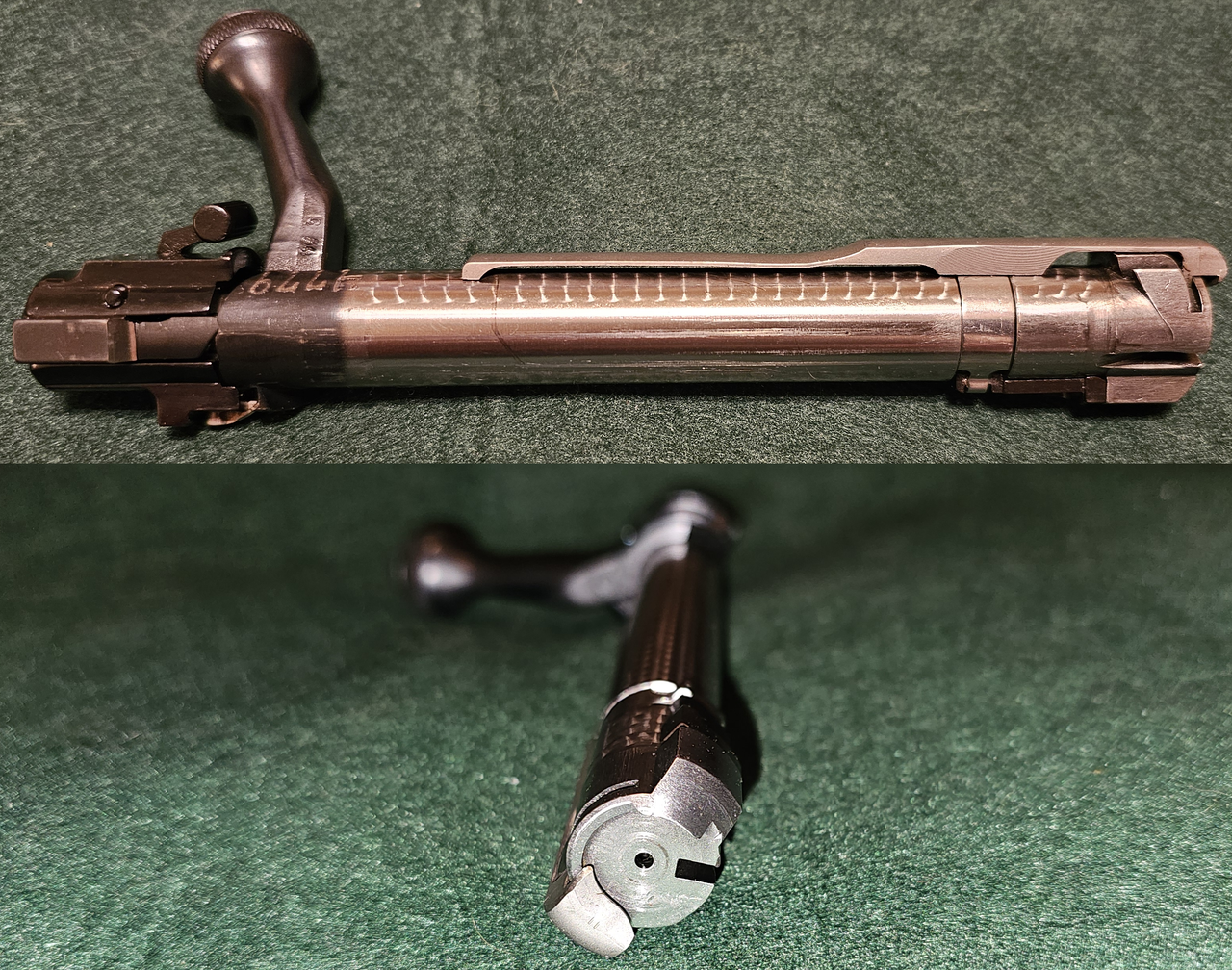
One reason the Model 70 keeps its loyal following is the controlled-round-feed action. Winchester says all current Model 70 rifles use that system, with the claw extractor taking control of the cartridge as it leaves the magazine and guiding it through chambering and ejection.
For the hunter covering lots of ground, reliability is not an abstract talking point. Dust, awkward shooting angles, hurried reloads, and odd body positions show up more often when you hunt on foot than when you sit in one place all day.
The three-position safety adds to that field confidence. It allows the rifle to stay on safe while still letting the bolt be operated in the middle position, which is a practical feature when unloading at a fence, truck, or trailhead.
A crisp trigger reduces effort when the shot comes fast
Long walks usually end with quick chances, not benchrest setups. Winchester’s M.O.A. Trigger is factory set around the mid-3-pound range and is designed to minimize take-up, creep, and overtravel, giving the shooter a cleaner break when the moment comes.
That helps when your heart rate is up and your rest is less than perfect. A good trigger does not make up for poor technique, but it does reduce the small disturbances that can pull a shot off target in a real field position.
Winchester also describes the system as using a 2:1 mechanical advantage with a wide, smooth trigger face. In practical terms, it feels predictable, and predictable is exactly what you want after a long stalk.
Why the Featherweight still makes sense today

The smartest thing about the Model 70 Featherweight is that it does not chase trends. It blends manageable weight, classic stock geometry, controlled feeding, a practical safety, and enough accuracy-focused detail to stay useful for hunters who actually cover country.
That formula has lasted because it works. A walking rifle should be light enough to carry without complaint, steady enough to shoot without drama, and dependable enough that you stop thinking about the mechanism and focus on the hunt.
The Featherweight fits that brief unusually well. If your hunting days involve ridges, draws, and long loops back to camp, this is the kind of rifle that keeps earning its place one mile at a time.