Big revolvers rarely become household names. The Smith & Wesson Model 29 did, and it earned that status with a mix of raw performance, timing, and Hollywood myth.
Why the Model 29 Got That Reputation
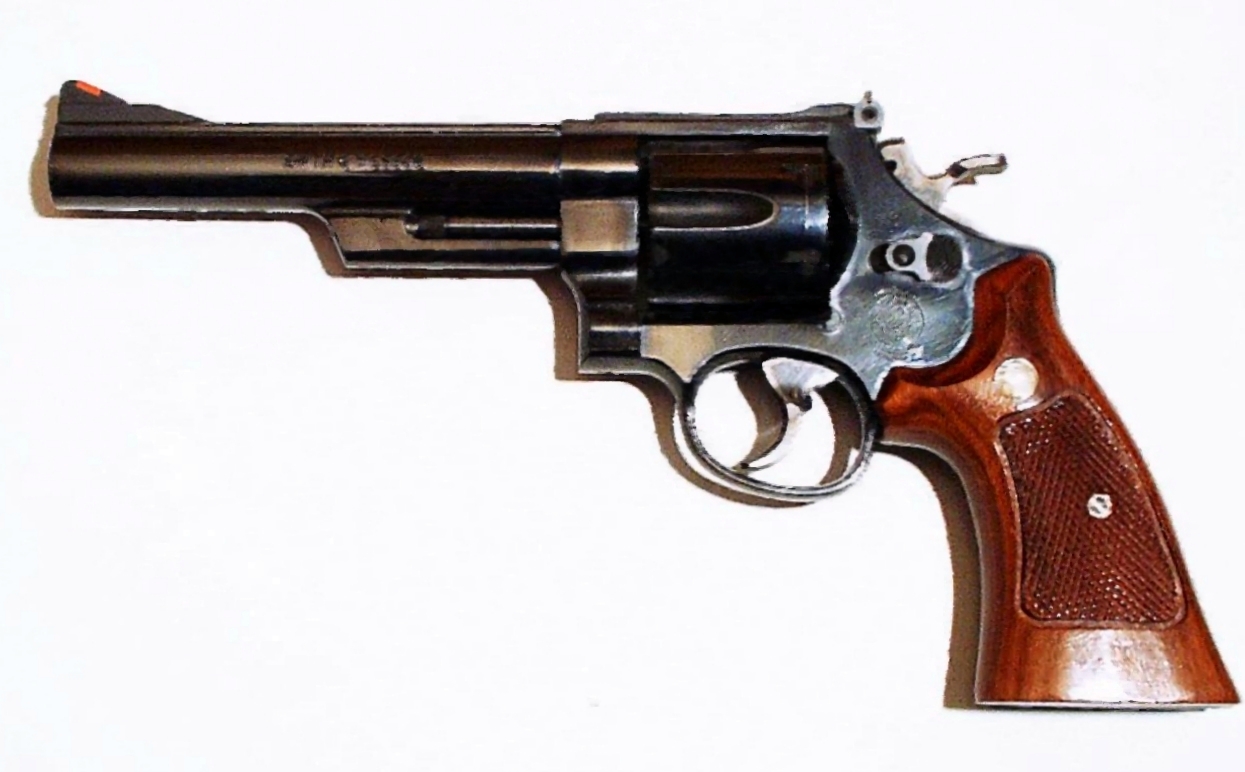
When people call the S&W Model 29 “the world’s most powerful handgun,” they are usually repeating the famous line from Dirty Harry, not quoting an official technical standard. Still, the claim had real bite in the late 1950s and into the early 1970s, because the revolver was built around the then-new .44 Remington Magnum cartridge, which was dramatically more powerful than the service revolver rounds most Americans knew.
Smith & Wesson’s own company history notes that it unveiled the Model 29 chambered in .44 Magnum, and that the gun was later made famous by Clint Eastwood in Dirty Harry. That matters, because the revolver’s legend rests on two separate foundations: genuine ballistic authority and a movie script that simplified the story into one unforgettable phrase.
Today, the phrase is no longer literally true. Smith & Wesson itself introduced the .500 S&W Magnum in 2003 and described that revolver as the most powerful production revolver ever made. In other words, the Model 29 is historically powerful, culturally iconic, and still formidable, but not the absolute top of the handgun power ladder anymore.
That distinction is important for general readers. The Model 29 was not just big and loud. In its era, it represented a major leap in commercial revolver performance, which is why the marketing language and movie dialogue stuck so hard in the public imagination.
How the .44 Magnum Changed Handguns
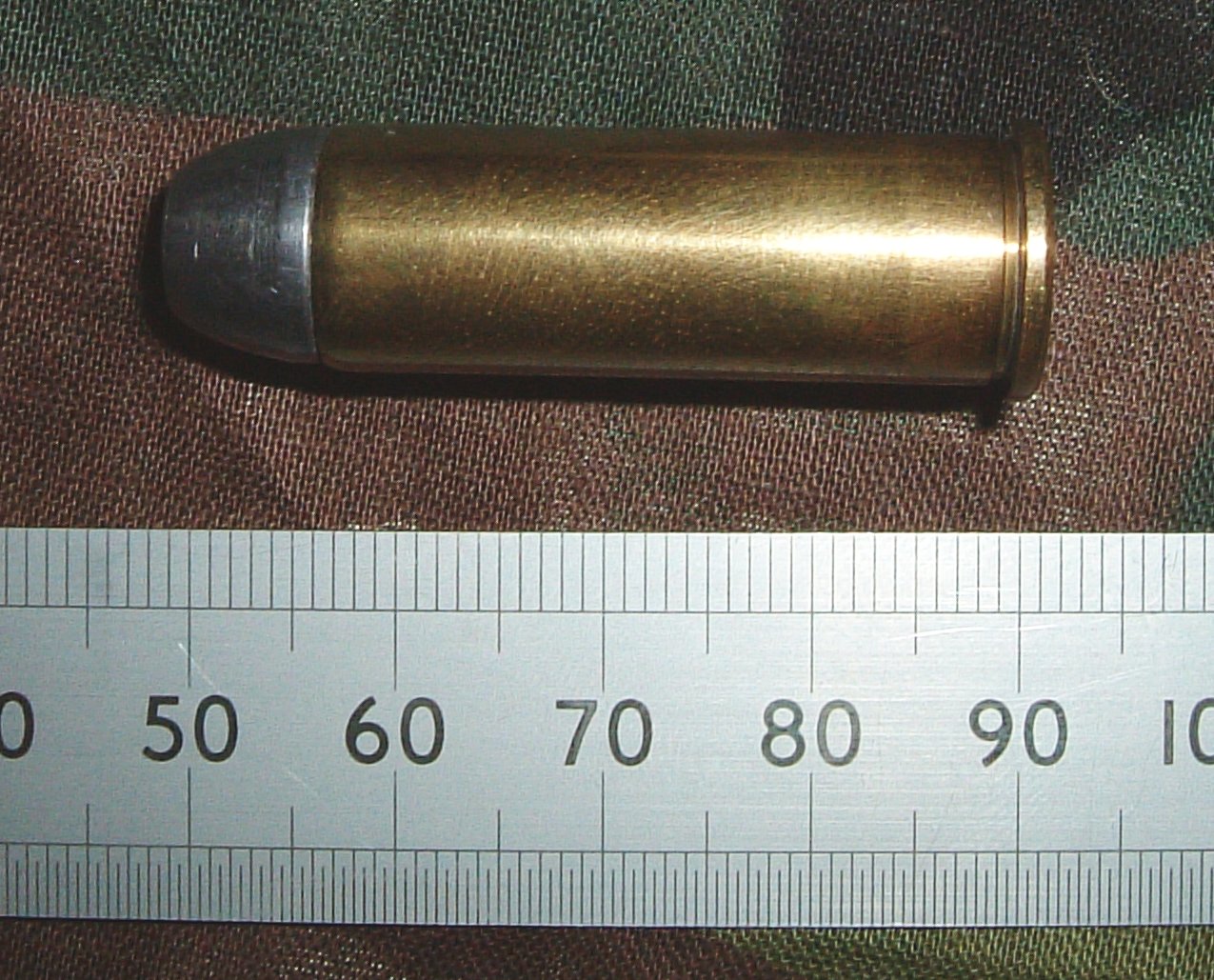
The Model 29 exists because handgun experimenters spent years pushing the old .44 Special, harder and harder. Writers and shooters such as Elmer Keith were central to that movement, advocating heavy bullets at higher velocities and helping create demand for a true factory big-bore magnum. Firearms histories from American Rifleman and Shooting Illustrated both trace the .44 Magnum’s rise to that work.
Smith & Wesson and Remington took the concept and turned it into a factory product in the mid-1950s. According to American Rifleman, the first .44 Magnum revolver was completed on December 29, 1955. That date matters because it places the gun at the leading edge of postwar American firearms innovation, when manufacturers were still willing to build niche products for serious enthusiasts.
The cartridge itself was a major step up from what most revolver shooters were used to. SAAMI performance tables show standard .44 Remington Magnum data with a 240-grain bullet at listed velocities around 1,740 ft/s in test conditions, a level that helped explain the cartridge’s dramatic reputation. Real revolver barrel lengths often produce lower field velocities than lab figures, but the round still delivered serious hunting-level energy.
That power opened new uses. The Model 29 was not designed as a patrol sidearm for average police work. It was a serious sporting revolver, one suited to handgun hunting, field carry, and shooters who wanted maximum performance from a double-action wheelgun.
The Design That Made It Work
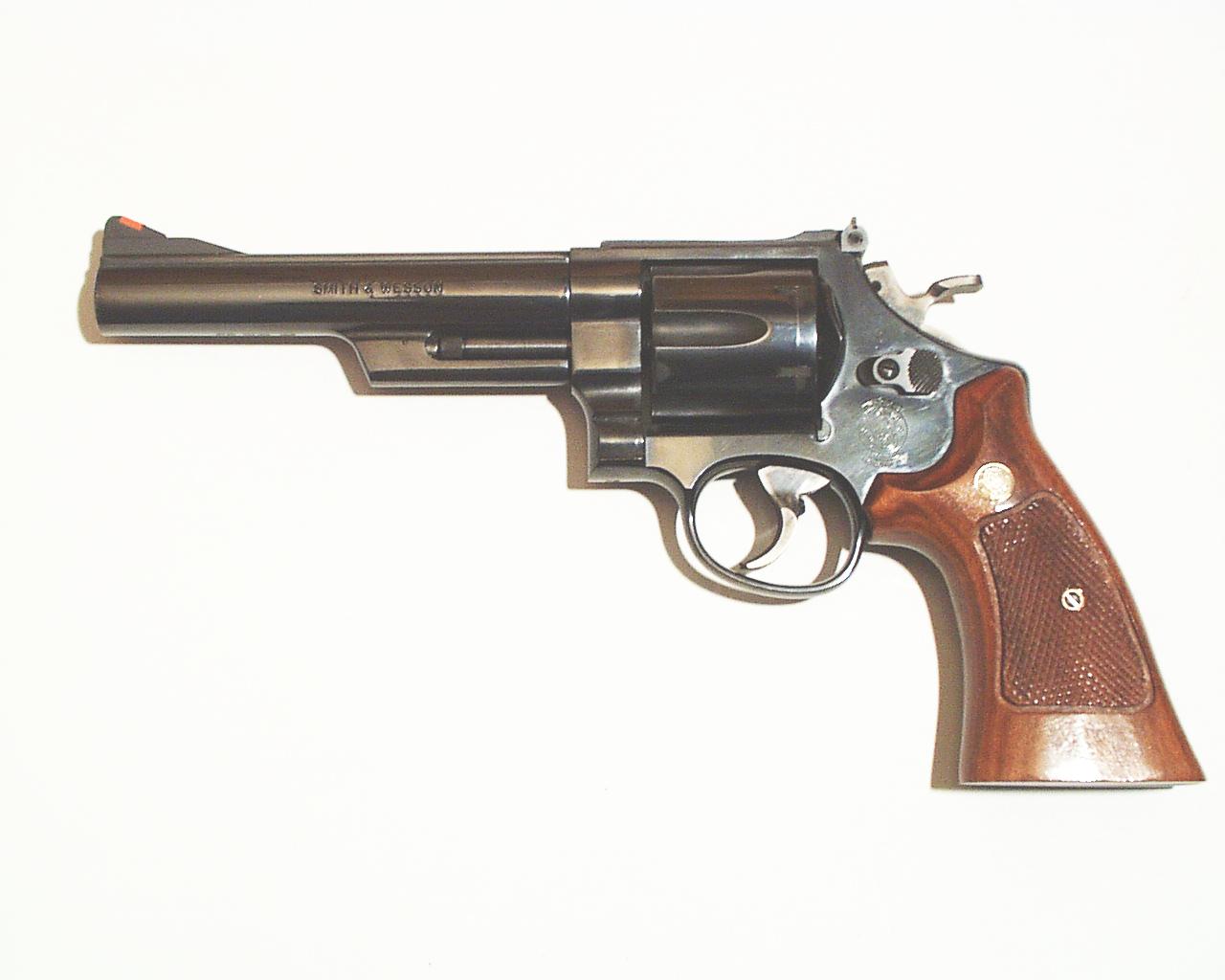
The Model 29 was built on Smith & Wesson’s large N-frame, the same basic revolver frame size associated with the company’s heavyweight magnum handguns. That large frame gave engineers the strength and cylinder size needed to house the long, high-pressure .44 Magnum cartridge while keeping the revolver shootable in double action. Without that platform, the cartridge would have been much harder to commercialize safely and reliably.
Early examples were offered in blue or nickel finishes, and period accounts note 4-inch and 6-inch barrels at the start, with longer options following. Collectors often obsess over details such as screw counts, pinned barrels, and recessed chambers, and for good reason. Those details help date guns and also reflect an era when Smith & Wesson revolvers had a very distinct fit-and-finish style that enthusiasts still celebrate.
The gun’s visual presence also mattered. The long barrel rib, shrouded extractor rod, large target-style sights, and broad cylinder gave the Model 29 a muscular profile long before anyone on social media talked about aesthetics. It looked powerful even before the first round was fired, and that visual identity became part of the legend.
Mechanically, it was a traditional double-action/single-action six-shot revolver. That sounds ordinary now, but at the time, the combination of six rounds, large-bore magnum chambering, and polished Smith & Wesson trigger work made the Model 29 feel like the top-shelf option for shooters who wanted a serious big-game-capable sidearm.
Dirty Harry Turned a Niche Gun Into a Star
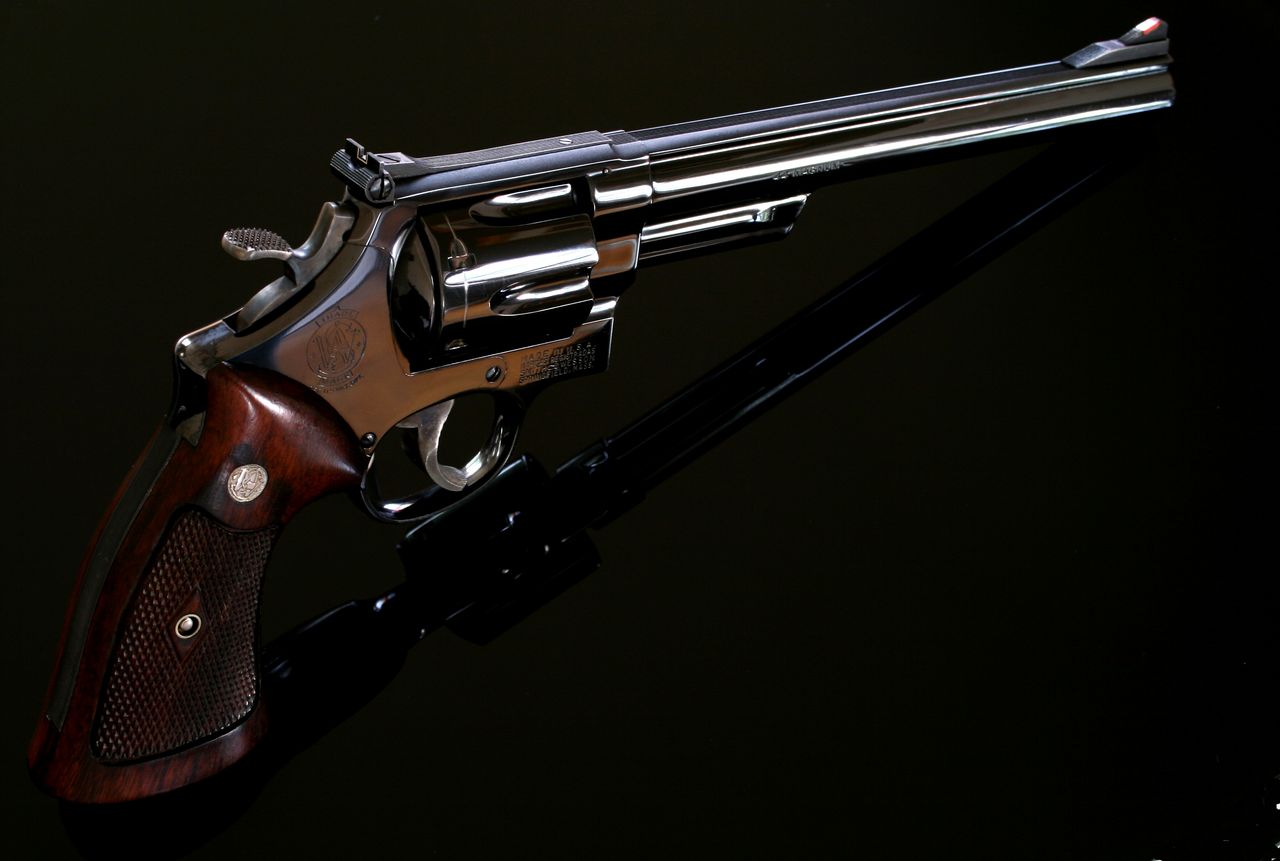
Before 1971, the Model 29 was respected, but it was still largely the domain of handgun hunters, dedicated enthusiasts, and a relatively small circle of big-bore revolver fans. Dirty Harry changed that almost overnight. Multiple gun histories note that Clint Eastwood’s use of the revolver in the film transformed public awareness and demand.
The famous monologue about “the most powerful handgun in the world” was not a catalog specification, but it worked better than any ad campaign. It gave the gun an identity ordinary moviegoers could grasp immediately. The Model 29 was no longer just a powerful revolver. It became the revolver, a screen object loaded with menace, confidence, and American cool.
That pop culture boost had real commercial consequences. The gun became difficult to find, and prices on the secondary market rose sharply as buyers chased the same revolver they had just seen on screen. American Rifleman has described the Model 29 as once obscure outside serious circles and then suddenly elevated into a mainstream phenomenon after the movie.
Few firearms have had that kind of cinematic afterlife. Plenty of guns have appeared in movies, but very few have become inseparable from a character and a line of dialogue. Harry Callahan and the Model 29 fused into a single image, and that image still shapes how non-gun people think about big revolvers today.
What Shooting One Is Actually Like
The Model 29’s mystique can make people assume it is either uncontrollable or easy, depending on how much movie logic they bring to the range. In reality, it sits in the middle. A full-size steel N-frame helps soak up recoil, but .44 Magnum is still a hard-hitting cartridge, especially with traditional 240-grain loads. Recoil depends heavily on barrel length, gun weight, grip shape, and ammunition choice.
That last point matters more than many first-time shooters realize. One reason the platform has lasted is that it can also fire .44 Special, a milder cartridge with the same basic case family. That gives owners a practical way to train, enjoy the revolver more often, and reserve full-power magnum loads for hunting or specialized use.
The recoil reputation is real, but so is the shootability. In a large revolver like the Model 29, the .44 Magnum produces a heavy rearward push and muzzle rise rather than the sharp snap many shooters associate with lighter, faster defensive calibers in smaller handguns. Good technique makes a huge difference, and so does honest ammunition selection.
Accuracy is another reason the gun kept its fans long after the movie hype. A well-tuned Model 29 with quality sights and a long sight radius can be impressively precise. For silhouette shooters, hunters, and revolver traditionalists, that combination of accuracy and authority is the whole appeal.
Collectors Love the Variations
Part of the Model 29’s enduring appeal is that there is no single “correct” version in the collector world. Early pre-model-number guns, often called pre-29s, are especially desirable because they date to the transitional period before Smith & Wesson fully standardized model markings in the late 1950s. Later no-dash guns and the well-known 29-2 variation also carry strong collector interest.
Collectors pay close attention to details like pinned barrels and recessed cylinders, features often associated with earlier production. American Rifleman has noted that those features were eventually dropped, with pinned barrels and counterbored chambers eliminated by the early 1980s as manufacturing practices evolved. That means two guns, both labeled Model 29, can feel very different in collector value and enthusiast appeal.
Barrel length is another major factor. The 4-inch guns have an obvious Dirty Harry cachet, while longer 6 1/2-inch and 8 3/8-inch revolvers often appeal to hunters and target shooters. Finish matters too, with original blue guns occupying a different lane from the later stainless Model 629, which essentially carried the same concept into a more weather-resistant format.
Condition, originality, and paperwork can move values substantially. A heavily used shooter-grade 29 tells one kind of story. A clean early gun with original stocks and box tells another, and serious Smith & Wesson collectors know the difference instantly.
Why the Model 29 Still Matters
The Model 29 remains relevant because it represents a turning point in handgun culture. It was one of the clearest examples of a factory revolver built not around police routine, but around maximum practical power for sportsmen and serious enthusiasts. It helped prove there was a real market for handguns that crossed from sidearm to hunting tool.
It also holds up as an object of industrial design. Even people who know little about guns can see the appeal of polished carbon steel, deep bluing, and the visual balance of a classic N-frame revolver. The Model 29 looks like a flagship product from a period when manufacturers expected a premium revolver to feel substantial, refined, and mechanically confident.
At the same time, its reputation needs a modern context. It is not the most powerful handgun in a literal 2026 sense, and anyone claiming otherwise is talking about history or movies, not current ballistic rankings. But that does not reduce its significance. If anything, it clarifies why the gun still matters.
The Model 29 endures because it was powerful enough to change expectations, elegant enough to become collectible, and famous enough to escape the gun world entirely. That is a rare combination, and it is why this revolver still commands attention decades after its debut.