Extreme cold puts rifles under pressure in ways that ordinary winter weather cannot. At -40 degrees, lubricants can thicken, metal becomes uncomfortable to handle with bare skin, batteries and optics may struggle, and moisture can freeze inside critical components. Military rifles and proven sporting platforms have different strengths in these conditions, but reliability depends on more than the model name. Materials, ammunition, maintenance, and cold-weather testing all matter. These seven rifles offer useful examples of designs associated with severe winter environments, although not every model has documented testing below -40 degrees.
1. Accuracy International Arctic Warfare
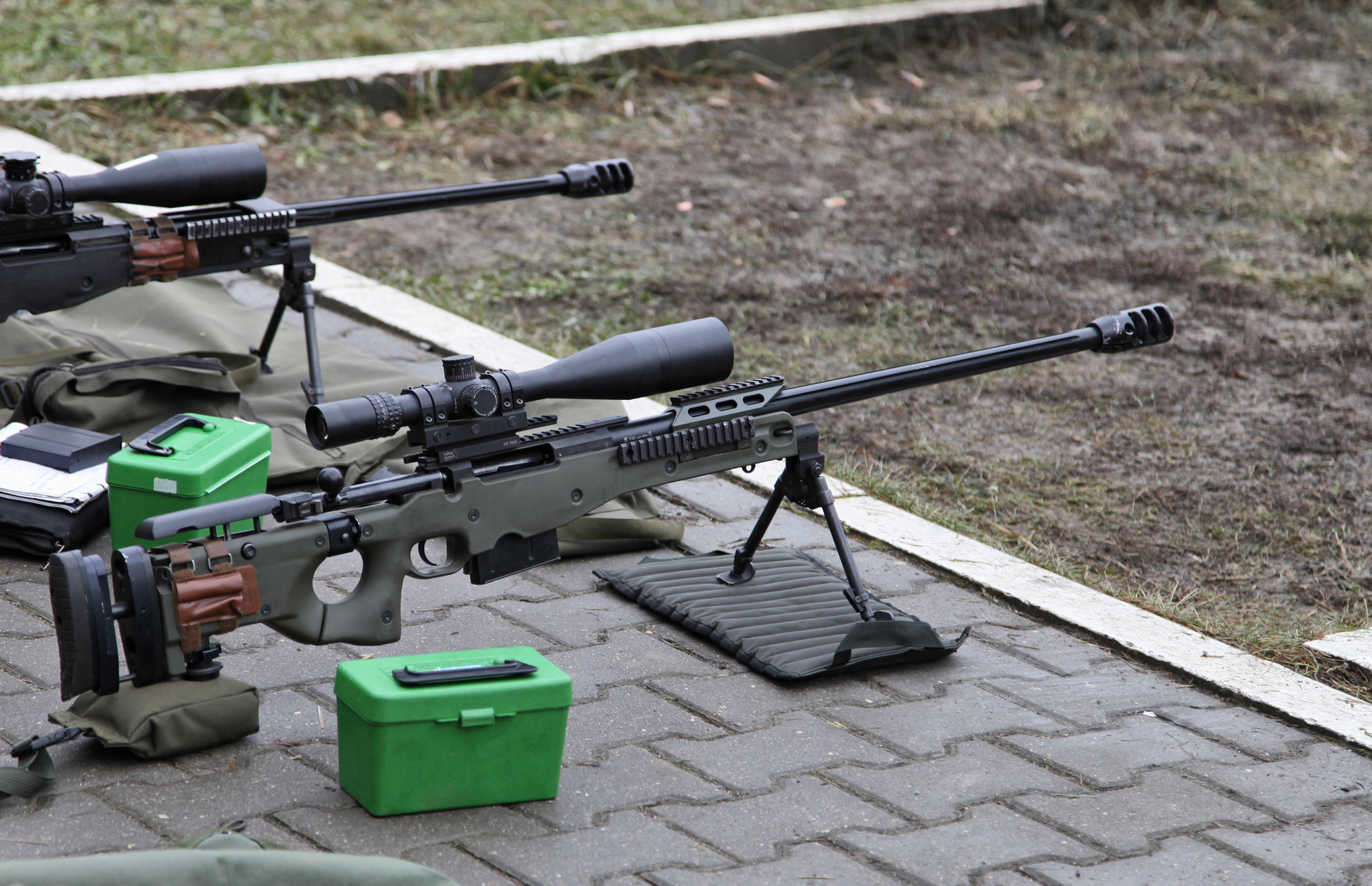
The Accuracy International Arctic Warfare was developed to meet the demands of military snipers operating in freezing climates. Its defining feature is a specially designed de-icing system that helps prevent ice from interfering with essential controls. The rifle family includes versions chambered in 7.62×51mm NATO and other cartridges, depending on the model. Its cold-weather engineering is particularly notable because the original Arctic Warfare design was intended to function at temperatures around -40°C. That makes it one of the clearest examples of a rifle developed specifically for Arctic service.
2. Tikka T3x Arctic

The Tikka T3x Arctic combines a bolt-action design with features suited to demanding outdoor conditions. Its stainless-steel construction helps resist corrosion, while its adjustable stock and practical handling characteristics make it appealing to hunters and professionals working in cold regions. Available in several chamberings depending on configuration, the T3x platform offers flexibility for different applications. However, its Arctic styling should not be mistaken for proof that every version has passed testing at -40°C. The exact model, ammunition, environmental exposure, and maintenance requirements all influence performance in severe winter w
3. Sako ARG 40 GP
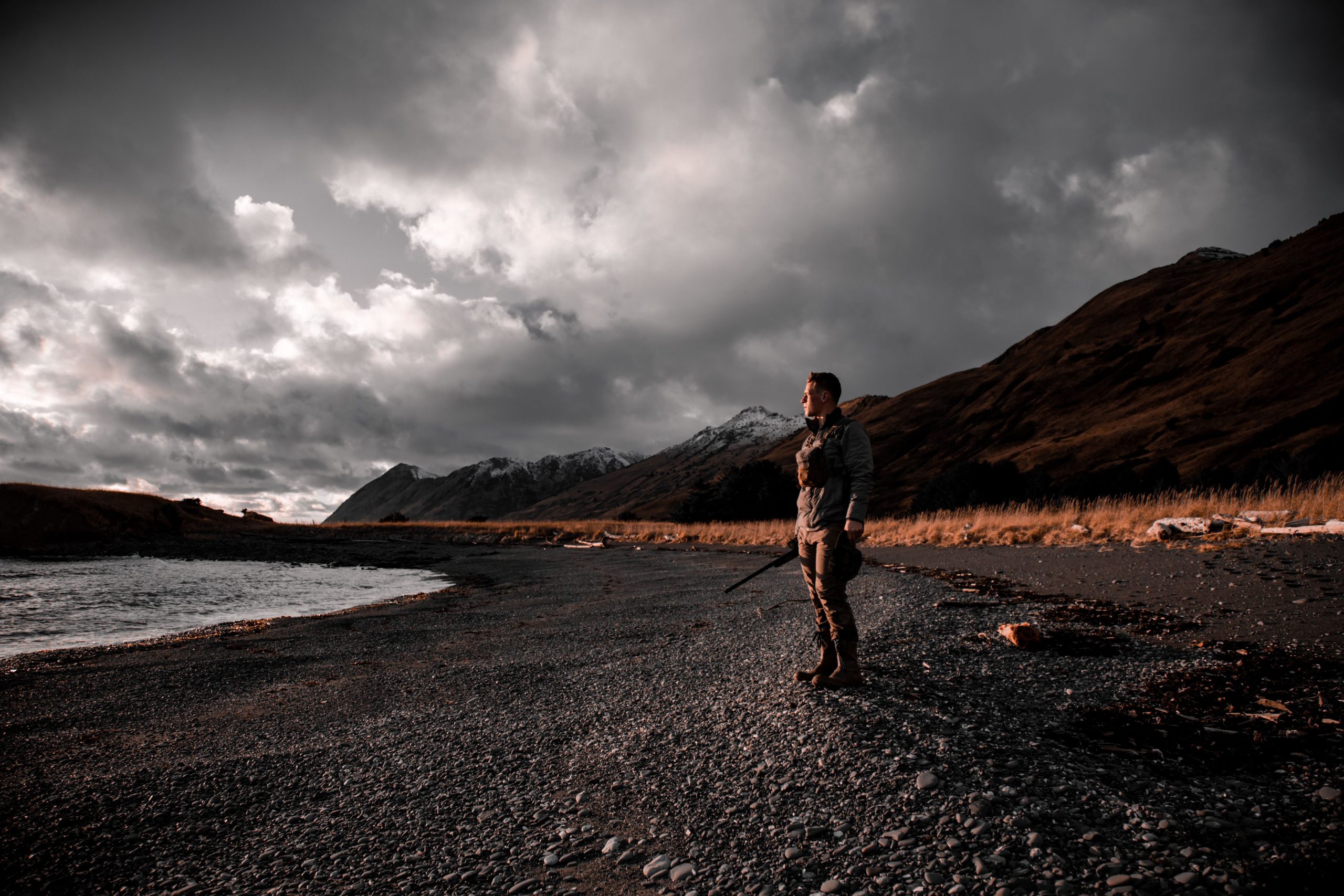
The Sako ARG 40 GP represents a modern approach to military rifle reliability in harsh environments. Introduced in 2025, it uses a short-stroke gas-piston operating system and is chambered in 5.56×45mm NATO. The design was developed with Finnish and Swedish defence forces, reflecting the demands of northern European operations. Its operating system helps reduce heat and carbon buildup around the bolt carrier group, while its modular construction supports different operational configurations. Sako reports Arctic environmental testing under NATO D14 standards, although a specific minimum temperature should not be assumed without published test results.
4. Sako ARG 50 GP
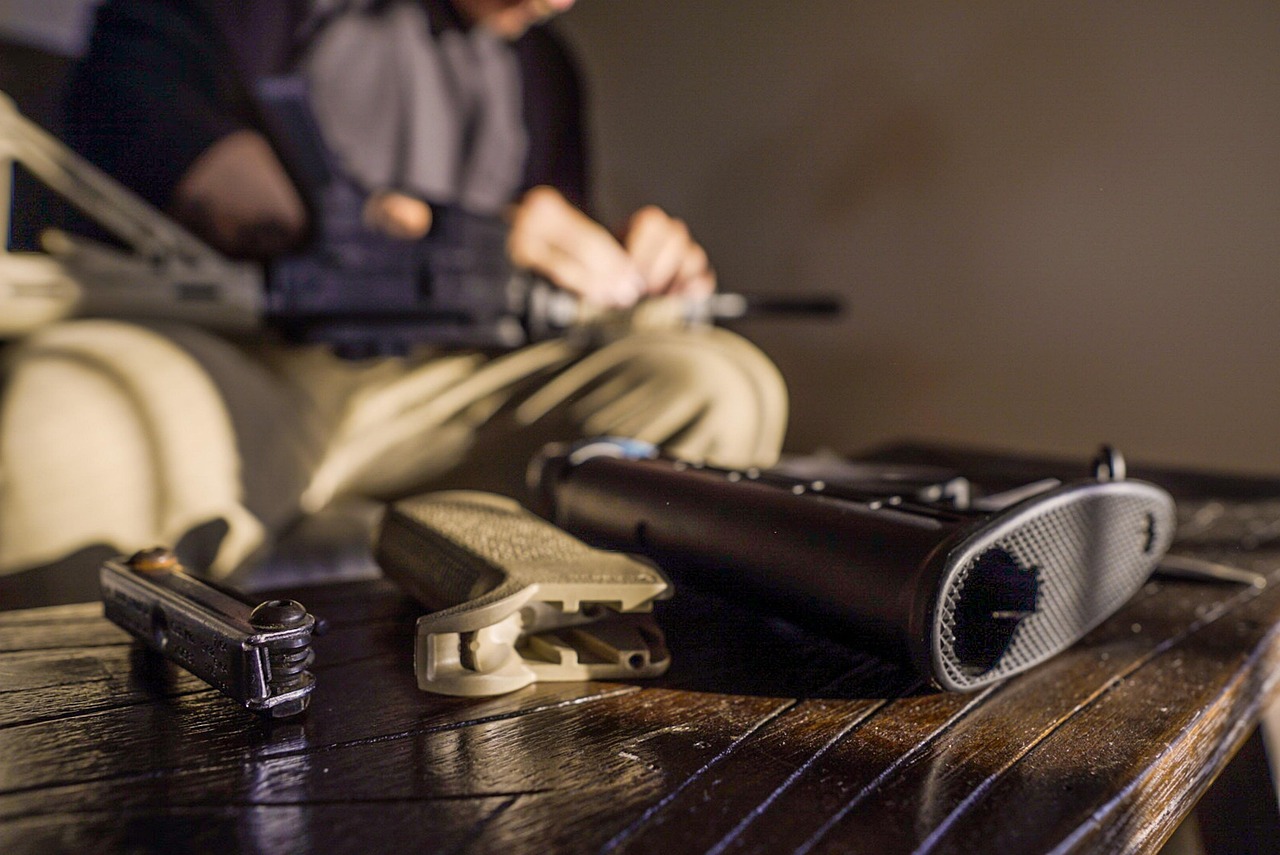
The Sako ARG 50 GP extends the Arctic Rifle Generation into the 7.62×51mm NATO category. Designed as a semi-automatic precision rifle for military and law-enforcement use, it shares the family’s emphasis on environmental durability, modularity, and maintainability. The larger cartridge distinguishes it from the ARG 40 models, which use 5.56×45mm NATO ammunition. Developed through cooperation with Finnish and Swedish defence forces, the ARG family is intended for demanding operational conditions, including Arctic environments. Its published design credentials are promising, but reliable performance at precisely -40°C depends on the test conditions and configuration.
5. M14 Rifle
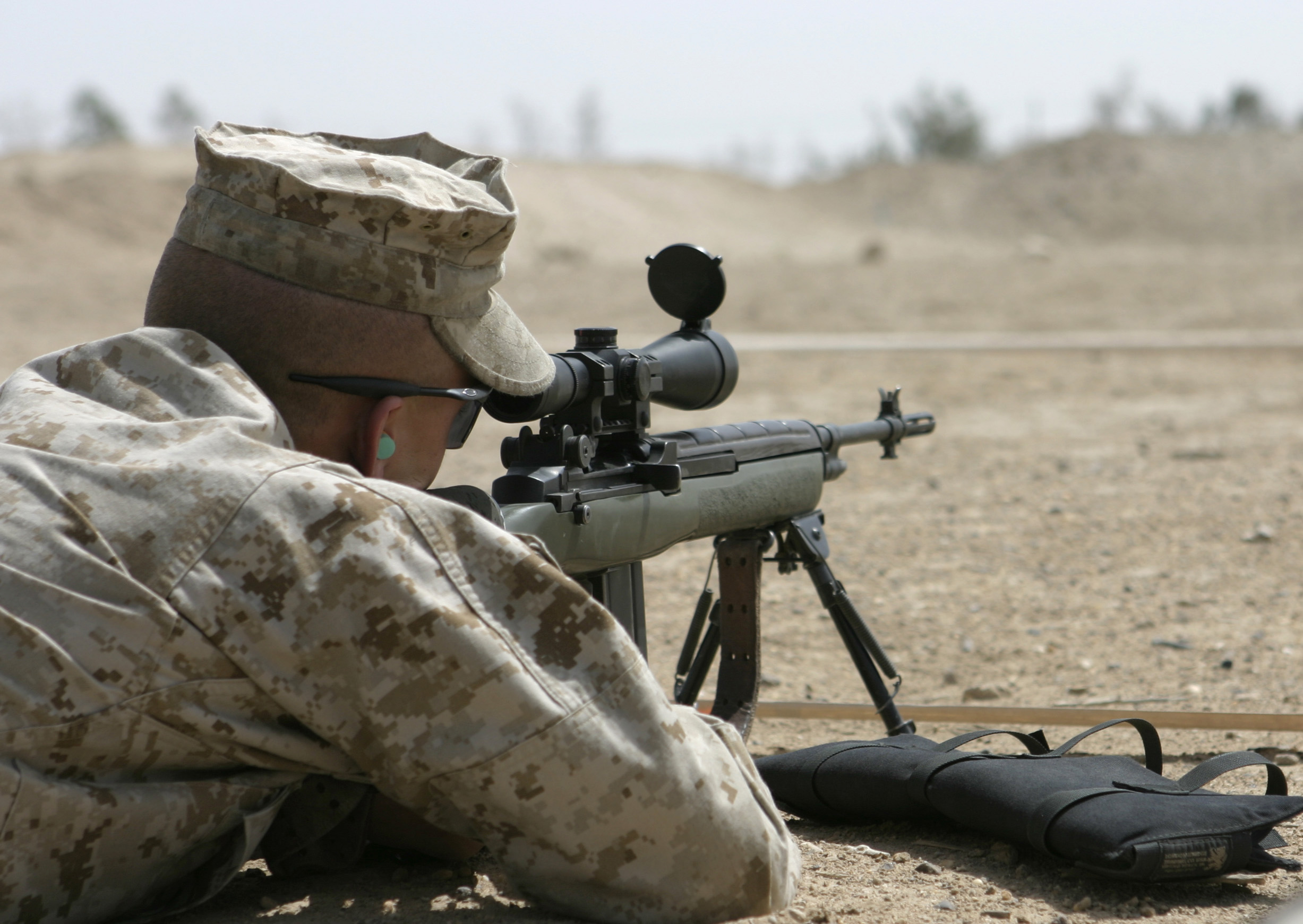
The M14 is a 7.62×51mm NATO rifle that served the United States military before being largely replaced by the M16 in standard infantry roles. Its traditional operating mechanism and substantial metal construction make it an interesting example in discussions of cold-weather reliability. Historical reliability testing examined both the M14 and AR-15 family under severe environmental conditions, including exposure to -40°F and colder temperatures. Those trials show why controlled testing matters more than reputation alone. The results apply to the particular rifles and procedures tested, not automatically to every M14 variant or rifle maintained under different conditions.
6. M16 Rifle
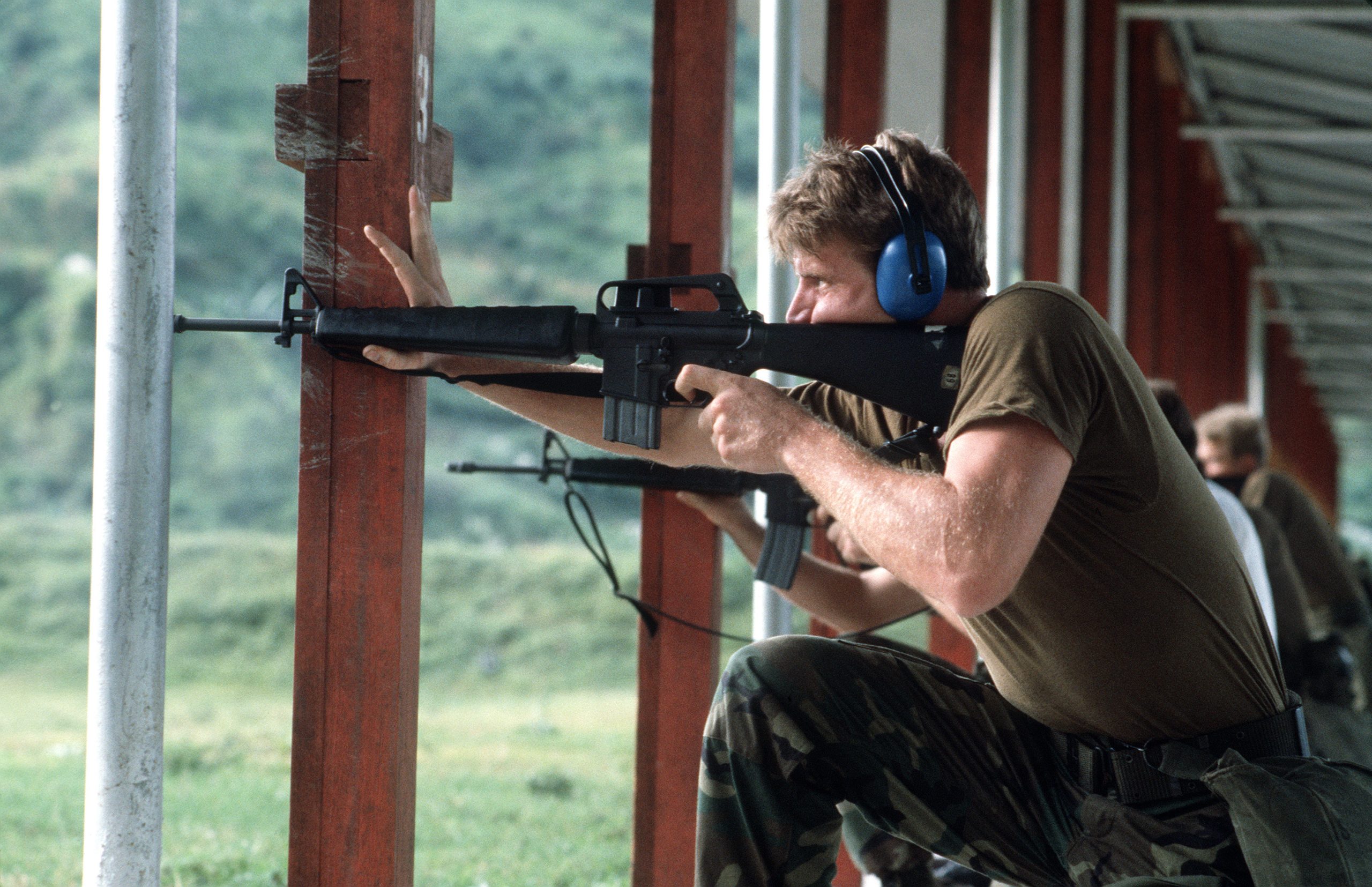
The M16 family demonstrates that a lightweight, gas-operated rifle can be evaluated for operation in severe cold rather than being dismissed because of its design. Historical testing compared AR-15 rifles with M14 rifles after extended exposure to subzero temperatures, repeated firing, and snow immersion. Some test stages reached temperatures well below -40°F, which is approximately -40°C. These trials examined more than whether a rifle could fire a single shot; they also considered performance after repeated environmental exposure. Such findings remain specific to the tested rifles and conditions, and should not be treated as a guarantee for every M16 variant.
7. Sako TRG Series
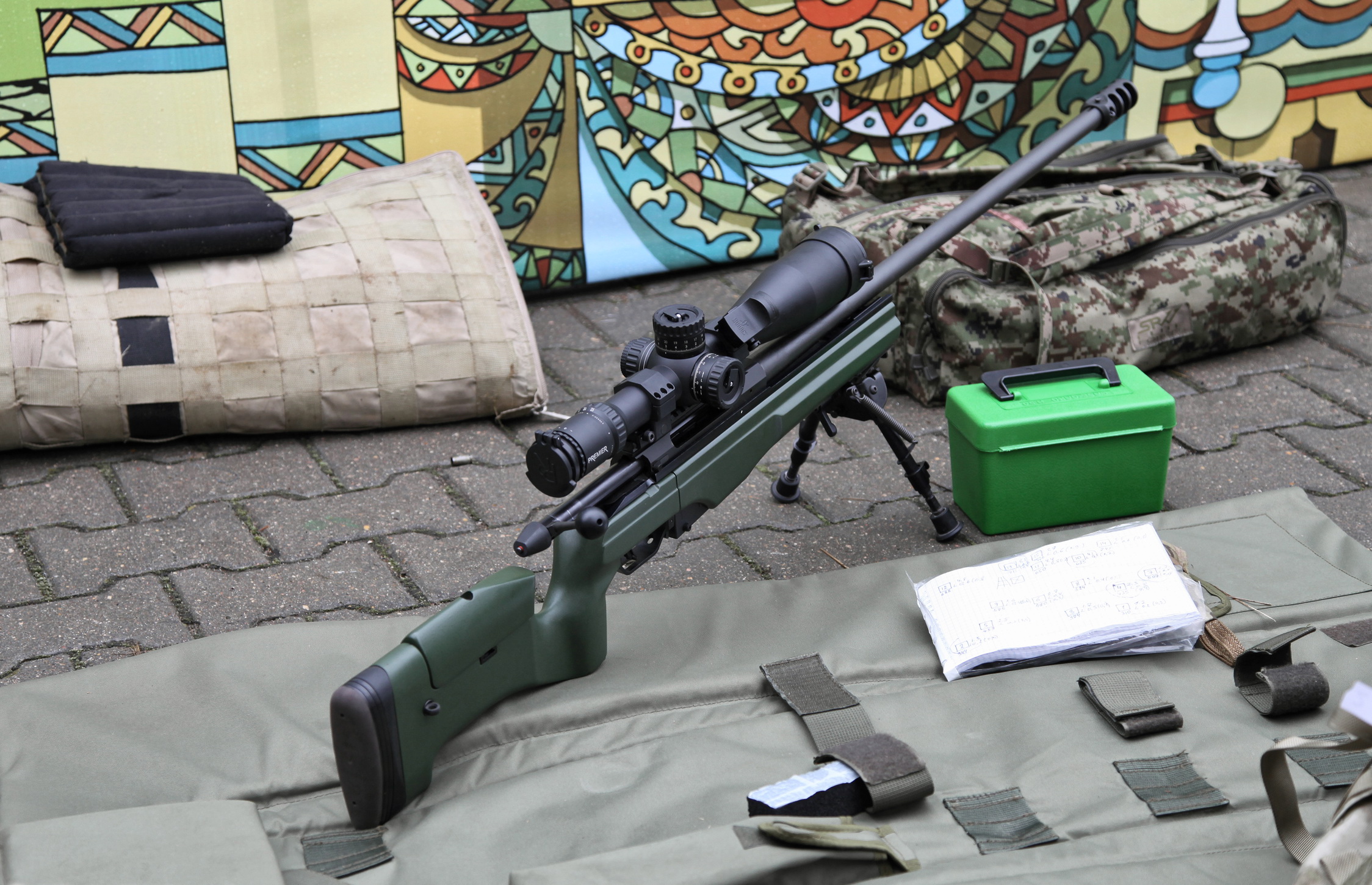
The Sako TRG series is known for precision-oriented bolt-action rifles used in professional and sporting applications. Its bolt-action layout avoids the cycling demands associated with many self-loading rifles, but that alone does not make it immune to freezing conditions. Snow, moisture, ice, and unsuitable lubricants can affect the bolt, trigger, and safety mechanism. Independent cold-weather observations involving a TRG42 found that the rifle’s operation was affected after exposure to snow and freezing conditions. The lesson is important: even a premium precision rifle needs suitable preparation, and its reputation cannot replace model-specific testing at temperatures below -40°C.