
Some cartridges become tools. The 6.5 Creedmoor became a cultural event.
That gap between performance and mythology is exactly where ballistic engineers tend to have the most interesting things to say.
Why engineers respect it more than they worship it
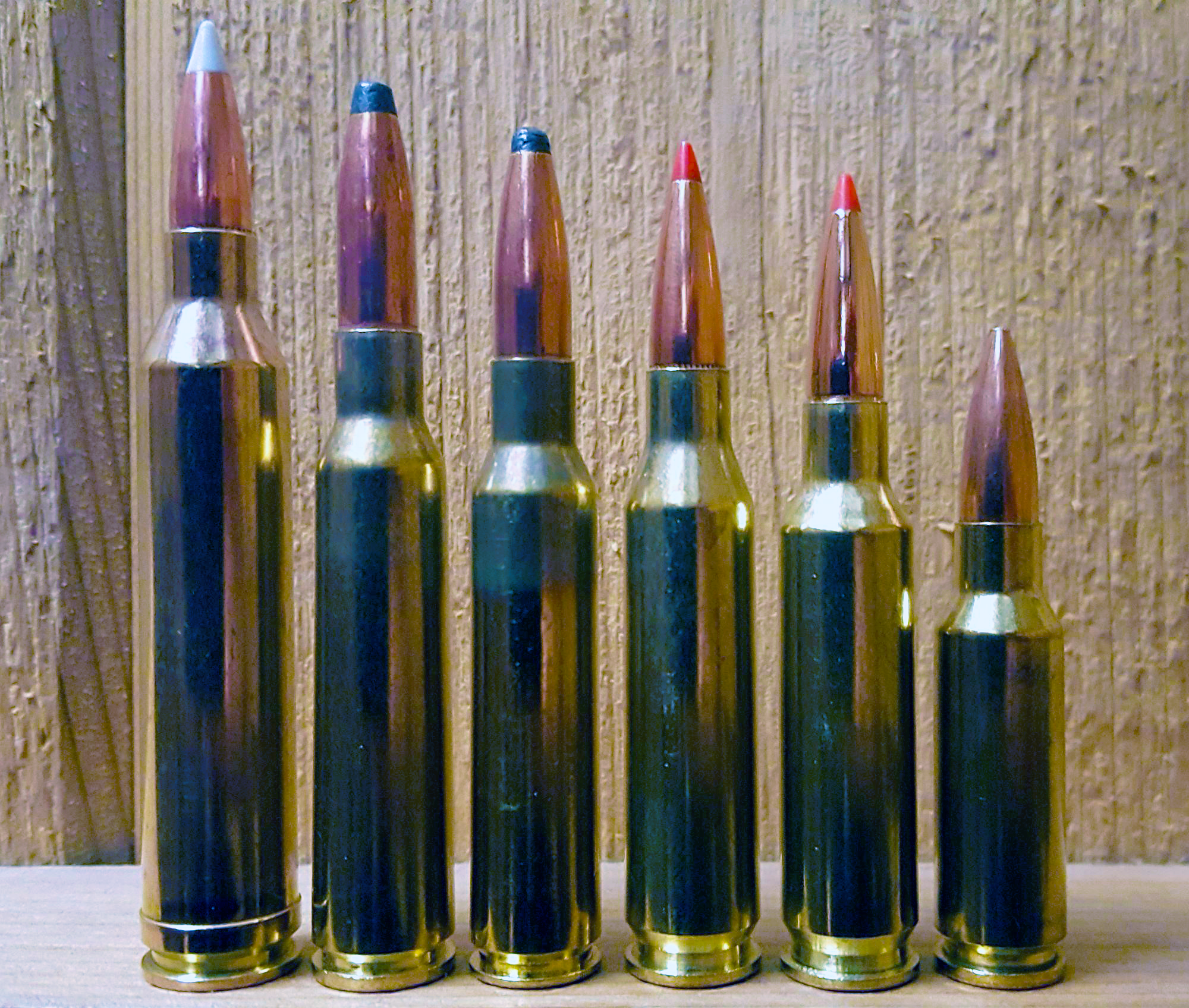
Ask a ballistic engineer about the 6.5 Creedmoor, and the first thing you usually hear is not fanfare but design appreciation. The cartridge was built around efficient case geometry, moderate recoil, and long, high-ballistic-coefficient bullets that fit in short-action magazines without awkward compromises. From an engineering standpoint, that is elegant packaging. It solves several practical problems at once, which is one reason it earned such fast adoption in target shooting and hunting circles.
Engineers also like that the cartridge performs predictably without demanding heroic barrel lengths or punishing powder charges. A typical 6.5 Creedmoor load can send a 140-grain class bullet at useful velocities while staying manageable in terms of pressure, heat, and shooter comfort. That balance matters more than internet debates admit. In the real world, cartridges that are easy to tune, easy to shoot, and easy to manufacture consistently tend to last.
But respect is not the same thing as devotion. Most engineers do not see the Creedmoor as magic, revolutionary, or universally superior. They see it as a smartly optimized answer to a certain set of constraints. That may sound less glamorous than the marketing story, but in technical circles, being well-optimized is high praise.
The real reason it feels so good to shoot

One reason the 6.5 Creedmoor inspired loyalty is simple: people shoot it well. Engineers point out that reduced recoil does more than make a rifle pleasant. It helps shooters spot impacts, maintain position, and avoid developing flinch habits that quietly wreck accuracy. Compared with heavier recoiling cartridges like .308 Winchester in similarly weighted rifles, the Creedmoor often gives average shooters better practical results even when benchrest group sizes are close.
That recoil advantage creates a kind of feedback loop. Shooters practice more because the rifle is comfortable. They get better because they practice more. Then the cartridge gets credit for all of that improvement, even when some of it really belongs to ergonomics and repetition. Engineers tend to separate those variables more carefully than enthusiasts do, but they still acknowledge the effect is real.
There is also the issue of external ballistics. High-BC 6.5 mm bullets hold velocity well and drift less in wind than many common .30-caliber loads fired at comparable recoil levels. For long-range target work, that makes missed wind calls less punishing. Engineers appreciate that because anything that widens the margin for human error has practical value.
Where the hype starts outrunning physics
This is where engineers become the wet blanket in the room. The 6.5 Creedmoor is efficient, but efficiency is not the same thing as dominance. It does not repeal the basic rules governing bullet weight, sectional density, impact velocity, drag, and energy transfer. If someone talks about it as if it turned ordinary shooters into snipers and ordinary rifles into laser beams, expect a polite technical correction.
One frequent point of skepticism involves claims that it is dramatically flatter than every older cartridge. In reality, the Creedmoor often wins by degrees, not by miracles. With modern bullets, cartridges such as .260 Remington, 6.5×55 Swedish, 6 mm Creedmoor, and even carefully loaded .308 can overlap more than marketing suggests, depending on range and application. Engineers care about actual trajectory tables, wind drift charts, and velocity windows, not vibe.
They also tend to bristle at the idea that one cartridge can be ideal for everything from deer woods to extreme-range steel to elk in rough country. Every design is a compromise. The Creedmoor’s compromise is unusually well chosen for many shooters, but it remains a compromise.
Why manufacturing consistency matters more than fan culture
A huge part of the Creedmoor story is not just the cartridge itself but the ecosystem around it. Engineers often note that widespread factory support helped create its reputation as much as the chamber design did. Good brass, sensible twist rates, match-grade factory ammunition, and rifles built with the cartridge’s intended bullet lengths in mind all made success easier for the end user. That kind of systems thinking matters.
This is why some engineers roll their eyes when people compare cartridges in a vacuum. A theoretically excellent round can underperform if the factory ammunition is inconsistent, the barrels are poorly specified, or the magazine geometry forces bullet seating compromises. The 6.5 Creedmoor arrived with unusually coherent industry support. In many rifles, shooters got useful precision without handloading acrobatics, and that made the cartridge seem almost foolproof.
From an engineering perspective, that is not cheating. It is a good product integration. A cartridge that works well across large-scale production tolerances is often more valuable than one that wins isolated ballistic arguments on paper. The Creedmoor benefited from that reality at exactly the right moment in the market.
What they say about hunting performance

In a game, engineers are usually more cautious than campfire storytellers. They know a cartridge’s terminal effect depends on impact velocity, bullet construction, shot placement, and animal size more than on internet reputation. In deer-sized applications, the 6.5 Creedmoor has built a strong record because it launches streamlined bullets that penetrate well and can expand reliably at moderate ranges when matched with the right design. That is a solid, boring, dependable answer, which engineers tend to trust.
The argument gets louder when larger animals enter the discussion. Some engineers are perfectly comfortable with the Creedmoor for elk under disciplined conditions, especially with premium bullets and shooters who respect range limits. Others prefer more frontal area, more impact energy, or more margin for angle and bone. Neither side is being irrational. They are simply weighting risk differently.
That nuance often disappears in consumer culture. Engineers rarely speak in absolutes because they think in failure modes. The cartridge can work very well, but “can work” and “best choice” are not interchangeable phrases.
The role of media, marketing, and shooter identity

If you want to understand the obsession, engineers will often say you have to look beyond ballistics. The 6.5 Creedmoor arrived at a perfect cultural moment: affordable precision rifles were booming, factory match ammo was improving, and long-range shooting had become aspirational. The cartridge was easy to recommend because it gave ordinary shooters a taste of competence at distance without the recoil and expense penalties of larger magnum rounds. That is a powerful product story.
Once a cartridge becomes a symbol, technical discussion gets messy. Some shooters embraced the Creedmoor because it genuinely fit their needs. Others adopted it because it signaled modernity, seriousness, or membership in a certain kind of rifle culture. Then the backlash formed just as predictably, with critics mocking it not because it performed poorly but because it became ubiquitous. Engineers tend to find both reactions a little theatrical.
They know public enthusiasm can distort perception. Success breeds overclaiming, and backlash breeds unfair dismissal. The cartridge itself remains the same through both cycles, quietly obeying the same pressure curves and drag equations as ever.
So what do ballistic engineers actually think?

In plain terms, they think the 6.5 Creedmoor is a very good cartridge that benefited from excellent timing and even better storytelling. It is not a fad in the sense of being unserious or incapable. It is also not a miracle round that made all previous cartridges obsolete. Engineers generally admire it for being balanced, practical, and unusually well supported by manufacturers rather than for being mystical.
They also see it as a case study in how good engineering can be amplified by market alignment. The cartridge delivered low recoil, useful long-range performance, manageable barrel life compared with hotter rounds, and broad factory availability. That combination is hard to beat for target shooters and entirely sensible for a large percentage of hunters. None of that requires exaggeration to remain impressive.
If there is one thing engineers dislike, it is sloppy thinking. Their view of the Creedmoor is therefore refreshingly simple: use it where its strengths matter, do not pretend it has no limits, and remember that physics does not care about hype. That may be the least obsessive Creedmoor opinion of all, which is probably why it is the most credible.