Flying across Alaska’s remote wilderness requires more than a dependable aircraft and good navigation skills. Bush pilots regularly travel over enormous stretches of mountains, forests, glaciers, and isolated river valleys where roads are scarce, and emergency assistance may take considerable time to arrive. Their survival equipment reflects these demanding conditions, with food, shelter, communication devices, first-aid supplies, and sometimes firearms forming part of their wider preparations.
1. Ruger Hawkeye
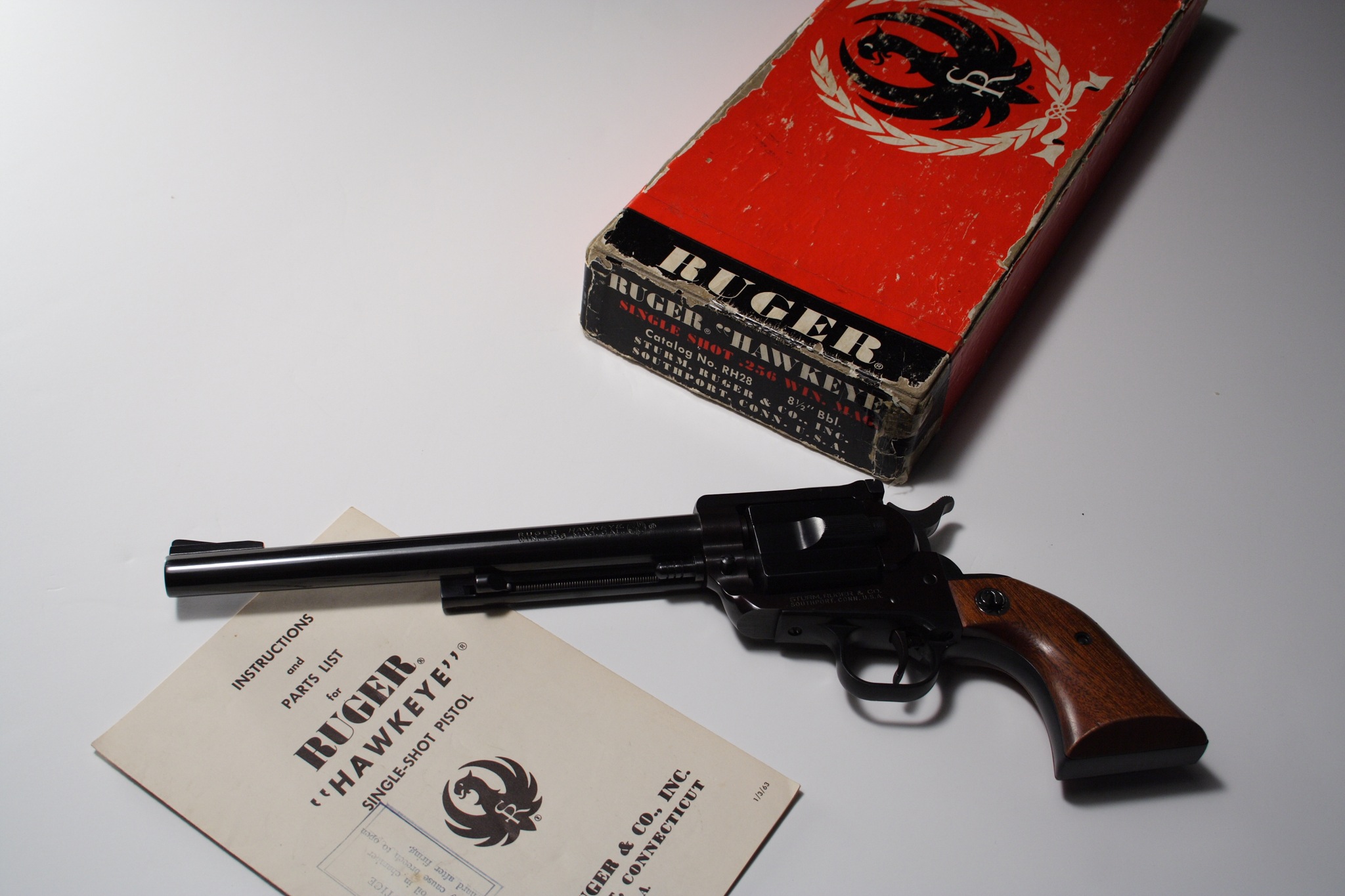
The Ruger Hawkeye is a familiar choice among hunters who need a weather-resistant bolt-action rifle for demanding Alaskan conditions. Bush pilot Brett Coblentz specifically identified a stainless-steel Hawkeye in .300 Winchester Magnum as his preferred hunting rifle. His setup included a synthetic stock and Leupold VX-5 scope, reflecting the value of corrosion resistance around Southeast Alaska’s saltwater environment. The .300 Win. Mag. dates to 1963 and is widely used for large North American game. This is a documented personal hunting choice, not equipment carried by every pilot.
2. Winchester Model 70
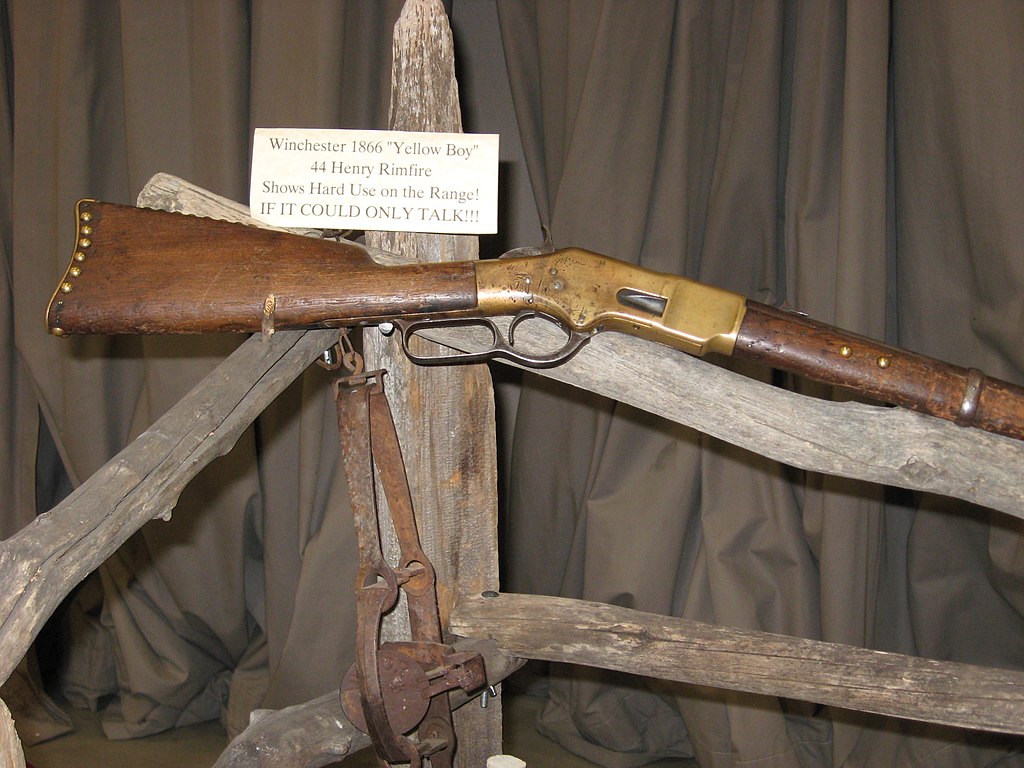
The Winchester Model 70 has a long-standing reputation among North American hunters, making it a natural example of an Alaskan backcountry rifle. Introduced in 1936, this bolt-action design comes in chamberings such as .30-06 Springfield and .300 Winchester Magnum. Its controlled-round-feed versions appeal to traditional hunters. In Alaska, where weather can change quickly and equipment faces moisture, a properly maintained weather-resistant model is a sensible consideration. Individual pilots make their own choices; there is no statewide requirement to carry this rifle.
3. Remington Model 700
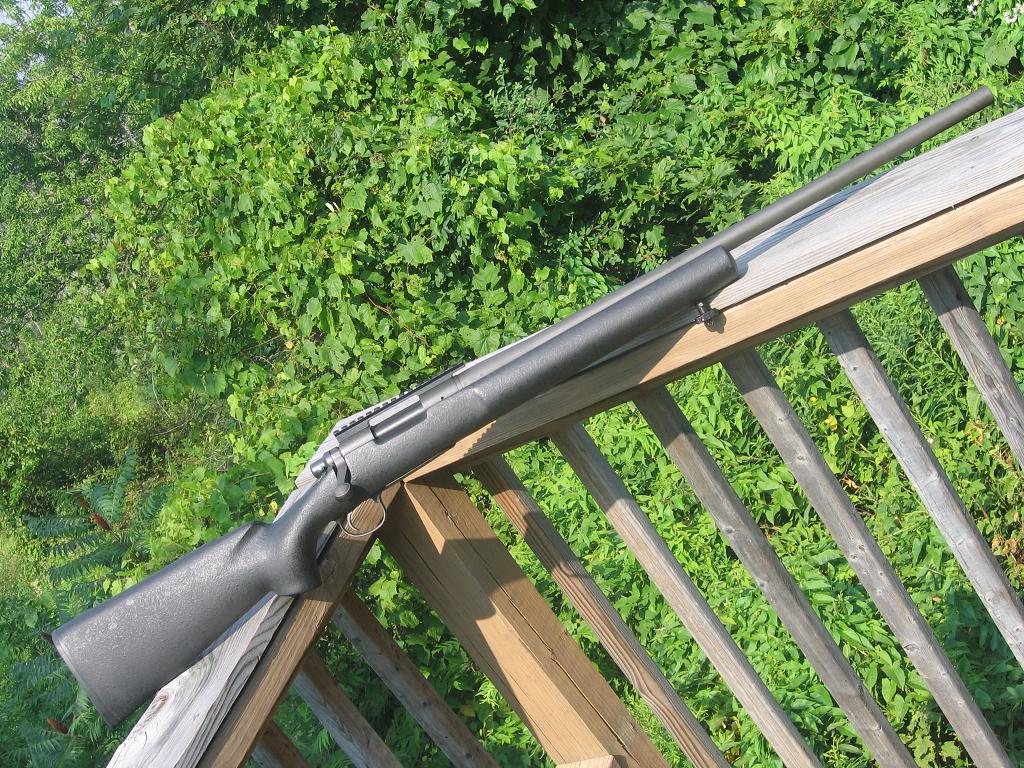
The Remington Model 700 is an established bolt-action platform that has served hunters for decades. Introduced in 1962, it has been chambered in popular cartridges such as .308 Winchester, .30-06 Springfield, and .300 Winchester Magnum. Its familiar design and wide range of configurations have made it common in North American hunting circles. For an Alaskan pilot who also hunts, a weather-resistant version may matter more than decorative features or extra weight. The Model 700 is a representative backcountry hunting option, not a verified standard item in bush-aircraft emergency kits.
4. Savage 110
The Savage 110 has a long production history and many configurations. First introduced in 1958, this bolt-action model has been chambered for cartridges such as .270 Winchester, .308 Winchester, and .30-06 Springfield. Many versions feature an adjustable AccuTrigger, while weather-resistant models address the practical demands of outdoor use. In Alaska’s wet coastal regions or colder interior, corrosion resistance and dependable maintenance matter more than appearance. It is a credible hunting companion, although pilots choose equipment according to personal needs and aircraft limits.
5. Marlin 1895

The Marlin 1895 is a substantial lever-action rifle associated with hunting in bear country. Built around the .45-70 Government cartridge, the modern 1895 family includes configurations intended for rugged outdoor use. The cartridge dates to 1873, giving it a history older than powered bush aviation. Its traditional lever-action design appeals to hunters, though its weight matters when travelling by small aircraft. For some hunters, it is a possible backcountry choice for remote Alaskan travel, not a legally required component of an aircraft survival kit.
6. Browning BLR
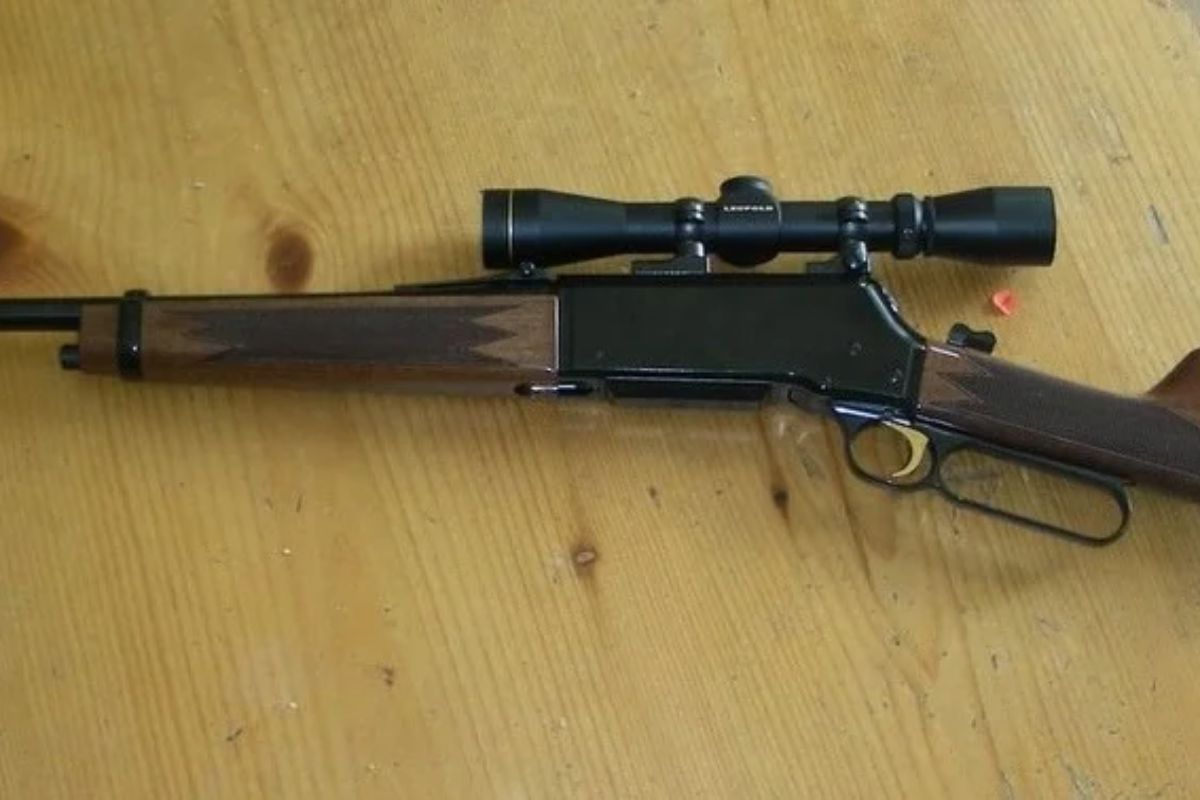
The Browning BLR offers a modern variation on the traditional lever-action rifle. Its rotating bolt and detachable magazine allow suitable versions to use cartridges such as .308 Winchester and .30-06 Springfield. Introduced in 1969, the BLR appeals to hunters who like lever-action handling but want modern centerfire chamberings. It can suit varied hunting trips. In Alaska, a weather-resistant finish and secure storage are practical considerations. The BLR remains an individual equipment choice, not a standard survival-kit issue for bush pilots.
7. Henry Long Ranger
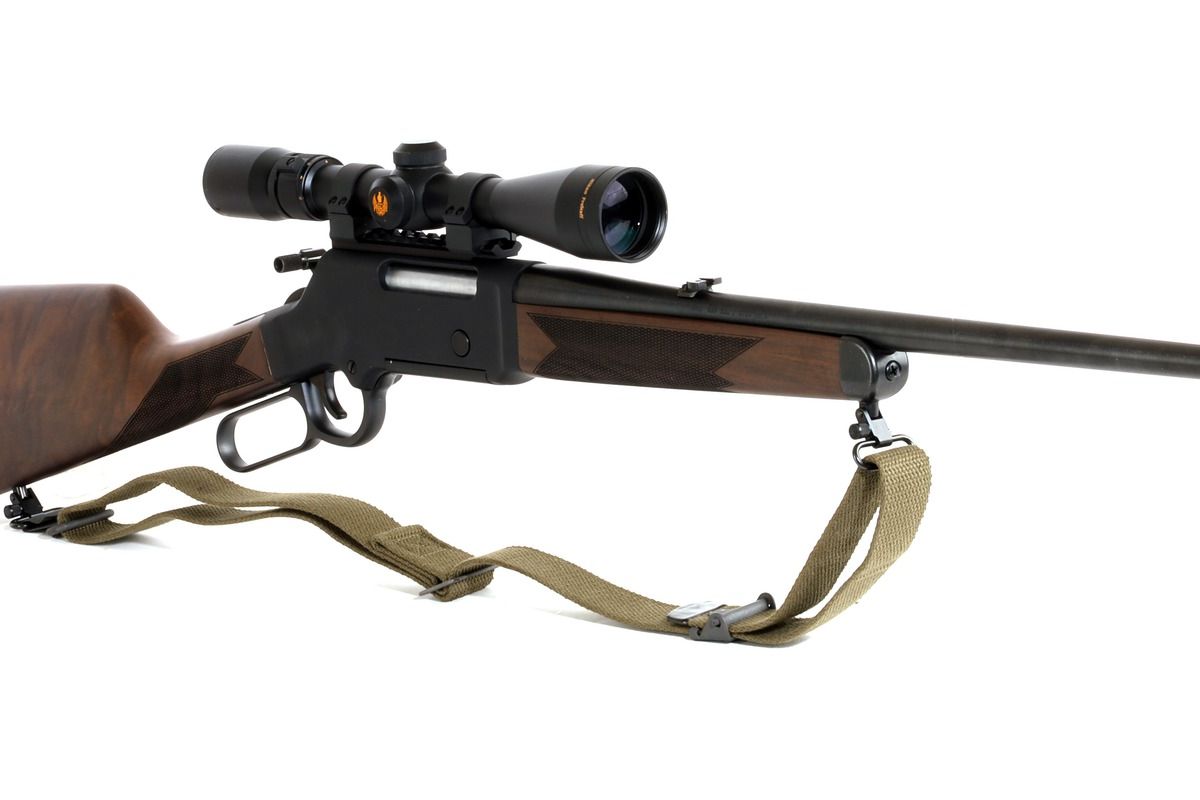
The Henry Long Ranger brings a modern sporting-rifle design to the lever-action category. Introduced in 2017, it uses a geared action and detachable magazine, with chamberings including .223 Remington, .243 Winchester, and .308 Winchester, depending on the version. Its traditional appearance is paired with features that distinguish it from older tube-fed designs. A pilot who also hunts may appreciate a compact sporting configuration, but aircraft weight limits and secure storage still matter. It is a plausible backcountry option, not a confirmed standard carried by Alaskan pilots.
8. Ruger 10/22
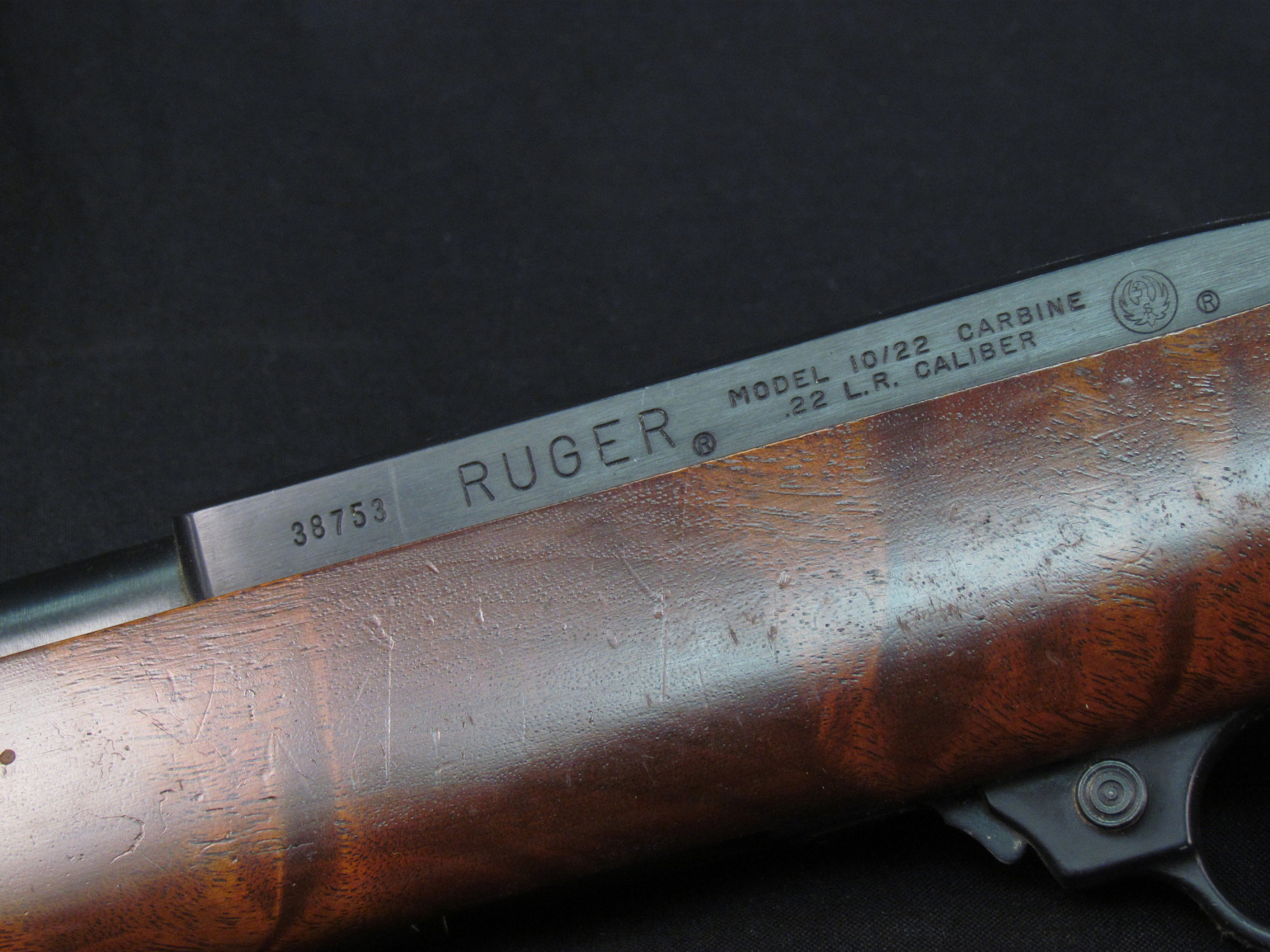
The Ruger 10/22 differs from the larger hunting rifles often associated with Alaska. Introduced in 1964, this lightweight semi-automatic is chambered in .22 Long Rifle and is widely known as a practical sporting firearm. Its modest size makes it easier to transport than many full-size rifles, although its capabilities are not comparable to large-game hunting cartridges. A pilot might own one for small-game hunting or recreational use at a remote cabin. It is a sporting option, not a substitute for bear-country precautions, nor is it required survival equipment.
9. Tikka T3x
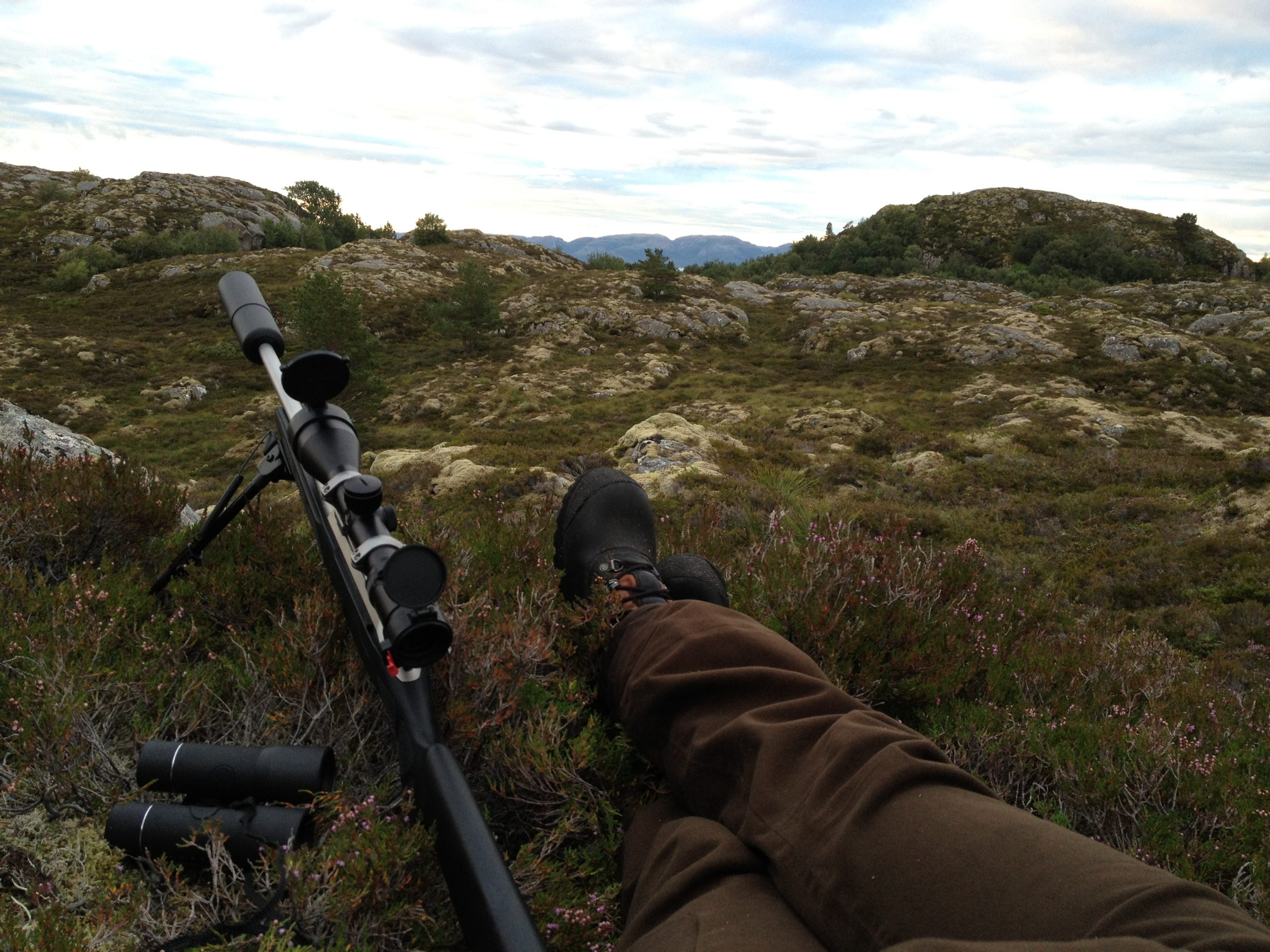
The Tikka T3x is a modern bolt-action hunting rifle from Finland, known among hunters for its consistent manufacturing and smooth action. Introduced as an updated T3 family in 2016, it is offered in chamberings including .308 Winchester and .30-06 Springfield. Several stock and barrel options suit different hunting preferences. For Alaskan travel, a weather-resistant configuration can be useful where rain, damp storage, and temperature changes are routine. It is a contemporary hunting option an individual pilot might choose, not a universal aircraft survival-kit rifle.
10. Winchester Model 1894
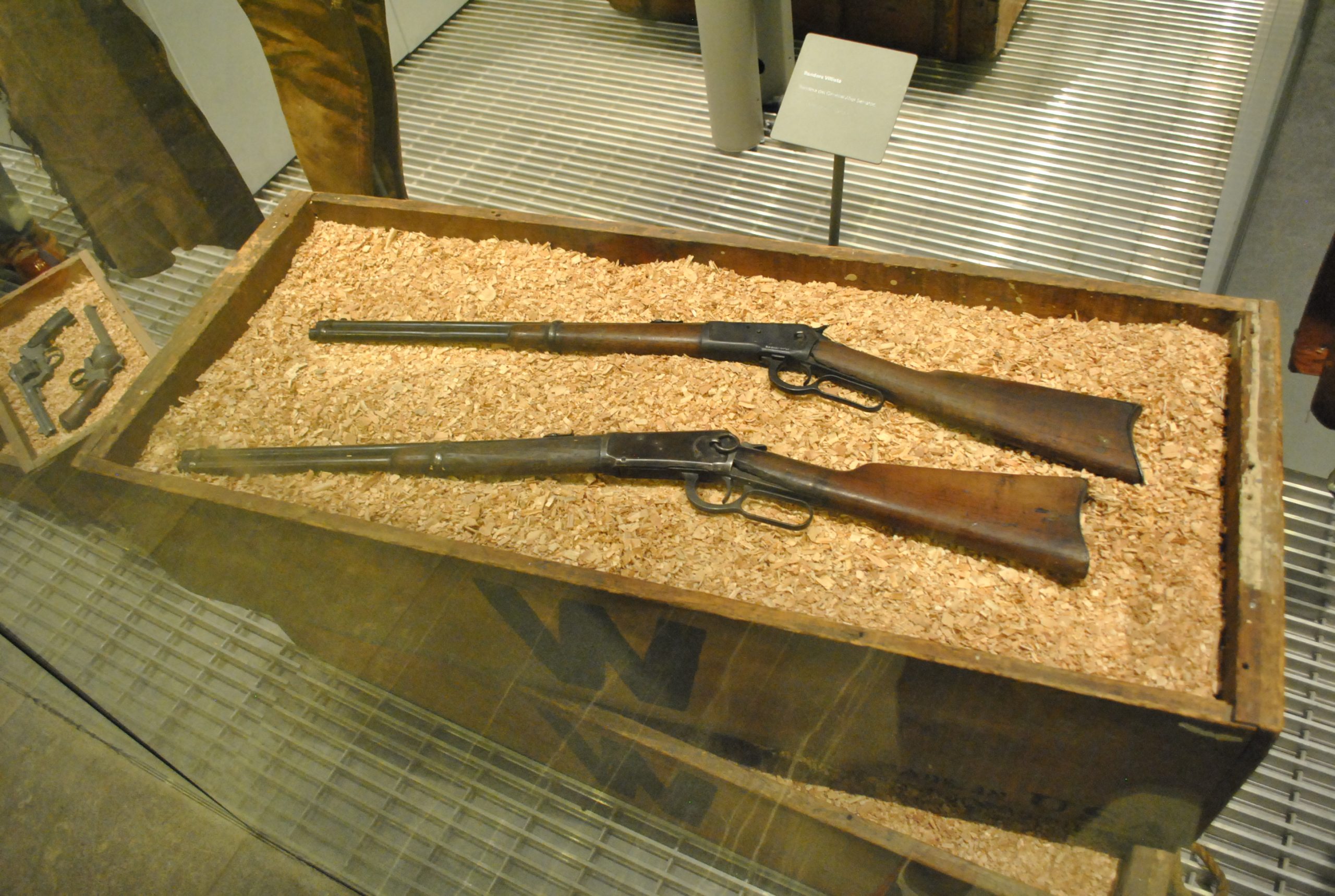
The Winchester Model 1894 is one of the best-known lever-action sporting rifles in American history. Designed by John Browning and introduced in 1894, it became closely associated with the .30-30 Winchester cartridge, which appeared in 1895. Its handy profile helped make it popular with generations of hunters in wooded country. Although it is not a specialist choice for Alaska’s largest wildlife, it remains an example of a traditional sporting rifle a pilot might take on a personal hunting trip. Its history is clear, but no pilot’s kit should be assumed to contain one.