Some caliber arguments never die. This one survives because both sides have a very strong case.
Why This Debate Refuses to Go Away
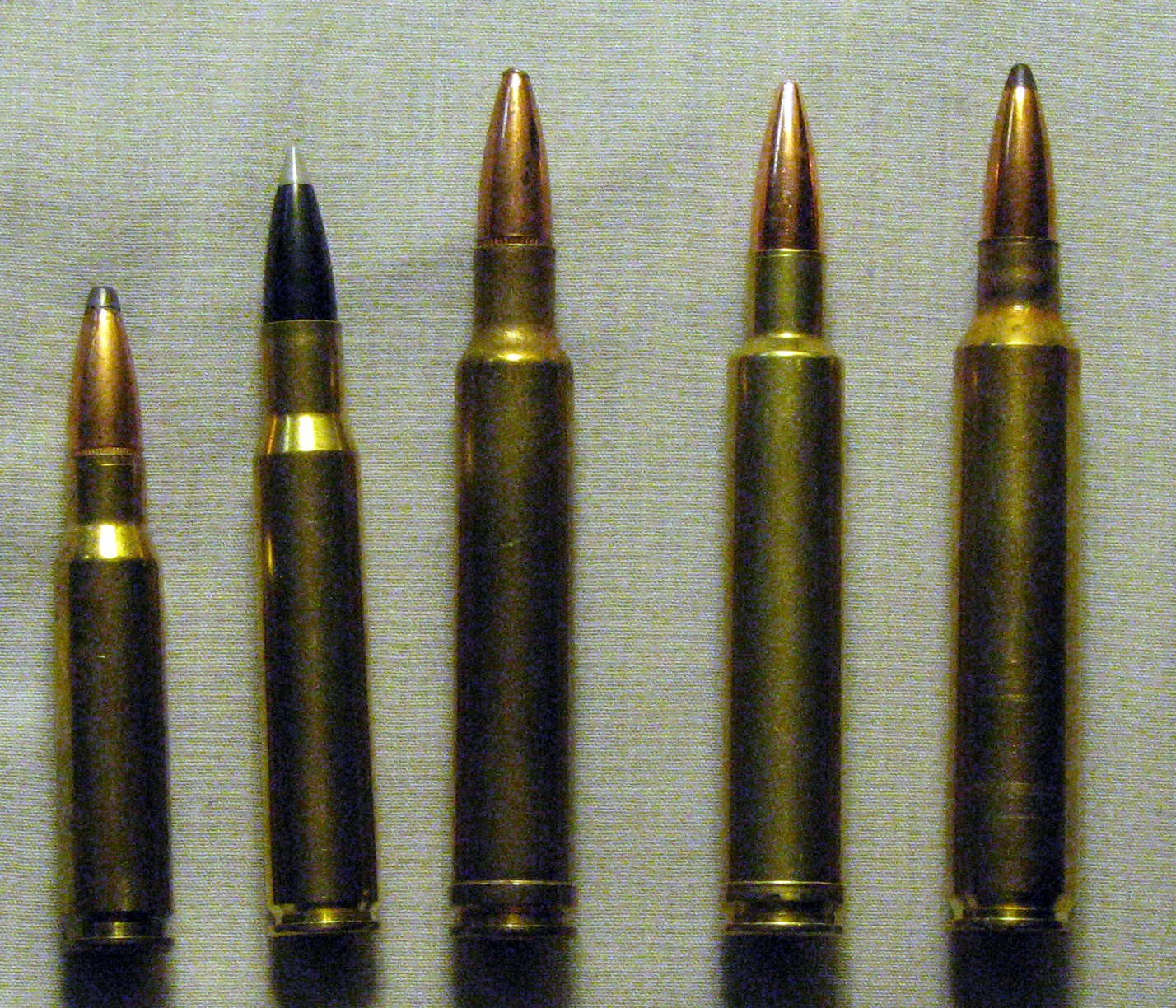
The .300 Winchester Magnum and 7mm Remington Magnum have been mainstays of North American big game hunting for decades, and neither got there by accident. Each offers a flat trajectory, serious downrange energy, and enough versatility to cover a wide range of animals from deer to elk. Because both are proven performers, the debate is not driven by hype alone. It is driven by the fact that hunters keep seeing good results from both in the field.
The 7mm Rem Mag built its reputation on speed, sleek bullets, and excellent long-range manners. With common bullet weights from 139 to 175 grains, it tends to shoot flatter than many traditional hunting rounds while producing less recoil than the larger .30 caliber magnums. That combination makes it appealing to hunters who value precision at distance and want a forgiving trajectory in open country.
The .300 Win Mag answers with heavier bullets, broader ammunition selection, and more authority on large-bodied game. Typical loads run from 150 to 200 grains, with 180-grain hunting loads often seen as the standard do-it-all option. When hunters talk about one rifle for deer, elk, moose, and even bear, the .300 often enters the conversation quickly because of its bullet weight and terminal flexibility.
What keeps the debate alive is that “better” depends heavily on context. The hunter shooting cross-canyon mule deer at extended ranges may reasonably favor one cartridge, while the elk hunter expecting steep angles, wind, and imperfect shot opportunities may lean the other way. In other words, this is less a question of which cartridge is universally superior and more a question of which one gives the individual hunter the greatest margin for success.
Ballistics on Paper: Speed, Drop, and Wind Drift

On a ballistic chart, the 7mm Rem Mag often looks like the cleaner, more elegant package. Its bullets usually carry high ballistic coefficients for their weight, which helps them retain velocity and resist wind deflection. A typical 160-grain 7mm hunting load leaving around 3000 fps can produce a very flat trajectory and notably efficient flight, especially when compared with older bullet designs in other calibers.
The .300 Win Mag is hardly a slouch, though. A common 180-grain load around 2960 fps delivers strong energy while still shooting flat enough for any realistic big game distance. Modern .30 caliber bullets have improved dramatically, and premium 175-, 180-, and 190-grain projectiles now offer aerodynamic performance that narrows the old gap many hunters still assume is much larger than it really is.
Wind is where the 7mm often earns its loudest praise. In practical field terms, less drift can mean a little more forgiveness when a hunter misreads a quartering breeze on an exposed ridge. That advantage is real, but it is often overstated. With well-matched loads, the differences can be meaningful without being decisive, especially inside normal hunting distances where shot execution matters more than tiny ballistic margins.
Where the .300 usually claws back ground is impact energy and frontal area. Even when trajectories look similar, a .30 caliber bullet tends to hit with more momentum and wider diameter. That does not automatically mean deadlier for every animal. Still, it does help explain why many guides and experienced elk hunters remain deeply loyal to the .300 Win Mag despite the 7mm’s polished ballistic profile.
Recoil, Shootability, and Real Accuracy

A cartridge can look brilliant on paper and still fail a hunter if it causes flinching. That is why recoil matters more than many campfire arguments admit. In rifles of similar weight, the .300 Win Mag generally kicks harder than the 7mm Rem Mag, and not by a trivial amount. For some shooters, especially those practicing from field positions rather than benches, that difference shows up quickly in accuracy and confidence.
The 7mm Rem Mag has long been considered the more shootable magnum for a broad slice of hunters. It offers true magnum reach without crossing as aggressively into the recoil territory that makes practice unpleasant. Hunters who shoot it well often point out a simple truth: a cartridge you can place precisely under stress beats a theoretically stronger cartridge that makes you anticipate the shot.
That does not mean the .300 Win Mag is unmanageable. In a properly stocked rifle with a good recoil pad, or better ye,t a suppressor or muzzle brake where legal and practical, many shooters handle it just fine. In fact, plenty of hunters shoot the .300 extremely well because they trust it, train with it, and appreciate its authority on larger game. Familiarity often neutralizes recoil on paper better than arguments ever will.
Real field accuracy comes from the whole system, not just the cartridge. Rifle fit, trigger quality, optic setup, ammunition consistency, and shooting discipline all matter more than a few tenths of an inch in group size. If one hunter consistently prints better groups and faster follow-up shots with a 7mm, while another feels rock solid behind a .300, those outcomes are more important than abstract claims about what should happen.
Bullet Performance and What Happenin theon Game
Terminal performance is where this debate becomes more nuanced than raw energy figures suggest. The 7mm Rem Mag benefits from long, heavy-for-caliber bullets with excellent sectional density, especially in 160- and 175-grain loads. That can translate into deep penetration and reliable performance on elk-sized animals when paired with controlled-expansion designs. Hunters who favor the 7mm often argue, with good reason, that proper bullets erase much of the caliber-size concern.
The .300 Win Mag, however, offers a larger diameter bullet and more flexibility across a wider weight range. From lighter 150-grain deer loads to stout 200-grain bonded or monolithic projectiles for moose and big bull elk, the cartridge can be tailored to game size with unusual ease. That flexibility matters in the real world, especially for hunters who may pursue multiple species with one rifle and want options on sporting goods shelves.
On deer and pronghorn, both cartridges can be more than necessary, but both can work very well with the right bullet. The risk is not lack of lethality. It is excessive meat damage with fast, lightly constructed bullets at closer ranges. Here the choice of projectile matters more than the headstamp. A premium bullet that holds together often does more to improve results than switching from one magnum to the other.
On elk, moose, and black bear, the .300’s extra bullet weight gives many hunters added confidence, especially on quartering shots or when conditions are imperfect. Still, the 7mm has compiled an impressive record in the hands of disciplined shooters who place bullets well. In the field, neither cartridge magically compensates for poor angles or rushed decisions. Bullet construction and shot placement remain the true deciding factors.
Where Each Cartridge Shines in Actual Hunting Country

Terrain has a huge influence on which cartridge feels superior. In open basins, alpine country, and windy sage flats, the 7mm Rem Mag feels purpose-built. Its flat flight and efficient bullets make range estimation errors less punishing and can simplify holds when distances stretch. For hunters chasing mule deer, sheep, or antelope in places where shots often come with time to set up carefully, the 7mm makes a persuasive case.
The .300 Win Mag tends to feel at home where animal size and shot uncertainty increase together. Elk in dark timber edges, moose in cutovers, and mixed-bag Western hunts all highlight its strengths. A hunter may not always get a broadside, perfectly measured shot. In those moments, carrying a heavier .30 caliber bullet can offer peace of mind, particularly when the target is large, the angle is less than ideal, or the range is changing fast.
Consider the common Western elk scenario: a steep hillside, a gusting crosswind, and a bull that stops only briefly. The 7mm gives a slight edge in wind drift and often a bit less recoil at the shot. The .300 counters with greater impact weight if the bullet must break substantial bone and continue through. Neither advantage is imaginary, which is why honest hunters can experience similar success while preferring opposite tools.
In dense woods or shorter range setups, neither cartridge gains much from its long-range reputation. At that point, rifle handling, scope magnification, and bullet choice matter more than external ballistics. But if a hunter wants one magnum for everything from bean-field whitetails to mountain elk, the .300 often wins on all-around breadth, while the 7mm wins on elegance and ease.
Ammo Availability, Rifle Options, and Practical Ownership
Practical ownership matters because a great caliber is only great if you can feed it, find a rifle for it, and afford to practice. The .300 Win Mag has a major advantage in ammunition breadth. Nearly every major manufacturer loads it, and choices range from affordable hunting ammunition to premium long-range and dangerous-game-leaning options. In many stores, especially in hunting regions, .300 Win Mag is one of the easiest magnums to find.
The 7mm Rem Mag is also widely available and remains one of the most successful belted magnums ever made. It is hardly obscure, and many shelves still carry a healthy selection of 139-, 150-, 160-, and 175-grain loads. Still, in lean supply periods, the .300 often enjoys slightly deeper inventory simply because of its broad popularity across hunting, long-range shooting, and global big game use.
Rifle options are excellent for both. Nearly every major bolt-action manufacturer has chambered each cartridge in multiple hunting configurations, from lightweight mountain rifles to heavier precision-minded models. Barrel length can shape performance significantly, though. Both cartridges generally reward 24-inch to 26-inch barrels, and hunters who chop them shorter for portability should expect more blast and some velocity loss.
Cost of ownership includes recoil management and training time. If the 7mm encourages a hunter to shoot 40 extra rounds of practice before season because it is more comfortable, that matters. If the .300 gives another hunter confidence to tackle any elk, moose, or bear hunt on the calendar, that matters too. The best practical choice is the one you will actually shoot often, carry confidently, and load with bullets suited to your game.
So Which One Actually Wins in the Field?
If the question is which cartridge is more ballistically efficient and generally easier to shoot well, the 7mm Rem Mag has the edge. It offers flatter tendencies with high-BC bullets, less recoil, and excellent performance on everything from deer to elk. For hunters who prioritize precision in open country and want a magnum that feels a little more forgiving at the shoulder, it remains one of the smartest big game choices ever designed.
If the question is which cartridge gives the broadest margin on heavier animals and the most versatility across bullet weights and hunting scenarios, the .300 Win Mag probably takes it. It hits harder, offers more frontal diameter, and has an unmatched reputation as a one-rifle answer for nearly all North American big game. That is why so many experienced outfitters, elk hunters, and traveling hunters continue to trust it year after year.
In truth, the field does not reward internet arguments. It rewards calm shooting, durable bullets, and decisions made within real limits. A hunter with a well-zeroed 7mm and disciplined shot selection is fully armed for serious big game work. A hunter with a practiced .300 and a stout 180-grain or 200-grain load carries equally legitimate authority. The difference is often less dramatic than the debate suggests.
So the honest verdict is simple. The 7mm Rem Mag wins for many hunters as the more shootable, efficient performer. The .300 Win Mag wins as the tougher, more versatile hammer. The actual winner in the field is the one that fits your recoil tolerance, hunting terrain, and game list well enough that you never hesitate when the moment of truth arrives.