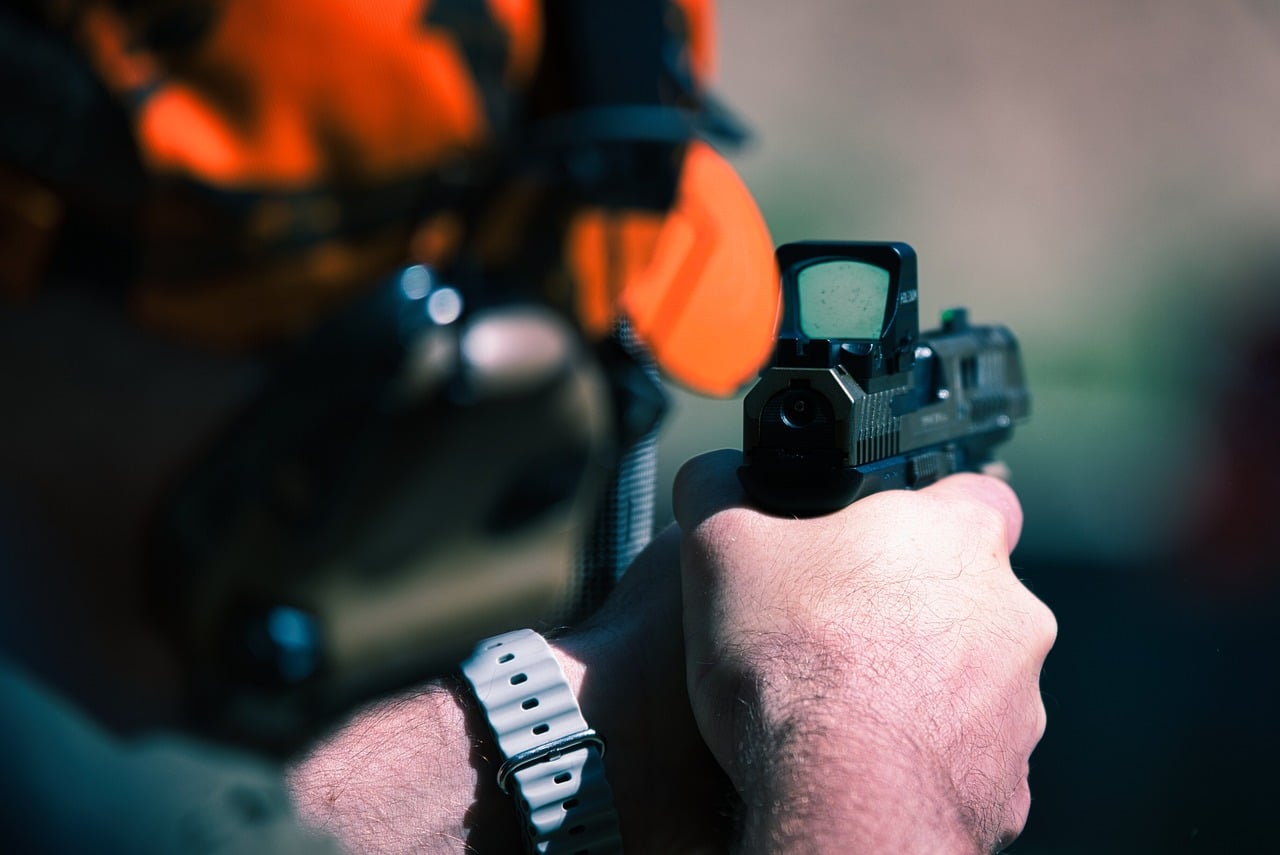
Cold air, thin timber, one bull bugling in the dark: elk hunting has a way of stripping everything down to essentials. That is exactly why some hunters still choose a rifle that gives them only one round before they have to reload.
The single-shot rifle is really a philosophy.
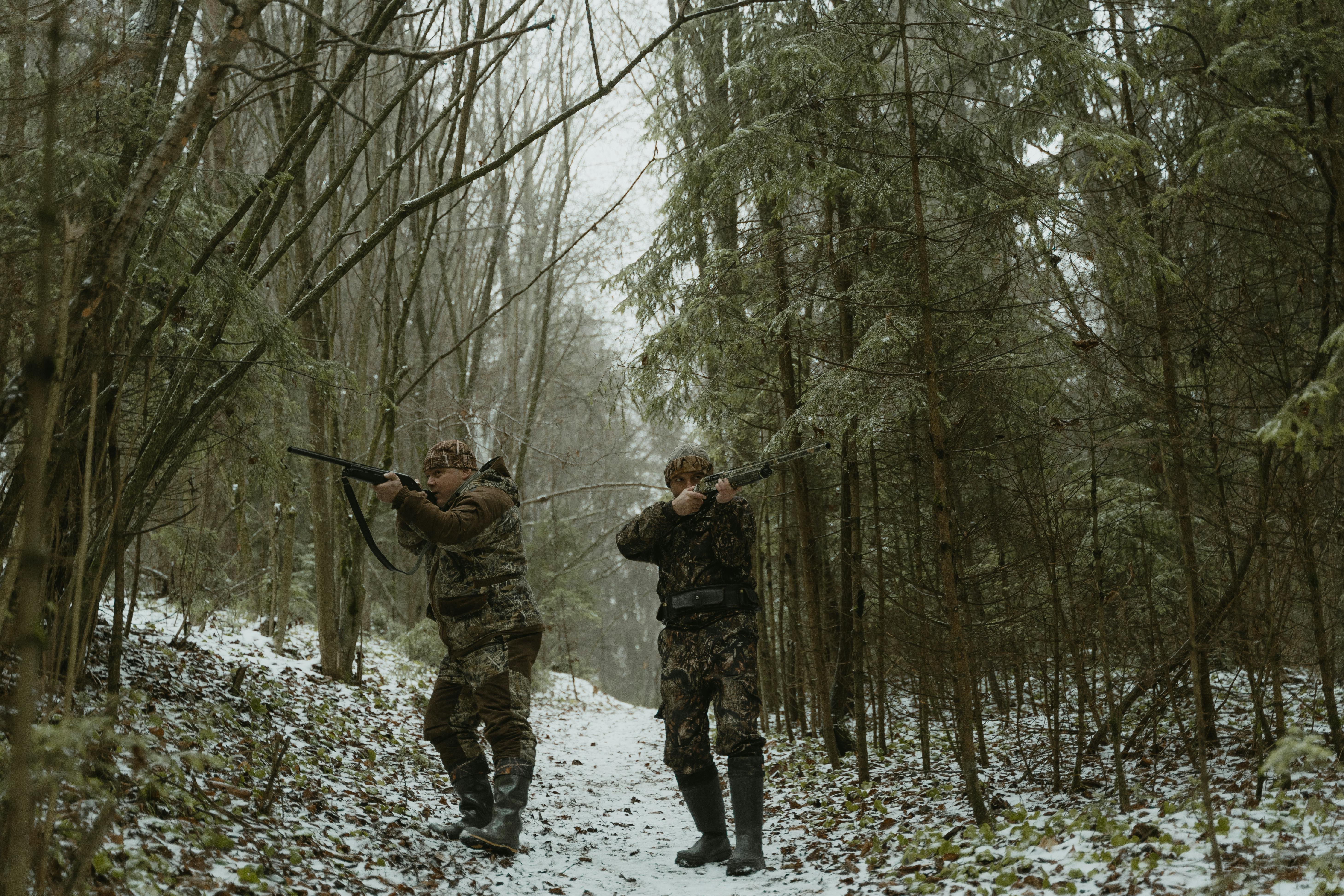
To people outside hunting, a single-shot rifle can look like a handicap. To the hunters who carry one into elk country, it is the point. They like the fact that the rifle demands a pause, a decision, and total commitment before the trigger breaks. In their minds, that turns the shot from a reflex into a deliberate act.
That mindset lines up with the broader fair-chase ethic that has shaped North American big-game hunting for generations. Boone and Crockett define fair chase as lawful pursuit, hunter behavior, and getting close enough for a killing shot with adequate weaponry. That framework does not require a single-shot rifle, but it absolutely rewards restraint and judgment, which is why many traditional elk hunters feel a strong connection to it.
Their argument is less about machinery than mentality. They believe a hunter who knows there is no instant second round tends to move more carefully, wait longer, and shoot only when the sight picture is right. In a sport where one rushed decision can wound a bull and ruin a season, they see that discipline as a feature, not a flaw.
Elk hunting punishes rushed shooting more than people think.

Elk are big animals, but that does not make them easy targets. They live in steep country, appear at awkward angles, and rarely stand broadside in perfect light for very long. Outdoor Life has long emphasized that elk hunters make costly mistakes when they misjudge distance, rush a shot, or depend too much on equipment instead of fundamentals.
That is a major reason single-shot loyalists distrust the idea that more rounds automatically equal better hunting. They argue that most elk opportunities are decided before the first shot anyway: by the stalk, the wind, the setup, and the shooter’s nerve. If the first bullet is poorly placed, having more ammunition ready in a fraction of a second may not solve the real problem.
In that sense, the single-shot rifle becomes a forcing function. It reminds the hunter that accuracy, angle, and timing matter more than volume. Even hunters who do not use single-shots often admit the same truth in practice: a clean first hit is the whole game, and everything after that is recovery from a mistake.
Why semi-autos make some traditionalists uneasy
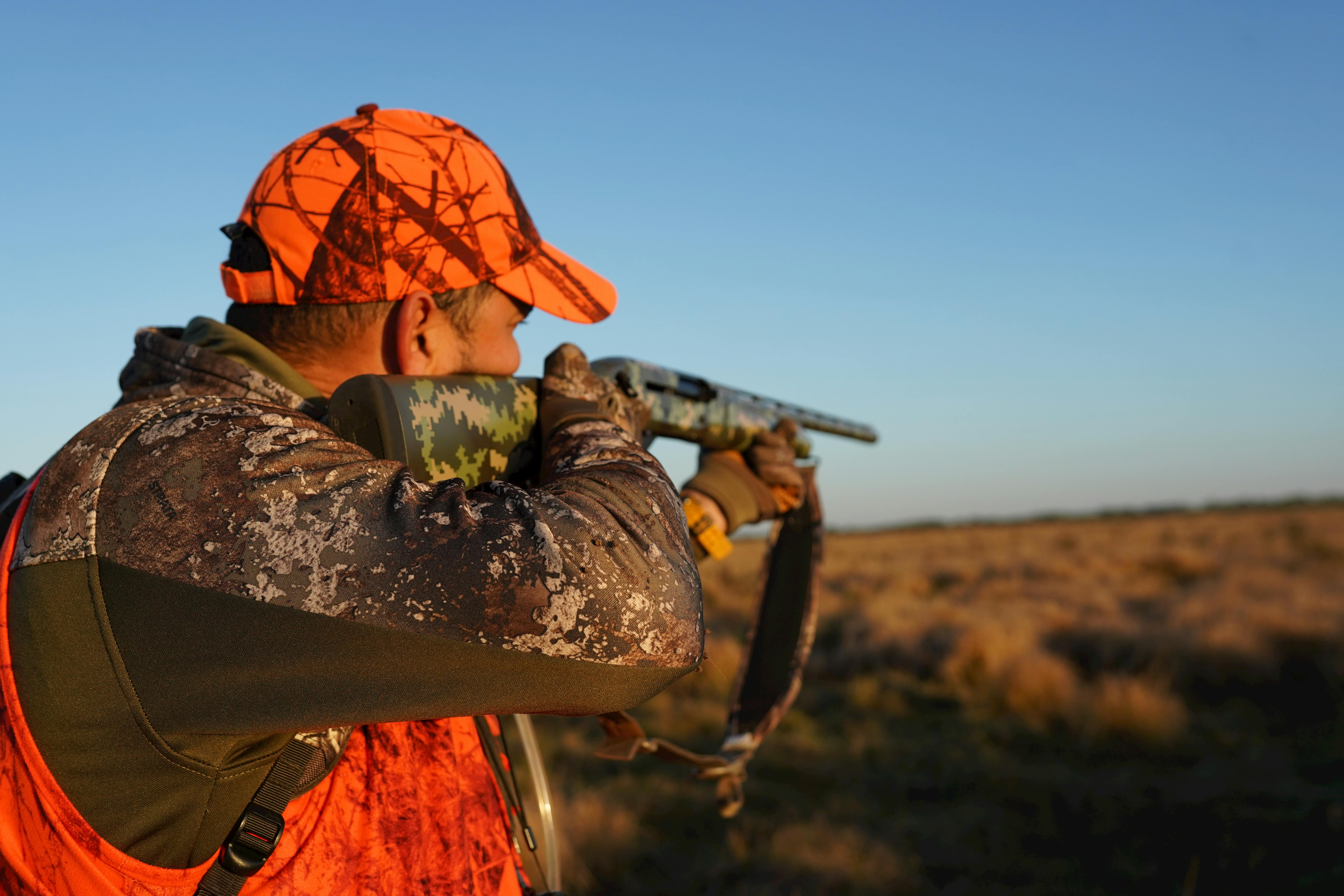
This is where the debate gets touchy. Semi-automatic rifles are legal for big-game hunting in some places, and major industry groups such as the NSSF openly note that modern sporting rifles are used for everything from target shooting to big game. Colorado’s 2026 big-game brochure, for example, allows semiautomatic centerfire rifles for regular rifle deer and elk seasons, but limits the total capacity of the chamber plus magazine to 6 rounds.
So the argument from single-shot hunters is usually not that semi-autos are illegitimate. It is that the platform can encourage the wrong instinct in the wrong hands. When hunters talk about “missing the point,” they mean treating elk hunting like a problem solved by firepower, fast follow-ups, or tactical styling rather than woodsmanship.
That criticism is partly cultural and partly practical. Elk hunting has long carried an image of self-restraint: hiking hard, getting close, reading terrain, and making one calm shot under pressure. Traditionalists worry that when the conversation shifts toward capacity and speed, the center of gravity moves away from skill and toward insurance, and they think that changes the spirit of the hunt.
Regulations show that the law and ethics are not the same thing
Western game laws make an important distinction that experienced hunters understand immediately: legal does not always mean ideal. Idaho’s current big-game rules allow “any weapon” seasons that can include rifles, shotguns, and handguns, depending on the hunt structure. Montana and Colorado publish detailed elk regulations focused on season dates, license structures, and lawful equipment, not a moral ranking of actions. The law sets the floor; hunters set the standard above it.
That gap is where the single-shot argument lives. Boone and Crockett has been especially clear that ethical hunting is not defined only by what regulations permit. The group has repeatedly argued that fair chase involves intent, self-limitation, and making sure the animal has a reasonable chance to evade the hunter, especially in debates about long-range shooting.
Single-shot elk hunters often extend that logic to rifle choice. Their case is that choosing less mechanical advantage can be a self-imposed limit that sharpens conduct. They are not saying everyone must hunt that way, only that the hunt means something different when the rifle itself reminds you not to waste chances.
It is easy to dismiss single-shot rifles as romantic gear for people chasing an old-fashioned image. But there is a practical case for them. A good single-shot can be light, strong, and mechanically simple, with excellent barrel quality and no concern about magazine feeding or cycling under odd field conditions. In rough country where hunters climb deadfall, crawl shale, and cover vertical miles, simplicity still has value.
There is also a training effect. When hunters know they have one chambered round and no instant backup, they tend to practice from field positions with more seriousness. They pay attention to breathing, trigger press, and how quickly a bull can disappear behind timber. That can produce exactly the kind of calm competence elk hunting demands.
Even so, responsible hunters using bolt actions or semi-autos can reach the same standard. Plenty do. The real practical lesson is not that single-shots are magically more lethal, but that they punish sloppiness in a way some hunters believe modern gear can hide. That is why devotees speak about them with almost moral seriousness.
What experienced elk hunters mean by respect.
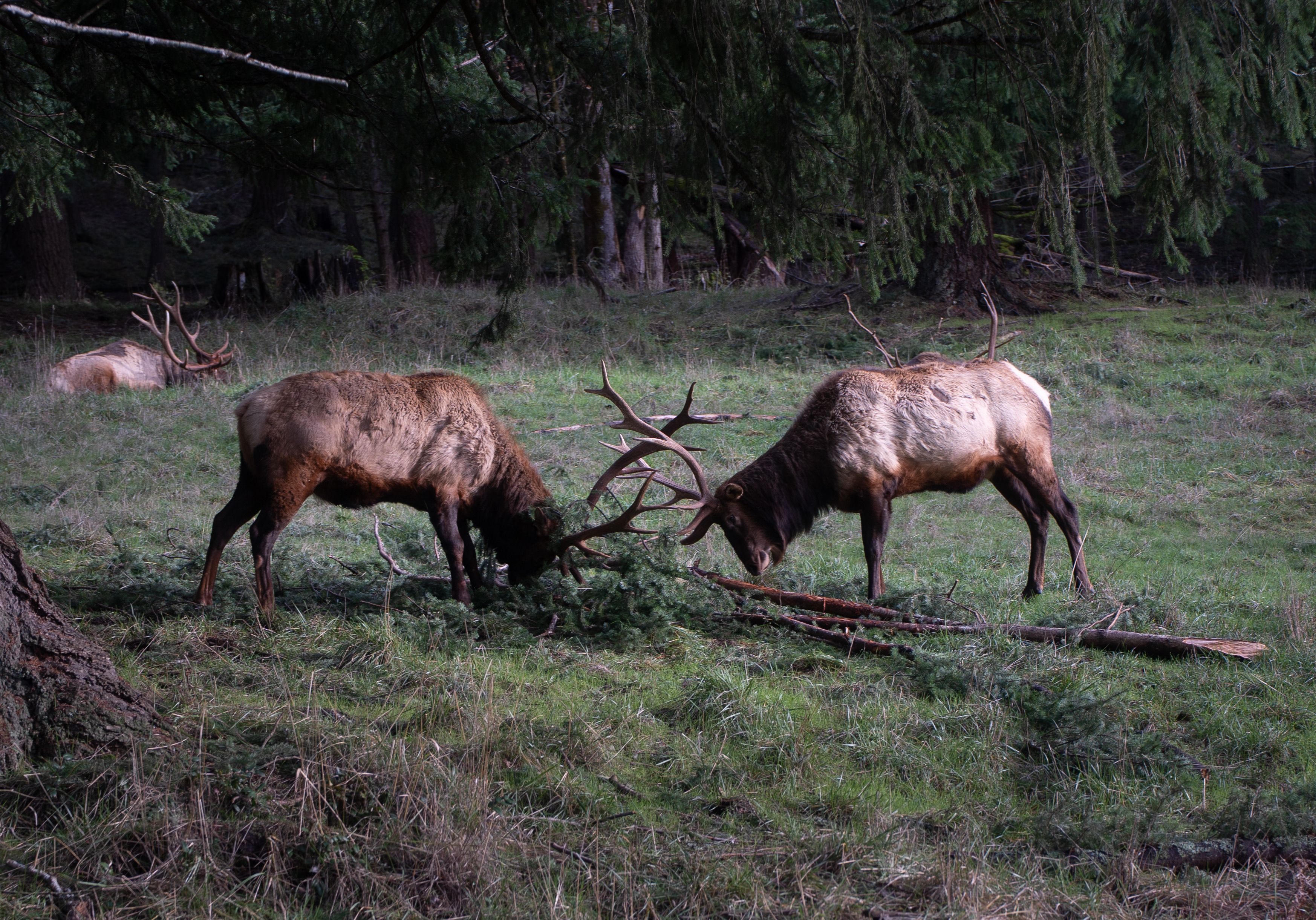
When veteran elk hunters talk about respect, they usually do not mean sentimentality. They mean respect for the animal’s toughness, for the terrain, and for the reality that a bad shot carries consequences. Elk are large-bodied animals that can travel a surprising distance when hit poorly, which is why shot discipline remains central to every serious conversation about elk rifles and bullet choice.
A hunter carrying a single-shot often believes that respect starts before the shot. It starts with passing if the angle is wrong, stalking closer if the wind allows, and refusing to let excitement outrun judgment. That thinking echoes Boone and Crockett’s repeated insistence that hunting is not just about hitting a target at distance, but about how the opportunity was created in the first place.
This is the emotional core of the argument against the semi-auto mindset. Traditionalists are not always condemning the rifle itself. More often, they are pushing back against the idea that success is mainly a technical problem. To them, elk hunting is supposed to test patience, nerve, and restraint first, and equipment second.
In the end, this argument is about the kind of hunter you want to be
The sharpest version of this debate is not single-shot versus semi-auto. It is intention versus convenience. One side believes elk hunting is at its best when the hunter embraces limits on purpose, whether that means one shot, closer distances, or stricter personal rules than the law requires. The other side may see equipment as neutral and judge only the final result: a clean, legal kill.
Both sides can point to real logic. A semi-auto in careful hands does not automatically create sloppy behavior, and legality matters. But the single-shot camp is arguing for something harder to measure: identity. They believe the difficulty is not a bug in elk hunting; it is the value of the experience.
That is why they talk the way they do. When they say semi-auto hunters are missing the point, they are really saying the point was never just to kill an elk. The point was to become the kind of person who can climb high, wait long, and make one shot mean enough that a second one feels like failure, not reassurance.