Budget rifles often get treated like compromise guns, but the Thompson Center Compass built a reputation by delivering more than its price tag suggests. It is a straightforward hunting and range rifle that quietly checks boxes many shooters expect from more expensive models. Here are 11 reasons this often-overlooked bolt action deserves a lot more respect.
It was built around value, not just a low sticker price

A lot of inexpensive rifles feel cheap the moment you pick them up, but the Compass earned attention because it aimed for usable value instead of bare-minimum cost cutting. That difference matters. Shooters were not just getting a low entry price, they were getting a rifle designed to compete in the real world.
The appeal is simple and enduring. Hunters wanted something dependable, accurate, and weather-friendly without draining the optics budget too. The Compass fit that role unusually well, which is why many owners still talk about it as one of the smartest purchases in the budget bolt-action category.
The accuracy promise gave it instant credibility

One reason the Compass stood out so quickly was its accuracy guarantee, which helped separate it from rifles that simply hoped to shoot well enough. In a crowded budget field, that kind of confidence from the maker gave buyers a clear reason to pay attention.
More importantly, many shooters found the rifle delivered on that expectation with quality factory ammo. It was not just marketing language floating above a modest product. The Compass developed a reputation for honest, repeatable precision that made it feel like a practical tool rather than a gamble in rifle form.
The 5R rifled barrel was a premium touch at a budget price

Barrel design is one of those details experienced shooters notice right away, and the Compass had a feature that sounded far more upscale than its price class. The use of 5R rifling gave it a technical talking point that budget rifles do not always bring to the table.
For the average owner, the benefit was less about bragging rights and more about overall shooting confidence. Anything that supports good accuracy and manageable fouling gets noticed over time. On a rifle meant to be shot, carried, and cleaned without drama, that barrel choice added genuine substance to the package.
The trigger made the rifle easier to shoot well

A budget rifle can have decent metalwork and still disappoint if the trigger feels heavy, mushy, or unpredictable. The Compass avoided a lot of that frustration by offering a trigger that helped ordinary shooters make the most of the rifle from the start.
That matters more than people sometimes admit. A clean, manageable trigger can tighten groups, boost confidence, and make range sessions more enjoyable. On a rifle intended for broad appeal, that user-friendly feel became part of the Compass story. It was easier to shoot well than many people expected, and that kind of surprise creates loyal fans.
The detachable magazine kept things practical

Practical features often do more for a rifle’s reputation than flashy ones, and the Compass benefited from that truth. Its detachable rotary magazine added convenience in the field and at the bench, especially for shooters who prefer simpler loading and unloading.
It also gave the rifle a more modern, user-friendly character. For a first-time bolt-action buyer, little touches like this can make ownership feel less intimidating. For experienced hunters, it simply saved time and hassle. The Compass did not reinvent magazine design, but it offered the kind of everyday usefulness that helps a rifle stay appreciated long after the first range trip.
The stock was plain, but smart for real hunting use

No one would mistake the Compass stock for a luxury showpiece, and that is part of the point. It was built to handle rough weather, routine knocks, and long days outside without asking the owner to baby it. For a working hunting rifle, that is a strong advantage.
The shape and feel leaned practical rather than glamorous. It was the kind of stock you could drag through brush, rest against a blind wall, and wipe down at the end of the day. That quiet toughness made the Compass feel honest. It looked like a rifle meant to be used, not admired from a safe.
The safety and bolt layout felt straightforward

One of the easiest things to underrate in a rifle is simple control layout. The Compass benefited from a design that did not feel fussy or overcomplicated, which helped make it approachable for newer shooters and easy to run for seasoned ones.
That sort of familiarity matters under real conditions. Whether someone is loading at camp before dawn or checking clear after a range string, straightforward controls reduce distraction. The Compass was not trying to be clever. It was trying to be clear, and that clarity gave it part of its charm. It behaved like a tool built for use, not for showing off engineering theatrics.
The chambering options widened its appeal
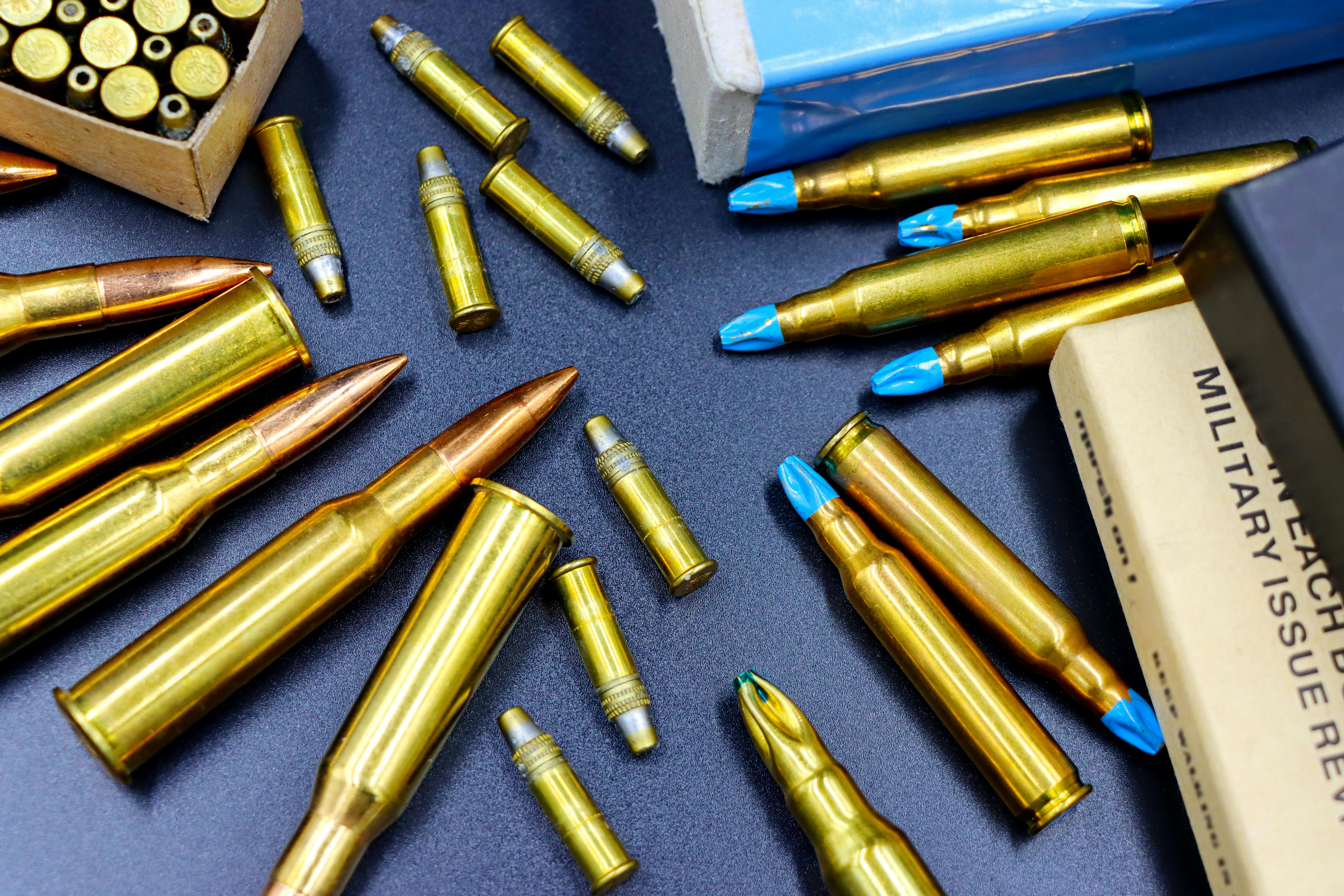
A rifle becomes much more relevant when it is offered in cartridges people actually want to buy and shoot. The Compass gained traction because it appeared in popular chamberings suited to deer hunting, target practice, and general all-around use.
That flexibility gave the platform more life than a one-note budget gun. A newer shooter could start with a familiar caliber, while a hunter could choose a setup that matched local game and terrain. The result was a rifle with broader usefulness than its modest profile suggested. It did not ask owners to adapt to it. It tried to meet them where they already were.
It left room in the budget for better glass

One of the smartest arguments in favor of an affordable rifle is that the savings can be invested where they count elsewhere, especially in optics and ammunition. The Compass fit that equation beautifully. Instead of swallowing the entire budget, it gave owners room to build a more balanced setup.
That is often the difference between buying a rifle and owning a complete hunting tool. Better glass can improve confidence in low light, while more ammo means more practice before season starts. In that sense, the Compass was financially practical in a way that many shooters appreciated only after comparing full package costs.
It was easy to like as a first bolt action

For many shooters, the Compass landed in a sweet spot between affordability and competence that made it especially attractive as a first bolt action. It did not overwhelm new owners with complexity, and it did not punish them with a rough or disappointing shooting experience.
That first-rifle role matters because early impressions tend to last. A gun that feeds reliably, shoots accurately, and feels intuitive can shape how someone sees the entire category. The Compass often played that role quietly and effectively. It introduced people to bolt-action ownership without much drama, and that easy success is part of why it remains so fondly remembered.
It deserves more credit in the budget rifle conversation
The Compass is easy to overlook because the budget bolt-action market is crowded with familiar names and constant new releases. But when you step back and judge it on practical strengths, the rifle makes a remarkably persuasive case for itself.
It offered real accuracy, thoughtful features, and field-ready simplicity without pretending to be something it was not. That honesty is a big part of its appeal. The Thompson Center Compass may not dominate every modern shortlist, but it absolutely belongs in the conversation. For shoppers who value performance per dollar, it remains one of the most underrated choices the category has produced.