Texas Hill Country looks simple from the outside: rolling ranchland, big skies, and plenty of whitetails. But first-time visitors often arrive with movie-made expectations and leave surprised by how much local knowledge, land access, timing, and etiquette shape the hunt. This gallery breaks down the most common misunderstandings so newcomers can show up better prepared and enjoy the experience for what it really is.
It is not wide-open country everywhere
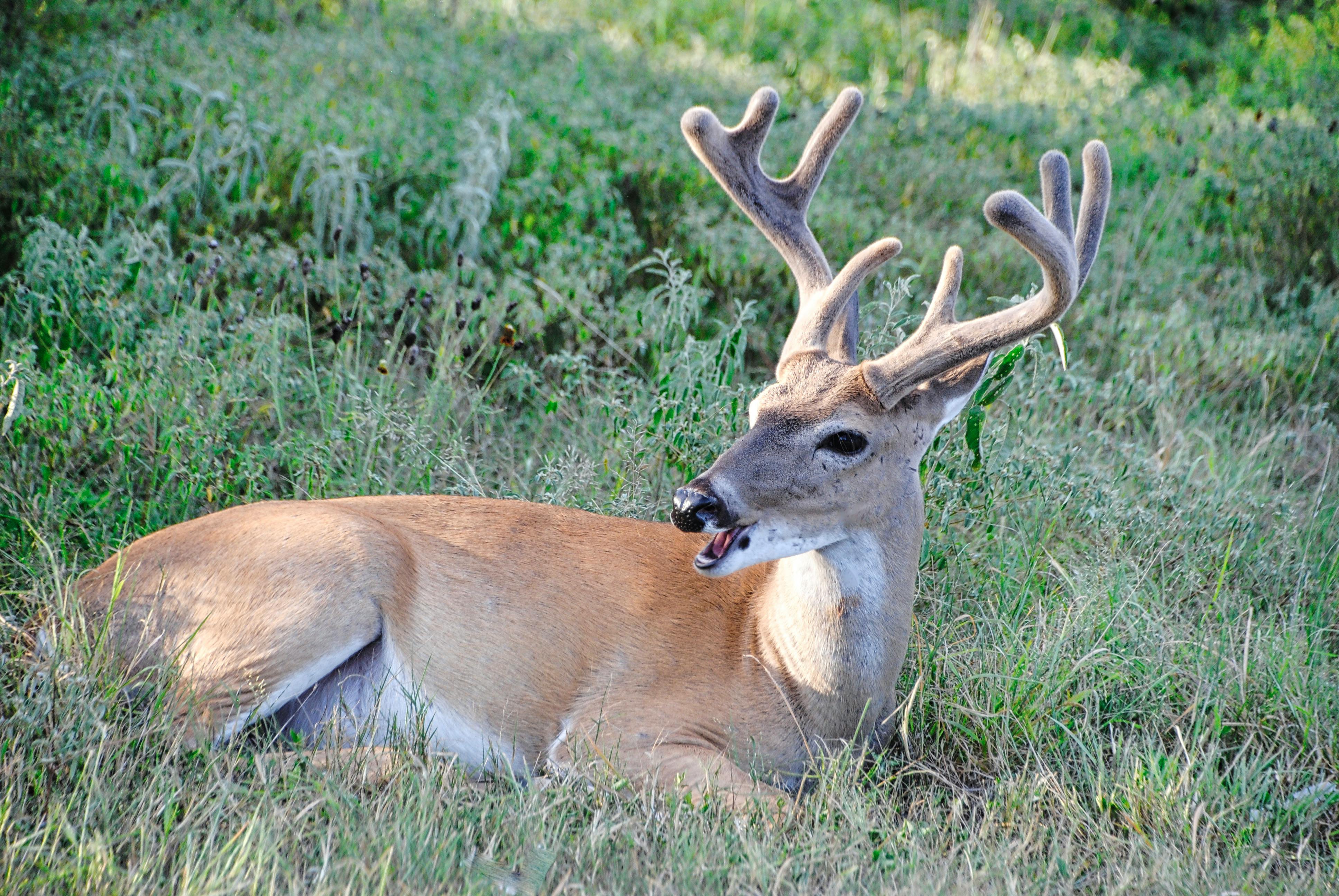
First-timers often picture endless open fields where deer can be spotted from far away, but much of Texas Hill Country is tighter and brushier than expected. Cedar, live oak, mesquite, and uneven draws can limit visibility fast, even on beautiful ranches.
That changes how people hunt. Shots are often more controlled, movement matters more, and knowing the terrain becomes just as important as good optics. Visitors who expect a simple spot-and-stalk outing are usually surprised by how much the landscape dictates every decision.
The country is gorgeous, but it is not always forgiving. Reading cover, shadows, and travel corridors is part of the real education.
Most hunting happens on private land
A common mistake is assuming there is plenty of casual public access, the way there is in some other states. In Texas, and especially in Hill Country, deer hunting is overwhelmingly tied to private ranches, leases, and carefully managed properties.
That means planning ahead matters. You are not usually deciding where to hunt the night before. You are booking access, understanding ranch rules, and often relying on landowners, outfitters, or lease holders who know the property intimately.
For newcomers, this can feel formal at first. In reality, it is simply how the local hunting culture works, and respecting that structure goes a long way.
Bigger antlers are not the whole story
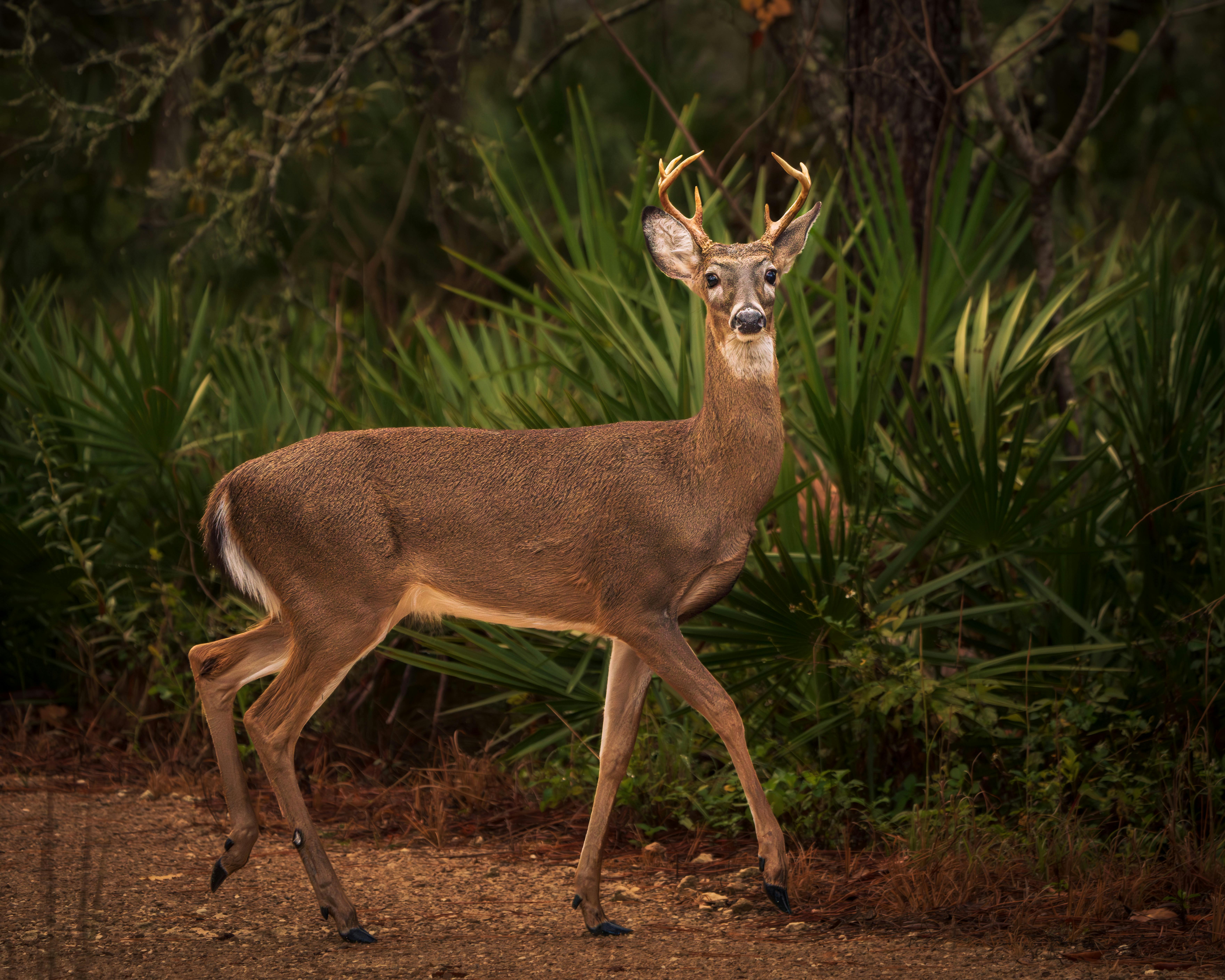
Visitors sometimes arrive focused entirely on trophy size, imagining every conversation revolves around inches of antler. While mature bucks absolutely get attention, many Hill Country hunts are rooted in management goals, herd balance, age structure, and the health of the property.
That can mean passing deer that look tempting or taking an animal that fits the ranch plan rather than a fantasy. Outfitters and land managers often think long-term, not just in terms of one dramatic photo.
For first-timers, this shift can be eye-opening. The best hunts are often measured by judgment, patience, and respect for the land as much as by the rack itself.
The weather can change the hunt quickly
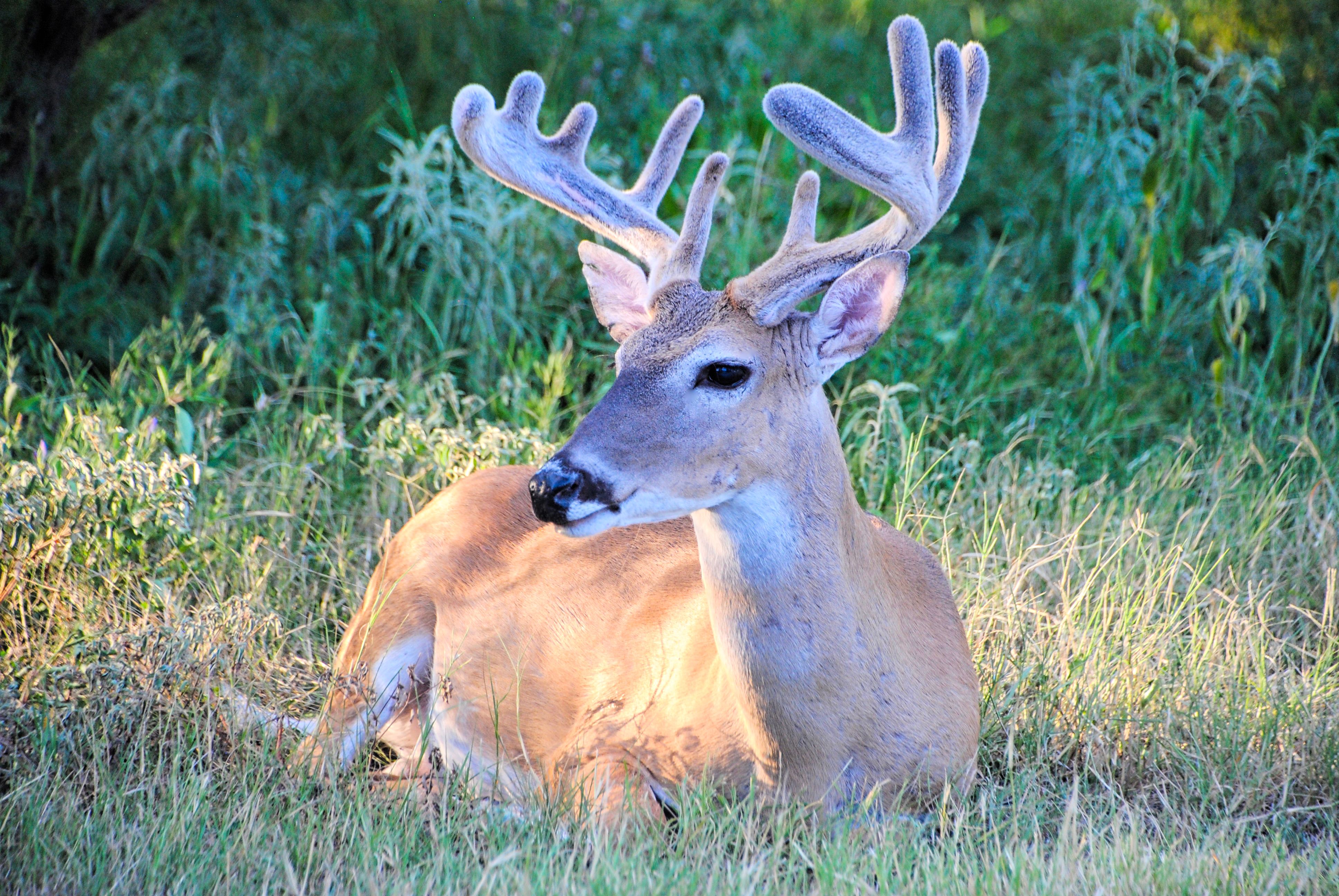
People who are new to Hill Country often expect a steady version of Texas weather, usually warm and predictable. Instead, mornings can be cold, afternoons can heat up, wind can shift hard, and dry conditions can make deer behavior feel different from one day to the next.
That affects comfort, scent control, visibility, and movement. A stand that looked perfect yesterday may feel wrong after a weather swing, and animals may use shade, water, or cover in ways newcomers do not anticipate.
Packing for one version of Texas is a rookie move. Layering, flexibility, and a little humility usually serve hunters better than confidence in the forecast.
You may spend more time waiting than walking
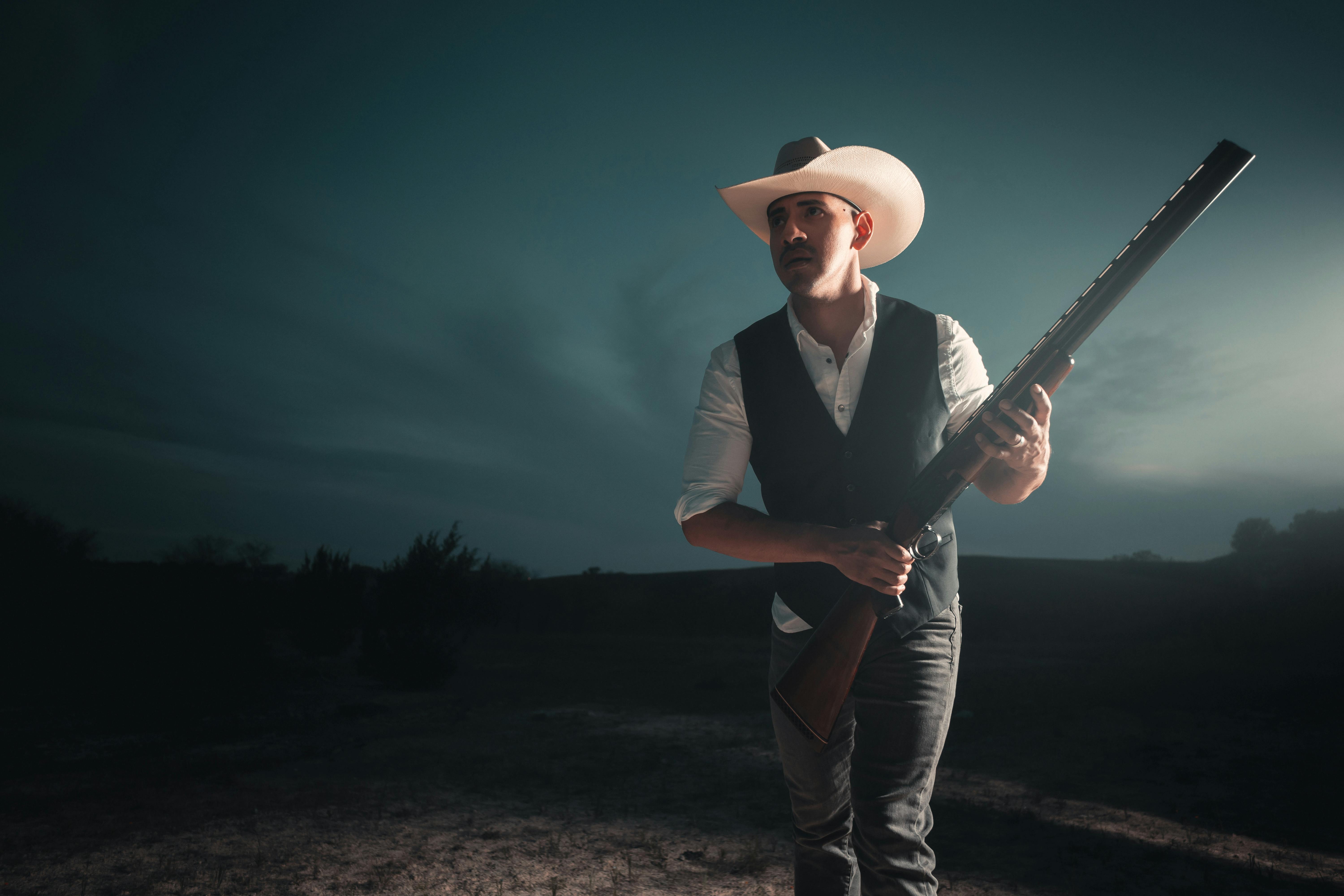
A lot of first-time visitors expect an active, all-day roam through the hills. In reality, many deer hunts in this region involve patient hours in blinds, stands, or carefully chosen vantage points where movement is limited and attention has to stay sharp.
That slower pace catches some people off guard. It is not laziness or lack of adventure. It is strategy shaped by terrain, deer patterns, safety, and the practical realities of hunting managed ranches where disturbance matters.
The challenge is mental as much as physical. Staying still, noticing subtle movement, and resisting the urge to fidget often become the difference between spotting a buck and missing one entirely.
Local etiquette matters more than newcomers think
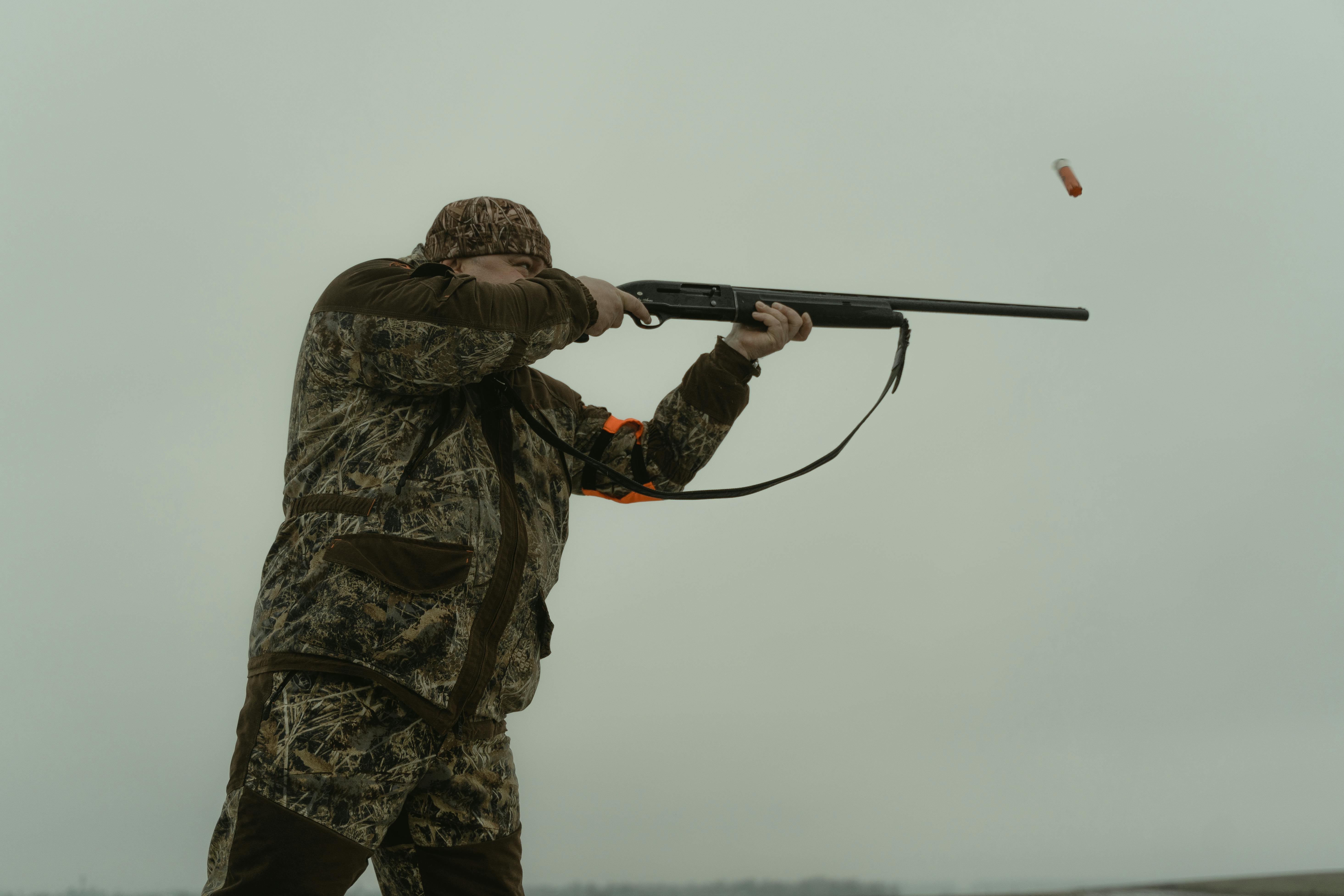
First-time visitors sometimes treat a hunt like any other outdoor booking, but ranch etiquette in Texas carries real weight. Being on time, handling gates correctly, listening to the guide, asking before wandering, and respecting the rhythm of camp all matter more than many newcomers realize.
This is partly about courtesy and partly about trust. Landowners and outfitters are sharing access to valuable property, wildlife programs, equipment, and often family traditions. People notice quickly when a guest acts careless or entitled.
The good news is that expectations are not mysterious. Show respect, stay teachable, and understand that good manners are part of being taken seriously in hunting country.
Feeding and management practices can surprise outsiders

Visitors from other regions are often surprised by how common feeders, habitat improvements, and structured management programs are on Texas ranches. They may assume every hunt should look purely wild in the romantic sense, without realizing how much active stewardship shapes wildlife populations here.
In Hill Country, these practices are often tied to drought cycles, property size, nutrition, census efforts, and long-range herd goals. The approach can be more hands-on than newcomers expect, but that does not make it casual or careless.
It reflects local conditions and decades of adaptation. Understanding that context helps first-timers see the hunt as part of a broader land-management system, not just a single day in the field.
The rut does not make every hunt easy
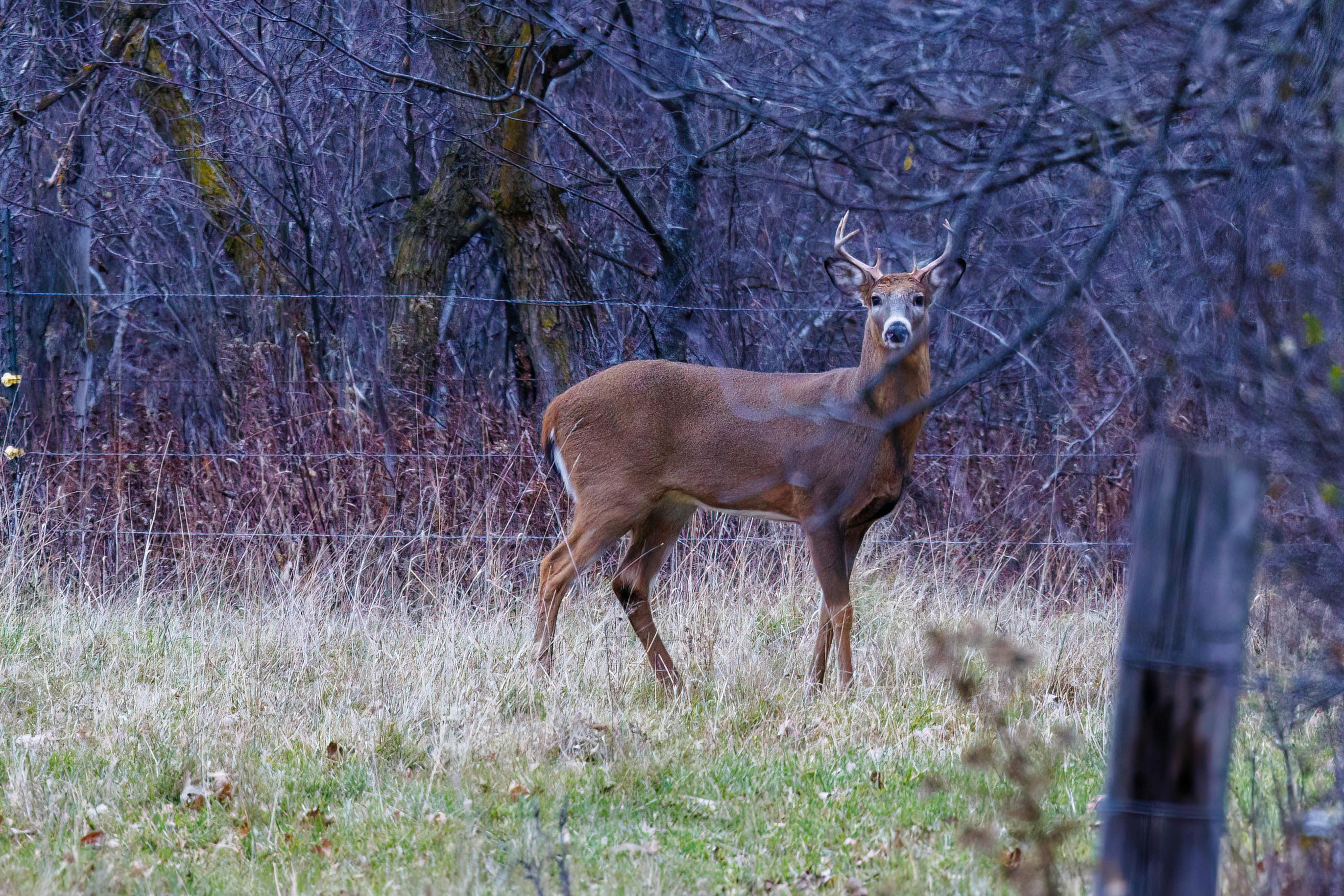
Many newcomers hear about the rut and assume it turns every deer hunt into a guaranteed spectacle. While the breeding period can absolutely increase movement and create memorable moments, it does not erase pressure, weather, terrain, or plain bad luck.
Rut timing can also vary by area and ranch conditions, which means visitors who expect a cinematic parade of bucks may end up disappointed. Even in prime windows, deer do not always cooperate with human schedules.
Experienced hunters know the rut is an opportunity, not a promise. In Hill Country, success still depends on discipline, smart setups, and the willingness to stay patient when the woods refuse to perform on cue.
A good shot still takes preparation
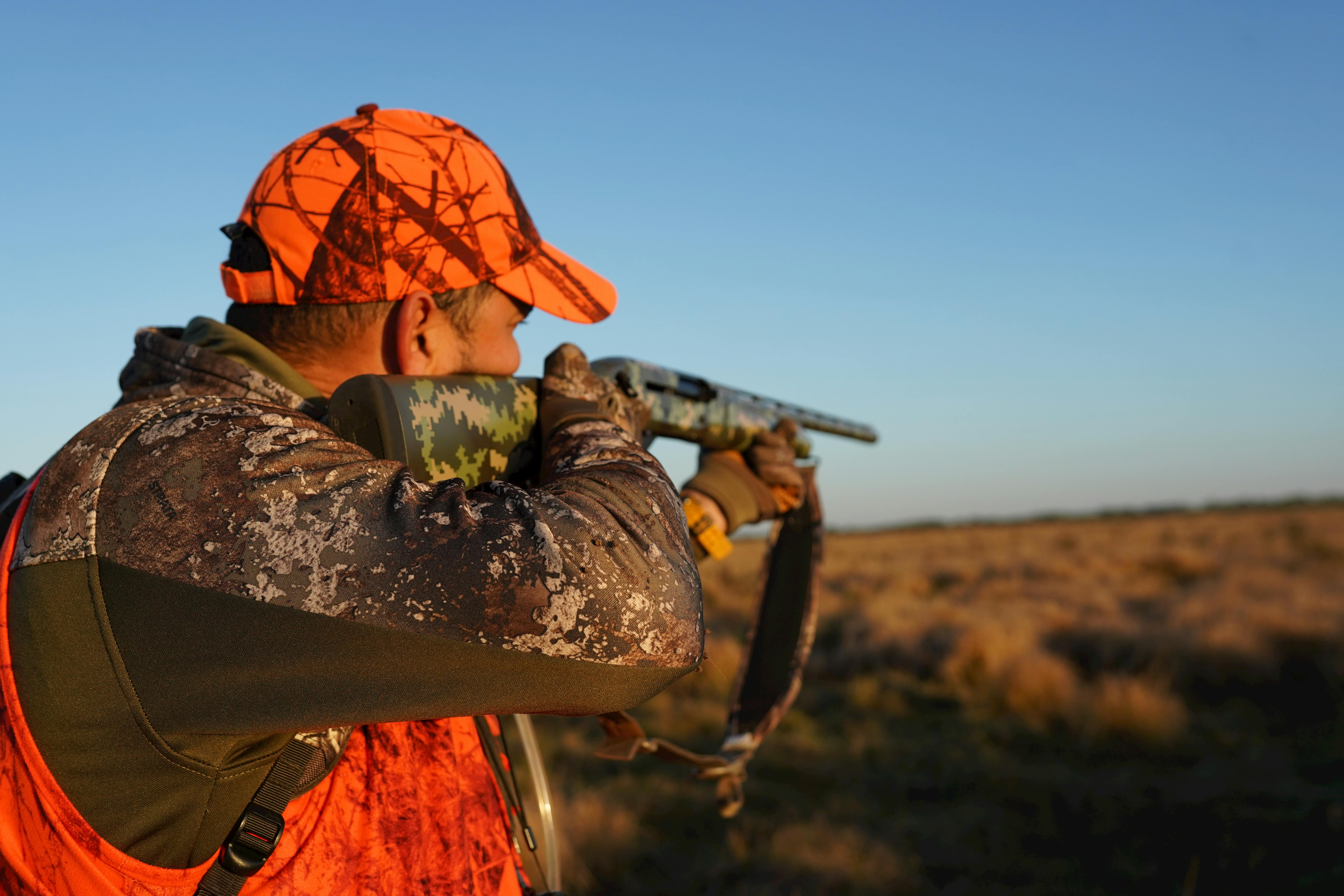
Because many Hill Country hunts happen from blinds or known shooting lanes, some first-timers assume the actual shot will be easy. But excitement changes everything. Angles are not always perfect, deer rarely pose for long, and brush can turn a comfortable setup into a tricky decision.
This is where range time and restraint matter. Knowing your rifle, your effective distance, and when not to squeeze the trigger is a bigger part of the experience than visitors often expect.
Guides appreciate hunters who are honest about their abilities. In the field, confidence is useful, but only if it is backed by practice, calm judgment, and respect for making a clean, ethical shot.
The work does not end after the harvest
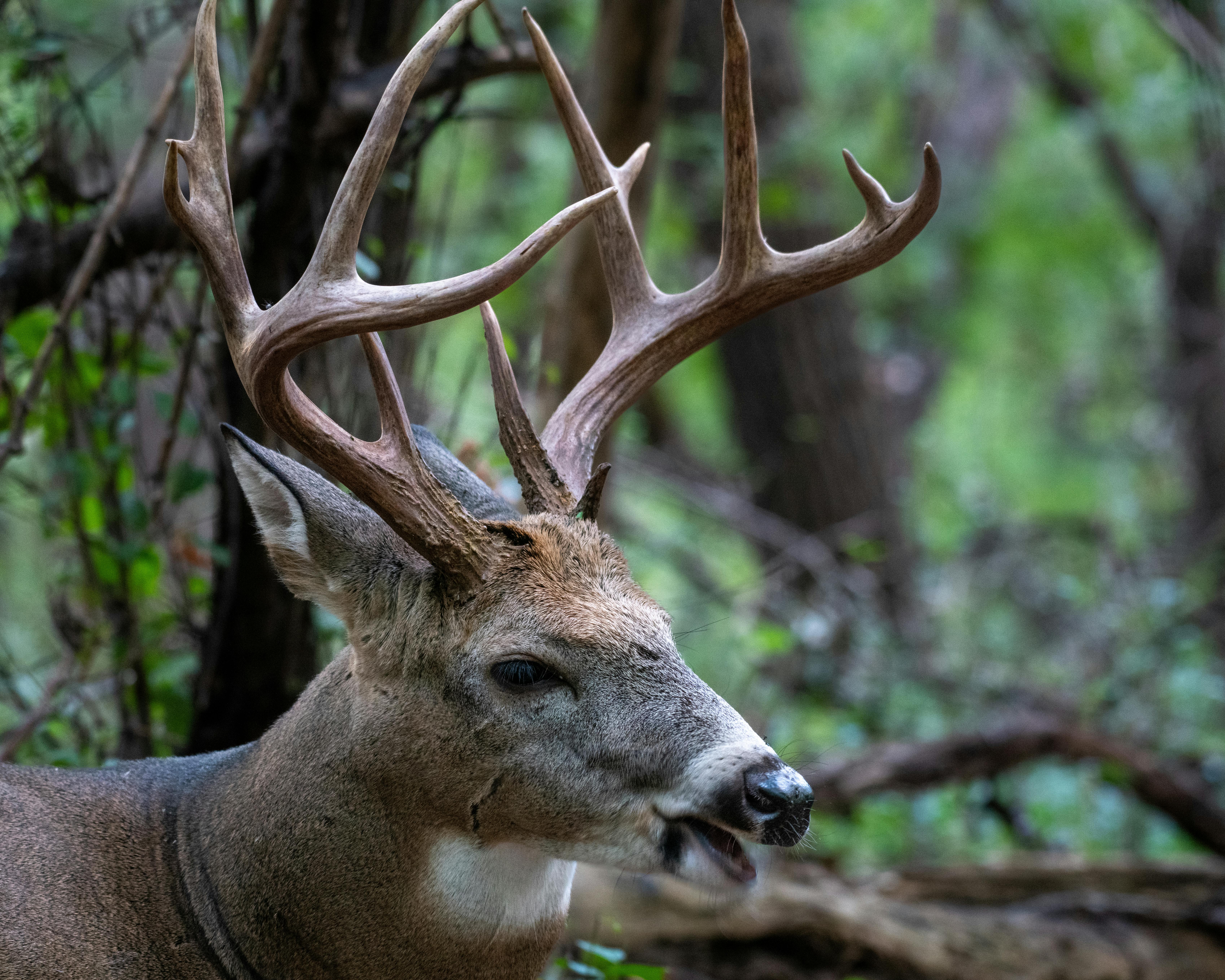
New hunters often imagine the story ending the moment a deer goes down. In reality, the hours after the shot are a major part of the experience, from tracking and recovery to field dressing, transport, cooling, and decisions about processing.
On a well-run ranch, this may look smooth and efficient, but it is still serious work. Conditions, distance, and terrain can make recovery more demanding than people expect, especially if a deer runs into thick cover.
For first-time visitors, this is often the moment hunting feels most real. Respect for the animal shows up not in celebration alone, but in how carefully and responsibly the next steps are handled.
It is as much a social tradition as a hunt

Outsiders sometimes focus so hard on the animal that they miss the bigger cultural picture. In Texas Hill Country, deer season often comes wrapped in family ritual, ranch stories, shared meals, early coffee, camp jokes, and the kind of local memory that gives the weekend its real shape.
That atmosphere matters. Some of the most meaningful parts of the trip happen before daylight or after sunset, when people compare notes, talk land stewardship, and pass on habits learned over generations.
First-time visitors who lean into that rhythm usually enjoy themselves more. The hunt may be the headline, but the community around it is often what people remember longest.