The firearms business rarely produces quiet boardroom drama. This time, one of the oldest gunmaking families in the world spent months trying to gain leverage inside one of America’s most recognizable gun brands.
This started as an investment, but it quickly became a power struggle.

Beretta Holding’s campaign centered on Sturm, Ruger & Company, the publicly traded U.S. gunmaker known simply as Ruger. By March 2026, Beretta had publicly framed its position as a vote of confidence in Ruger’s brand, customer loyalty, andlong-termm prospects. SEC filings show Beretta had built a meaningful stake after first disclosing roughly 7.7% ownership in September 2025, then later reaching 9.95%, making it Ruger’s largest shareholder.
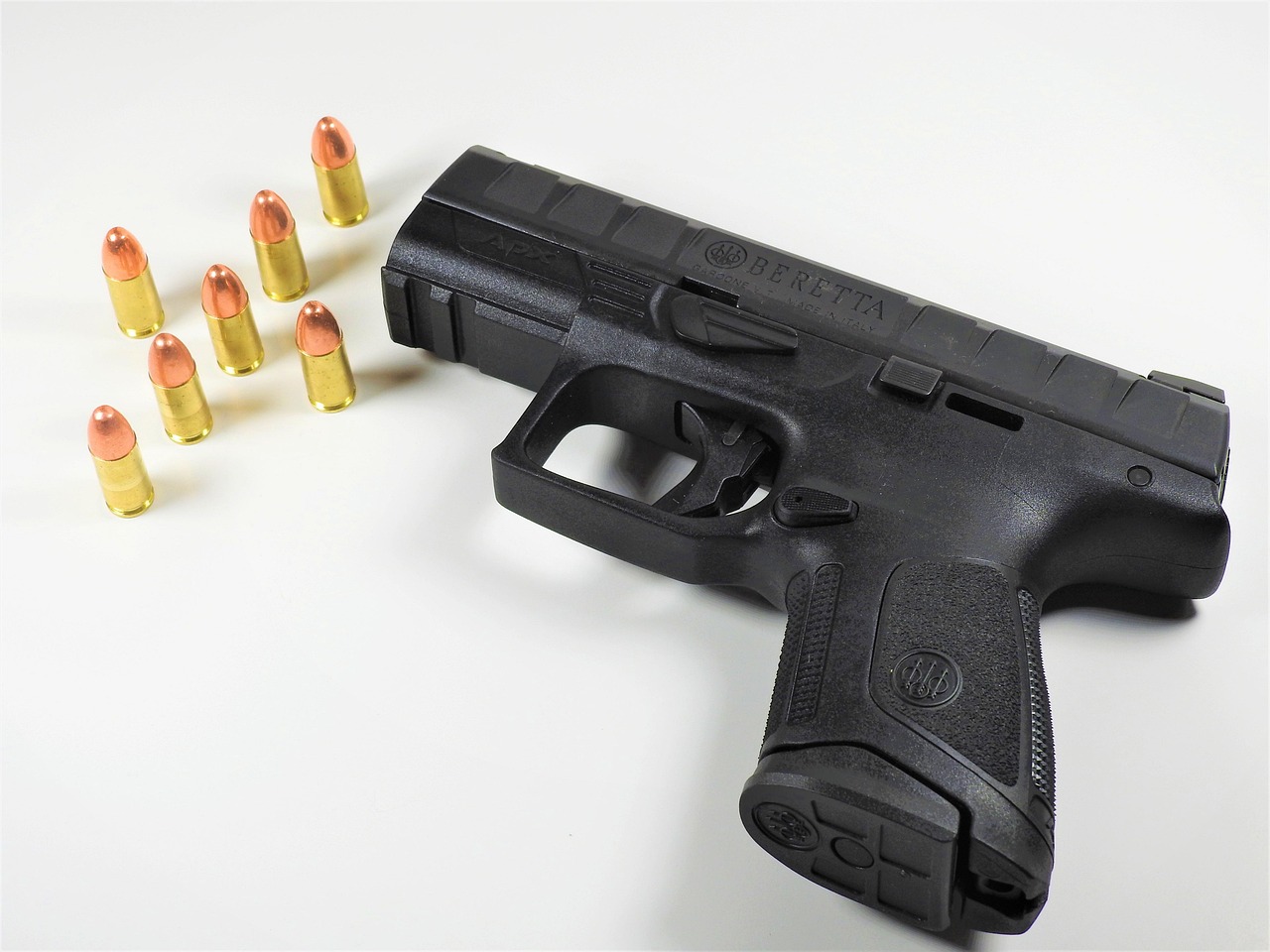
That alone was enough to get attention. In the gun industry, a foreign family-owned giant buying nearly 10% of a fiercely independent American rival is not routine portfolio investing. It signals ambition, especially when the buyer is Beretta Holding, a global group with roots going back to 1526 and a portfolio that stretches across defense, law enforcement, hunting, and sporting arms.
The fight escalated when Beretta sought more than passive ownership. According to company filings and public statements, it pushed for deeper engagement with Ruger’s board and management, while Ruger accused it of seeking discounted stock, outsized governance rights, and an influence structure that went well beyond ordinary shareholder dialogue. That is why this story matters. It was never just about shares. It was about control, direction, and who gets to shape one of America’s biggest gunmakers.
Why Ruger was such an attractive target in the first place
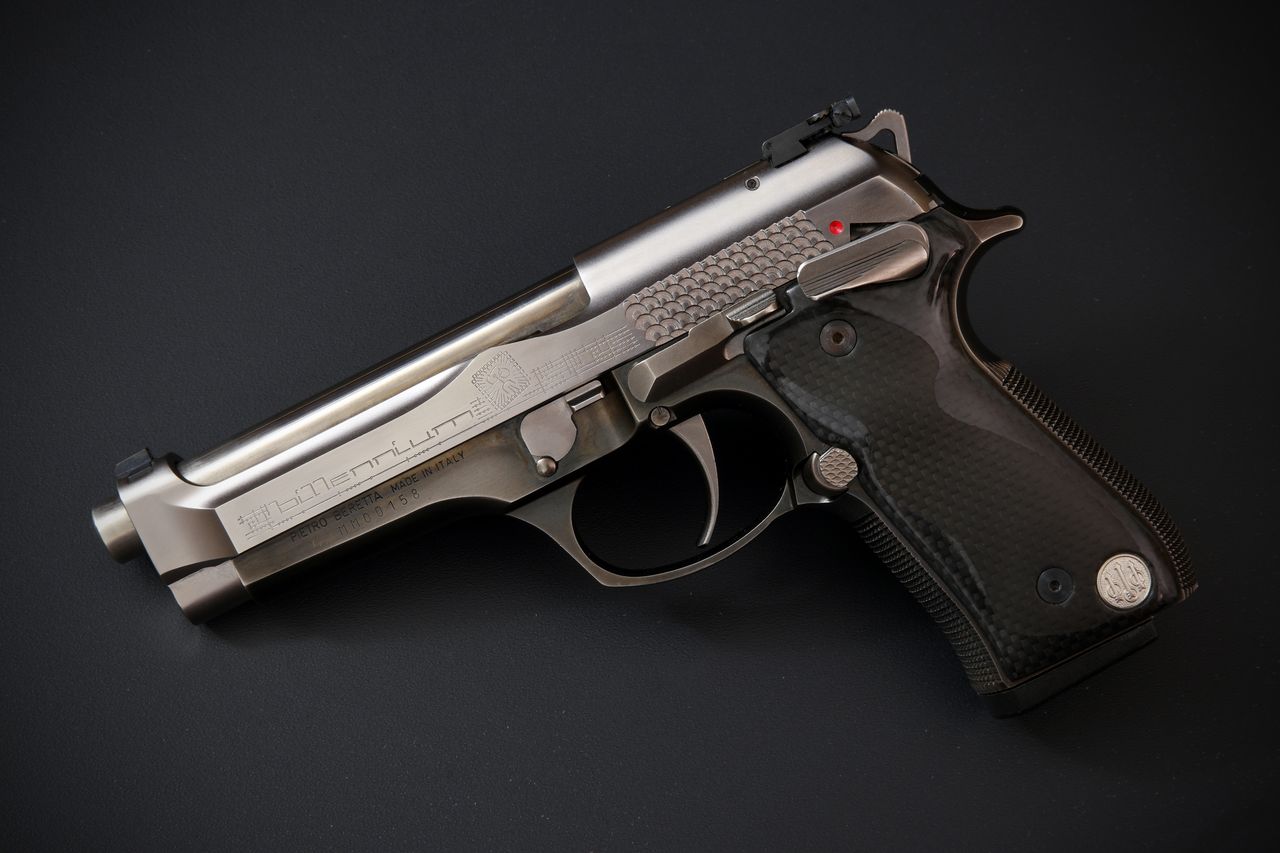
Ruger offered Beretta something hard to build from scratch in the United States: a deeply rooted American manufacturing identity with mass market reach. Ruger has one of the best-known brands in U.S. civilian firearms, especially in value-priced pistols, revolvers, rifles, and sporting guns. It also has an entrenched dealer network and a customer base that trusts the company’s no-nonsense, made-in-America image.
For Beretta, that matters because its U.S. presence is already large, but different in character. Beretta sells premium handguns, shotguns, and tactical platforms, and through its wider holding company it controls a collection of major brands. What Ruger adds is a different lane of the market: broad domestic scale, strong recognition in entry and mid-tier categories, and a uniquely American corporate identity that resonates with buyers who care where a gun is designed and built.
There is also a strategic product fit. Ruger has strength in categories where Beretta can complement rather than simply duplicate. In practical terms, a closer relationship could create opportunities in sourcing, manufacturing efficiency, accessories, distribution, and product development. Reuters reported in May 2026 that the eventual agreement between the companies specifically created a framework for long-term engagement and potential commercial cooperation. That phrase sounds restrained, but in corporate language it often means both sides see room for real business synergies.
Beretta was not chasing a quick takeover, but it clearly wanted more influence.
One reason this saga dragged on for months is that Beretta’s approach sat in a gray zone between investment and takeover. Beretta repeatedly described Ruger as a respected American manufacturer whose full potential was not being realized. Its public messaging leaned on partnership, alignment, and long-term value creation. But Ruger’s own disclosures painted a much more aggressive picture of what Beretta wanted.
Ruger said Beretta was interested in raising its stake sharply, potentially to 25% in the near term, and even discussed a path to 50% over time. Ruger also disclosed that Beretta had signaled interest in board representation and had at one point moved toward nominating directors for Ruger’s 2026 annual meeting. That transformed the matter from private negotiation into a potential proxy contest.
From Beretta’s perspective, this was probably a classic strategic pressure campaign. Buy enough stock to be impossible to ignore, argue that the target is underperforming, and push for governance changes that create a larger seat at the table. From Ruger’s perspective, it looked like a foreign competitor was trying to gain a foothold inside the company without paying a full control premium. Those are very different narratives, and both help explain why the talks became so tense.
The real issue was access to the American market at a deeper level
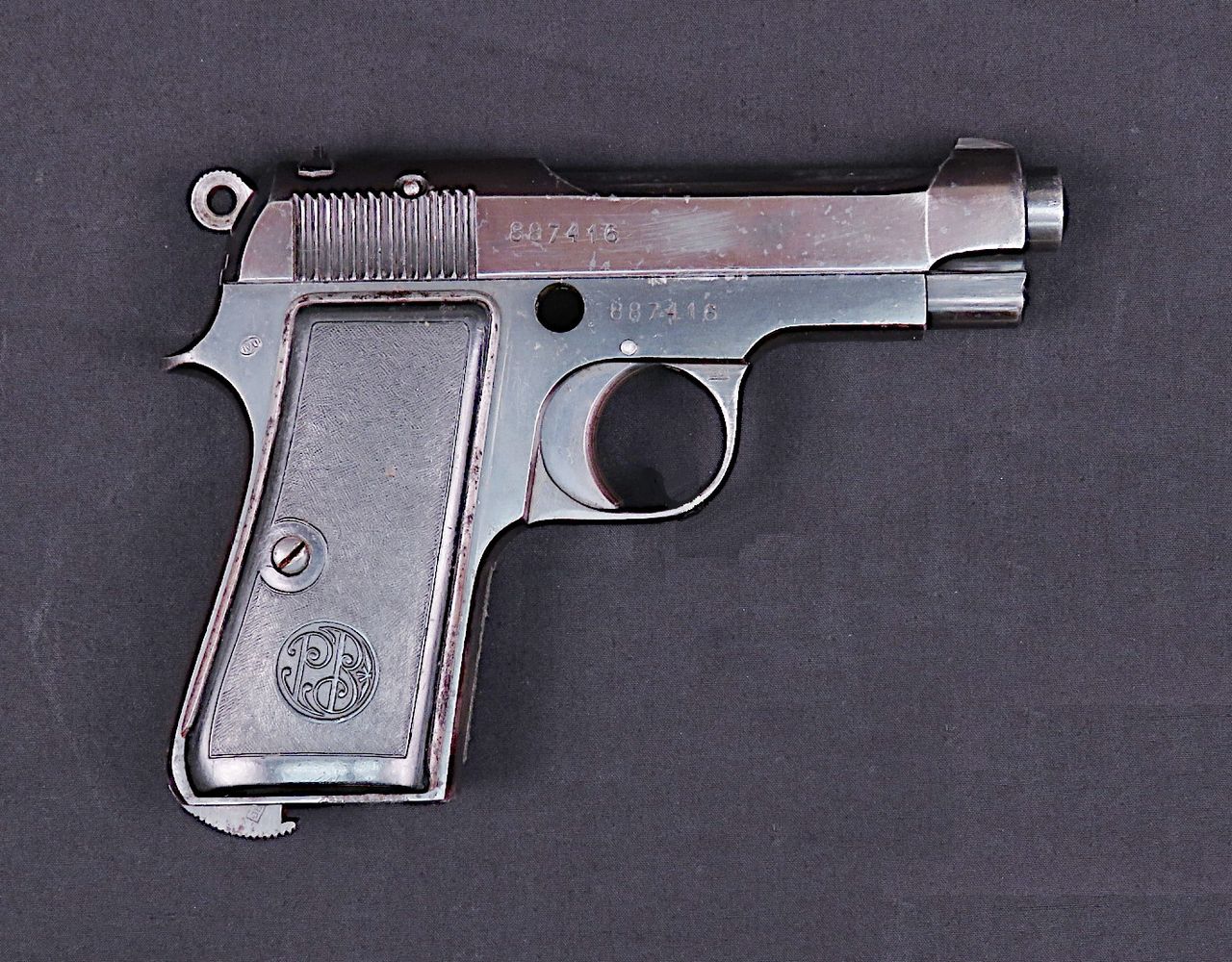
If you strip away the legal filings and shareholder rhetoric, the basic logic is straightforward. The United States remains the most important commercial firearms market in the world. If you already operate here, but want to be stronger, faster, and harder to dislodge, there are only a few ways to do it: build, buy, or partner.
Beretta already has manufacturing and distribution in America, but Ruger would give it something more valuable than factory square footage. It would provide influence inside a company whose identity is almost inseparable from the U.S. retail gun market. That matters politically, culturally, and commercially. In this industry, brand trust is not just about product quality. It is about heritage, geography, and consumer tribe.
That helps explain why Beretta was willing to endure a long and public fight. Building market share organically can take years. A full acquisition would be expensive and politically fraught. But a large minority position with board access, commercial cooperation, and a route to expand ownership can accomplish a lot. It gives Beretta visibility into a rival, leverage in future negotiations, and a stronger strategic perch inside the American market without immediately triggering the upheaval of an outright merger.
Months of conflict produced a compromise, not a knockout win.

The campaign did not end with Beretta taking over Ruger. Instead, it ended with a negotiated truce. In May 2026, Ruger and Beretta Holding entered a strategic cooperation agreement that allowed Beretta to increase its investment up to 25% of Ruger’s outstanding shares. At the same time, Beretta agreed to a three-year standstill and withdrew its effort to nominate directors for Ruger’s annual meeting.
That outcome tells you both sides got something important. Beretta secured a path to deepen its ownership far beyond the 9.95% level it had already reached. That is a major strategic gain. Ruger, meanwhile, avoided an immediate proxy fight and bought itself time with protections that prevent Beretta from launching another governance offensive during the standstill period.
Reuters and SEC filings make clear that the agreement also contemplated possible commercial cooperation. That may end up being the most important part of the whole story. Proxy battles create headlines, but operating partnerships create lasting value if they work. If Beretta can turn this investment into better sourcing, broader market access, or smarter product planning, then months of bruising corporate combat may prove worth it even without full control.
What this says about pressure inside the firearms business right now
This clash also reveals something bigger about the modern gun business. Even iconic brands are under pressure to become more efficient, more global in their thinking, and more disciplined in capital allocation. Ruger’s own public comments in 2026 referred to cost actions, restructuring, and efforts to build a more efficient and profitable business. That is not the language of a company standing still.
For global firearms groups like Beretta Holding, scale increasingly matters. Regulatory complexity is high. Consumer demand can swing with politics and election cycles. Product development costs money, and distribution advantages compound over time. In that environment, taking a bigger stake in an established American player can be smarter than trying to win every inch of market share through ordinary competition.
There is also a branding dimension. Consumers may think of gun companies as product makers first, but behind the scenes they are also platform businesses. They compete on factories, dealer relationships, compliance systems, logistics, and manufacturing know-how. A stronger position inside Ruger gives Beretta optionality. Even if nothing dramatic happens next, the company has improved its strategic map of the U.S. market and made sure a major rival can no longer ignore it.
Why this matters beyond Wall Street and what to watch next
For ordinary gun buyers, this may sound like distant boardroom theater. But these deals can shape what eventually lands on store shelves. If Beretta and Ruger find productive areas of cooperation, it could influence pricing, production capacity, new model rollouts, accessory ecosystems, and how each brand competes in overlapping categories. Sometimes the first sign of a corporate strategy shift shows up not in a press release, but in a product catalog.
The next thing to watch is whether this relationship stays merely financial or becomes operationally meaningful. A 25% permitted stake is not a trivial investment. It suggests Beretta wants lasting relevance inside Ruger’s future, even if the current standstill slows any direct power grab. If cooperation deepens, the two companies could become uneasy partners. If tensions return after the standstill, this story could reopen in a much bigger way.
So why did Beretta spend months trying to build a stronger position inside one of its biggest American rivals? Because Ruger offers access, credibility, scale, and strategic leverage that are extremely hard to replicate. In a firearms market where heritage still matters but size and influence matter more every year, Beretta saw a rare chance to move closer to the center of American gunmaking and decided it was worth the fight.