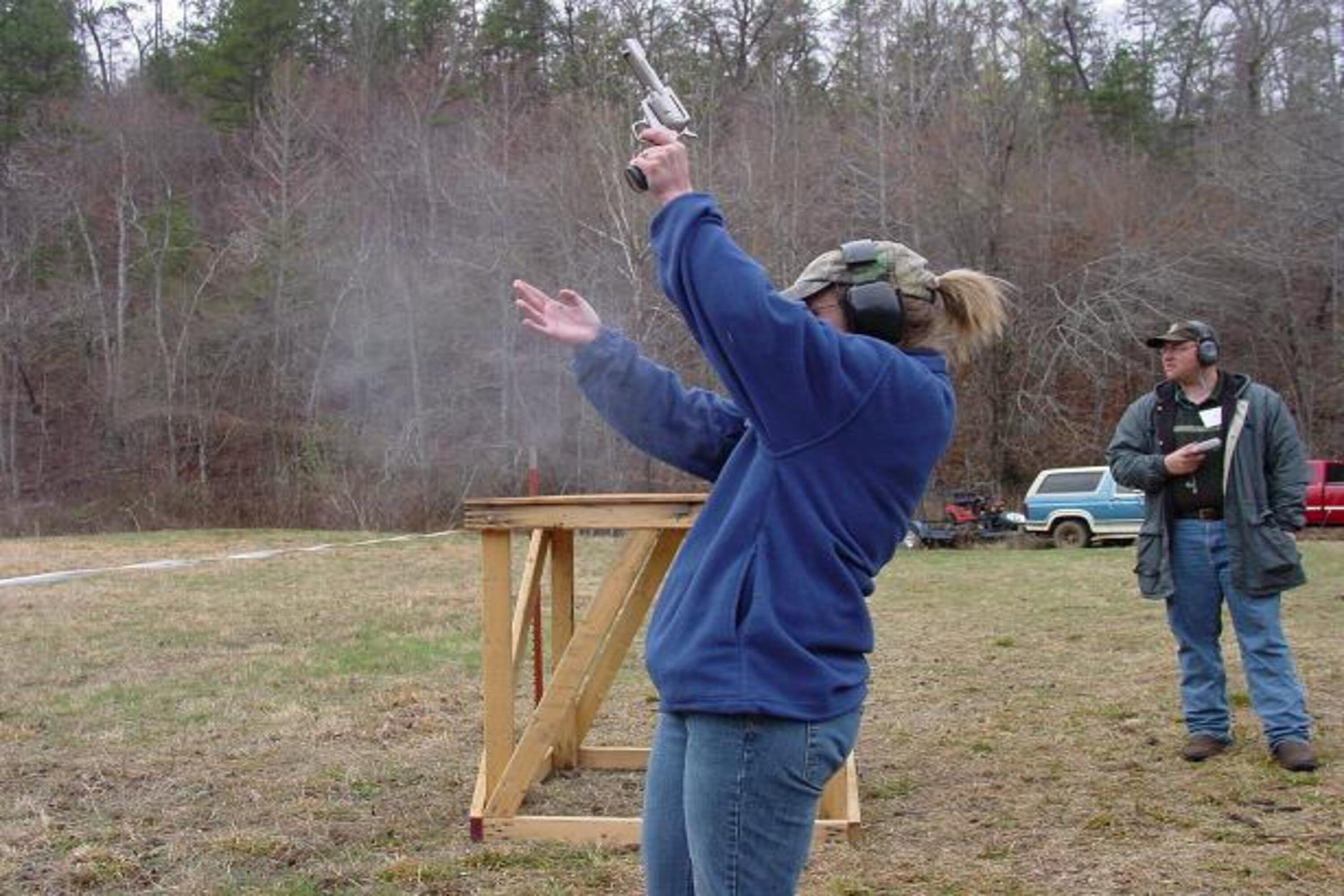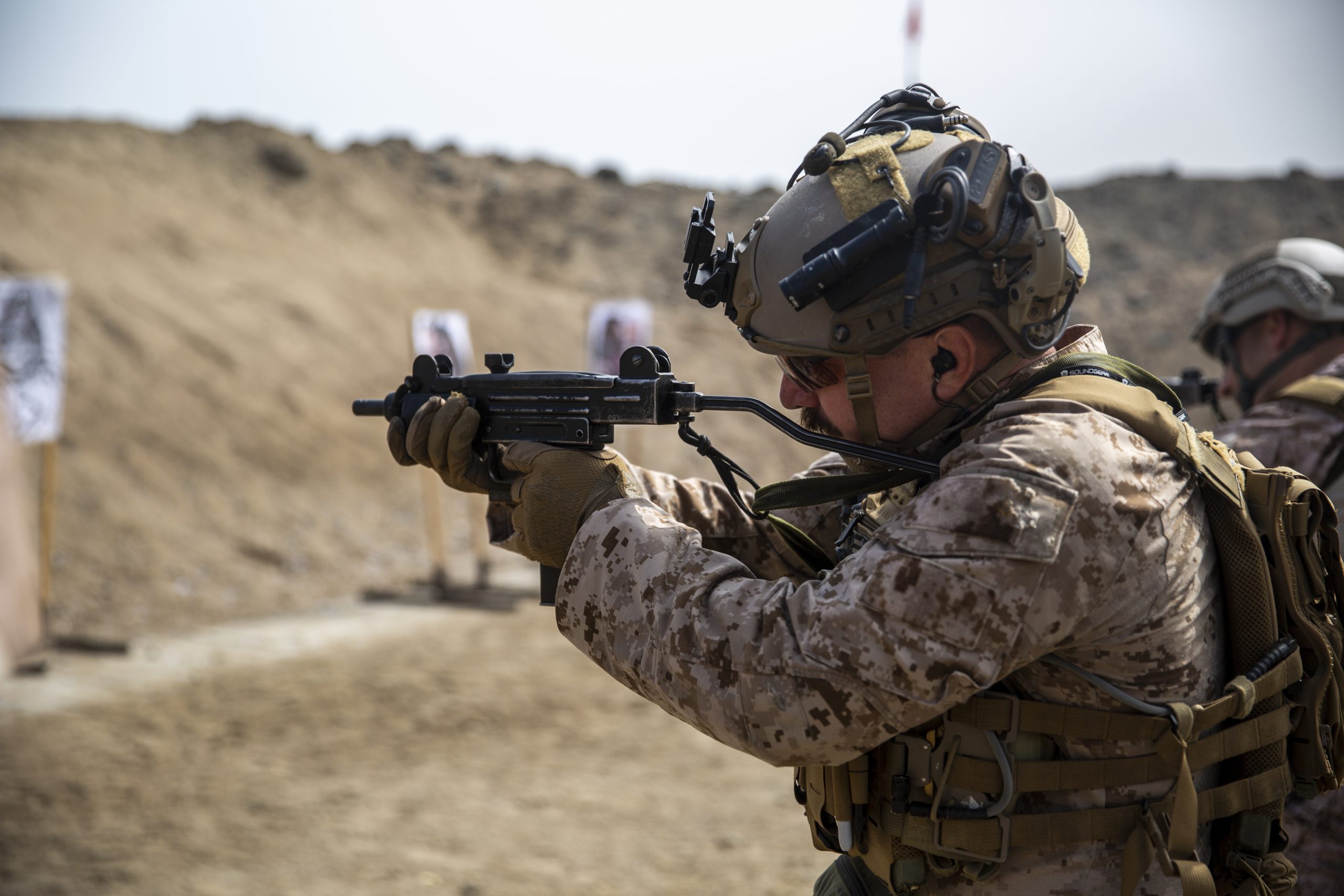
Military rifles rarely change overnight. More often, one weapon appears and exposes weaknesses in everything that came before it. Sometimes the surprise comes from faster fire, sometimes from ammunition, reliability, range, or simply from giving ordinary soldiers capabilities commanders had not expected. The rifles below each challenged established thinking in a different way. Some became legends, while others had shorter careers but left ideas that shaped the next generation of military small arms.
1. Lee-Enfield SMLE
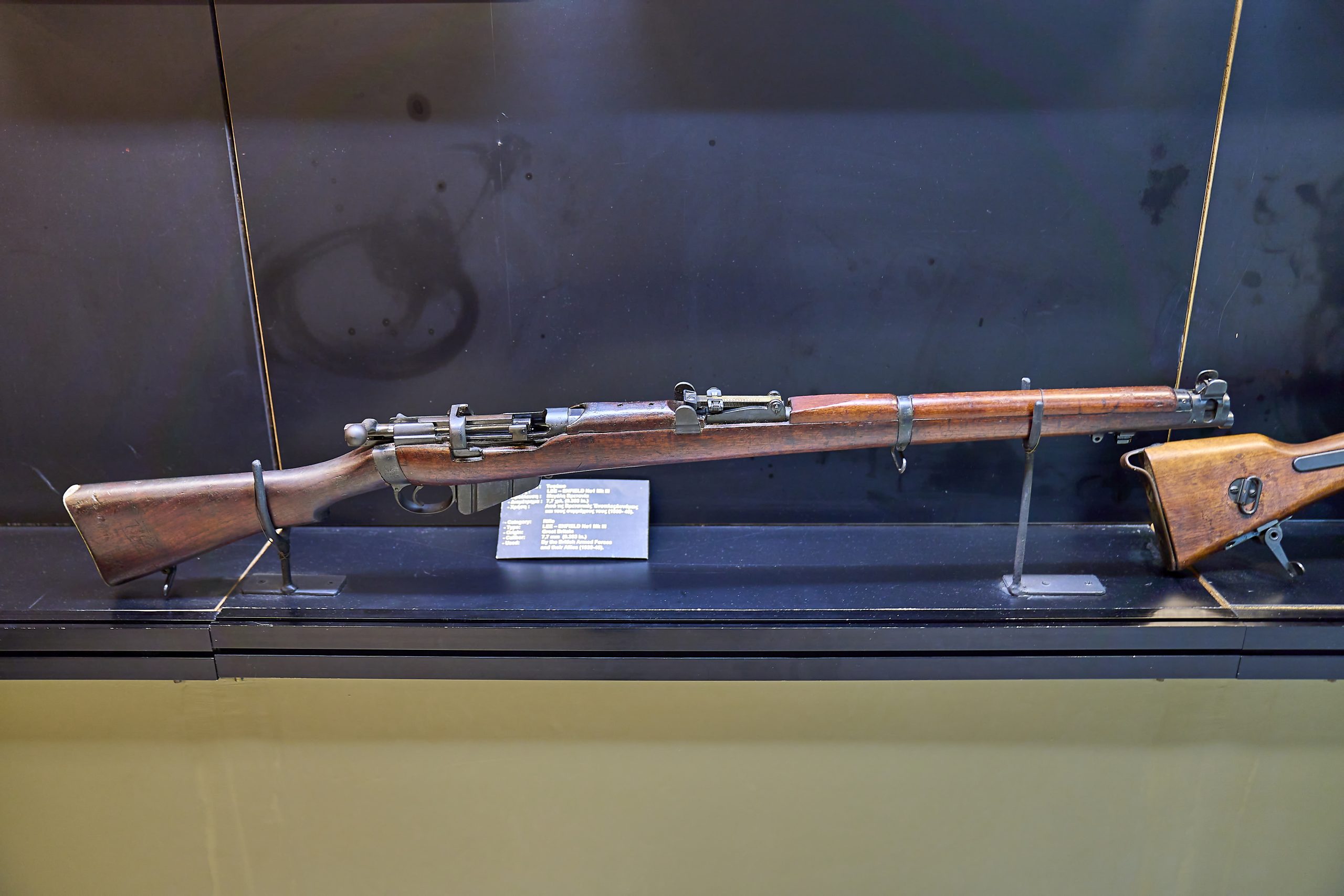
The Lee-Enfield did not introduce the world to the bolt-action rifle, but it showed how fast a trained infantryman could work one. Britain adopted the Short Magazine Lee-Enfield in 1904, and its 10-round magazine, smooth cock-on-closing action, and compact 25.2-inch barrel gave soldiers a practical blend of speed and reach. The rifle became famous for rapid fire, especially in skilled hands. Armies facing British troops could not ignore the advantage of a high-capacity service rifle that remained a conventional bolt-action, forcing planners to take infantry fire volume more seriously.
2. M1 Garand
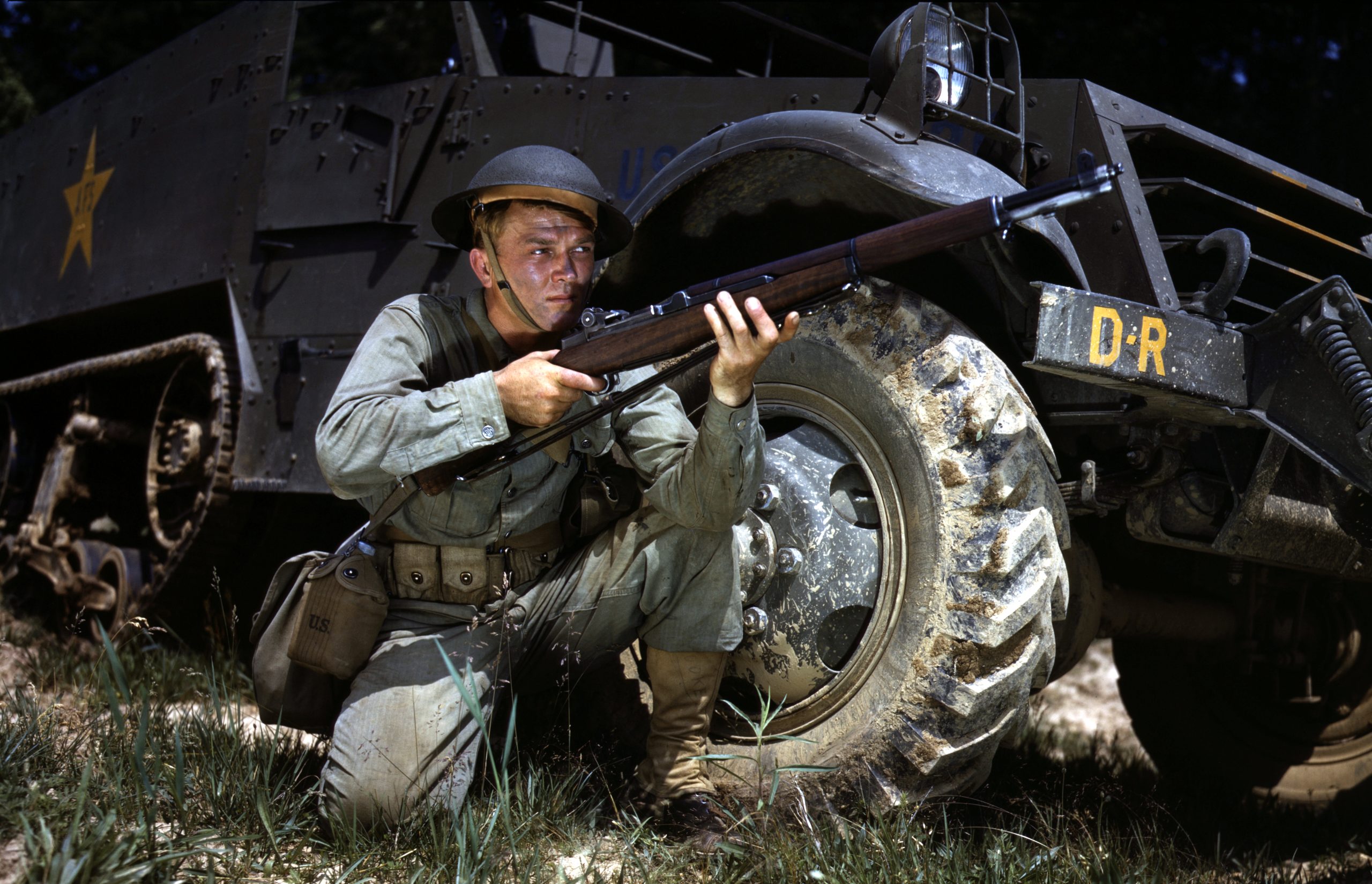
The M1 Garand changed expectations for the standard infantry rifle by giving American soldiers self-loading fire without turning the service rifle into a specialized weapon. Adopted in 1936, it fired the .30-06 Springfield cartridge from an 8-round en-bloc clip and used gas operation to cycle the action. During World War II, most major armies still relied heavily on bolt-action rifles, making the Garand’s rapid follow-up shots especially significant. Its success pushed military planners toward semi-automatic service rifles as a practical replacement for slower manual actions.
3. SVT-40
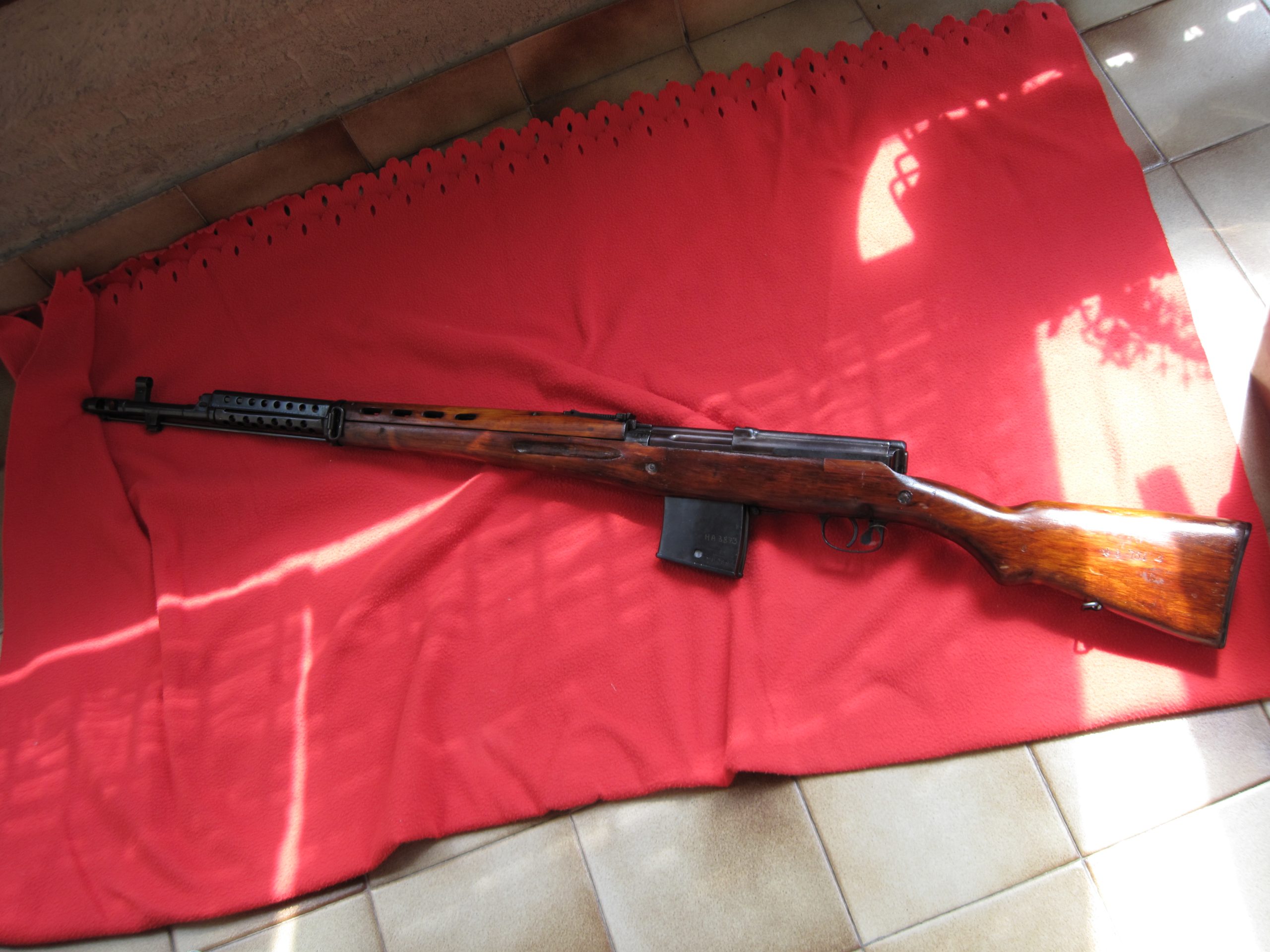
The Soviet SVT-40 was ambitious because Moscow wanted a self-loading rifle that could equip large numbers of infantrymen. Entering service in 1940, it used the 7.62x54mmR cartridge and a 10-round detachable magazine, giving soldiers more immediate firepower than the standard Mosin-Nagant. Wartime conditions exposed the difficulty of producing and maintaining such a rifle at scale, yet the concept remained important. The SVT-40 demonstrated that semi-automatic infantry weapons were no longer experimental curiosities, even if reliability, training, and production realities could limit adoption.
4. StG 44
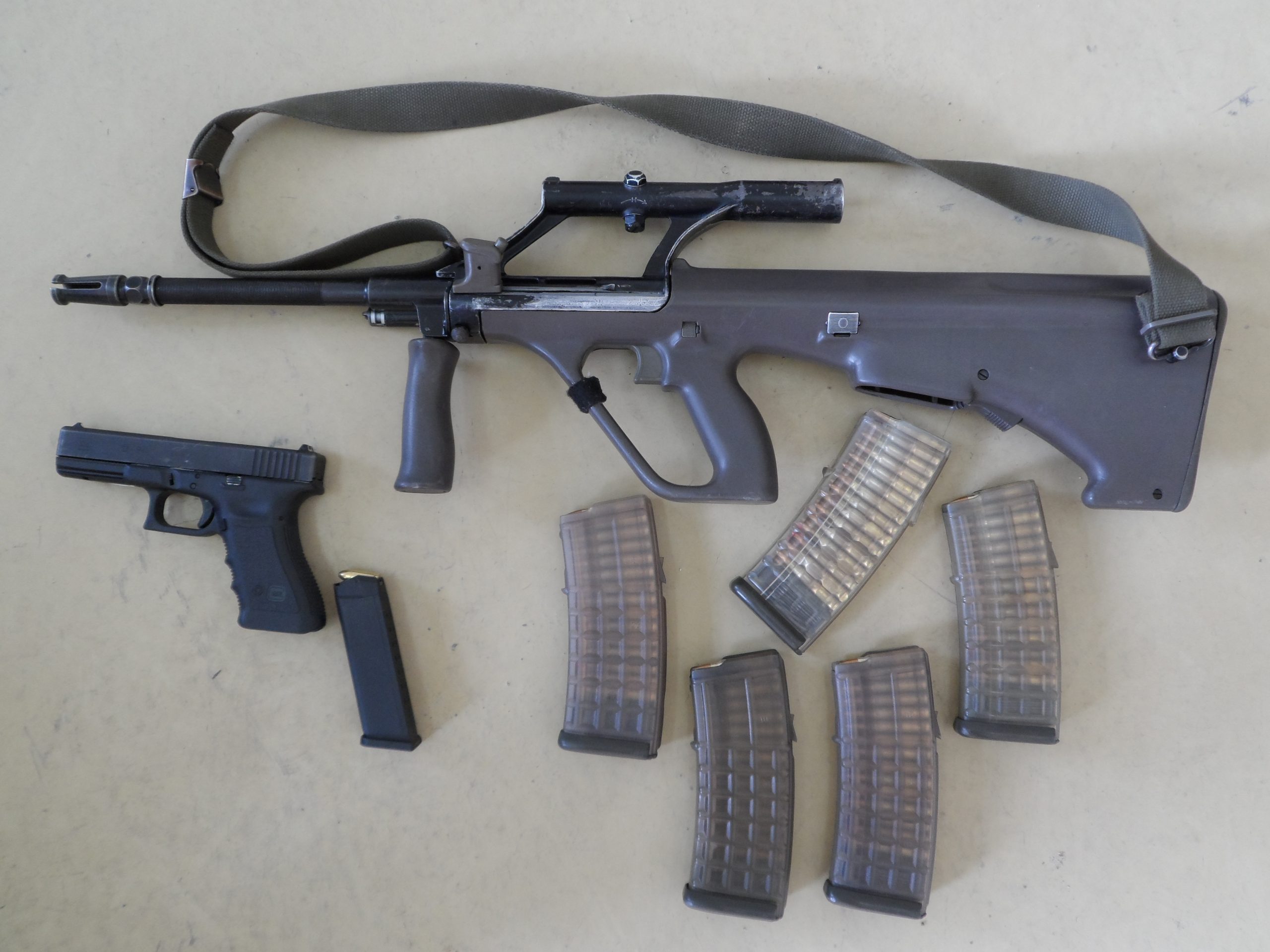
The StG 44 forced military thinkers to reconsider what a general-purpose infantry rifle should do. Germany adopted it during World War II in 7.92x33mm Kurz, an intermediate cartridge designed to bridge the gap between pistol-caliber submachine guns and full-power rifles. Its 30-round magazine and selective fire gave ordinary infantrymen useful automatic capability at common combat distances. The weapon appeared too late and in too few numbers to transform the war, but its underlying idea survived. After 1945, armies increasingly explored intermediate cartridges and assault-rifle concepts.
5. FN FAL
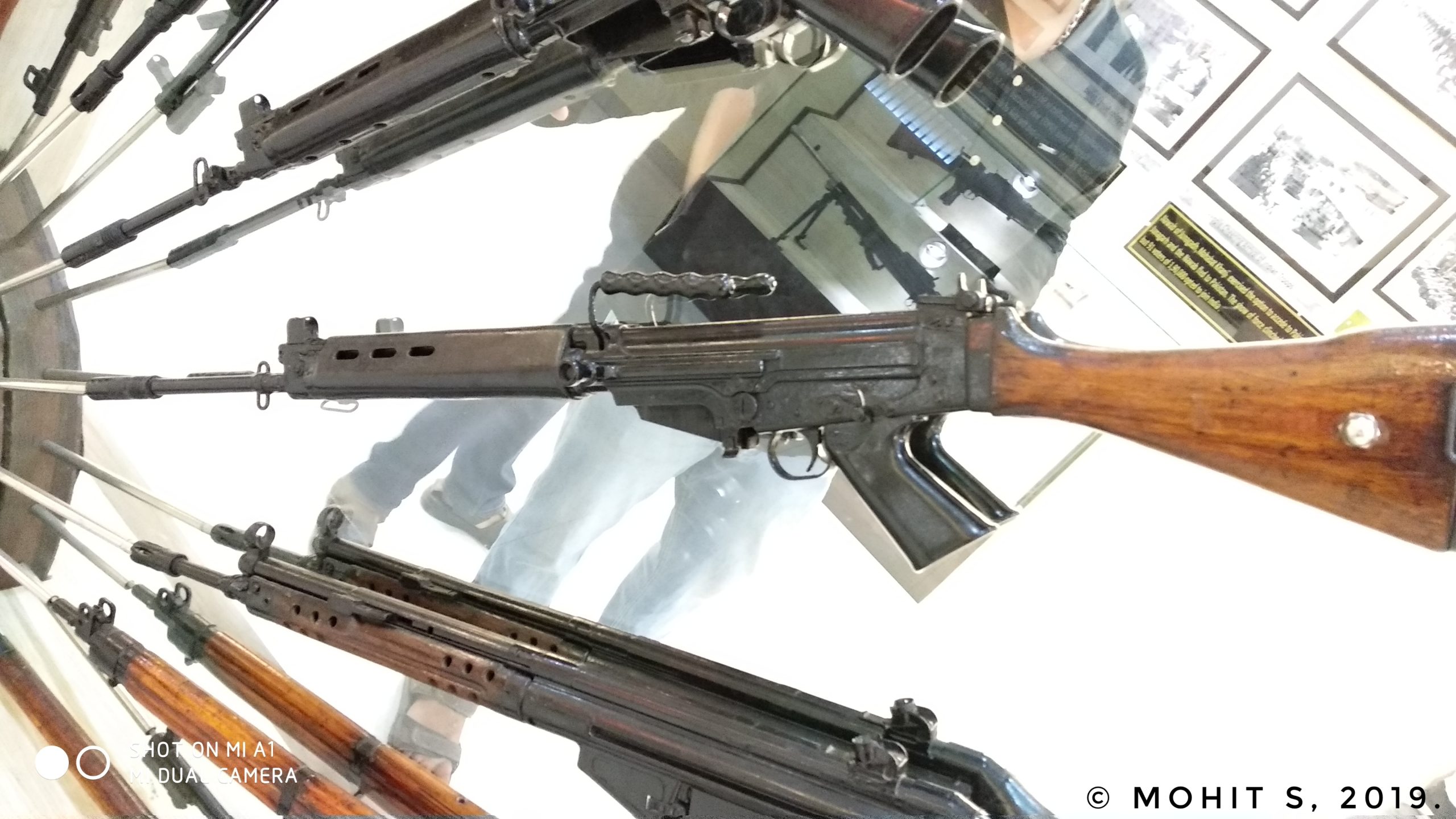
The FN FAL became a symbol of the postwar battle-rifle debate by combining a self-loading action with the powerful 7.62x51mm NATO cartridge. Developed in Belgium and adopted by numerous countries from the 1950s onward, it offered soldiers substantial range, penetration, and controllable semi-automatic fire. It was adopted or produced by dozens of countries, giving it an enormous international footprint. Its popularity exposed a growing problem: full-power ammunition made automatic fire difficult, encouraging armies to reconsider whether one cartridge suited every infantry role.
6. AK-47
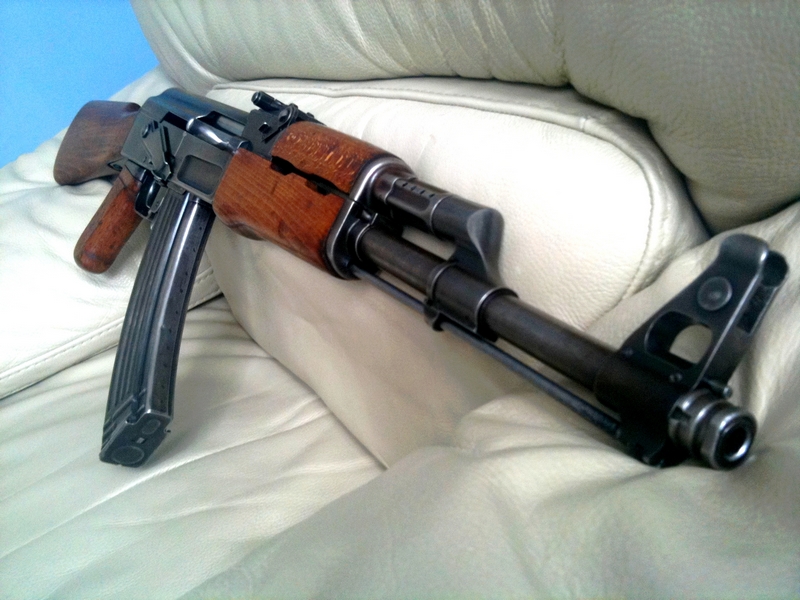
The AK-47 helped make the assault rifle concept hard for military planners to ignore. Soviet development settled on the 7.62x39mm cartridge and a compact, select-fire rifle suited to ordinary infantry ranges, with a 30-round magazine and a rotating-bolt action. The design’s influence spread far beyond Soviet service, and the later AKM became even more widely produced and distributed. Its importance was not simply toughness or simplicity. The lesson was that an infantry rifle could combine manageable size, automatic fire, and an intermediate cartridge without becoming a specialist weapon.
7. M16
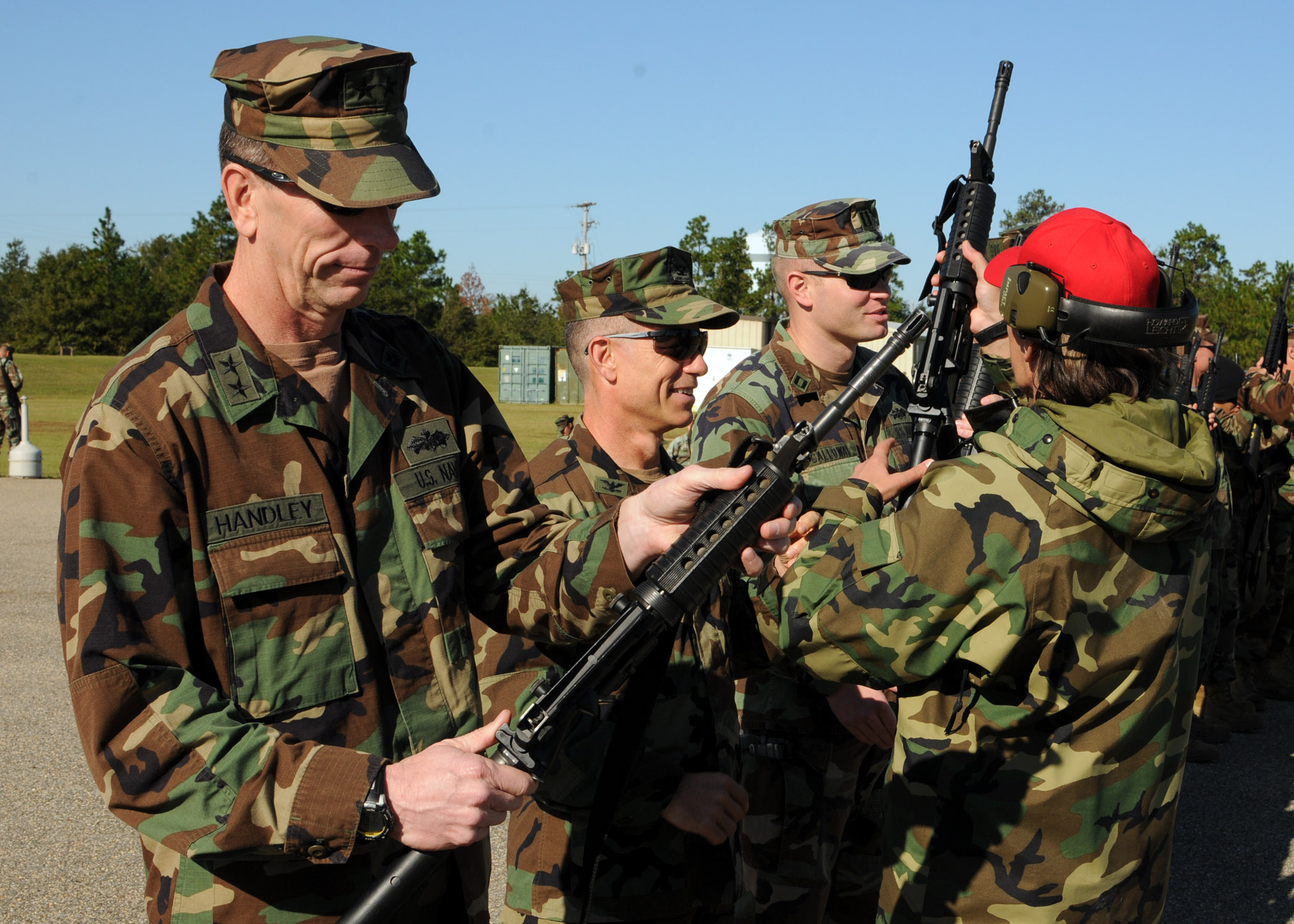
The M16 challenged the assumption that a military rifle needed a heavy full-power cartridge to be effective. Developed from Eugene Stoner’s AR-15 family, it entered U.S. military service in the 1960s and used the 5.56x45mm cartridge with a lightweight rifle and 20-round magazine in its early standard configuration. Its small-caliber, high-velocity approach represented a major break from the 7.62mm battle-rifle era. Early Vietnam service exposed reliability and ammunition issues, but later improvements helped establish the lightweight 5.56mm rifle as a dominant military pattern.
8. G3
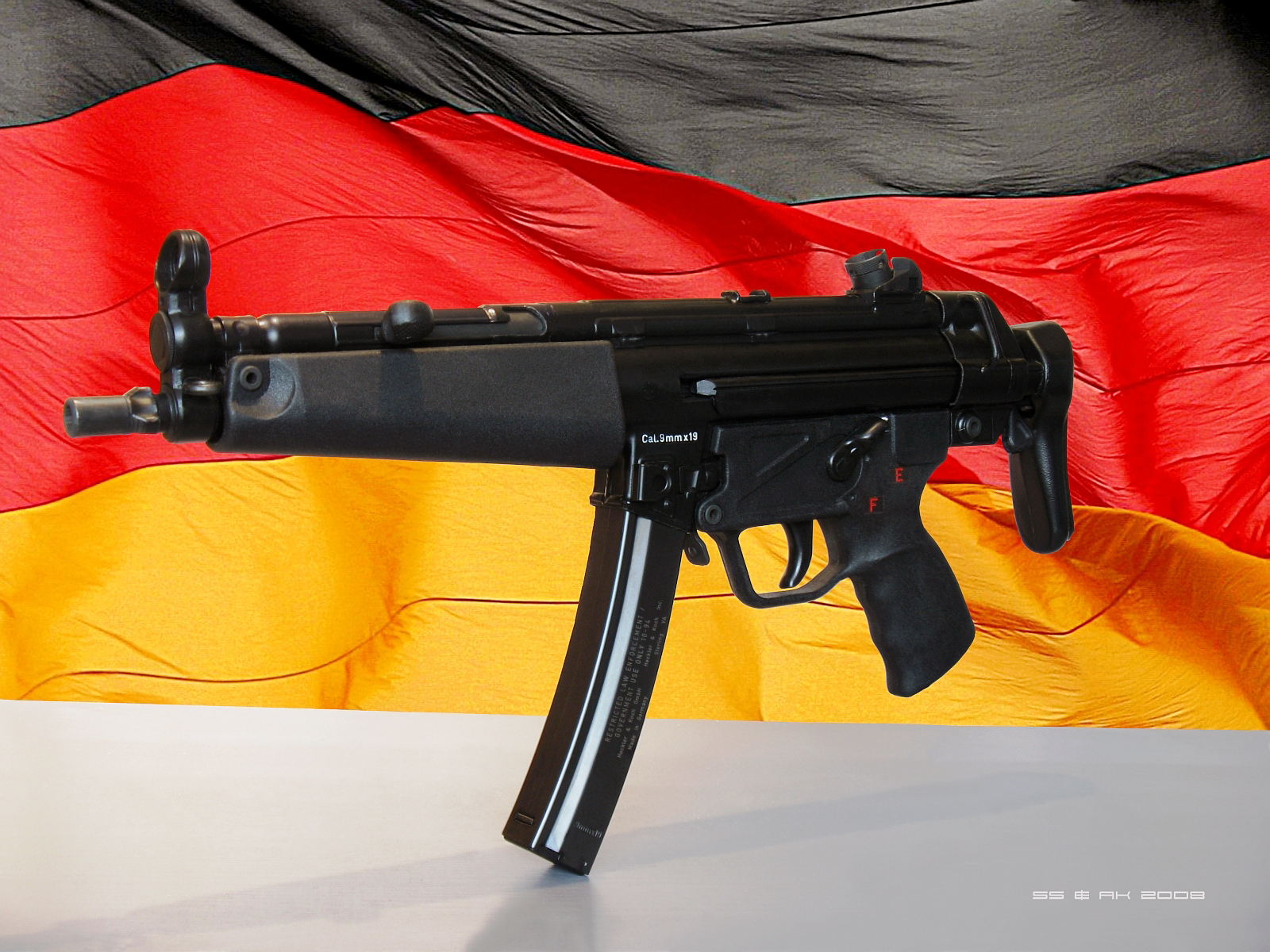
The Heckler & Koch G3 showed that a powerful 7.62mm service rifle could still be made compact and mechanically distinctive. Introduced by West Germany in 1959, it used a roller-delayed blowback system and fed from 20-round magazines chambered for 7.62x51mm NATO. The rifle became the standard arm of the Bundeswehr and was adopted or produced under license by many other nations. Its success kept the battle-rifle idea alive even as lighter intermediate-caliber weapons gained ground. For armies comparing NATO rifles, the G3 offered a durable alternative with serious long-range capability.
9. Galil
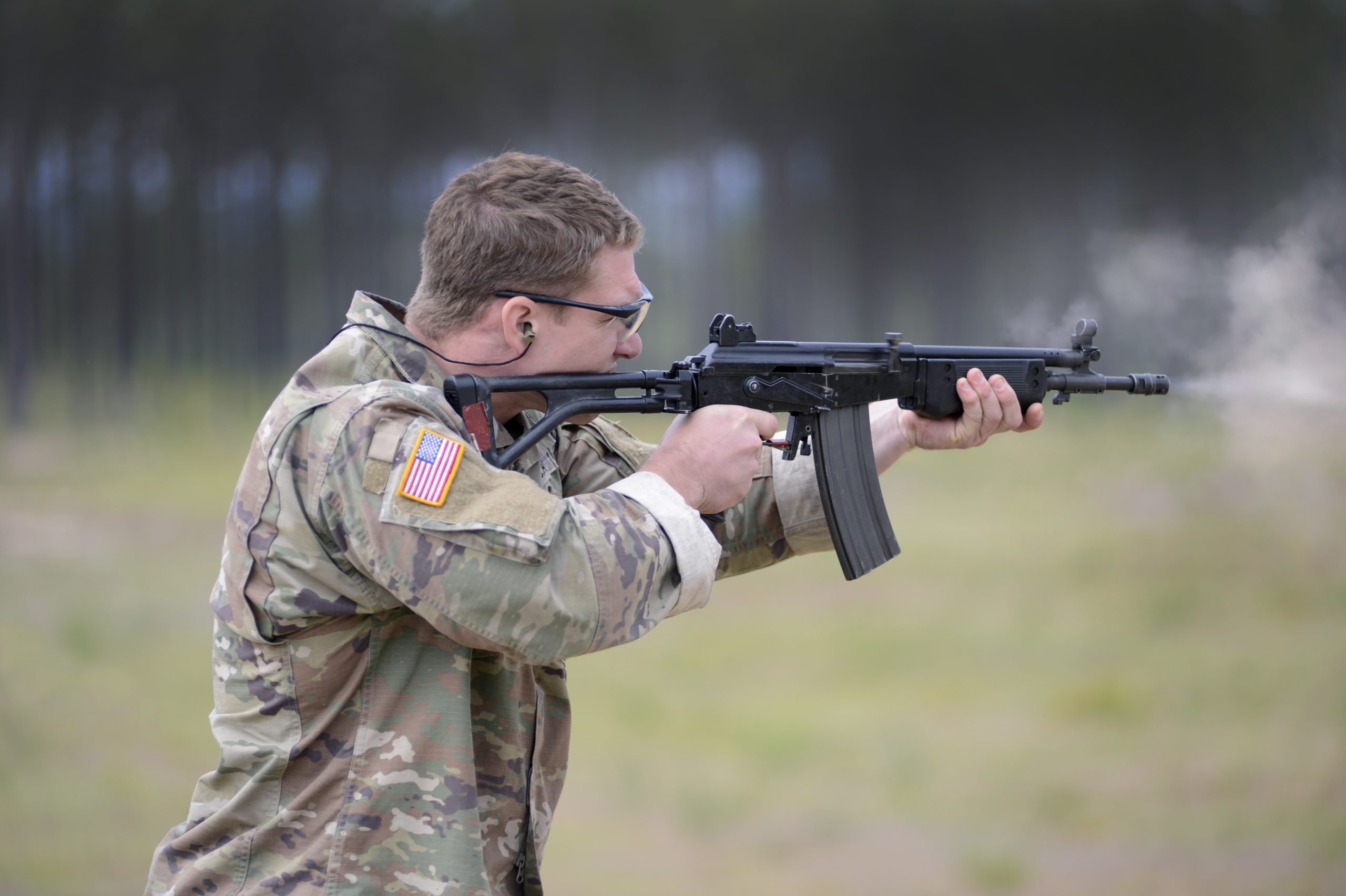
The Israeli Galil emerged from a harsh environment where reliability, compact handling, and battlefield practicality mattered more than fashion. Developed in the 1960s and entering Israeli service in the early 1970s, it was chambered in 5.56x45mm in its standard rifle form and used a robust gas-operated action. Its design drew from several proven rifle ideas instead of chasing novelty. The Galil’s reputation encouraged other militaries to consider how a service rifle could balance durability, ergonomics, and ammunition commonality while staying effective in difficult conditions.