Some firearms disappear when their factories close, their armies replace them, or their original manufacturers move on to newer designs. Others refuse to fade. Their mechanisms become templates, their names become legendary, and their influence continues through later variants, licensed production, and civilian versions. From the bolt-action era to the rise of the modern assault rifle, these 8 guns show how a successful design can survive far beyond the circumstances that created it.
1. Mauser 98
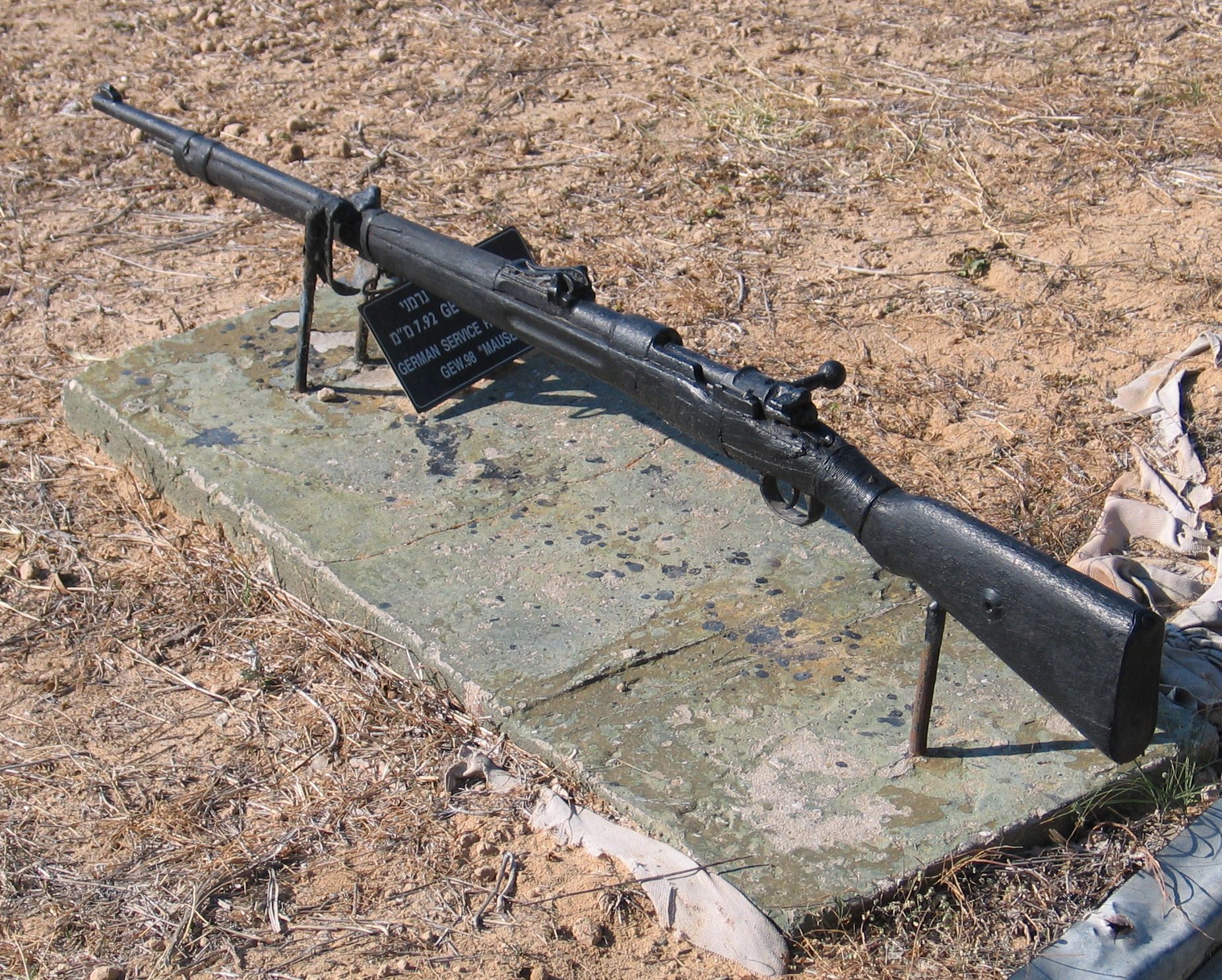
The Gewehr 98 entered German service in 1898 and became the foundation for a family of Mauser rifles that spread worldwide. Paul Mauser’s controlled-feed bolt action used a 5-round internal magazine and became known for its strong receiver and dependable extraction. More than 9 million Gewehr 98 rifles and related wartime variants were produced during the main 1898–1918 production era. The design also inspired the Karabiner 98k and countless sporting rifles. Even after the original German military production era ended, the Mauser 98 action remained a benchmark for later rifle makers and hunters. Its legacy is a design language that refused to disappear.
2. Lee-Enfield
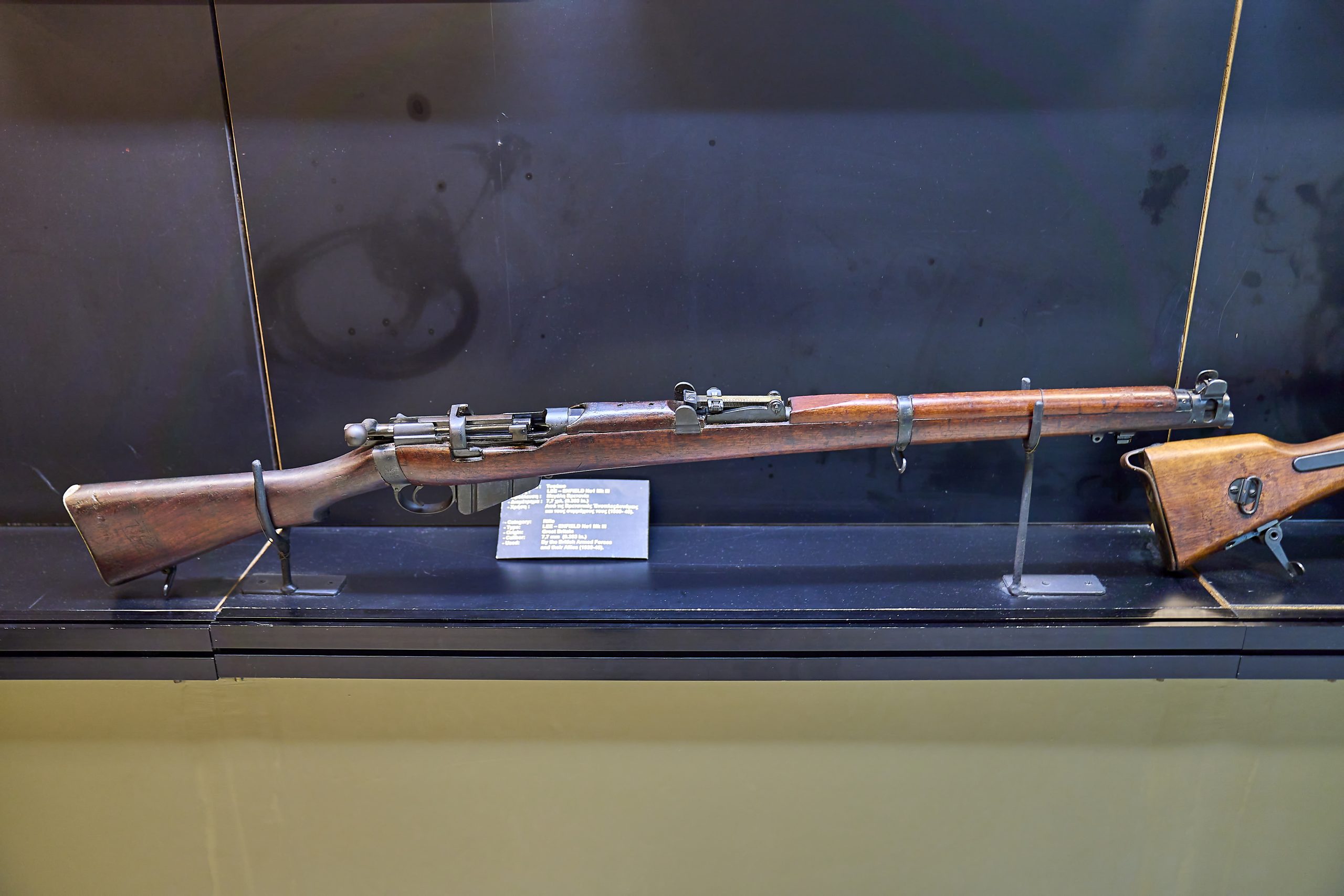
The Lee-Enfield survived the collapse of empires, two world wars, and several generations of military rifles. Developed around James Paris Lee’s bolt system and the Royal Small Arms Factory at Enfield, it became the standard British service rifle and spread across the Commonwealth. Its 10-round magazine was unusually generous for a military bolt-action rifle, while the Lee action allowed rapid cycling in trained hands. More than 17 million Lee-Enfields are estimated to have been made in their many forms. Britain officially replaced it with the L1A1 SLR in 1957, yet specialized variants remained in service for decades. That afterlife explains its lasting historical relevance.
3. M1 Garand
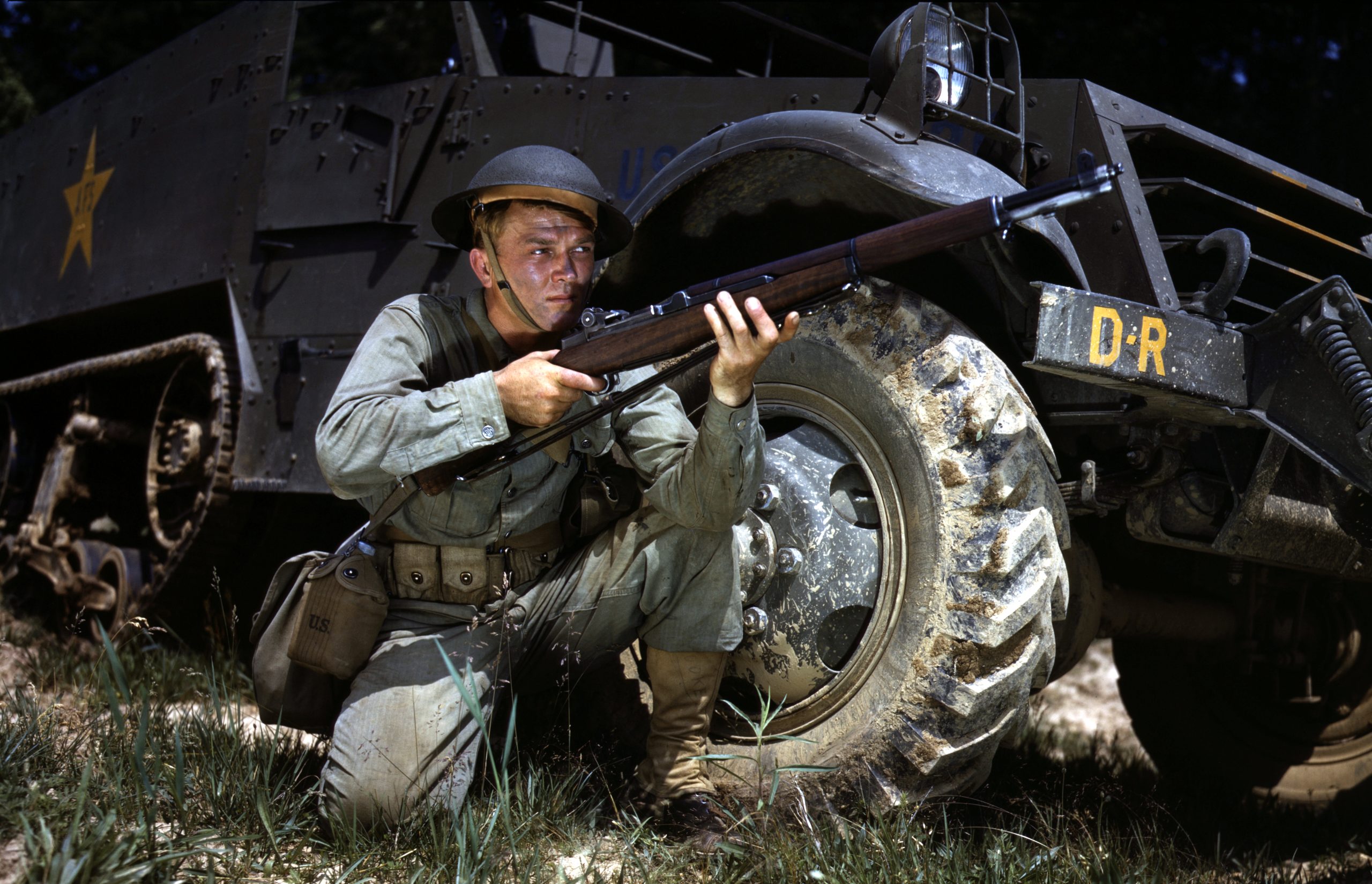
The M1 Garand transformed the American infantry rifle by replacing the manual bolt cycle with a self-loading action. Designed by John C. Garand and adopted by the U.S. Army in 1936, it fired the .30-06 cartridge from an 8-round en-bloc clip. Springfield Armory and other manufacturers produced millions, with output expanding during WWII. National Park Service records show Springfield Armory reaching serial numbers above 3.8 million by 1945, followed by postwar production. The Garand eventually gave way to newer service rifles, but its reputation endured through competition shooting, ceremonies, collecting, and military history. Its production era ended without ending its cultural life.
4. Ithaca Model 37
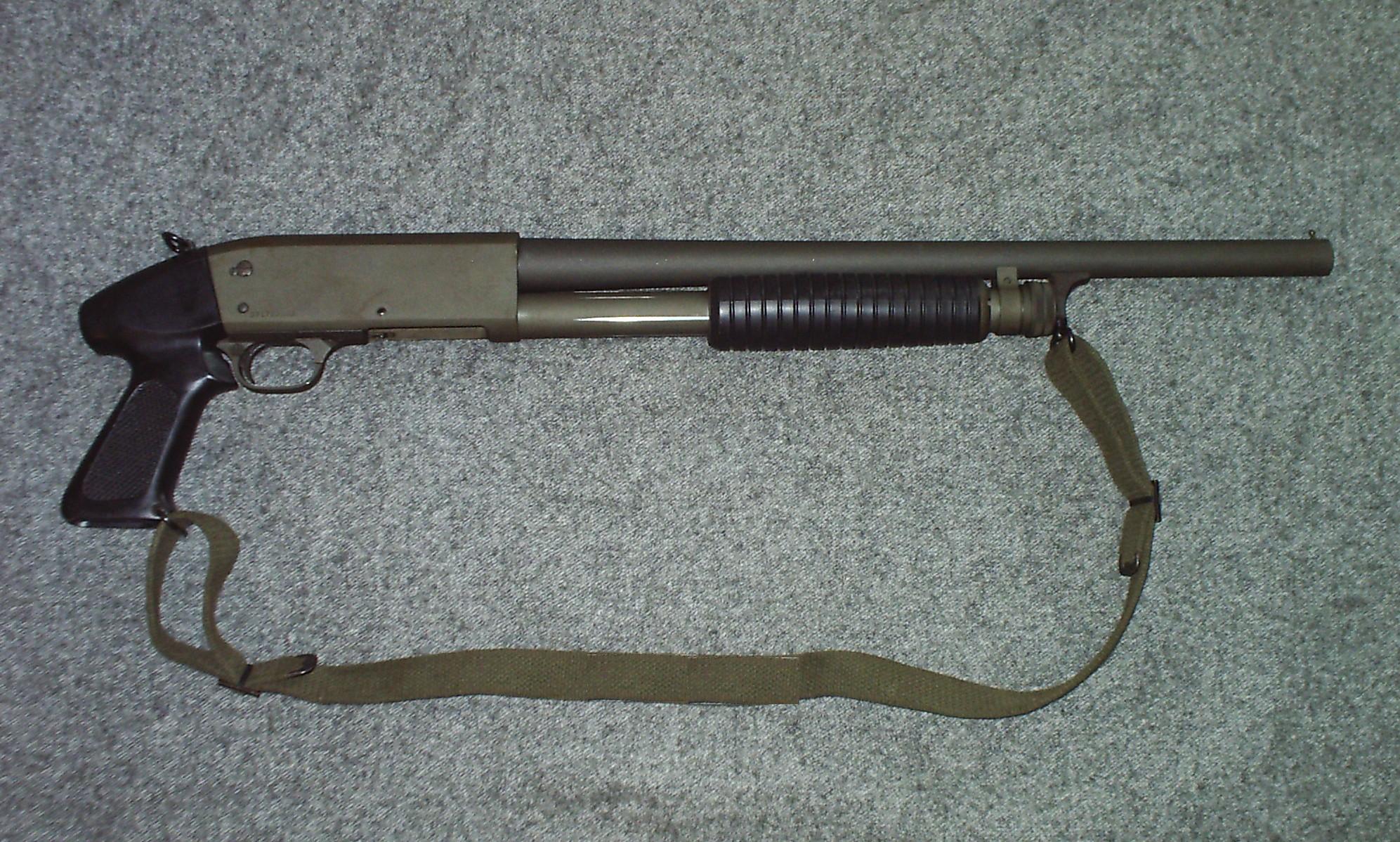
The Ithaca Model 37 began production in 1937 and became one of America’s enduring pump-action shotguns. Designed by John Browning and John Pedersen, the action uses bottom loading and ejection, a layout that gives it a distinctive handling character and keeps the ejection port away from the shooter’s face. Ithaca Gun changed ownership and manufacturing locations several times, and the original company structure eventually disappeared. Yet the Model 37 continued through successor operations, reaching well beyond 80 years of history. Its survival shows how a proven shotgun can remain commercially relevant even after the factory, owners and corporate identity surrounding it have changed.
5. Marlin Model 336
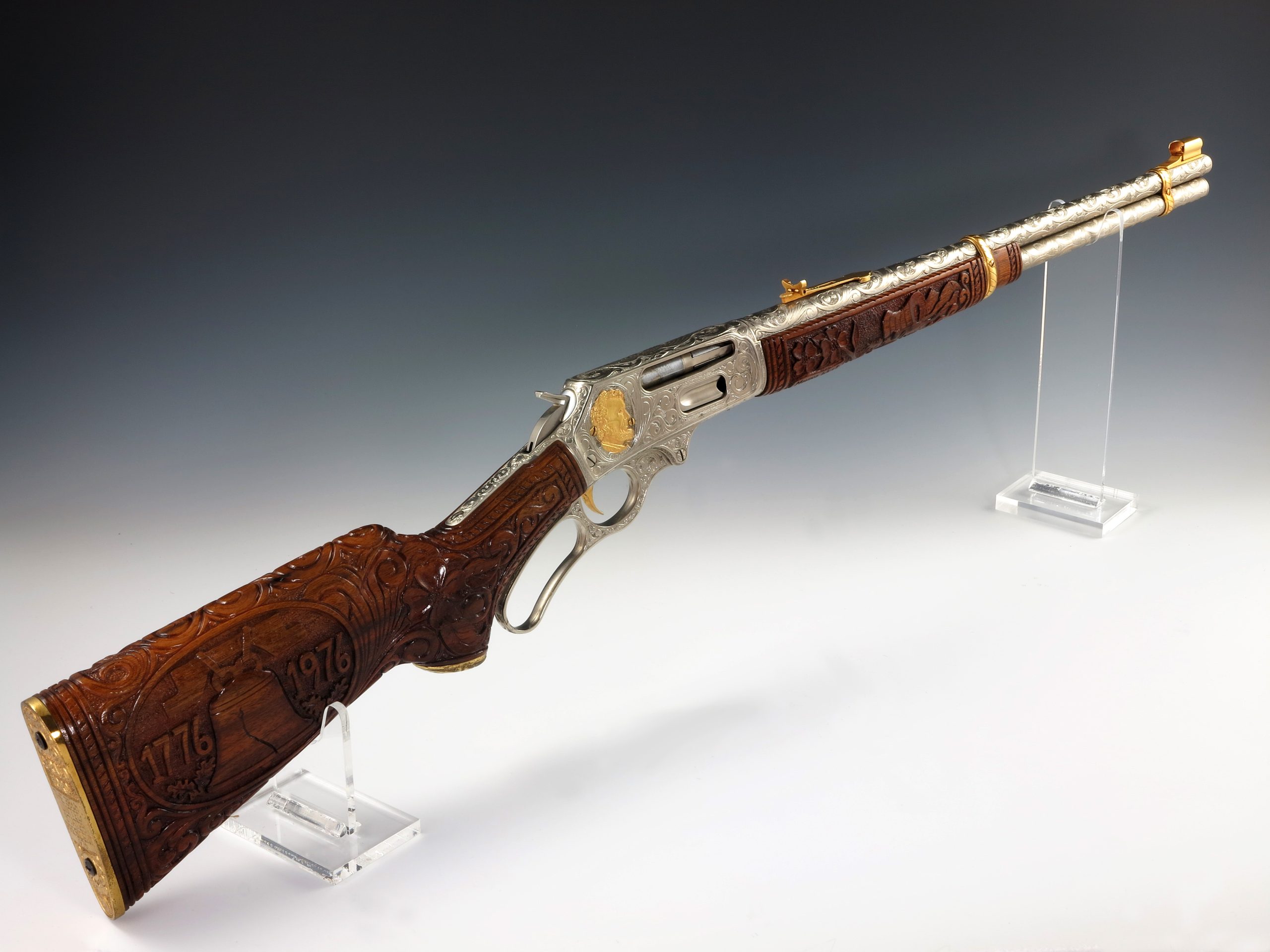
The Marlin Model 336 debuted in 1948 as a rugged lever-action built around a solid-top receiver and side ejection, features that made scope mounting easier than on many traditional lever guns. Chambered most famously in .30-30 Winchester, it became a familiar deer rifle across generations. Marlin eventually became part of Remington Outdoor, and when that business was dismantled in 2020, Ruger acquired the Marlin firearms operation. The Model 336 survived the breakup rather than ending with the old company. Its history now spans more than 75 years, with the same basic pattern carried forward under new ownership and modern manufacturing. Few lever guns have crossed so many ownership eras.
6. FN FAL
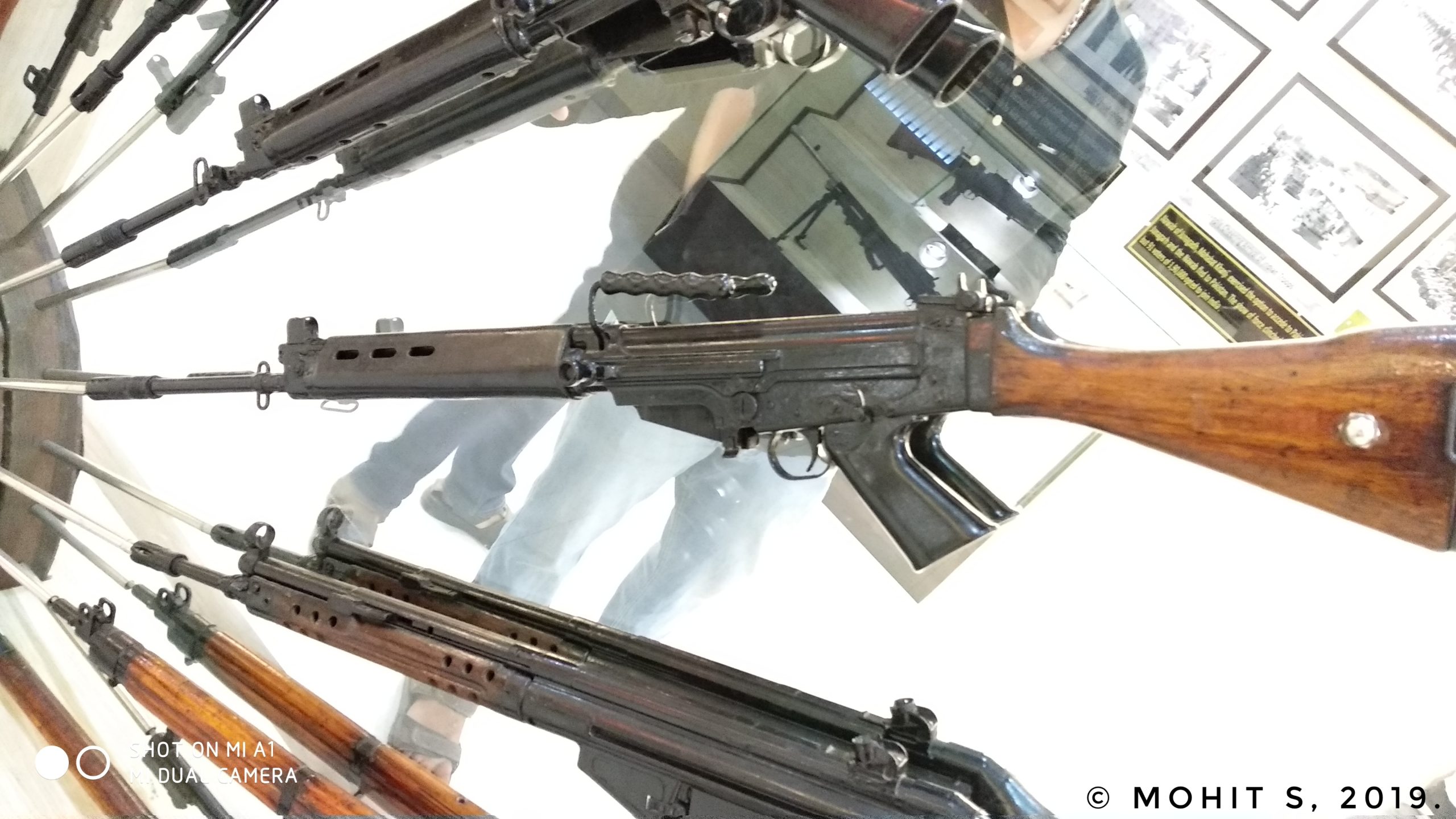
The FN FAL began as a Belgian postwar rifle project at Fabrique Nationale and became a defining Cold War battle rifle. Early development explored intermediate ammunition, but the final design was adapted to the 7.62×51mm NATO cartridge as Western requirements changed. Its reputation grew through adoption or licensed production in numerous countries, giving it a wide footprint. Britain’s L1A1 and Australia’s L1A1 reflected local manufacturing and military requirements. Instead of disappearing after its first contracts, the FAL returned in new national forms. Its long history shows how a successful design can survive through factories, governments, and contracts that change around it.
7. Remington Model 870
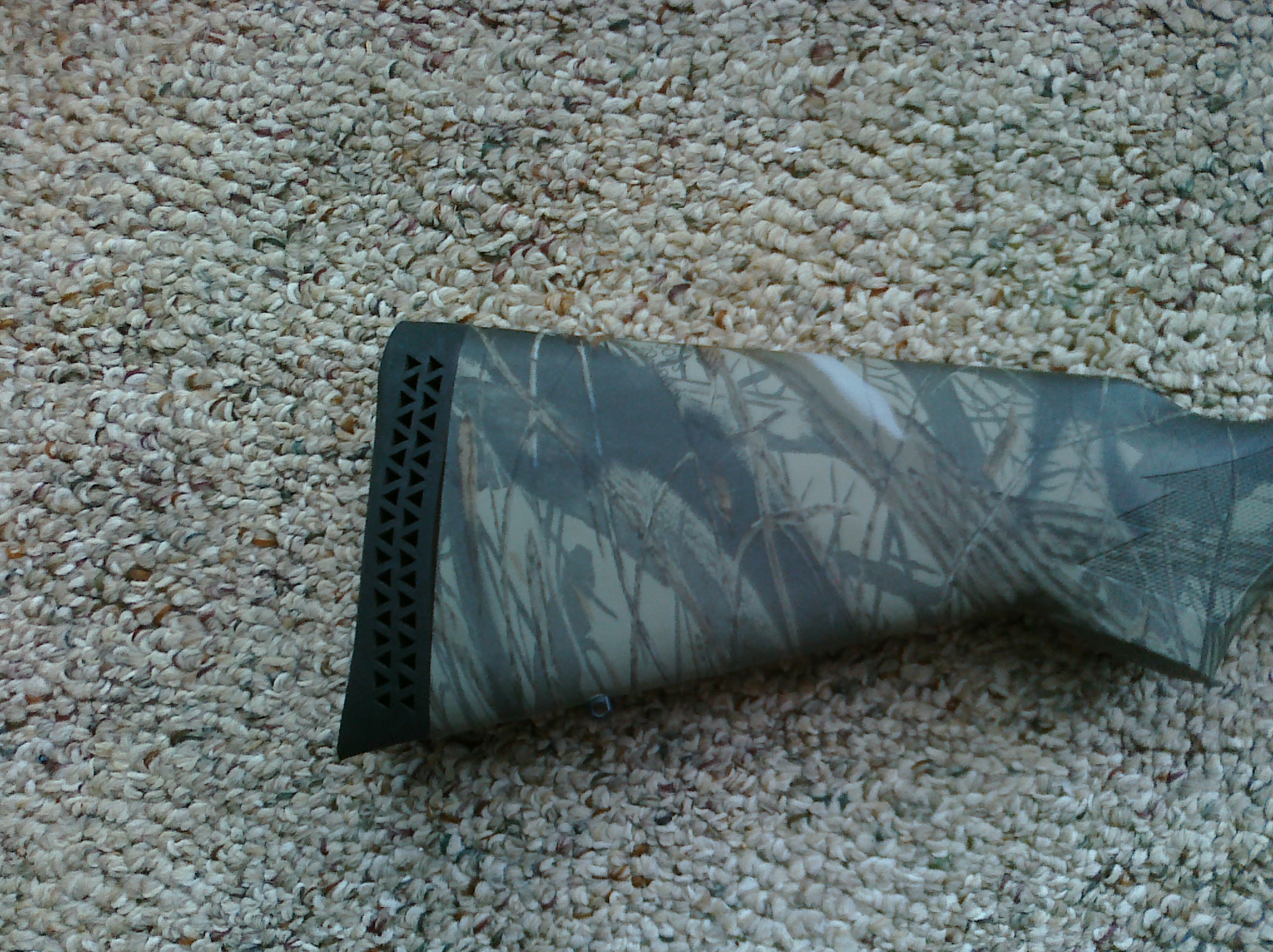
The Remington Model 870 arrived in 1950 and became one of the most widely recognized pump-action shotguns in American firearms history. Its steel receiver, twin action bars, and bottom-loading design made it useful for hunters, sport shooters and service users. Remington’s corporate collapse did not erase the 870. After the company’s 2020 bankruptcy, firearms assets were separated, and the Remington brand continued under new ownership. The 870 therefore illustrates a different kind of survival: a design that remained commercially important for about 70 years before the original corporate structure behind it was broken apart, yet continued afterward through successor production.
8. M16
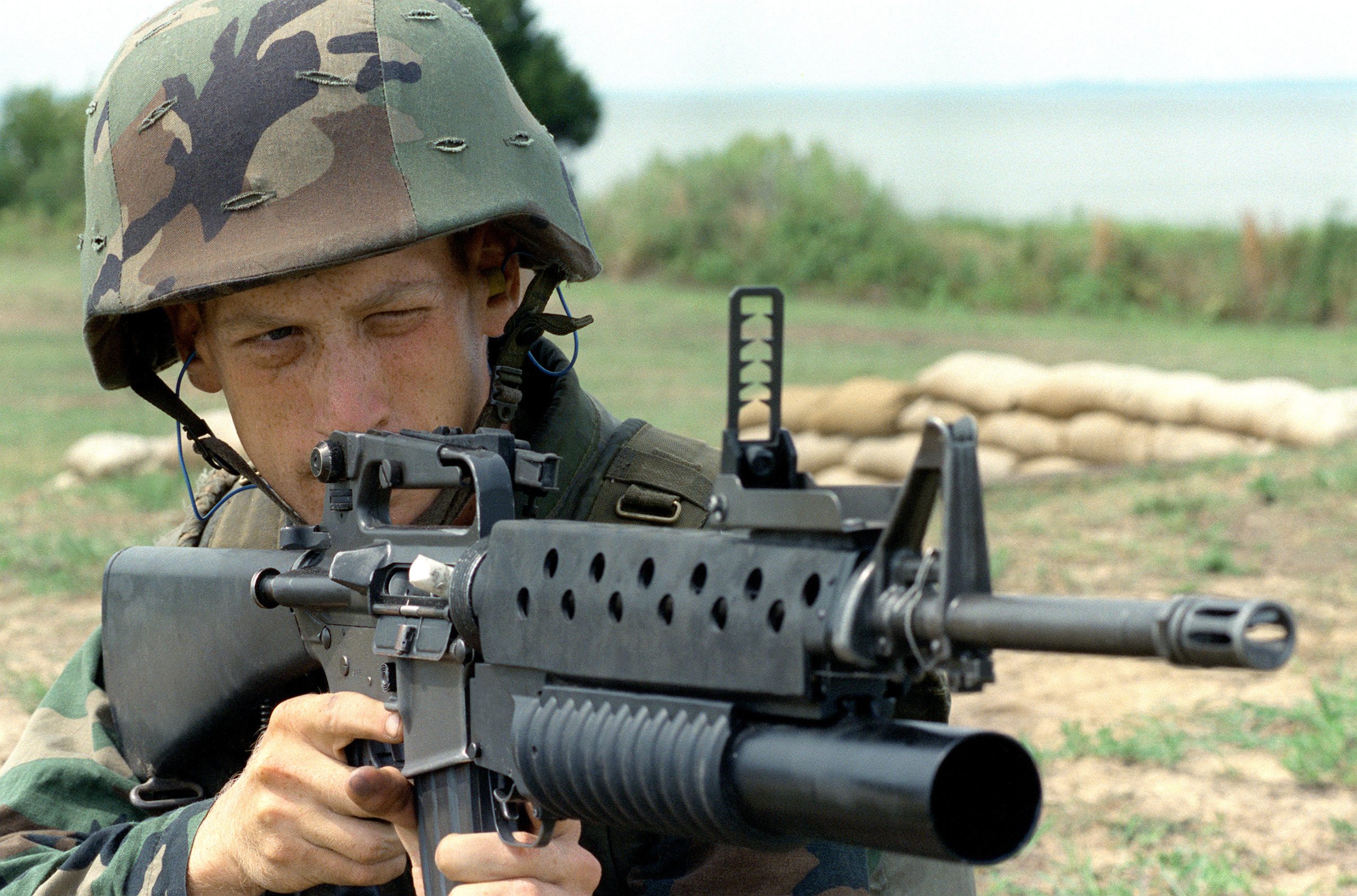
The M16 grew from the lightweight AR-15 developed by ArmaLite and later manufactured and promoted by Colt for military use. The U.S. military introduced the rifle during the 1960s, and its 5.56×45mm cartridge helped accelerate the shift toward lighter infantry rifles. Its straight-line layout, lightweight construction, detachable magazine, and direct-impingement system gave it a distinctive place in small-arms history. The design evolved through the M16A1, M16A2, M16A3, and M16A4, while related AR-pattern rifles spread into military, law-enforcement, sporting, and civilian markets. Companies and contracts changed, but the design family continued to expand.