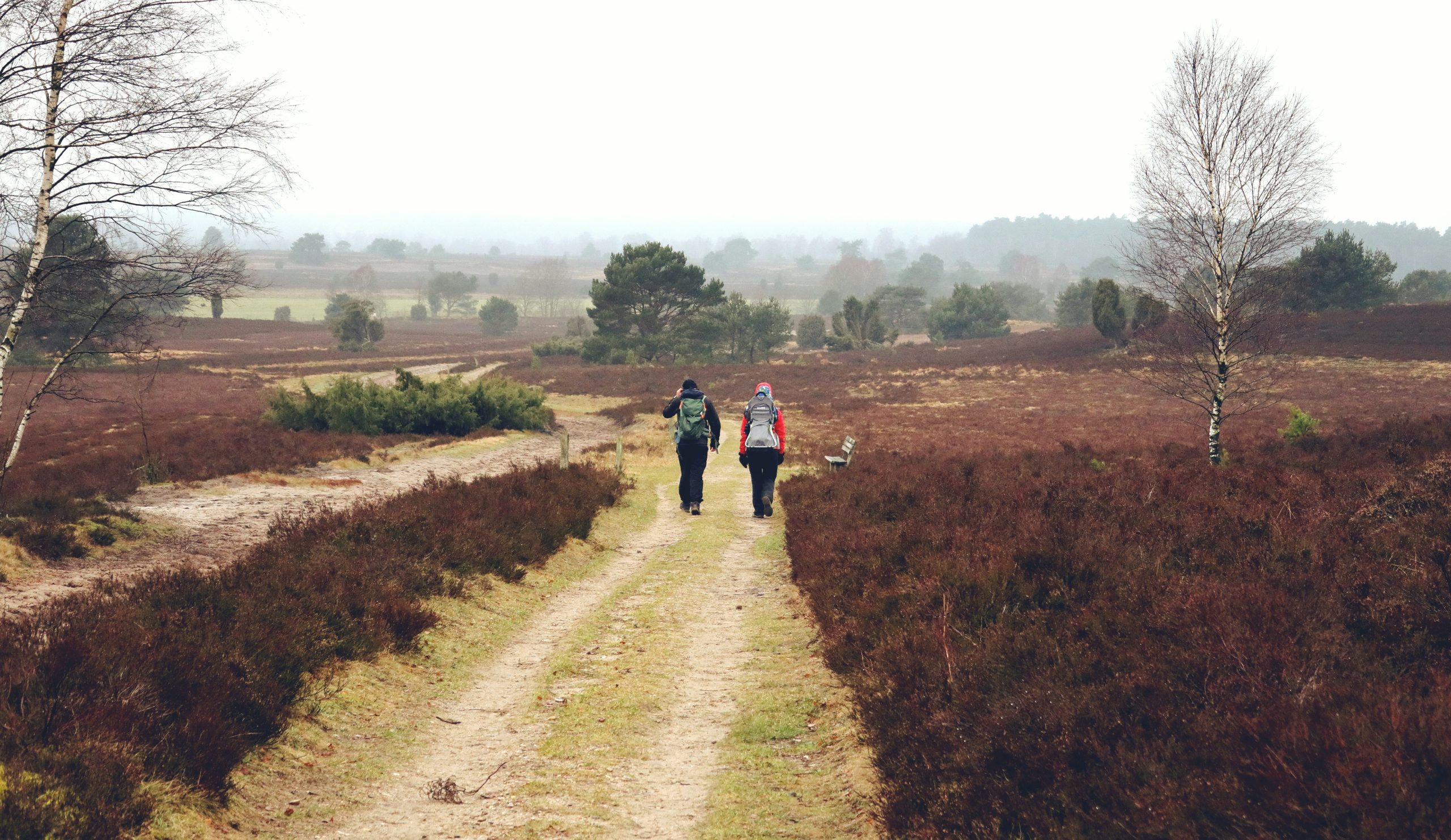
Long backpacking treks demand more than enthusiasm and physical fitness. They require thoughtful preparation and dependable gear that performs day after day in unpredictable environments. When you are miles away from roads or support, every item you carry must serve a clear purpose. The right equipment improves safety, reduces fatigue, and adds comfort that helps you stay focused on the journey ahead. This list covers essential backpacking gear chosen for long-distance travel, with attention to durability, weight, and real-world usability. Each item below is described in detail so you can make informed decisions before stepping onto the trail.
1. Backpacking Backpack
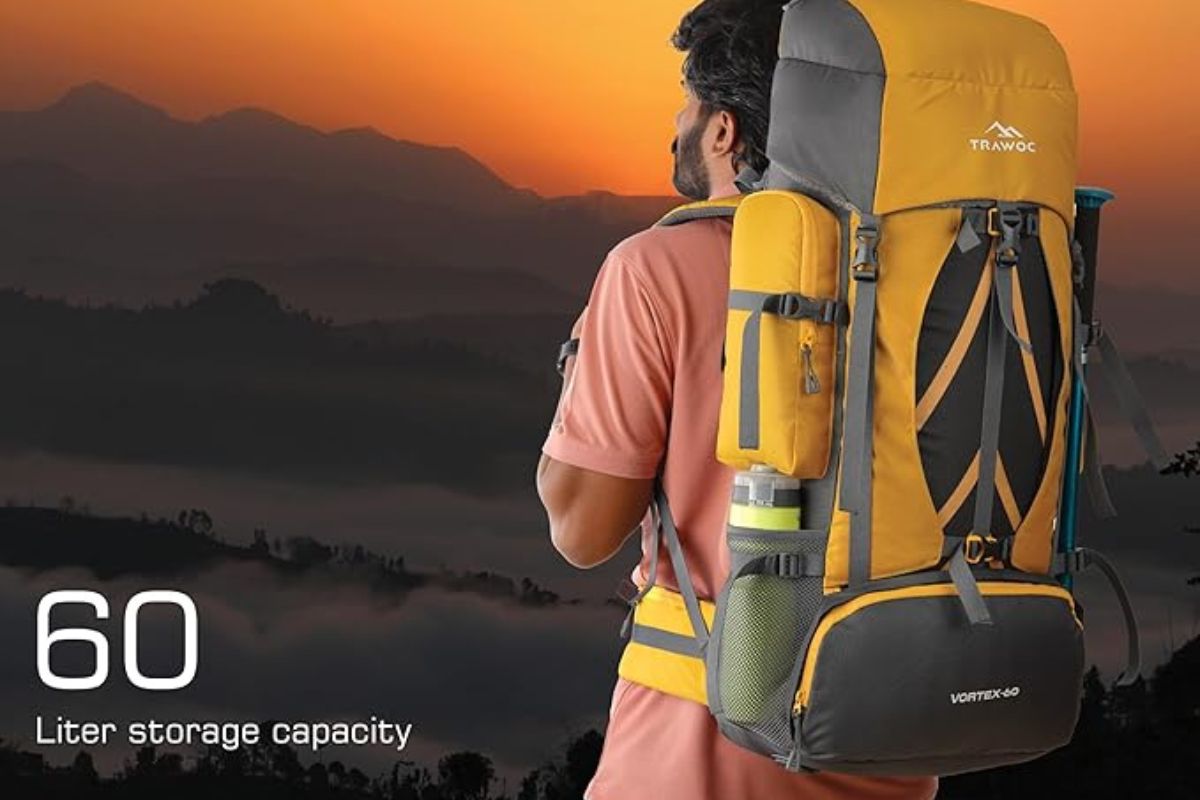
A well-designed backpack is the core of any long trek and directly affects comfort and efficiency. For extended trips, a pack between fifty and seventy liters provides enough space without encouraging overpacking. Adjustable shoulder straps, a padded hip belt, and a supportive frame help distribute weight evenly across the body. Breathable back panels reduce sweat buildup during long climbs. Durable fabric, reinforced seams, and strong zippers protect your gear in rough conditions. External straps allow secure attachment of poles or wet clothing.
2. Lightweight Tent
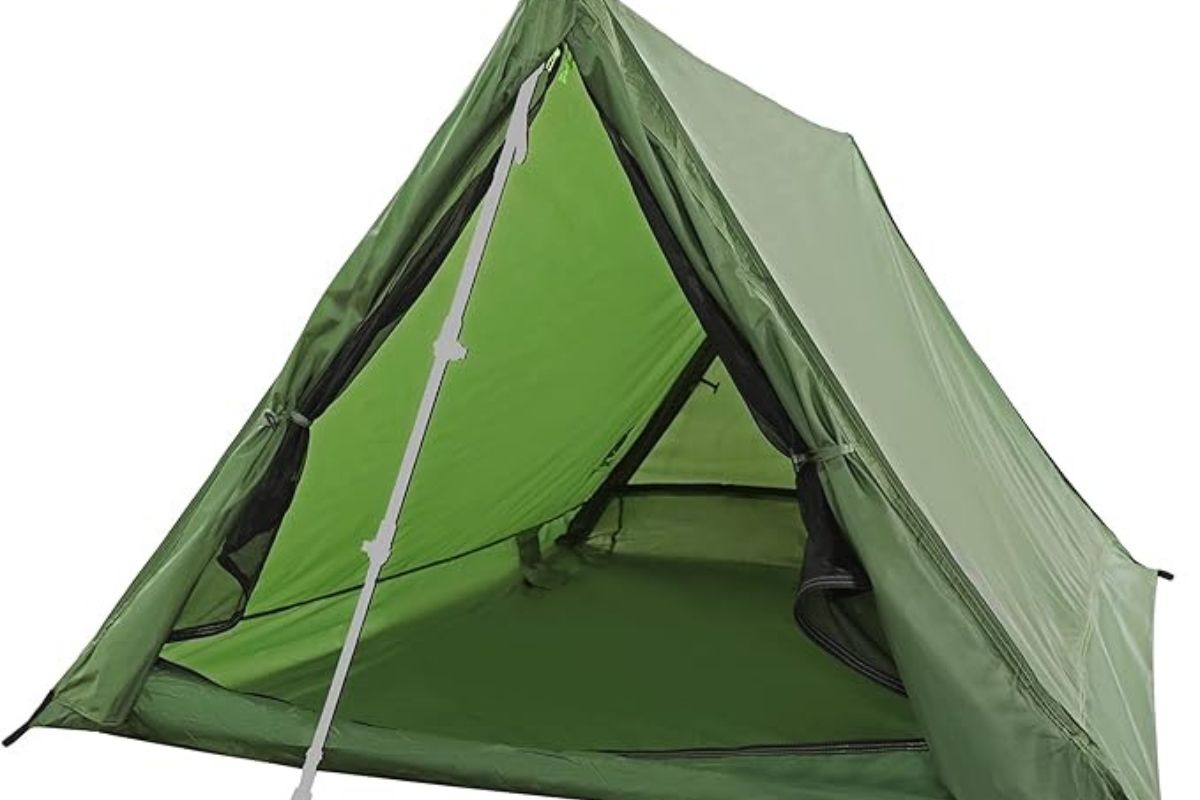
A lightweight tent offers essential protection after long hiking days and becomes your personal shelter in remote areas. Strong aluminum poles and waterproof fabric balance durability with low weight. A full rainfly guards against heavy rain and wind, while mesh panels improve airflow and reduce condensation. Easy setup is critical when daylight fades or the weather worsens. Compact packing size saves valuable space in your backpack. A reliable tent creates a safe and dry place to rest, recover, and prepare for the next day.
3. Sleeping Bag Liner
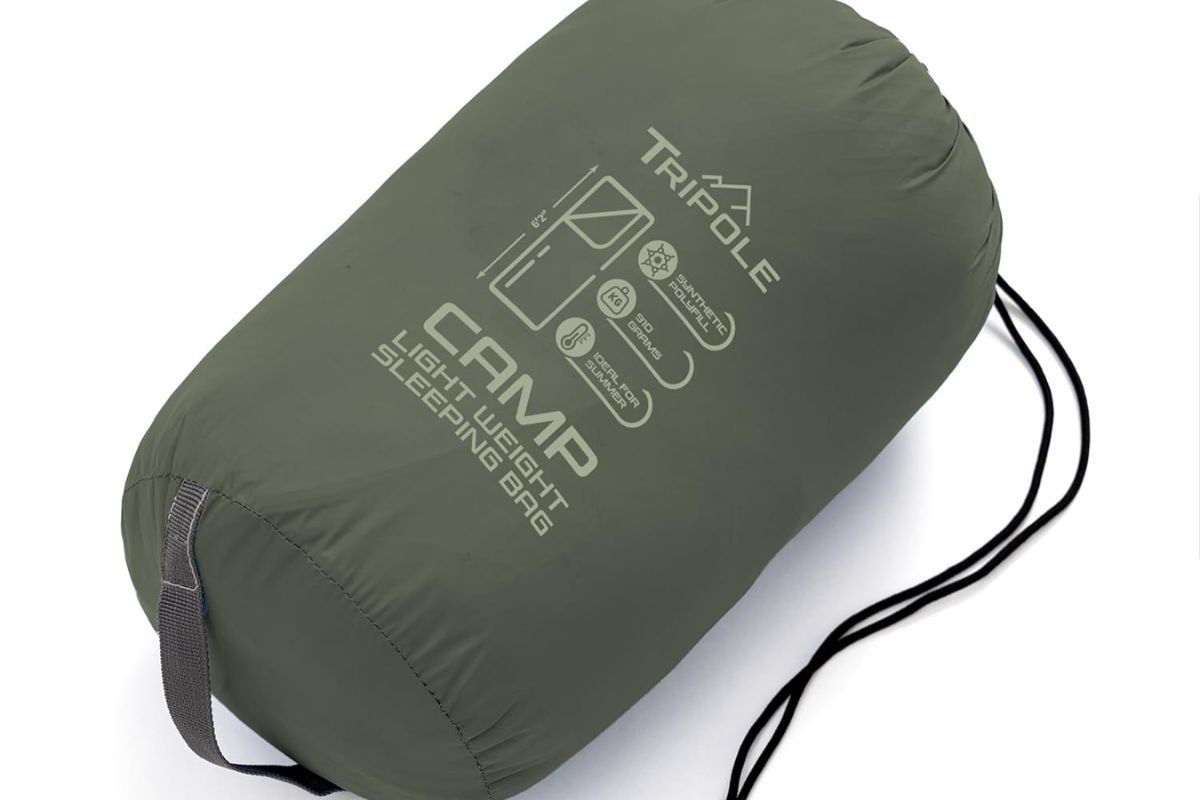
A sleeping bag liner adds warmth, cleanliness, and versatility to your sleep setup on long treks. Lightweight materials like microfiber or silk provide insulation without adding bulk. Liners help keep your sleeping bag clean during extended trips where washing gear is not possible. In warmer climates, a liner can be used alone for comfortable sleep. It also extends the lifespan of your sleeping bag by reducing wear. Small additions like this improve hygiene and rest quality over many nights outdoors.
4. Sleeping Pad
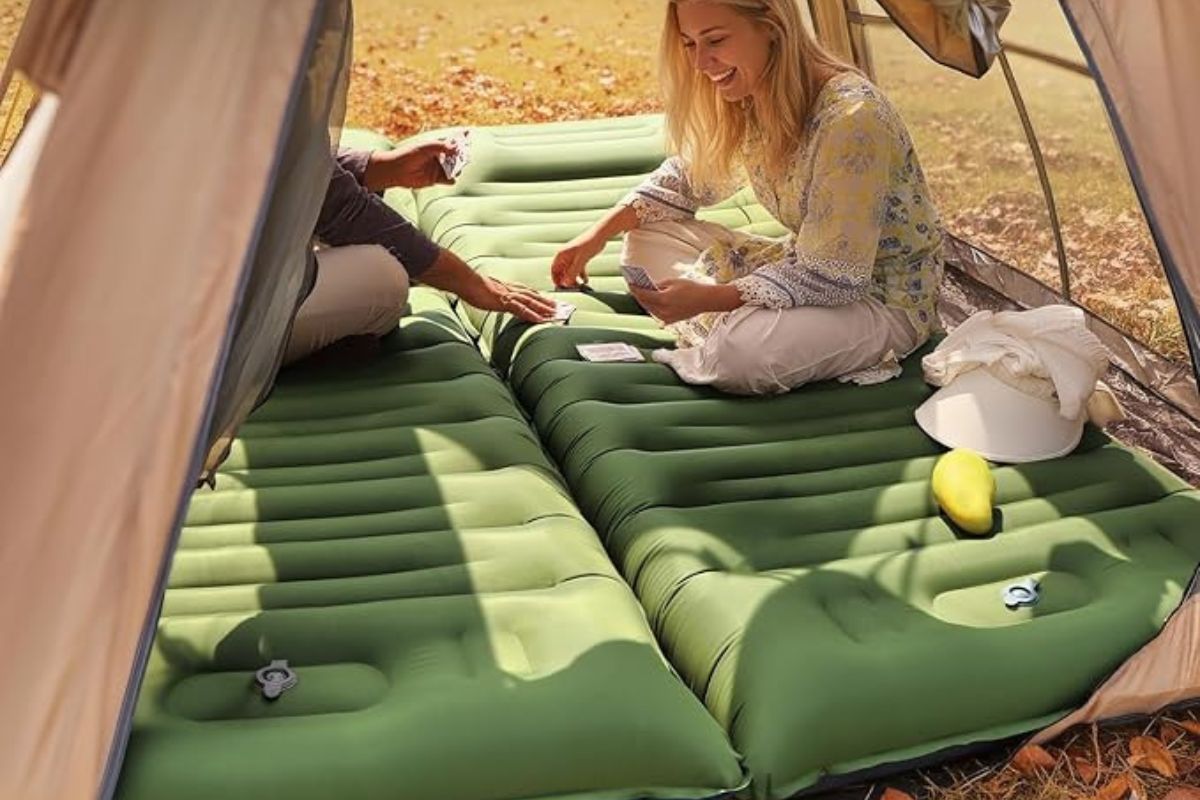
A sleeping pad plays a major role in comfort and temperature regulation during overnight rest. It insulates your body from cold ground while cushioning pressure points. Inflatable pads offer excellent comfort and pack small, while foam pads provide durability and simplicity. Choosing the correct insulation rating helps maintain warmth in different climates. Lightweight construction prevents unnecessary strain on long treks. A good sleeping pad improves sleep quality and helps muscles recover for demanding days ahead.
5. Trekking Poles
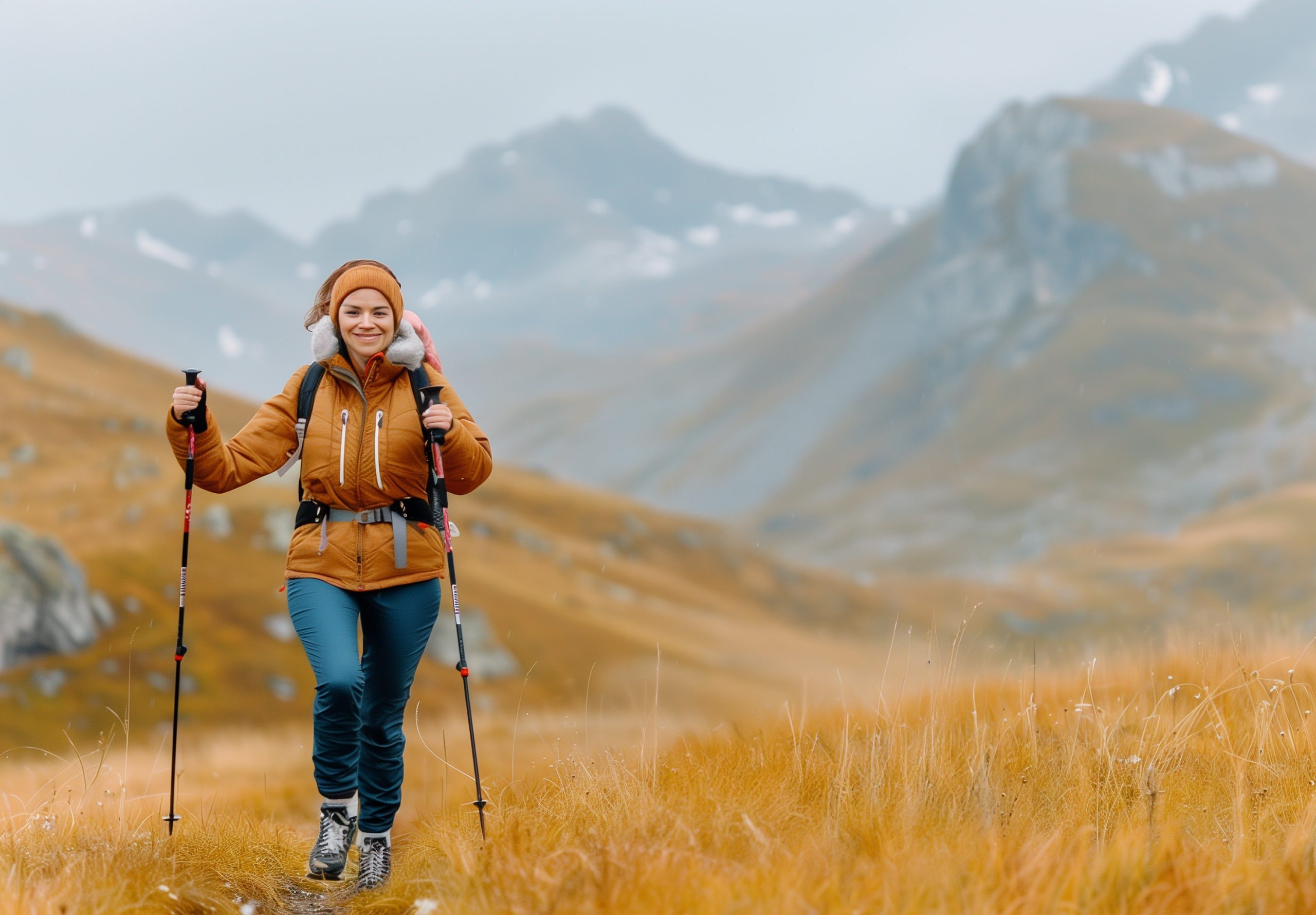
Trekking poles reduce impact on joints and improve balance during long-distance hiking. Adjustable designs allow proper height for uphill and downhill terrain. Comfortable grips prevent hand fatigue during extended use. Poles help stabilize movement on rocky trails, stream crossings, and steep descents. They also assist in maintaining rhythm and conserving energy. When collapsed, they attach easily to your pack. Over time, trekking poles can significantly reduce strain and injury risk.
6. Hiking Footwear
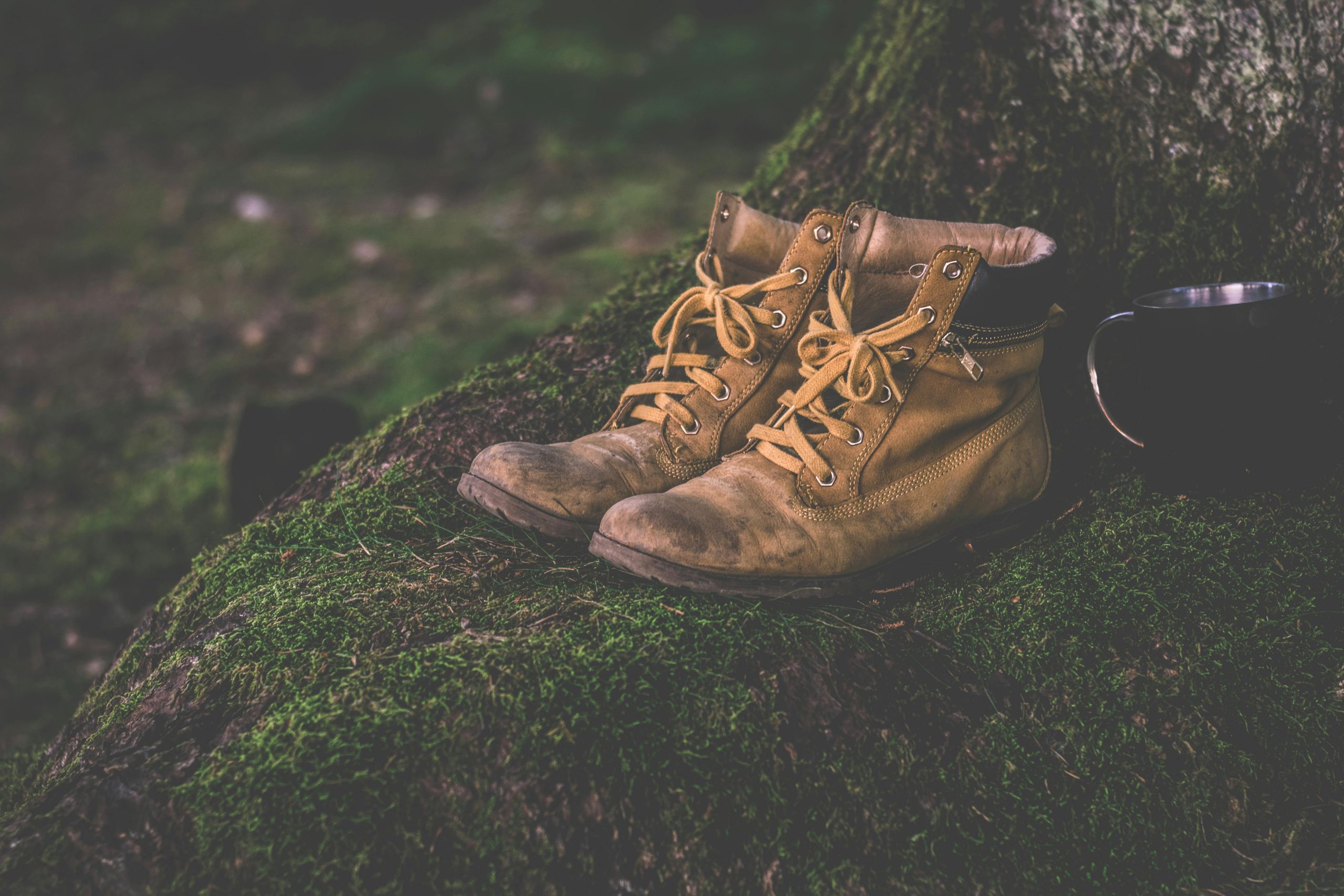
Reliable hiking footwear protects your feet through miles of uneven terrain. Well-fitted boots or trail shoes provide support, traction, and protection from sharp rocks. Breathable materials manage moisture, while reinforced soles absorb impact. Proper ankle support is important when carrying heavy packs. Breaking in footwear before a long trek prevents blisters and discomfort. Comfortable feet allow longer daily distances and reduce fatigue. Choosing the right footwear is essential for overall trail performance.
7. Moisture-Wicking Clothing
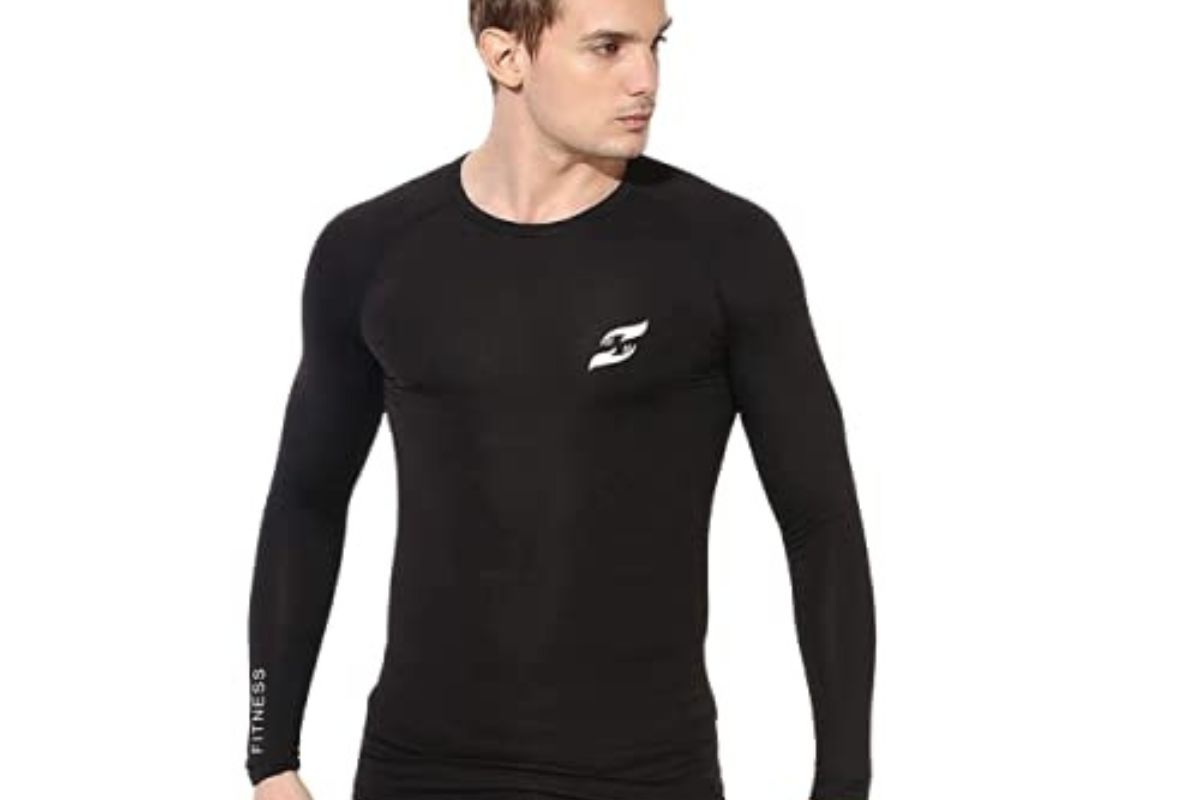
Clothing for long treks should regulate temperature and handle sweat efficiently. Synthetic fabrics and merino wool dry quickly and keep skin comfortable. Layering allows flexibility as the weather and elevation change. Flat seams reduce chafing during long hours of movement. Lightweight designs prevent overheating while providing insulation when needed. Proper clothing helps prevent cold stress during rest breaks and improves overall comfort throughout the journey.
8. Weather Protection Jacket
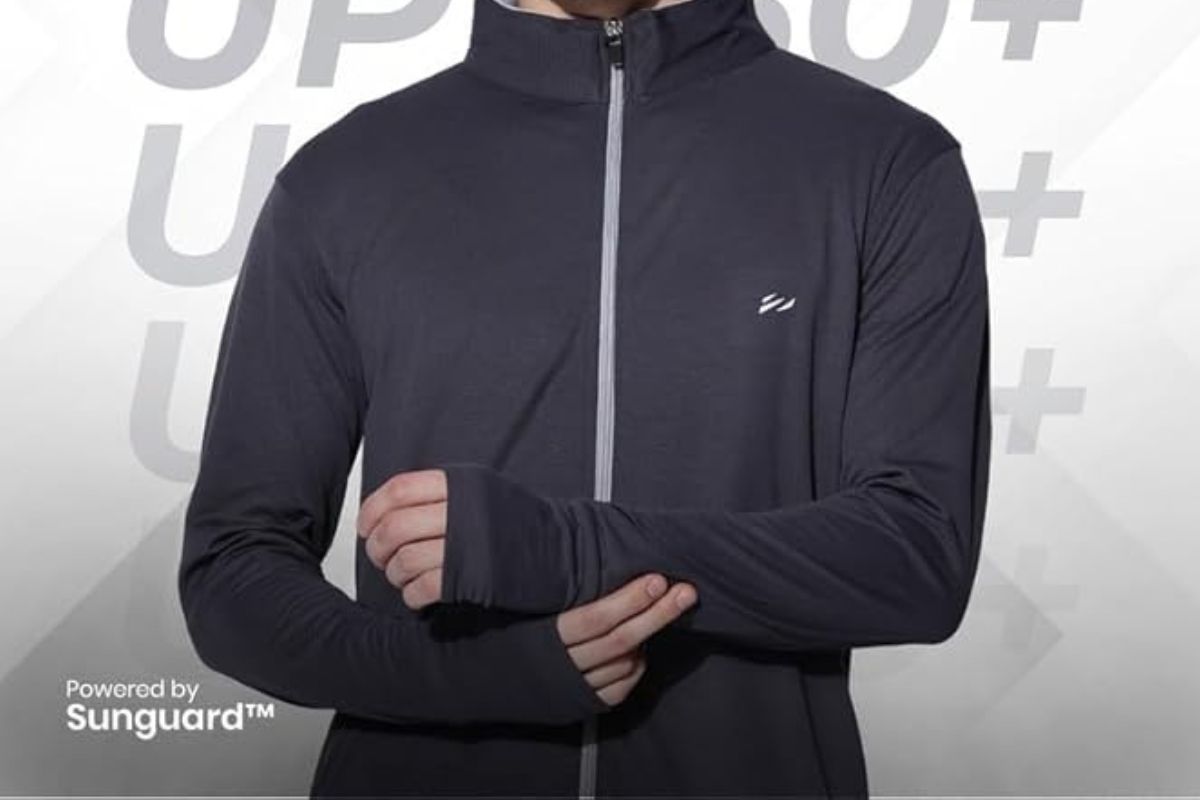
A weather protection jacket shields against rain, wind, and sudden temperature drops. Waterproof fabric with sealed seams prevents moisture penetration. Breathable designs allow heat to escape during physical activity. Adjustable hoods and cuffs improve fit and coverage. Lightweight jackets pack small and are easy to carry. Reliable weather protection keeps you moving safely when conditions shift without warning.
9. Backpacking Stove
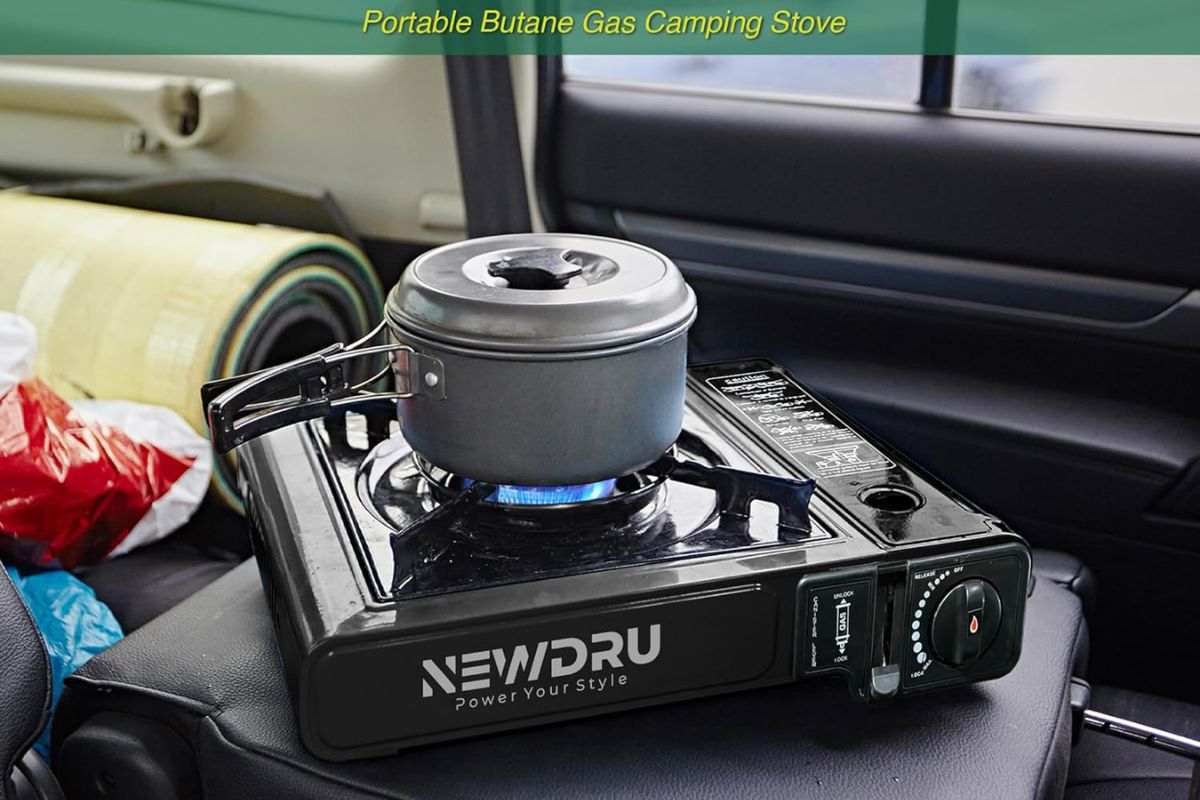
A backpacking stove allows hot meals and safe water boiling on long treks. Compact stoves balance fuel efficiency with stable cooking performance. Wind-resistant designs improve reliability in exposed areas. Quick setup saves time and energy after long hiking days. Combined with lightweight cookware, a stove supports nutritious meals that boost morale and recovery. Warm food becomes a valuable comfort in remote campsites.
10. Water Filtration System
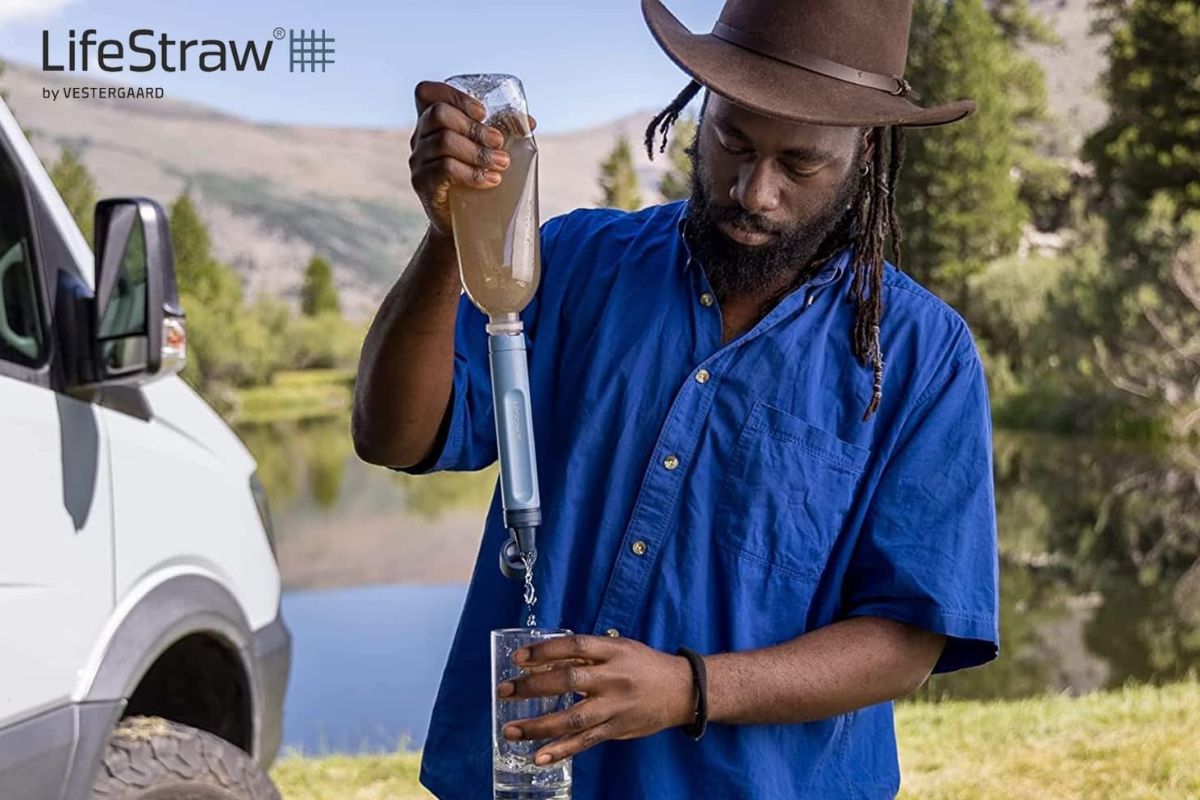
A water filtration system ensures access to safe drinking water in remote areas. Lightweight filters remove harmful bacteria and organisms from natural sources. Easy-to-use designs allow quick refills during hiking breaks. Gravity systems work well at camp, while squeeze filters are ideal on the move. Clean water prevents illness and supports hydration over long distances. Reliable filtration is essential for health and endurance.
11. Navigation Tools
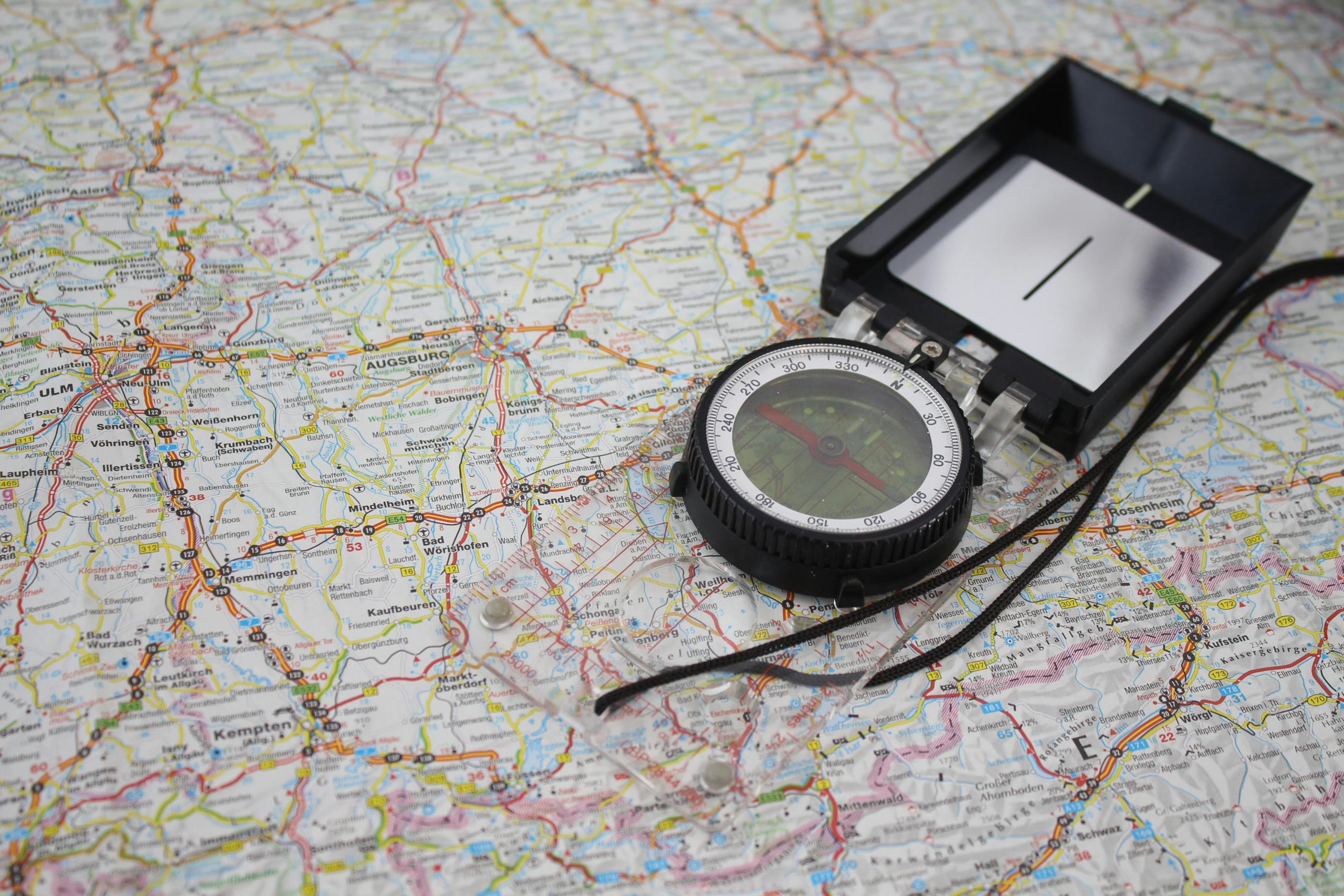
Navigation tools keep you oriented when trails become unclear or conditions change. A detailed map and compass function without batteries and provides dependable guidance. GPS devices add convenience but should not replace basic skills. Understanding terrain features improves route decisions. Protective cases keep maps usable in wet weather. Proper navigation prevents unnecessary detours and conserves energy on long treks.
12. Headlamp
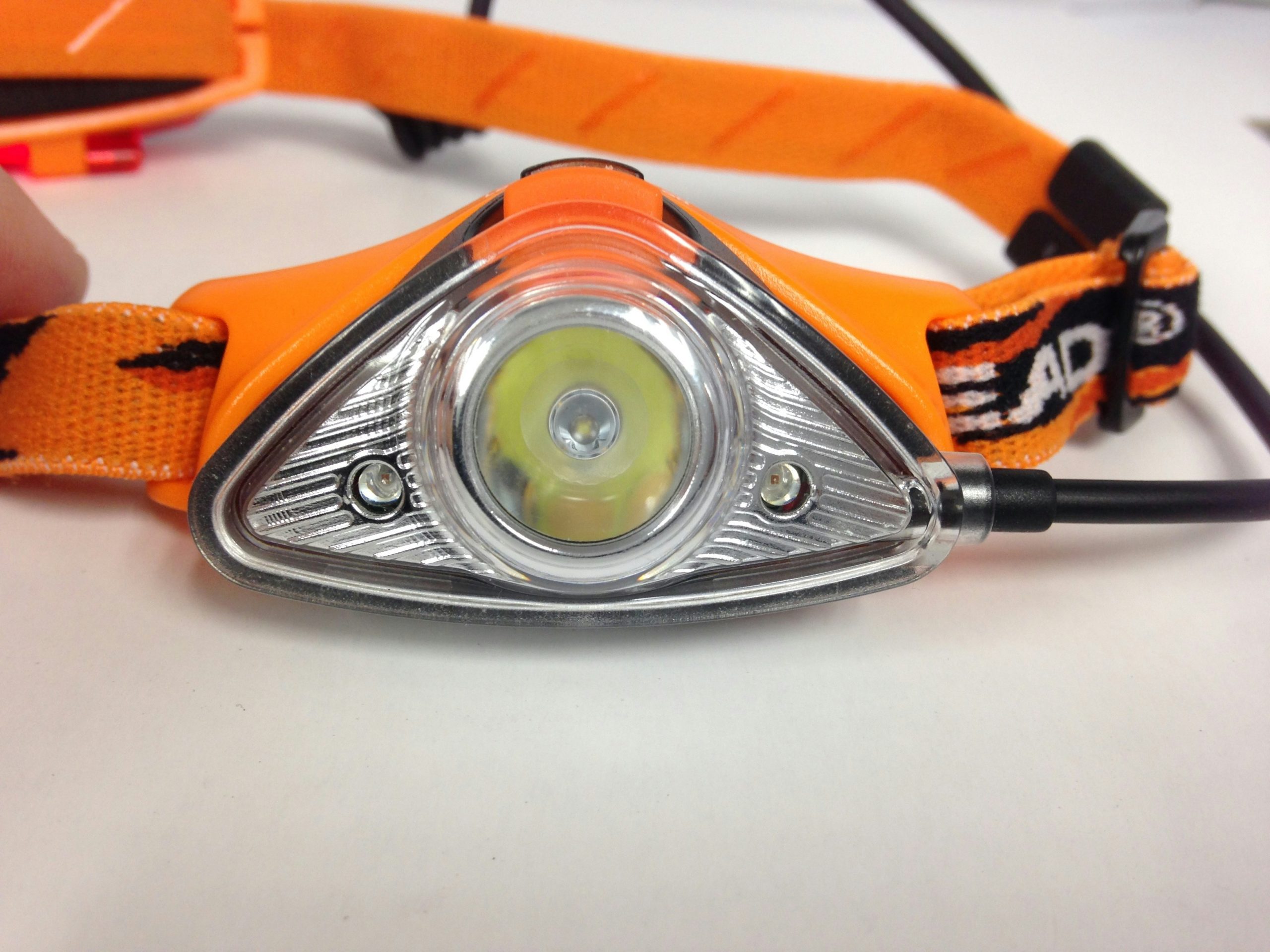
A headlamp provides essential lighting for early starts and nighttime camp tasks. Adjustable brightness levels extend battery life. Lightweight designs reduce pack weight while offering sufficient illumination. Hands-free use improves safety and efficiency. Spare batteries or rechargeable options ensure reliability. A dependable headlamp supports visibility when natural light fades.
13. First Aid Kit
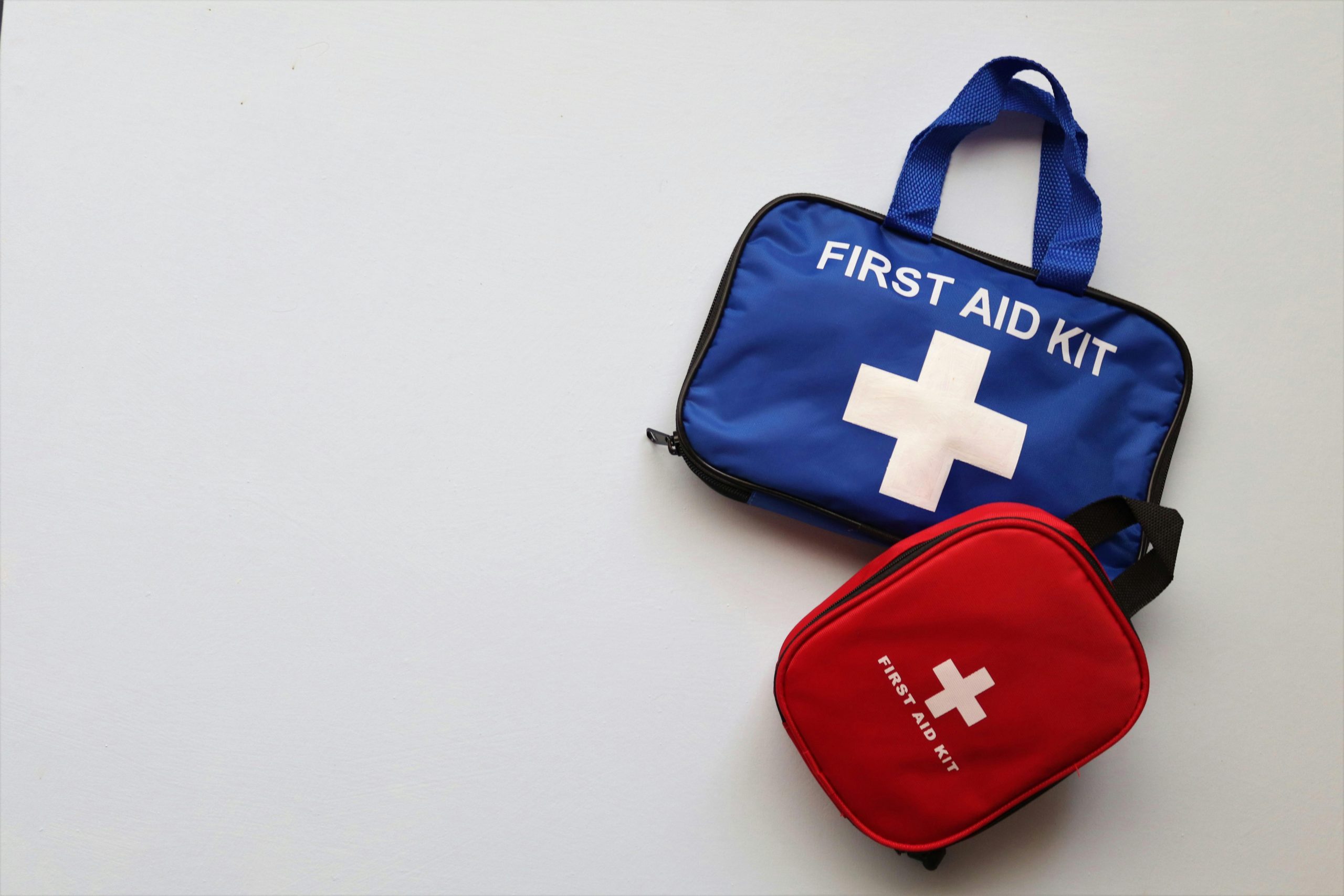
A first aid kit prepares you for injuries and common trail issues. Essentials include blister care, bandages, antiseptic wipes, and pain relief. A compact organization allows quick access when needed. Knowledge of basic treatment is equally important. Prompt care prevents minor issues from becoming serious problems during long journeys.
14. Multi-Tool or Knife
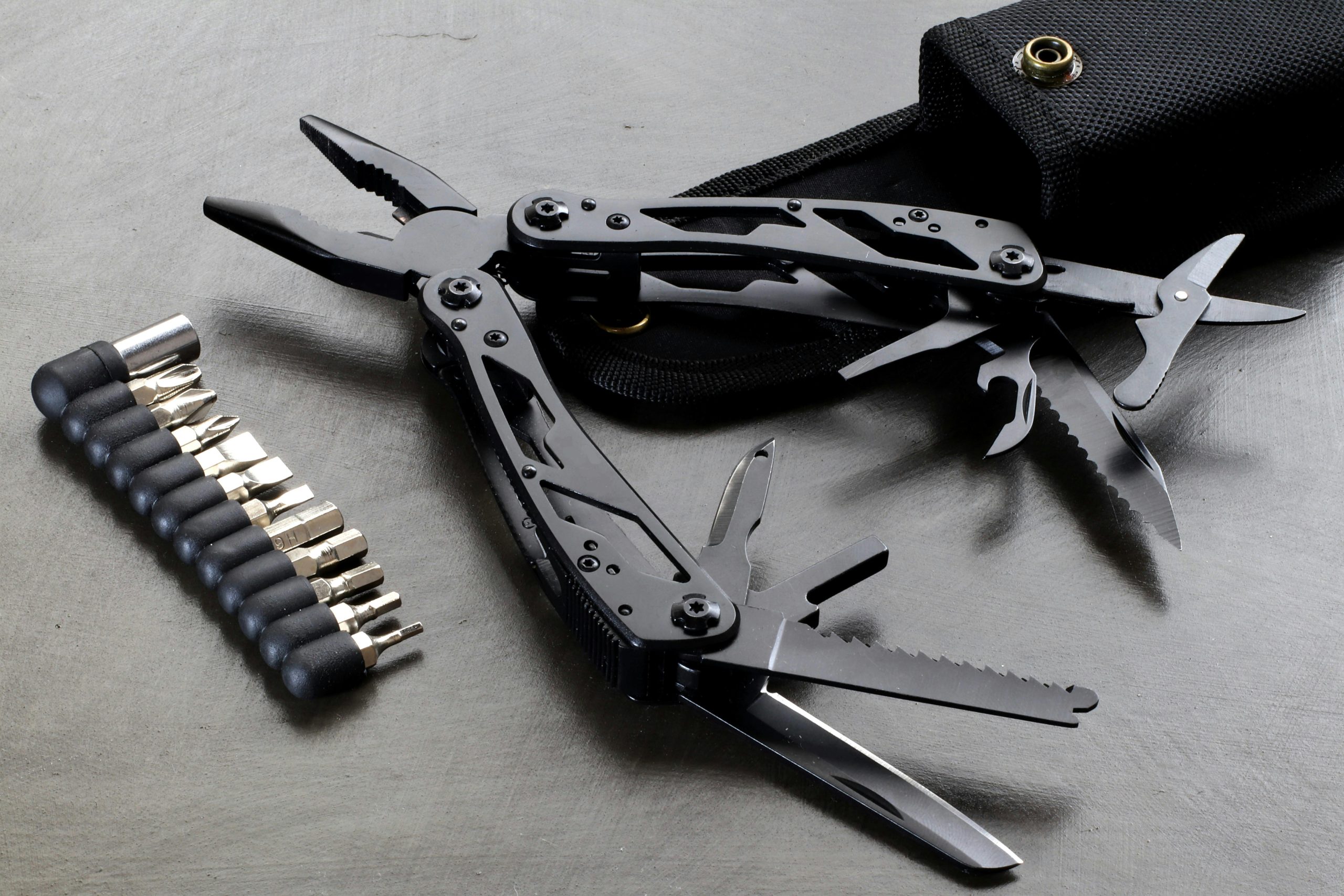
A multi-tool or knife handles repairs, food preparation, and daily camp tasks. Durable steel resists corrosion and maintains sharpness. Lightweight designs reduce unnecessary weight while remaining versatile. Secure locking mechanisms improve safety. This compact tool often solves unexpected problems and adds convenience throughout the trek.
15. Food Storage and Nutrition

Proper food storage protects supplies and supports consistent energy levels. Lightweight bags or containers keep food dry and organized. High-calorie meals help meet physical demands. Balanced nutrition improves endurance and recovery. Planning daily rations simplifies camp routines. Food management is a key factor in successful long-distance backpacking.