A firearm does not always have one simple legal identity across the United States. Federal law establishes broad categories, but individual states can add their own definitions, restrictions, permits, feature rules, and transportation requirements. That can make the same model perfectly ordinary in one jurisdiction while placing it under additional regulations somewhere else. Barrel length, magazine capacity, caliber, configuration, and even the type of action can matter. These seven examples show why a gun’s name alone never tells the entire story.
1. AR-15
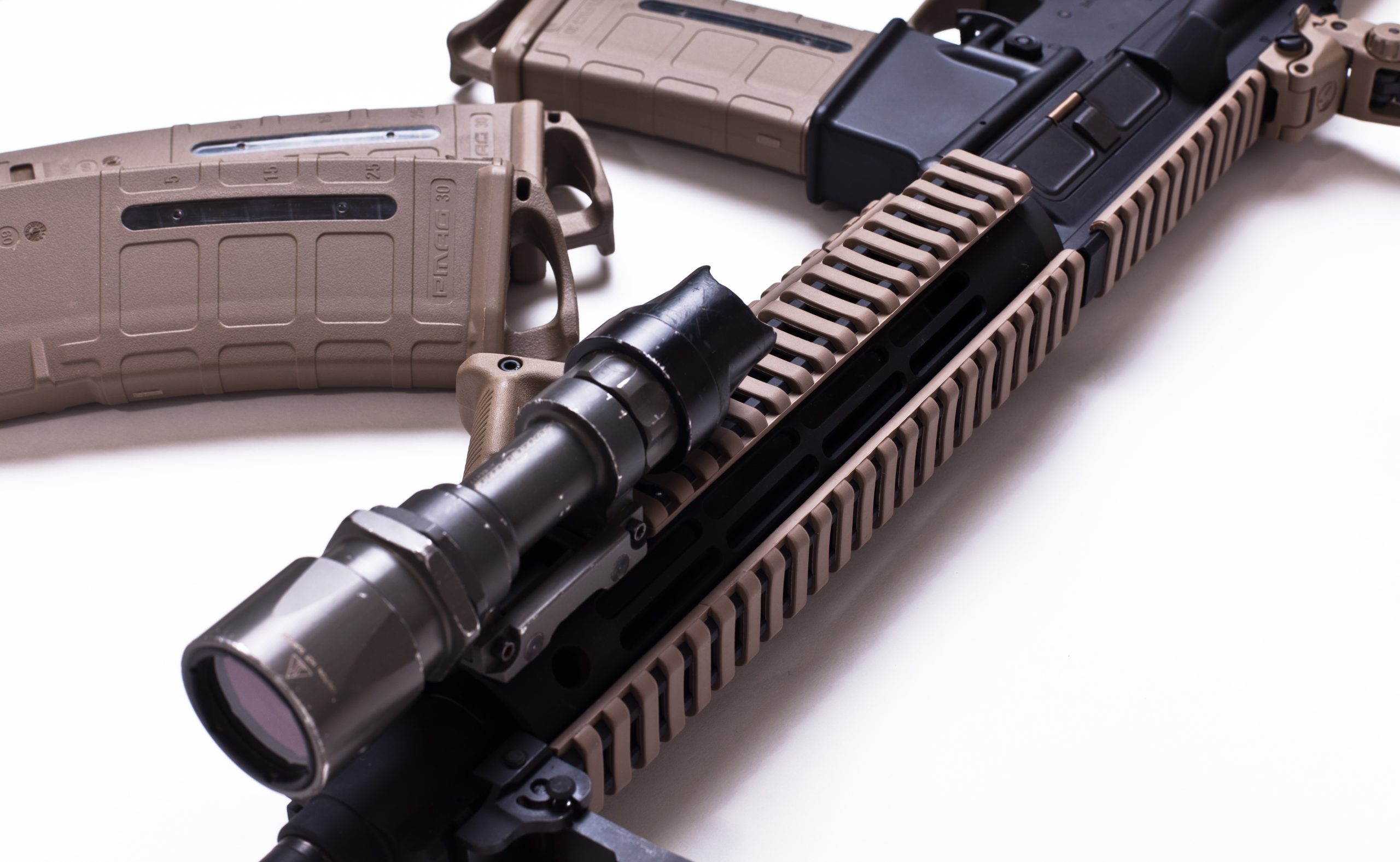
The AR-15 is a useful example of why the same firearm can have a very different legal identity across America. In California, certain semiautomatic centerfire rifles can fall under assault-weapon rules when specific features are present, and fixed magazines over 10 rounds are also restricted. Other states use different definitions or have fewer state-level restrictions. Federal law generally treats a semiautomatic rifle as a rifle, but state law can add another layer. The result is striking: one AR-15 configuration may be ordinary in one state yet subject to special rules, registration history, or prohibited-feature limits in another. Rules can also change, so the date matters.
2. Glock 19
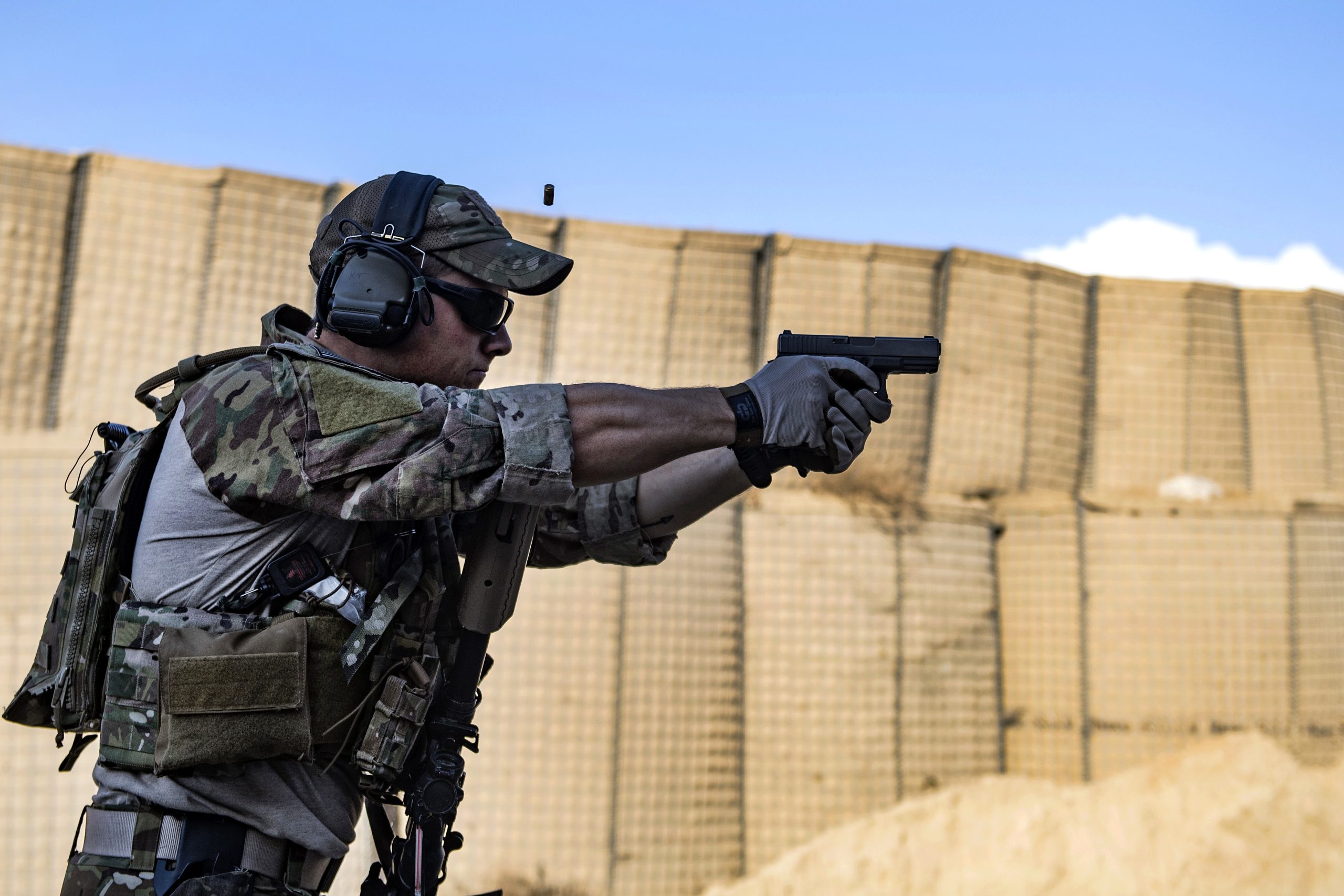
A Glock 19 is broadly classified as a handgun under federal law, but crossing a state line can change the practical legal picture around possession, purchase, transport, or carrying it. States differ on permit systems, waiting periods, private-transfer rules, and magazine restrictions. California, for example, has its own handgun roster and separate rules affecting certain semiautomatic pistols. A Glock therefore does not have one universal state-level status. The pistol remains the same mechanically, but the surrounding legal requirements can change dramatically depending on where it is possessed, transferred, or carried. Even a 19-round magazine can have different implications.
3. Short-Barreled Rifle
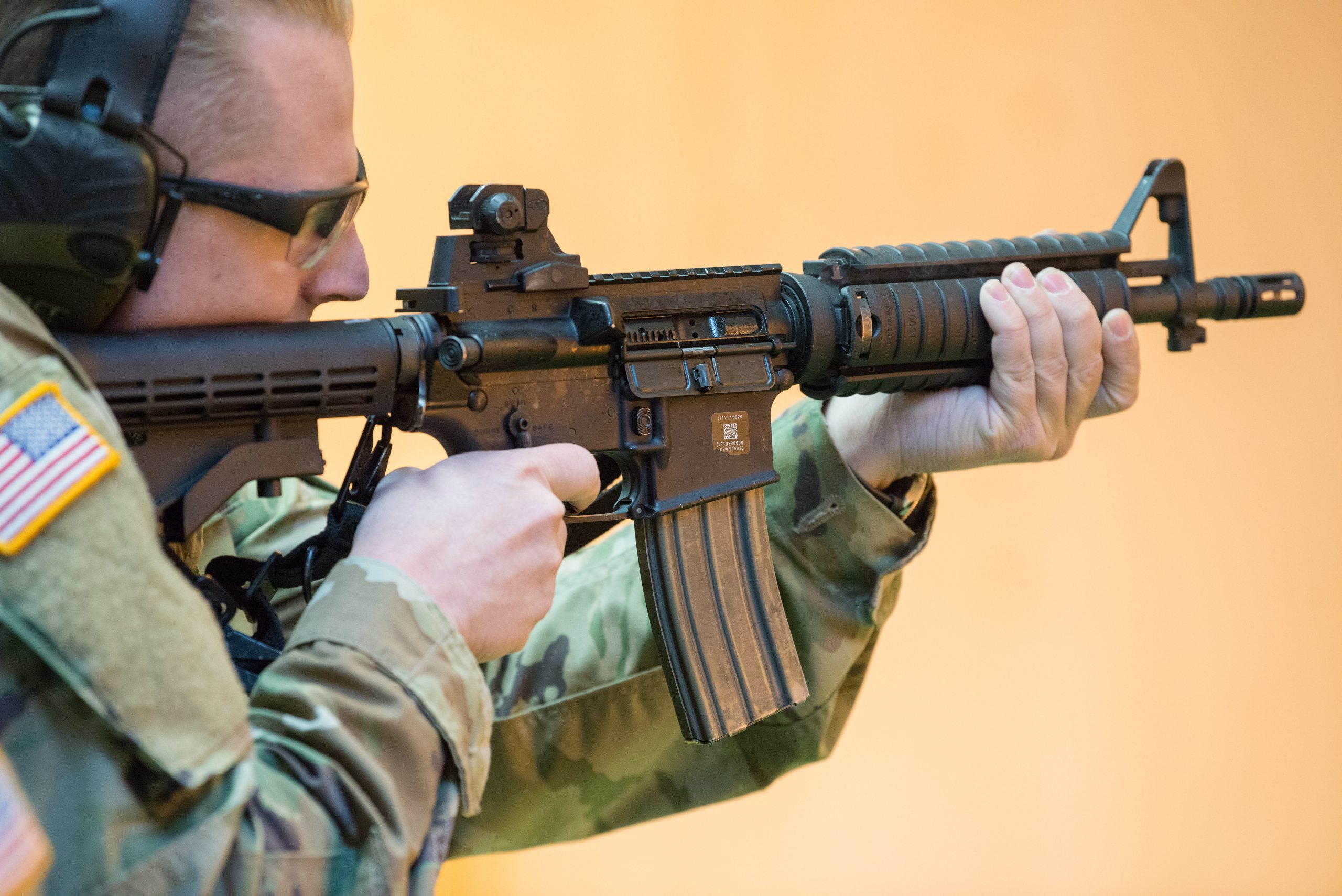
A short-barreled rifle can look like an ordinary compact rifle, yet barrel length can place it in a special federal category. Under federal regulations, a rifle with a barrel shorter than 16 inches is generally a short-barreled rifle, while an overall length below 26 inches can also matter when a rifle has been modified. States may impose additional restrictions or definitions. That means a firearm with nearly identical appearance can be treated differently depending on its measurements and the jurisdiction. A difference of only a few inches can therefore move a firearm into a very different legal category. The federal threshold is 16 inches, making measurement especially important.
4. Suppressor
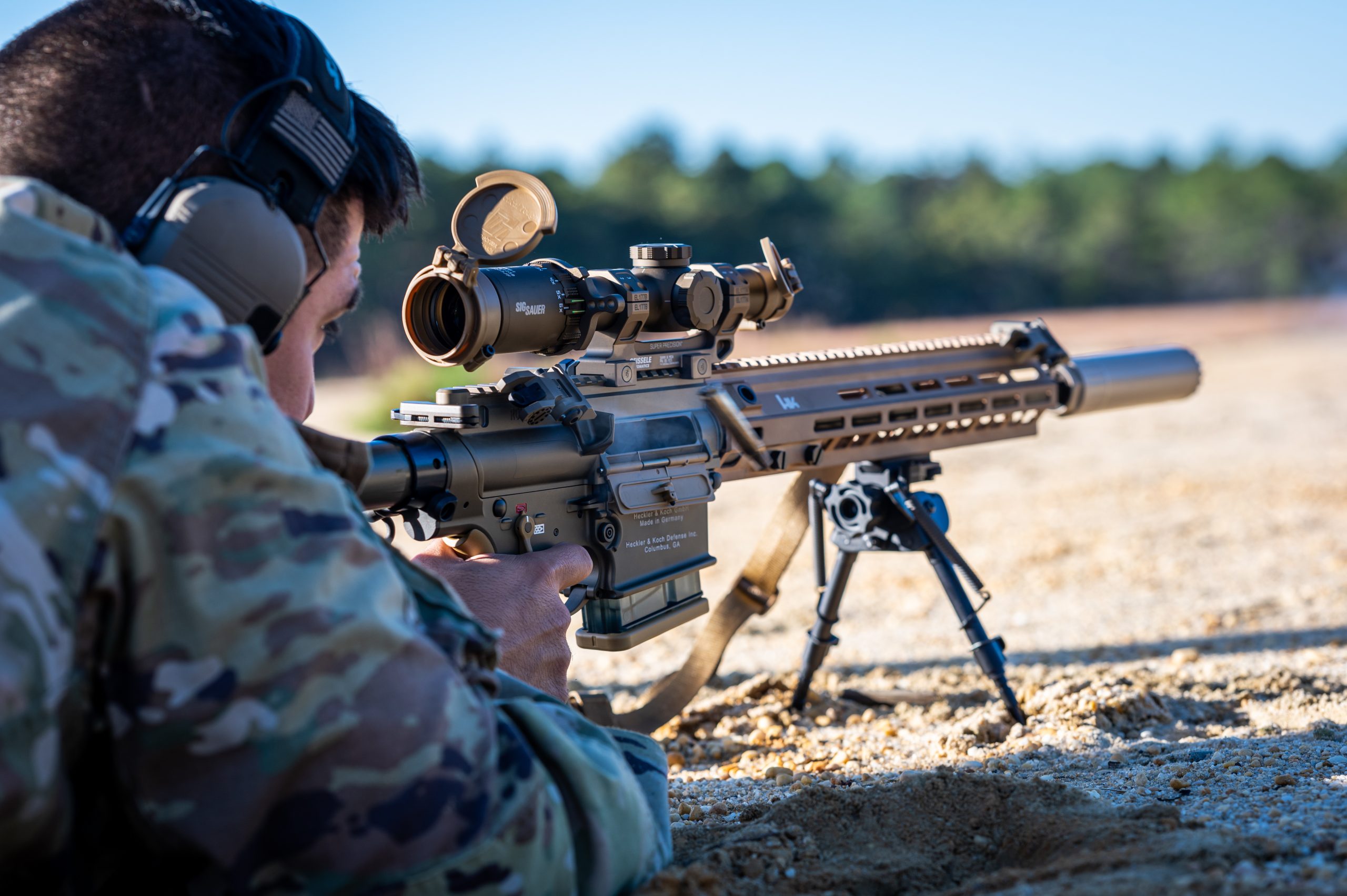
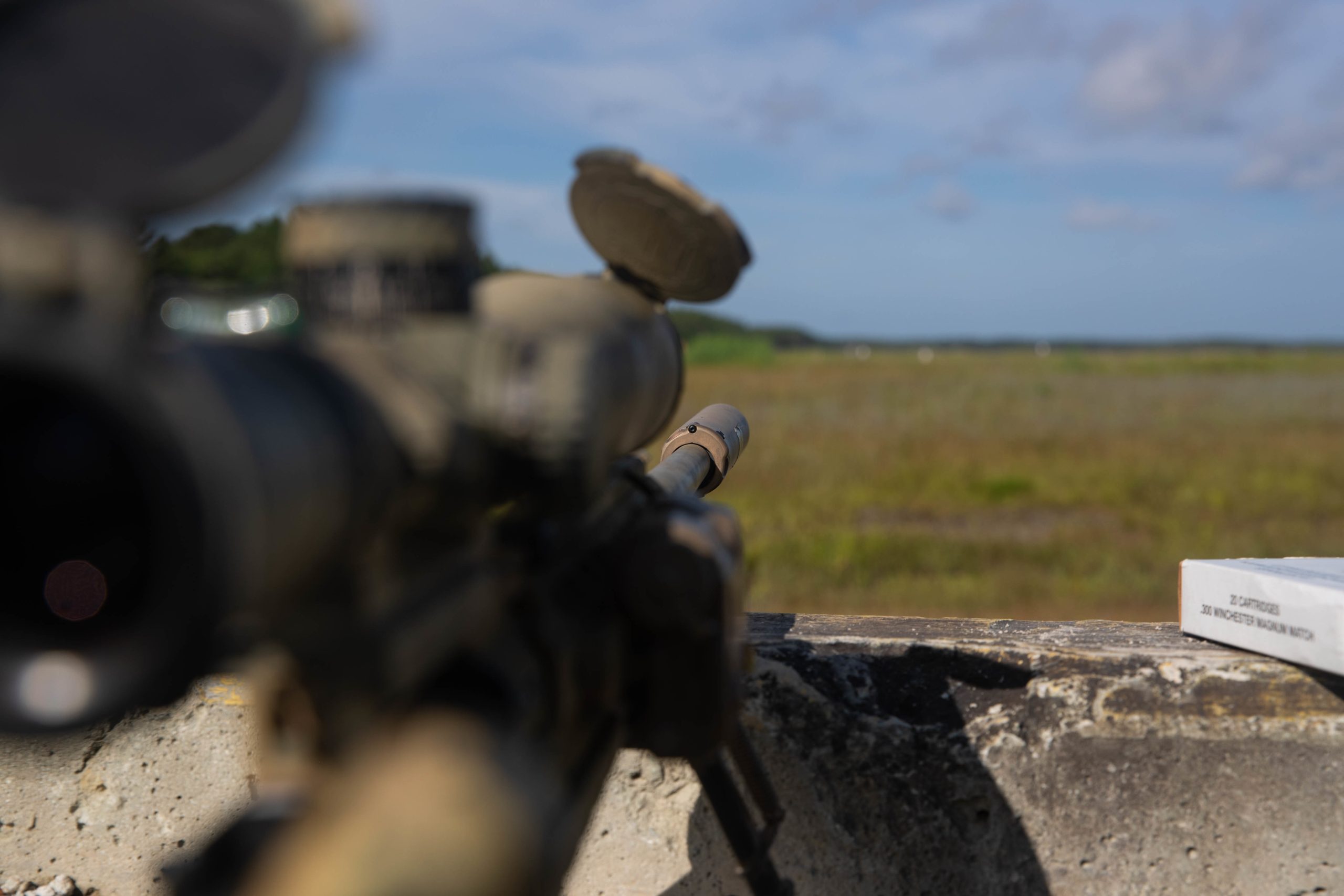
A suppressor, often casually called a silencer, illustrates another state-by-state divide. Under federal law, suppressors are regulated items, but state rules can add restrictions. Some states allow civilian possession when federal requirements are met, while others prohibit or tightly limit possession. The device itself does not change when it crosses a border, but its legal treatment can. This matters because federal compliance alone does not automatically answer every state-law question. A traveler moving between states therefore needs to consider both federal rules and the laws of each state involved. One federally regulated accessory can therefore have different state-level outcomes.
5. .50 BMG Rifle
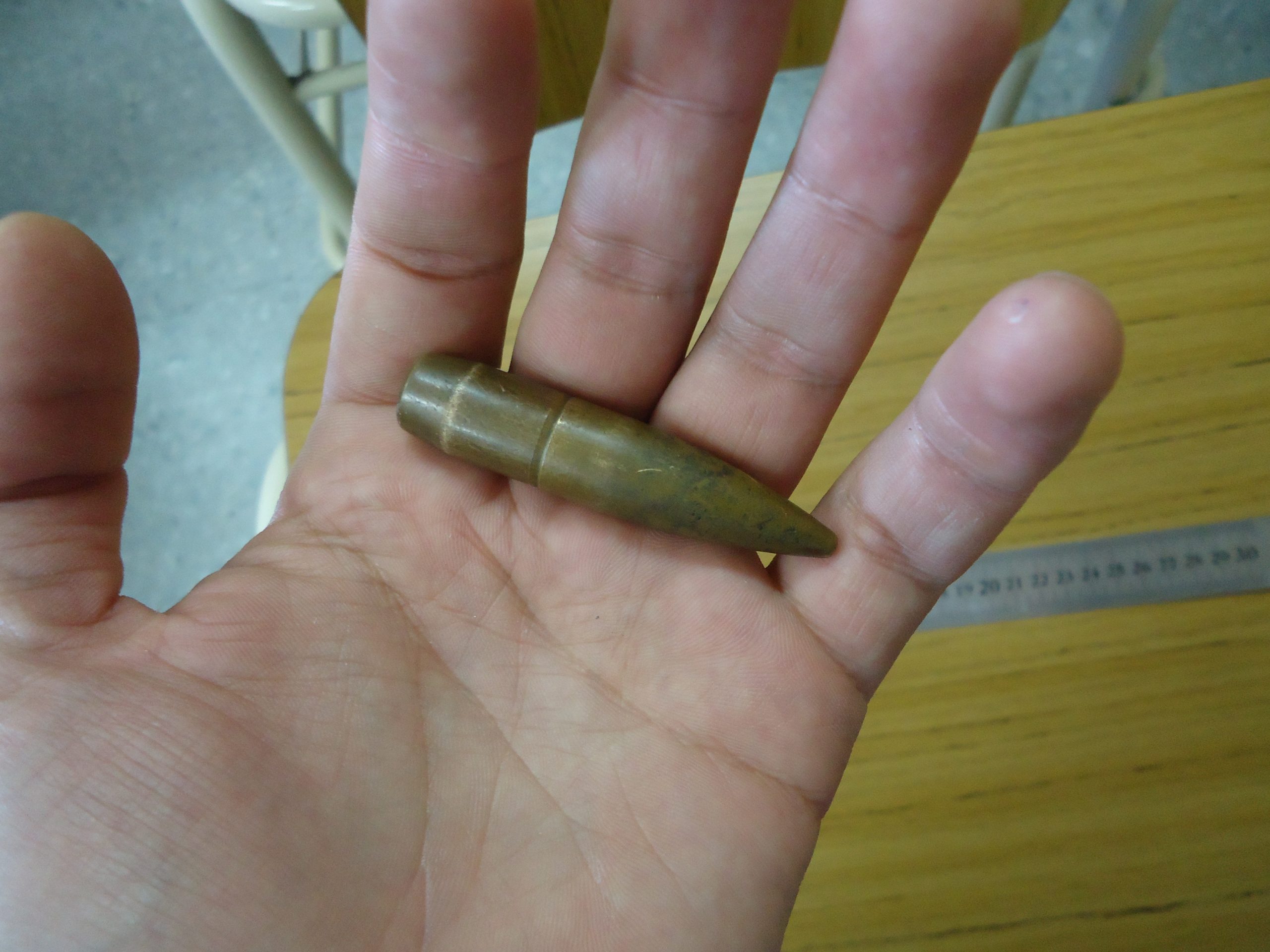
A .50 BMG rifle shows how ammunition and caliber can become part of a state’s firearm definition. California specifically regulates .50 BMG rifles under its state law, alongside its separate assault-weapon framework. Elsewhere, the same rifle may be regulated under different rules or not receive a special state classification at all. The important point is that caliber alone does not have one nationwide legal meaning beyond federal classifications. A rifle chambered for .50 BMG can therefore move from a specialized legal category in one jurisdiction to a more conventional rifle category elsewhere. California’s rules show how one caliber can change the legal conversation.
6. Semiautomatic Shotgun
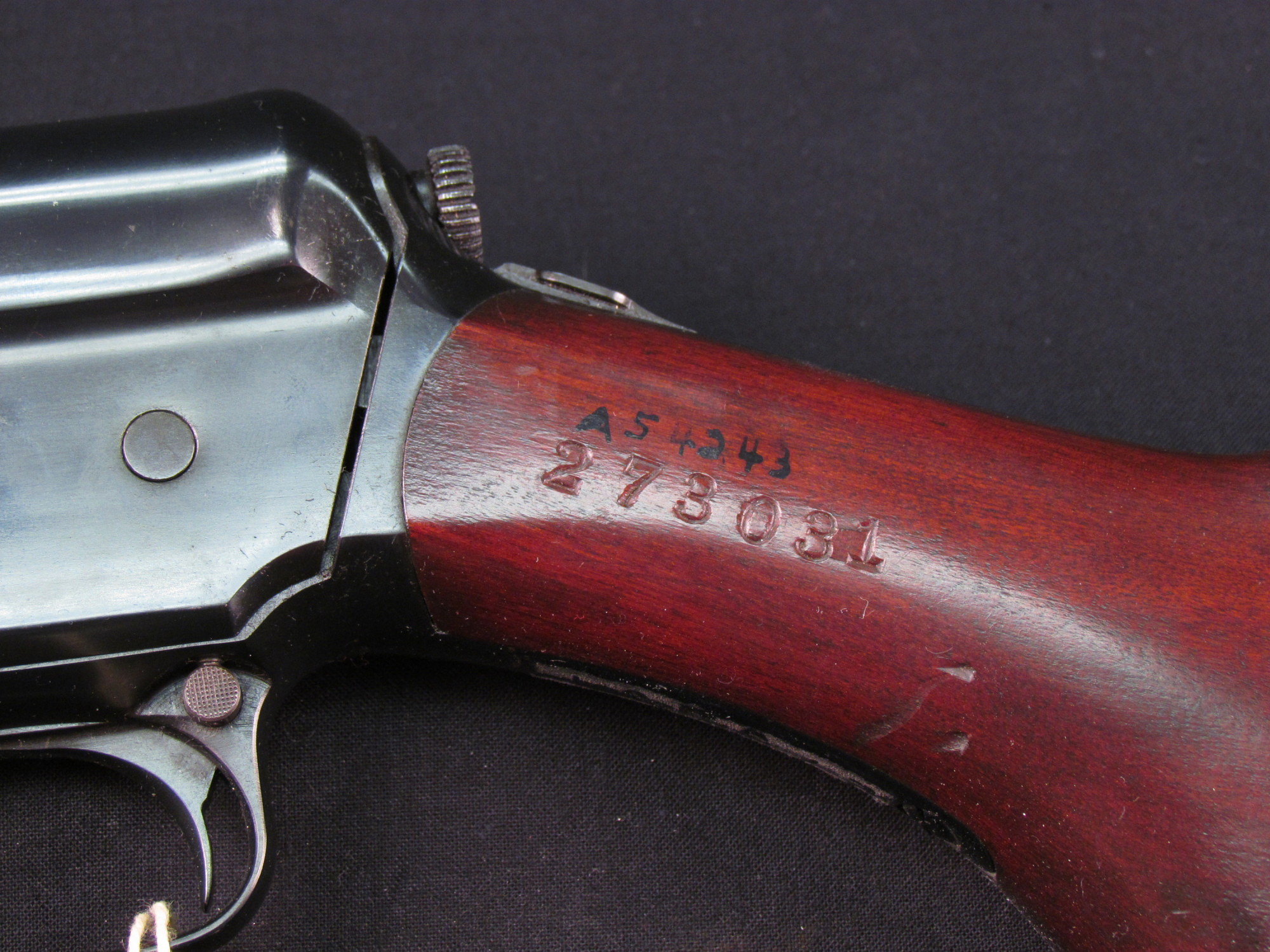
A semiautomatic shotgun demonstrates why the word “shotgun” does not always tell the whole legal story. Federal regulations define a shotgun by its intended shoulder-fired design and smooth bore, but states can impose additional rules based on action type, configuration, capacity, or other characteristics. California, for example, includes certain semiautomatic shotguns and revolving-cylinder shotguns within its assault-weapon rules. Thus, two firearms that both fire shotgun shells can face different state treatment. The model name is only one piece of the legal puzzle; configuration and local law can matter just as much. A 12-gauge chambering does not guarantee the same treatment nationwide.
7. Remington 700
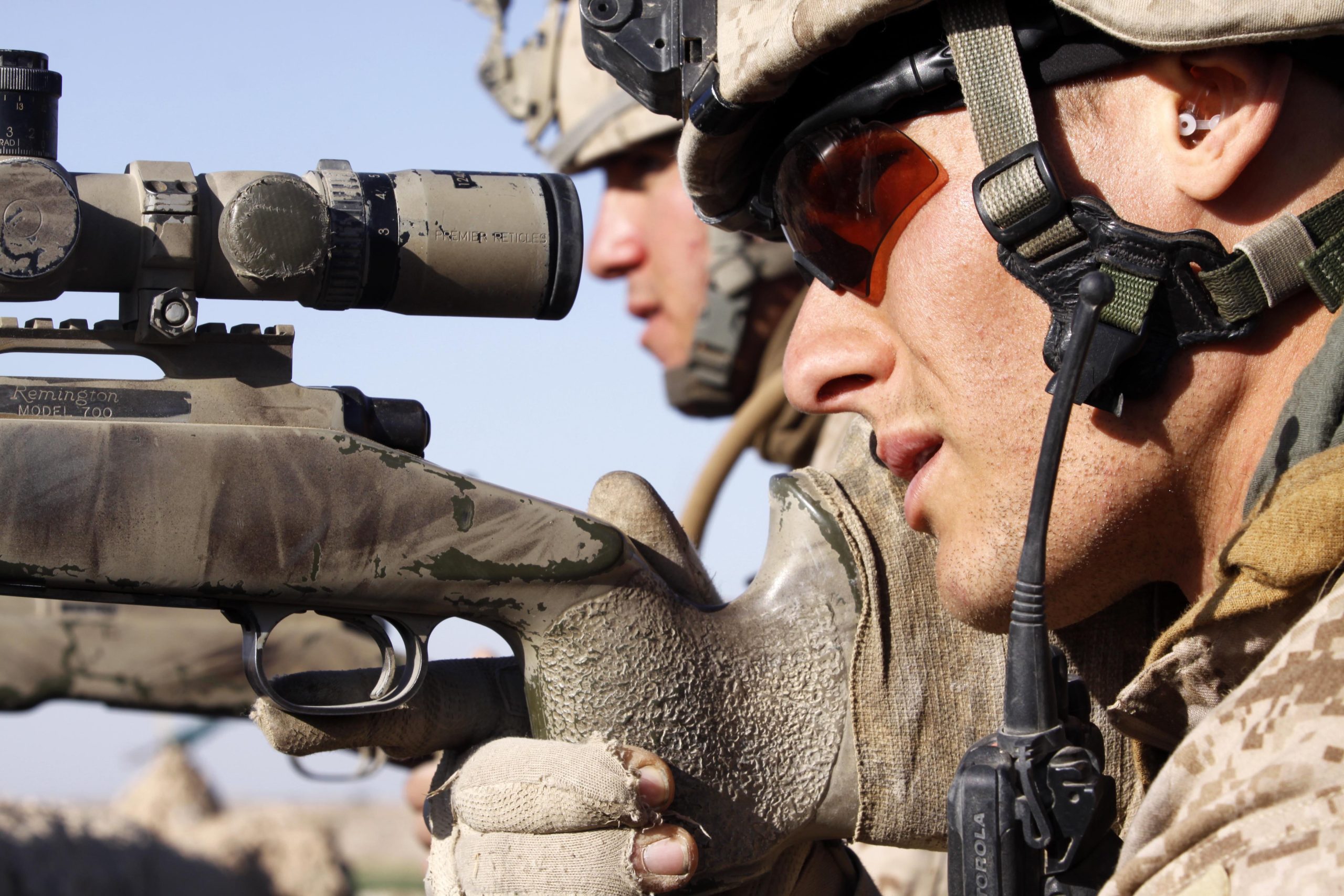
A classic hunting rifle such as a Remington 700 may seem simple, yet even ordinary bolt-action rifles can encounter different state rules. Federal law generally treats a conventional shoulder-fired, rifled firearm as a rifle, while states can add requirements involving sales, transportation, hunting use, or specific features. The difference is especially noticeable when a rifle crosses state lines for a hunting trip. The same .30-06 rifle does not automatically carry identical legal obligations everywhere. State statutes, local rules, and hunting regulations can each affect what is permitted. A 30.06 cartridge is familiar nationwide, but its use can still be governed by state hunting rule.