Public land can make a familiar firearm surprisingly complicated. The question is not always whether a gun is legal to own or carry. Hunters may also have to consider the species, season, ammunition, method of take, land manager, and exact hunting unit. BLM lands and national wildlife refuges can have different requirements, with some refuges adding restrictions beyond state hunting laws. That makes the firearm only one part of the legal picture.
1. AR-15-Style Rifles
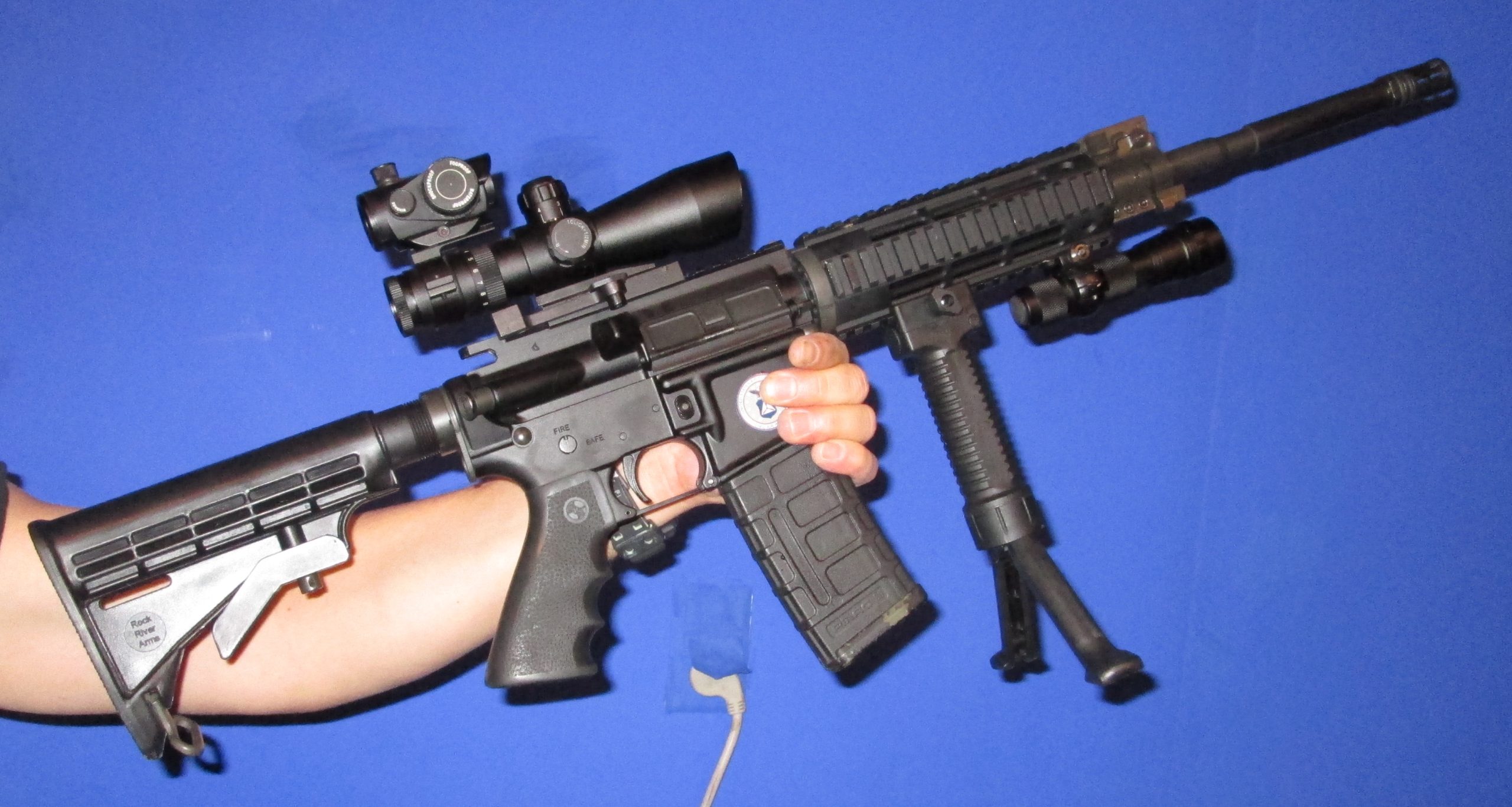
An AR-15-style rifle can be legal for hunting on some public lands, but the gun itself does not answer the key questions. State law, game species, magazine rules, cartridge restrictions, and the specific land unit can all matter. Some refuges impose tighter rules than the surrounding state. A 5.56 mm rifle may therefore be lawful in one unit and unsuitable or prohibited in another. The platform’s appearance is less important than the exact method of take and the rules covering that particular parcel.
2. Centerfire Bolt-Action Rifles

A conventional bolt-action rifle may look like the least complicated public-land choice, yet its legality still depends on the hunt. Cartridge limits, minimum calibers, hunting zones, and special refuge rules can change the answer. A .308 Winchester, for example, is a common centerfire cartridge, but that does not make it legal everywhere for every species. On some federal refuges, a centerfire rifle may be prohibited for upland game or restricted by annual conditions. The location matters as much as the rifle. That is why checking the current unit brochure is essential before the trip.
3. Shotguns
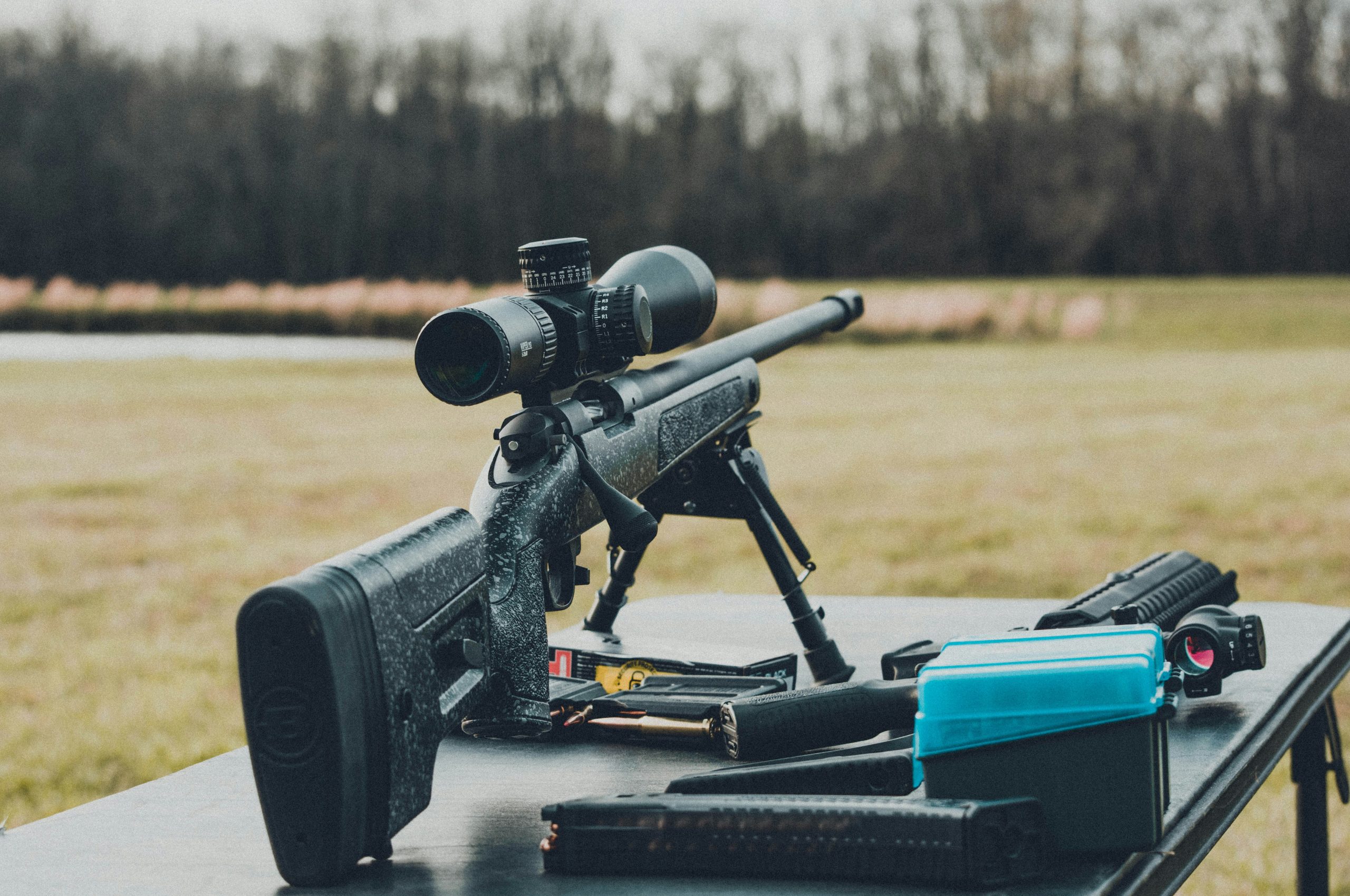
Shotguns raise a different set of questions because public-land rules often focus on both the gun and the ammunition. A 12-gauge shotgun is common for turkey and waterfowl, but some refuges require approved nontoxic shot, while others restrict buckshot or specify particular hunting methods. A refuge may also prohibit non-hunting discharge entirely. Even a legal 12-gauge can create a violation if the shell type, target species, season, or designated hunting area does not match the posted rules. The 12-gauge label alone proves very little. Local rules can also change during fire restrictions.
4. Muzzleloaders
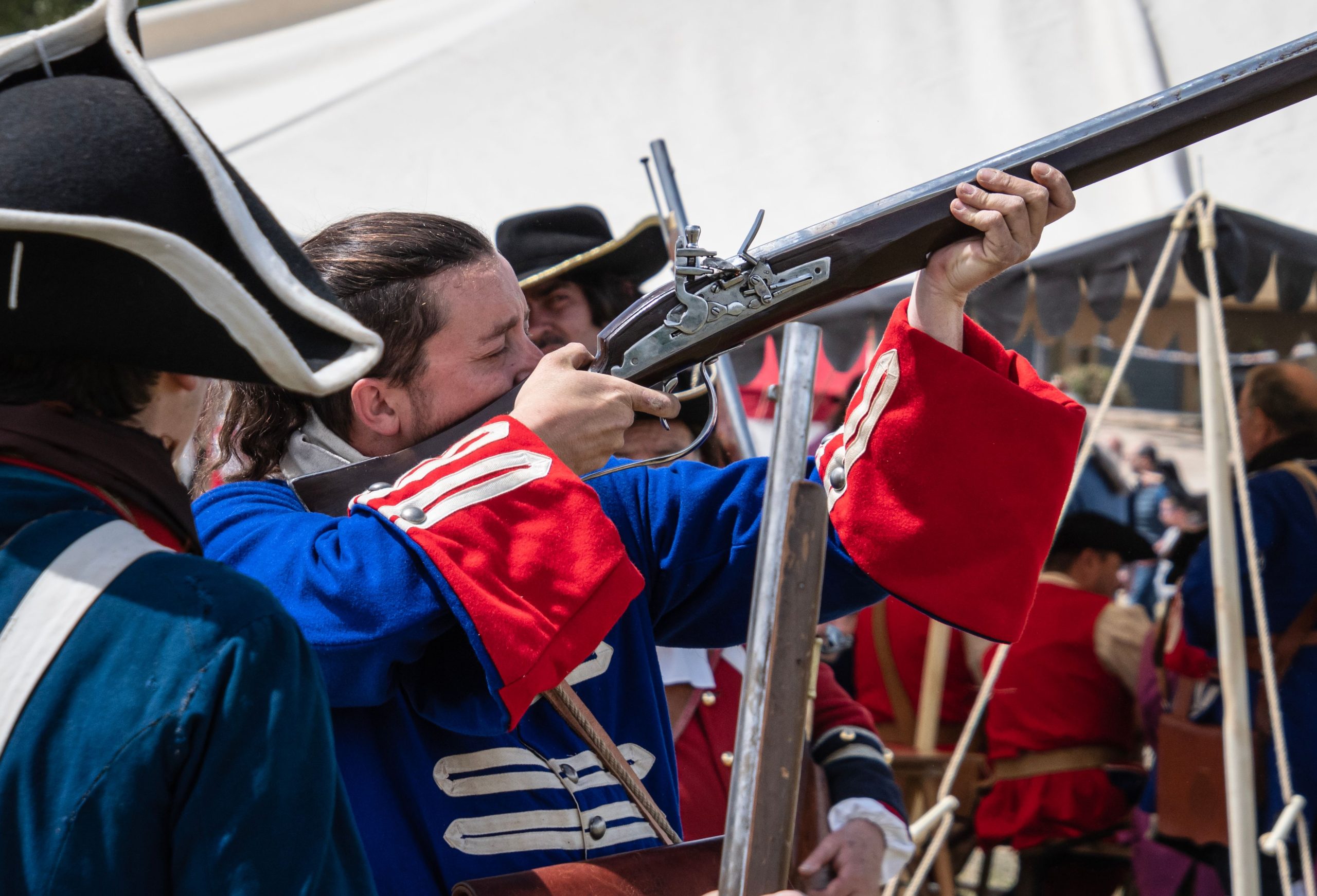
Muzzleloaders can receive special treatment because many hunting seasons create separate opportunities for primitive or muzzleloading equipment. A .50-caliber muzzleloader is a familiar example, but public-land rules can define the permitted ignition system, projectile, season, or loading method. Federal refuge regulations may also allow black-powder firearms where centerfire rifles are restricted. Hunters must check the exact public-land unit, species, season dates, and refuge-specific conditions before carrying it afield. Rules can differ by refuge.
5. Rimfire Rifles
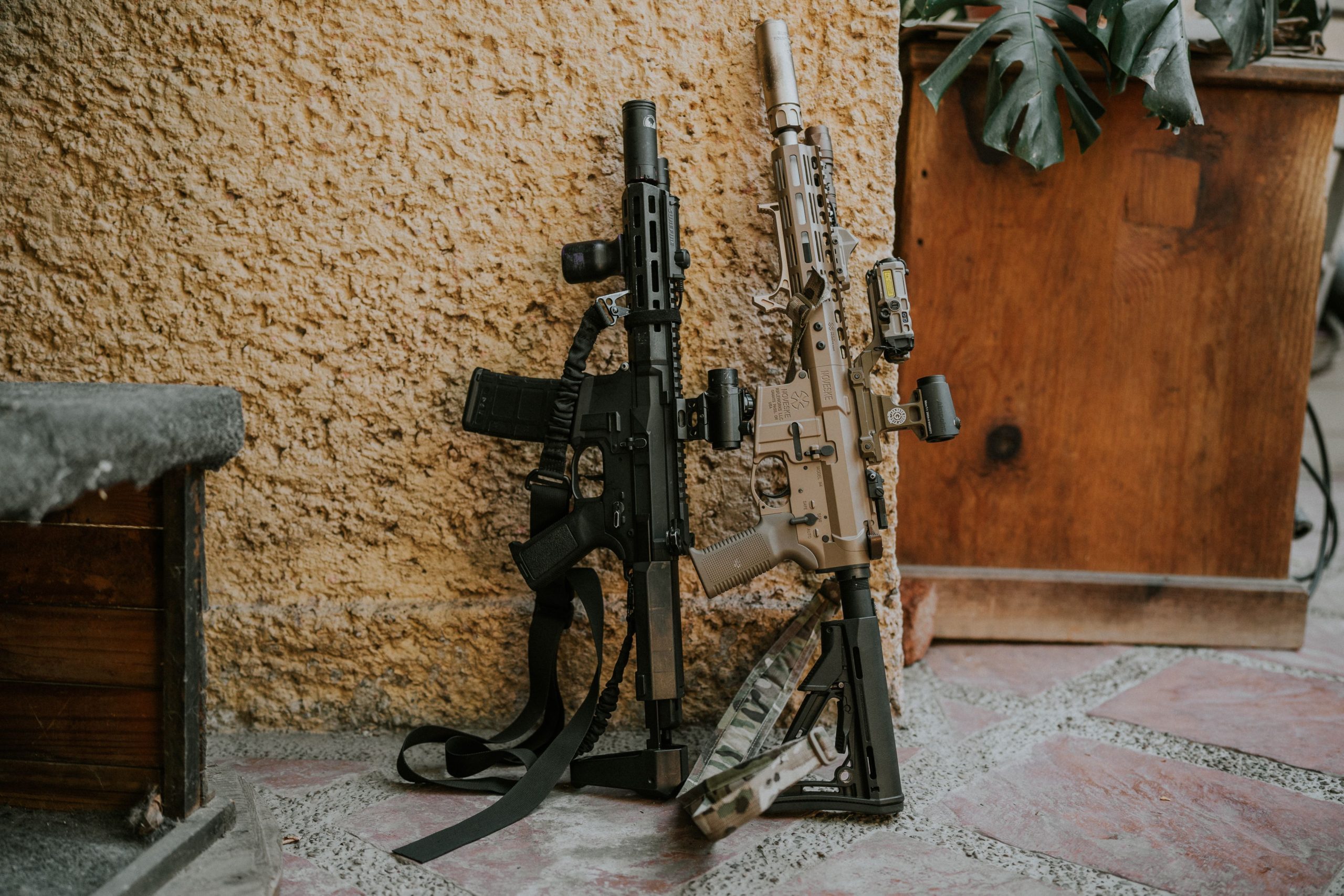
Rimfire rifles often sit in a different regulatory category from centerfire rifles, especially during small-game seasons. A .22 LR rifle may be permitted for squirrels or other small game while a centerfire rifle is prohibited. That distinction appears in some federal refuge regulations, where .22 and .17 rimfire cartridges are specifically allowed for certain small-game hunts. But the same rifle can become irrelevant if the species, season, or ammunition rule changes. Public land turns a simple caliber question into a combination of species, method, location, and date.
6. Handguns
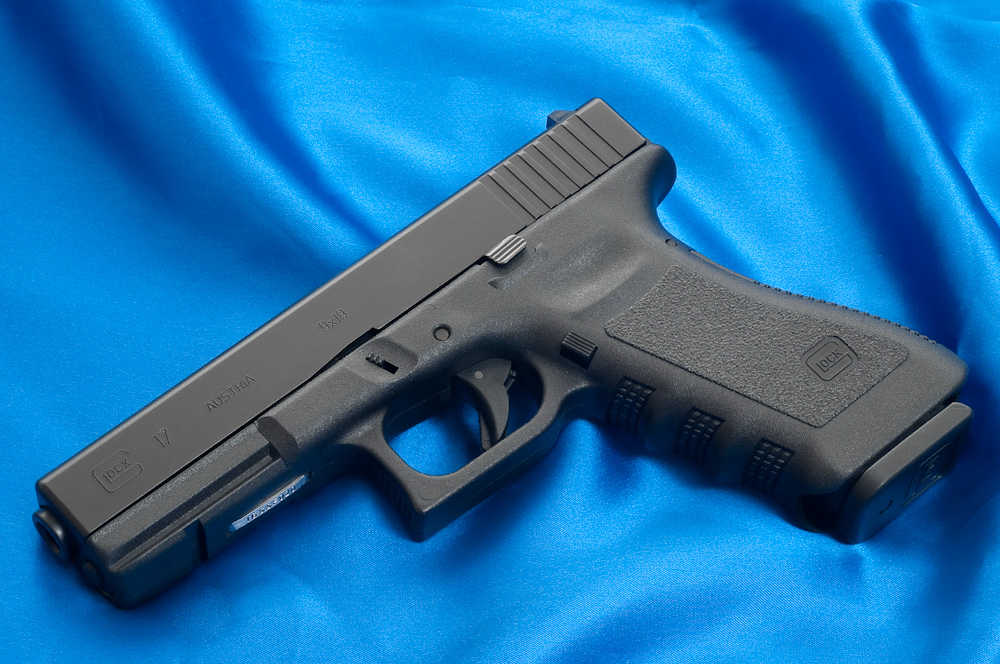
A hunting handgun can raise questions that do not arise with a rifle or shotgun. Some jurisdictions allow handgun hunting for selected species, while individual public-land units may impose additional restrictions. A refuge regulation can specify which handgun cartridges are permitted, and some units prohibit handguns altogether for particular hunts. A 6-inch barrel or a large caliber does not automatically establish legality. Carrying a handgun and using it to take game can therefore involve different legal questions under state and federal rules.
7. AR-10-Style Rifles
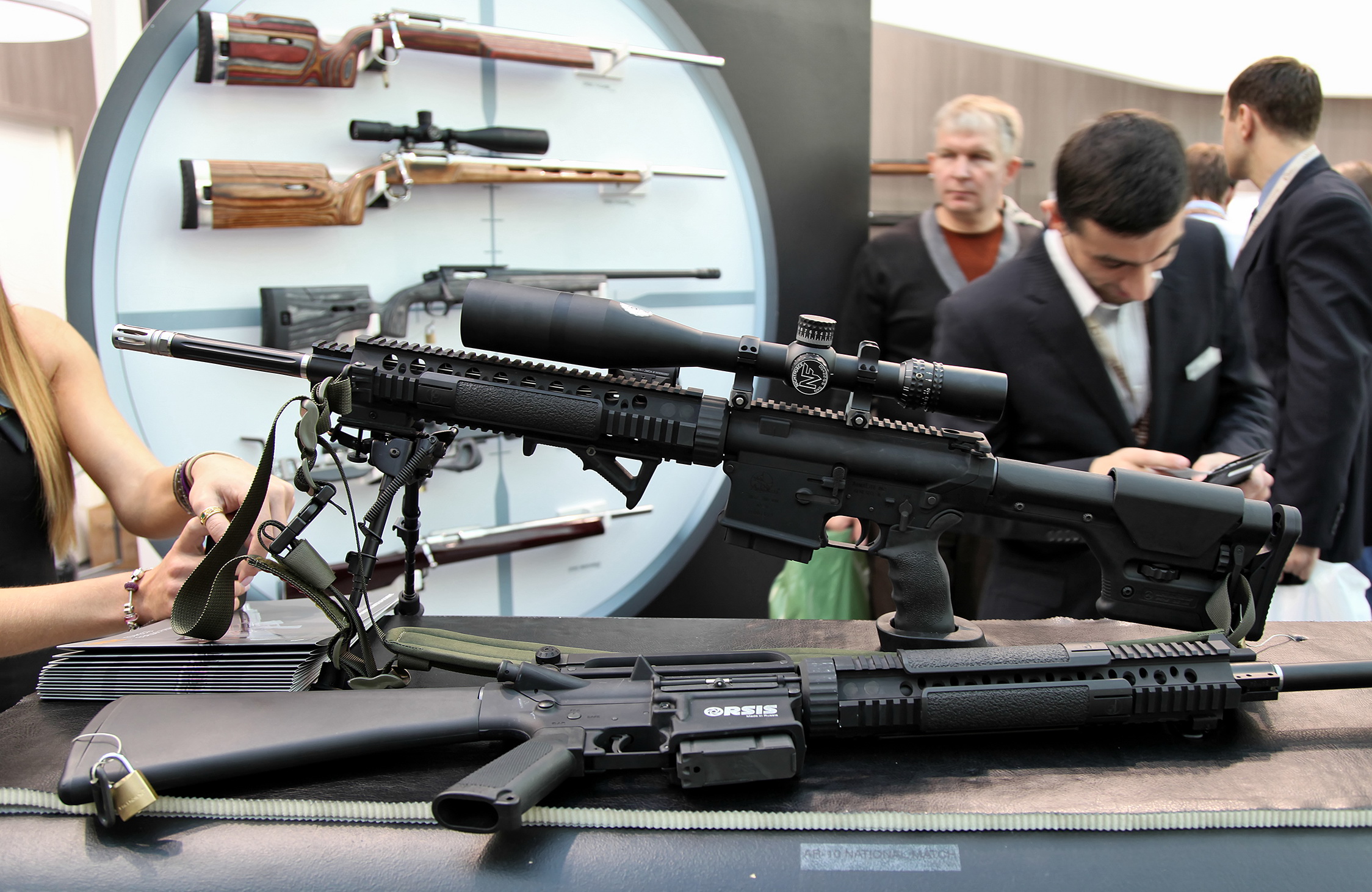
An AR-10-style rifle may chamber cartridges such as .308 Winchester or 6.5 Creedmoor, making it suitable for some big-game applications where legal. On public land, however, the rifle’s sporting purpose does not override local regulations. Magazine capacity, cartridge restrictions, season-specific methods, and refuge rules can all matter. A 20-round magazine may be lawful to possess under one set of rules but restricted for hunting under another. The key question is whether the configuration and ammunition comply with the exact hunt and land-management rules.
8. Lever-Action Rifles
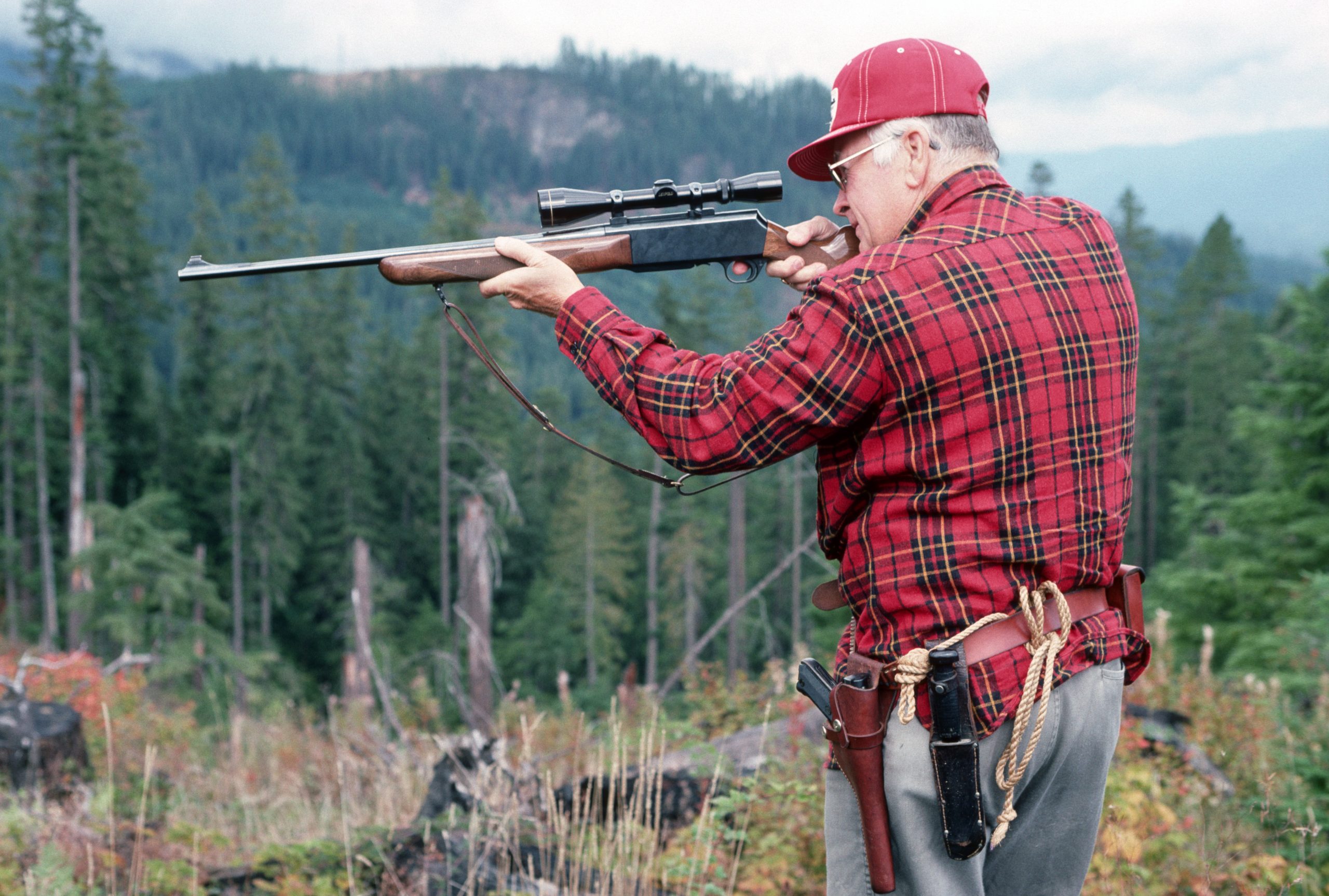
Lever-action rifles are often associated with traditional hunting, but their classic appearance does not give them a special exemption on public land. A .30-30 Winchester lever gun, for instance, may be appropriate for a deer season where centerfire rifles are legal, yet a different public-land unit can impose its own restrictions. Hunters may also encounter rules on straight-wall cartridges, magazine capacity, or permitted hunting methods. The same 1890s-era action design can remain legal today while the surrounding rules determine when, where, and for which species it may be used.
9. Air Rifles
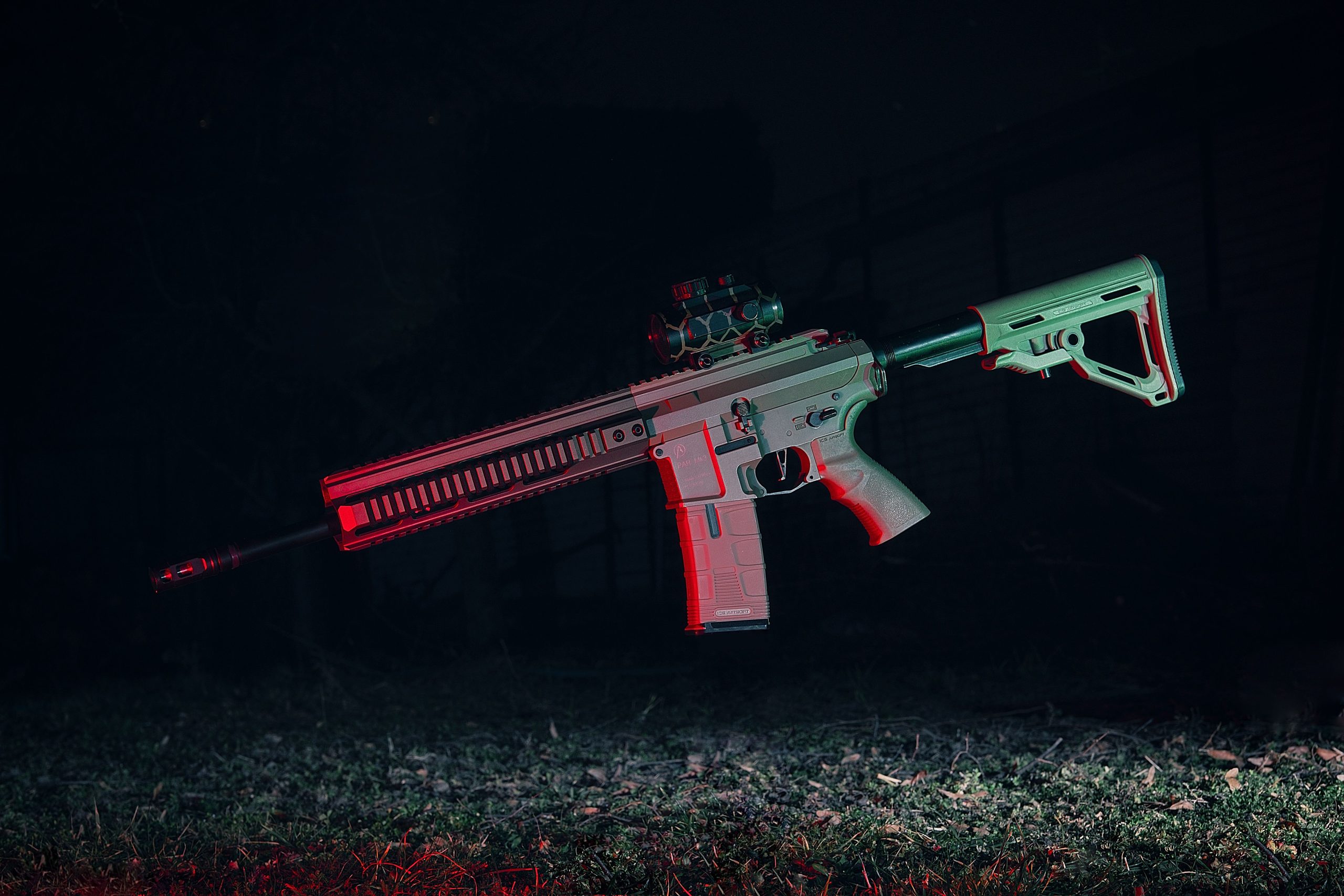
Air rifles create one of the more unusual public-land questions because regulations do not always treat them exactly like powder-burning firearms. Some public lands and refuges specifically authorize air rifles for small game, while others may prohibit their use or limit them to certain species. A .22-caliber air rifle, for example, can appear alongside rimfire firearms in a refuge’s permitted methods, but that does not make it universally legal. Hunters must check whether the land manager recognizes air rifles, then confirm the species, season, projectile, and local restrictions.
10. Shotguns With Slugs
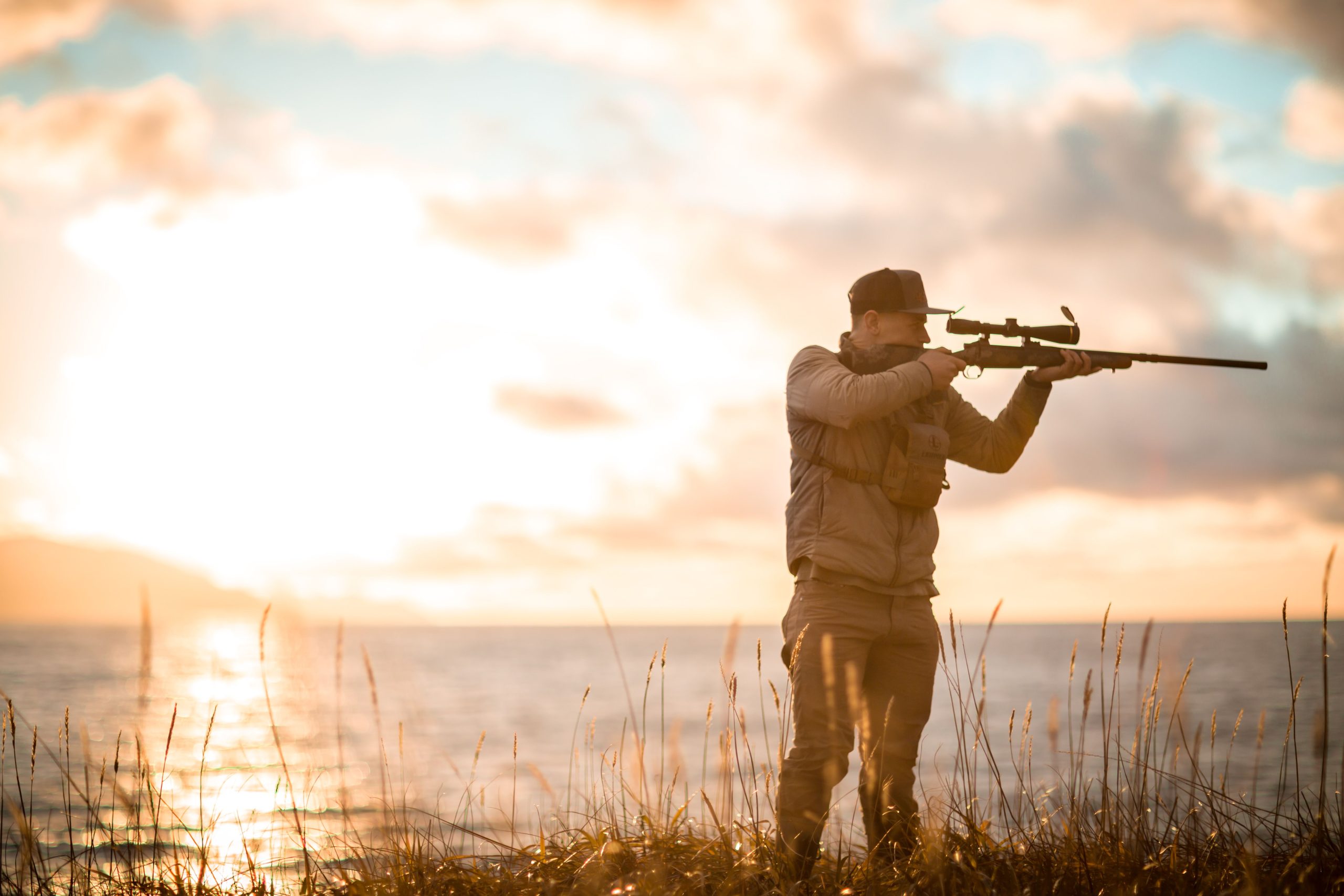
A shotgun loaded with slugs can create a very different legal question from the same shotgun loaded with birdshot. Some public-land deer hunts specifically allow slug-equipped shotguns, while other units require archery or muzzleloading equipment instead. A 12-gauge slug gun may therefore be legal for deer in one designated area and prohibited in another. Hunters also need to distinguish hunting rules from general firearm rules. A public-land unit might allow possession of a shotgun while limiting where it can be discharged, making the hunt method, ammunition, and location equally important.
11. Suppressor-Equipped Firearms
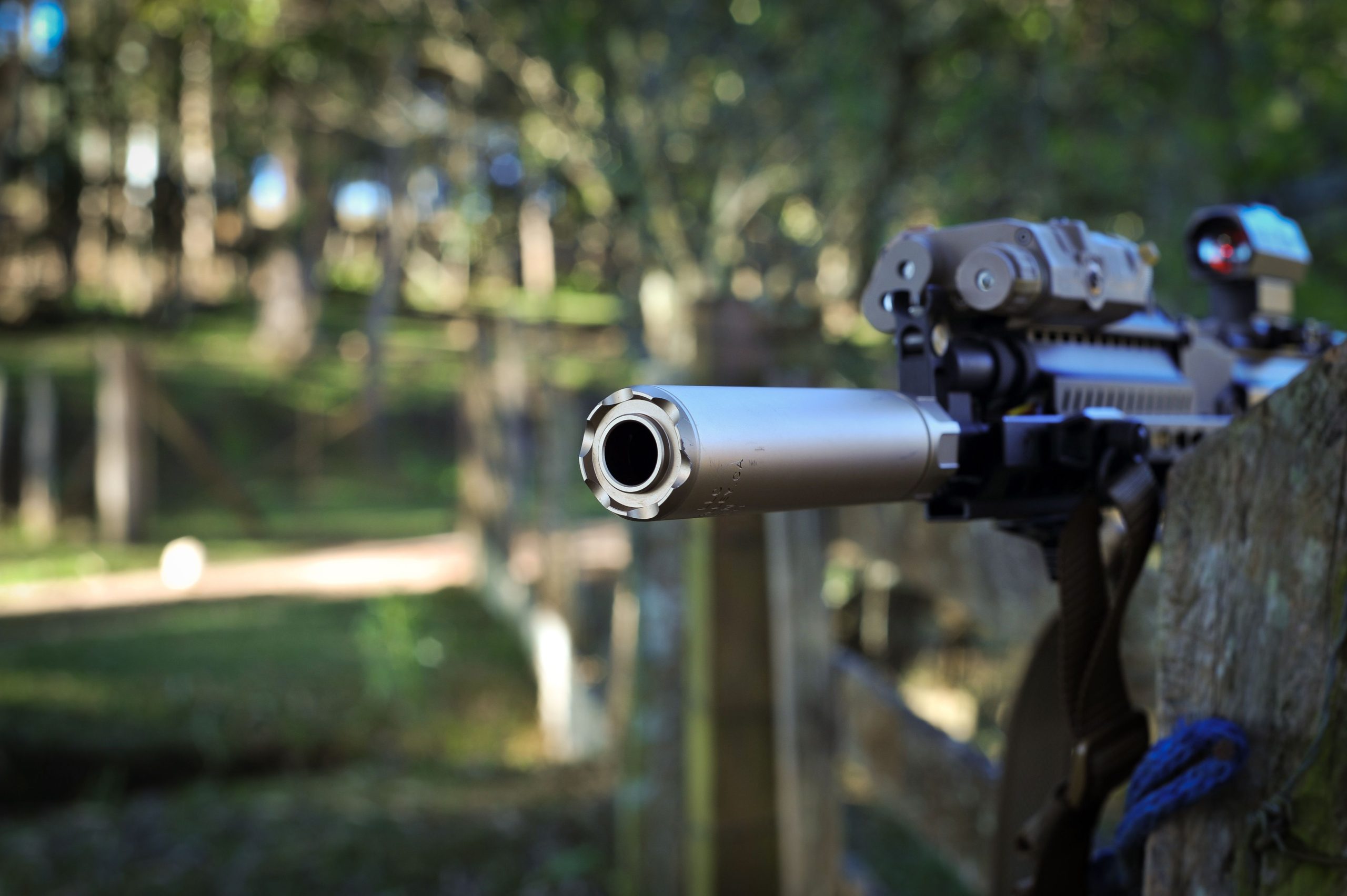
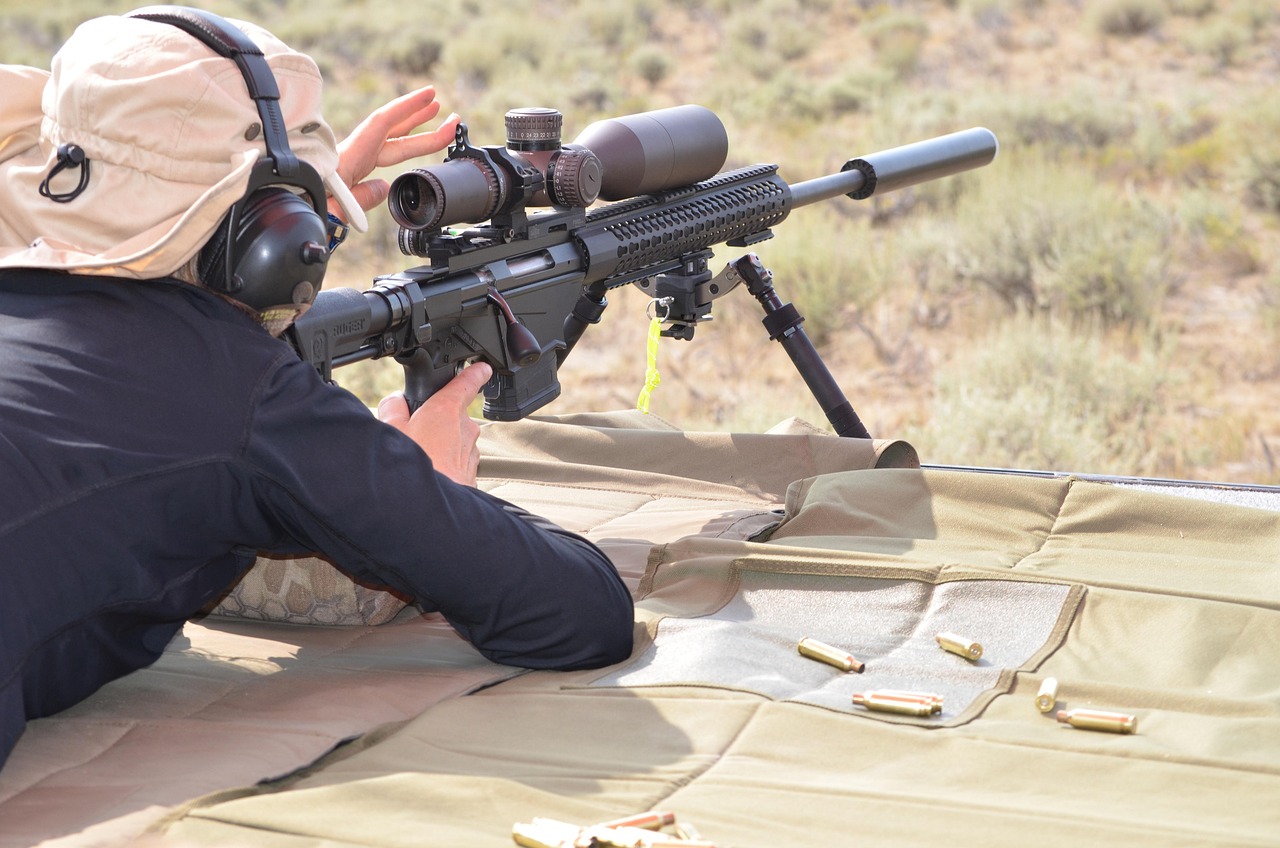
A suppressor can add another layer of public-land questions because federal, state, and hunting regulations may overlap. Even where possession is lawful under federal law and state law, a hunting regulation or land-specific rule can still govern its use. The legal status of the suppressor does not automatically determine whether the firearm may be discharged on a particular refuge or BLM parcel. A hunter carrying a suppressed .308, for example, still has to satisfy the season, species, location, ammunition, and method-of-take requirements that apply to the hunt.
12. Historical or Unusual Firearms
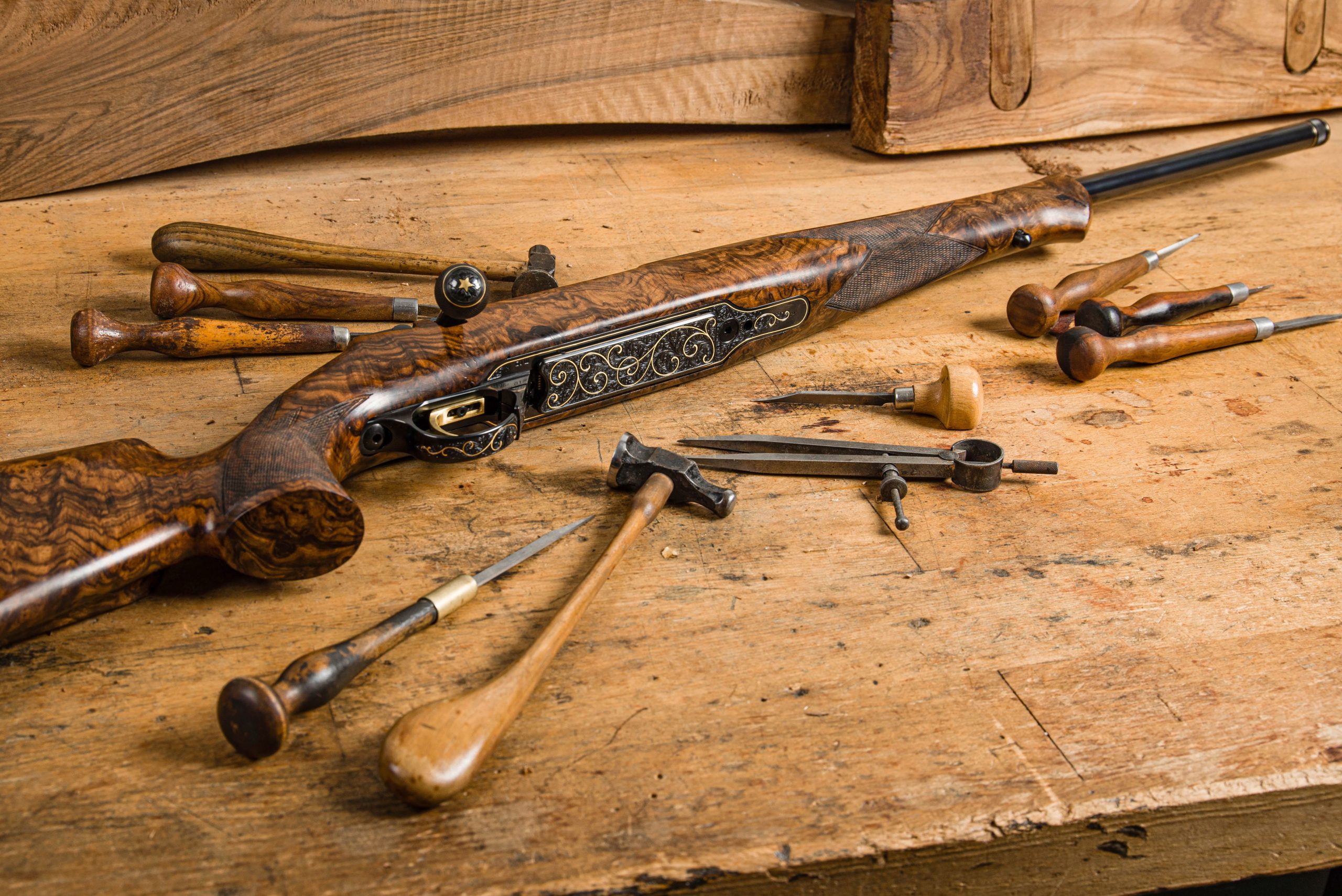
Older and unusual firearms can create surprising questions because appearance, age, and hunting legality are separate issues. A surplus rifle, antique-style muzzleloader, or unusual reproduction may be legal to possess yet unsuitable for a particular public-land hunt. Some refuges limit weapons by caliber or action, while others specify approved methods for each species. A 100-year-old rifle therefore does not receive an automatic exemption simply because it is historically interesting. Before a hunt, the decisive details are the land unit, species, season, firearm type, and ammunition rules.