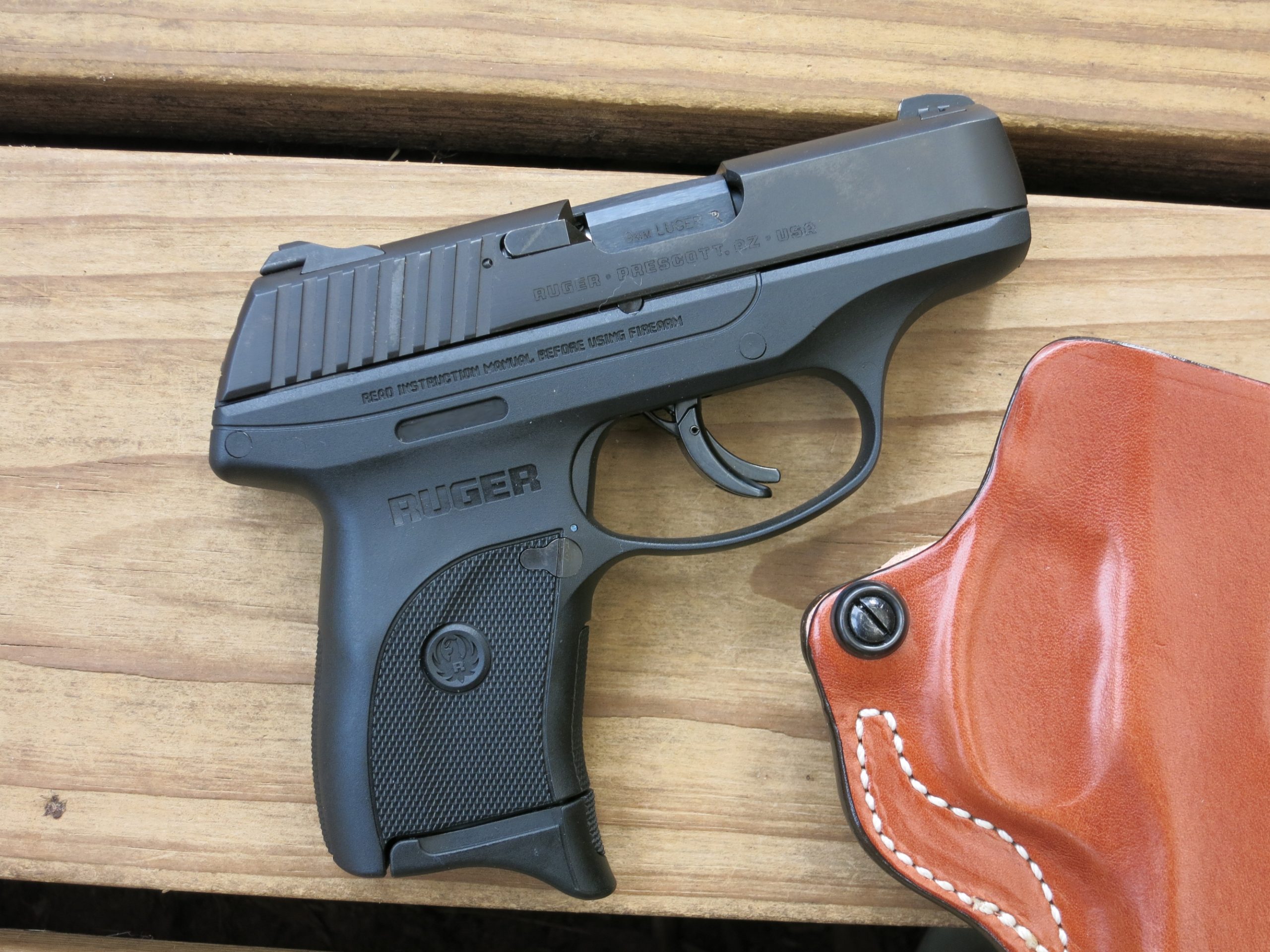
This is one of those gun policy fights that sounds simple at first and gets messier the closer you look. The Justice Department is not rewriting the law itself, but it is signaling a major shift in how that law will be treated.
What The DOJ Actually Said

The Justice Department said on September 18, 2026, that the federal ban on licensed handgun sales to adults ages 18 to 20 is unconstitutional and should not be criminally enforced. According to the department, the key federal provisions are 18 U.S.C. § 922(b)(1) and § 922(c)(1), both of which have long blocked federally licensed dealers from selling handguns and handgun ammunition to people under 21.
That matters because the federal rule has been in place for decades. Under the old framework, an 18-year-old could generally buy a rifle or shotgun from a licensed dealer, but not a handgun. The new DOJ opinion does not erase the statute from the books, yet it tells prosecutors the department believes criminal penalties cannot constitutionally be used against dealers who make those handgun sales.
The opinion came from the Office of Legal Counsel, the arm of DOJ that often guides executive branch legal interpretations. In its public statement, the department argued that 18- to 20-year-olds are law-abiding adults and part of the political community protected by the Second Amendment.
Why This Fight Is Happening Now
This did not happen in a vacuum. The modern legal backdrop is the Supreme Court’s Bruen decision, which changed how courts evaluate gun restrictions by focusing on text, history, and tradition rather than open-ended balancing tests.
DOJ’s reasoning leans heavily on that post-Bruen framework. The opinion says the government lacks a strong historical tradition of banning adults ages 18 to 20 from acquiring handguns from licensed dealers, and it treats those adults as full constitutional rights holders in most other civic contexts.
The argument is politically explosive because it draws on a familiar conservative line: if an 18-year-old can vote, serve on a jury, join the military, and in some cases face the harshest criminal punishments, why should that same person be barred from buying a handgun from a licensed dealer? That framing is powerful in court, even if many Americans will find it deeply unsettling in practice.
What Changes Right Away

The immediate change is about enforcement, not a clean legislative repeal. DOJ says it will not pursue criminal enforcement of the federal dealer-sales ban in the way it has before, which could significantly reduce legal risk for federally licensed gun dealers.
But that does not automatically mean every gun store will begin selling handguns to 18-year-olds tomorrow. Dealers are often cautious, insurers can be cautious, and state laws may still impose their own age limits or related restrictions. Some sellers may wait for clearer court rulings or more formal federal guidance before changing store policy.
There is also a practical wrinkle that critics quickly pointed out. Federal law has distinguished between sales by licensed dealers and some private sales, so the market was already uneven. The DOJ move could shift the center of gravity toward the regulated retail market, but only if dealers believe the department’s position will hold up.
Why Opponents Are Alarmed

Gun-control advocates argue this is a dangerous rollback, not a technical constitutional cleanup. The concern is straightforward: handguns are the firearm most commonly involved in homicides and urban gun crime, and lowering barriers for younger adults could increase risk in a group already associated with higher rates of impulsive behavior.
Critics also note the broader age-policy contradiction. In much of the country, people under 21 still cannot legally buy alcohol, tobacco products, or place casino bets. To opponents, it makes little sense that the legal system would treat handgun purchases more permissively than those activities.
Everytown Law’s Eric Tirschwell told the Associated Press that federal prosecutors could lose an important tool against illegal handgun sales to 18- to 20-year-olds. That objection gets at the real fear here: once the federal government backs away, even partly, restoring that enforcement power may be difficult.
The Legal And Political Stakes

This issue is almost certainly headed for more litigation. Federal appeals courts have split on age-based handgun restrictions, and the Supreme Court has not fully resolved the specific federal sales ban in the current post-Bruen era.
That means DOJ’s opinion may become both a shield and a test case. Defense lawyers for dealers will cite it. Gun-rights groups will celebrate it. States with stricter laws may fight it. And opponents will frame it as another example of executive branch officials using constitutional interpretation to accomplish a policy outcome Congress did not vote for.
Politically, this will energize both sides. Gun-rights supporters see the move as restoring rights to legal adults. Gun-control supporters see it as a reckless reading of the Second Amendment that ignores modern public-safety realities.
The Bigger Question Behind The Debate
At the heart of this fight is a basic question: when does adulthood fully begin under American law? The DOJ opinion answers that question one way for gun rights, but the rest of the legal system answers it very differently in other settings.
That tension is why this story has such staying power. It is not only about handguns. It is about whether constitutional rights for 18-year-olds should move in lockstep with all other adult responsibilities, or whether lawmakers can still draw lines when the stakes involve lethal weapons.
So yes, the Justice Department wants the under-21 handgun sales ban treated as unconstitutional. But the bigger battle is just beginning, and the final answer will likely come from the courts, not a press release from Washington.