For a moment, the XM8 looked inevitable. Then it slipped into the long list of military programs that burned bright, stirred debate, and quietly vanished.
A Rifle Born From A Bigger Dream
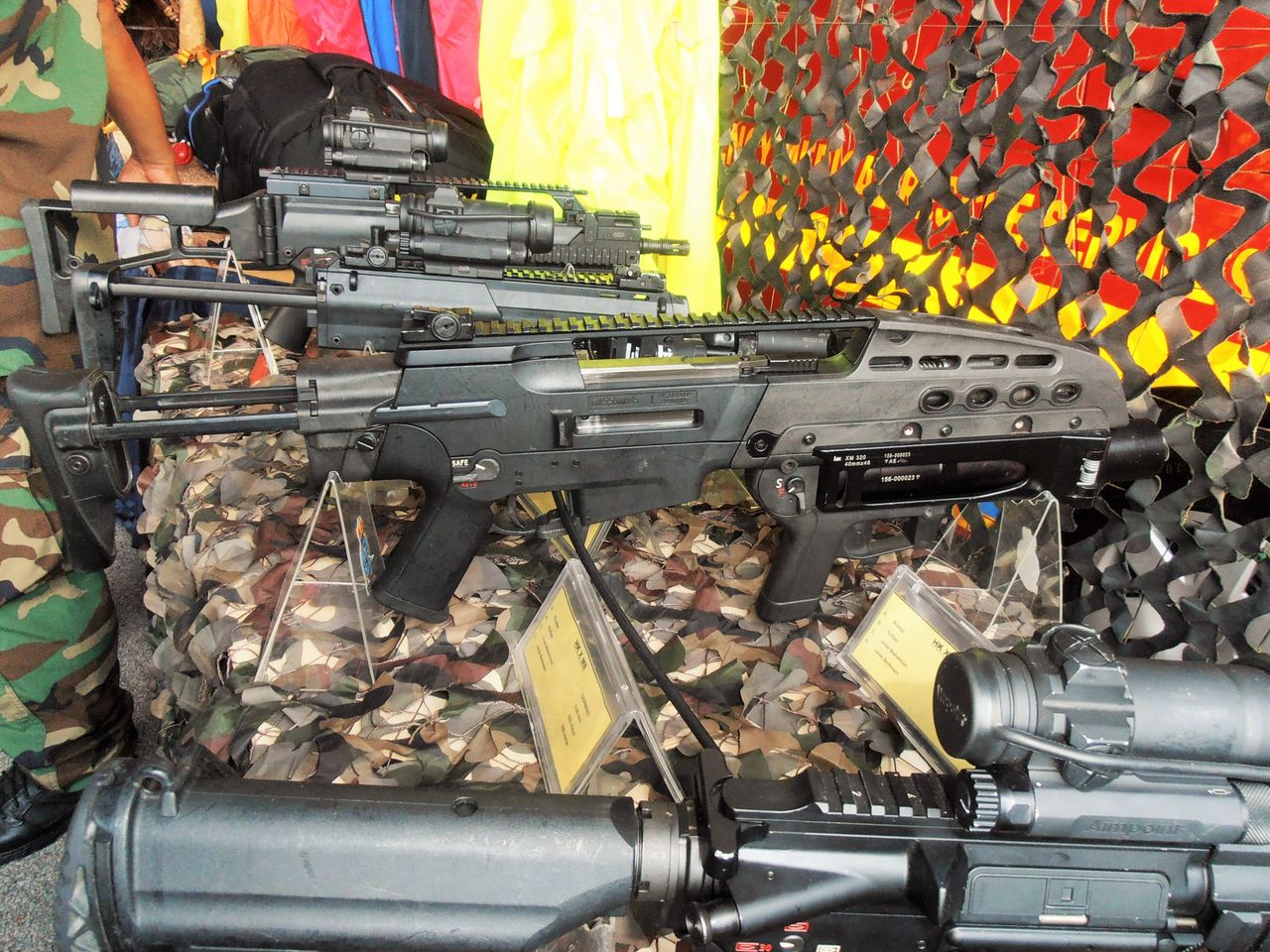
The XM8 did not begin as a standalone wonder weapon. It grew out of the Army’s Objective Individual Combat Weapon effort, a much larger project that originally aimed to combine a kinetic rifle with an airburst launcher in one futuristic package.
When that larger XM29 concept proved too heavy and complicated, the Army split the effort. According to the Army’s historical summary for fiscal year 2004, the 5.56 mm rifle portion became OICW Increment I, which evolved into the XM8 family, while the airburst component continued separately as the XM25.
That origin story matters because the XM8 was never just another carbine. It was supposed to be the practical, fieldable piece of a revolutionary infantry vision, one that promised lighter weight, modularity, and a cleaner break from the aging M16/M4 line.
Why The Army Took It Seriously
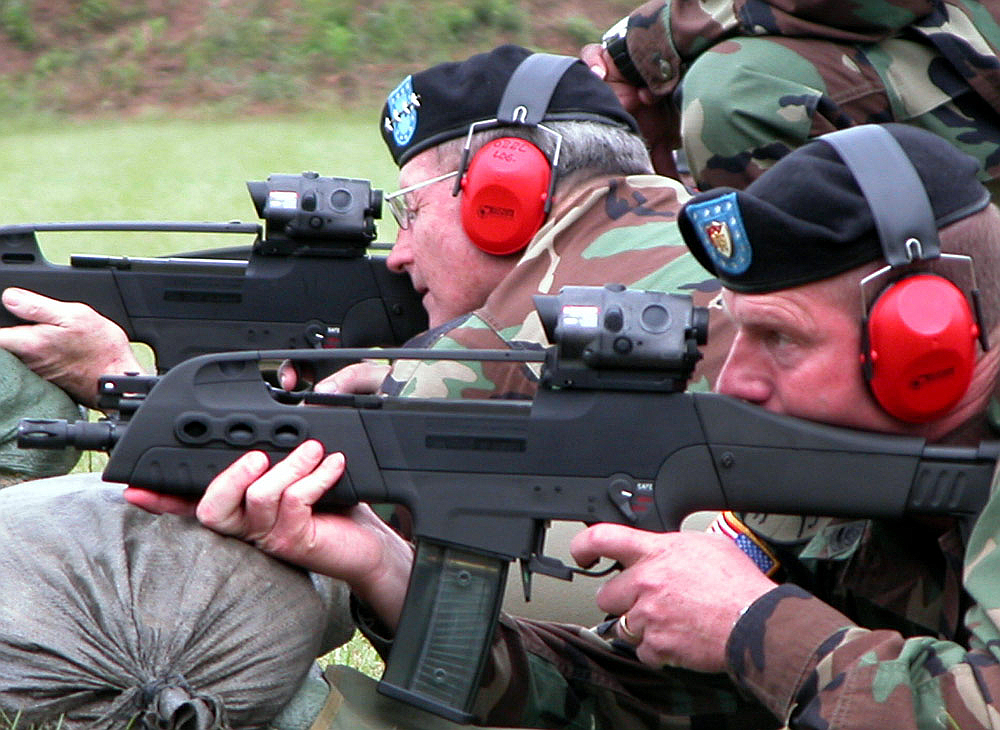
The Army’s interest was real, and it moved fast. An Army acquisition article from 2004 said the service agreed in October 2002 to spend $5 million for rapid development of XM8 prototypes so soldiers could test and refine them before any full production commitment.
On paper, the rifle checked a lot of boxes. The XM8 family included a compact carbine, baseline carbine, sharpshooter variant, and automatic-rifle version, all built around a common architecture that promised simpler logistics and easier training.
The Army also tested the weapon in tough conditions. A cold-weather trial in Alaska used soldiers from the 172nd Infantry Brigade, and Army reporting at the time said the goal was to judge technical adequacy under cold and extreme-cold conditions rather than merely repeat the manufacturer’s sales pitch.
The Appeal Of The XM8

For general audiences today, the XM8 still looks modern. Its polymer-heavy construction, integrated optics, short-stroke gas piston system, and smooth outer shell gave it a very different personality from the rail-covered carbines that came to dominate later.
The concept was easy to sell to soldiers and planners alike. One core receiver could support multiple roles, and Army program material from the period emphasized quick configuration changes, lower weight, and a family-of-weapons approach rather than a one-size-fits-all rifle.
That made the XM8 feel like a glimpse of the future. In an era shaped by Iraq and Afghanistan, a rifle that seemed lighter, cleaner, and more adaptable had obvious appeal, especially when many believed the M4 was only an interim step rather than the end of the road.
Why It Started To Unravel
The XM8’s problem was not that it looked bad. Its problem was that replacing the standard U.S. service carbine is brutally hard, especially when requirements, procurement politics, testing standards, and institutional loyalties all collide at once.
Critics raised concerns about overheating, accessory compatibility, and whether the Army was moving too quickly without a fully open competition. Debate also grew around ballistic performance, with some infantry voices warning that short-barreled carbines already struggled at longer ranges and that simply changing platforms would not solve deeper marksmanship and lethality issues.
Meanwhile, the M4 kept improving. Later Army reporting made clear that soldiers retained high confidence in the M4 even after heavily publicized dust tests, which weakened the urgency behind swapping in an entirely new rifle family.
The Program Fades Away
By 2005, the XM8 still had momentum, but not enough to break through resistance. The Army historical record from that era shows leaders expected a decision on full-rate production in fiscal year 2005, yet that decisive moment never became the clean handoff supporters had imagined.
Instead, the XM8 became trapped in acquisition limbo. A 2006 Defense Department Inspector General report documented the contracting and milestone timeline around the XM8 and the larger OICW effort, underscoring how procedural scrutiny had become part of the story.
Once that happens, military programs rarely recover gracefully. The Army eventually stayed with the M4 platform, pursued later carbine competitions, and much later shifted toward the Next Generation Squad Weapon program, which today is fielding the XM7 as the true successor within close combat formations.
The XM8’s Real Legacy
What makes the XM8 memorable is not battlefield service, but timing. It arrived when the Army wanted transformation, when modularity sounded revolutionary, and when many assumed the M4’s days as the standard carbine were numbered.
In hindsight, the XM8 was less a failure of engineering than a lesson in how defense programs live or die. A rifle can be lightweight, innovative, and heavily tested, yet still lose if doctrine, procurement rules, and evolving combat needs refuse to line up.
That is why the XM8 remains such a fascinating footnote. It was the rifle that almost replaced the M4, a weapon close enough to feel real, ambitious enough to shape later thinking, and unlucky enough to become a forgotten chapter instead of standard issue.