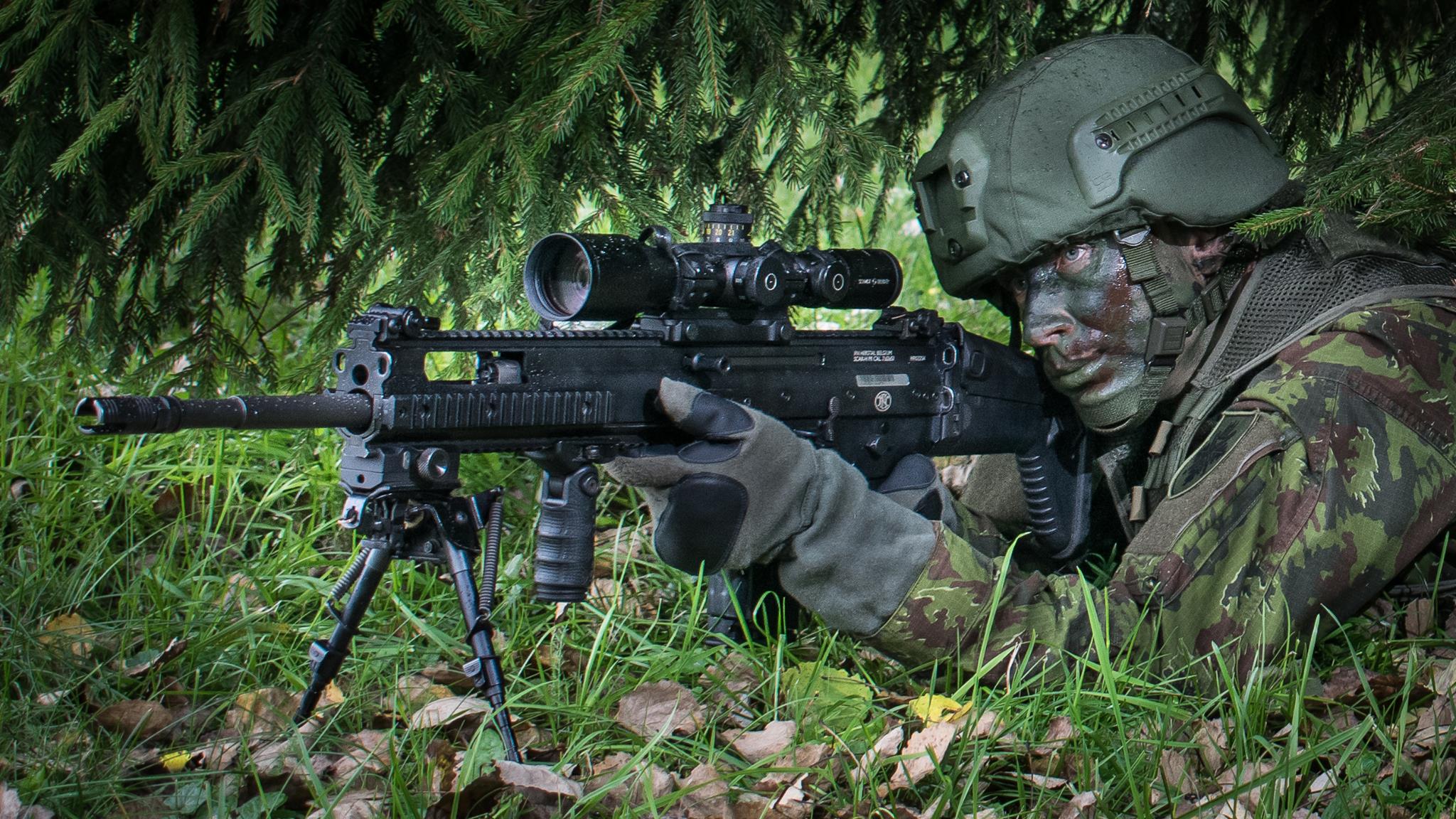
The FN SCAR is one of the most distinctive modern military rifles, not because it was simply another replacement for the M4, but because it was created around a demanding U.S. Special Operations Command requirement. Designed by Belgium’s FN Herstal and refined with extensive operator input, the SCAR introduced a modular family covering multiple calibers and roles. Its development, rapid testing, combat introduction, and later evolution make it an unusually interesting chapter in modern small-arms history.
1. It Started With an American Special-Operations Requirement
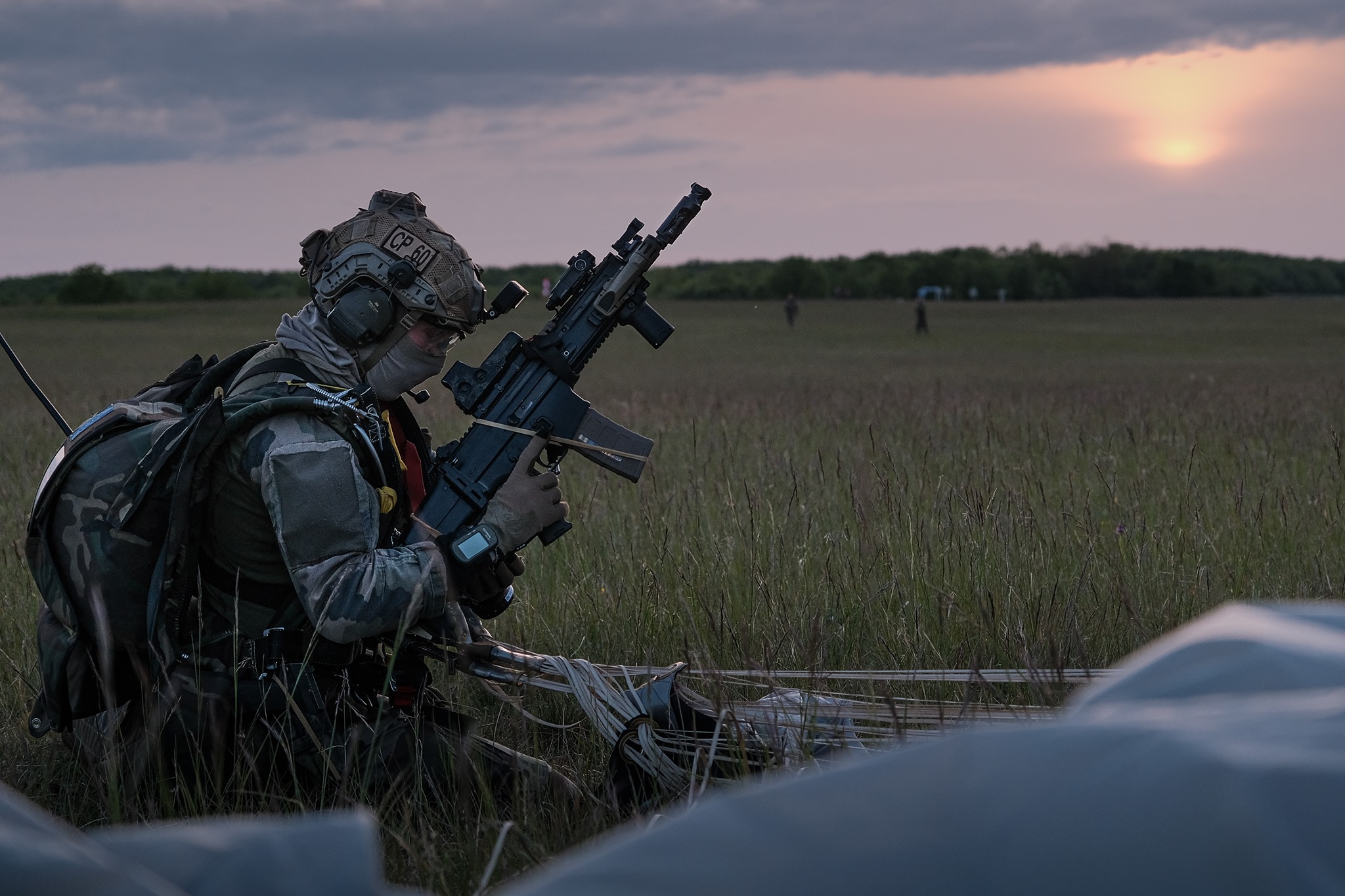
The FN SCAR began with a very specific American request, not a Belgian plan to replace every infantry rifle. In 2003, U.S. Special Operations Command sought a new family of combat rifles that could cover different missions while sharing handling and common components. FN Herstal entered the competition and won the contract in November 2004. The design was therefore Belgian in engineering, but American in its original mission. That distinction matters greatly: the SCAR was shaped around special-operations requirements, testing, and operator feedback from the start, rather than being an ordinary service rifle later modified for commandos. For that reason, its beginnings matter.
2. It Was Conceived as a Two-Caliber Family
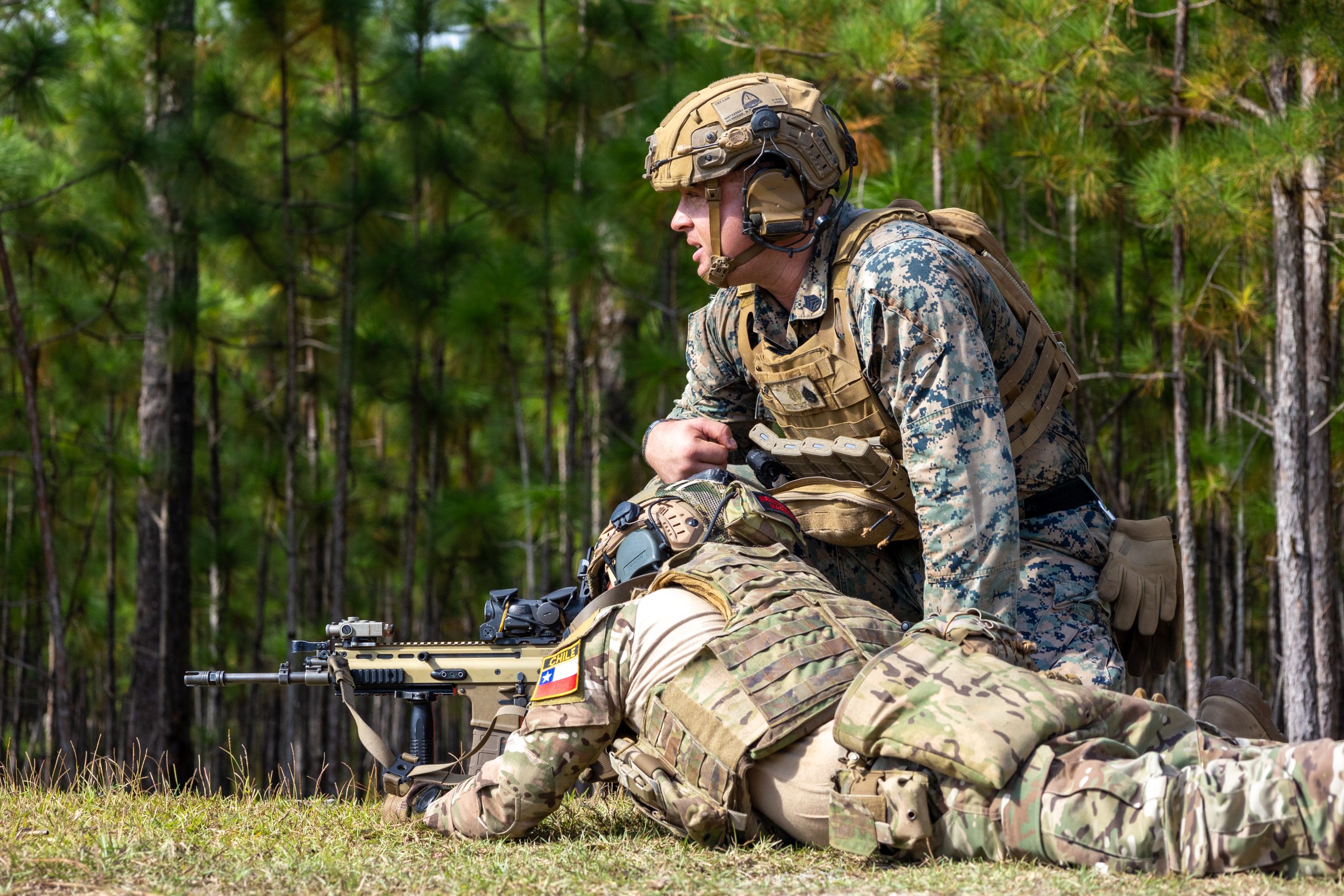
The name SCAR stands for Special Operations Forces Combat Assault Rifle, and its original concept centered on two principal calibers. The Mk 16, or SCAR-L, used 5.56×45mm NATO, while the Mk 17, or SCAR-H, used the larger 7.62×51mm NATO cartridge. The idea was to give operators a closely related family rather than two completely different rifles. That common architecture simplified familiarity, accessories, and maintenance. Over time, however, SOCOM reduced its planned use of the Mk 16 because the improvement over existing 5.56mm carbines was judged insufficient, while the 7.62mm Mk 17 retained a stronger niche. The distinction between the two was central to the original program.
3. Its Piston System Became a Defining Feature
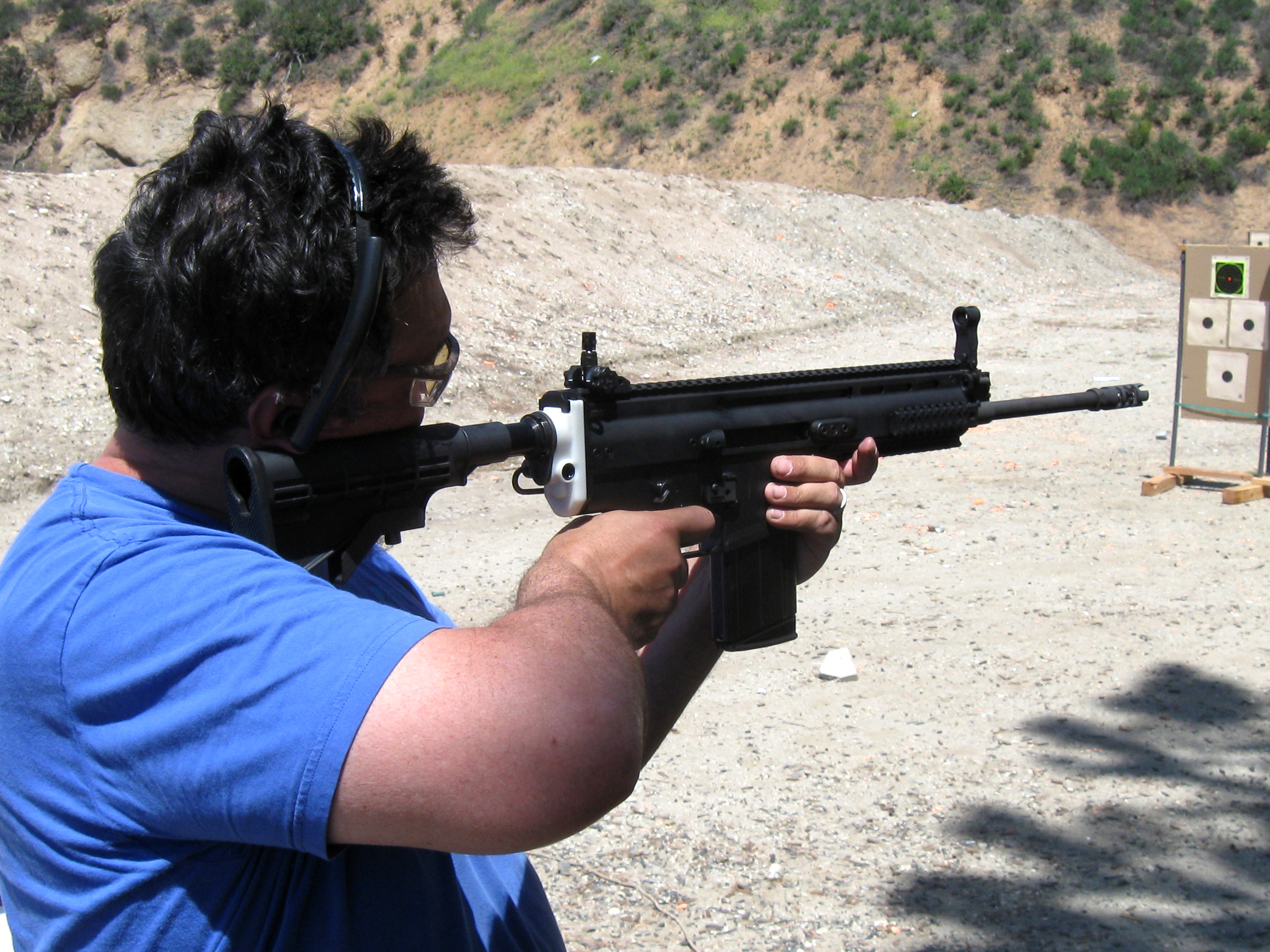
One of the SCAR’s defining features is its short-stroke gas-piston operating system paired with a rotating bolt. Instead of directing propellant gases straight back through the receiver, the piston system transfers energy through a separate operating mechanism. FN presented this arrangement as a robust approach for demanding environments, and the rifle also uses an adjustable gas regulator. A second regulator setting is intended for suppressed operation, helping prevent an unnecessary increase in cyclic behavior. The result is a rifle designed around reliability and adaptability, rather than simply copying the internal layout of the M4 family. That mechanical difference became central to the SCAR’s identity.
4. Its Barrel System Was Designed for Modularity
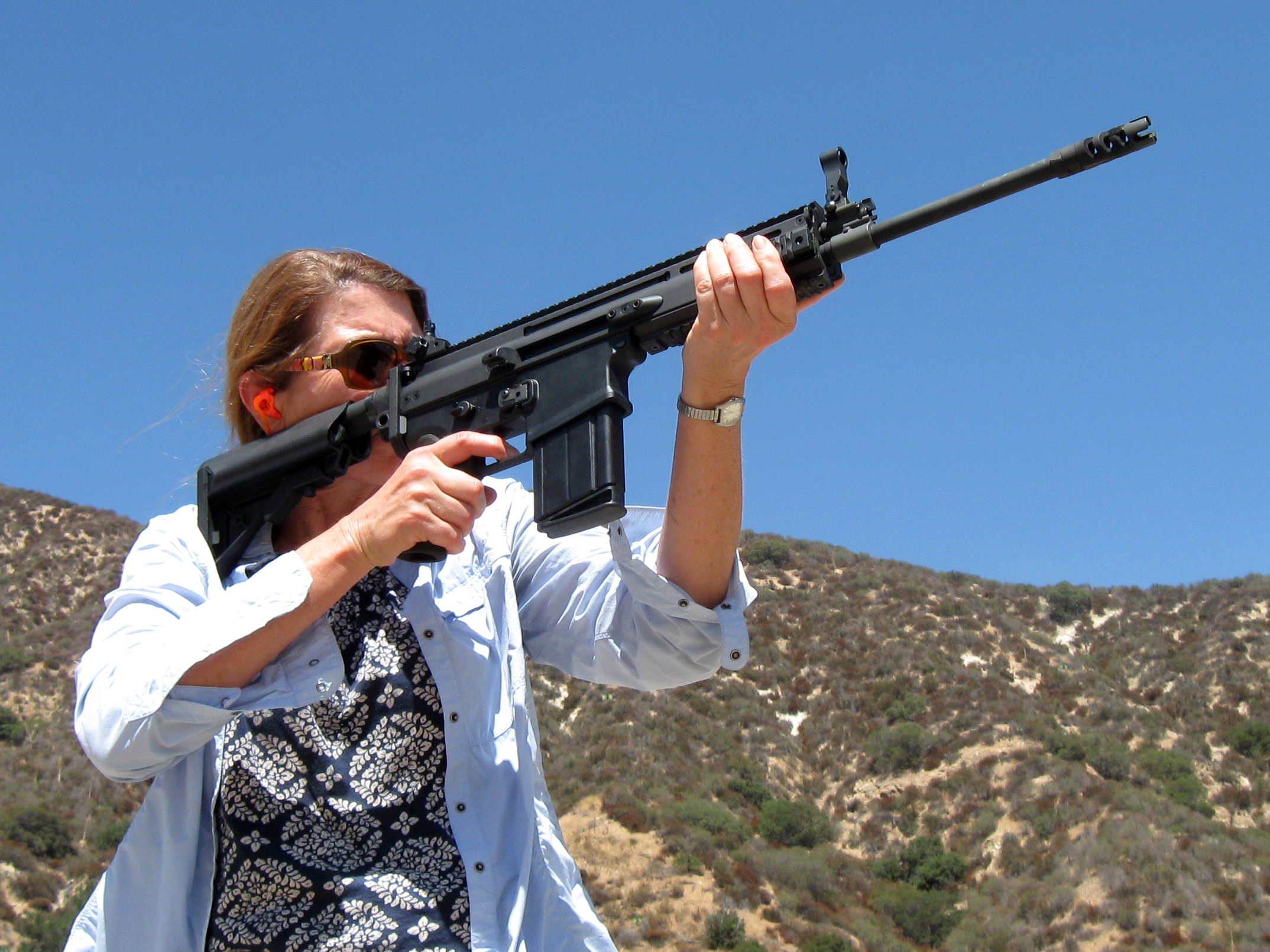
Modularity was central to the SCAR program, and the barrel system shows why. Early requirements envisioned standard, close-quarters, and longer-barrel configurations, allowing one basic platform to serve different roles. Modern SCAR-H models continue that philosophy: FN lists 13-inch and 16-inch barrel choices, with the barrels designed to be interchangeable in under five minutes. The folding and adjustable stock also changes the rifle’s physical footprint without changing its basic operating system. For special-operations users, this meant the same weapon family could be configured for compact or extended applications instead of requiring entirely separate designs. The approach emphasized flexibility without abandoning a common platform.
5. Common Handling Was a Major Design Goal
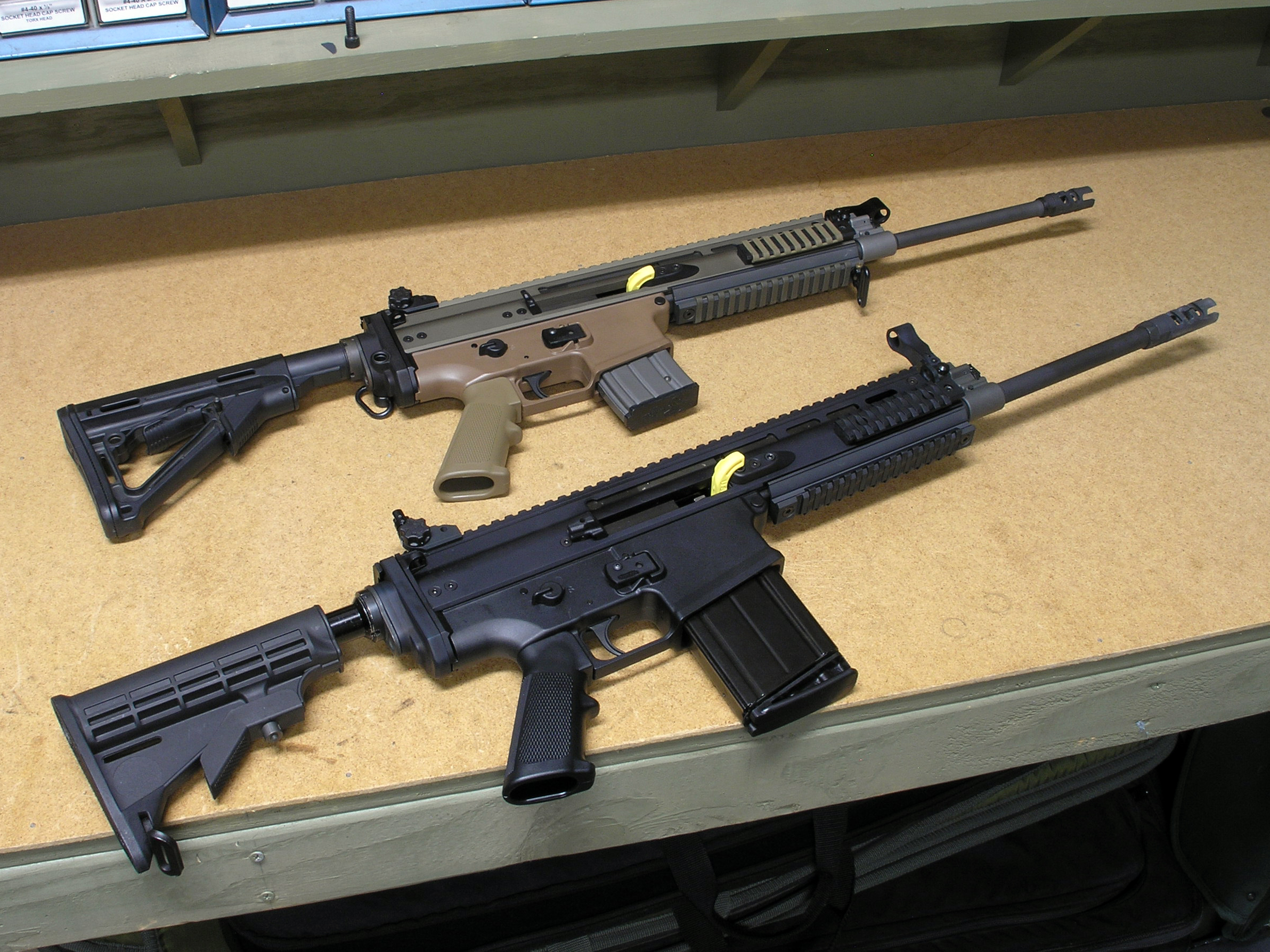
The SCAR was also built with a strong emphasis on common handling. Its controls, stock arrangement, sighting provisions, and accessory interfaces were developed so operators could move between related variants without learning an entirely new manual of arms. Picatinny-style rails provide mounting space for optics and other approved equipment, while the folding stock reduces overall length for transport. FN says the wider SCAR family maintains substantial parts commonality and similar operator and armourer training. That is an important advantage for organizations managing several configurations, because training time and maintenance complexity can grow quickly when weapon families diverge. The shared architecture remained one of the platform’s most practical characteristics.
6. Development Moved From Requirement to Service Quickly
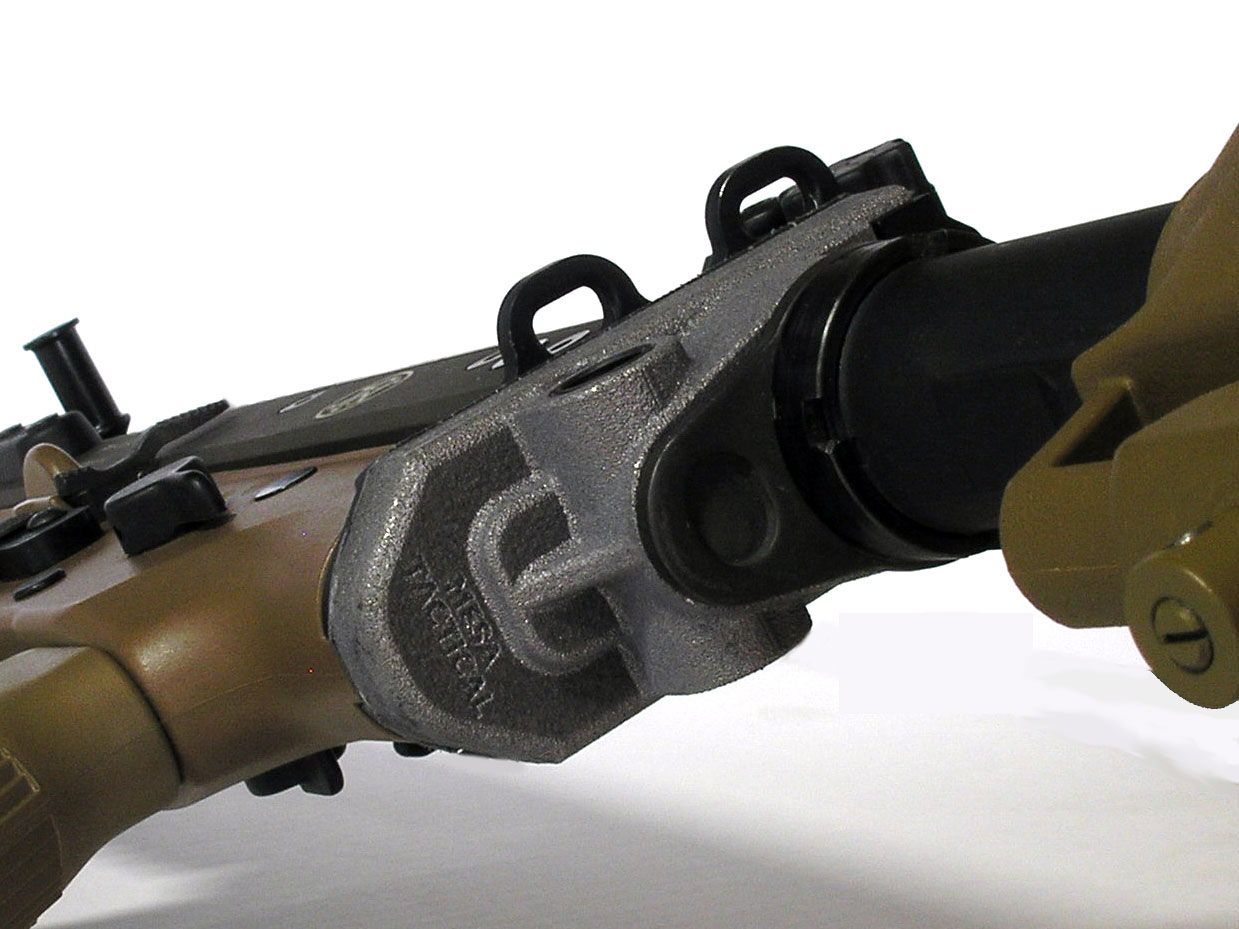
The rifle’s development timeline was unusually fast for a major military small-arms program. The U.S. requirement was approved in January 2004, and FN won the competition later that year. Acceptance testing and evaluation ran from May 2006 through June 2007, followed by operational testing involving units from several parts of the U.S. military community. Final testing was completed in September 2008. Initial fielding to U.S. special operators began in April 2009, and overseas deployment followed that summer. Those dates show that the SCAR was not merely a prototype; it moved from requirement to operational service in roughly five years. That pace reflected the urgency attached to the original program.
7. Operators Helped Shape the Final Design
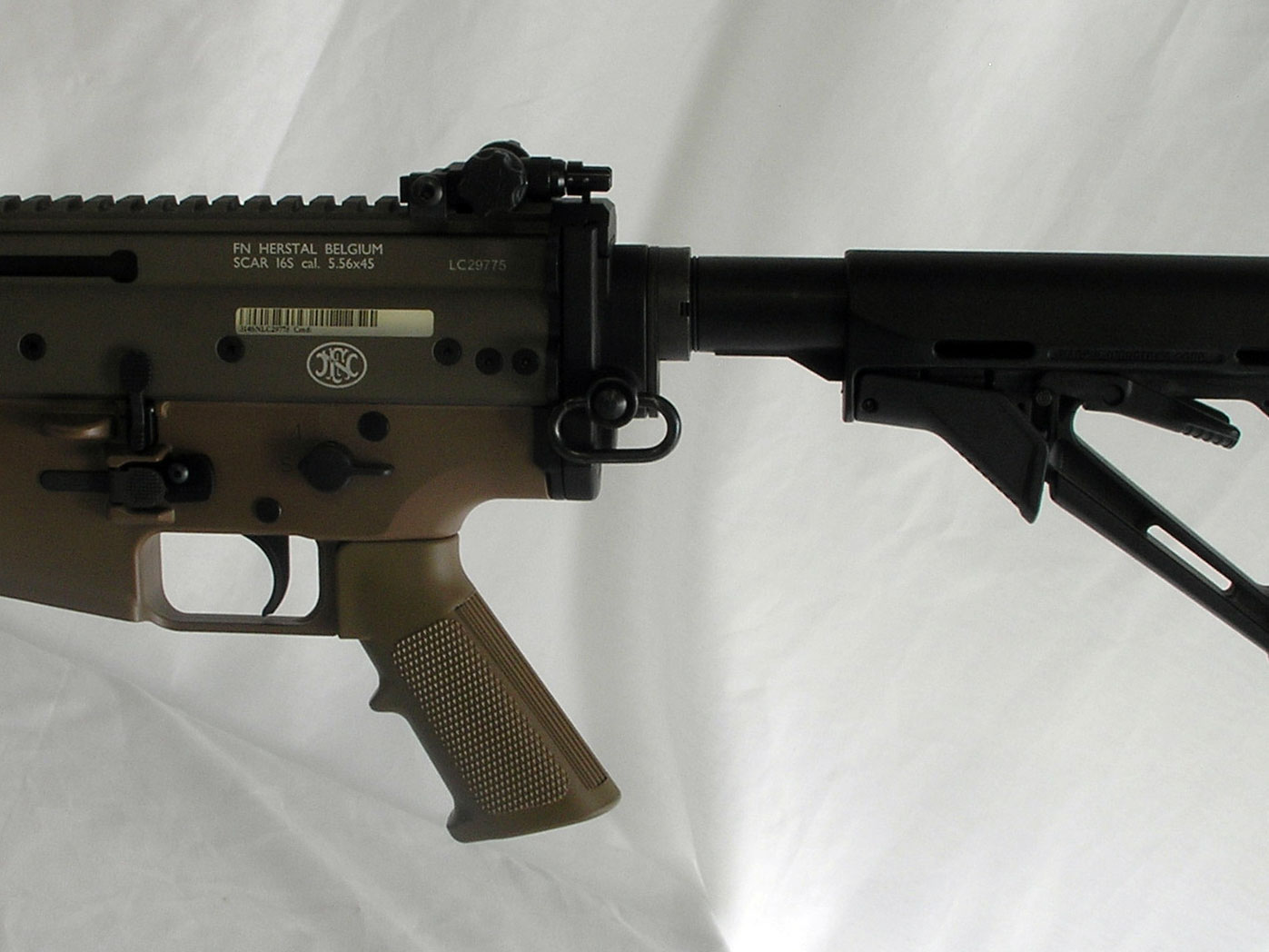
The SCAR became a useful example of operators influencing engineering decisions. U.S. special-operations personnel participated in design reviews and provided feedback that led to changes in areas such as the trigger mechanism, safety lever, grip, stock, and sighting equipment. FN’s Belgian rapid-prototyping capability allowed requested modifications to be produced and reviewed quickly. That feedback loop made the project more than a competition. The finished rifle reflected an iterative process in which users, engineers, and acquisition specialists repeatedly examined practical details instead of waiting until the end to discover that a feature was awkward. The relationship between designers and operators became a defining part of the program.
8. The Family Eventually Expanded Beyond Two Rifles
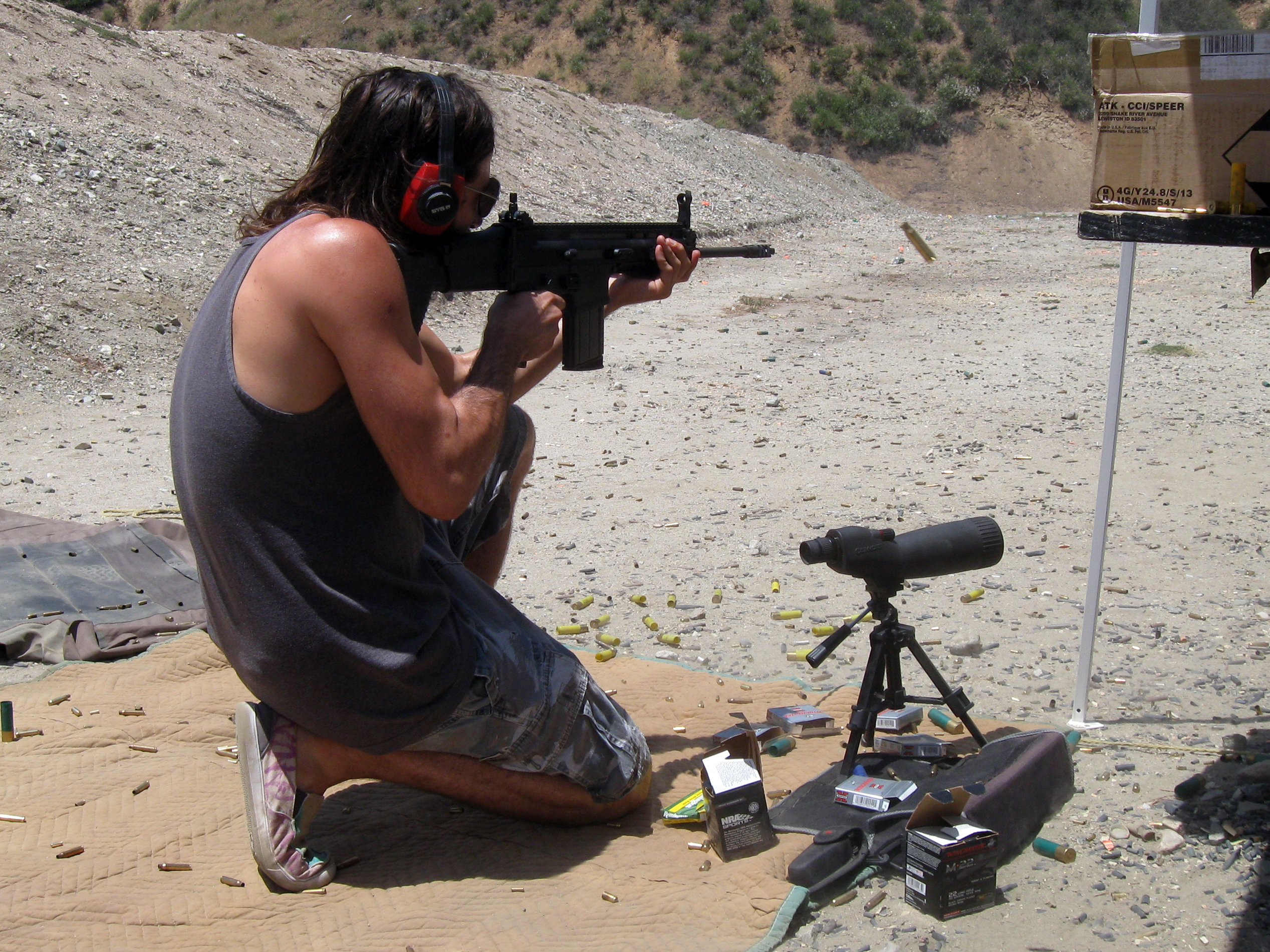
The SCAR family eventually expanded beyond the original light-and-heavy concept. The Mk 20, derived from the SCAR-H, developed into a precision-oriented rifle, while later versions and configurations broadened the platform’s role. FN’s current SCAR-H MK2, for example, remains a 7.62×51mm NATO rifle and is offered with 13-inch or 16-inch barrels. FN also lists the SCAR-SC subcompact carbine in 5.56×45mm and .300 BLK. These developments show how the original architecture became a family rather than a single rifle. The basic theme stayed consistent: different missions could be addressed within the broader SCAR operating concept across later versions.
9. The SCAR-L Did Not Completely Replace the M4
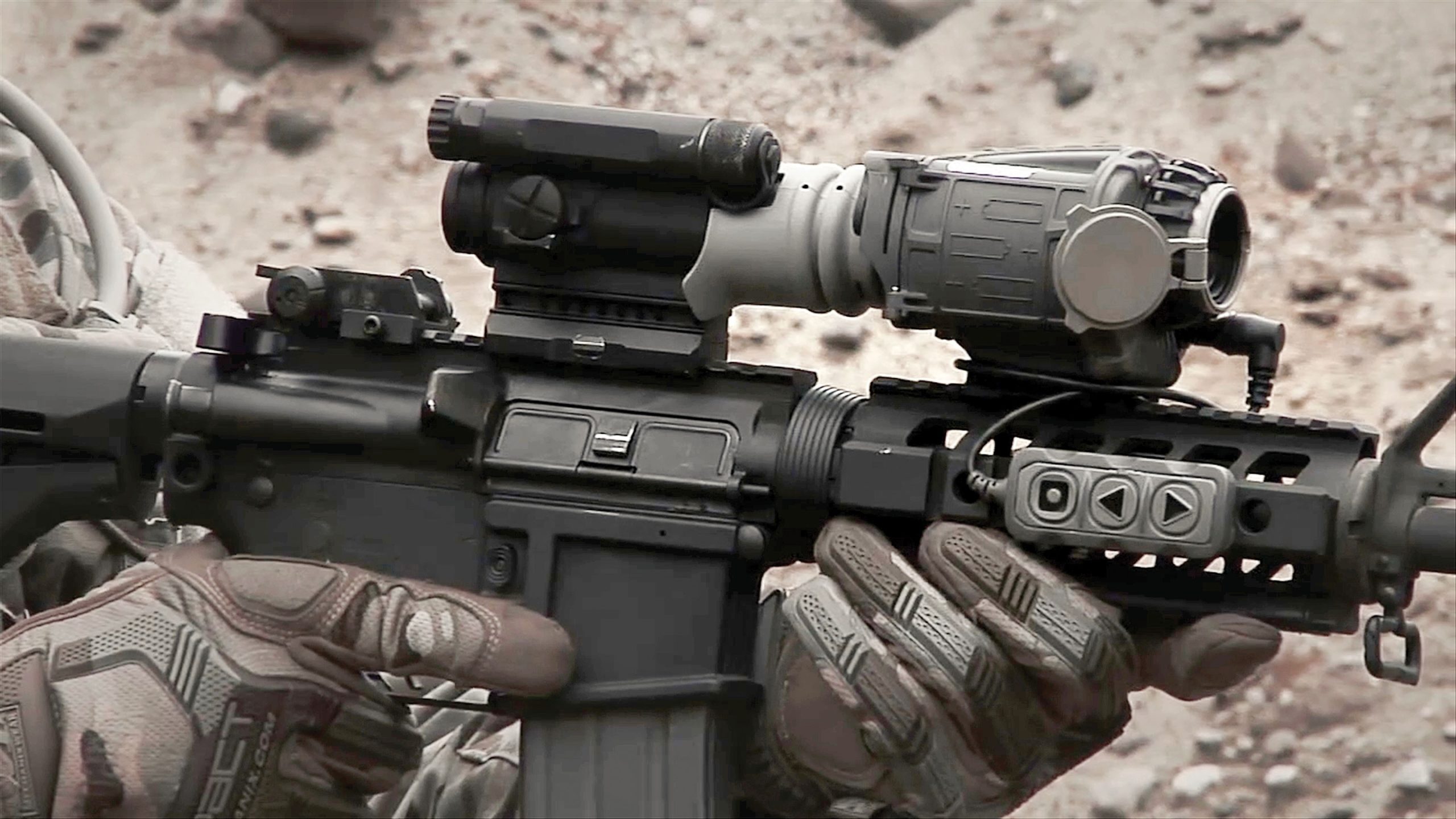
Its reputation comes with an important qualification: the SCAR did not completely replace the M4 across U.S. special operations. In 2010, SOCOM decided to end further acquisition of the 5.56mm Mk 16, citing limited improvement over the existing M4 relative to the cost of fielding another rifle. The Mk 17, however, continued because its 7.62×51mm capability offered a different level of reach and cartridge performance. This decision is one of the most revealing parts of the SCAR story. A rifle can be technically impressive yet still lose a procurement battle when the improvement is not large enough to justify changing an established system. That decision became part of its history.
10. Its Original Niche Became a Global Rifle Family
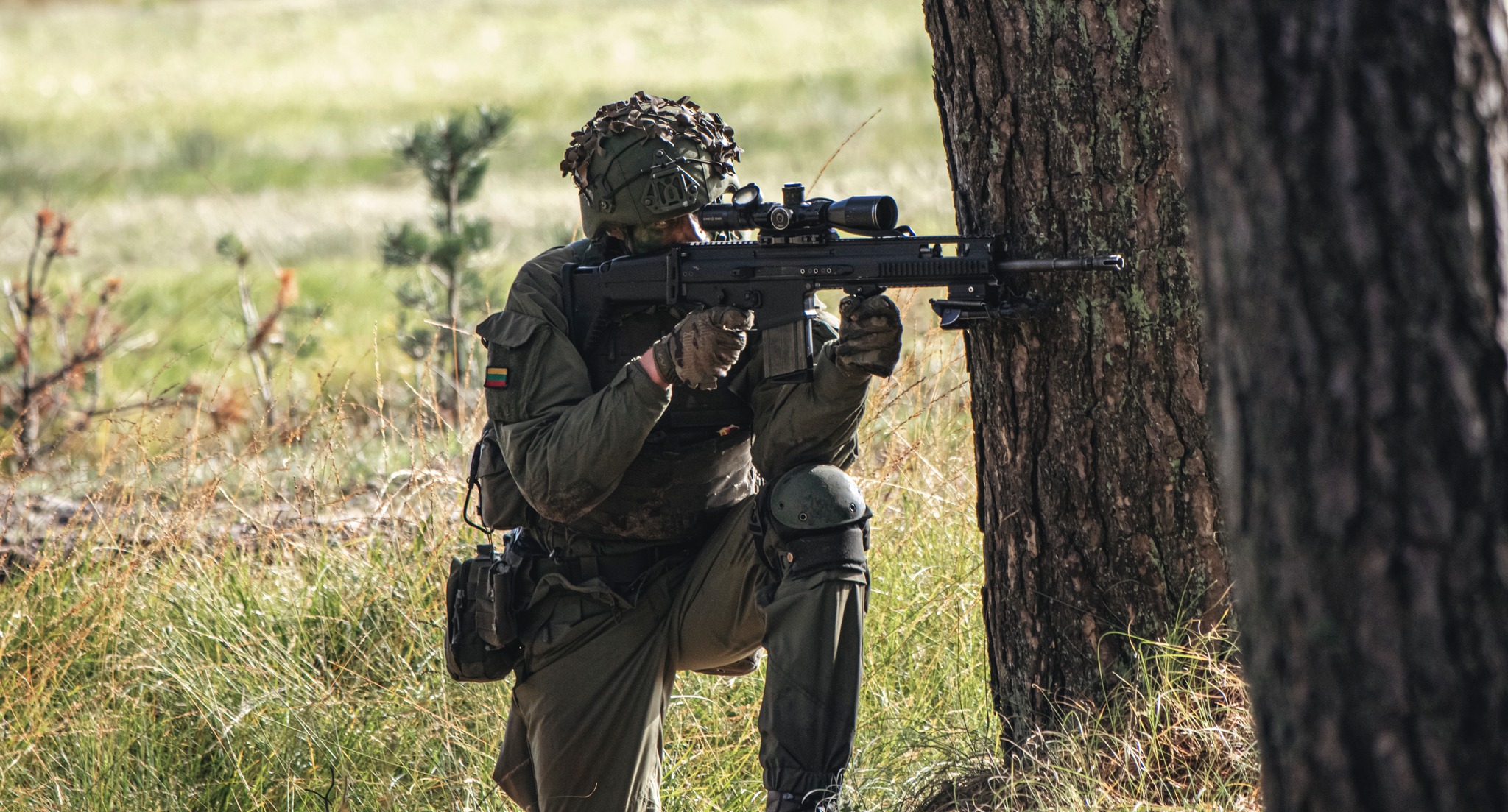
Today, the FN SCAR is best understood as a long-running family of military rifles born from a narrowly defined U.S. special-operations requirement. FN says the platform is now in service with more than 30 armed forces and law-enforcement units worldwide, a significant expansion beyond its original customer. The family spans 5.56mm, 7.62mm, .300 BLK, and precision-oriented configurations, depending on the model and market. Its lasting appeal comes from the combination of modularity, shared handling, adjustable stocks, rail interfaces, and a piston-driven action. The remarkable part is not that one rifle does everything, but that one architecture evolved to cover many roles.