A firearm can feel surprisingly different when its carry method changes. Dimensions stay the same, but weight distribution, concealment, comfort, and how the gun interacts with clothing can shift dramatically. A pocket, waistband, belt, or shoulder setup can make the same model seem smaller, heavier, or more noticeable. The examples below focus on those physical differences, using published dimensions and capacity figures while keeping safety and proper, model-specific holster fit at the center.
1. Glock 19
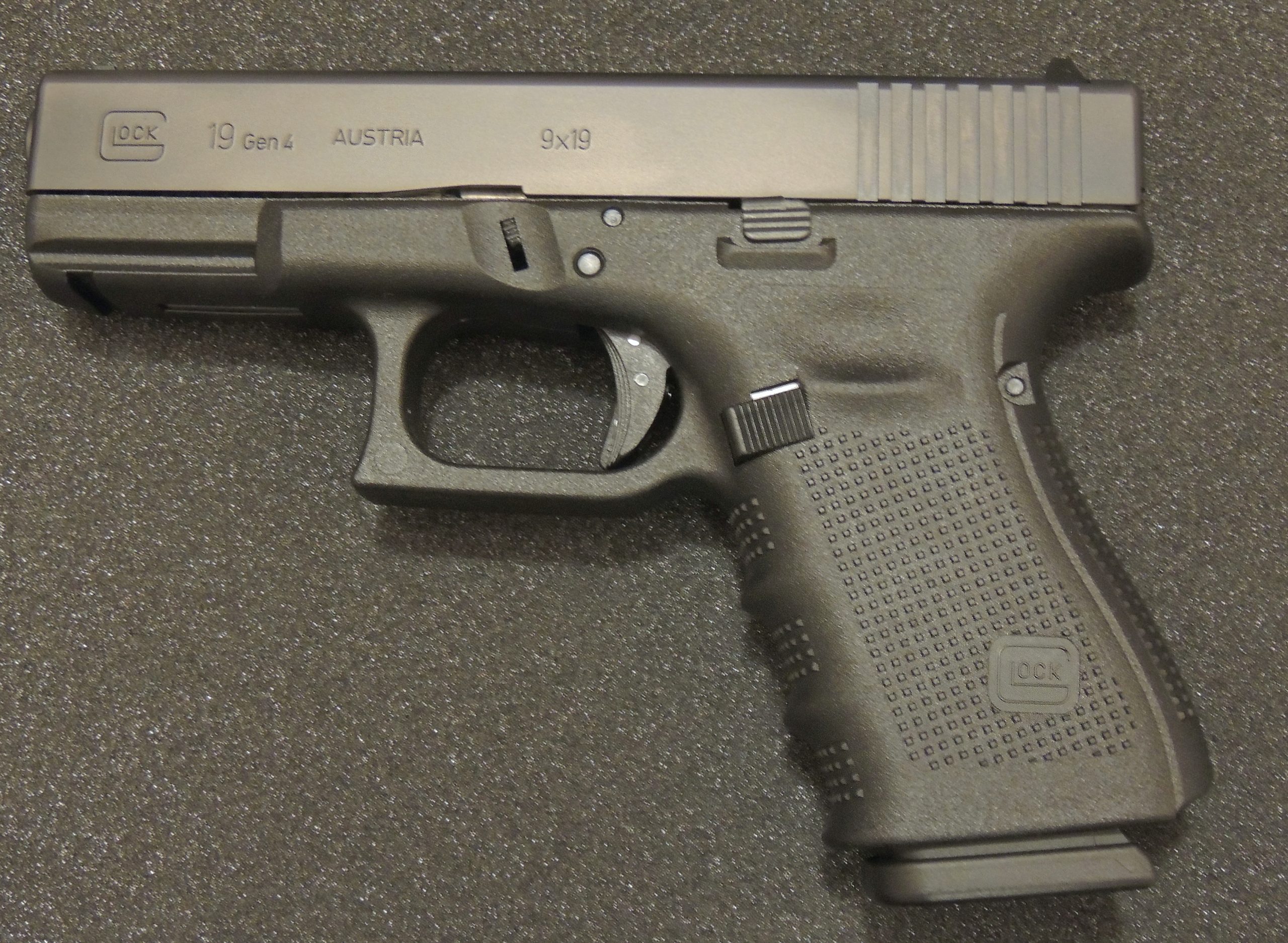
The Glock 19 is often described as a compact pistol, but its personality changes with the carry method. At about 7.36 inches long, 5.04 inches high, and 1.26 inches wide, it is substantial enough to feel at home in a belt holster yet compact enough for concealed carry. Worn outside the waistband, its size is easier to manage and access, while inside-waistband carry makes clothing and holster fit much more important. The 15-round standard magazine adds useful capacity, but also contributes weight and bulk. That contrast is why the same model can feel either ordinary or surprisingly large.
2. SIG Sauer P365
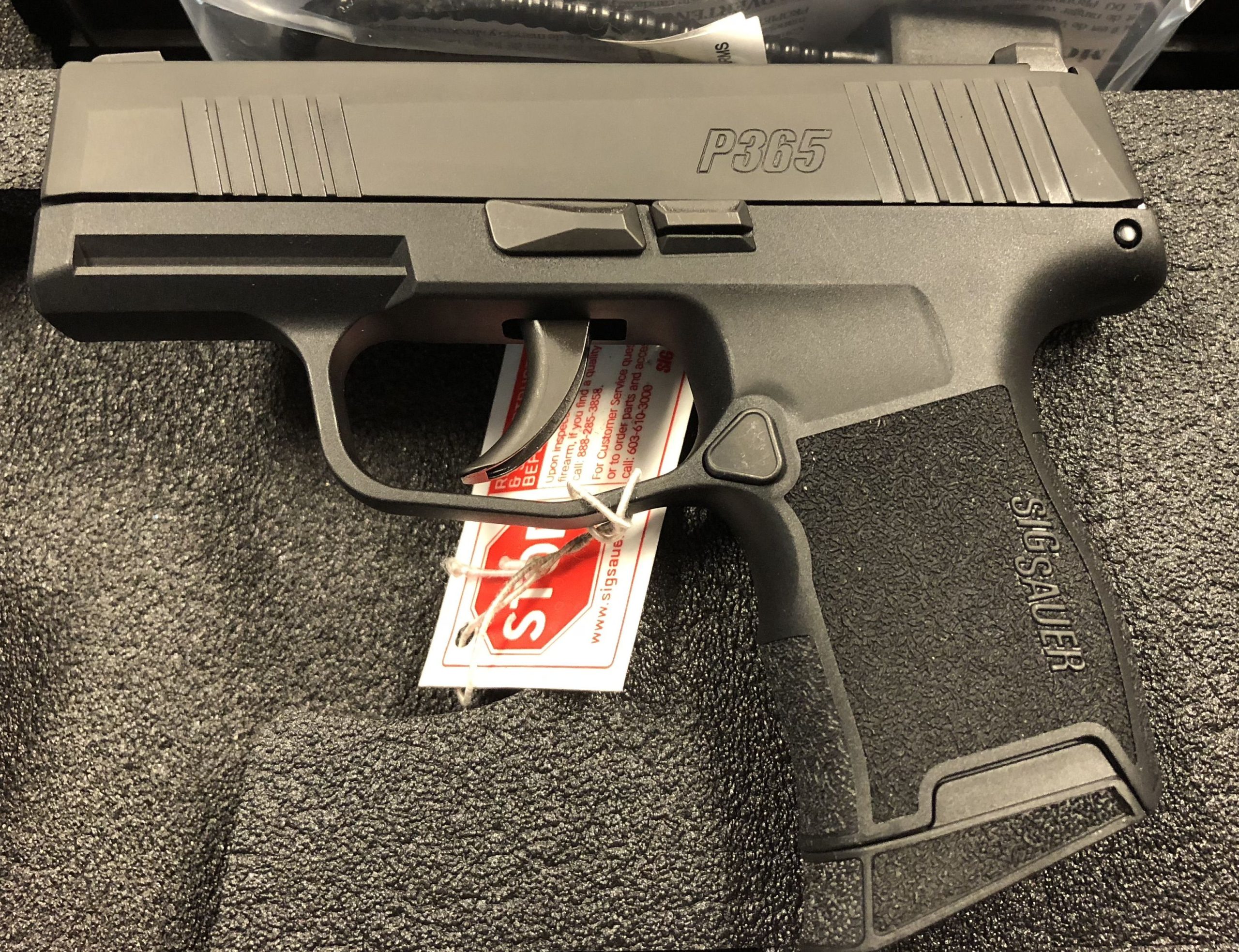
The SIG Sauer P365 shows how dramatically carry method can change a small pistol. It measures about 5.8 inches long, 4.3 inches high, and only 1 inch wide, with a listed unloaded weight of 15.7 ounces. Those numbers make it notably easier to conceal than many compact pistols, yet the experience changes with the carry location. A pocket holster emphasizes its small footprint, while waistband carry makes its slim profile especially noticeable. Its standard 10-round magazine can also be paired with longer-capacity options. Clothing thickness can matter almost as much as the pistol.
3. Smith & Wesson J-Frame
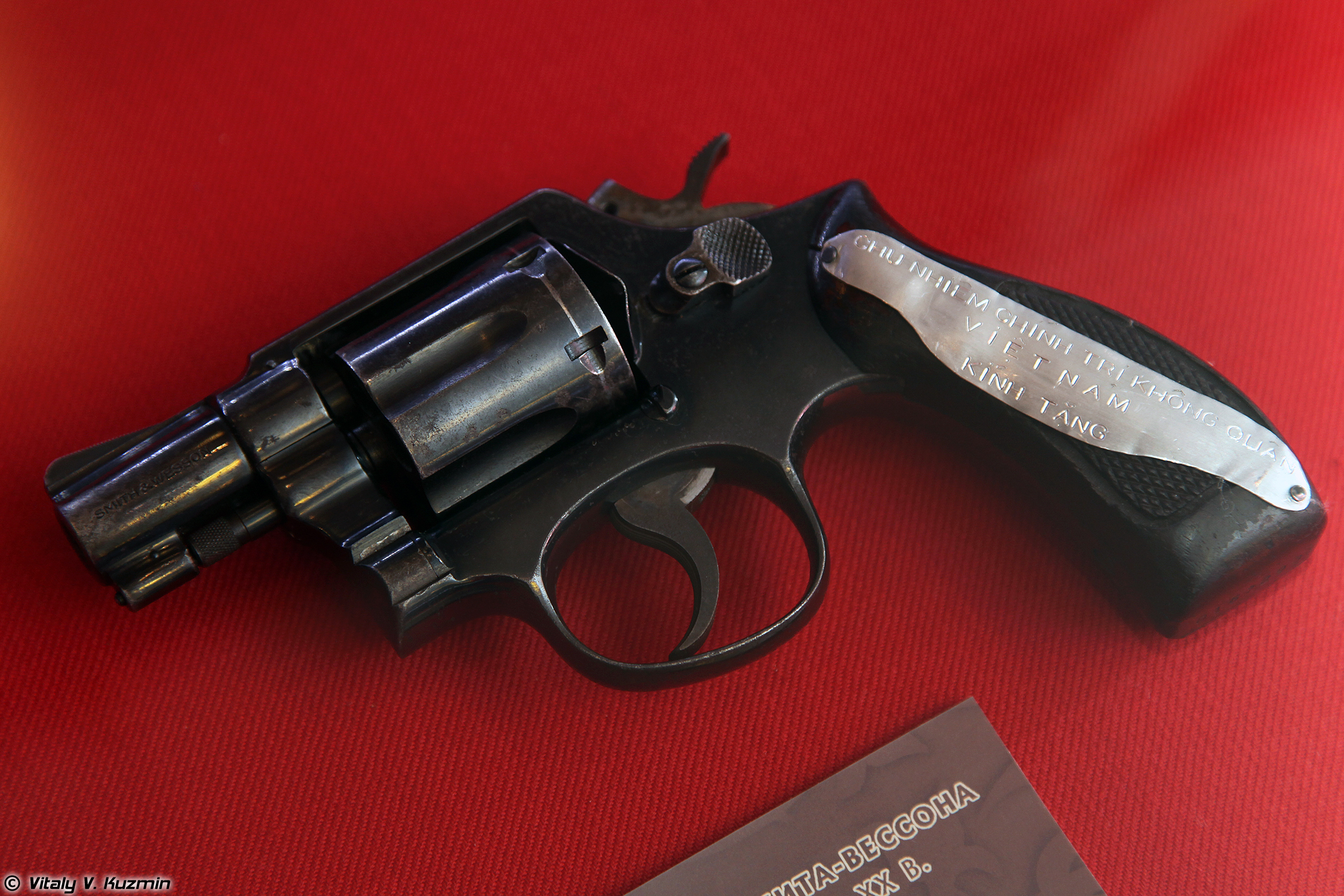
A small J-frame revolver can seem almost like two different firearms depending on how it is carried. Many versions have a 1.875-inch barrel and weigh roughly 12 to 15 ounces, depending on construction and model. In a proper pocket holster, the rounded profile and short barrel can make the revolver comparatively unobtrusive. On the belt, the same cylinder becomes a distinct part of the profile. Five-shot capacity also remains a defining numerical difference from many compact semiautomatics. Carry equipment largely determines how noticeable that shape becomes.
4. Colt 1911
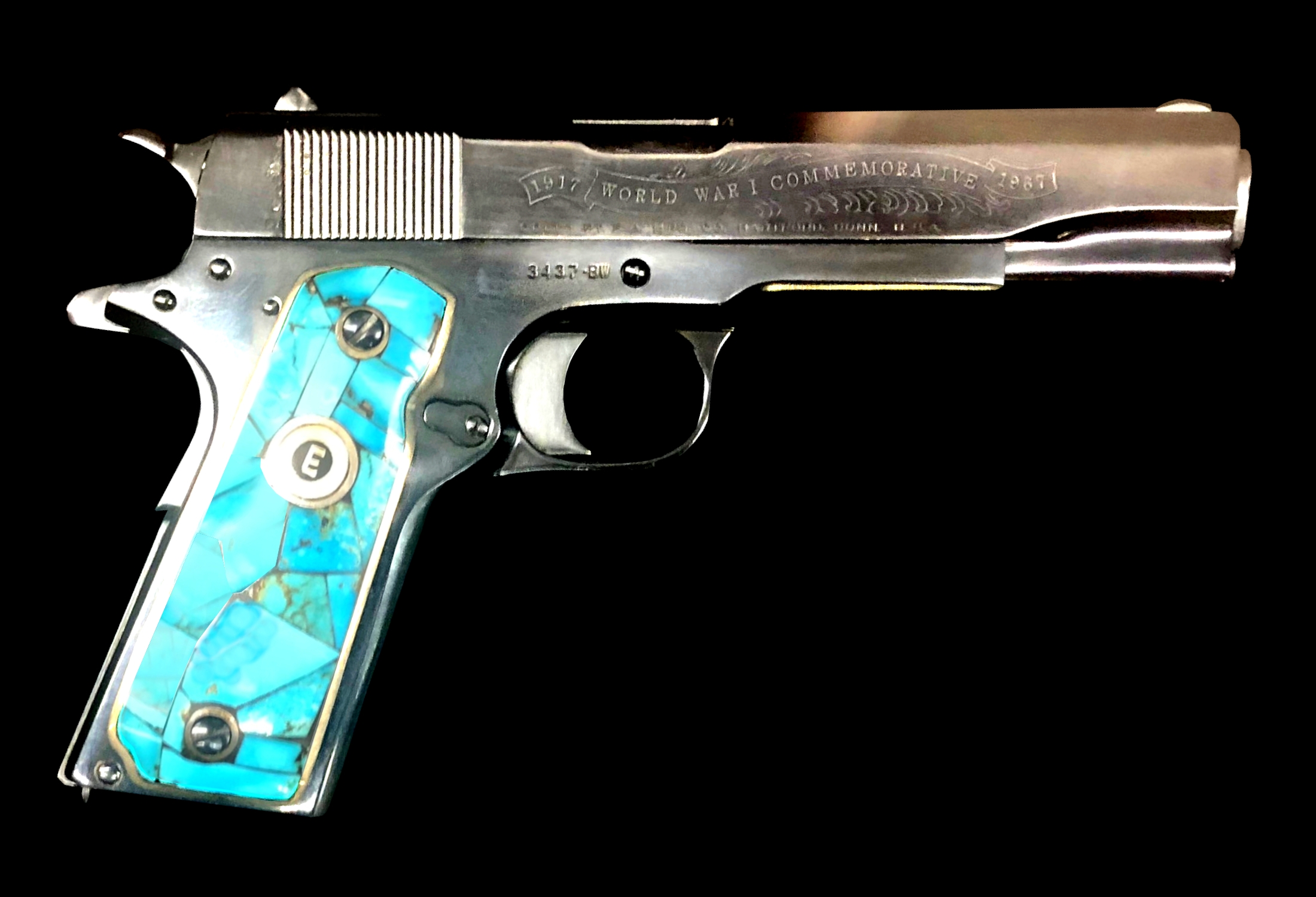
The 1911 is a clear example of how carry changes the practical feel of a firearm. A traditional Government model is about 8.5 inches long, with a 5-inch barrel, and many steel versions weigh around 39 ounces unloaded. That mass can feel reassuringly stable in a sturdy belt holster, but it becomes much more noticeable when concealed under ordinary clothing. A shoulder holster changes the weight distribution again, especially under a jacket. Its single-stack magazine also gives the grip a different profile from many modern double-stack pistols.
5. Ruger LCP
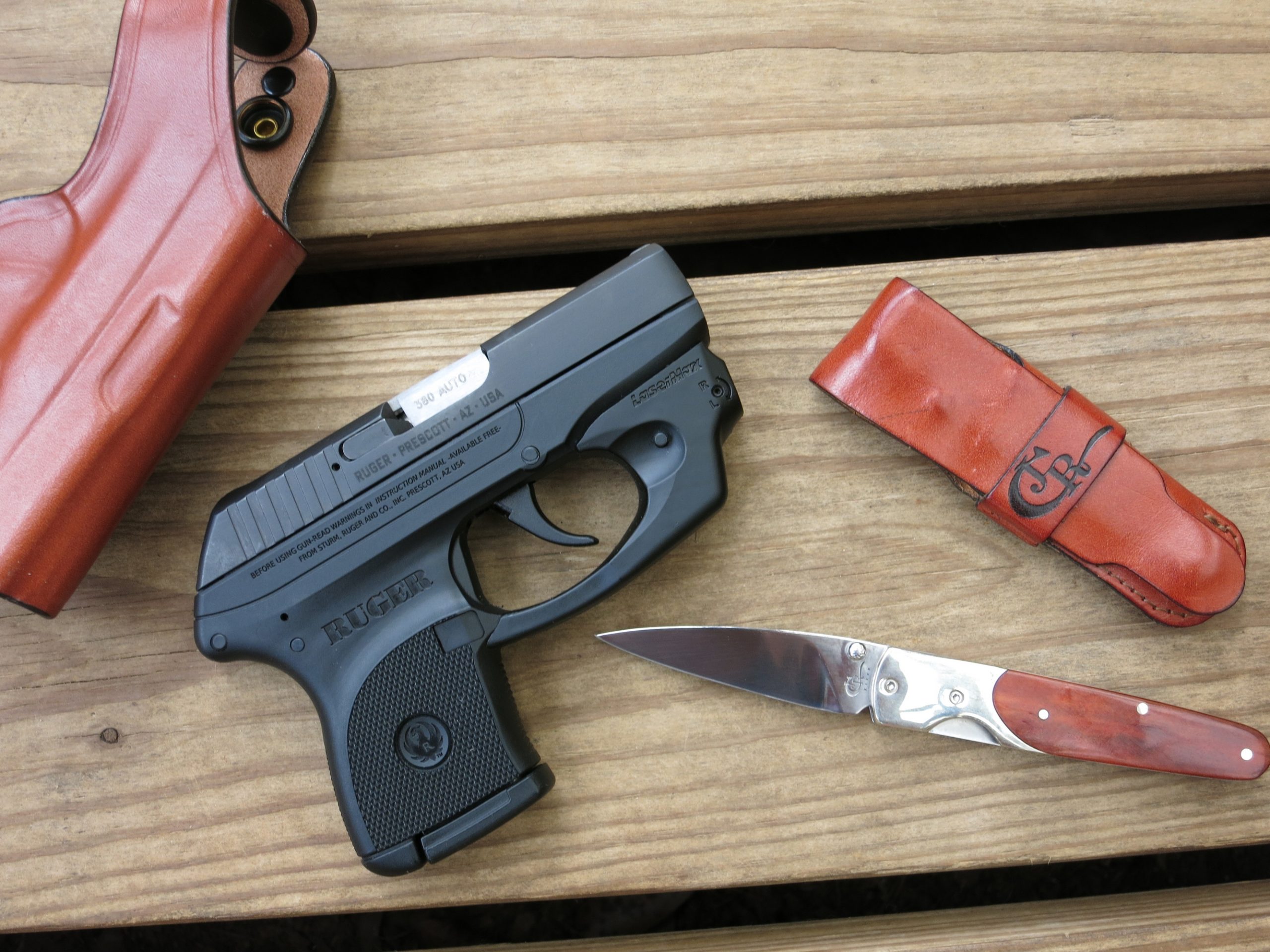
The Ruger LCP illustrates how a very small pistol can behave differently when the carrying environment changes. The original LCP is roughly 5.16 inches long, 3.6 inches high, and about 9.6 ounces unloaded. Those dimensions make pocket carry a defining part of its appeal, while waistband carry can make the same pistol feel less constrained by pocket size. The short grip and compact slide keep the overall package small, but they also create a different handling feel from larger pistols. Its 6-round magazine is another reminder of the capacity trade-off.
6. Glock 17
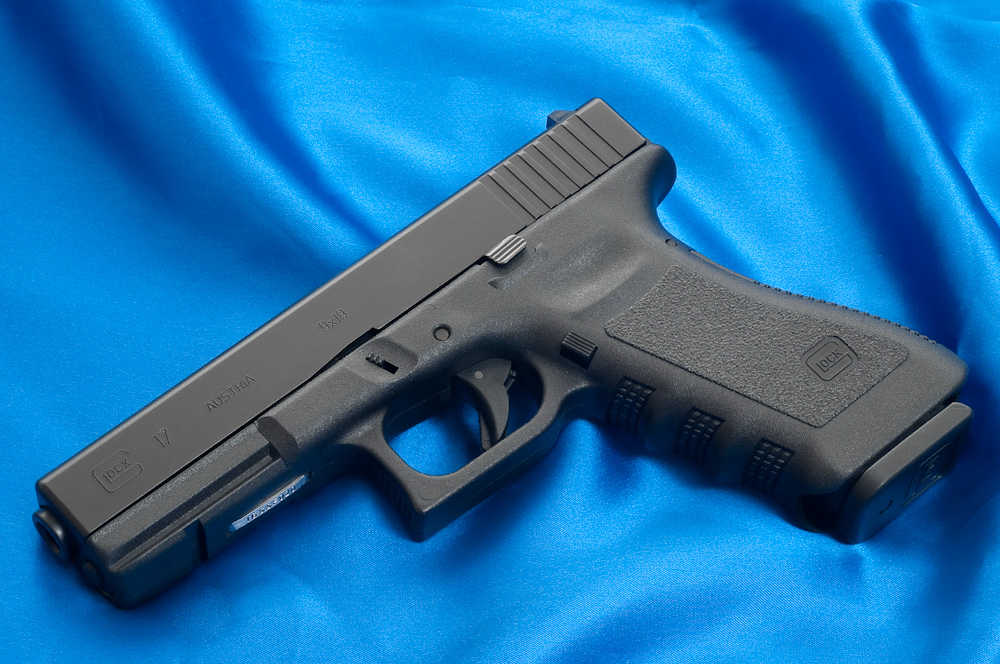
The Glock 17 makes the contrast between open and concealed carry especially obvious. It is about 8.03 inches long, 5.47 inches high, and 1.34 inches wide, with an unloaded weight of roughly 24.9 ounces. On a conventional belt setup, those dimensions are relatively easy to accommodate with suitable equipment and clothing. Concealing it under lighter clothing is more demanding because the longer slide and taller grip occupy more space. Its standard 17-round magazine also adds weight compared with slim carry pistols. Clothing and belt choice determine whether its size feels manageable.
7. SIG Sauer P365XL
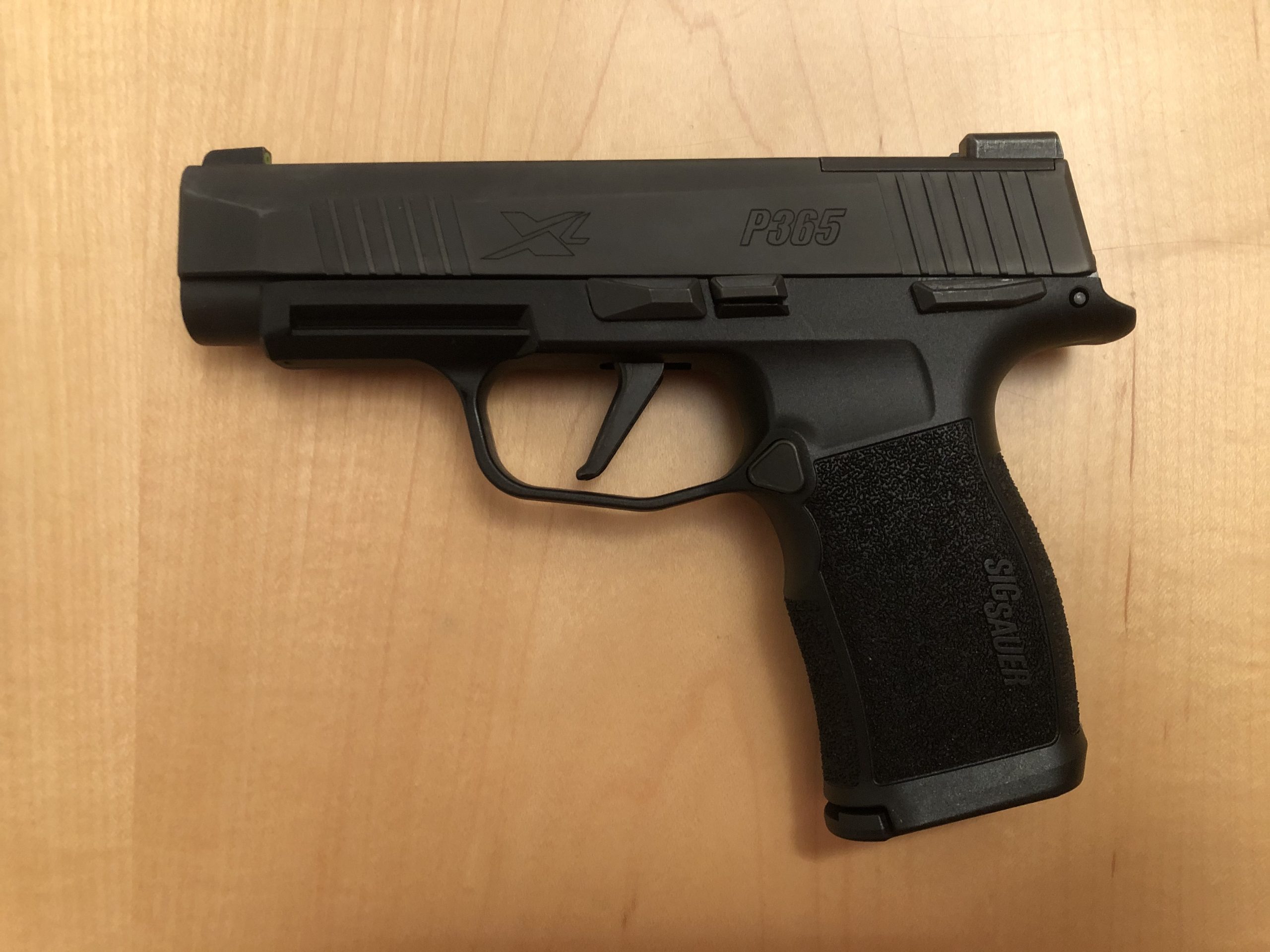
The P365XL demonstrates how modest dimensional changes can alter a carry experience. It keeps the P365 concept but stretches the package to roughly 6.6 inches long, 4.8 inches high, and 1.1 inches wide, depending on configuration. That extra length and height can provide a different balance in a waistband holster, while still retaining a slim profile. The model commonly uses 12-round magazines, giving it a capacity figure between many micro-compacts and larger compacts. Carry position therefore becomes an important part of how its size is perceived.
8. Smith & Wesson M&P Shield
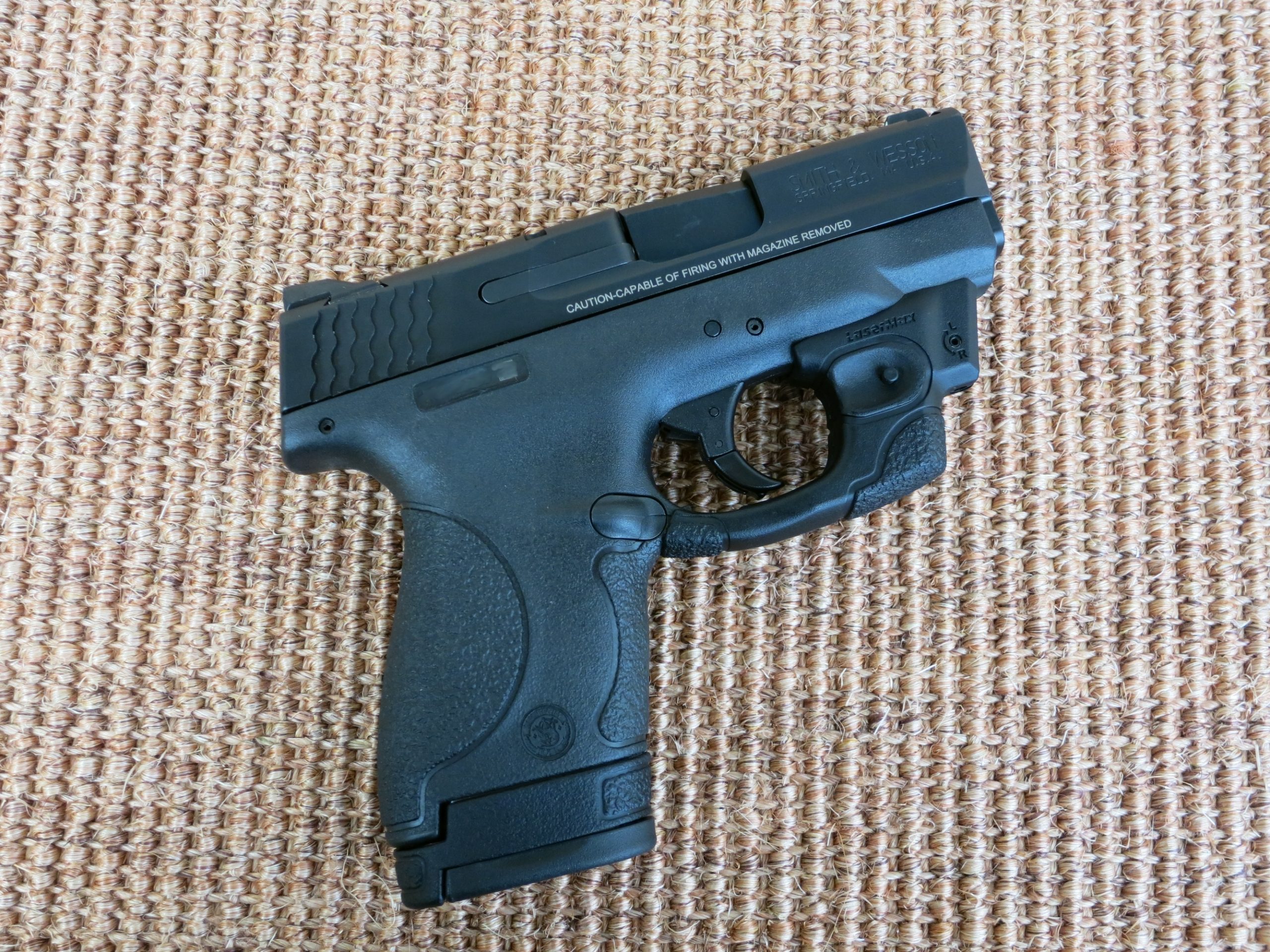
The M&P Shield family shows why width can matter as much as overall length when carrying a pistol. Depending on the version, a Shield is generally around 6.1 to 6.4 inches long and close to 1 inch wide, with capacity varying by model. In an inside-waistband holster, that narrow profile can sit closer to the body than many thicker double-stack pistols. An outside-waistband setup changes the equation by making the pistol easier to access but potentially more visible. Magazine size, commonly 7 or 8 rounds on earlier versions, also varies by generation.
9. Ruger LCR
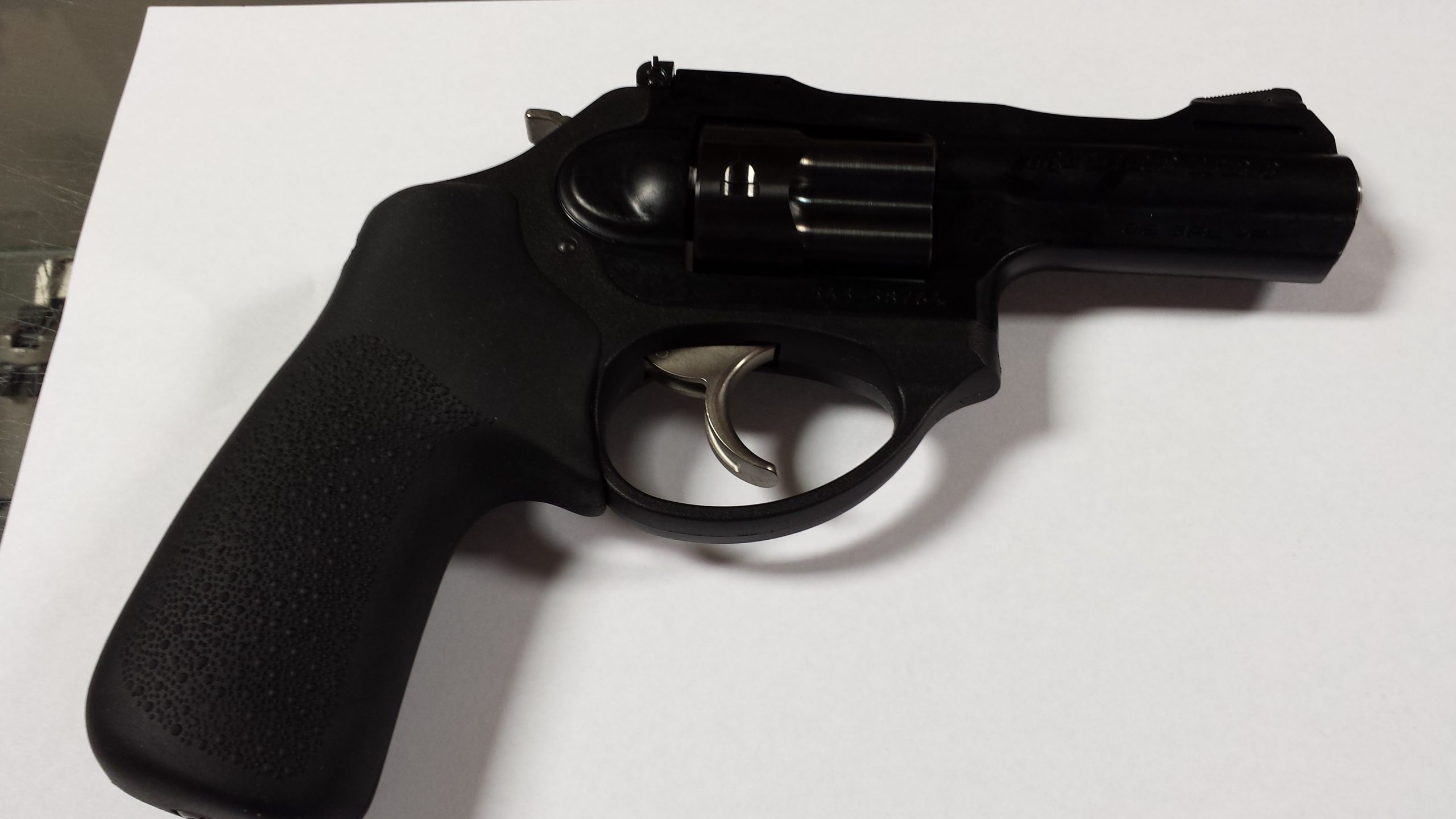
The Ruger LCR is a compact revolver whose lightweight construction can make its carry characteristics surprisingly different from traditional steel snubbies. Models commonly use a 1.87-inch barrel, while weights vary by caliber and materials, with some versions around 13.5 ounces. In a pocket holster, its rounded frame can remain compact, but belt carry makes the cylinder and grip more apparent. Its 5-shot capacity in common configurations also creates a different balance between size and ammunition capacity. The result is a revolver that feels strongly shaped by its carry method.
10. Glock 43
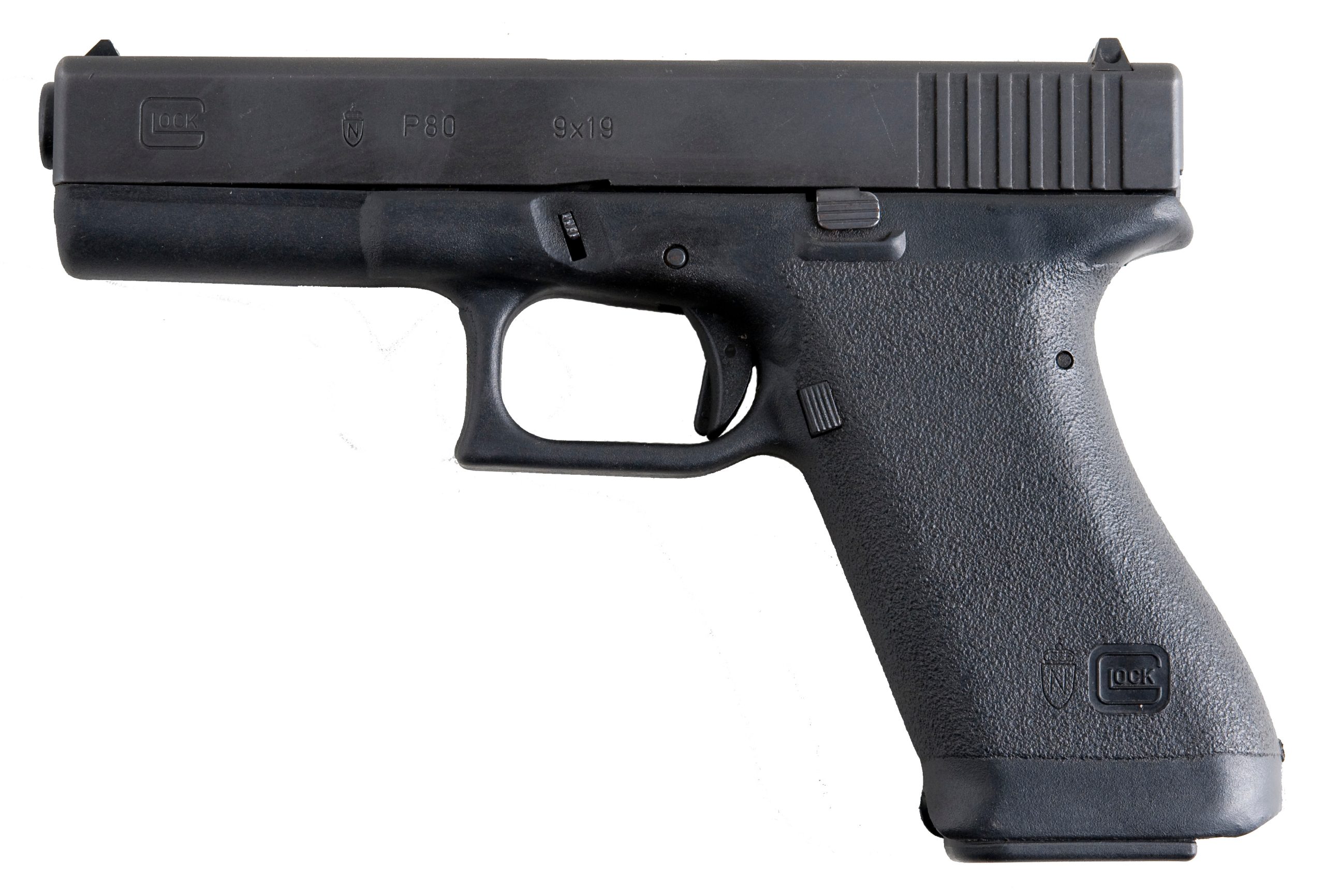
The Glock 43 shows how a single-stack design can change the way a familiar Glock feels when carried. It is about 6.26 inches long, 4.25 inches high, and 1.02 inches wide, with an unloaded weight near 17.99 ounces. Those figures make it slimmer and lighter than the Glock 19. Inside-waistband carry emphasizes that reduced width, while an outside-waistband holster can make the short grip and compact slide feel particularly accessible. Its standard 6-round magazine also highlights the capacity trade-off created by the thinner frame. Surrounding equipment changes its footprint.