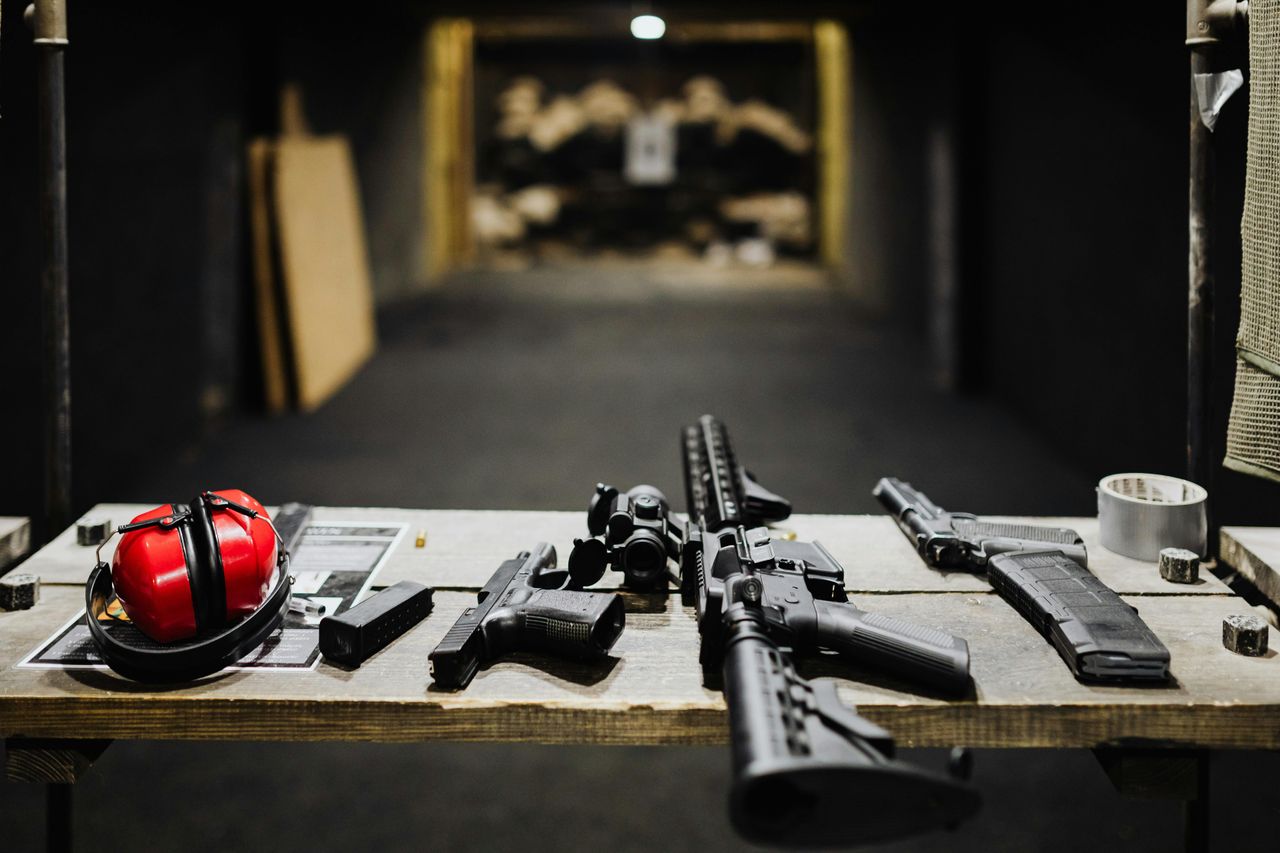
Walk into a gun store in rural Texas and you may see a very different bestseller rack than you would in a dense city shop in the Northeast or West Coast. The reasons go beyond politics, touching everything from ranch chores and feral hog control to apartment living, concealed carry habits, and local hunting traditions. These eight guns highlight how the same product can mean one thing in wide open country and something else entirely in urban America.
AR-15 Style Rifles

In rural Texas, the AR-15 often sells as a practical tool as much as a hobby gun. Buyers talk about coyote control, hog problems, and a rifle that can move from the truck to the back pasture without much fuss. Lightweight recoil, easy optics mounting, and familiar parts support make it a natural fit for everyday ranch use.
In many urban gun stores, the same rifle is more likely to be framed around range shooting, home defense, or collecting. Store staff may spend more time discussing compliance rules, transport, and storage in tighter living spaces. The rifle remains popular, but the sales conversation is usually less about land management and more about lifestyle fit.
Bolt-Action Deer Rifles
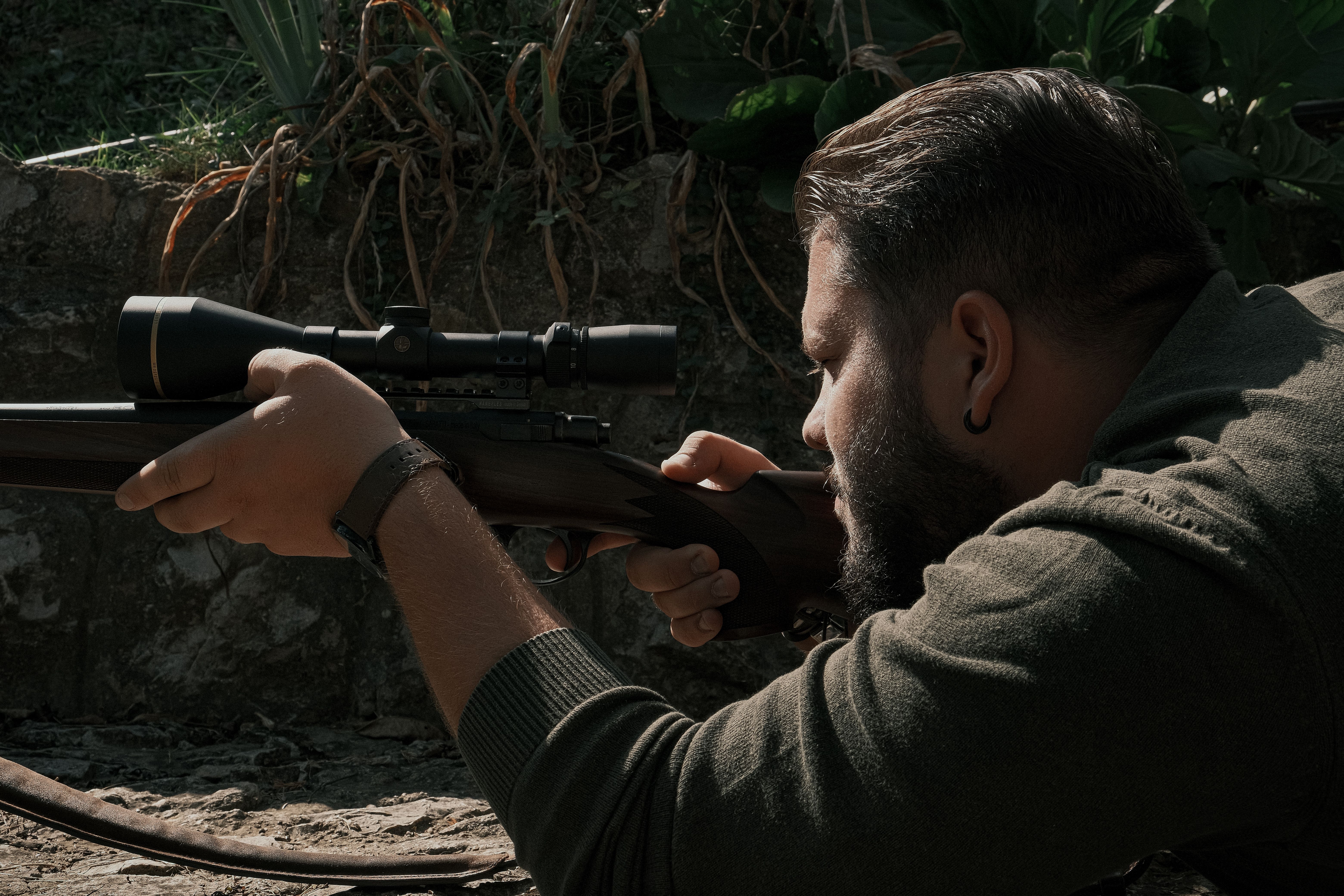
A classic bolt gun in calibers like .243, .270, or .30-06 still has deep roots in rural Texas. In many small towns, it is tied to deer season, family land, and a practical expectation that one rifle should last for years. Buyers often care about reliability, scope readiness, and whether the gun feels right in the field before sunrise.
Urban stores across the country may still sell plenty of bolt actions, but the customer base can look different. More sales lean toward first-time hunters, precision shooting newcomers, or shoppers building a seasonal hobby. In that setting, the rifle can feel less like a household staple and more like a specialized purchase with narrower use.
Pump Shotguns

The pump shotgun has long been a rural Texas favorite because it covers so much ground. One buyer may want it for dove season, another for home protection, and another for snakes or varmints around outbuildings. That kind of versatility matters in places where one firearm is expected to handle several jobs without drama.
In urban gun stores, pump shotguns often sell with defense first in mind. Buyers ask about barrel length, recoil, maneuverability in hallways, and basic dependability over polish. The same shotgun can be a farm-and-field workhorse in Texas, while in a city it is more often pitched as a simple, sturdy answer to personal security concerns.
Single-Action Revolvers

Single-action revolvers carry a special kind of appeal in rural Texas, where heritage and daily life still overlap in visible ways. Some buyers want them for cowboy action shooting, some for trail carry, and some simply because the shape and handling feel connected to local identity. In that setting, nostalgia and function are not always separate categories.
In urban stores elsewhere, single-actions tend to move more as collector pieces or passion purchases. They may draw buyers who appreciate old-school craftsmanship, but not necessarily those seeking an everyday utility gun. That changes the sales pitch completely, from practical sidearm with regional meaning to a stylized firearm that stands apart from modern carry options.
Compact 9mm Pistols

Compact 9mm pistols sell almost everywhere, but the motivation can vary sharply. In urban gun stores, they often dominate because they match concealed carry needs, commuting routines, and the realities of apartment or condo living. Buyers want slim profiles, manageable recoil, and enough capacity to feel current without carrying something bulky.
In rural Texas, compact 9mms still move well, yet they may share attention with full-size pistols, revolvers, and truck guns. A buyer who spends more time on open land may not prioritize deep concealment in the same way as someone navigating crowded sidewalks and public transit. The category stays strong, but it is less likely to crowd out everything else.
Large-Caliber Revolvers

Big revolvers in .357 Magnum, .44 Magnum, or even larger chamberings can have a very different life in rural Texas. They appeal to buyers who spend time outdoors, keep a sidearm in a vehicle, or simply want something rugged and straightforward for remote property. The emphasis is often on durability, power, and confidence in harsh conditions.
In urban stores, those same revolvers may be admired more than adopted. They are heavier, louder, and harder to conceal than many buyers want for daily carry, which makes them more of an enthusiast’s choice. What feels sensible on a ranch or long gravel road can seem oversized in a city where convenience drives more purchase decisions.
Rimfire Rifles

The humble .22 rifle remains one of the smartest sellers in rural Texas because it fits so many roles. It is often a training rifle, a small-game gun, a pest-control option, and a low-cost way to spend an afternoon shooting on private land. Many families see it as the natural starting point for responsible marksmanship.
Urban stores still sell rimfires steadily, but the usage pattern can shift toward range practice and budget-conscious fun. Without easy access to land or informal shooting spaces, buyers may not think of a .22 as an all-purpose household firearm. In rural Texas, it often feels woven into daily life, while in cities it can read more like an affordable specialty purchase.
Semi-Auto Hunting Shotguns
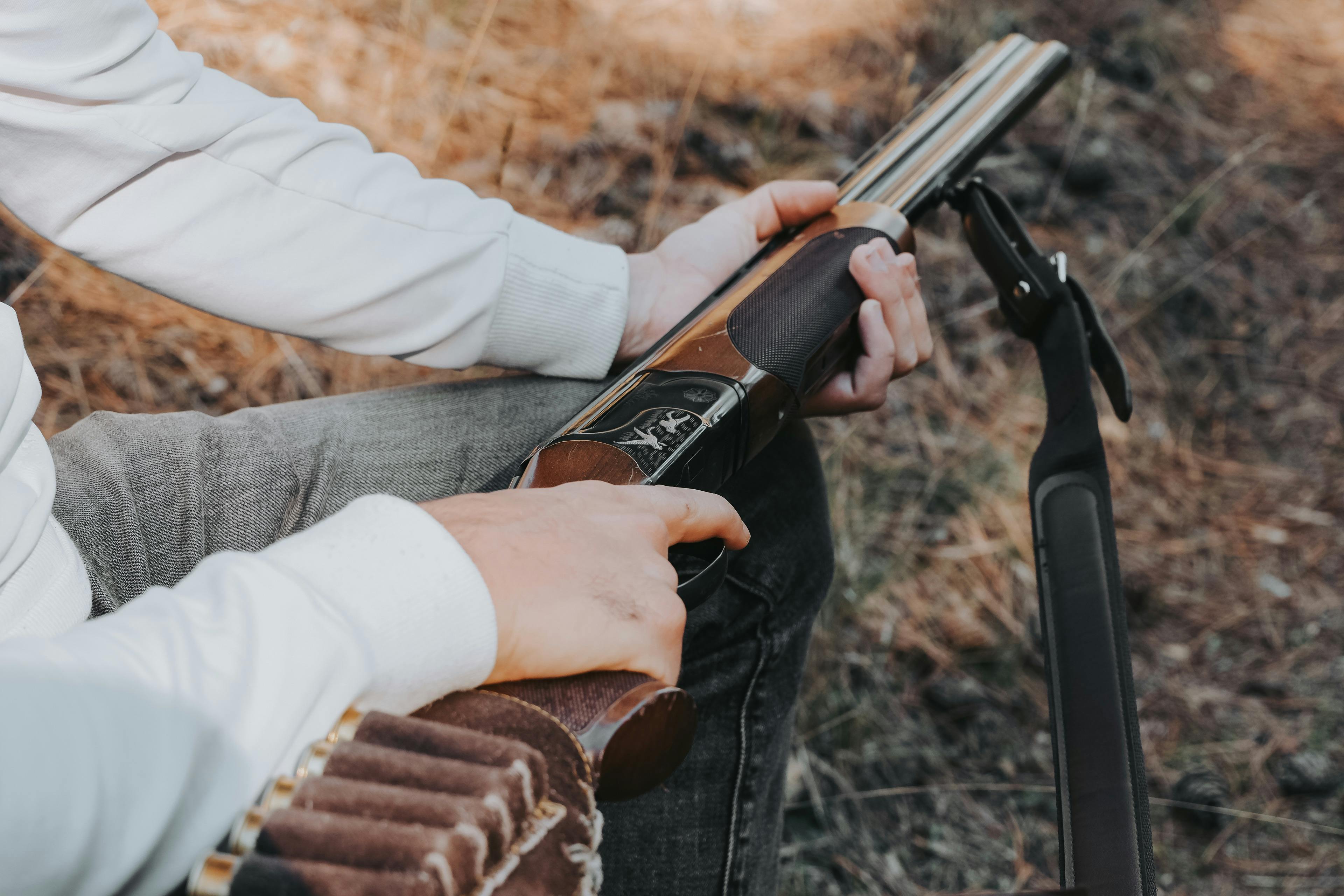
Semi-auto shotguns tend to find an especially natural audience in rural Texas, where bird hunting is part of the local rhythm in many communities. Buyers shopping for dove, duck, or turkey season often focus on reliability, recoil reduction, and how the gun shoulders after long hours in the field. There is a clear use case, and it comes up every year.
In urban gun stores, semi-auto shotguns are more likely to sell to dedicated hunters or sport shooters rather than the broader walk-in crowd. They can seem specialized compared with handguns or defensive long guns that match city concerns more directly. In Texas farm and ranch country, though, that specialization is exactly why the category stays relevant and moves.