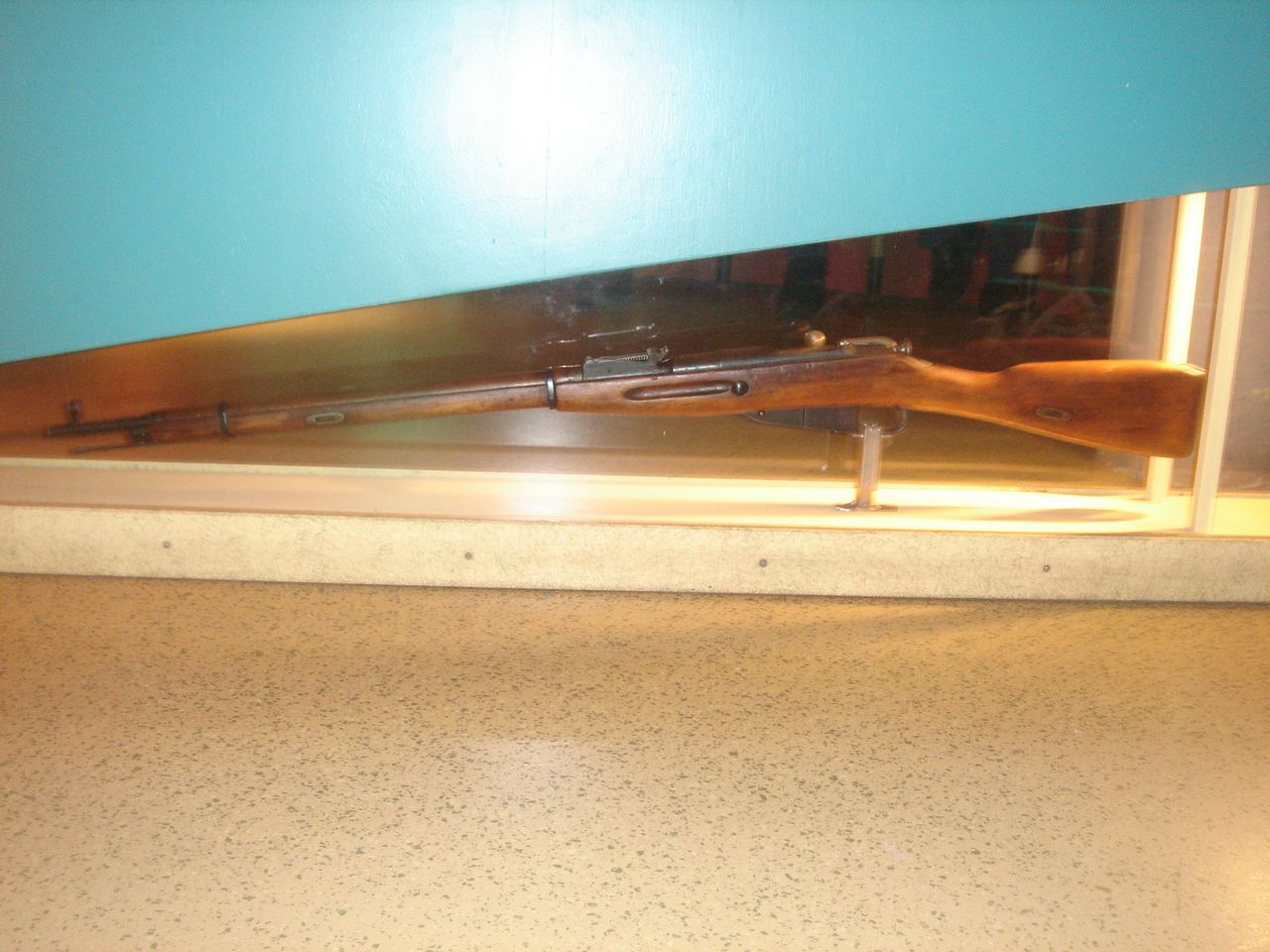
Most people think of the Mosin-Nagant as one rifle with a few familiar versions, but the family tree is much stranger than that. Across empires, civil wars, and rebuild programs, lesser-known variants appeared with unique markings, features, and stories. This gallery highlights nine Mosin-Nagant types that often slip past newer surplus buyers, even though they add some of the most interesting context to the platform.
M1891 Cossack Rifle
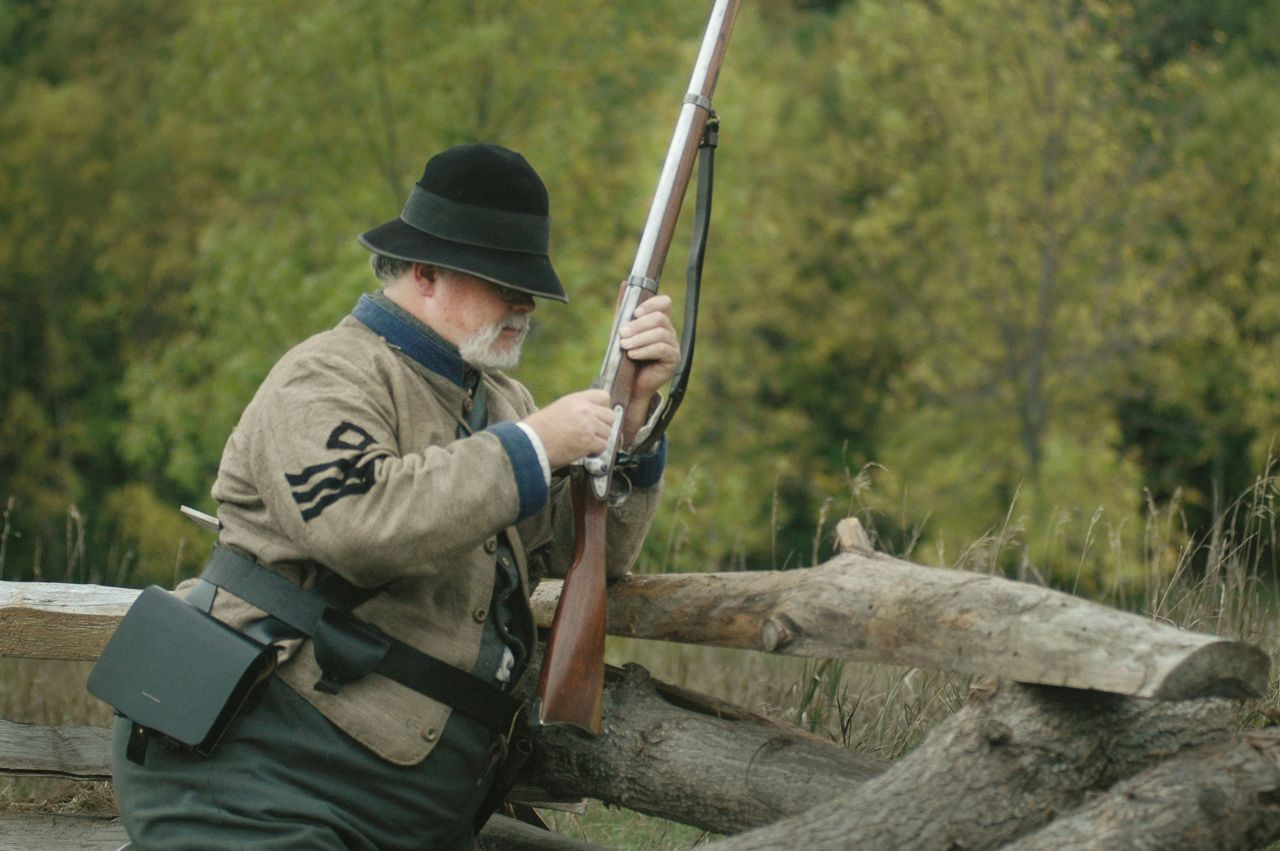
The M1891 Cossack rifle is one of those names that longtime collectors know, while many casual buyers never encounter one in person. It closely resembles the Dragoon pattern, but it was intended for Cossack troops and set up around different handling expectations. That subtle distinction makes it easy to miss unless you already know what to look for.
Original examples are notably scarce, and that rarity is part of the appeal. Matching period features, early markings, and correct configuration matter far more than perfect finish. For someone interested in the Mosin beyond the standard 91/30 story, the Cossack rifle opens a window into how specialized Imperial military contracts shaped the platform before the Soviet era standardized so much of it.
Finnish M24 Lotta Rifle

The Finnish M24, often linked with the Lotta Svard organization, is one of the most character-rich Mosin variants in the collecting world. Finland took captured and inherited Russian rifles, then rebuilt and refined them in ways that gave these guns a distinct identity. The M24 reflects that early Finnish effort to improve accuracy and quality rather than simply issue whatever was on hand.
Buyers often notice the different barrel makers, the civil guard connection, and the noticeably more deliberate Finnish approach to fit and finish. It is not just a Mosin with a different stamp. In many ways, it represents the moment when Finland began turning a Russian service rifle into something that felt unmistakably Finnish.
Finnish M27rv
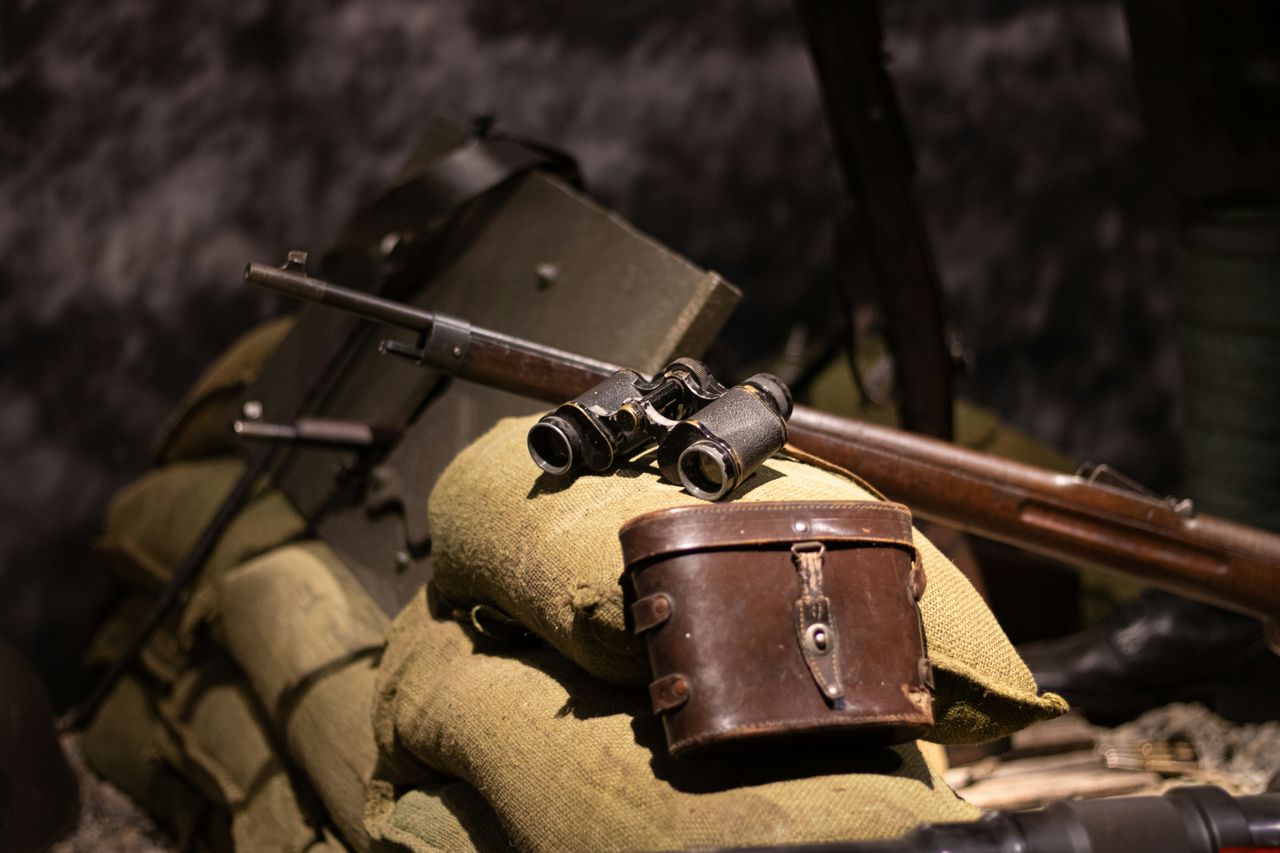
The Finnish M27rv is a cavalry variation that rarely gets the same attention as more commonly discussed Finnish Mosins. The rifle is notable for its adaptations for mounted use, and its unusual sling arrangement immediately separates it from standard infantry configurations. That practical little difference gives the gun a very specific military purpose and a lot of personality.
Because Finnish Mosins already attract serious collectors, the M27rv can disappear into broader conversations about the M27 family. That is a mistake, since this version tells its own story about mobility, doctrine, and Finnish field needs. For surplus buyers who enjoy variants with visibly different hardware, the M27rv is one of the most distinctive Mosins to study.
Finnish M28-30

If one Mosin variant best demonstrates how far Finland refined the design, it may be the M28-30. This rifle has a strong reputation for improved sights, careful barrels, and excellent shooting characteristics, all while retaining the familiar Mosin action underneath. It is a favorite among enthusiasts who appreciate performance history as much as military history.
The M28-30 also carries prestige because of its association with Finnish marksmanship and the broader reputation of Finland’s interwar rifle development. To a newer buyer, it might just look like another long Mosin. To a more informed collector, it is one of the high points of the entire family, blending battlefield necessity with genuine precision-minded craftsmanship.
Polish M44
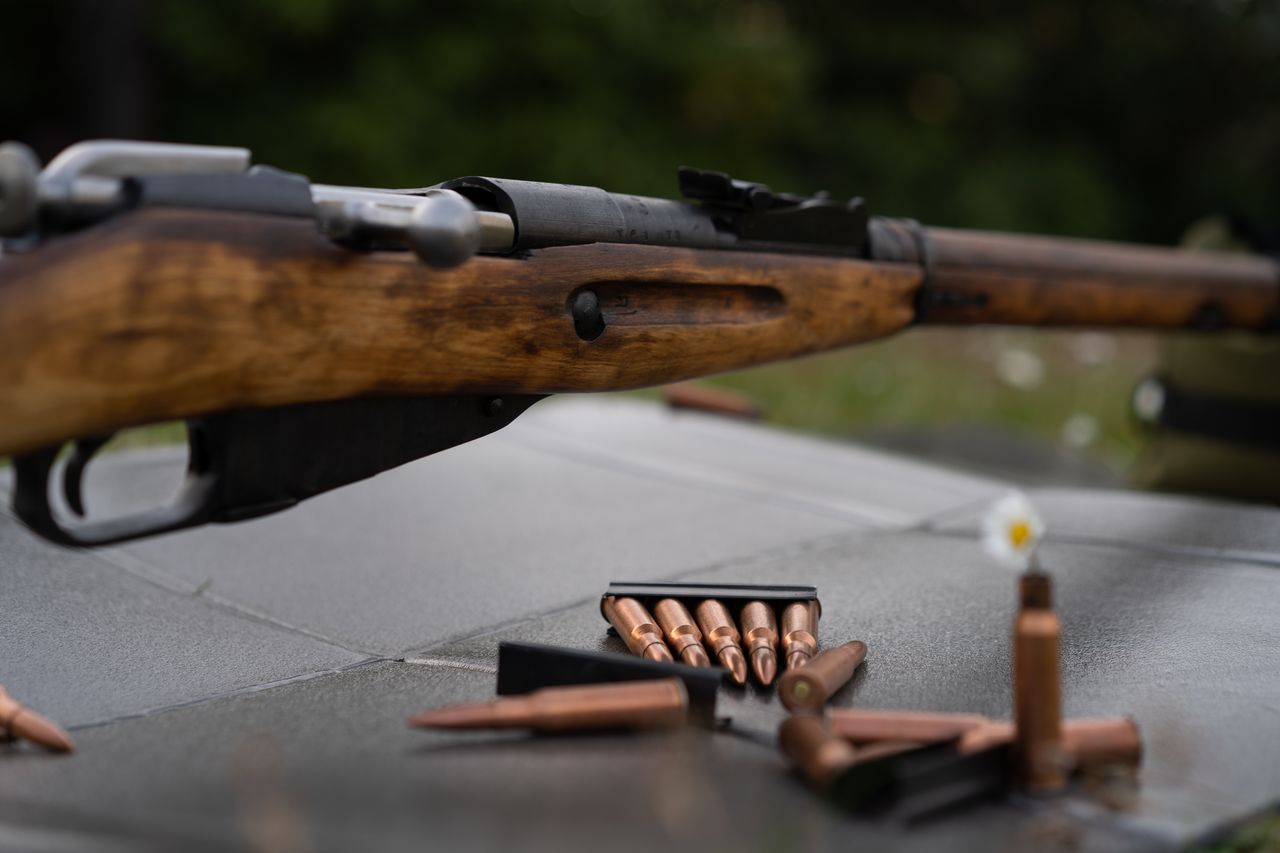
Many surplus buyers know the Soviet M44, but fewer realize that Polish production deserves special attention of its own. The Polish M44 follows the familiar folding-bayonet carbine format, yet it often stands out for fit, machining quality, and national markings that separate it from Soviet examples. That makes it a favorite for collectors who want a more nuanced take on a common pattern.
Because the overall shape looks so recognizable, newcomers sometimes pass by a Polish M44 without understanding why more experienced buyers pause. Arsenal codes, finish, and production details tell the real story. It is a good reminder that not every Mosin variant is about radical design change. Sometimes the overlooked difference is who made it, and how well.
Romanian M44
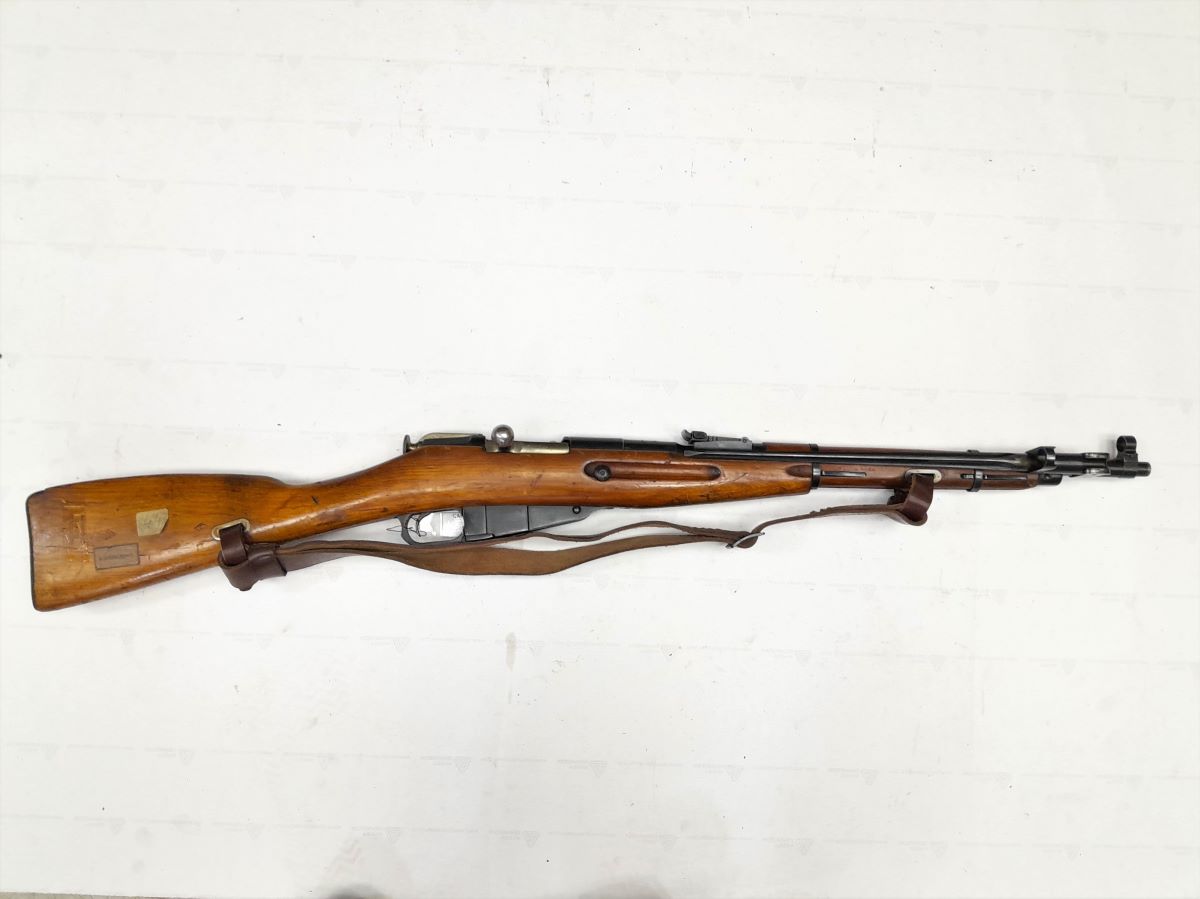
The Romanian M44 is another variant that gets overshadowed by its Soviet cousin, even though it occupies an interesting place in Cold War surplus collecting. Produced after the Second World War, it reflects how the Mosin design persisted across borders long after many people assume its story ended. Romanian examples bring their own markings, production traits, and collecting appeal.
For the average buyer, it can be easy to lump every side-folding Mosin carbine into one bucket. Seasoned collectors know better. Romanian rifles often attract attention because they feel just familiar enough to be approachable, yet distinct enough to reward a closer look. It is a strong example of how national production history can turn a seemingly common model into a specialized collecting niche.
Chinese Type 53
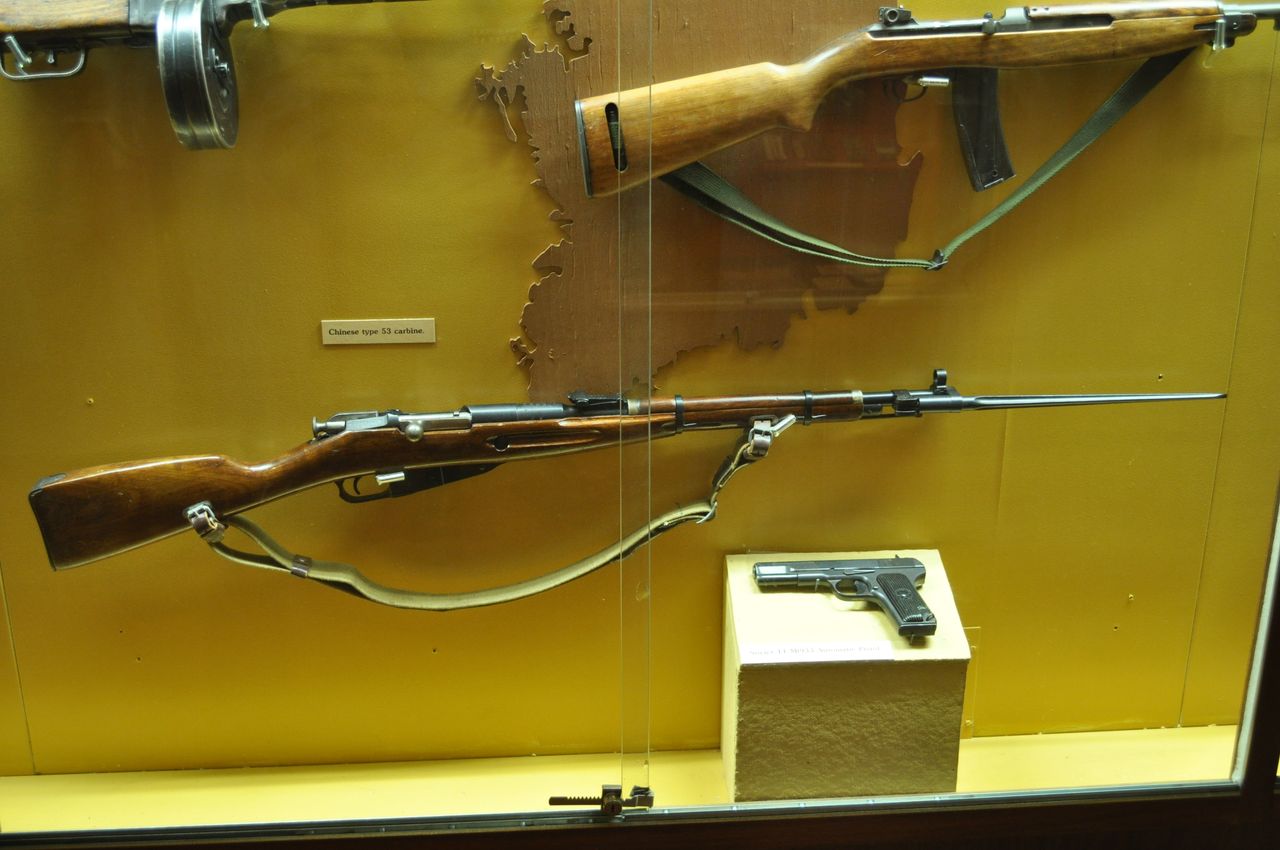
The Chinese Type 53 is sometimes treated as merely a copy of the Soviet M44, but that undersells its place in military history and the surplus market. This carbine emerged in a very different national context and often shows the hard use that came with decades of service. As a result, examples can range from surprisingly sharp to thoroughly worn and battle-scarred.
That visible wear is part of what makes the Type 53 compelling. It often feels less like a polished collector piece and more like an artifact that clearly lived a long working life. For buyers willing to look past rough stocks or finish loss, the Type 53 offers both affordability and historical texture in a way few cleaner surplus rifles can match.
French M27 Colonial Contract
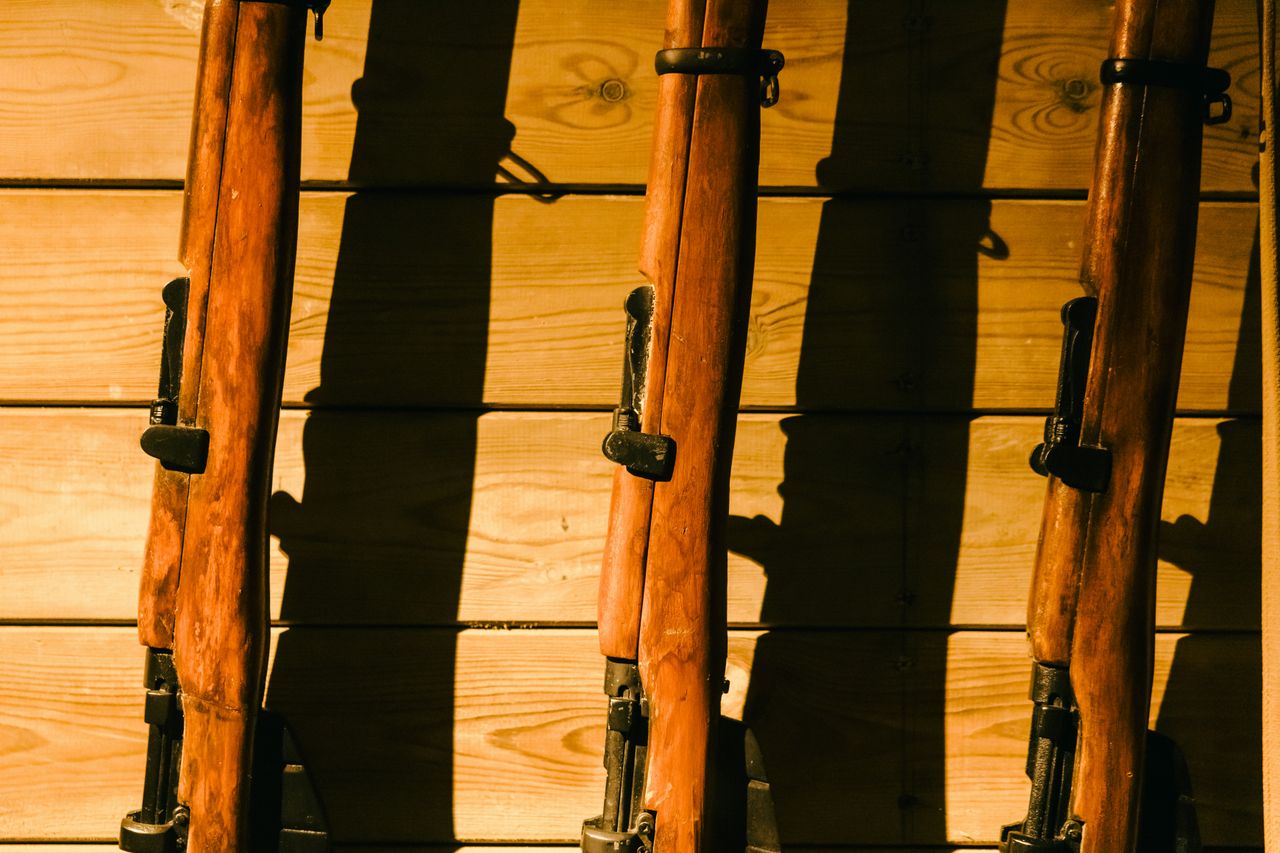
The French M27 colonial contract Mosin is one of the most obscure branches on the family tree, and that obscurity is exactly why it fascinates collectors. These rifles tie the Mosin design to a less obvious international story, showing how the platform reached beyond Russia, Finland, and the usual Eastern Bloc conversation. It is a reminder that military procurement often moved in unexpected directions.
Because so few people encounter one, this variant can feel almost mythical compared with standard surplus rack guns. Identification depends heavily on careful study of markings, configuration, and provenance. For enthusiasts who enjoy the odd corners of arms history, the French colonial contract examples represent the kind of Mosin that turns a simple collection into a real research project.
Spanish Civil War Mosins
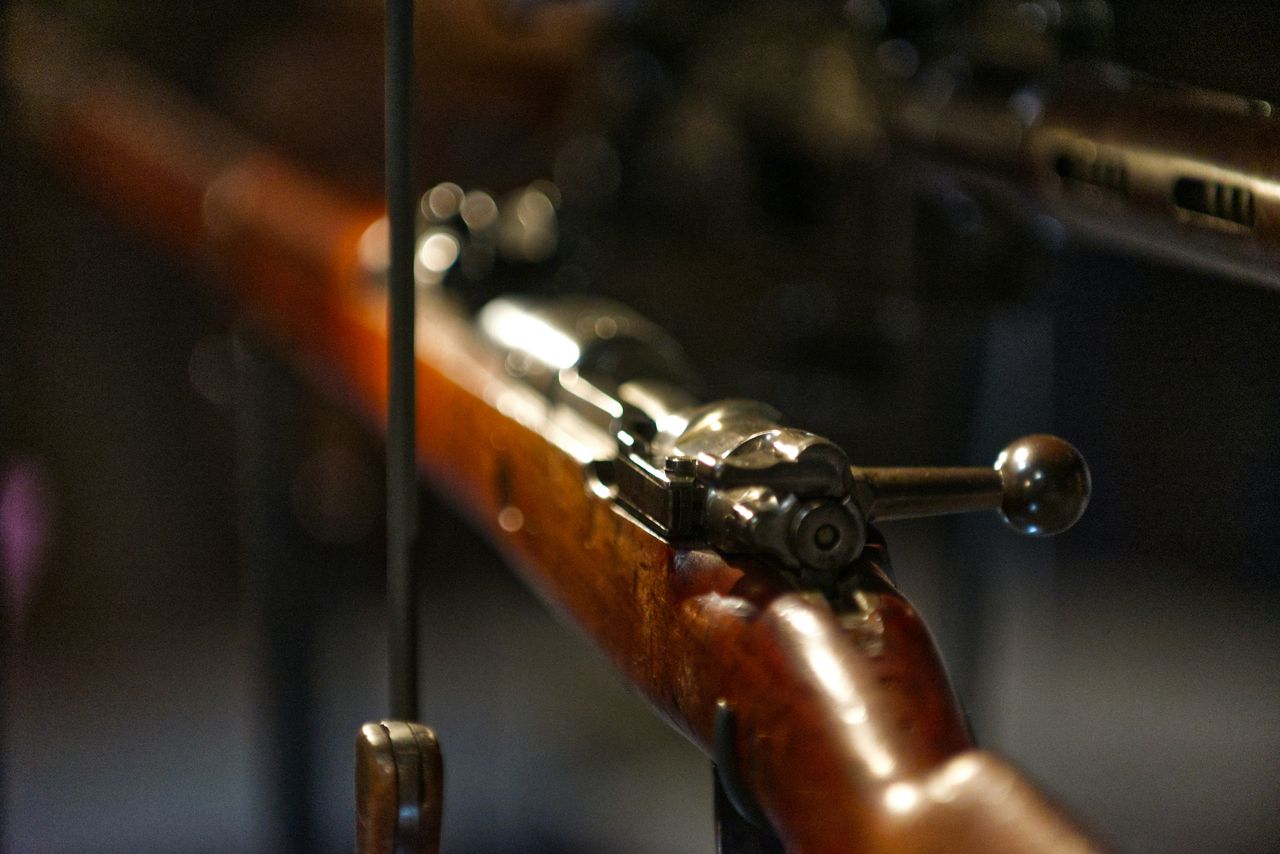
Mosins used in the Spanish Civil War are not a single factory variant in the usual sense, but they form one of the most intriguing collecting categories connected to the platform. Rifles sent into that conflict can carry a mix of origins, later markings, and hard-service clues that make each one feel like a historical puzzle. Provenance matters enormously here.
What draws buyers is not simply rarity, but narrative. A Spanish Civil War Mosin can connect Imperial Russian manufacture, Soviet aid, and European conflict in one object. That layered history gives these rifles an appeal that goes far beyond model designation alone. For surplus enthusiasts who enjoy detective work, few Mosin-related finds are as rewarding or as conversation-starting.