A long walk is great, but for some dogs, physical exercise is only half the equation. These breeds were built to herd, hunt, retrieve, guard, or solve problems alongside humans, which means boredom can show up fast when their minds are underused. If you have one of these dogs, a few puzzle toys and the occasional game of fetch may not be enough.
Border Collie

Border Collies are often treated like they just need a big yard and a tennis ball, but that barely scratches the surface. These dogs were developed to make split-second decisions while herding livestock, and that problem-solving drive does not turn off when they come home.
When they do not get enough mental work, they can invent jobs that owners definitely did not assign. That might look like shadow chasing, obsessive staring, frantic circling, or trying to herd kids, cats, and guests.
They usually thrive with advanced obedience, trick training, scent work, agility, and rotating puzzle games that actually make them think.
Australian Shepherd
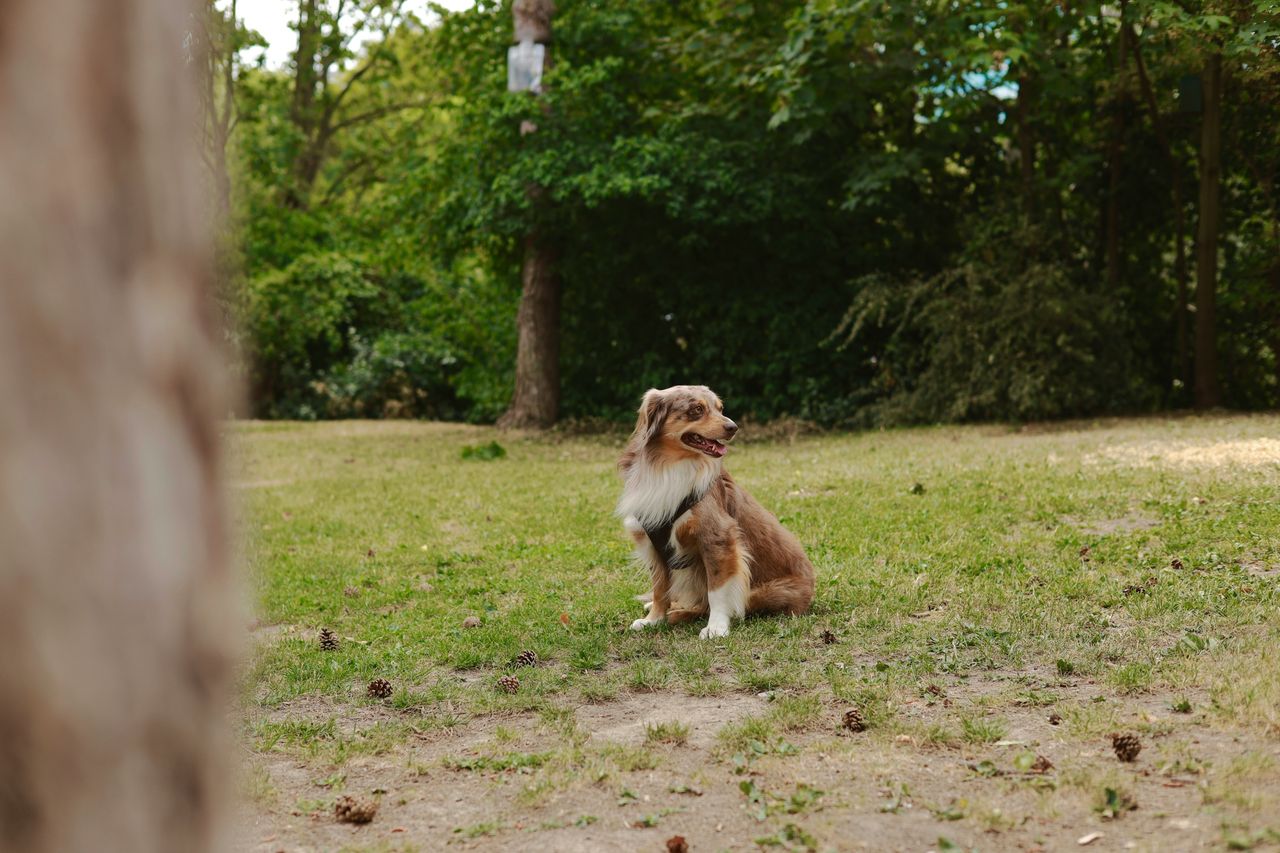
Australian Shepherds have that cheerful, fluffy family-dog look, which can fool people into thinking they are easygoing. In reality, they are bright, intense workers that tend to notice everything and want a role in whatever is happening around them.
A simple neighborhood walk may leave their body a little tired, but their brain still buzzing. Without training games, new tasks, or some kind of challenge, they can become noisy, restless, or a little too enthusiastic about managing the household.
They shine when owners mix up routines with rally, herding-style games, hide-and-seek, and frequent short training sessions that keep them engaged.
Belgian Malinois

The Belgian Malinois has become famous for athleticism and serious working ability, but the real surprise for many owners is how much mental engagement this breed expects every day. This is not a dog that is satisfied being exercised physically and then left to coast.
Malinois tend to crave structure, tasks, and interaction. If they do not have enough to do, they can become destructive, hyper-focused, and hard to settle because their brains are still looking for the next assignment.
That is why experienced handlers often lean on advanced training, scent games, controlled tug work, obedience drills, and routines that challenge impulse control as much as energy levels.
German Shepherd
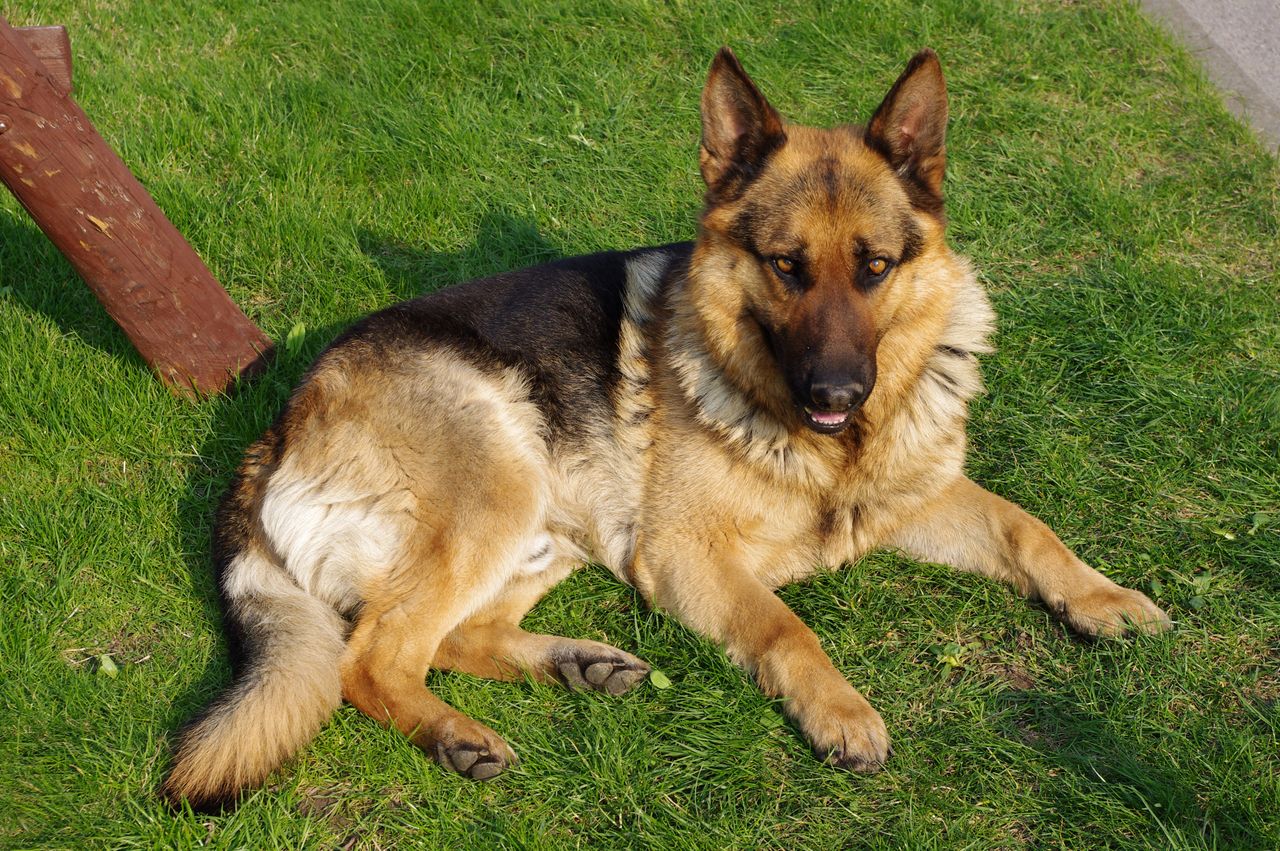
German Shepherds are famous for loyalty and versatility, but their intelligence can catch casual owners off guard. They are observant dogs that like patterns, jobs, and clear expectations, which means they usually notice boredom long before their humans do.
A shepherd that is under-stimulated may become reactive, vocal, anxious, or overly fixated on guarding the home. It is not always about bad behavior so much as a smart dog trying to direct all that awareness somewhere.
These dogs often do best when daily life includes obedience refreshers, nose work, tracking games, interactive toys, and practical tasks that make them feel involved instead of sidelined.
Poodle

Poodles still get underestimated because of outdated stereotypes about looks, but they are among the sharpest dogs around. Originally bred as working retrievers, they are quick learners with a knack for reading people and figuring out patterns almost immediately.
That intelligence is charming until they get bored and start making their own entertainment. Some become demanding, mischievous, or oddly inventive, especially if they realize certain antics reliably get a reaction.
They usually love trick training, object names, puzzle feeders, hide-and-seek, and games that reward memory and precision. A poodle that gets regular mental challenges often feels noticeably more settled and satisfied at home.
Shetland Sheepdog

The Shetland Sheepdog may be compact and elegant, but mentally, this breed is all business. Shelties are bright, sensitive, and highly tuned in to movement and routine, which makes them excellent learners and also very aware when life gets repetitive.
Because they pick things up quickly, owners sometimes stop challenging them once the basics are mastered. That is usually when the barking, pacing, or hyper-vigilant behavior starts creeping in, especially in busy households.
They tend to flourish with regular trick work, agility foundations, shaping games, and short sessions that ask them to think rather than just follow familiar commands on autopilot.
Jack Russell Terrier
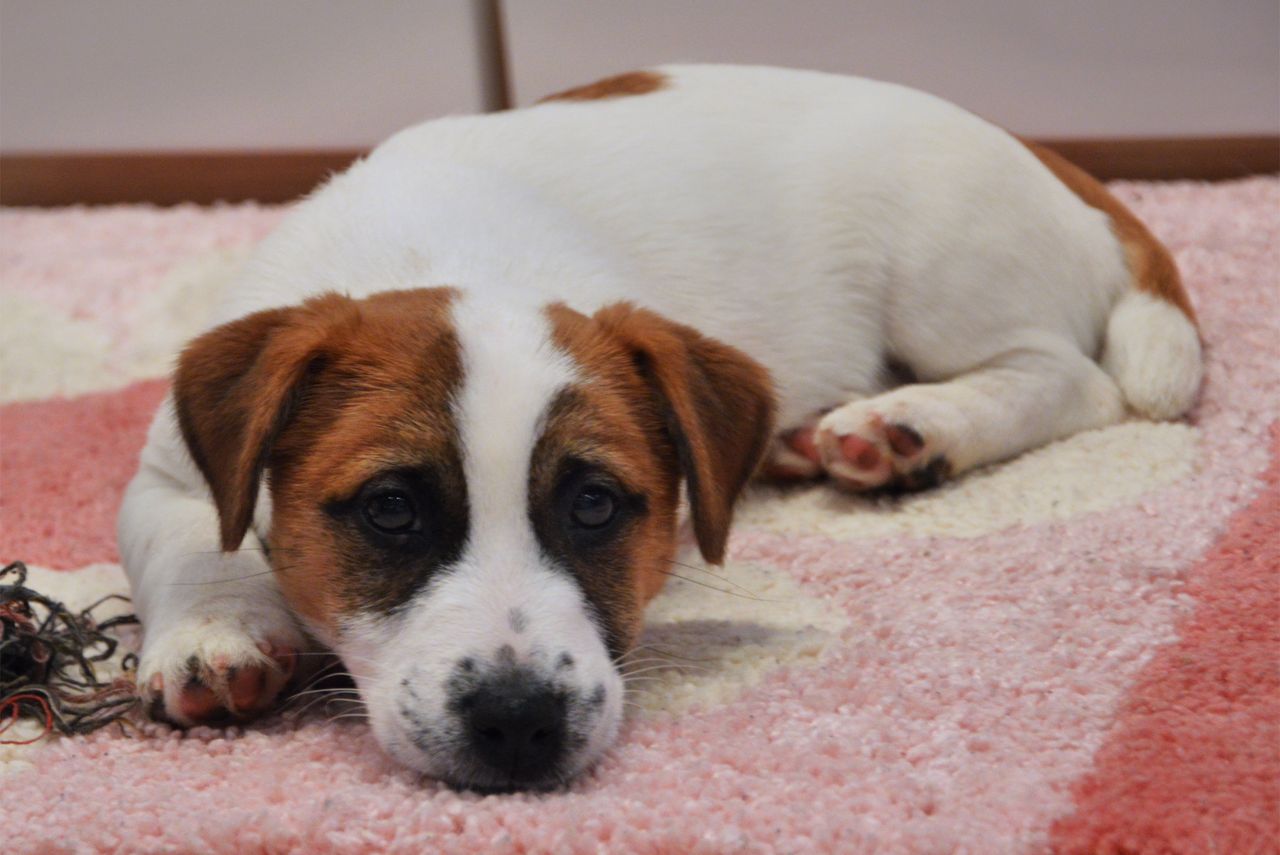
Jack Russells are small, funny, and bursting with personality, but they are not low-maintenance just because they are little. These terriers were bred to hunt with determination and independence, so their brains are always scanning for movement, opportunity, and excitement.
If their days feel too predictable, they may channel that energy into digging, barking, escaping, or generally turning the house into a personal obstacle course. They are clever enough to create chaos and athletic enough to enjoy it.
They often need training games with a purpose, food puzzles that are actually challenging, scent hunts, and frequent chances to use their body and brain together.
Doberman Pinscher
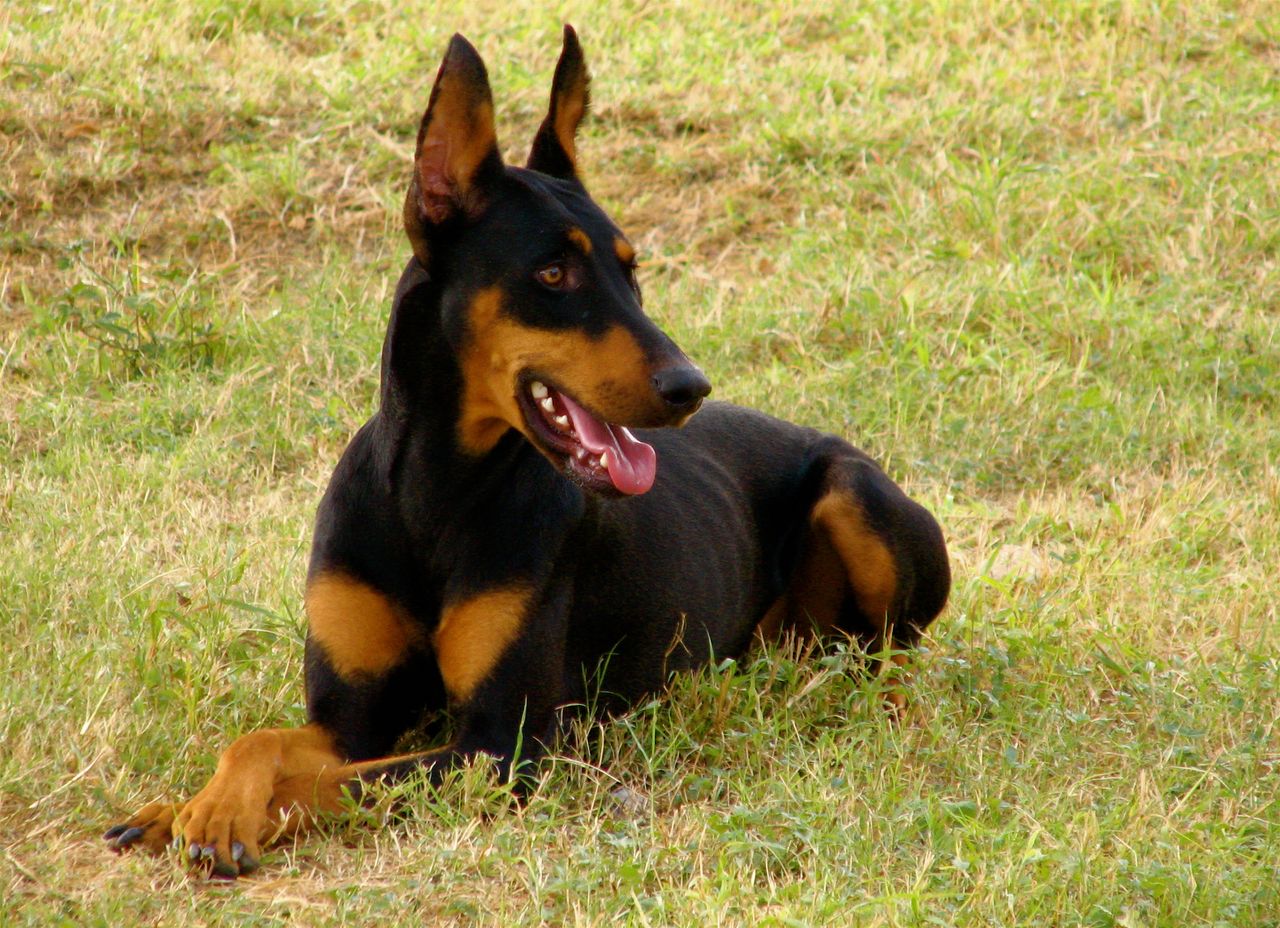
Dobermans are sleek and powerful, but what surprises many owners is how mentally present they are. They tend to watch their people closely, learn routines fast, and respond best when they feel like active participants instead of decorative pets.
Without enough engagement, some Dobermans become clingy, frustrated, or too intense about every sound and visitor. Their intelligence and sensitivity mean they usually need more than exercise if owners want a calm, confident companion.
They often excel with obedience, scent games, impulse-control work, and short problem-solving sessions woven into the day. A mentally engaged Doberman is often easier to live with than a merely tired one.
Golden Retriever

Golden Retrievers have such a friendly reputation that people sometimes forget how capable and trainable they are. Beneath that easy smile is a dog bred to work closely with humans, remember cues, and stay engaged for long stretches.
A bored golden may not always look dramatic about it, but that does not mean boredom is not there. It can show up as mouthing, attention-seeking, counter surfing, or a constant need to carry, steal, and relocate household items.
These dogs usually love retrieval games with rules, scent-based searches, advanced manners, and learning names for toys. Give their brain a job, and their famous sweetness often becomes even easier to enjoy.
Labrador Retriever
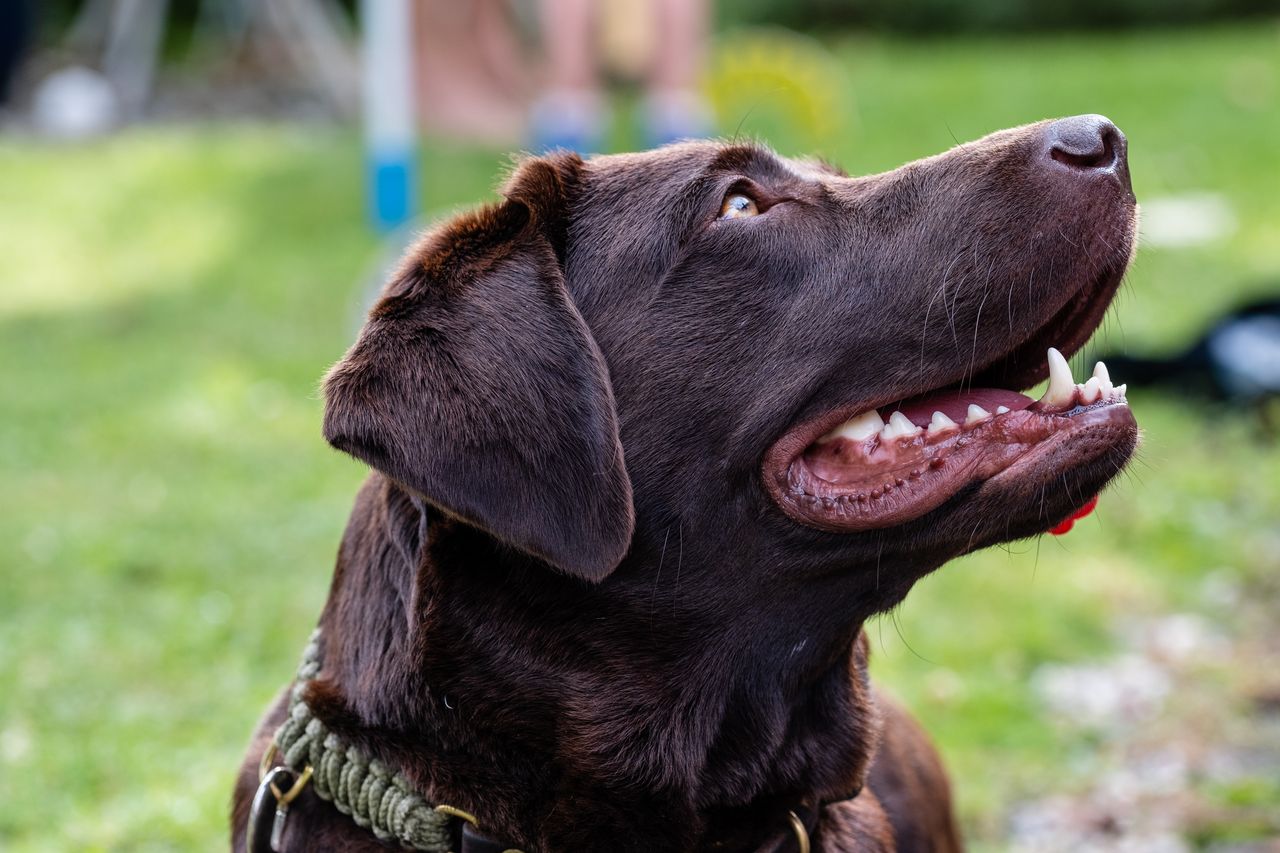
Labradors are often described as easy family dogs, and many are wonderfully adaptable, but mentally they still need more than people expect. Labs were bred to work in partnership with humans, which means they usually enjoy tasks, structure, and learning just as much as play.
When that mental outlet is missing, some labs become expert scavengers, serial chewers, or enthusiastic troublemakers with a talent for finding snacks and creating messes. Their friendliness can hide the fact that they are under-challenged.
Training drills, retrieving with direction changes, scent games, and food puzzles with real complexity can make a huge difference. A lab that gets to think is often a lab that settles better.
Cocker Spaniel

Cocker Spaniels are often seen as sweet, soft companion dogs, but they were also bred for field work that required focus and responsiveness. Many have a lively, busy mind that needs regular outlets, even if their size makes owners assume a simple walk is enough.
When they do not get enough engagement, they can become clingy, vocal, or surprisingly mischievous. Some start inventing routines of their own, especially if they discover that stealing socks or demanding attention is entertaining for everyone involved.
They tend to enjoy scent trails, retrieving games, trick sessions, and training that taps into their natural eagerness. Keeping their brain occupied can help bring out their best affectionate side.
Miniature Schnauzer
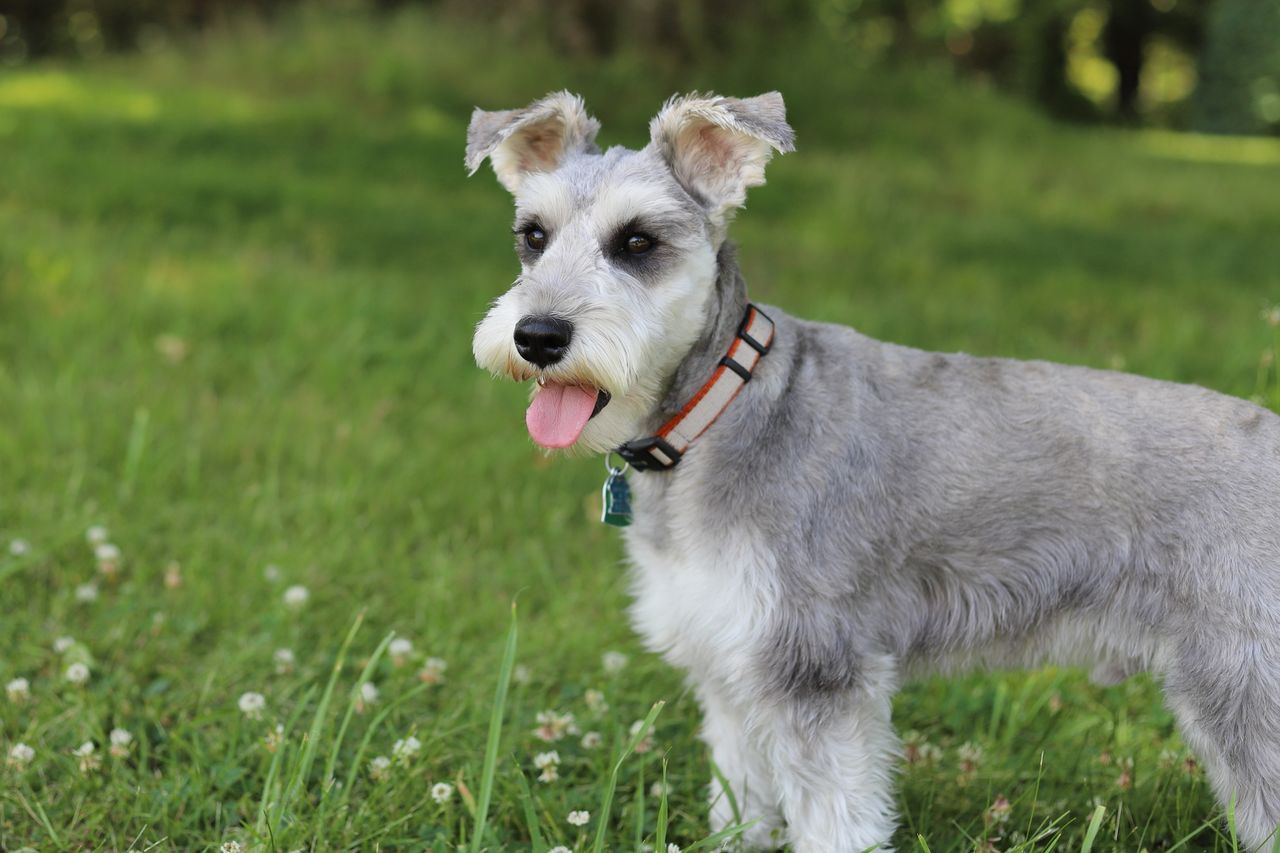
Miniature Schnauzers are often marketed as adaptable apartment dogs, and they can be, but they are rarely content being mentally idle. These terrier-rooted watchdogs are alert, opinionated, and smart enough to learn habits fast, including the ones owners wish they had skipped.
A schnauzer without enough to do may become barky, bossy, or deeply invested in every hallway sound and window event. Their sharpness is part of their charm, but it needs direction or it starts running the show.
They usually respond well to puzzle toys, trick training, scent games, and rotating mini-challenges throughout the week. Giving them a job, even a silly one, often helps channel that busy little brain.