Michigan just made one of the biggest deer-hunting changes the state has seen in years. And for hundreds of thousands of hunters, it rewrites a rulebook that had shaped gear choices for generations.
What Actually Changed This Season
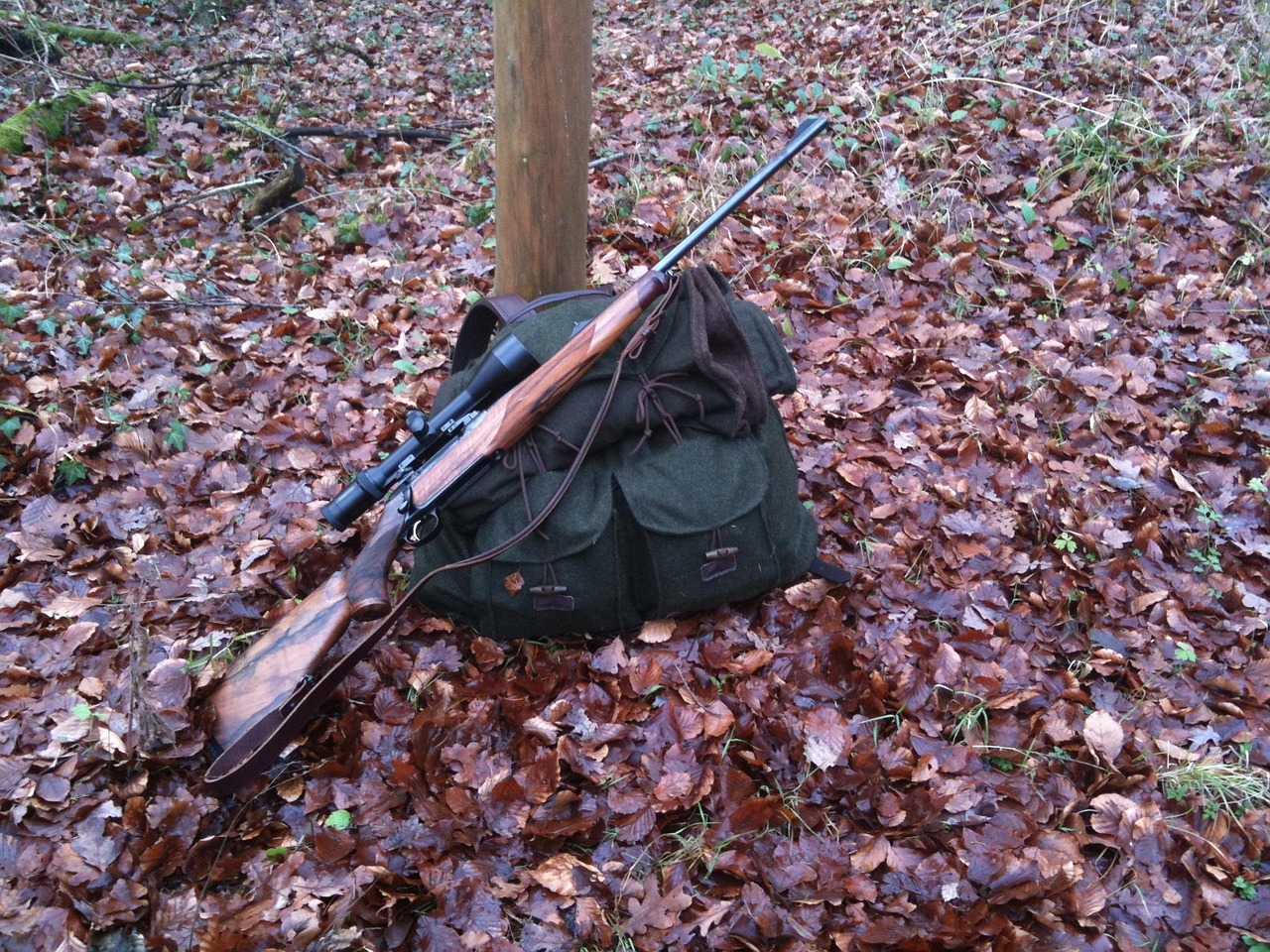
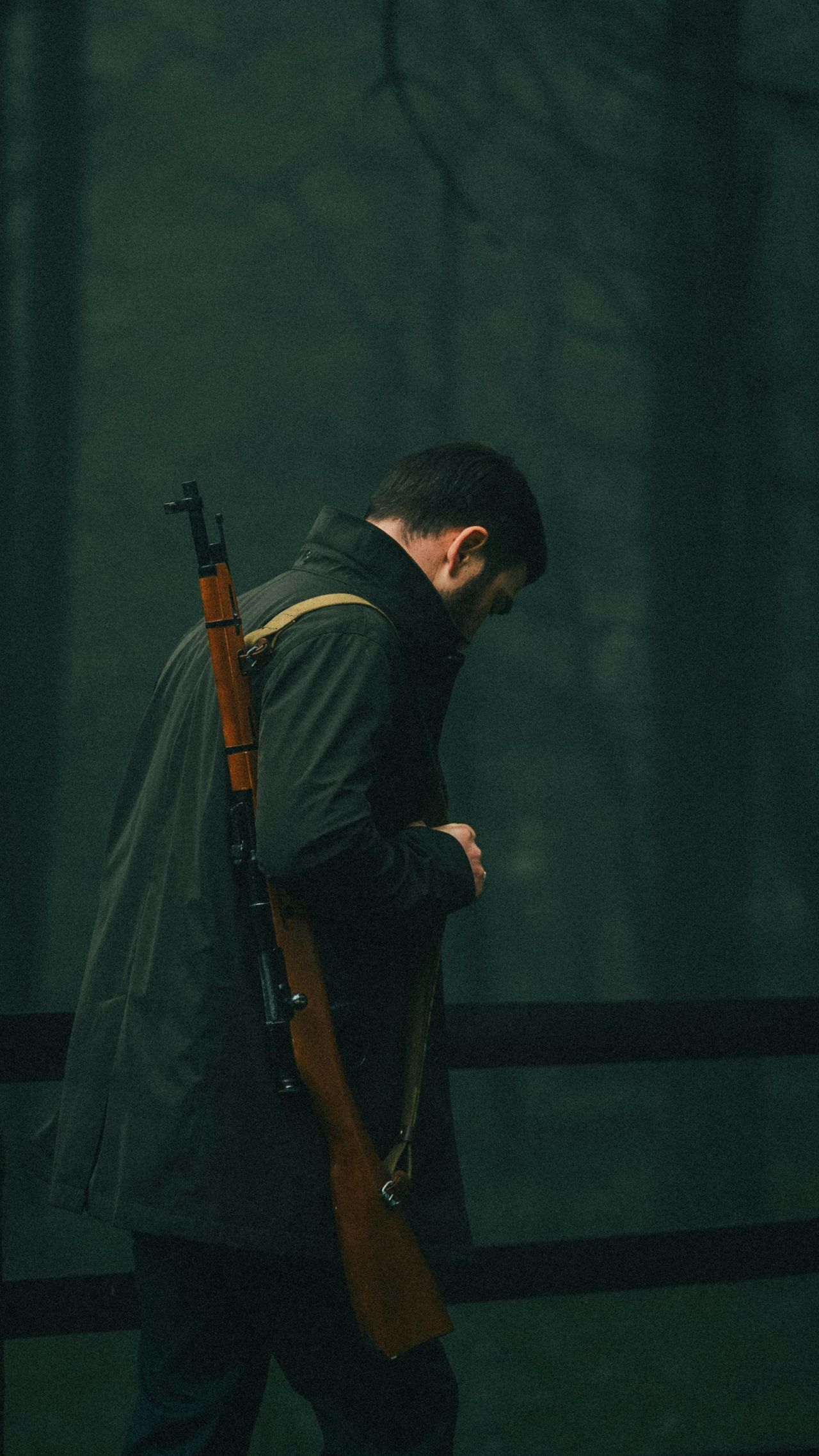
Starting September 12, 2026, hunters in Michigan’s Lower Peninsula can use any legal firearm during deer seasons where firearms are allowed. The Michigan Department of Natural Resources says the old Limited Firearms Deer Zone is gone, which means hunters are no longer boxed into the shotgun-only style rules many people still associate with southern Michigan.
That change was approved in May 2026 by the Natural Resources Commission after a public process led by the DNR. The agency also renamed the late muzzleloader period in the Lower Peninsula as the December Firearm Deer Season, a signal that the season is no longer centered on one platform.
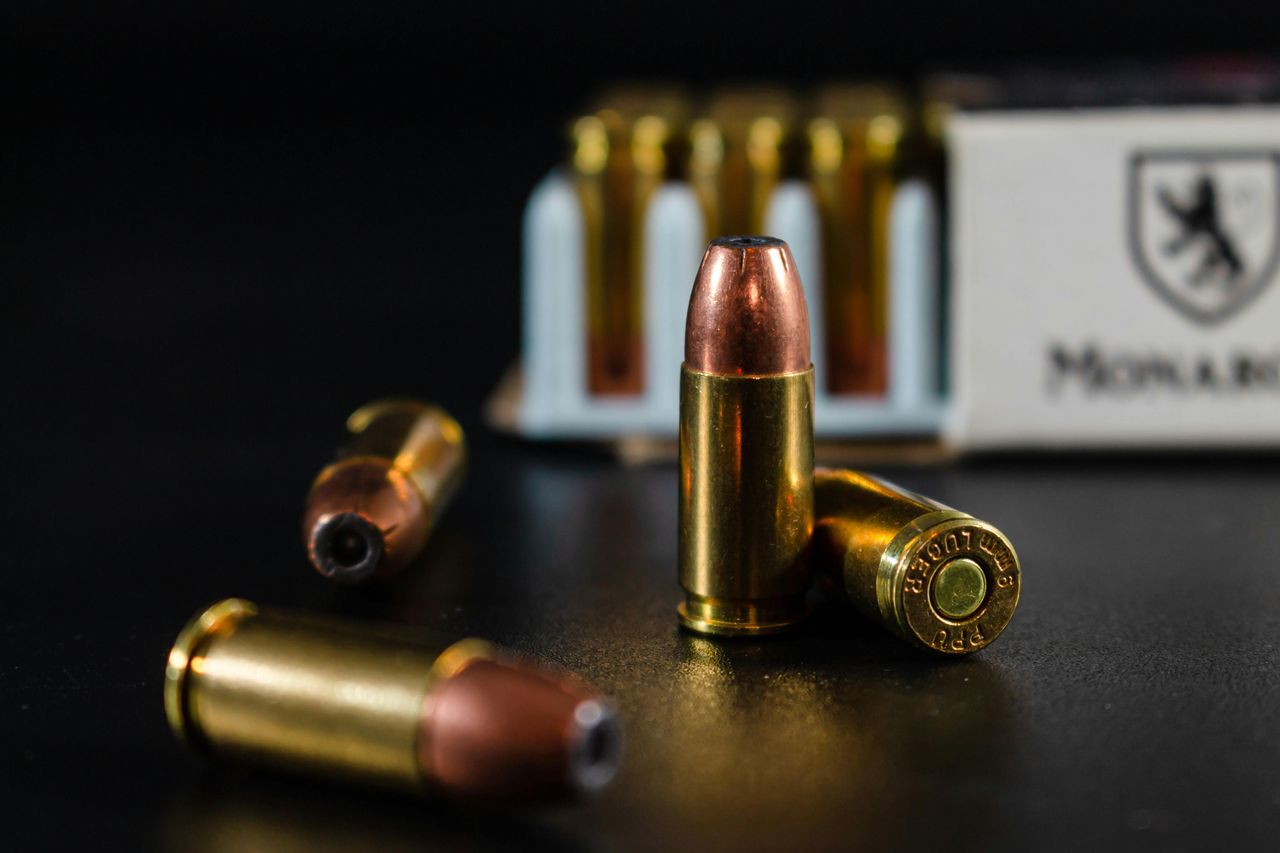
In practical terms, this opens the door to rifles using bottleneck cartridges across the Lower Peninsula, provided the firearm is otherwise legal under Michigan regulations. For many hunters, that is the headline: a long-standing geographic restriction has been swept away in one vote.
Why The State Decided To Do It
This was not a random deregulation move. According to the DNR, the broader 2026 and 2027 deer-rule package was designed to support healthy deer populations while balancing hunter opportunity and public feedback.
That matters because Michigan’s deer management challenges are not the same everywhere. In some areas, hunters want simpler rules and more effective tools, especially where antlerless harvest is a priority and land access or shooting distance can vary widely from one property to the next.
State regulators appear to have concluded that the old zone lines no longer matched modern conditions well enough. Better ammunition, more accurate firearms, and a clearer statewide framework likely made the old patchwork feel outdated, even if it had deep roots in Michigan hunting culture.
The 600,000-Hunter Number Matters
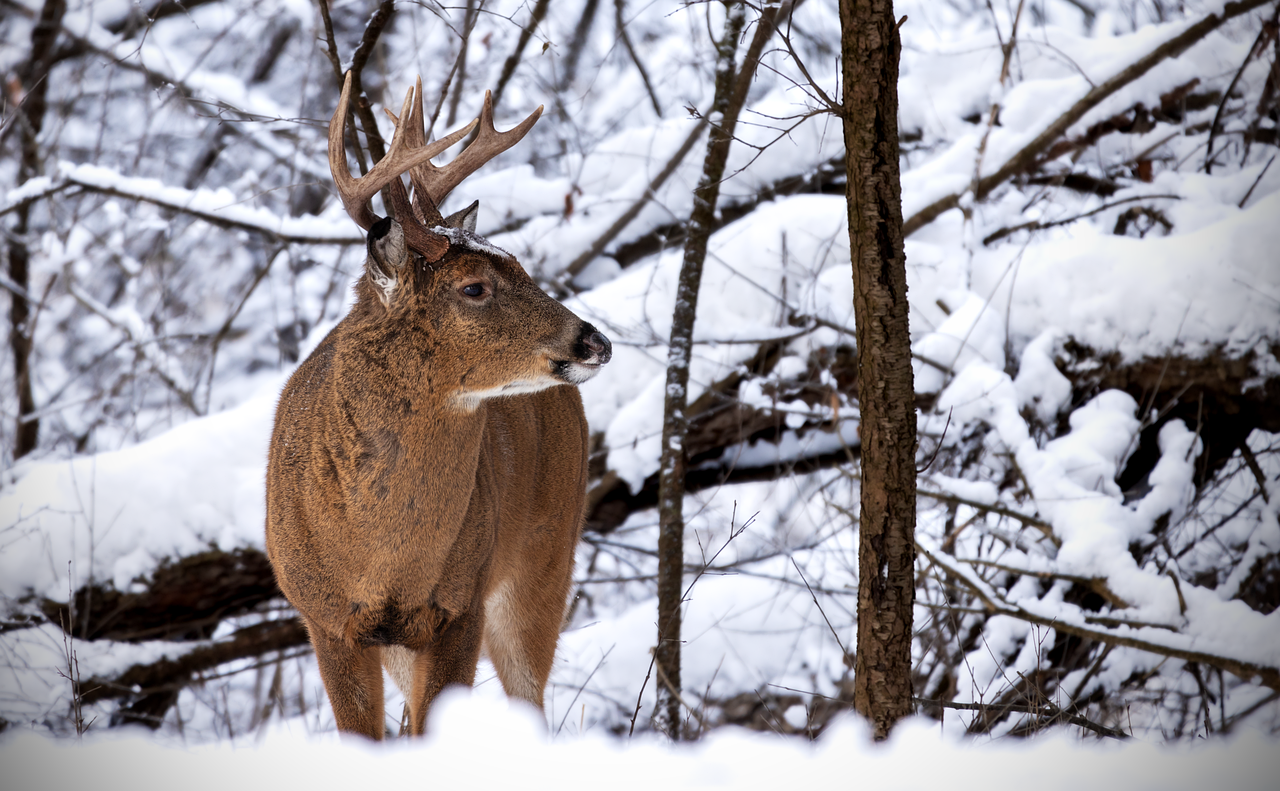
The scale of this change is easy to miss until you look at participation. Michigan’s 2024 Deer Harvest Survey Report found that 604,088 people bought a deer hunting license, up from 594,348 in 2023.
That means this is not a niche regulatory tweak affecting a tiny corner of the outdoor world. It potentially touches one of the largest hunting populations in the country, including everyone from private-land regulars in farm country to public-land hunters who may now reconsider their firearm setup.
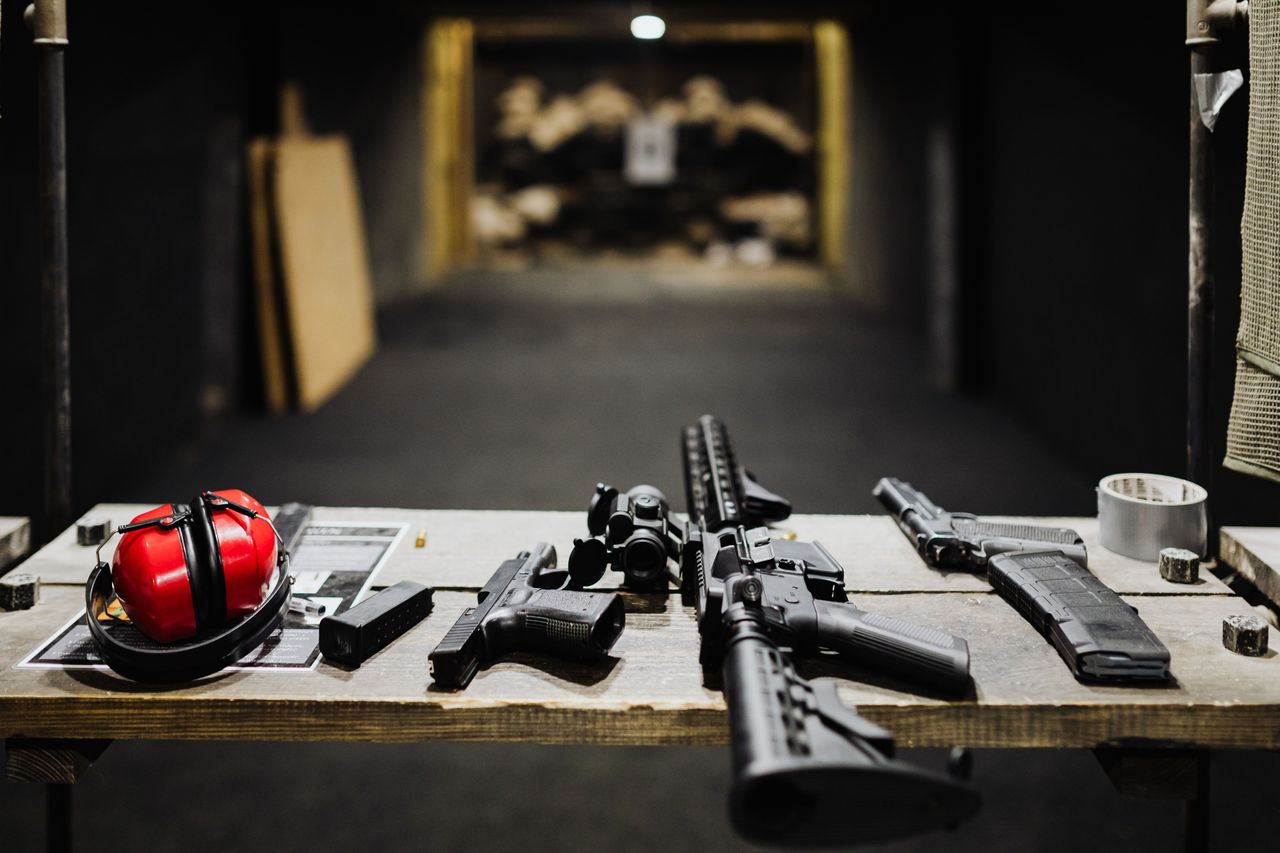
For retailers, gunsmiths, and local sporting-goods stores, the ripple effect could be immediate. Hunters who once defaulted to slug guns may now re-evaluate rifles, optics, and ammunition, while others may stick with familiar equipment because legal flexibility does not automatically change what works best on their land.
What Hunters Gain And What Critics Worry About
The biggest upside is choice. Hunters can now match their firearm more closely to terrain, recoil tolerance, budget, and confidence, instead of buying around a map boundary that many felt had outlived its purpose.
Some hunters also believe the change could improve accuracy and ethical shot placement for those using well-suited rifles at appropriate distances. That argument has been common for years, especially among hunters frustrated by the limitations and cost of dedicated slug setups.
The concern, of course, is safety. Critics of broader rifle use have long worried about flatter-shooting cartridges in the more populated parts of the Lower Peninsula, where houses, roads, and fragmented parcels can sit much closer together than in big-woods country.
Why This Is Bigger Than A Gun Rule

Michigan’s decision says something broader about wildlife policy. It shows a state agency trying to modernize regulations without pretending every old rule still fits the realities of today’s hunters, firearms, and landscapes.
It also reflects pressure on agencies to keep hunting practical and appealing as participation ages and traditions evolve. The DNR has noted that more than 20% of Michigan hunters are 65 or older, even as overall deer license sales have remained relatively steady in recent years.
When a state with more than 600,000 deer license buyers changes a foundational equipment rule, it is really adjusting the relationship between conservation policy and hunter participation. That is why this move has drawn so much attention beyond Michigan.
What Hunters Should Do Before Heading Out

The smart move is not to hear “any legal gun” and stop reading there. Hunters still need to know season dates, local conditions, deer management unit rules, transport requirements, blaze orange rules, and what counts as legal equipment for the specific season they are hunting.
For 2026, the DNR’s deer regulations make clear that the Lower Peninsula rule shift does not erase the rest of the playbook. It simply expands lawful firearm options in areas that used to be more restrictive.
So yes, Michigan just gave hunters much more freedom. But the hunters who benefit most will be the ones who pair that freedom with careful shot selection, safe backstop awareness, and a close read of the current regulations before opening day.