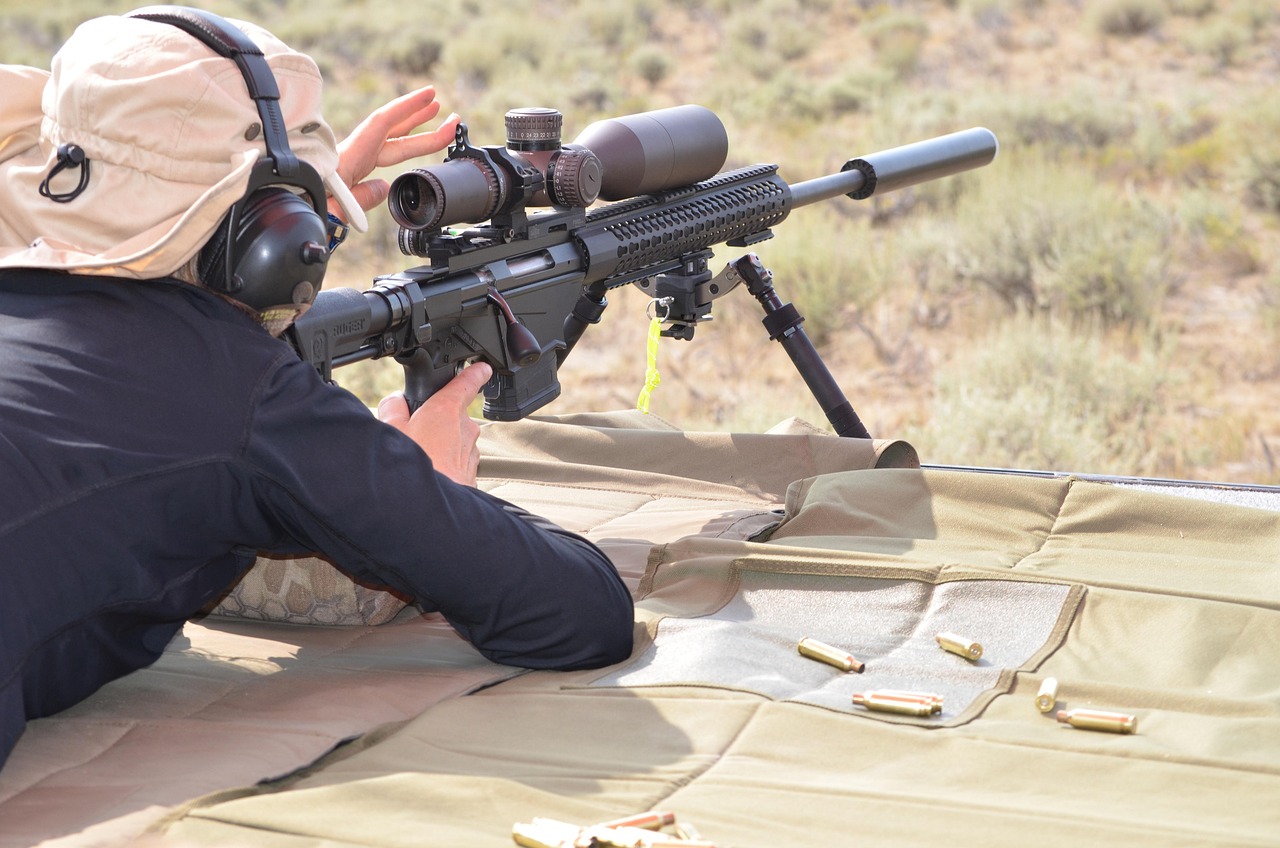
Few modern hunting cartridges have arrived with as much praise and pushback as the 6.8 Western. Built to blend heavy-for-caliber bullets, short-action compatibility, and long-range ambition, it quickly became a talking point in camps, gun shops, and forums. Here are the key reasons this round became one of the most debated newcomers in the hunting world.
It arrived with a very specific mission
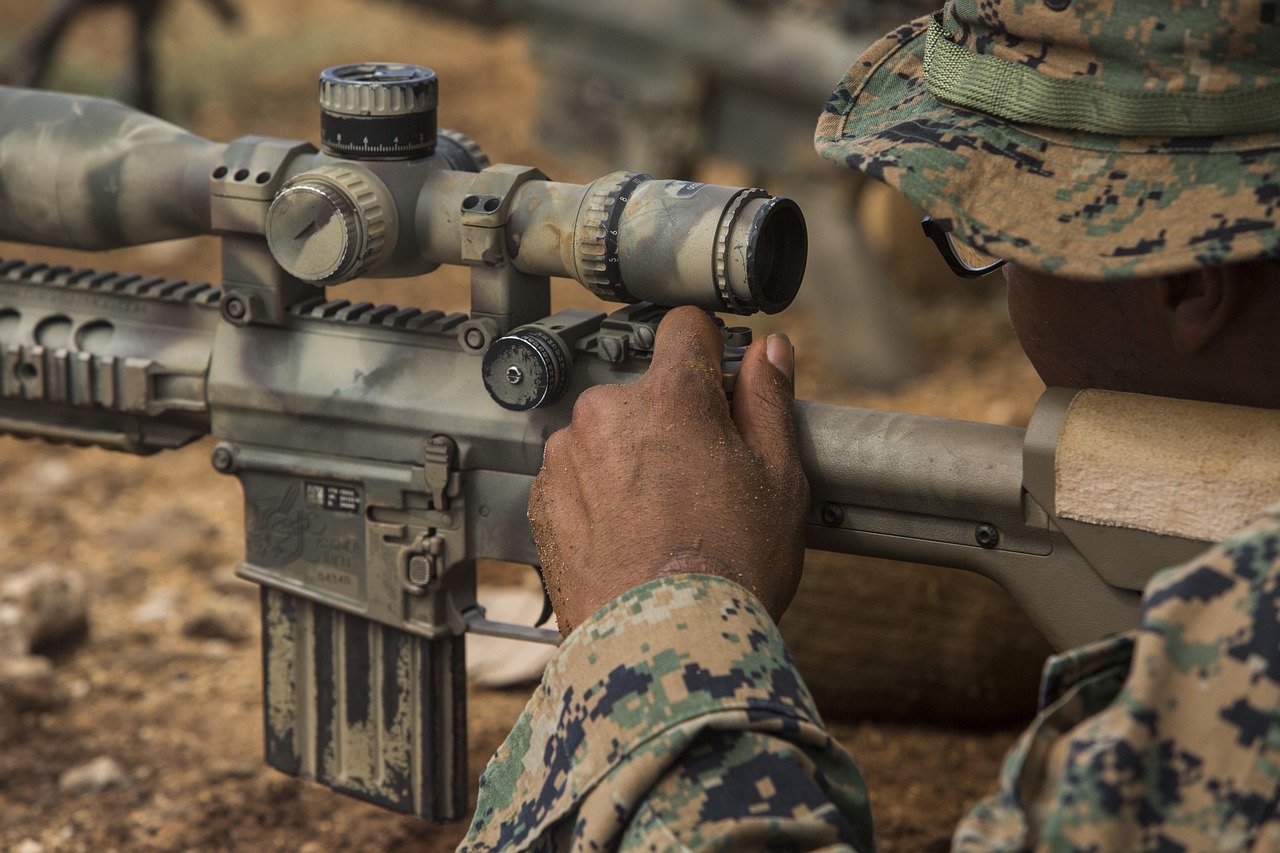
The 6.8 Western was not introduced as a do-everything cartridge with vague marketing promises. It showed up with a clear assignment: launch relatively heavy .277-caliber bullets from a short-action rifle while keeping velocity and downrange performance appealing to modern hunters.
That focus immediately drew attention because it seemed to answer a complaint people had about older .270-class rounds. At the same time, critics saw that narrow mission as a sign the cartridge was built more for a trend than a true gap in the market. When a round enters the scene with such a defined purpose, debate usually follows fast.
It challenged old ideas about .277-caliber bullets

For decades, many hunters associated .277-caliber performance with the classic .270 Winchester and lighter bullet weights. The 6.8 Western pushed a different idea into the spotlight by emphasizing long, heavy bullets with high ballistic coefficients, something that felt fresh to some shooters and unnecessary to others.
That shift made the cartridge interesting beyond its raw numbers. Supporters argued it finally let the .277 bore diameter play in the same conversation as sleek, heavy 6.5 and 7mm bullets. Traditionalists countered that the older formula had already worked for generations, so changing the recipe looked like solving a problem many hunters never had.
The fast twist barrel was a major talking point

One of the cartridge’s defining features was its faster barrel twist, intended to stabilize those longer, heavier bullets. That technical choice mattered because it was central to the cartridge’s identity, not just a minor detail buried in the fine print.
For enthusiasts, the fast twist was proof that the design had been thought through from the start. For skeptics, it was another sign that rifle and ammo makers were packaging a specialized setup as a broad hunting solution. The twist-rate conversation also pulled more casual hunters into the weeds of bullet stability, which helped turn a niche ballistic topic into a mainstream caliber argument.
It promised long-range performance in a short-action rifle

The sales pitch was easy to understand: get strong long-range capability without moving to a longer action. That sounded appealing to hunters who like compact rifles, lighter handling, and the efficiency that short-action designs often suggest, especially in rough country.
But that same promise invited hard scrutiny. Shooters who already trusted cartridges like 6.5 PRC, 7mm Remington Magnum, or .270 WSM wanted to know exactly what the 6.8 Western did better, and whether the difference showed up in real hunting conditions. A round that claims a sweet spot between size, reach, and power will always be measured against several established favorites.
It entered a crowded field of capable cartridges
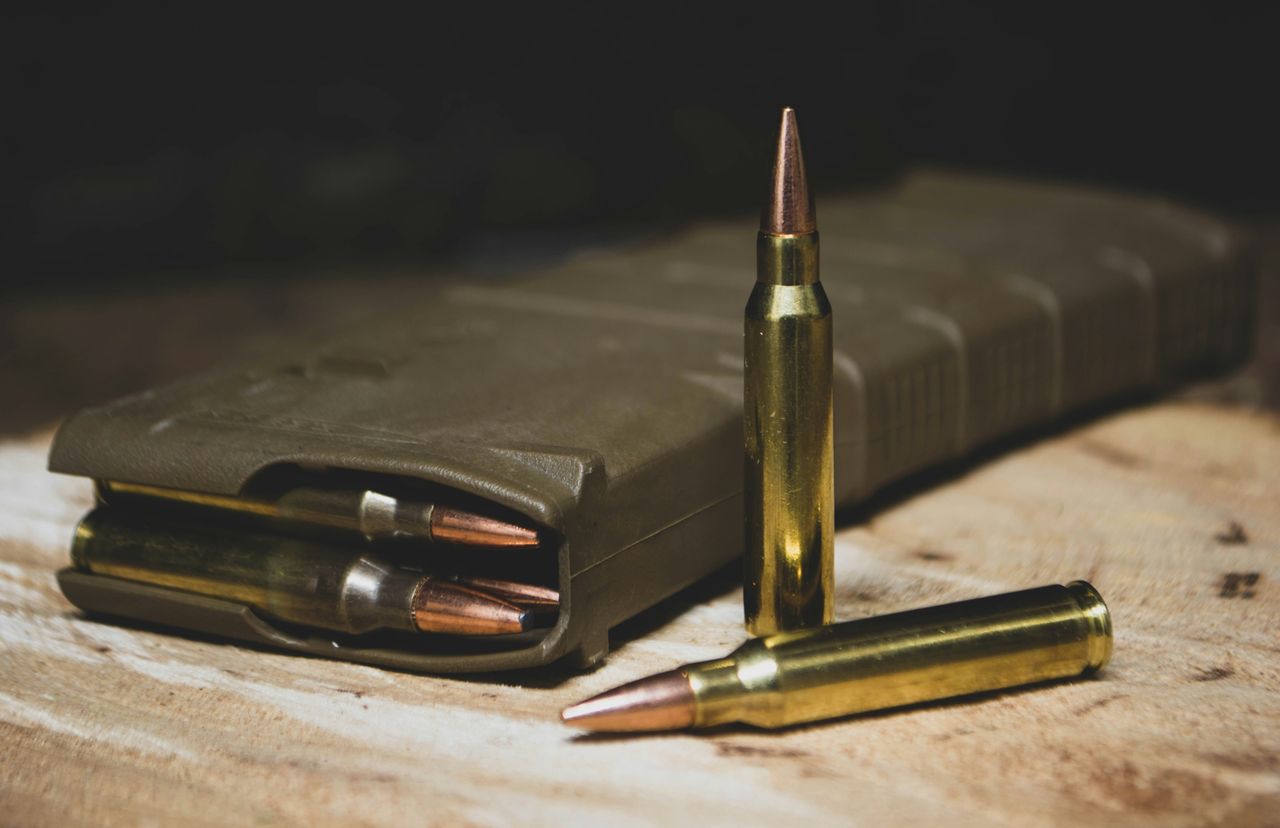
Part of the debate had nothing to do with whether the 6.8 Western worked. Most people agreed it was a capable hunting round. The real argument was whether hunters needed another capable round in a market already full of effective options for deer, elk, and similar game.
That crowded landscape made every comparison more intense. People stacked it against .270 Winchester, .270 WSM, 6.5 PRC, 7mm-08, and several magnums, often reaching different conclusions depending on what they valued most. When a new cartridge lands in an already busy category, it has to prove not just that it performs, but that it deserves shelf space in the first place.
Supporters liked its balance of recoil and authority

A big part of the cartridge’s appeal was the idea that it offered meaningful downrange energy and heavy-bullet performance without drifting into punishing recoil. For many hunters, that balance matters more than bragging rights on velocity charts or energy tables.
Fans saw it as a practical middle ground, especially for elk-capable rifles that still felt manageable to shoot well. Detractors replied that several existing rounds already offered a similar compromise, and some did so with wider ammo availability or longer track records. Even so, the recoil discussion helped the 6.8 Western stand out, because shootability often matters just as much as raw ballistic performance.
Ammo availability became part of the argument
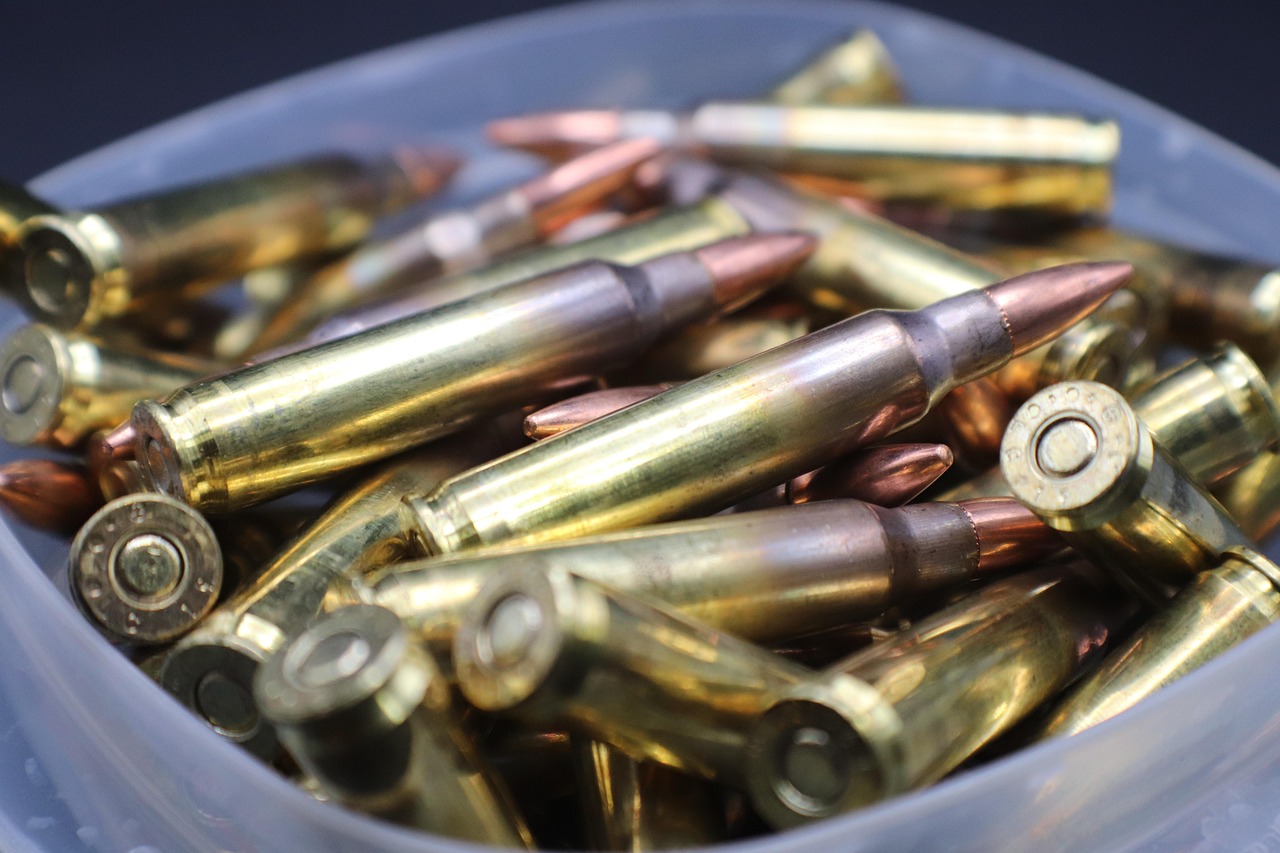
Like many newer cartridges, the 6.8 Western faced questions about how easy it would be to find ammunition consistently. Hunters may admire a cartridge’s design on paper, but confidence drops quickly if local shelves are empty or if buyers worry the round could become a niche option.
That practical concern shaped the debate as much as velocity figures did. Early adopters were willing to commit, especially if they handloaded or had strong brand loyalty. More cautious buyers looked at the broader market and asked a simple question: why switch to something harder to source when proven alternatives are already common? In hunting culture, convenience can be almost as persuasive as performance.
Branding and marketing intensified opinions

The 6.8 Western was introduced with a strong modern identity, and that helped push it into the spotlight quickly. In today’s hunting world, branding matters. Cartridges are not just sold on terminal performance, but on a story about efficiency, precision, and being tuned for how people hunt now.
That polished message worked for many shooters, but it also triggered a familiar backlash. Some hunters saw clever branding as evidence of innovation, while others saw it as another example of the industry repackaging known ideas in fresh language. Once that perception takes hold, people start arguing about marketing almost as much as they argue about the cartridge itself.
It sparked a classic old school versus new school split

The debate around 6.8 Western often reflected a bigger cultural divide in hunting. On one side were shooters excited by newer bullet designs, dialing scopes, and stretching effective range with efficient rifles. On the other were hunters who trust traditional cartridges, straightforward setups, and decades of field-proven results.
That split gave the caliber conversation extra heat because it was never only about dimensions and velocities. It became a proxy for how people think hunting rifles should evolve. When a cartridge represents a newer style of shooting, supporters tend to embrace it as progress while critics treat it as a solution chasing fashion more than necessity.