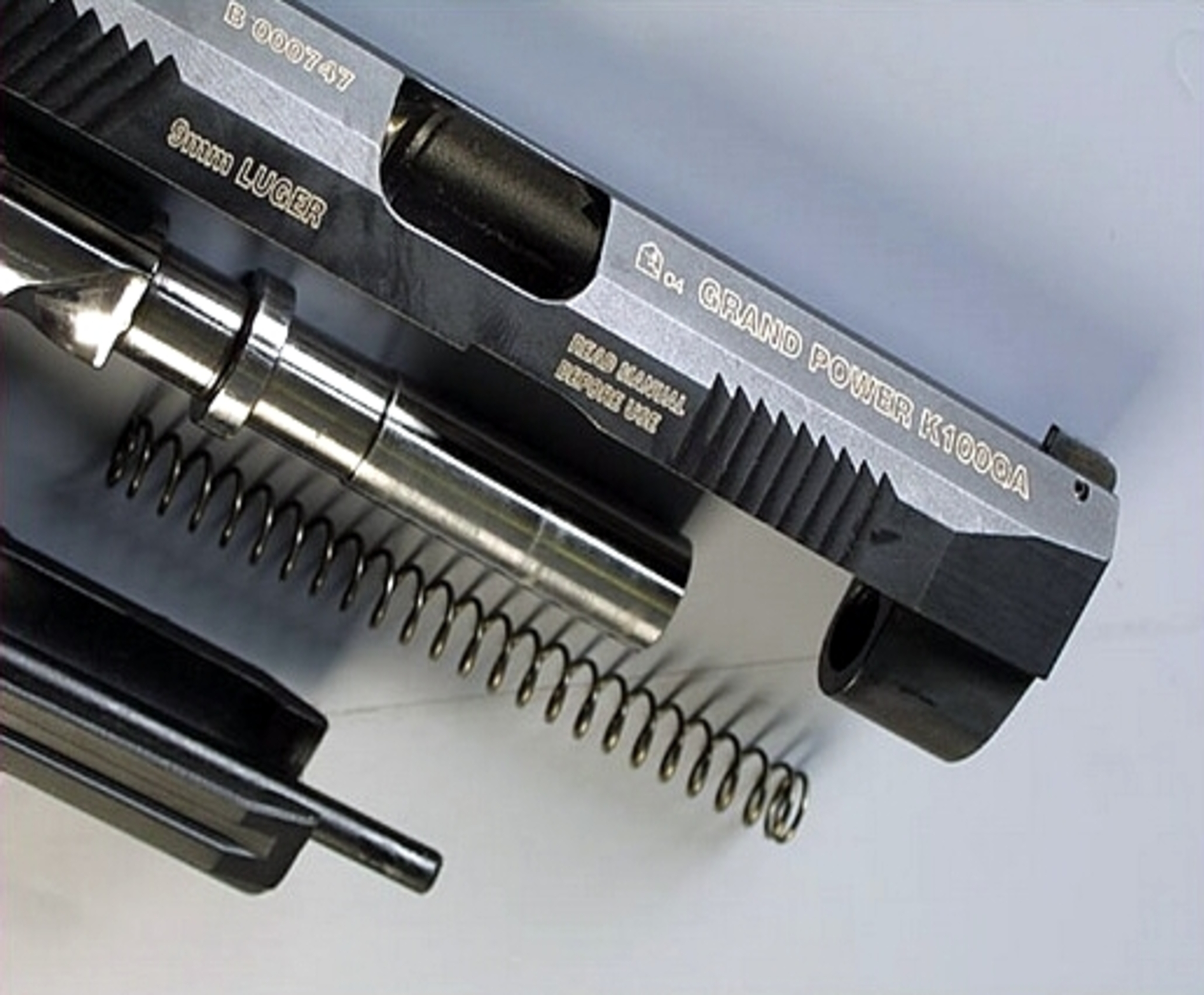
A rotating-barrel pistol looks ordinary at first glance. Then you learn the barrel twists as the gun cycles, and the whole design starts to make a lot more sense.
What a rotating barrel is actually doing
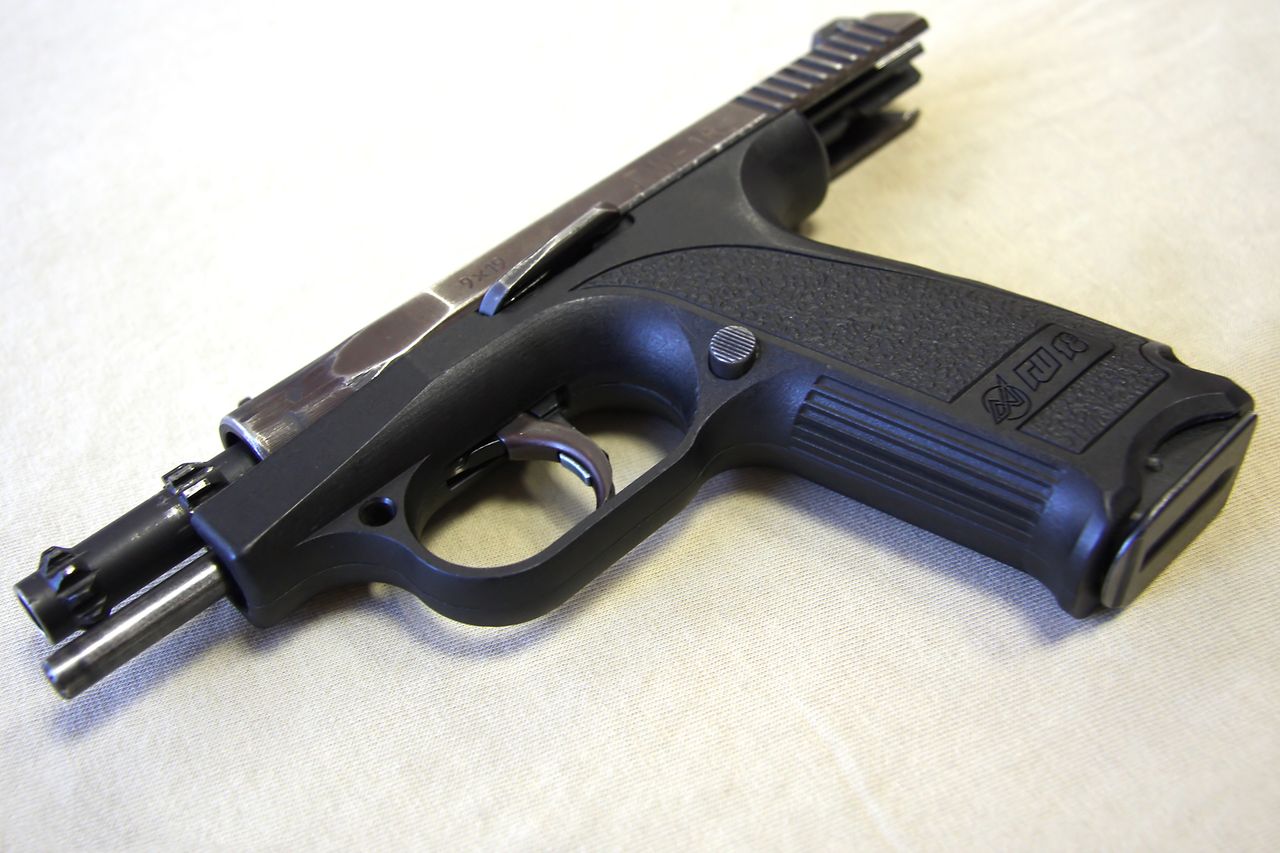
In a typical rotating-barrel handgun, the barrel and slide move rearward together for a short distance after firing. A cam track then forces the barrel to rotate, which unlocks it from the slide so the slide can continue rearward and complete the cycle.
That differs from the far more common Browning-style tilting barrel, where the rear of the barrel tips downward to unlock. The goal is the same in both systems: keep the breech locked while chamber pressure is still high, then unlock once pressure has dropped to a safe level.
Beretta describes the Px4 Storm as using a rotating-barrel locking system, and that modern pistol is one of the best-known current examples. According to American Rifleman, the basic idea reaches back much farther, including early military pistols such as the Roth-Steyr 1907 and Steyr-Hahn 1912.
Why designers choose rotation instead of tilting
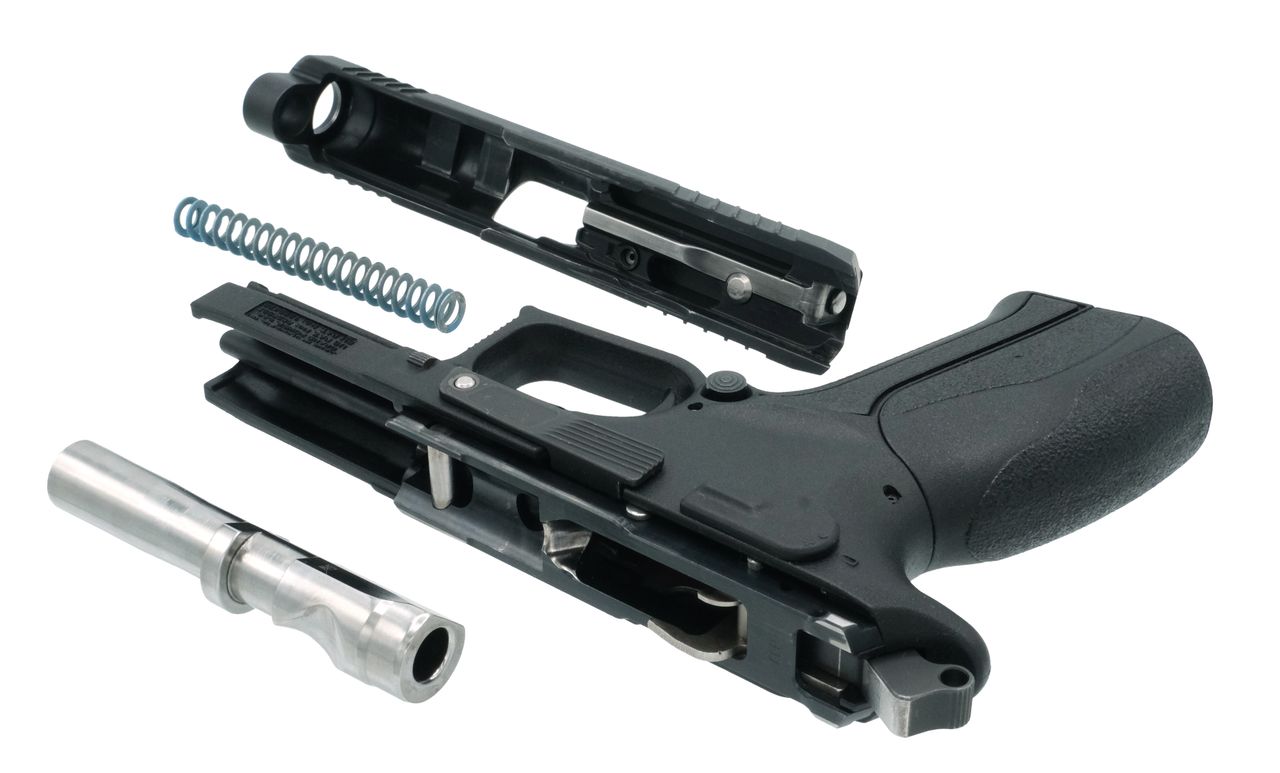
The big attraction is that the barrel stays more in line with the frame instead of tipping up and down during cycling. In theory and often in practice, that can help reduce muzzle flip, keep recoil feeling straighter, and support fast follow-up shots.
Designers also like the symmetry of radial locking lugs. Instead of unlocking through a vertical drop, the system spreads forces around the barrel and slide in a very balanced way, which can make the action feel smooth when everything is properly timed and fitted.
Some shooters also report that rotating-barrel pistols track flatter in recoil. That does not mean they are automatically softer than every tilting-barrel pistol, but the recoil impulse can feel different enough that fans of the design notice it immediately on the range.
The engineering advantages and tradeoffs
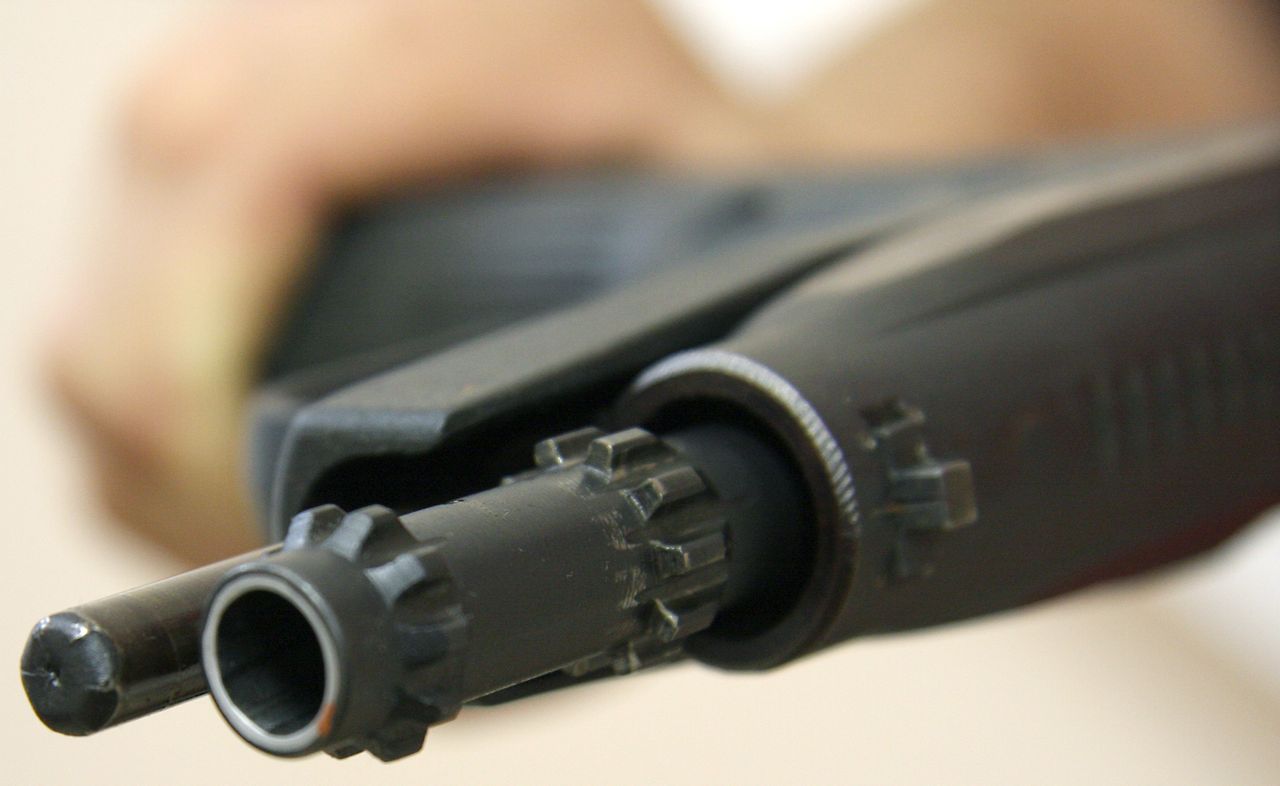
Mechanically, rotating barrels can offer a strong locked-breech arrangement without needing the barrel hood geometry common to many tilting-barrel pistols. The locking lugs engage the slide, then the cam path in the frame or locking block forces the barrel to turn and disengage.
This can make for a low bore axis and a very linear movement during the early part of recoil. American Handgunner notes that rotating-barrel systems lock with radial lugs, essentially the reverse of the rotating-bolt idea familiar from many rifles.
The tradeoff is sensitivity to friction, timing, and debris. Because the design depends on clean rotational movement, dirt, rough machining, or weak fitment can hurt reliability faster than in simpler, more forgiving systems. That is one reason the concept has never fully displaced the Browning pattern.
A quick look at history
Rotating-barrel ideas are not new or experimental in the modern sense. John Browning patented a rotating-barrel system in the late 1890s, and early 20th-century European service pistols brought the concept into real-world military use, according to American Handgunner and American Rifleman.
The Savage trial pistols are also part of the story, though their system worked differently. The NRA Museums notes that the Savage Model 1907 .45 ACP trials pistol used a rotating barrel on a delayed-blowback principle rather than a true modern rotary locked-breech setup.
That distinction matters. Not every gun with a turning barrel is using the same operating principle, and some older designs were attempts to delay opening rather than positively lock the breech in the way later service pistols do.
Why rotating barrels remain a niche choice
If the concept has real benefits, why is it uncommon? The short answer is that the Browning tilting-barrel system became the industry default because it is durable, compact, widely understood, and comparatively easy to manufacture at scale.
The M1911 and its descendants proved how effective tilting-barrel short-recoil actions could be, and that layout shaped pistol development for more than a century. As American Rifleman explains in its discussion of the 1911 cycle, the system cleanly unlocks by camming the barrel out of engagement with the slide.
Once factories, armorers, holster makers, and military procurement systems are built around one dominant format, an alternative has to be dramatically better, not just interestingly different. Rotating barrels usually offer advantages, but not enough to completely overturn that momentum.
Where rotating-barrel systems make the most sense
Rotating-barrel systems tend to appeal most in defensive and service-size pistols where controllability and smooth recoil matter. The Beretta Px4 is the clearest mainstream case, and newer makers have kept the concept alive because it offers a distinct shooting feel rather than a gimmick.
For enthusiasts, the design also has a mechanical elegance that is hard to ignore. Watching the barrel rotate into and out of lockup gives you a direct view of how engineers solve the same pressure problem in different ways.
So why do some firearms use rotating barrels instead of conventional locking systems? Because rotation can deliver strong lockup, a straight-back recoil character, and smart packaging in a pistol, even if the old tilting-barrel standard still wins on simplicity, cost, and market dominance.