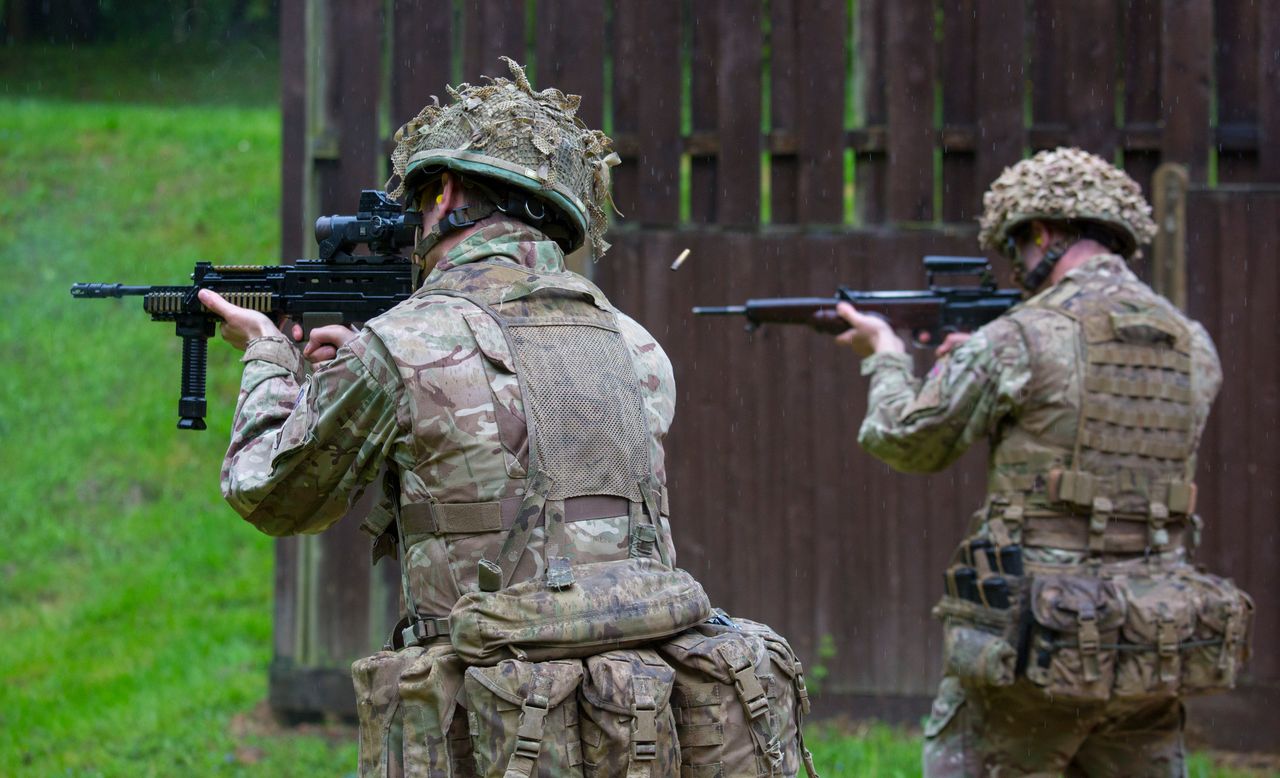
Some guns fail because they are bad.
Others fail because politics changes the rules around them.
The Rifle That Arrived Too Early
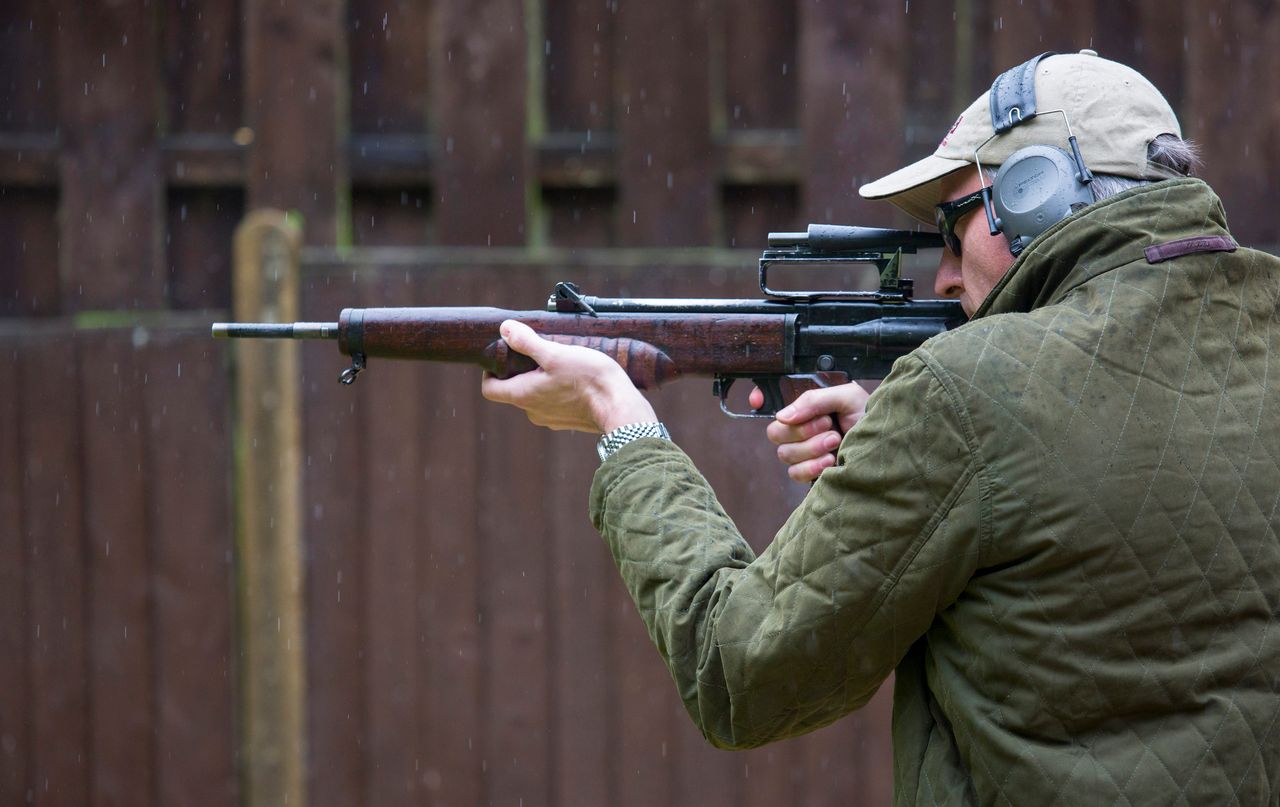
The British EM-2 was one of those rare military rifles that seemed to come from the future. Developed in the late 1940s, it used a bullpup layout that placed the action behind the trigger, giving troops a full-length barrel in a shorter overall package. That made it compact without giving up ballistic performance, a tradeoff armies still chase today.
It was also built around an intermediate cartridge, the .280 British, at a time when many planners were still thinking in terms of full-power battle rifle ammunition. British designers had looked hard at combat lessons from World War II and concluded that controllable automatic fire and realistic engagement distances mattered more than raw range on paper.
In 1951, Britain even adopted the EM-2 briefly as Rifle, Automatic, Calibre .280, Number 9. That alone tells you how serious the project was. This was not some dead-end prototype gathering dust in a test room.
Why The EM-2 Mattered
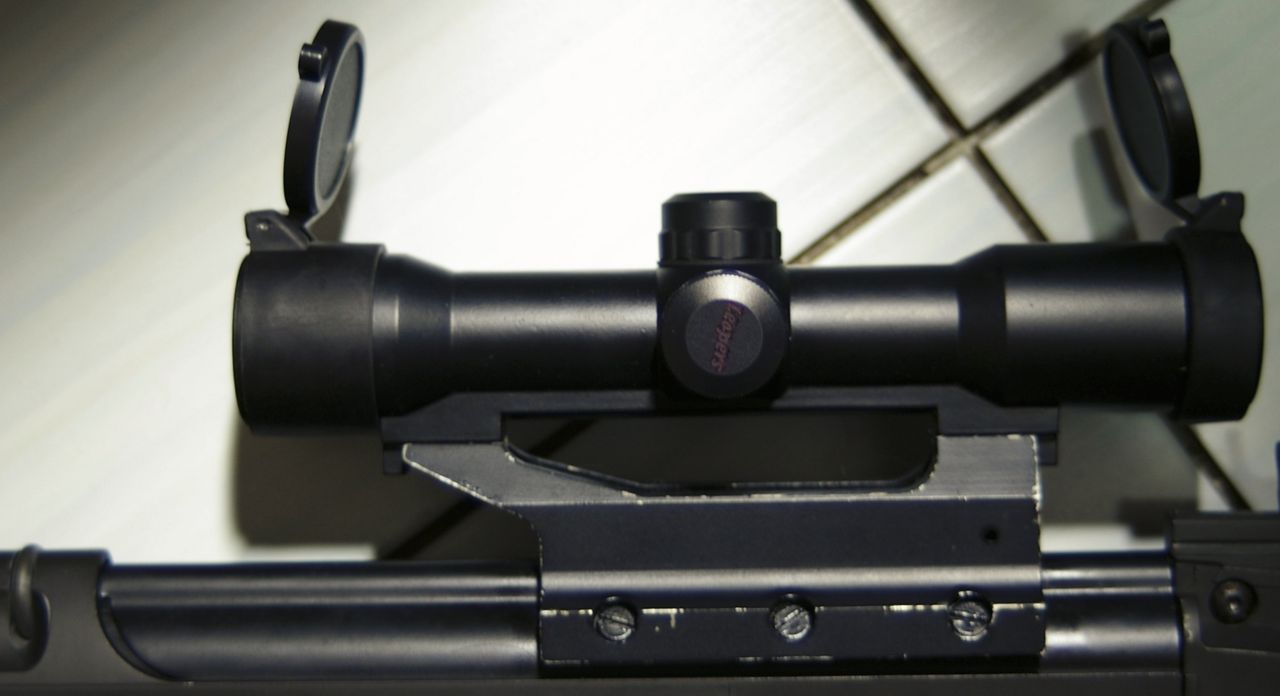
What made the EM-2 special was not just its unusual shape. It represented a different theory of infantry combat, one that would eventually influence later rifles across the world. According to historians and later museum work around the NATO trials, the EM-2 anticipated ideas that became normal decades later: compact service rifles, optical sights, and cartridges optimized for practical battlefield use.
In other words, Britain had not simply designed a rifle. It had built a complete answer to a question other countries were still debating. The weapon’s layout was radical, but the thinking behind it was disciplined and grounded in recent combat experience.
That is why the rifle still fascinates collectors, military historians, and small-arms experts. It was not merely interesting. It was potentially important.
The Decision Made Somewhere Else
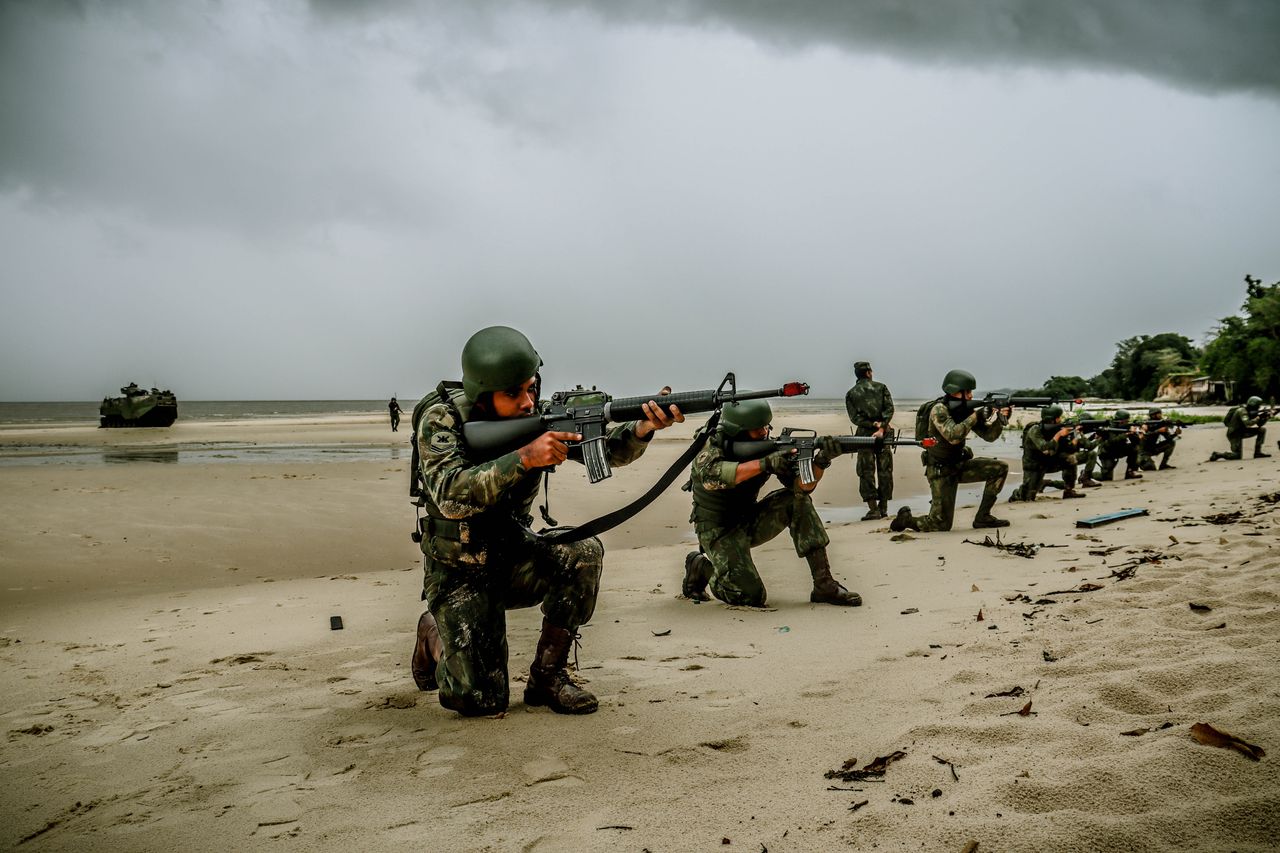
The EM-2’s problem was that its future did not depend only on British preferences. NATO was trying to standardize small arms and ammunition so allied forces could share logistics in a major war. That was an enormous strategic goal, and it carried more weight than any one country’s favored rifle.
The United States pushed for a full-power 7.62×51mm standard rather than Britain’s .280 British concept. As accounts of the NATO trials have noted, British momentum behind the EM-2 weakened once caliber compatibility with American forces became the overriding political and military priority. Britain reversed course soon after adopting the rifle.
That is the heart of the story. The EM-2 did not really lose because it failed in the field. It lost because the alliance system made a different choice about ammunition.
How A Cartridge Killed A Rifle
Once the cartridge decision went against .280 British, the EM-2 was effectively stranded. A service rifle designed around one round cannot simply shrug and become a different weapon without major redesign. The rifle and its ammunition were part of the same idea.
That meant the decisive blow landed outside the rifle itself. Its ergonomics, compactness, and advanced layout suddenly mattered less than alliance interoperability. In plain English, a logistics decision became a weapons decision.
This is common in military procurement, but the EM-2 is one of the clearest examples. A rifle can be smart, workable, and even visionary, then still die because the broader system chooses another path.
What Came After
Britain eventually moved toward the 7.62mm L1A1 Self-Loading Rifle, a version of the FN FAL, instead of fielding the EM-2. The choice aligned Britain with the NATO standard that had effectively buried the earlier project. On paper, that made strategic sense.
Yet the irony is impossible to miss. Decades later, many armies embraced smaller, lighter intermediate cartridges and compact rifles, exactly the direction Britain had explored earlier. Even Britain’s later SA80 family returned to the bullpup concept, though in 5.56×45mm NATO and under very different circumstances.
So the EM-2 was not wrong. It was early, and being early can look a lot like being defeated.
The Real Lesson Of The EM-2
The EM-2’s story is really about how military technology survives or dies. Performance matters, but it is never the only factor. Doctrine, alliance politics, industrial capacity, and ammunition commonality often decide the winner before soldiers ever form an opinion.
That is why this rifle still deserves attention. It shows that a weapon can lose its military future because another institution, in another capital, settles a different argument. In this case, the key decision was less about the rifle itself than about what NATO would feed into it.
And that is what makes the EM-2 unforgettable. It was a future rifle trapped in someone else’s strategic decision.