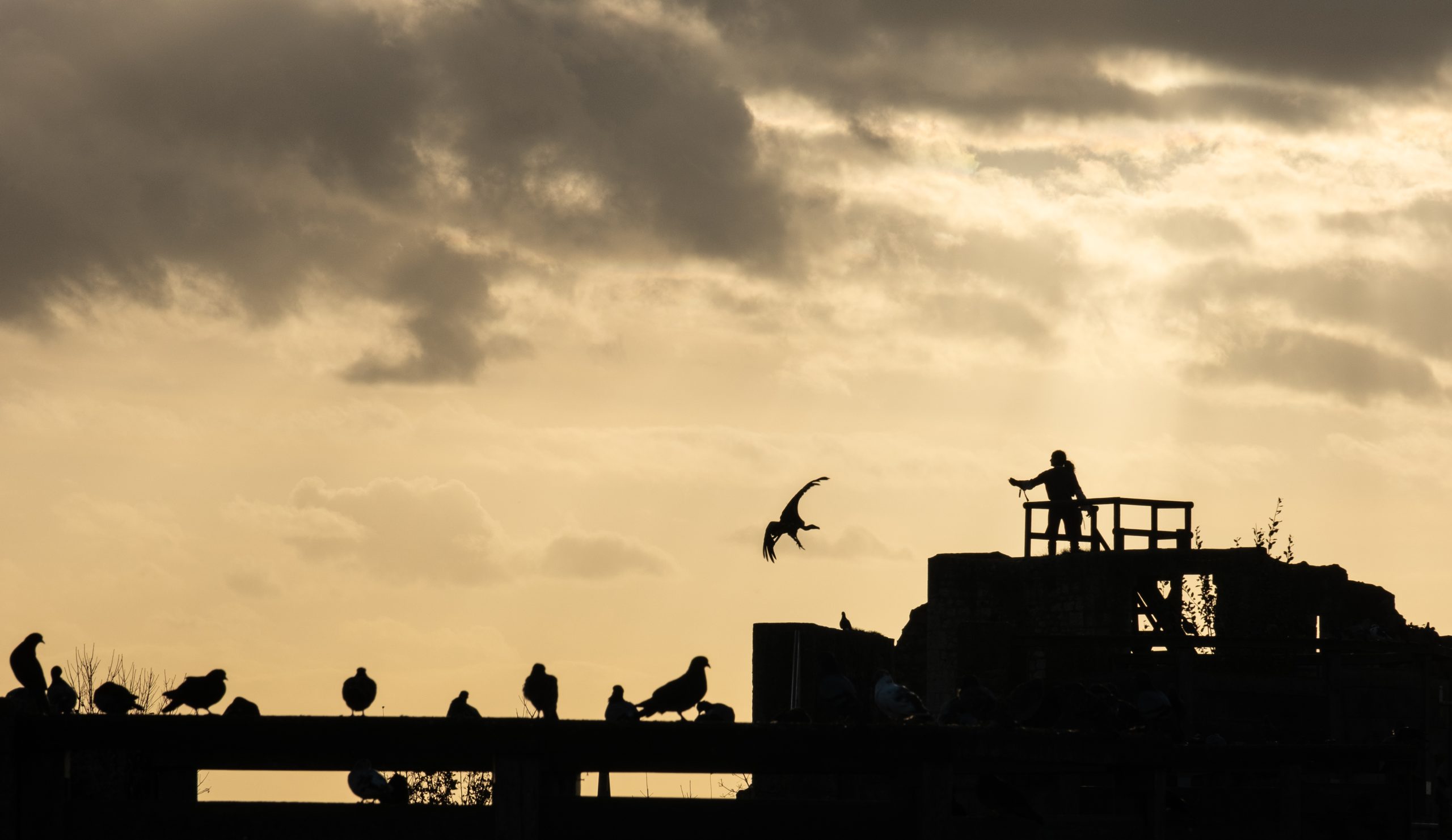
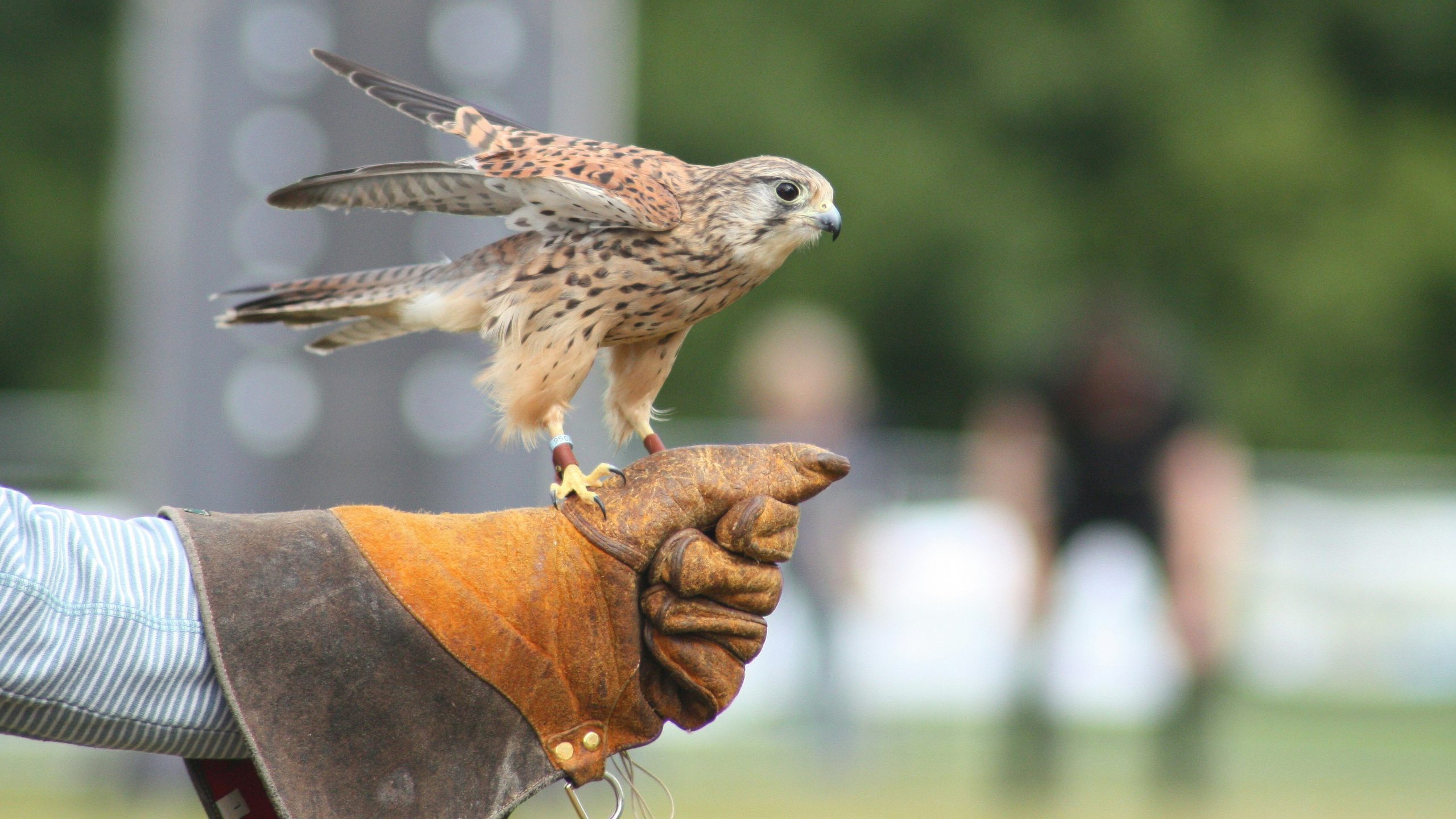
Falconry is often admired for the sight of a powerful bird of prey returning to a handler’s gloved hand, but that moment represents months of preparation, patience, and responsibility. Unlike many hobbies, falconry involves caring for a living animal whose health, behavior, and natural instincts demand constant attention. Beginners must learn about raptor biology, suitable housing, training, nutrition, and local wildlife regulations before handling a bird. The financial commitment and daily routine can also surprise newcomers. These nine challenges explain why falconry is rewarding to learn about but requires serious preparation before anyone begins.
1. The Rules Come Before the Bird
Falconry is regulated because it involves protected wildlife, and the rules vary widely by country and region. Before acquiring a raptor, a beginner may need permits, training, approved facilities, and permission to hunt in specific places. In the United States, for example, the federal framework includes an examination, a qualified sponsor, and an inspection of housing; an apprentice exam requires at least 80% correct answers. Those details are not universal, so local wildlife authorities must be consulted first. Skipping this step can mean legal trouble or being unable to keep the bird at all. Ask questions before spending money on permits or gear.
2. Finding a Skilled Mentor Takes Effort
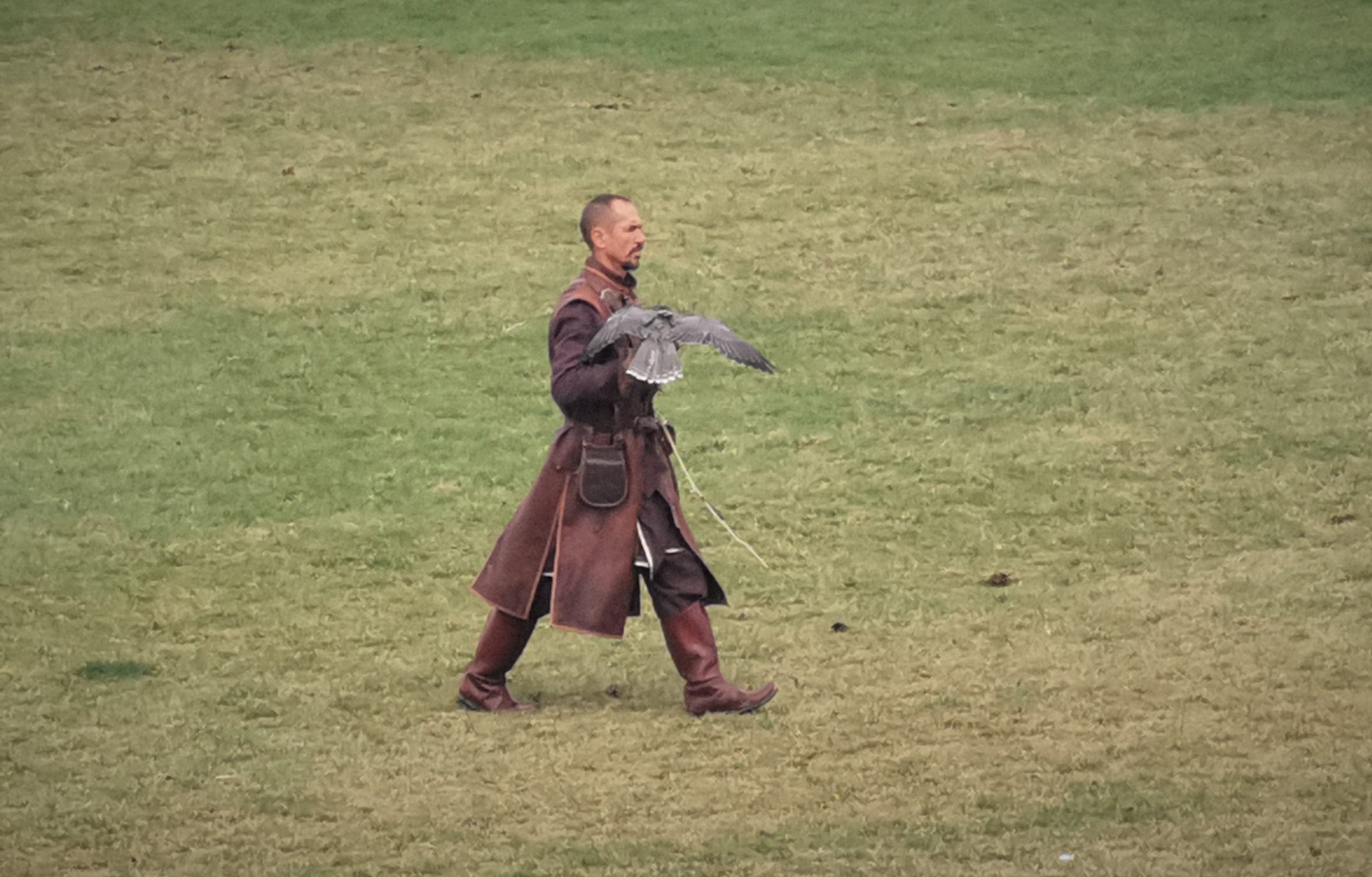
Books and videos can introduce raptor behavior, but they cannot replace guidance from an experienced falconer. A mentor helps a beginner understand safe handling, feeding, equipment, training, and the judgment needed when a bird behaves unexpectedly. Finding someone willing and available to supervise you can take time, especially where the falconry community is small. In the United States, the traditional apprentice route requires a sponsor and at least 2 years at apprentice level before moving to general status. The relationship is a learning commitment, not simply a signature on an application. A good mentor will also explain what the work really involves.
3. Daily Care Does Not Take Weekends Off
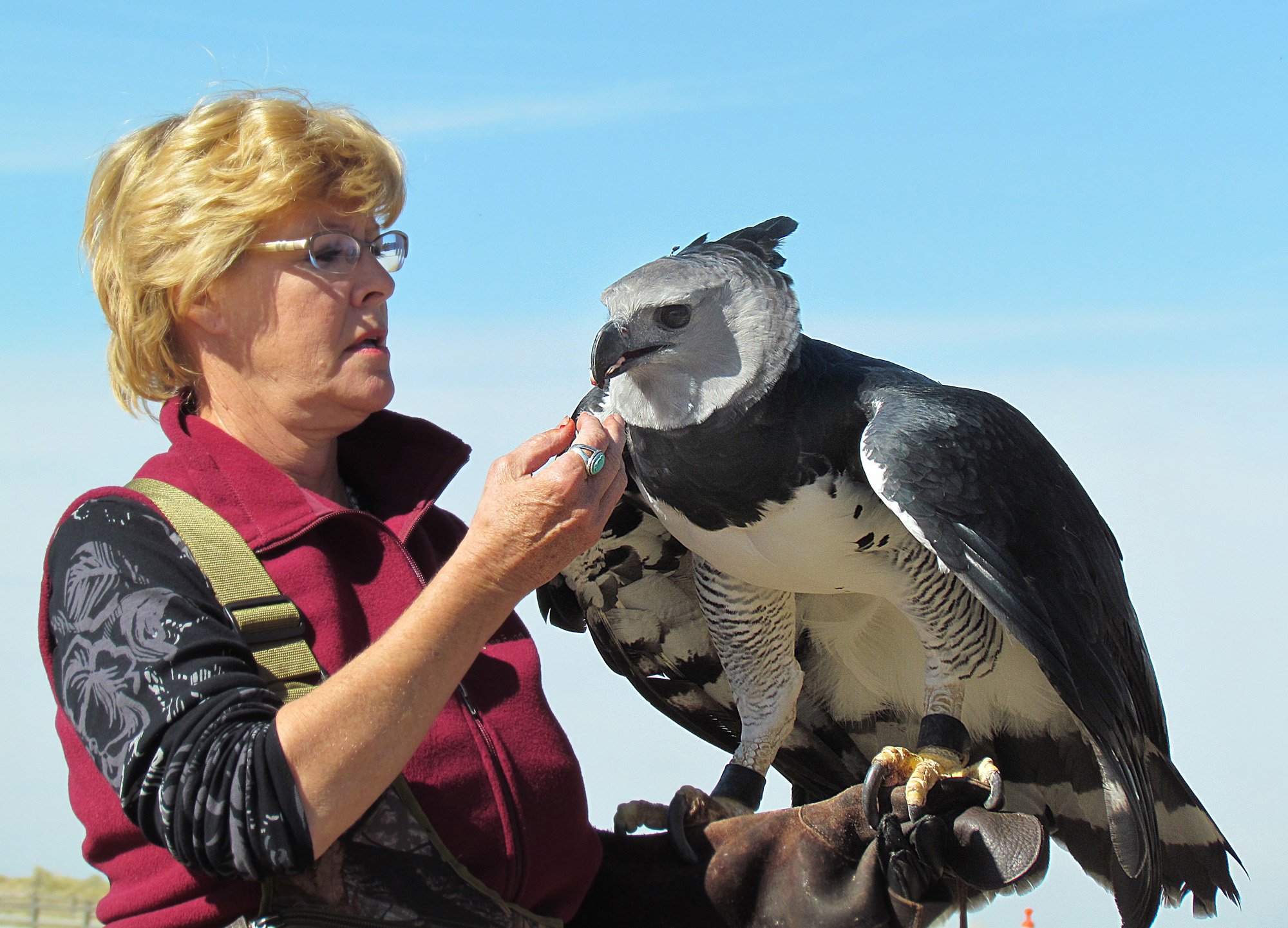
A raptor needs consistent care whether the owner is busy, tired, travelling, or facing bad weather. Daily responsibilities can include checking the bird’s condition, providing appropriate food and water, cleaning its space, and monitoring equipment and behavior. Training and exercise also need regular attention, with the schedule shaped by the species, season, and the bird’s condition. That makes spontaneous trips and long workdays harder to manage. Even one bird can affect a household routine every day of the year, so beginners need a realistic care plan and a reliable backup person. Holidays need planning too, not last-minute arrangements.
4. Housing Must Be Safe and Suitable
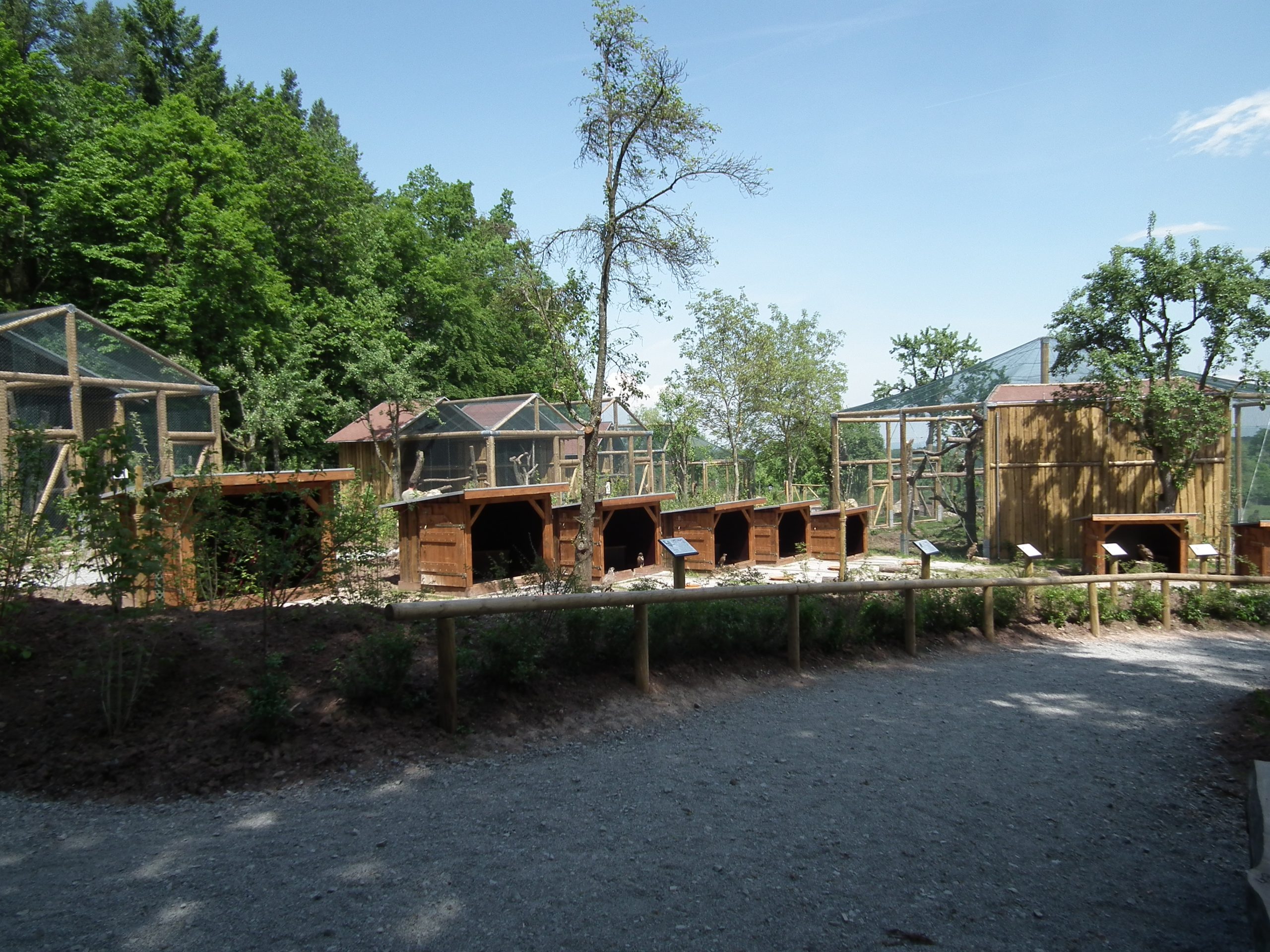
A bird of prey cannot simply live in a spare room or an ordinary backyard cage. Falconry housing, often called a mews, must provide appropriate space, secure construction, suitable perches, ventilation, and protection from harsh weather, predators, and avoidable disturbance. Equipment must also reduce the risk of injury or escape. Exact standards differ by jurisdiction and species, and some licensing systems inspect facilities before a bird can be kept. Planning the structure, choosing the location, and making any required changes can cost money and time before the hobby has even begun. A poor setup can put the bird at risk.
5. Food and Veterinary Care Cost Money
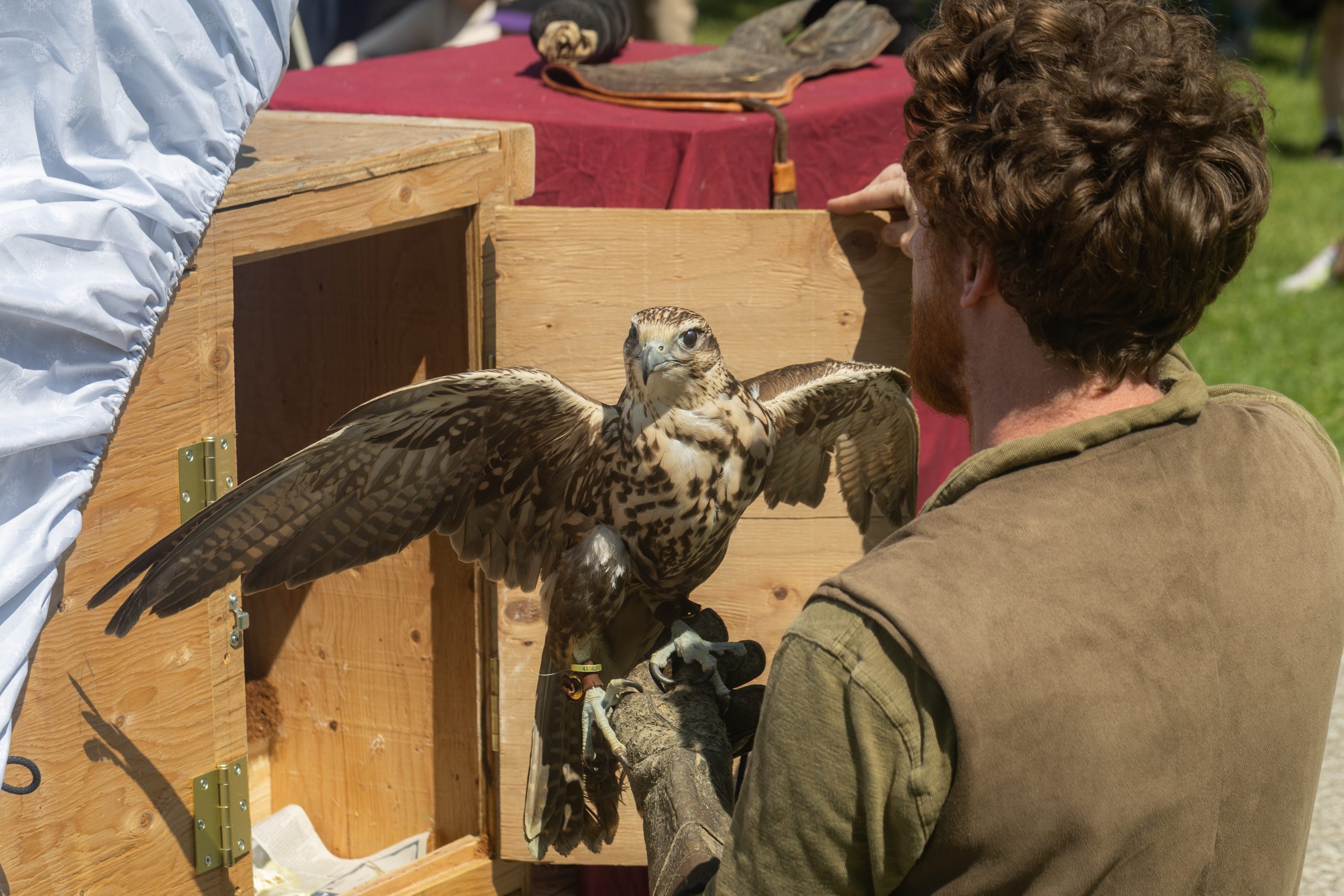
Raptors require an appropriate diet, commonly involving whole prey or carefully sourced meat suited to the species, rather than ordinary pet food or table scraps. Food must be stored and handled hygienically, while the bird’s weight, appetite, droppings, and general condition need close attention. Specialist veterinary care may be harder to find than routine care for cats or dogs, and unexpected illness can bring extra expense. There is no single reliable start-up price for every falconer: costs depend on location, facilities, equipment, food supply, and access to an experienced avian veterinarian. Budget for routine supplies as well as unexpected emergencies.
6. Training Depends on Patience and Trust
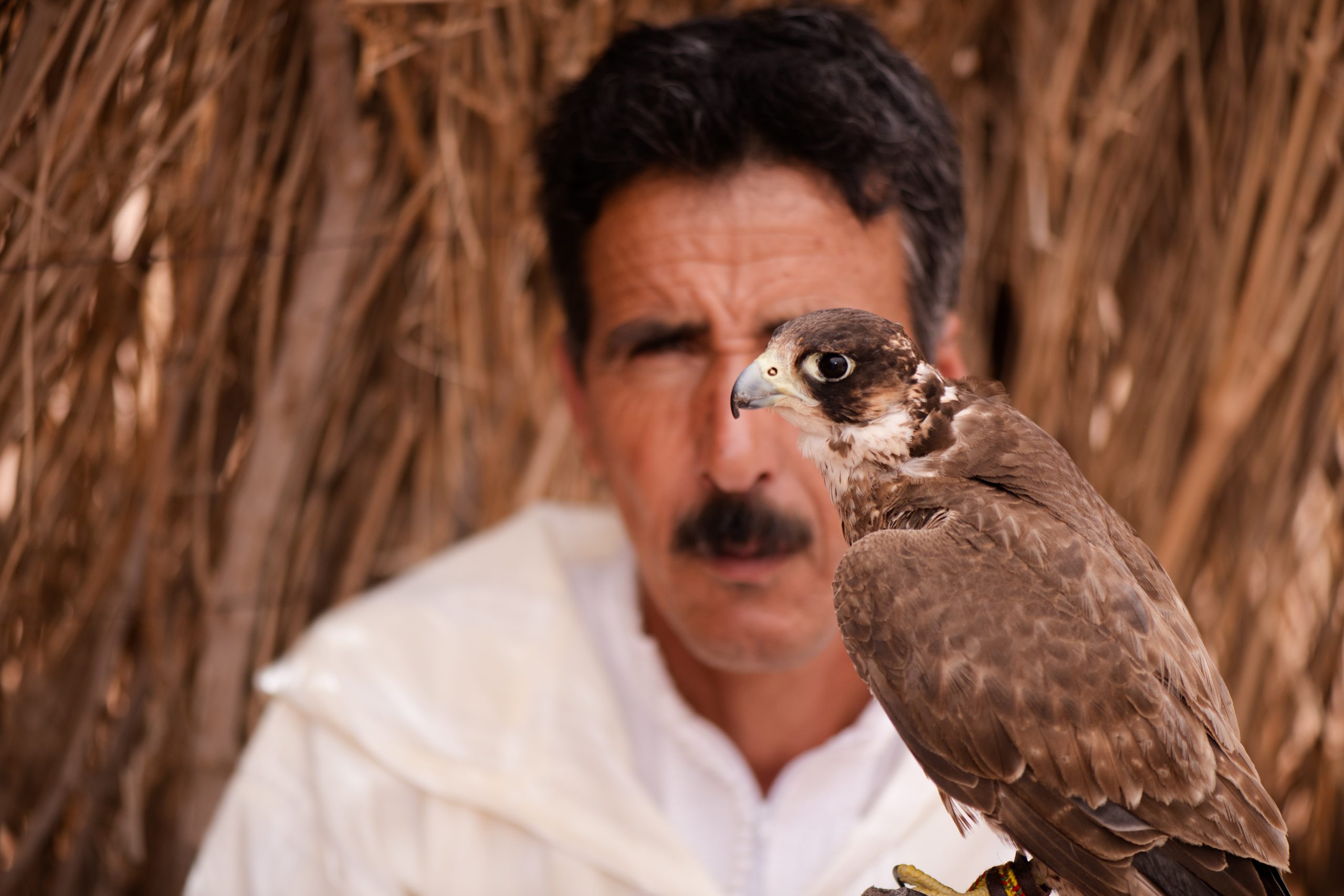
A raptor is not domesticated like a dog, and training does not mean the bird will obey every command or seek human affection. Progress relies on consistent handling, careful observation, and an understanding of the bird’s natural responses. Small changes in condition, surroundings, or routine can affect how it behaves. Beginners must learn to read signals without forcing interactions or expecting instant results. A training session that looks impressive in a short video may represent many quiet repetitions and setbacks. The bird’s welfare must guide the pace, even when progress feels slow. Consistency matters more than dramatic, quick results.
7. Weight Management Requires Careful Judgment
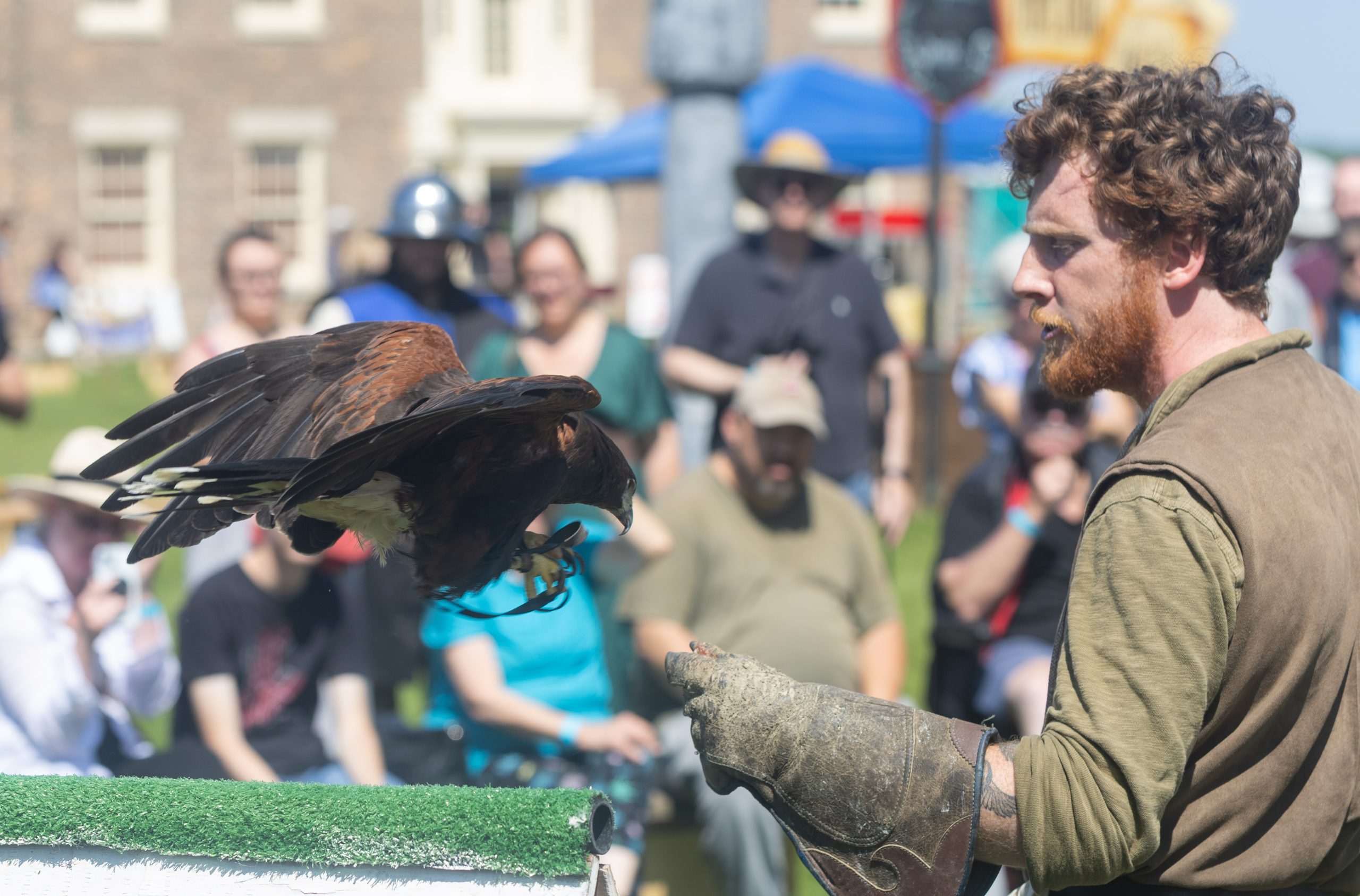
A falconer must understand how body condition and weight relate to a bird’s health, fitness, and willingness to work. That does not mean simply making a raptor hungry: careless restriction can cause serious harm, while poor monitoring may leave a bird unfit for the activity expected of it. Beginners need to learn reliable weighing, record-keeping, and how to interpret changes, alongside advice from a mentor and veterinarian. A suitable scale and consistent observations are essential, but numbers alone never tell the whole story. Safe decisions depend on species-specific knowledge and experience. Keep written records so patterns are easier to notice.
8. Suitable Hunting Land Is Not Guaranteed
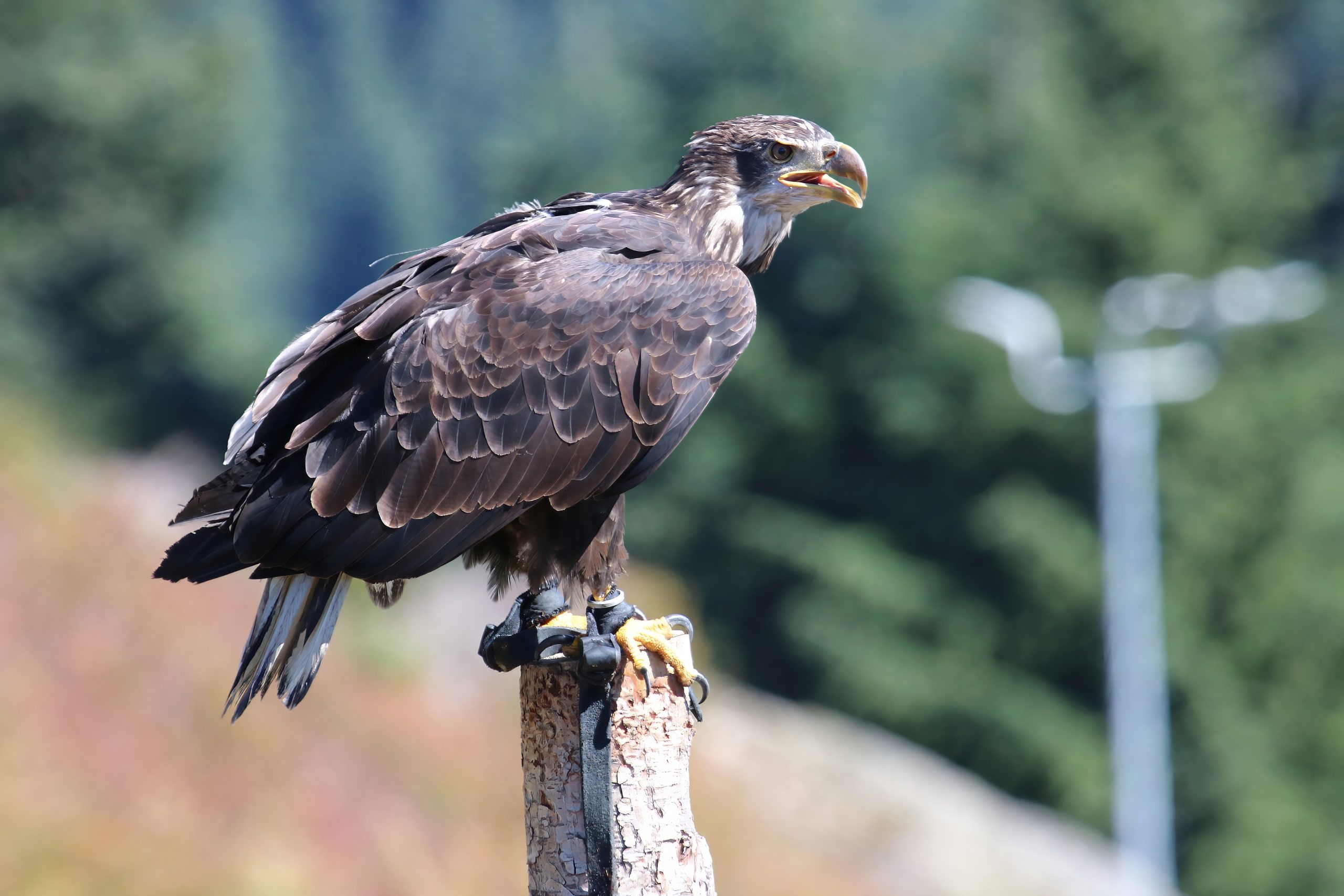
Falconry traditionally involves flying a trained bird at quarry in suitable natural habitat, so access to open land matters as much as owning equipment. A beginner must consider local wildlife, terrain, public access rules, landowner permission, hunting seasons, and whether the bird’s needs match the area. A beautiful field is not automatically useful if prey is scarce or access is prohibited. Travel can add time and fuel costs, and weather may disrupt plans. Before committing, prospective falconers should speak with local practitioners and identify several lawful, practical places to fly and hunt. Always confirm permission instead of assuming access is allowed.
9. It Is a Long-Term Commitment, Not a Novelty
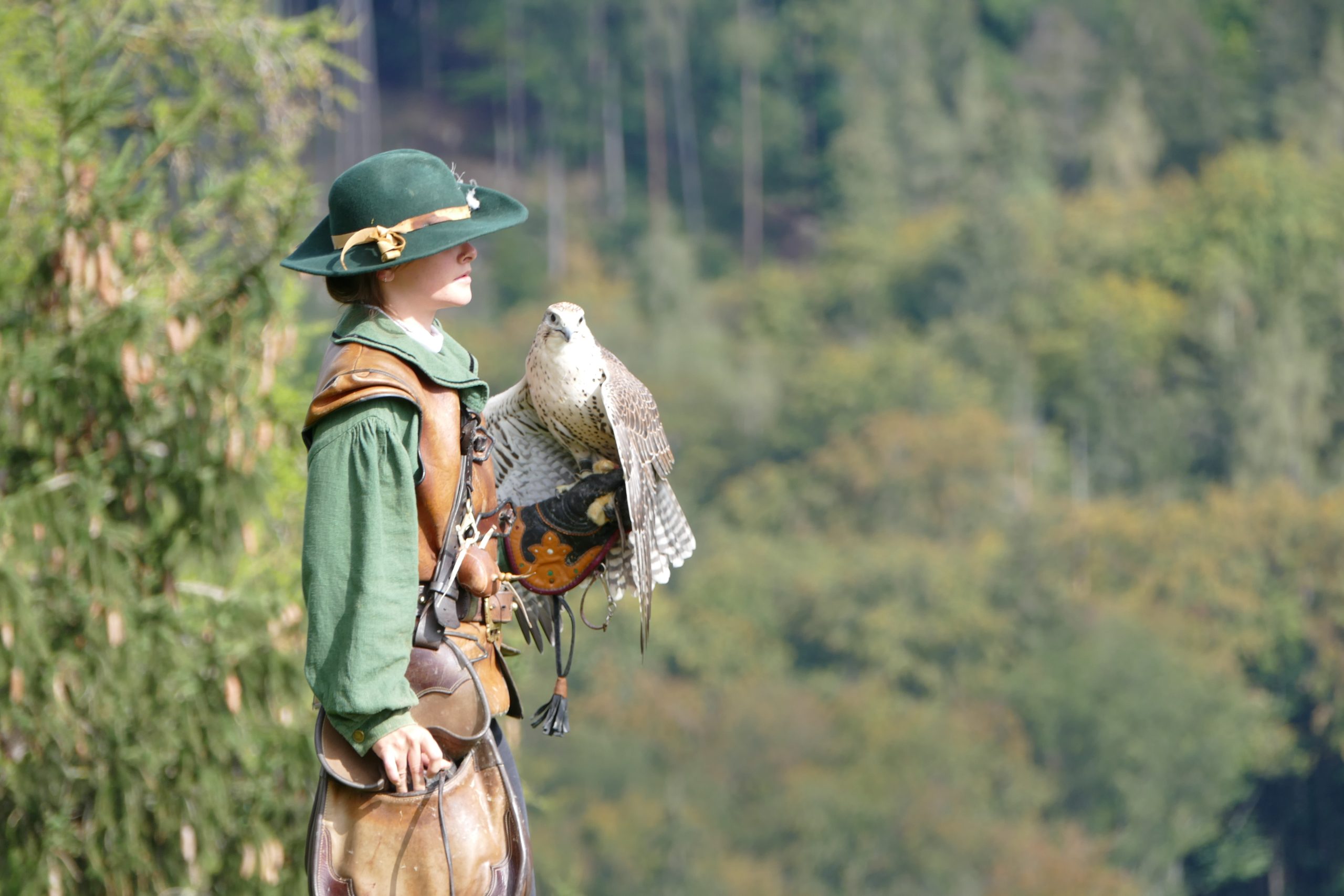
The appeal of a raptor on a gloved hand can hide the years of learning behind that image. Falconry asks for daily care, ongoing study, suitable finances, access to land, and a willingness to put an animal’s needs first. In the United States, the route from apprentice to general falconer normally includes at least 2 years of documented practice; master status requires further experience. Other countries use different systems, and some may restrict falconry substantially. Anyone interested should first observe experienced falconers, learn local laws, and assess whether this demanding routine fits real life. Admiration is a good beginning, but preparation must come first.