Some inventions arrive with fanfare. This one spent years proving itself to people who should have recognized it sooner.
The Teenager Behind The Rifle
John C. Garand did not come out of an elite engineering academy. According to the U.S. Army Center of Military History, he moved from Quebec to Connecticut as a boy, left school early, and started work in a textile mill.
That sounds like the beginning of a factory story, not a weapons revolution. But Garand was already building the habits that matter in gun design: patience, precision, and a machinist’s eye for parts that must work every single time.
The striking detail is how early that talent showed up. The Army’s own history notes that he applied for his first patent before he was fifteen, a reminder that his inventive life was underway while most teenagers are still figuring out what they like.
Why The Army Was Slow To Believe
Even gifted inventors do not automatically win over military institutions. In the 1920s, the Army tested multiple semiautomatic rifle concepts, including Garand’s, but none immediately satisfied the service.
Part of the delay was technical. Ammunition standardization was still unsettled, and a semiautomatic rifle had to do more than look clever on a workbench; it had to survive dirt, recoil, weather, manufacturing demands, and repeated service trials.
Part of the delay was cultural. Armies tend to trust what already works, especially when the existing bolt-action rifle has an established training system, supply chain, and officer corps built around it. New rifles threaten doctrine as much as they challenge hardware.
The Design That Changed Infantry Firepower

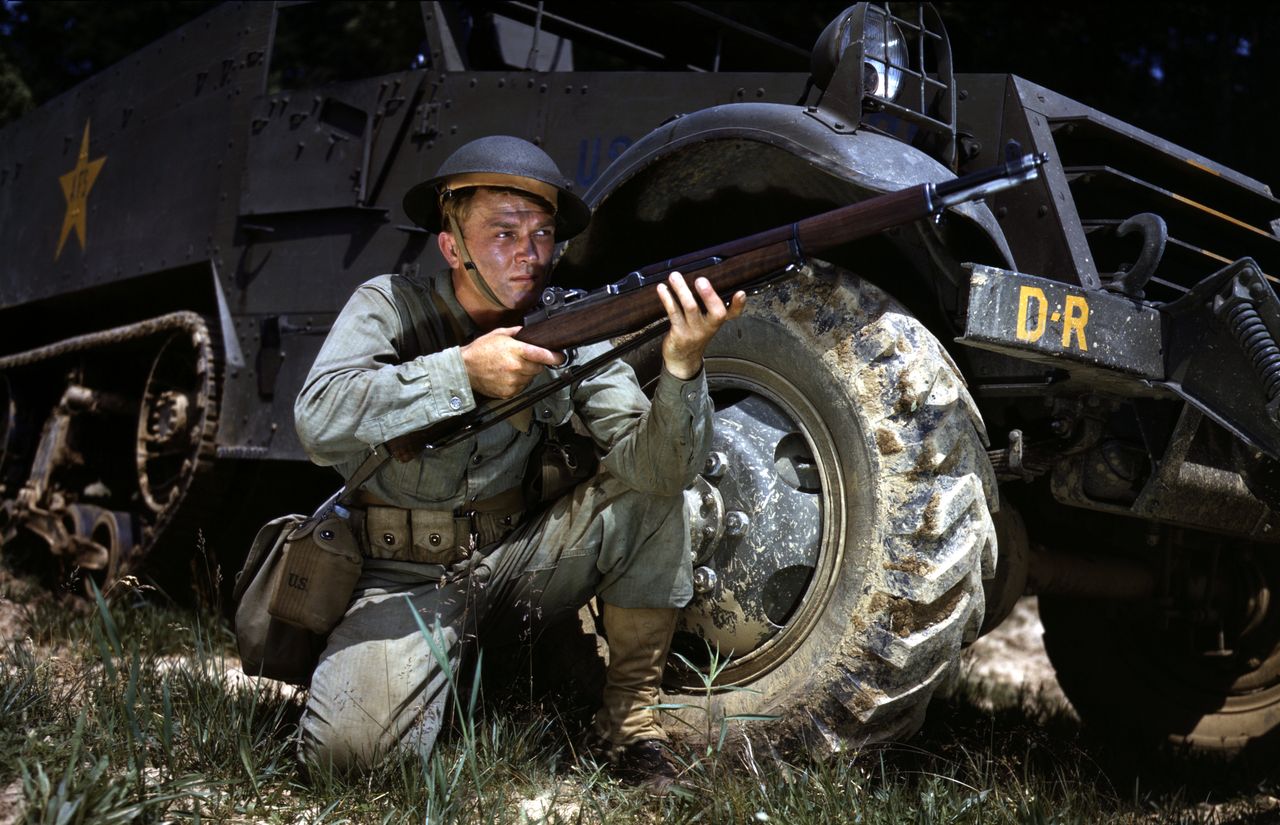
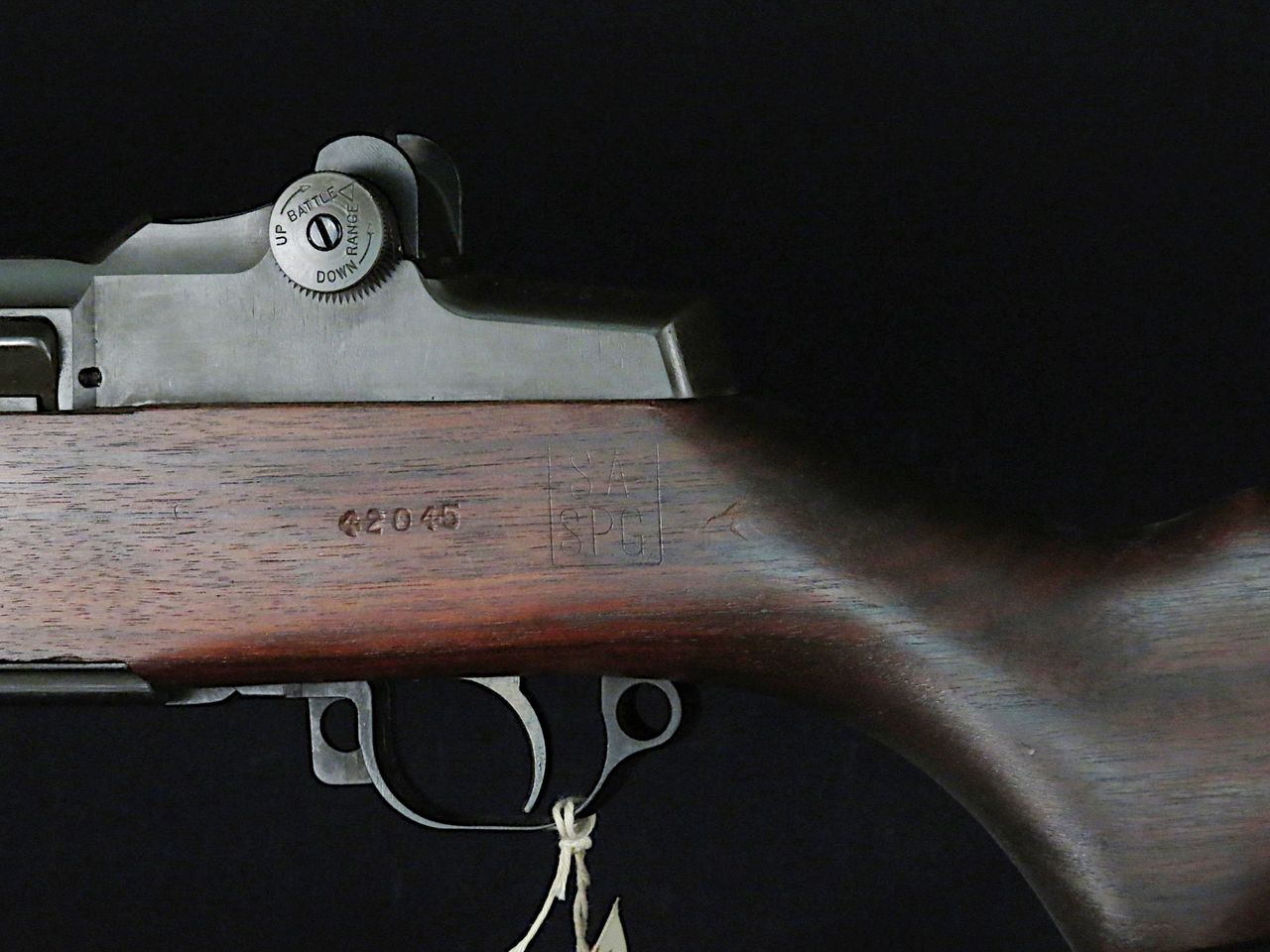
When Garand’s rifle matured, the payoff was enormous. The U.S. Army Ordnance Corps says the M1 was standardized and adopted on January 9, 1936, becoming the first semiautomatic shoulder rifle adopted as the standard infantry weapon by a major world power.
That mattered because the M1 gave ordinary riflemen a real increase in combat tempo. Army historical material describes a 9.5-pound rifle fed by an 8-round clip, capable of aimed fire at more than twice the rate of the Springfield bolt-action it replaced.
Those are not trivia points. They explain why the rifle gained such a formidable reputation in World War II. A soldier who could keep his sight picture and fire successive shots without manually working a bolt had a practical battlefield advantage.
Garand’s Talent Was Bigger Than One Gun
Garand was not just the man with a good sketch. The Ordnance Corps credits him with designing the tools, gauges, and production aids needed to make the rifle at scale, which is a different kind of genius than simply inventing a mechanism.
That distinction matters in firearms history. Plenty of designs are clever; far fewer are manufacturable in huge numbers without losing consistency, reliability, or safety. Garand understood that a service rifle is only successful if factories can build it the same way every time.
In that sense, his teenage promise never really disappeared. It evolved from curiosity into industrial problem-solving, the kind that turns a prototype into a national weapon system rather than a forgotten experiment.
What “Not Taken Seriously” Really Means
It would be wrong to say the Army ignored Garand forever. A better reading is that institutions moved cautiously, and sometimes frustratingly, while his ideas matured under scrutiny.
Army histories describe years of testing and reworking before adoption. That long runway is typical of military procurement, where reliability failures can cost lives and where even a strong design must fit training, logistics, maintenance, and wartime production realities.
Still, the phrase captures something true. Garand’s inventive ability was visible astonishingly early, yet the system did not instantly reward it. The distance between a teenager’s talent and an army’s confidence turned out to be measured in decades, not applause.
Why His Story Still Resonates
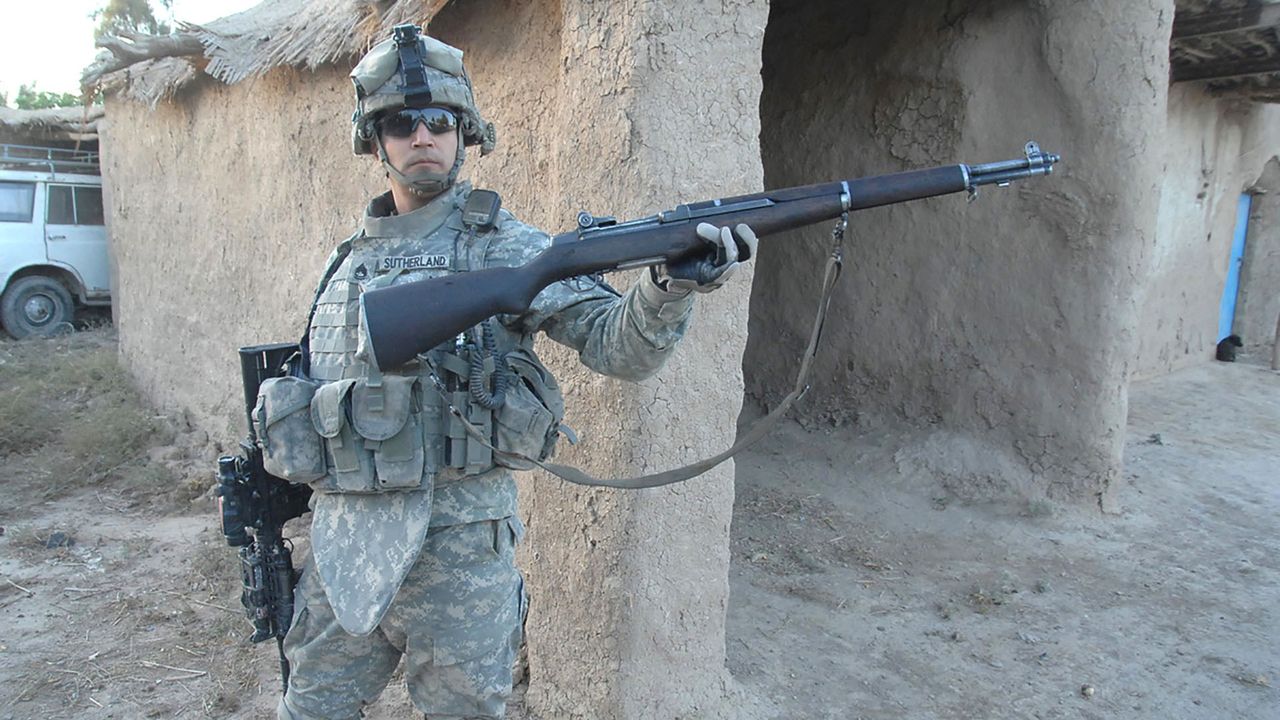
Garand’s story lands because it combines two myths people love to separate: the self-taught tinkerer and the world-changing engineer. In reality, he was both, and the record shows that his early mechanical drive was not youthful noise but the foundation of historic work.
For a general audience, the lesson is simple. Breakthroughs often begin in obscure places, with young people who do not yet look important to gatekeepers. Garand’s first patent arrived before fifteen; the M1 arrived in 1936; history eventually caught up.
And once it did, the result was not a novelty rifle. It was a weapon that helped define American infantry power in World War II and secured John C. Garand’s place among the most important gun designers ever.