Weather cycles change the rules fast. And when people who spend serious time outdoors start adjusting early, it is worth paying attention.
Why a possible 2026 Super El Niño has people watching closely

El Niño is the warm phase of a natural climate pattern centered in the tropical Pacific, but its effects rarely stay there. When ocean temperatures rise far enough and atmospheric patterns lock in, weather can shift across continents in ways that affect rainfall, temperature, snowpack, wind, and storm tracks. A so-called super El Nino is simply an unusually strong version, the kind that tends to leave a visible mark on seasons people remember for years.
Meteorologists are careful with that label for good reason. Long-range climate outlooks can hint at elevated odds, but forecasting the exact timing and strength of an event that far in advance remains difficult. Even so, forecasters, emergency planners, and outdoor professionals often pay attention early because preparation works best before the signal becomes obvious to everyone else.
Experienced survivalists tend to think in probabilities rather than headlines. They know a powerful El Nino does not mean the same weather everywhere, and it does not guarantee disaster on every trip. What it does mean is that old assumptions about predictable dry seasons, reliable freeze dates, or normal stream levels may become less useful than they were in calmer years.
That shift matters because outdoor risk usually comes from combinations rather than single events. Heavy rain after wildfire scars, warm spells followed by sudden cold, saturated ground under high winds, and road washouts during hunting or camping season can turn ordinary outings into emergencies. For people who already plan around uncertainty, a possible super El Nino is less a dramatic prophecy than a reason to tighten margins.
What survivalists change first when the weather outlook turns volatile
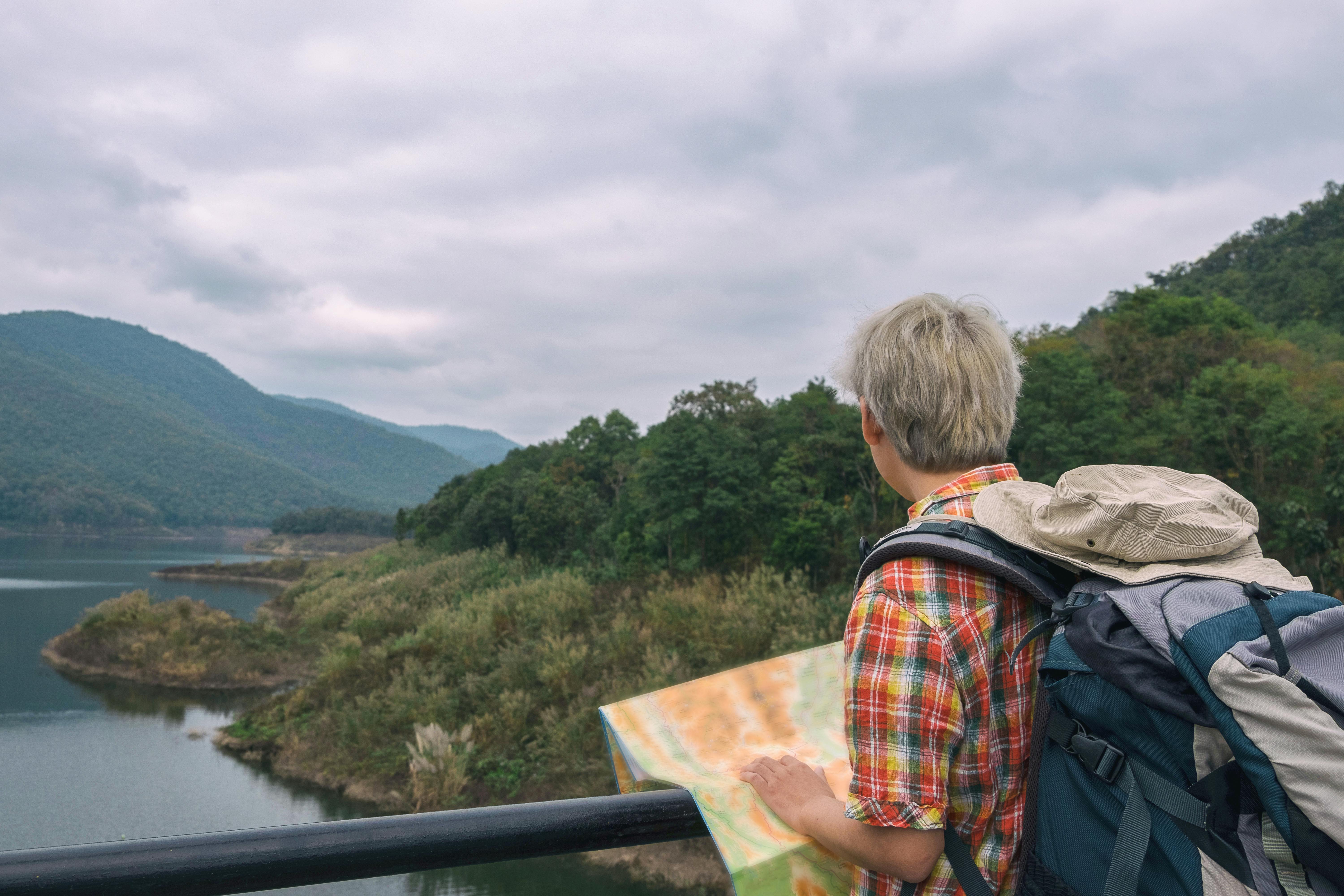
The first adjustment is usually not gear, but trip design. Skilled outdoors people begin by shortening routes, creating easier exit options, and favoring areas with multiple access roads instead of one long approach that can be blocked by mudslides, flooding, or fallen timber. They also look harder at elevation bands, river crossings, and slope exposure, because those details become more important when weather swings widen.
Timing is another major change. Instead of planning around the average season, survivalists start planning around windows of stability, sometimes choosing shorter but safer trips over ambitious expeditions. A three-day trip with two bailout points can become smarter than a seven-day route that depends on one bridge, one weather pattern, and one water source behaving normally.
They also rethink the meaning of water availability. In dry years, the concern may be scarcity, but during strong El Nino conditions the issue can be contamination, runoff, and unpredictable flow. Creeks that look manageable in the morning can become dangerous by afternoon after upstream rain, and lowland camps that seem ideal can turn into shallow lakes overnight.
Communication plans get upgraded early as well. Veterans are more likely to leave precise itineraries, establish check-in windows, and carry redundant navigation and signaling tools when weather-driven delays become more likely. That mindset reflects a core survival principle: when conditions grow less stable, the margin for small mistakes gets thinner.
The gear list is changing, and not in the way most beginners expect
People new to preparedness often imagine extreme-weather packing as a race toward more stuff. Seasoned survivalists usually do the opposite. They refine systems so they can stay mobile while still handling more moisture, more temperature variability, and longer delays caused by impassable roads or rough campsites.
Shelter is one of the biggest areas of change. Instead of focusing only on warmth ratings, they pay closer attention to site adaptability, rain handling, ventilation, and ground protection. A shelter that survives wind-driven rain, sheds water efficiently, and dries reasonably fast can matter more than one that merely looks rugged in a catalog photo.
Clothing choices shift in subtle ways too. Fast-drying layers, dependable rain protection, extra socks, and insulation that still performs when damp move higher on the list. Cotton becomes even less attractive, and many experienced outdoors people add one dedicated dry bag for sleep clothing because staying dry overnight can determine whether a trip remains uncomfortable or becomes dangerous.
Footwear and camp systems also get reconsidered. In wetter cycles, trench foot, blisters, and prolonged dampness can degrade judgment and pace faster than dramatic injuries. That is why veterans often carry better camp sandals, more aggressive foot care supplies, and pack liners or compartmentalized waterproofing rather than relying on a single rain cover and hoping for the best.
Floods, landslides, and bad roads are often the real outdoor threat
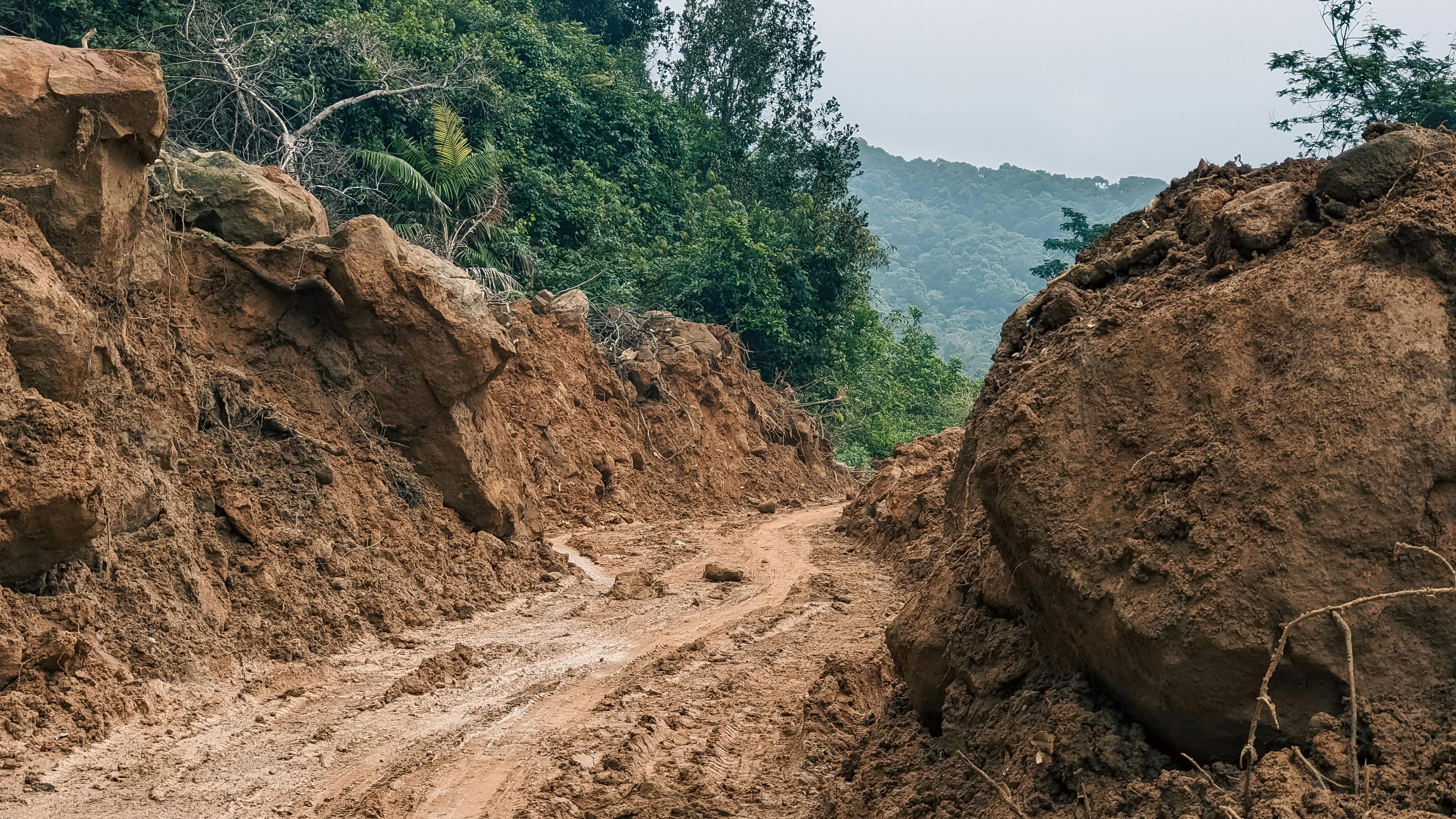
When people hear El Nino, they often picture big storms and stop there. Survivalists think one step further and ask what those storms do to terrain, roads, and escape options. In many regions, the true danger is not standing in the rain. It is trying to drive out on a washed-out forest road, crossing a creek that rose 18 inches in two hours, or camping below a slope weakened by saturation.
Recent disaster reporting has repeatedly shown how quickly secondary hazards escalate. Atmospheric river events in the West, for example, have brought intense rain, debris flows, damaged highways, and extended power outages far from the original storm center. For anyone camping, fishing, overlanding, or hunting, that means route planning has to include infrastructure fragility, not just weather comfort.
Wildfire burn scars are a special concern. Ground that once absorbed water can instead shed it rapidly, turning moderate rain into dangerous runoff loaded with ash, rock, and debris. Experienced backcountry users often avoid these areas entirely during volatile seasons, even if skies look clear at departure, because what matters is not only the weather overhead but what may already be happening upstream.
Vehicle prep changes too. Full fuel tanks, recovery gear, paper maps, tire repair kits, and extra food become more important when road closures create long detours or force unplanned nights out. In unstable weather years, the vehicle is part of the survival system, not just transportation to the trailhead.
How food, water, and fire planning shift in wetter and less predictable conditions
Food planning becomes more conservative when weather uncertainty rises. Survivalists often carry a little more no-cook or low-fuel food because persistent rain and wind can make routine camp cooking slower, colder, and more frustrating than expected. The goal is not luxury. It is preserving energy and morale when everything around camp is damp and the daylight disappears early behind storm clouds.
Water planning changes in two directions at once. There may be more water on the landscape, yet less trustworthy water in practical terms. Heavy runoff can load streams with sediment, agricultural contamination, or microbes, so experienced travelers often pair filtration with backup purification and avoid assuming a clear-looking source is a safe one.
Fire strategy also gets more nuanced. In some areas, wet conditions reduce wildfire risk and make open-flame heating less practical; in others, a temporary wet spell can be followed by explosive growth and later drying that increases fuel loads. Skilled outdoors people plan for both possibilities by carrying reliable ignition redundancy, but they do not build their entire comfort system around a fire being available.
Campcraft follows the same logic. They choose higher ground, improve drainage around camp without damaging the site, and separate wet-work tasks from sleeping systems. Small habits like keeping one dry layer untouched, protecting tinder from condensation, and pitching shelter before dark become far more valuable during a stormy pattern than any single expensive gadget.
Why local knowledge matters more than broad climate headlines
One of the smartest things experienced survivalists do is translate big climate signals into local consequences. A super El Nino headline may suggest wetter conditions overall, but what matters outdoors is whether a specific canyon floods fast, whether a certain road turns to clay after rain, or whether a familiar mountain pass loses snow reliability and becomes a freeze-thaw hazard instead.
That is why many veterans monitor local forecast offices, snowpack reports, river gauges, road advisories, and ranger district updates long before a trip. Broad seasonal outlooks are useful for mindset, but trip decisions come from nearer-term data and place-based knowledge. In practice, that means the same national weather pattern can lead one group to cancel a coastal trip, another to move camp above a drainage, and a third to postpone high-country travel by a month.
Guides, search-and-rescue personnel, and land managers often think this way because they have seen how quickly conditions diverge from assumptions. A trail that was straightforward last year may now cross a washed-out bridge or pass beneath unstable trees. People who spend time in the field learn that memory is helpful, but current conditions are king.
For general outdoor users, that lesson is empowering rather than intimidating. You do not need to predict the planet. You just need to stop treating old habits as permanent truths and start matching plans to the terrain, the season, and the latest credible local information.
The biggest lesson is not fear, but flexibility and discipline
The idea of a 2026 super El Nino can easily feed dramatic social media posts, panic buying, and exaggerated claims. But the most competent survivalists are not reacting with doom. They are doing what they always do when the risk picture changes: tightening planning, checking weak points in their systems, and giving themselves more options if conditions deteriorate.
That usually means practical steps. They refresh first-aid kits, replace leaking dry bags, review evacuation routes, rotate stored food in vehicles, and test communication devices before the season turns rough. They also get more willing to cancel or delay plans, which may be the least glamorous but most important survival skill of all.
There is a broader lesson here for anyone who hikes, camps, hunts, fishes, or travels back roads. Preparedness is not about owning the most gear or sounding the most alarmed. It is about understanding that weather volatility punishes rigidity, while rewarding people who can adapt early and make calm decisions under changing conditions.
If 2026 does bring a powerful El Nino, the people best positioned to handle it will not be the loudest voices online. They will be the ones who packed for wet feet, planned for washed-out roads, watched local conditions carefully, and treated uncertainty as a reason to prepare smarter rather than panic harder.