Fuel often disappears faster than expected during camping trips, even when gear works properly. Small habits repeated daily quietly drain supplies of firewood, propane, and stove fuel. Wind exposure, rushed cooking, poor setup choices, and timing mistakes all reduce efficiency. These losses increase costs, shorten trips, and limit safety margins without drawing attention. Many campers never notice the connection between routine actions and fuel shortages. Paying attention to how heat gets used makes a meaningful difference. The habits below reflect common, everyday actions that seem harmless but steadily reduce efficiency, especially during longer stays, changing weather, and repeated meal preparation outdoors.
Cooking Without Wind Protection
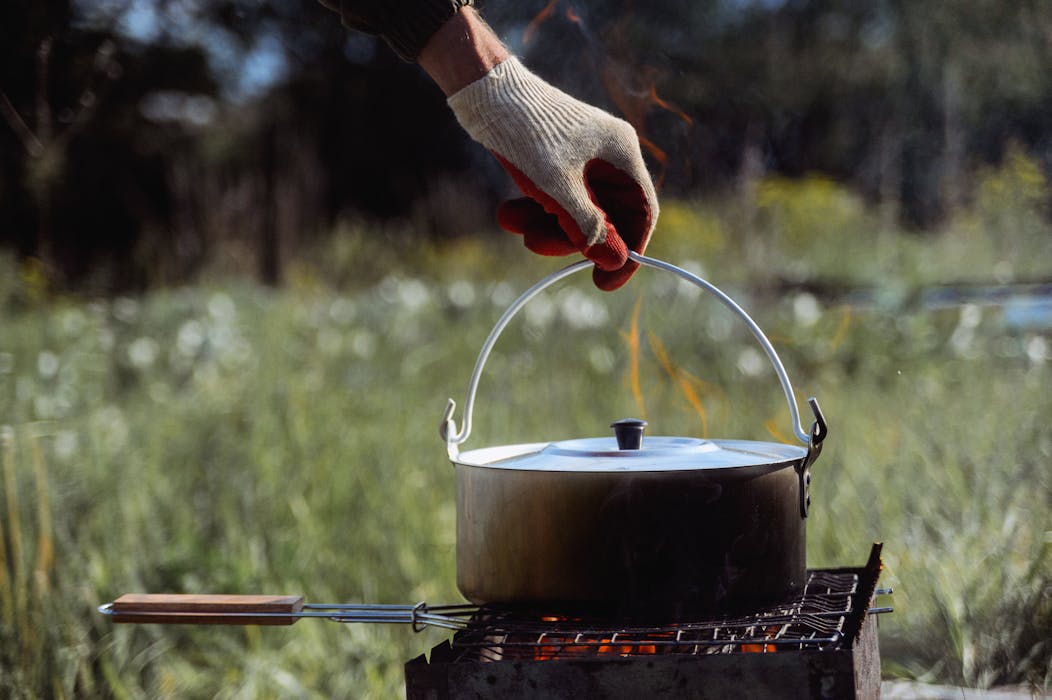
Cooking without wind protection wastes fuel by allowing heat to escape continuously. Even mild breezes disrupt flame efficiency and lengthen cooking times. Campers often overlook how wind pulls heat away from cookware. As a result, stoves burn longer to achieve basic tasks. Flames flicker unevenly, reducing heat transfer. Natural barriers, terrain features, or simple wind screens significantly improve performance. Without protection, fuel consumption increases regardless of stove quality. Wind exposure also raises frustration and delays meals. Choosing sheltered cooking spots concentrates heat, improves boil times, and helps fuel supplies last longer during routine camp cooking in exposed or elevated environments.
Leaving Flames Too High
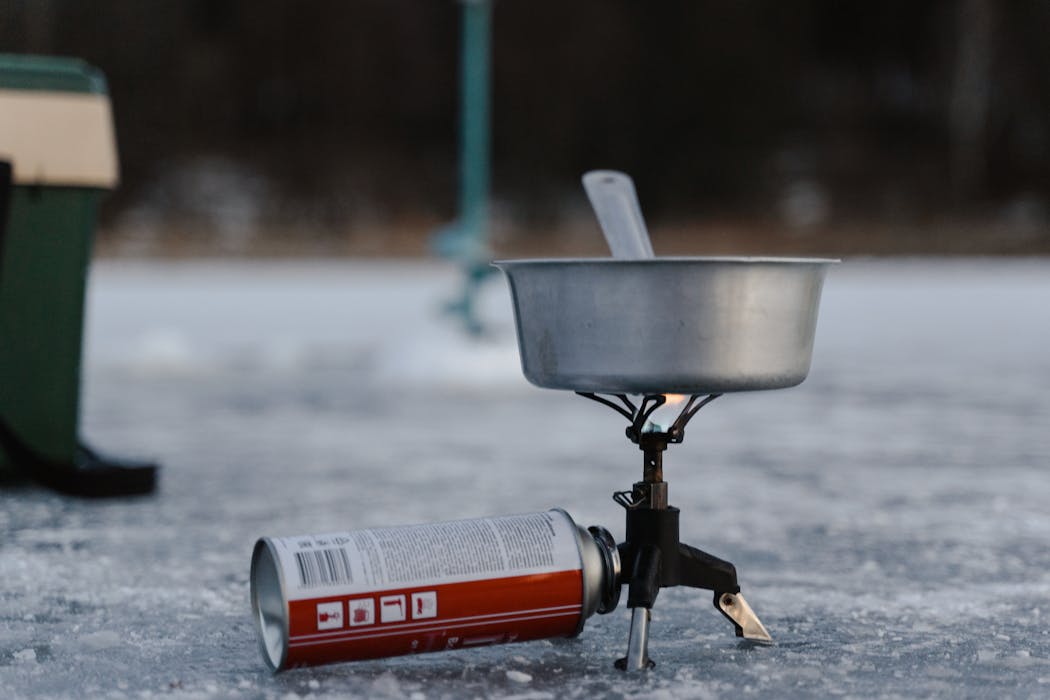
Leaving flames too high leads to unnecessary fuel loss. Many campers believe maximum flame shortens cooking time overall. In reality, excess flame spills beyond cookware, wasting heat into the air. High flames often cause uneven heating and scorching. Lower, controlled flames transfer heat more efficiently. Cooking may take slightly longer but consumes less fuel overall. Campers frequently overlook this balance. Once water reaches a boil, reducing flame saves fuel immediately. Over multiple meals, consistently high flames drain fuel supplies faster than expected. Managing flame height carefully improves efficiency, extends fuel life, and supports smoother cooking throughout multi day camping trips.
Using Oversized Cookware
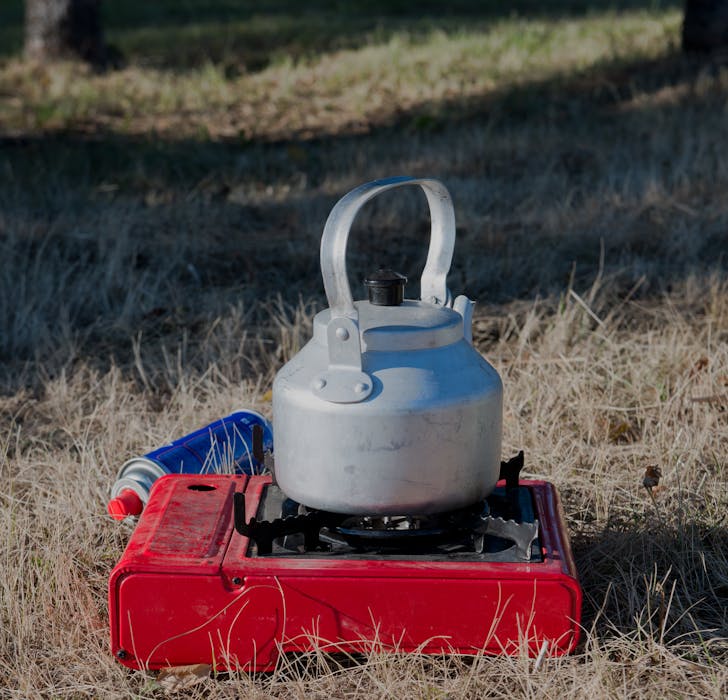
Using oversized cookware increases fuel consumption by dispersing heat inefficiently. Large pots require more energy to heat contents fully. Flames often extend beyond the pot base, losing heat to surrounding air. Campers cooking small meals in large pots burn extra fuel without benefit. Smaller cookware concentrates heat and shortens boil times. Oversized pans encourage campers to increase flame output, compounding waste. Matching cookware size to meal needs improves efficiency. Lightweight, properly sized pots conserve fuel and reduce cooking time. Over many meals, oversized cookware quietly drains fuel reserves, shortening trip duration and increasing reliance on resupply or firewood collection.
Cooking With Cold Ingredients
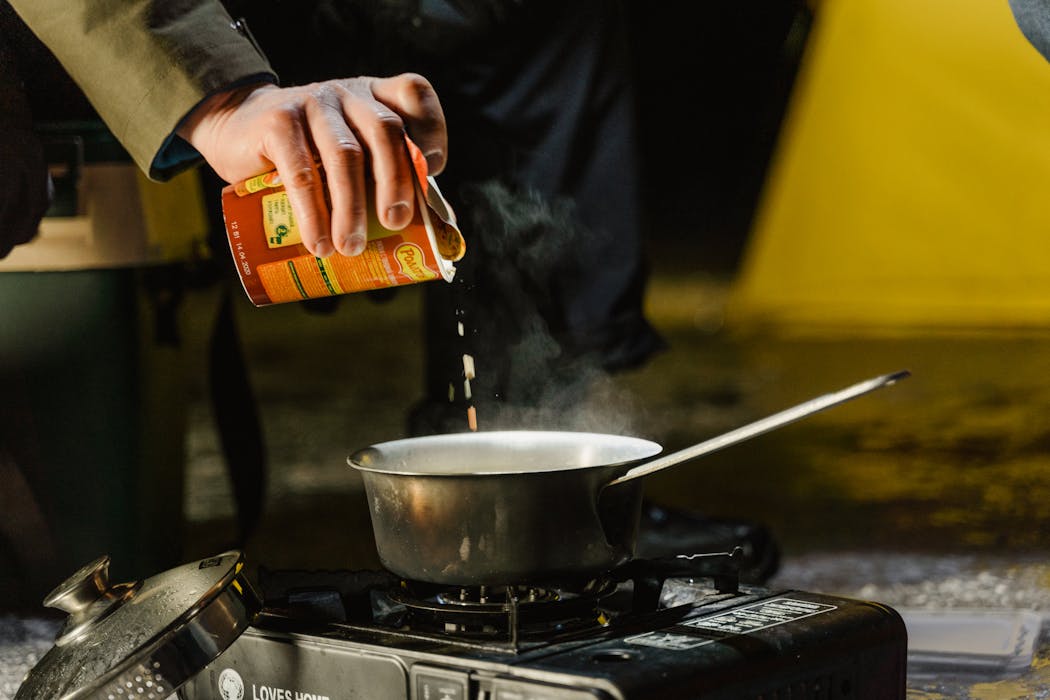
Cooking with cold ingredients wastes fuel by increasing required heating energy. Food taken directly from coolers or cold streams extends boil times. Campers often begin cooking immediately, unaware of the added demand. Allowing ingredients to warm slightly reduces fuel use. Even modest temperature changes improve efficiency. Cold dense foods amplify heat requirements further. Campers may compensate by increasing flame output, worsening waste. Planning ahead by staging ingredients improves cooking performance. Meals heat faster and more evenly. Over several days, repeated cold starts significantly increase fuel consumption, reducing reserves without obvious warning during routine camp meal preparation.
Boiling Excess Water
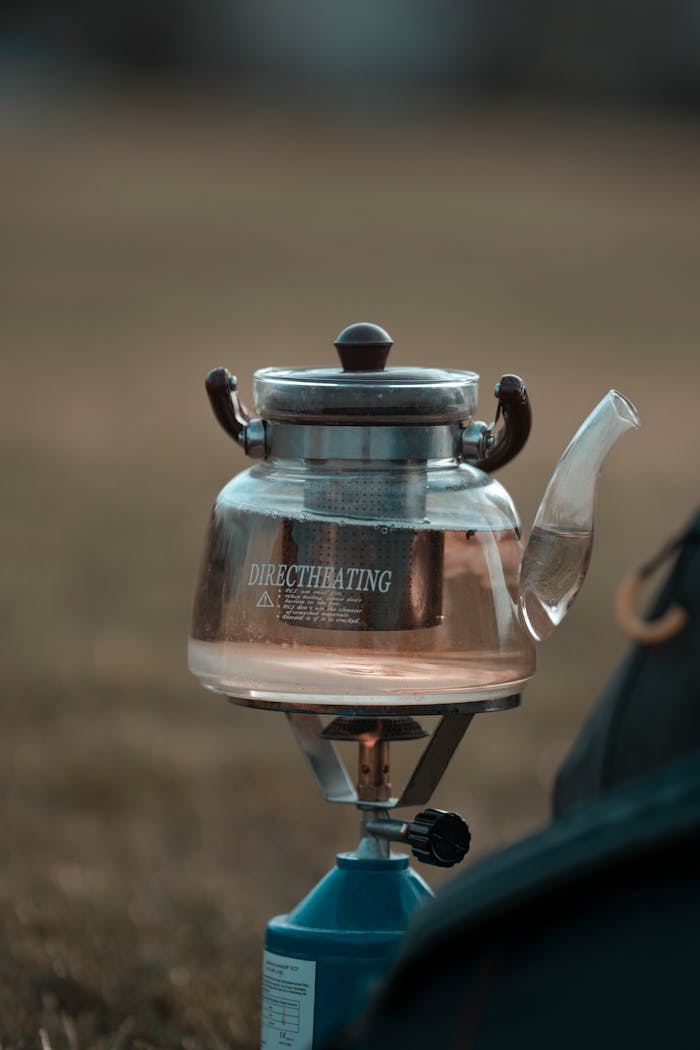
Boiling excess water wastes fuel without providing benefit. Campers often heat more water than meals require. Extra volume absorbs heat and extends boil time. Unused hot water cools quickly, offering no return on fuel spent. This habit often stems from poor measurement or estimation. Smaller, measured volumes heat faster and conserve fuel. Reheating later consumes less fuel than boiling excess initially. Over multiple meals, repeated over boiling quietly drains fuel supplies. Measuring water carefully supports efficiency. This simple adjustment preserves fuel while still meeting cooking and drinking needs during camping trips of any length.
Forgetting To Use Lids
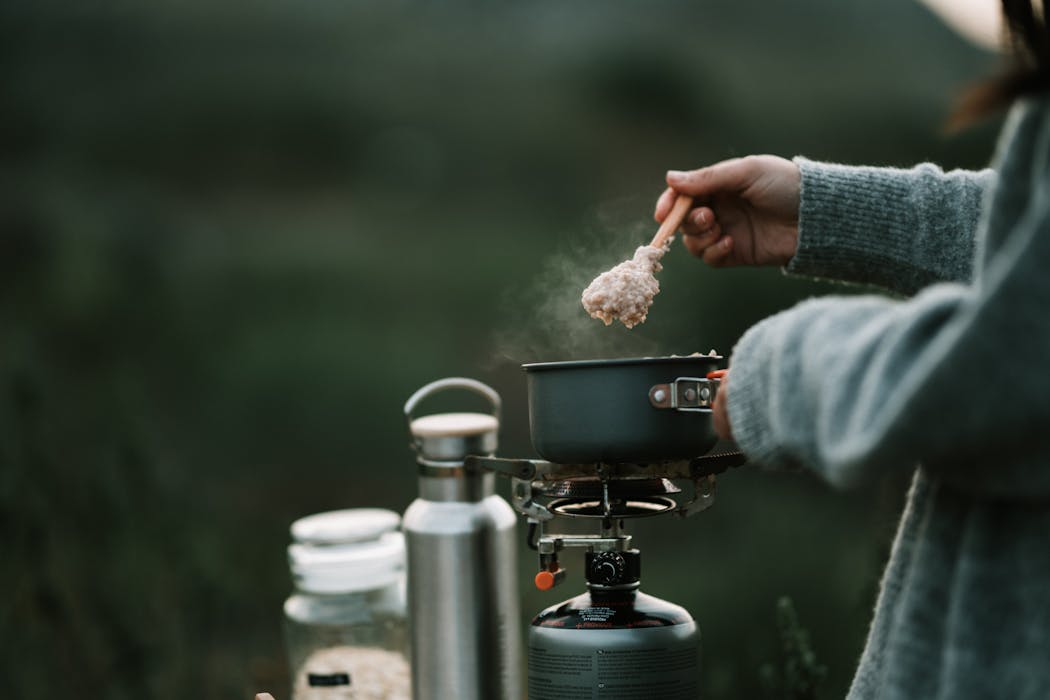
Forgetting to use lids wastes fuel by allowing heat and steam to escape. Open cookware loses heat rapidly, extending cook times. Lids trap heat, speeding boiling and simmering. Many campers overlook lids due to habit or convenience. Even partially covering pots improves efficiency. Without lids, flames must burn longer to achieve results. Wind worsens the effect. Consistent lid use conserves fuel across all stove types. Campers often underestimate this impact. Saving minutes per boil translates into meaningful fuel preservation over time. Neglecting lids remains one of the simplest yet most common fuel wasting behaviors during daily camp cooking routines.
Poor Stove Placement
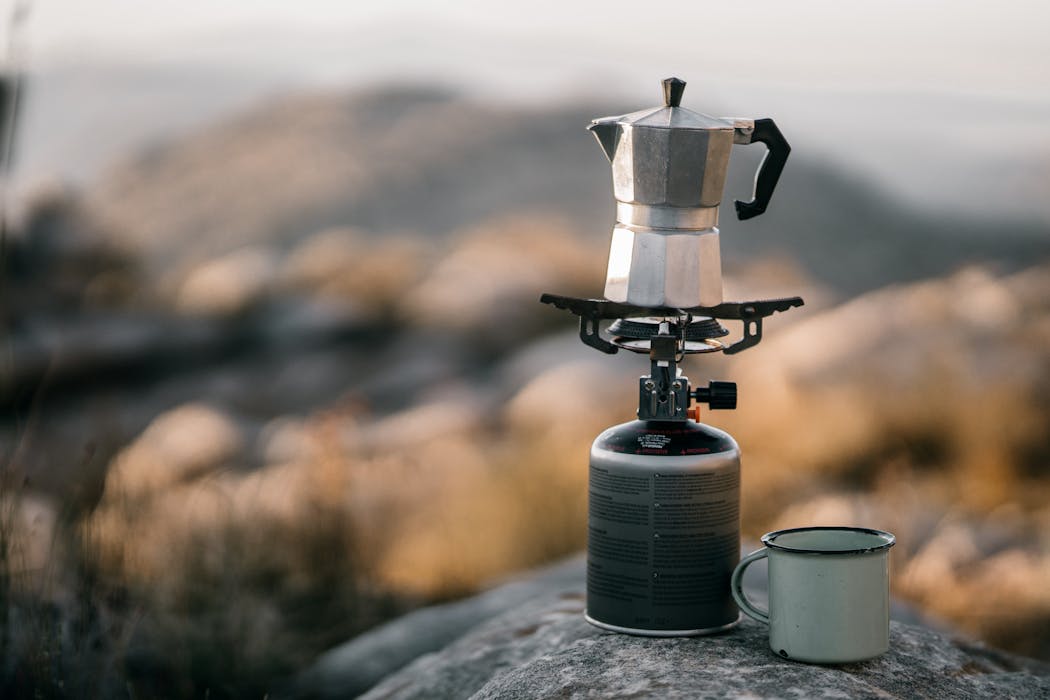
Poor stove placement wastes fuel through instability and exposure. Uneven ground tilts cookware, reducing heat transfer. Windy or open locations increase heat loss. Campers sometimes prioritize convenience over efficiency when choosing setup spots. Stoves placed too low lose heat to damp soil. Elevated, sheltered surfaces perform better. Stable placement allows consistent flame contact. Poor placement extends cooking times and encourages higher flame use. Campers may blame equipment instead of setup. Choosing firm, protected locations improves efficiency. Over repeated meals, careless placement drains fuel quietly while also increasing safety risks during routine campsite cooking activities.
Cooking In Open Air
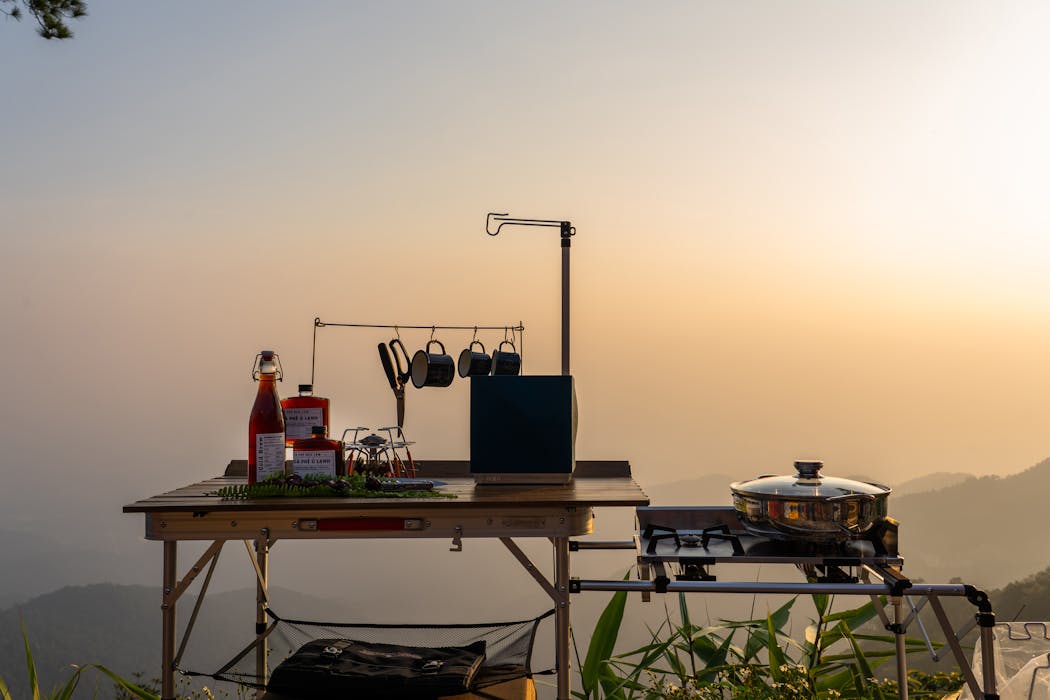
Cooking in open air wastes fuel by exposing flames to environmental loss. Heat dissipates quickly without containment. Campers often cook away from shelters for safety but fail to find protected alternatives. Open air increases wind exposure and reduces efficiency. Even calm conditions allow heat to escape. Natural barriers or partial shelters improve performance significantly. Without protection, stoves burn longer to compensate. Campers may increase flame output, worsening waste. Awareness of surroundings matters. Balancing safety and shelter reduces fuel loss. Open air cooking repeatedly drains supplies faster than expected, particularly in exposed campsites or elevated terrain where wind patterns shift unpredictably.
Not Pre Planning Meals
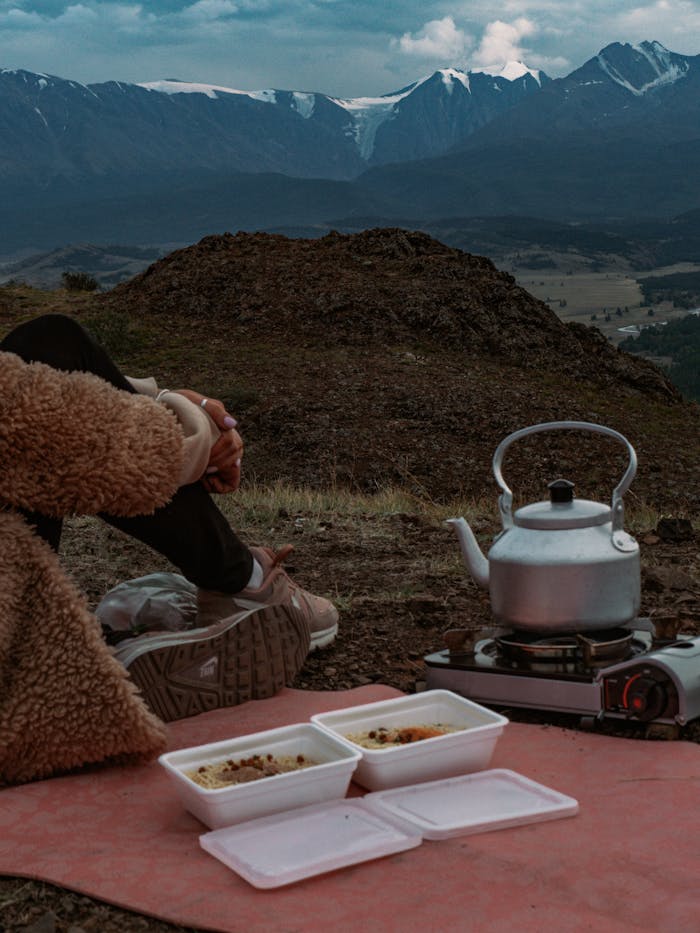
Not pre planning meals leads to inefficient fuel use. Improvised cooking often requires extra heating cycles. Campers may reheat food unnecessarily or cook inefficiently. Planned meals streamline preparation and reduce boil times. Lack of planning results in wasted water and fuel. Campers might accidentally cook excess portions. Pre planning allows ingredient staging, reducing cold starts. Efficient sequencing conserves fuel. Without a plan, stoves run longer than necessary. Over multiple days, this waste accumulates. Thoughtful meal planning supports predictable fuel use, reduces stress, and helps ensure supplies last throughout longer trips where resupply options remain limited.
Letting Flames Burn Unused
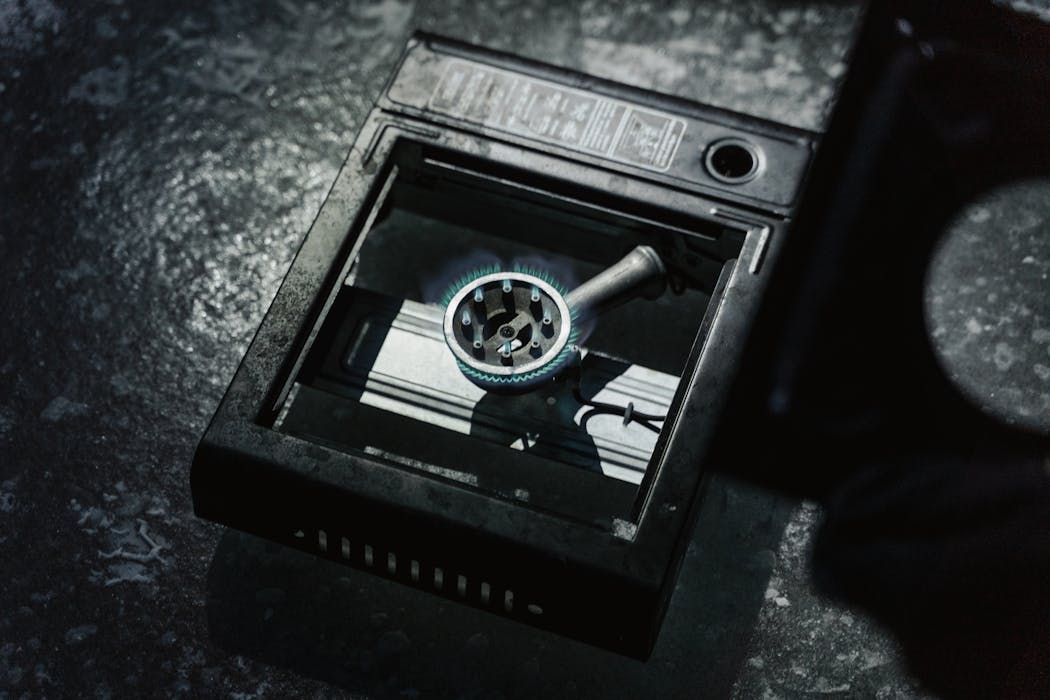
Letting flames burn unused wastes fuel immediately. Campers sometimes leave stoves running while preparing ingredients or multitasking. Even short pauses consume fuel continuously. Turning off burners between steps saves fuel. This habit often goes unnoticed during casual cooking. Campers may assume brief delays matter little. Over time, repeated idle burning drains supplies significantly. Preparing ingredients before lighting stoves improves efficiency. Conscious on off management preserves fuel. Attention during cooking matters. Unused flame time provides no benefit. Eliminating idle burns ensures fuel supports actual cooking needs, especially important during extended trips where reserves must last reliably.
Cooking Multiple Items Separately
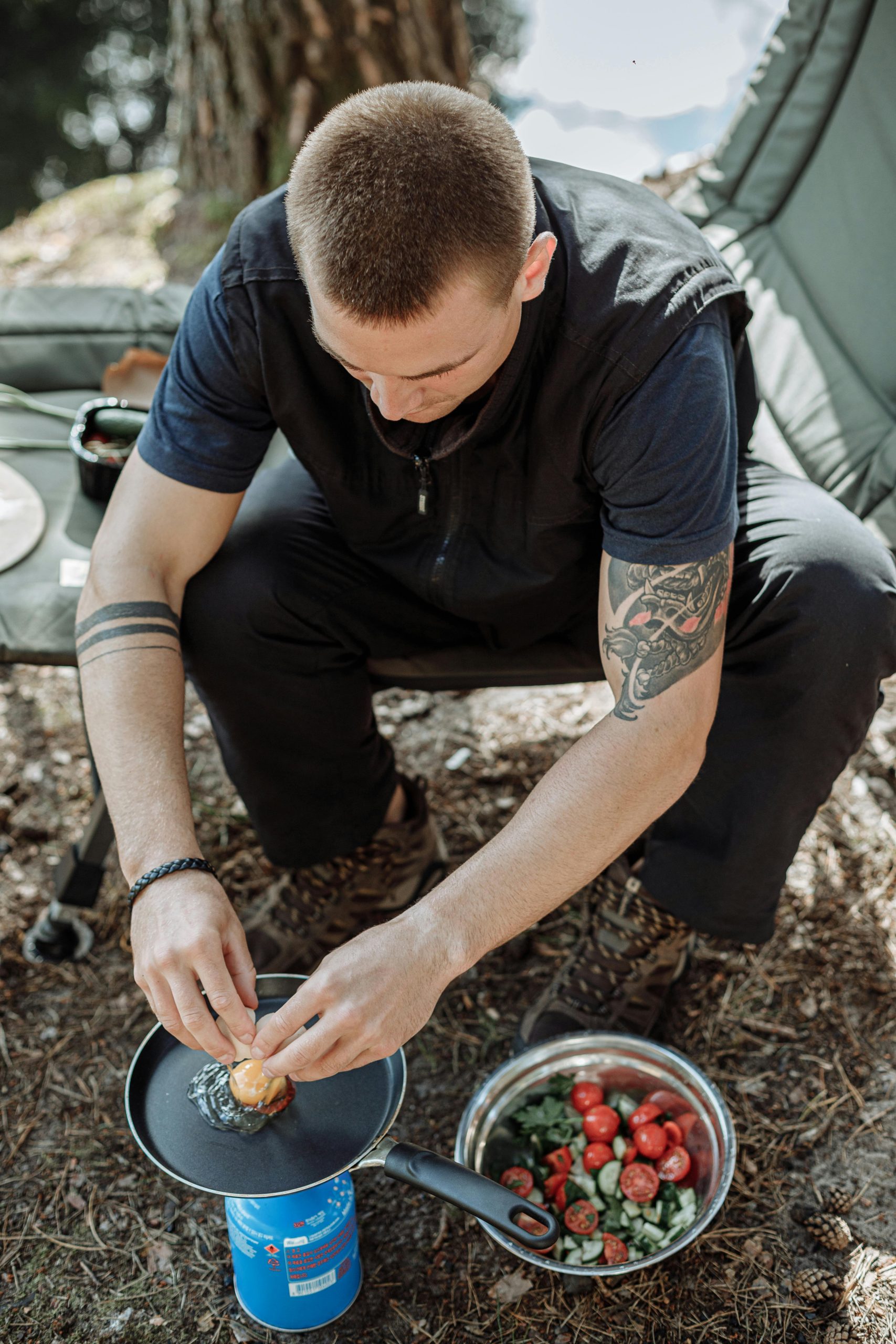
Cooking multiple items separately increases fuel consumption through repeated heating cycles. Each pot requires its own boil time. Campers may cook components individually for convenience. This approach wastes heat and fuel. Consolidating steps reduces total burn time. One pot meals save fuel and effort. Separate cooking encourages repeated flame use. Planning combined meals improves efficiency. Fewer heating cycles preserve supplies. This habit also increases cleanup time. Over a trip, separate cooking quietly shortens fuel lifespan. Efficient sequencing and combination support conservation, especially valuable on remote trips with limited fuel capacity and no easy access to replacement supplies.
Ignoring Stove Maintenance
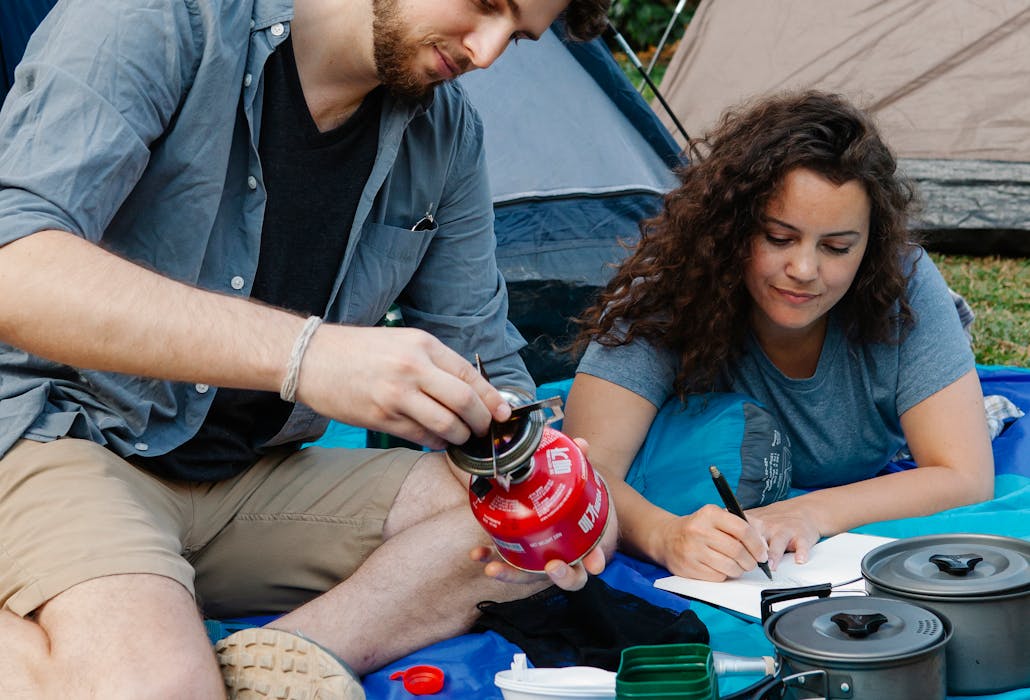
Ignoring stove maintenance wastes fuel by reducing combustion efficiency. Dirty burners create uneven flames. Clogged jets restrict airflow and extend cook times. Campers may open valves further to compensate, increasing consumption. Regular cleaning restores proper flame shape. Maintenance improves both efficiency and safety. Campers often overlook maintenance until performance drops noticeably. Small inefficiencies accumulate unnoticed. Clean stoves boil faster using less fuel. Maintaining equipment preserves performance across trips. Neglect shortens fuel life and stove longevity. Simple maintenance routines prevent waste, ensuring fuel produces usable heat instead of being lost through inefficient combustion patterns during everyday camping use.
Cooking At Peak Flame For Simplicity
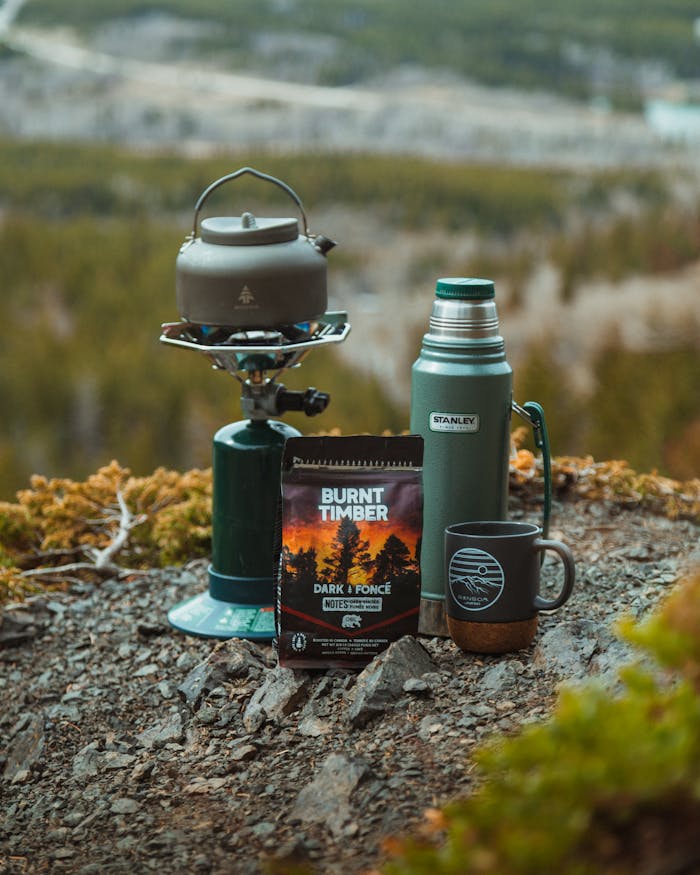
Cooking at peak flame for simplicity wastes fuel over time. Campers may prefer fast boiling without adjusting output. Maximum flame shortens individual boil times but increases overall consumption. Lower sustained heat often transfers energy more efficiently. Peak flames spill heat beyond cookware. Campers confuse speed with efficiency. Adjusting flame levels during cooking saves fuel. Once boiling begins, reducing output conserves resources. This habit requires attention but pays off. Over many meals, constant peak flame use drains fuel supplies quickly. Recognizing that controlled cooking conserves fuel improves resource management during longer stays or remote camping trips.
Heating Water Too Early
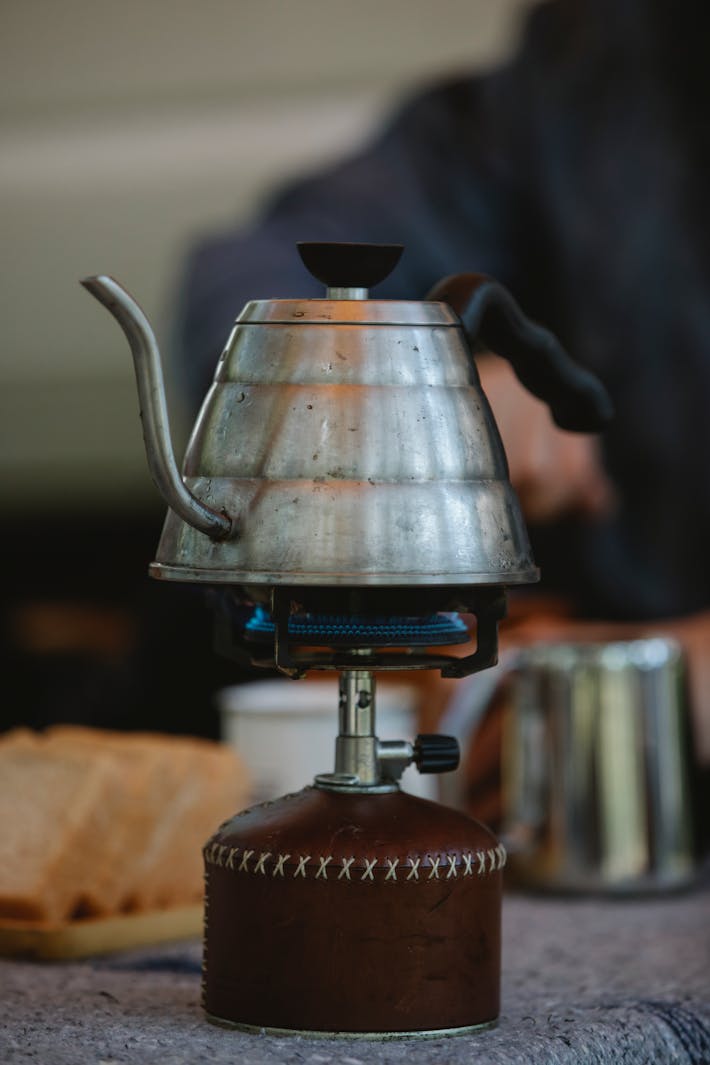
Heating water too early wastes fuel when timing misaligns. Campers may boil water before ingredients or tasks are ready. Water cools rapidly when unused. Reheating doubles fuel consumption. This mistake often stems from disorganized preparation. Coordinating timing reduces waste. Heating water only when needed improves efficiency. Campers underestimate how quickly heat dissipates outdoors. Preparing ingredients first supports conservation. Early heating creates unnecessary cycles. Over time, this habit quietly drains supplies. Conscious sequencing ensures fuel supports productive cooking rather than being lost to ambient cooling between preparation steps during routine camp meals.
Overlooking Residual Heat
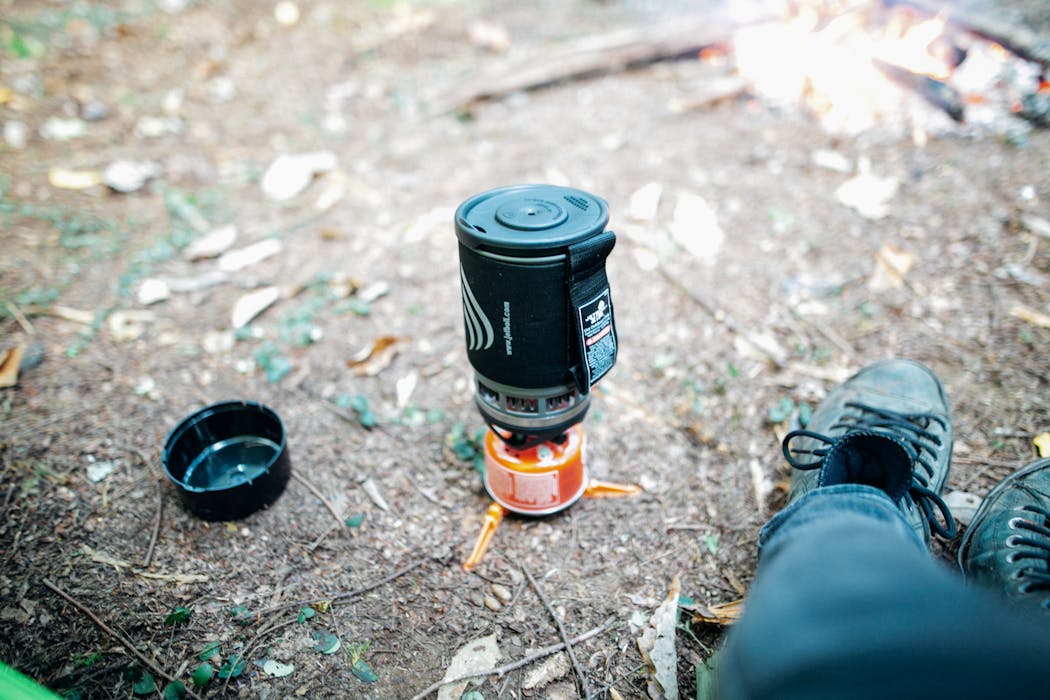
Overlooking residual heat wastes fuel by restarting flames unnecessarily. Cookware retains heat after burners turn off. Campers often reignite stoves too soon. Using retained heat finishes cooking without additional fuel. Letting pots sit briefly conserves energy. This technique works well for simmering and rehydrating foods. Campers accustomed to constant flame miss this opportunity. Awareness of thermal retention improves efficiency. Covering pots extends residual warmth. Over many meals, this practice saves significant fuel. Recognizing residual heat shifts cooking habits, ensuring fuel supports essential heating rather than being consumed unnecessarily when passive heat remains effective.