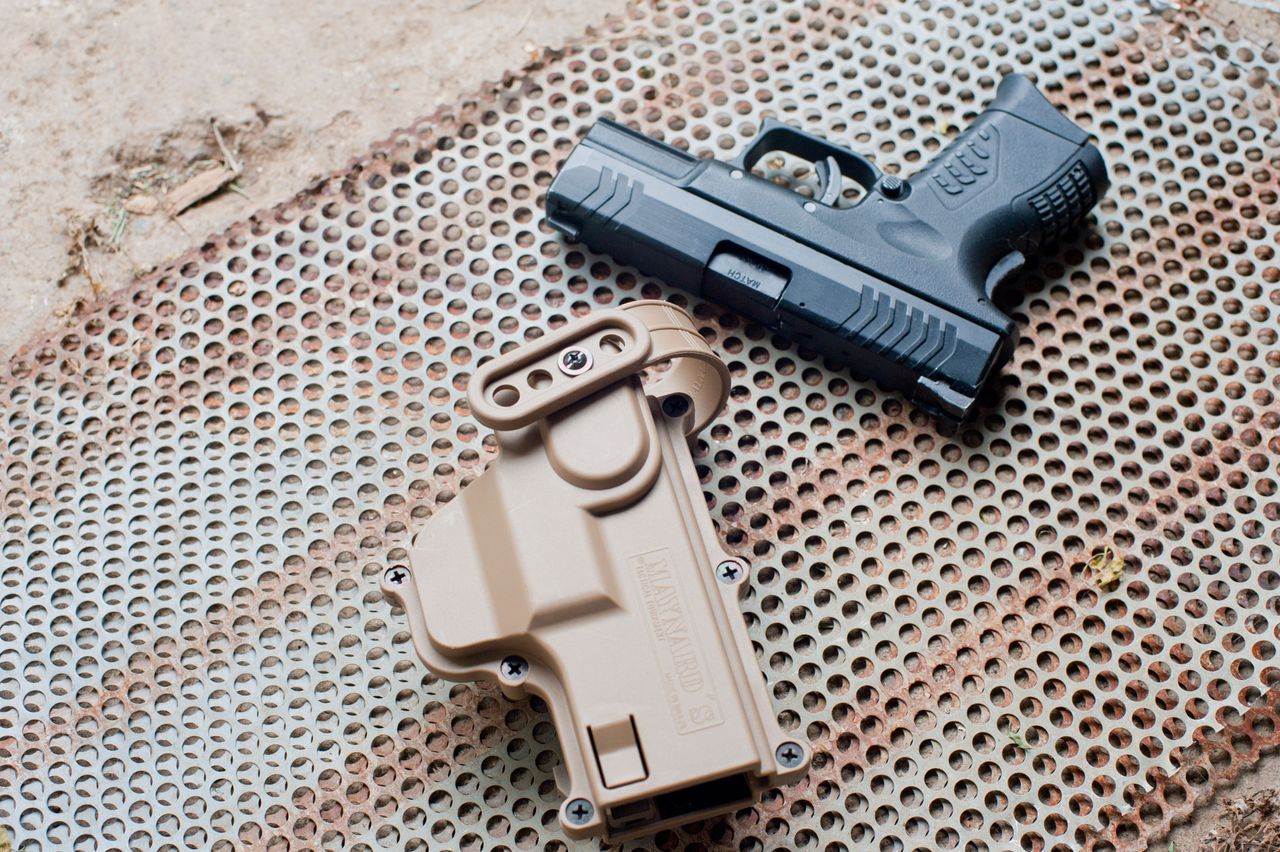
Finding a concealed carry holster that actually works with a woman’s body, wardrobe, and daily movement can feel like a long series of compromises. This gallery looks at holster styles female carriers frequently say made a real difference, especially when comfort, draw access, and discreet fit all had to happen at once. Rather than hype, the focus here is on ergonomics that show up in real life.
Appendix IWB holster with adjustable cant
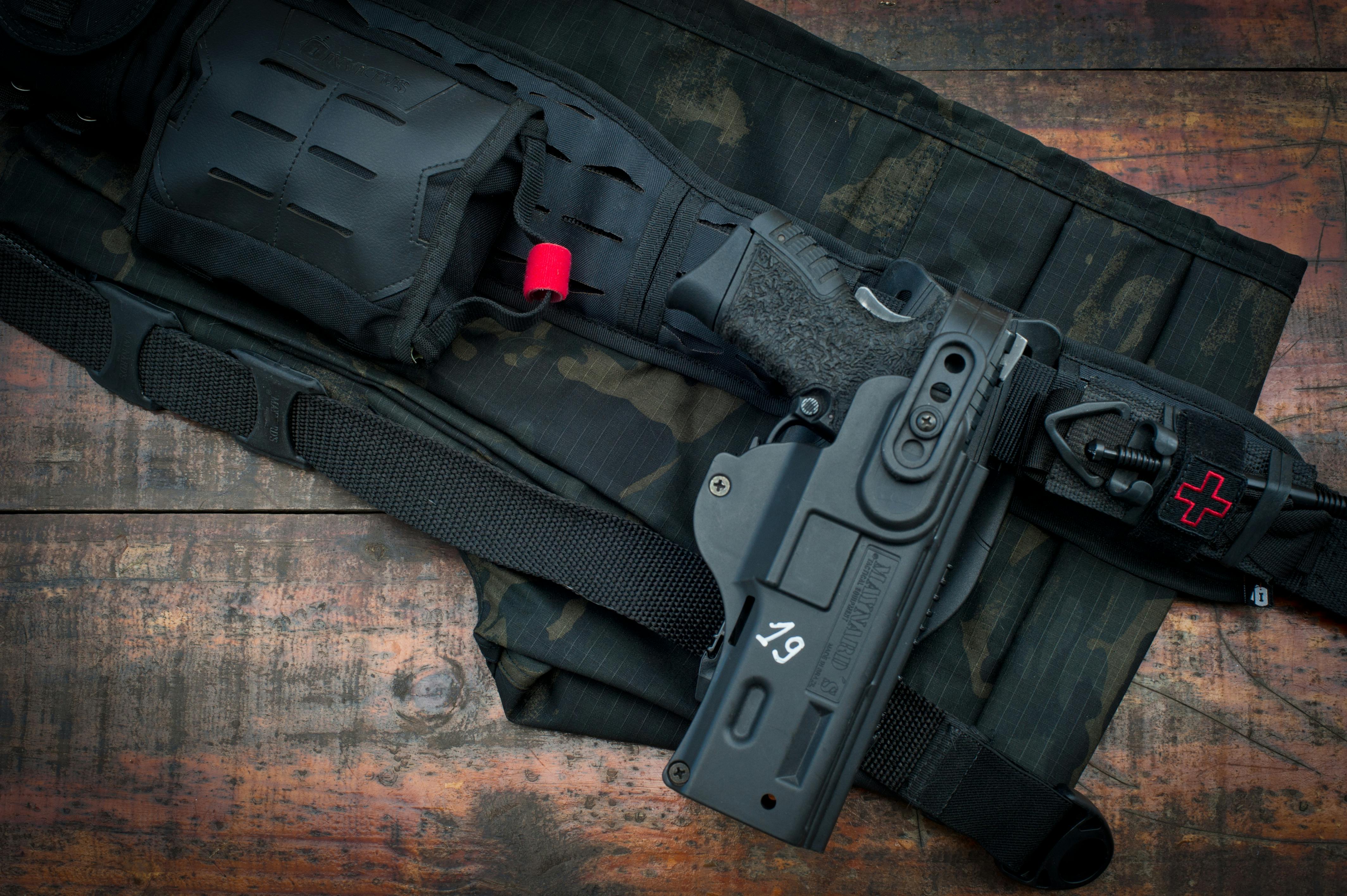
For many women, appendix carry only starts to feel workable when the holster gives some control back. Adjustable cant and ride height can change everything, especially for shorter torsos, curvier hips, or outfits that sit higher on the waist. What feels poky and obvious in one position can feel surprisingly balanced a half inch over.
Female carriers often say the best appendix rigs are the ones that disappear once dialed in. A slim shell, smooth edges, and a sturdy clip matter as much as retention. The ergonomic win is not just concealment. It is being able to sit, drive, and move through a normal day without constantly fidgeting with the setup.
Strong-side IWB holster with a wing
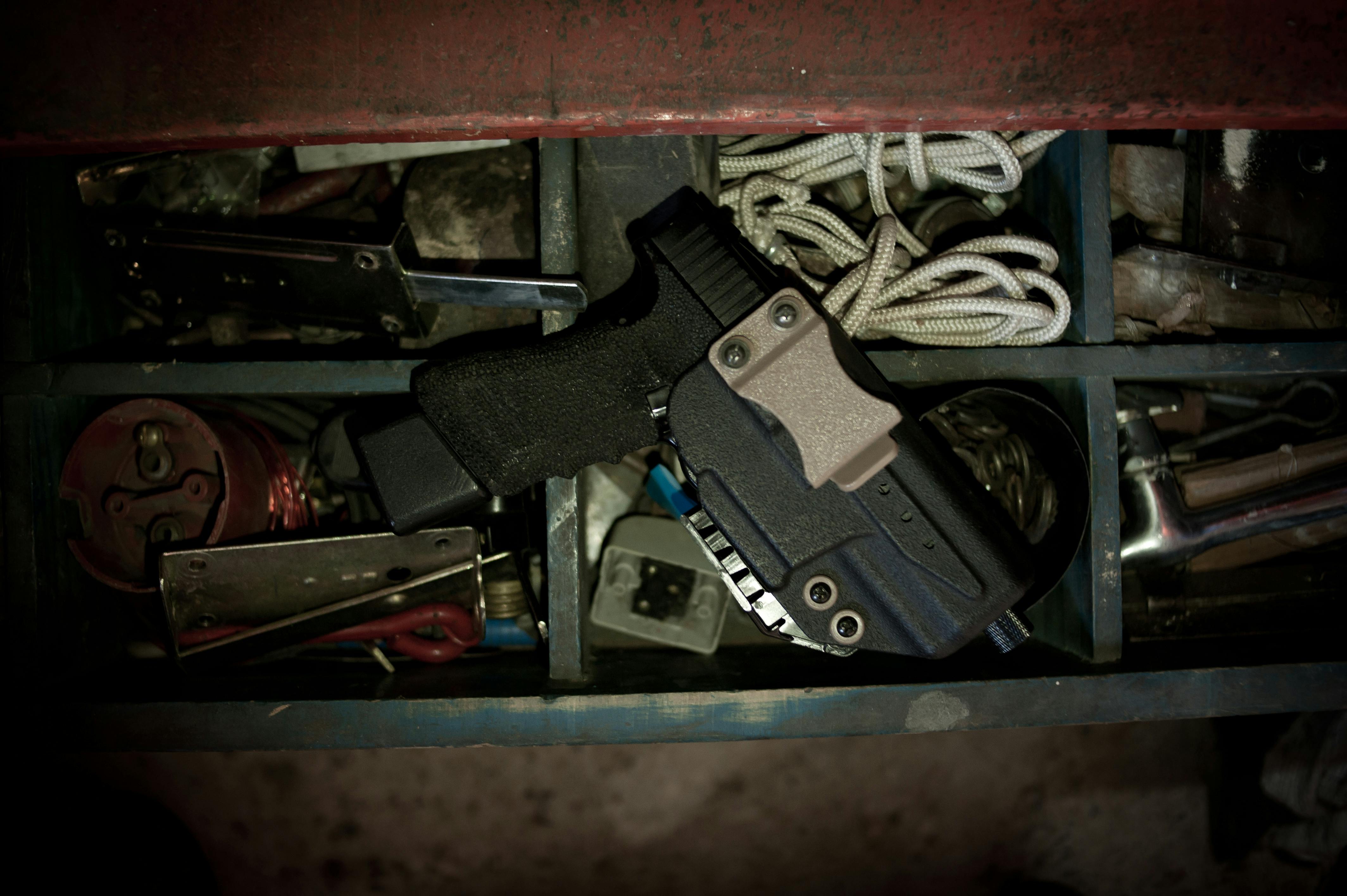
Strong-side inside-the-waistband carry remains a favorite for women who want a familiar draw and less pressure at the front of the body. When a holster includes a concealment wing, carriers often notice the grip tucks in closer instead of printing outward. That small design choice can make fitted tops and lighter fabrics less frustrating.
Comfort also tends to improve when the backing and shell do not fight the hip line. Female carriers regularly describe this style as easier to wear for longer stretches, particularly when standing and walking are part of the day. The ergonomic sweet spot comes from secure retention paired with a shape that follows the body rather than sitting on top of it.
Hybrid holster with soft backing

Hybrid holsters appeal to women who like the structure of a molded shell but do not want hard material pressing against the skin all day. A soft backing can spread pressure over a wider area, which many carriers say helps on curvier frames or during long wear. That broader contact patch often reduces hot spots.
The tradeoff is bulk, so the best versions are usually the ones that stay trim and stable. Female carriers often describe a good hybrid as forgiving without feeling floppy. It works especially well for those who want more comfort under everyday layers and are willing to spend time adjusting placement until the backing lines up with their natural shape.
Belly band with a reinforced trigger area

Belly bands can be a breakthrough for women whose wardrobes do not always cooperate with belts or rigid waistbands. Dresses, leggings, and athletic wear become much more realistic options when the carry system moves with the outfit. Female carriers often say the key ergonomic difference is broad, even support instead of one hard pressure point.
The versions people trust most typically include a reinforced trigger area or a dedicated holster insert. That added structure helps the setup feel more secure and less improvised. For many women, the comfort comes from flexibility, but the confidence comes from retention, coverage, and a band that stays put instead of creeping or rolling through the day.
Enigma-style chassis system
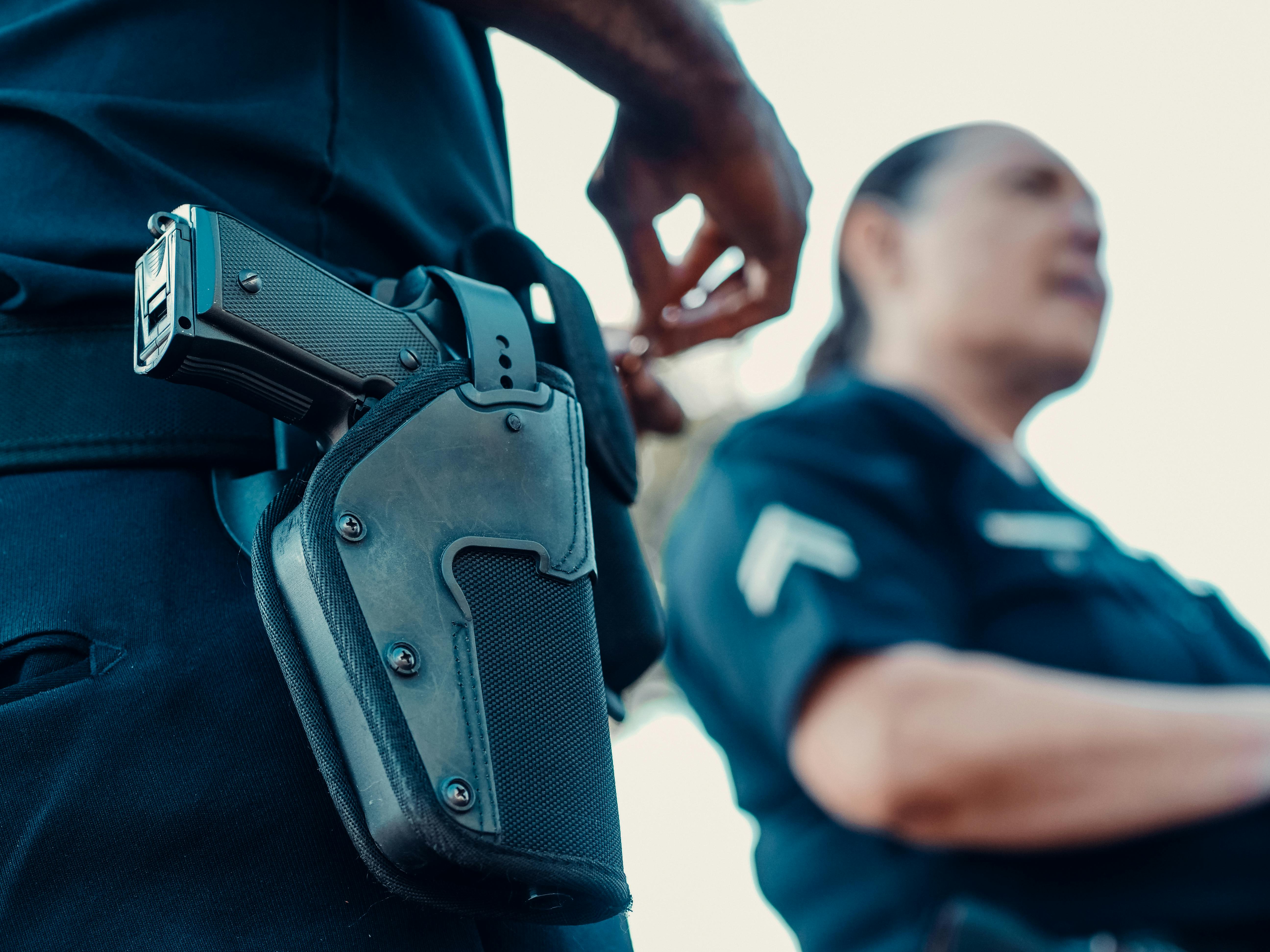
The rise of chassis-based concealed carry systems changed the conversation for women who were tired of dressing around a holster. Because the system anchors independently of the pants, female carriers often say it opens up far more wardrobe freedom. High-waisted trousers, skirts, and drawstring shorts suddenly become workable instead of automatic no-gos.
Ergonomically, the appeal is in separation and control. The holster can be positioned in relation to the body rather than whatever waistband happens to be there. Women who like this style often mention better concealment while seated and less dependence on belt tension. It takes some tuning, but once adjusted well, many describe it as a genuine game changer.
High-rise waistband holster designed for women
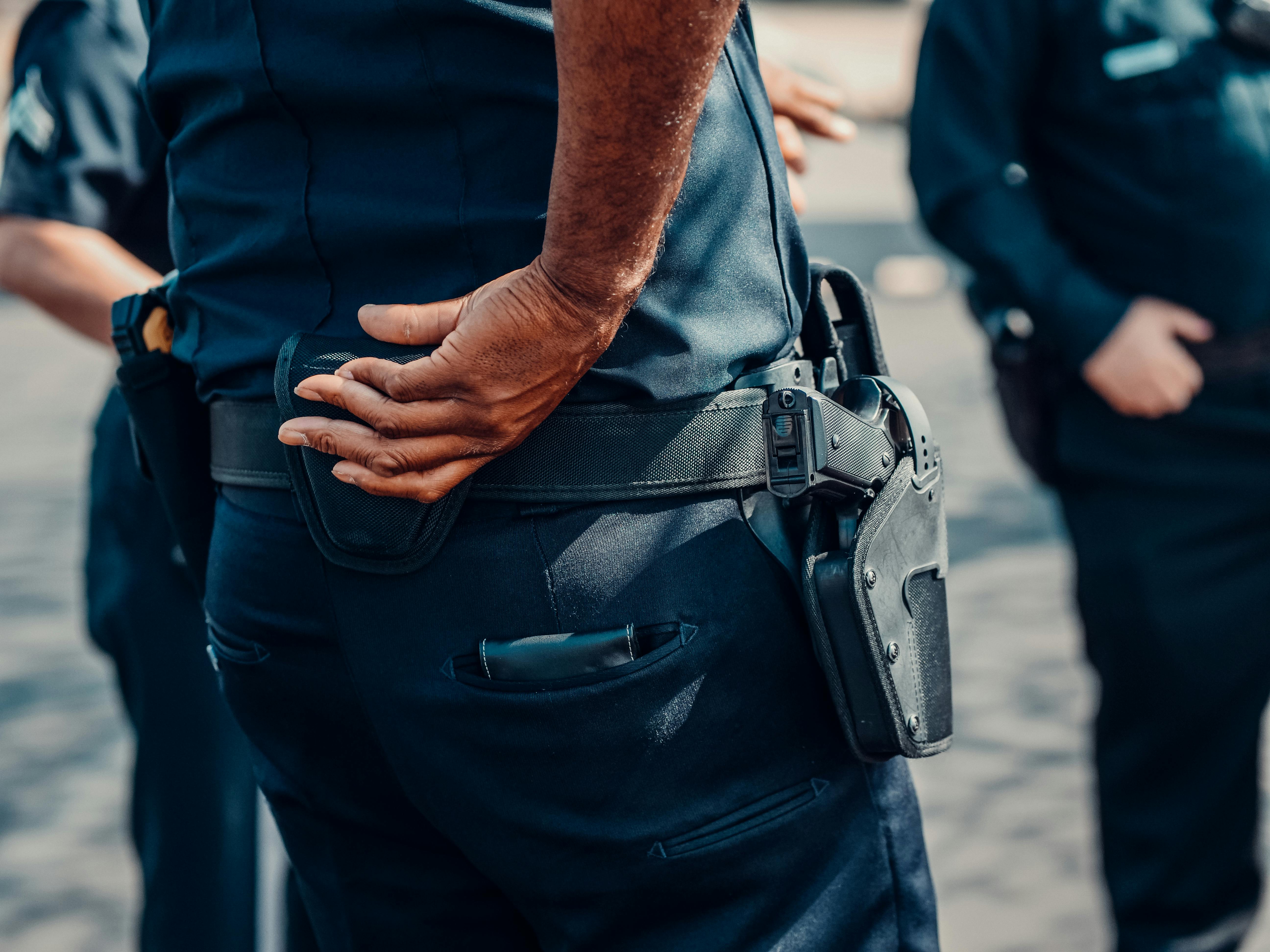
Not every holster works well with high-rise jeans and pants, and that mismatch is one of the most common complaints among female carriers. Holsters designed around a higher waistband can place the grip where it is still reachable without jabbing awkwardly into the ribcage or folding uncomfortably when sitting. That difference feels small until you wear it for hours.
Women who favor this style often say it finally aligns with how their clothes are actually cut. Instead of forcing the body to adapt to standard dimensions, the holster meets the waistline where it lives. The ergonomic payoff is better access, fewer pressure points, and less of that constant awareness that something bulky is fighting your outfit.
Bra-mounted holster for niche outfits

Bra-mounted holsters are rarely the first recommendation, but many women keep them in rotation for very specific clothing situations. When a waistband option would print badly or simply is not possible, this style can offer a discreet alternative. Female carriers who use them successfully usually frame them as a niche solution rather than an everyday default.
Ergonomics matter enormously here because comfort can go wrong fast if the placement is off. The women who like this option tend to praise lighter firearms, softer contact surfaces, and a design that keeps weight stable. In the right context, it solves a real wardrobe problem while keeping the gun accessible and close to the body.
Compression tank or camisole holster

Compression tanks and camisole holsters speak to a very real demand: concealed carry that integrates into clothing instead of hanging from it. Women often say these systems shine when they want broad support, minimal hardware, and a smoother silhouette under casual layers. For some, especially those sensitive to waistband pressure, that can be a major ergonomic upgrade.
The best experiences usually come with lighter handguns and garments that hold their shape after hours of wear. Female carriers tend to appreciate the even distribution of weight across the torso, but they also note that fit is everything. When the garment is supportive without being restrictive, the result can feel surprisingly natural and discreet.
Pocket holster for small-frame pistols

Pocket carry is not a universal answer, but for women carrying very small pistols, a well-designed pocket holster can be refreshingly simple. The style gets praise when it breaks up the outline, keeps the firearm oriented correctly, and works with deeper pockets in jackets, coats, or certain pants. Convenience is the main attraction, but shape and stability are what make it viable.
Female carriers who rely on pocket holsters often emphasize realistic expectations. This is usually a targeted solution for specific guns and specific garments, not an all-purpose system. When the fit is right, though, the ergonomic benefit is clear: less waistband pressure, easy on and off, and a carry method that feels low drama during ordinary errands.
Crossbody purse holster with dedicated compartment

Off-body carry is often debated, yet many women still choose a dedicated concealed carry purse for practical reasons. A crossbody design with a true holster compartment can feel more ergonomic than trying to force a waistband solution into an outfit or activity that clearly does not support it. The best setups are intentional, not improvised.
Female carriers who prefer this route usually stress consistency and discipline. The purse has to stay on the body, the compartment has to stay organized, and the holster has to keep the trigger area protected. When those pieces are in place, the ergonomic value comes from comfort and versatility, especially for women whose daily wardrobes or work demands make on-body carry harder.
Thigh holster for dresses and formalwear

For women who spend time in dresses, skirts, or event clothing, a thigh holster can fill a gap few other systems address well. Female carriers who like them often say the right one feels secure because of grip, compression, and smart placement, not because it is cinched painfully tight. That balance is what separates useful from unwearable.
This style tends to work best as an occasion-specific option, especially with lighter firearms and hemlines that cooperate. Women who have found success often mention smooth materials, anti-slip design, and less bounce while walking. The ergonomic win is simple: it lets formalwear stay formal while still offering a practical carry method that does not require a jacket or oversized bag.