Pronghorn antelope hunting delivers an experience unlike any other North American big game pursuit. These remarkable animals thrive across wide-open grasslands where cover is scarce, eyesight is exceptional, and every movement can determine success or failure. Rather than relying on dense forests or mountain terrain, hunters must master long-distance observation, careful stalking, and accurate shooting across expansive landscapes. From incredible speed to unique behavior, pronghorn challenge even experienced hunters in unexpected ways. Here are nine reasons why this iconic hunt stands apart from every other big game adventure in America.
Their Incredible Speed Changes Every Hunting Strategy
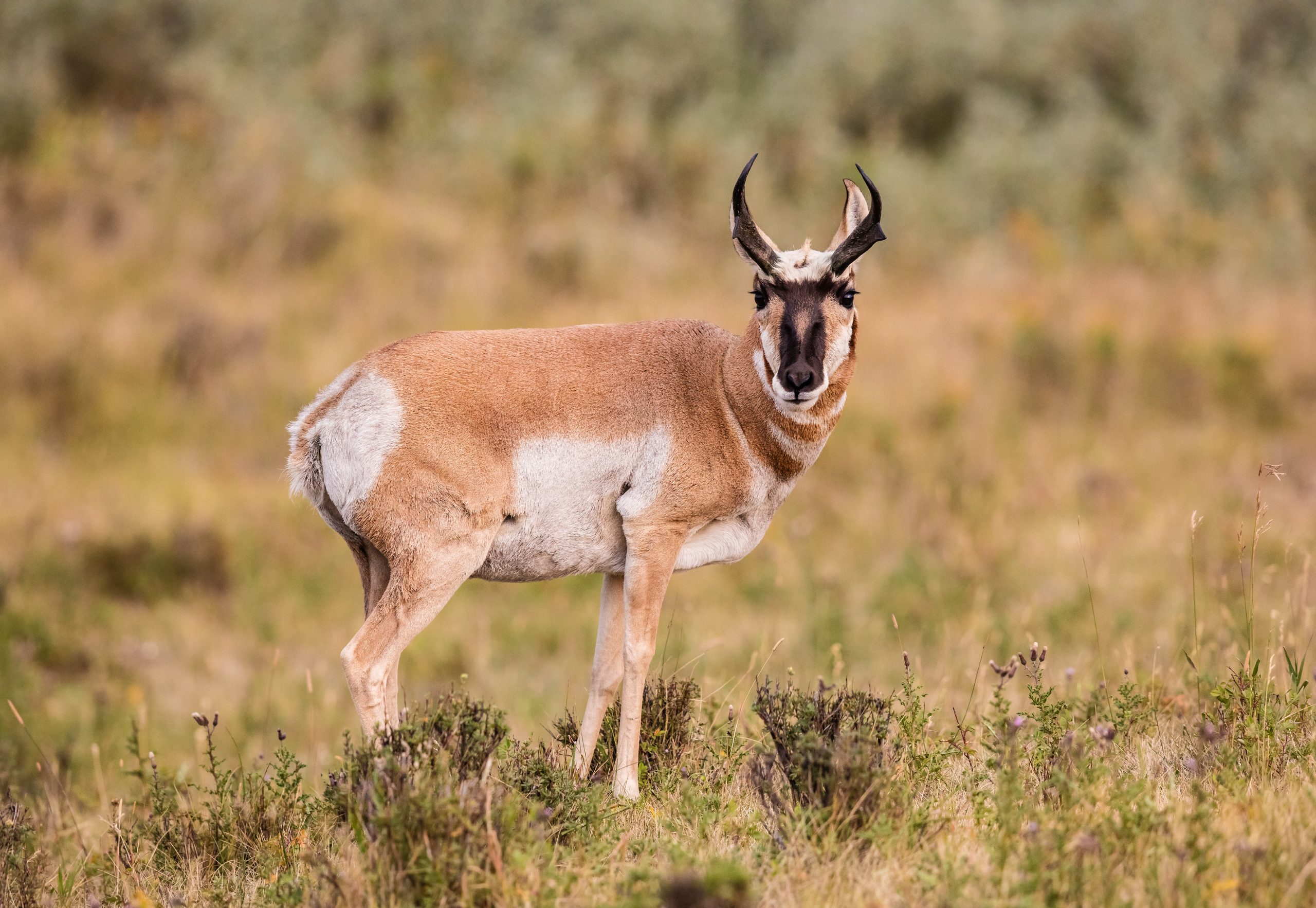
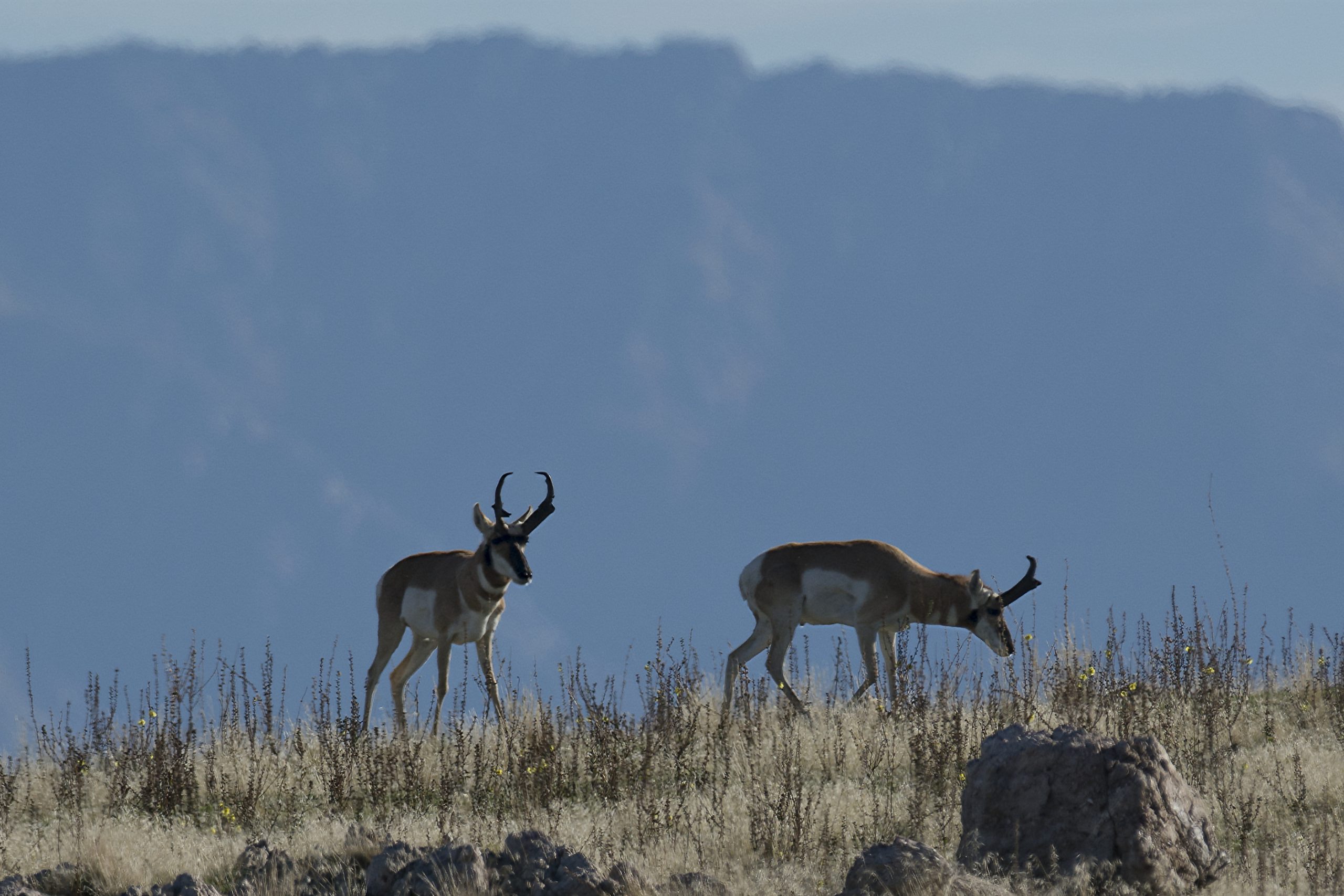
Pronghorn are the fastest land mammals in North America, capable of reaching speeds close to 60 mph (97 km/h) while maintaining high velocity much longer than most predators. Unlike deer or elk that often disappear into timber, pronghorn rely on speed and distance to escape danger. Hunters rarely get second chances after being spotted, making careful planning essential. Successful stalks often begin more than 1 mile (1.6 km) away and require using shallow draws, rolling terrain, or dry creek beds for concealment. Every approach demands patience, precision, and smart positioning before the animal ever notices movement.
Their Eyesight Is Among The Best In The Animal Kingdom
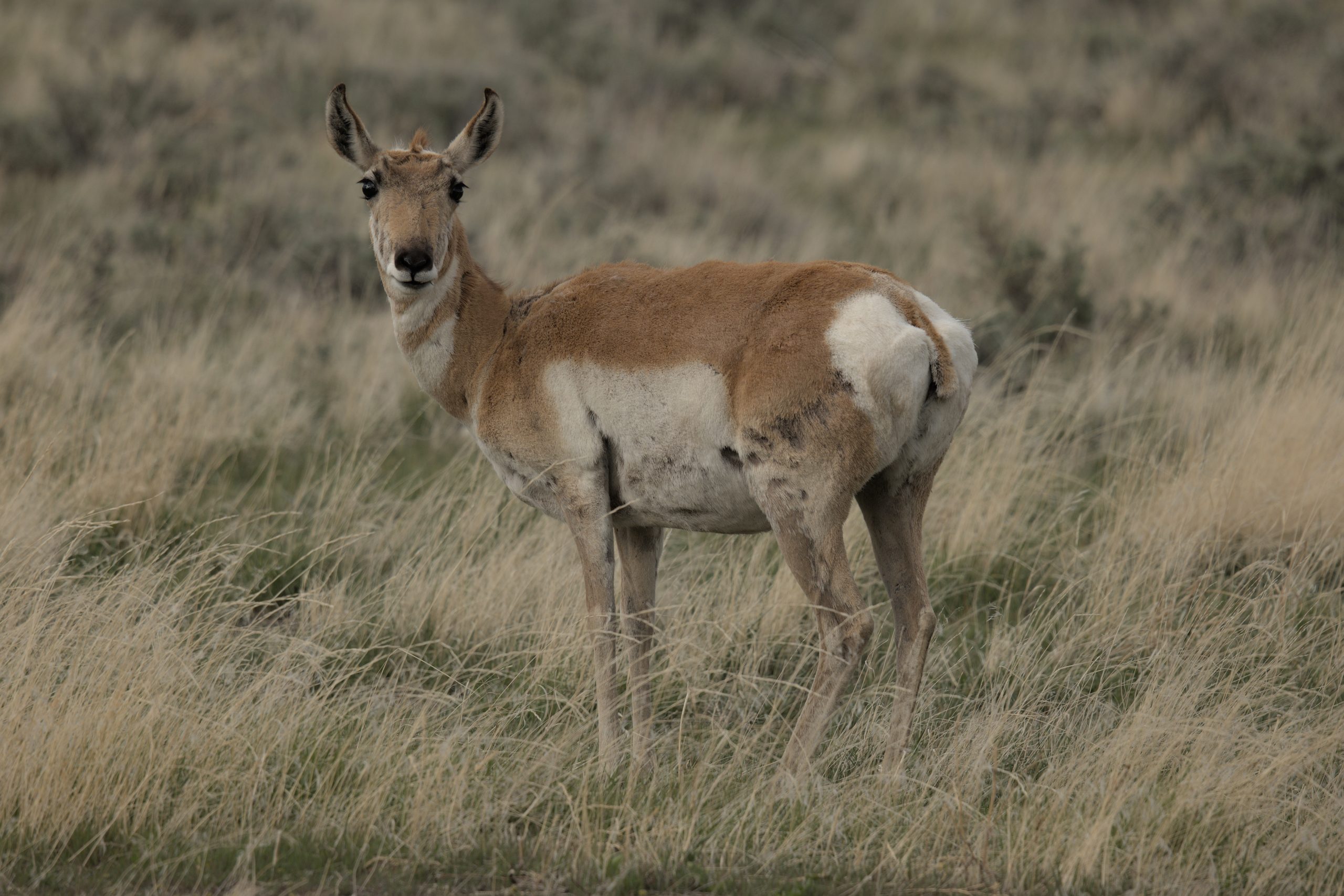
Many experienced hunters compare a pronghorn’s vision to looking through powerful binoculars all day. Their large eyes provide an estimated field of view exceeding 300 degrees, allowing them to detect movement from well over 1 mile (1.6 km) in open country. Even slight arm movements or reflections from equipment can immediately alert an entire herd. Because vegetation is often only 6 to 18 inches tall, remaining hidden becomes extremely difficult. Hunters frequently spend hours crawling slowly across prairie grass or using natural terrain features, proving that careful movement matters far more than simply covering ground quickly.
Open Prairie Leaves Very Few Places To Hide
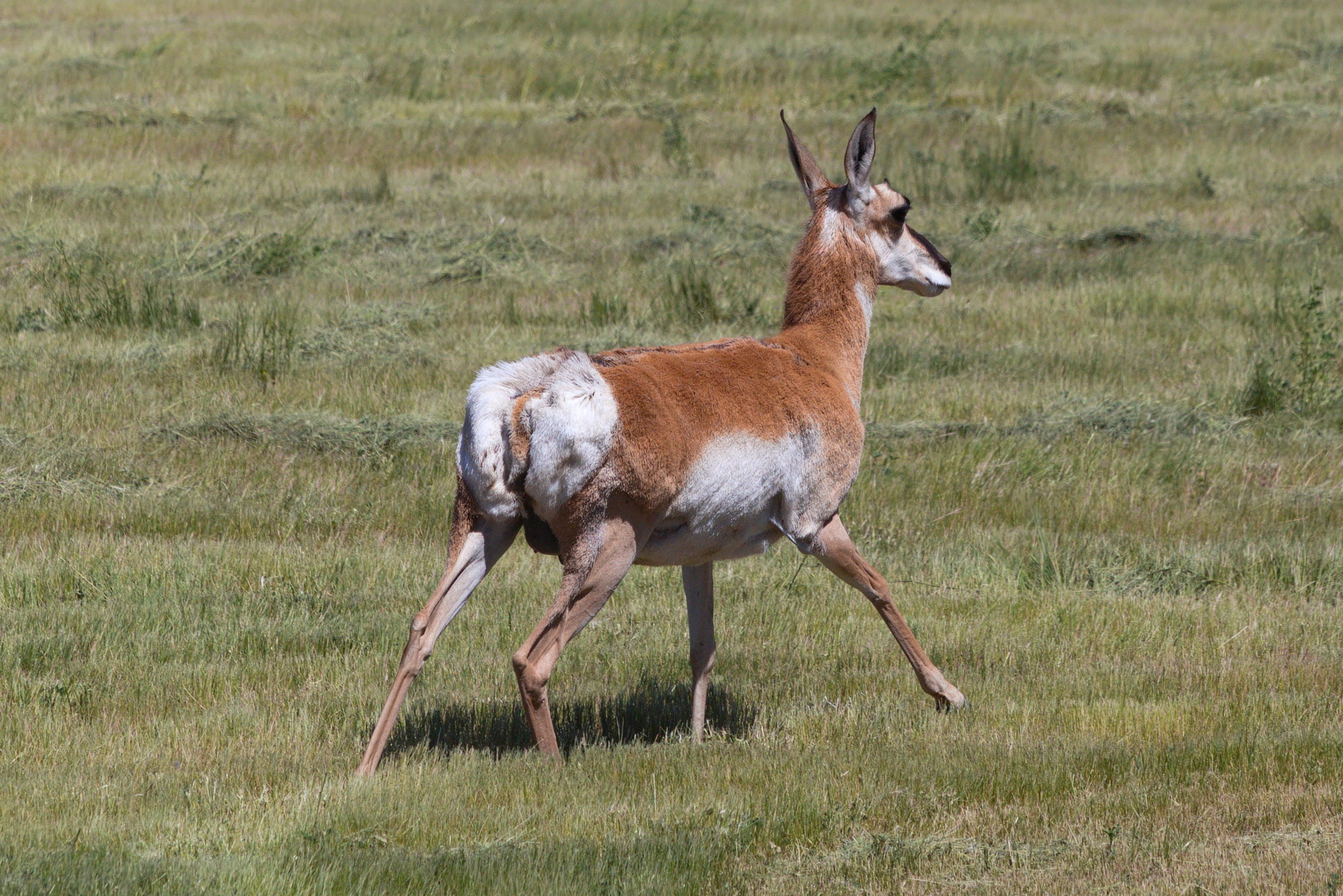
Unlike mountain or woodland hunts, pronghorn country offers remarkably little natural cover. Vast sagebrush flats, rolling grasslands, and gently sloping hills dominate much of their habitat, forcing hunters to become creative. A successful stalk may involve crawling 300 to 800 yards through sparse vegetation while keeping a low profile the entire time. Wind direction, sunlight, and terrain become just as important as shooting skill. Spotting scopes with magnification between 20x and 60x help evaluate animals from long distances before beginning the demanding approach across exposed landscapes where every mistake is highly visible.
Long-Range Accuracy Becomes Far More Important
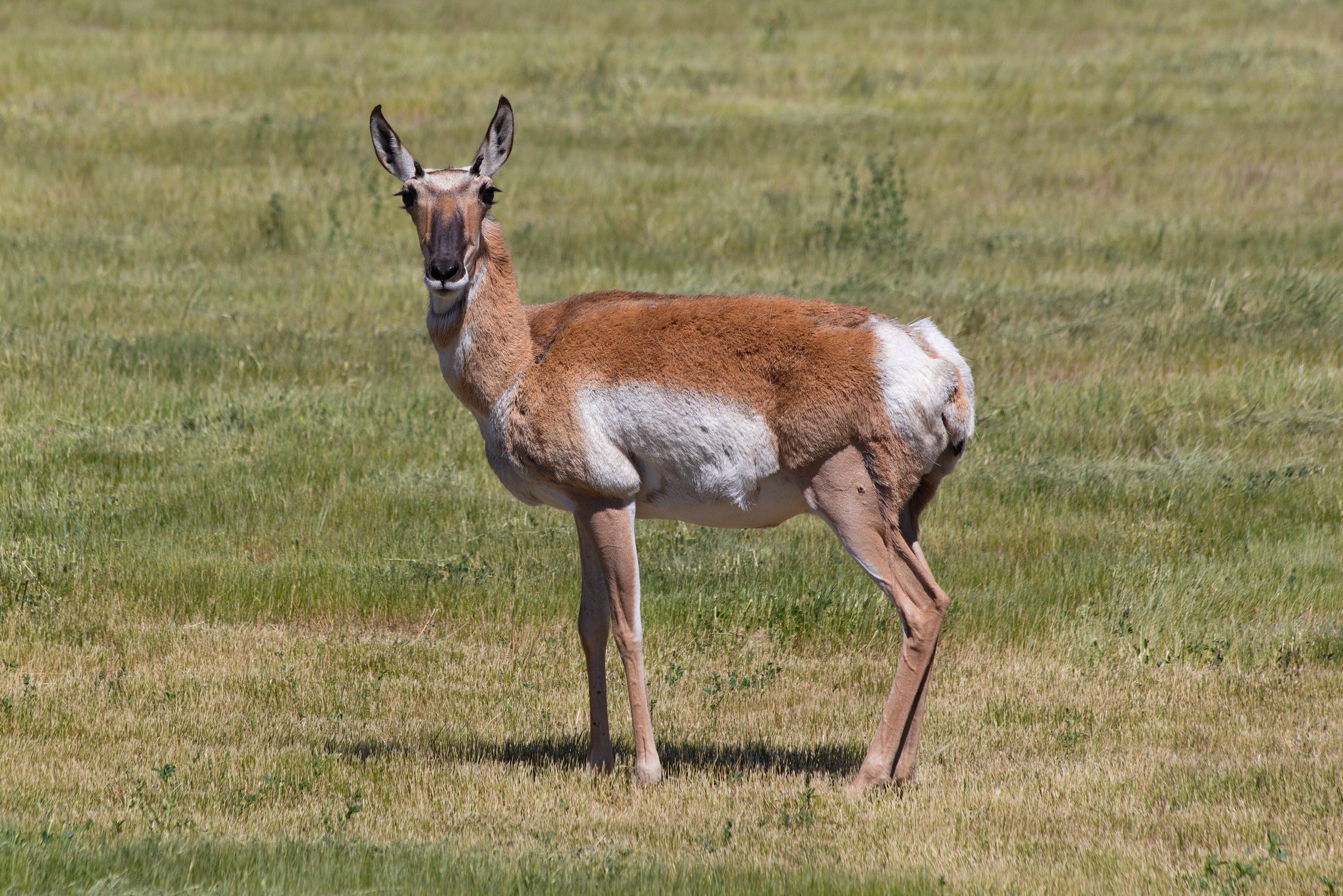
Pronghorn hunting often rewards hunters who have invested significant time practicing realistic field shooting positions. While opportunities under 150 yards certainly occur, many ethical shots happen between 250 and 400 yards because getting closer is frequently impossible. Strong prairie winds ranging from 10 to 25 mph can noticeably influence bullet trajectory, requiring confidence in both equipment and personal ability. Bipods, shooting sticks, or quality backpacks commonly serve as stable rests. Consistent range practice, understanding bullet drop, and reading wind accurately become critical skills that directly influence hunting success.
Spot-And-Stalk Is The Heart Of The Experience
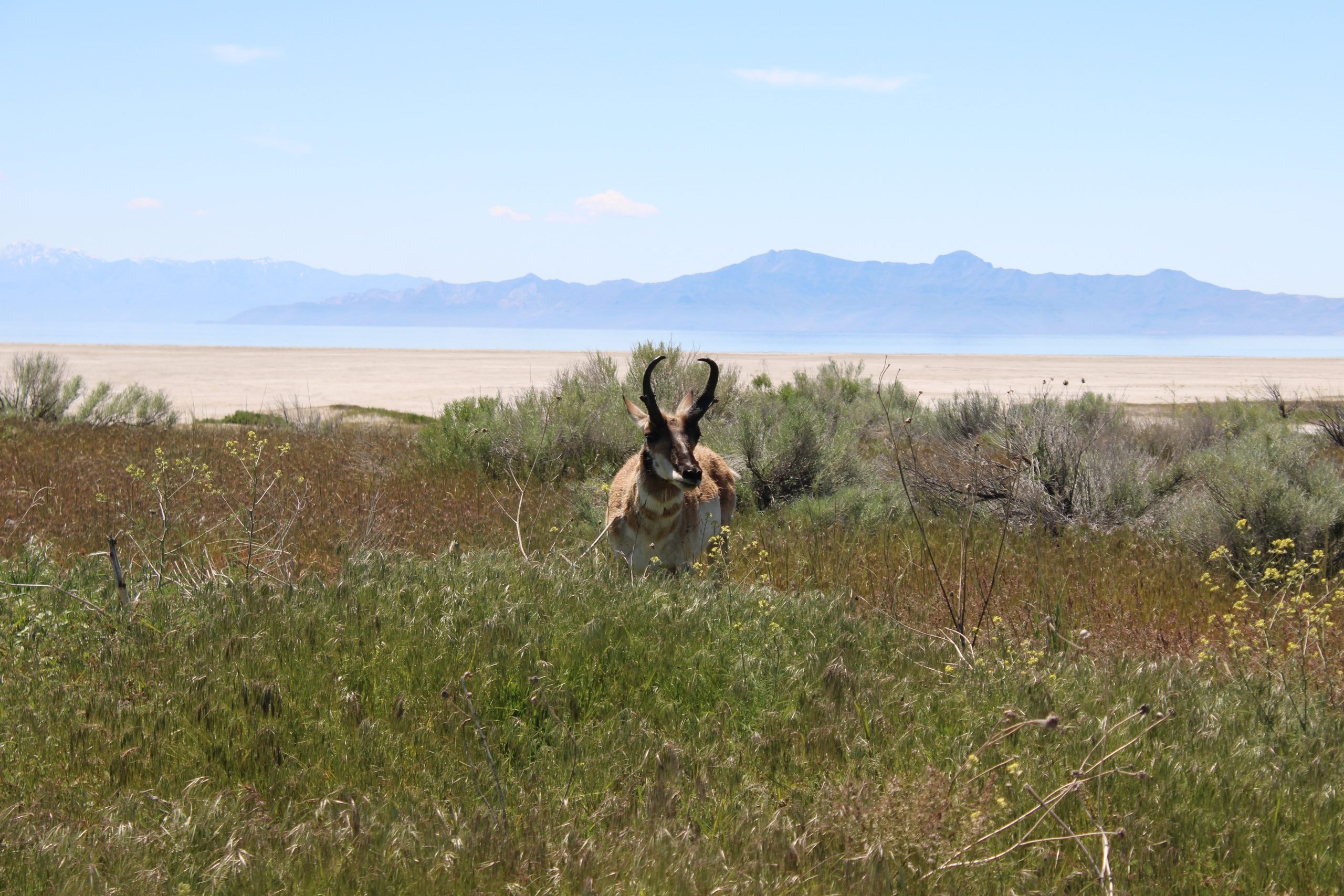
Most successful pronghorn hunts revolve around the classic spot-and-stalk method rather than waiting in tree stands or ground blinds. Hunters may glass hundreds of acres before identifying a mature buck worthy of pursuit. Once located, every movement is carefully planned using terrain, fence lines, washes, or low ridges for concealment. A single stalk can require 30 to 90 minutes of slow crawling before reaching shooting distance. Because pronghorn constantly scan their surroundings, hunters must balance patience with decisive action whenever the animal briefly lowers its head or changes direction.
Water Sources Can Become Natural Ambush Locations
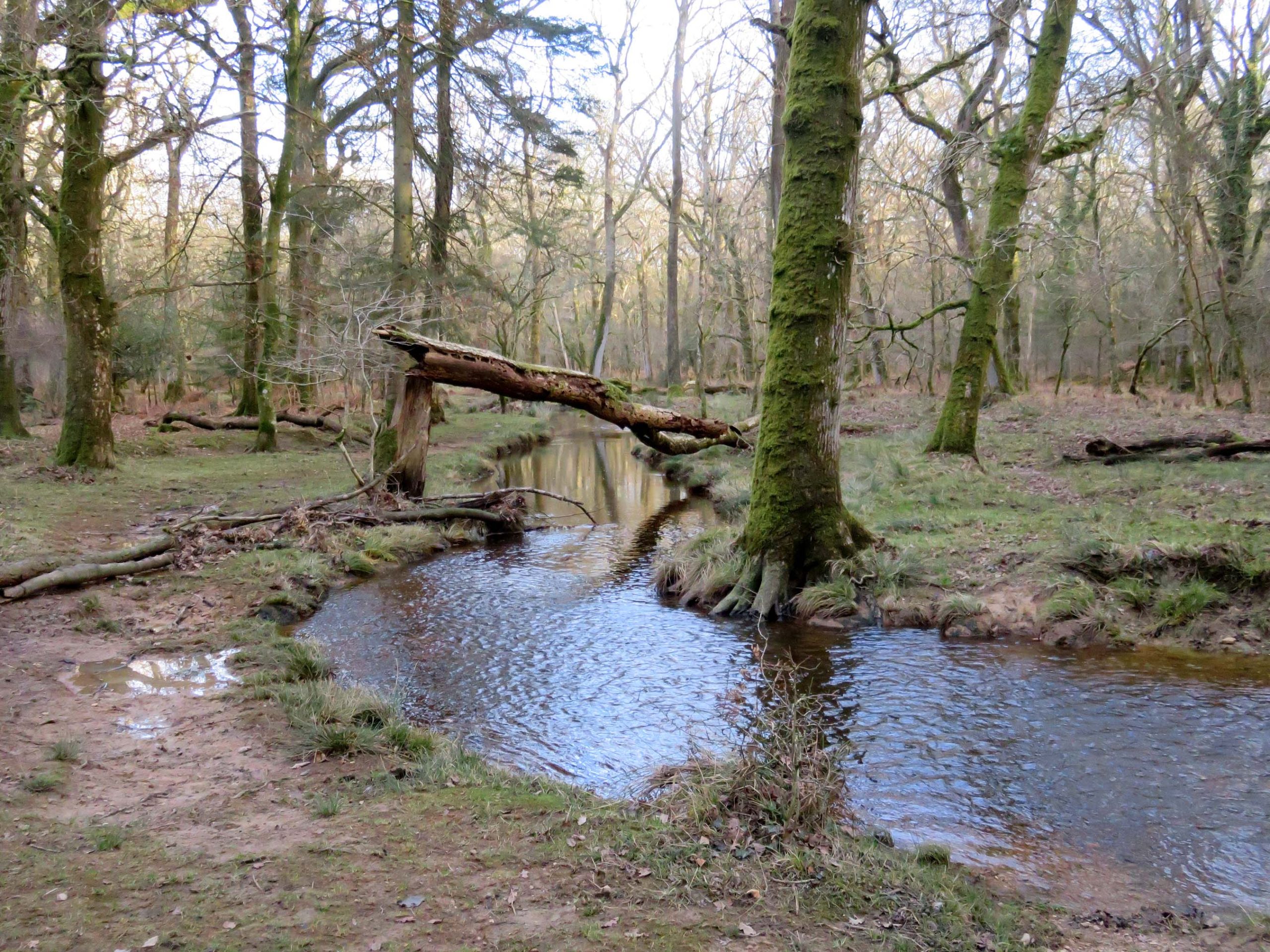
Although spot-and-stalk dominates most hunts, strategically placed blinds near dependable water sources can produce excellent opportunities in arid regions. During warm early-season conditions, pronghorn may visit stock ponds, windmills, or small reservoirs regularly, particularly when daytime temperatures exceed 80°F (27°C). Hunters often set portable blinds several days before opening day to allow animals to become accustomed to their presence. Remaining motionless for several hours demands patience, but carefully positioned water setups occasionally provide close shots under 100 yards that are otherwise difficult to achieve on the open prairie.
Pronghorn Behavior Is Constantly Changing
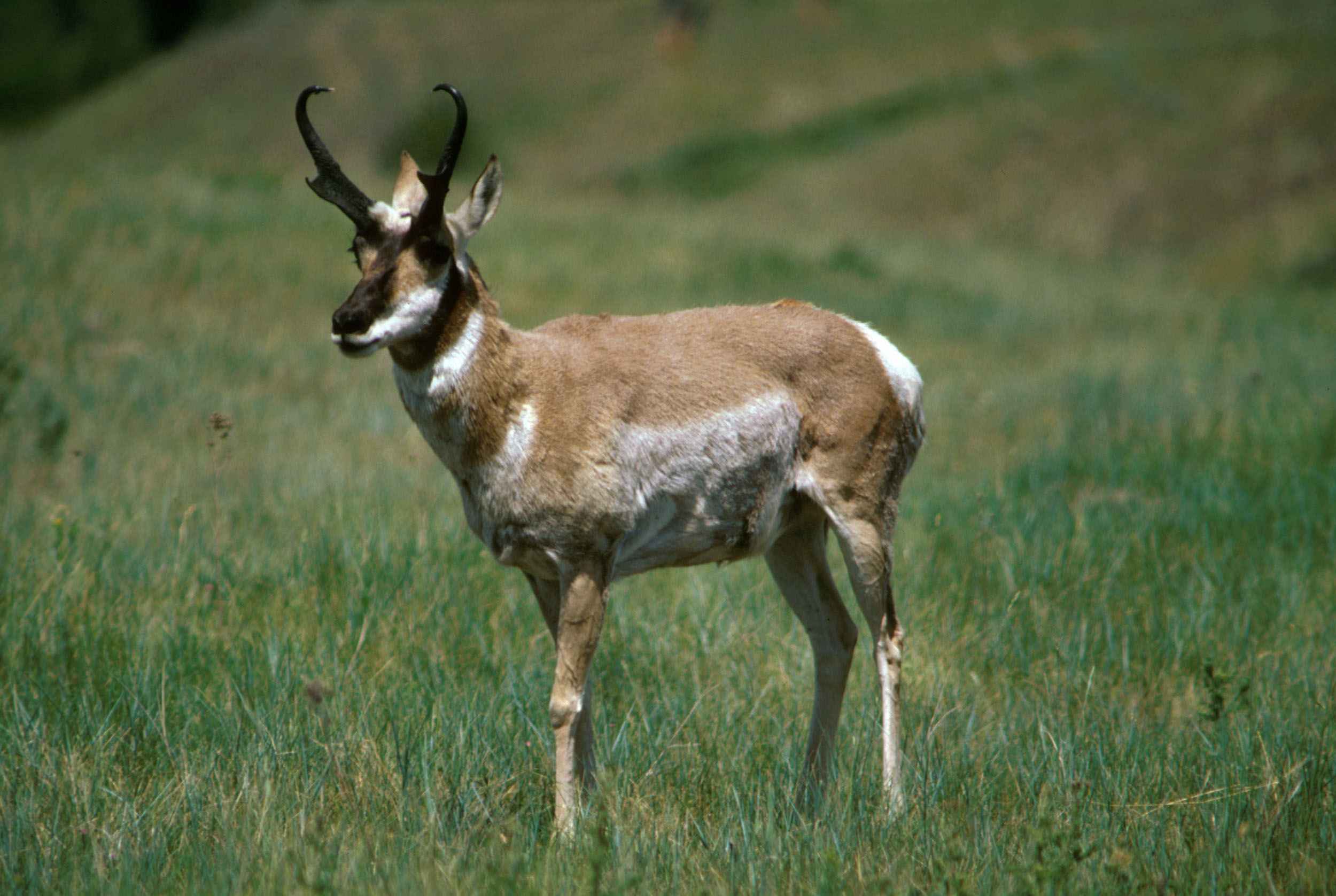
Pronghorn rarely remain predictable for long, making every hunt unique. Bachelor groups during summer gradually transition into territorial breeding behavior as the rut approaches, with dominant bucks defending groups of does across surprisingly large areas. Home ranges may extend several square miles depending on habitat quality and hunting pressure. Weather changes, livestock movement, and human activity can quickly alter feeding patterns throughout the day. Successful hunters spend considerable time observing herd behavior before making a move, recognizing that understanding daily routines often matters as much as physical stalking ability.
Weather And Wind Shape Nearly Every Decision
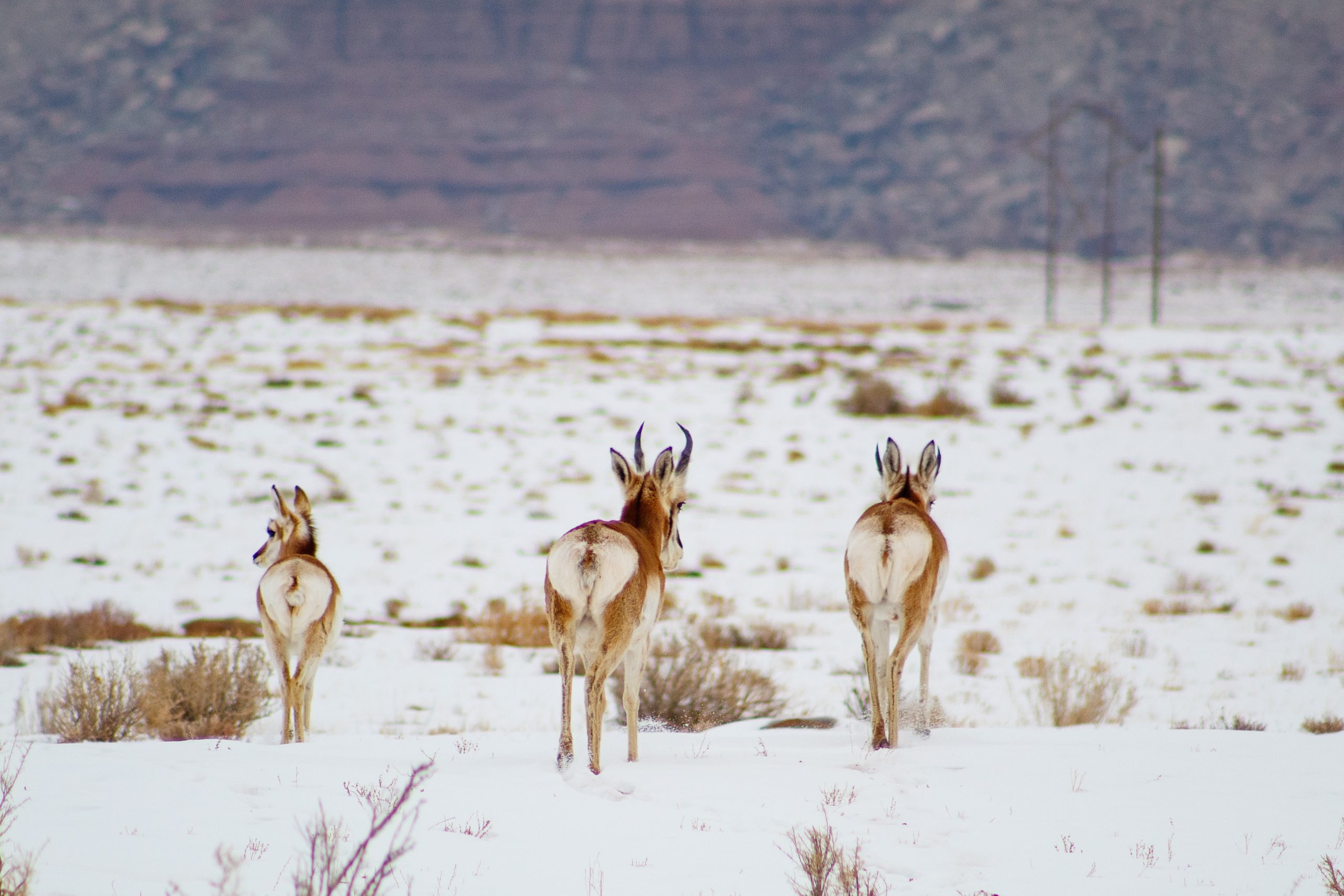
The open plains expose hunters to rapidly changing weather that influences both comfort and strategy. Morning temperatures may begin near 40°F (4°C) before climbing above 85°F (29°C) by afternoon, requiring adaptable clothing systems. Constant prairie winds commonly exceed 15 mph and can either hide a hunter’s sound or complicate accurate shooting at longer distances. Dust, heat shimmer, and changing light conditions also affect visibility through optics. Planning stalks with favorable wind direction while remaining hydrated often proves just as important as selecting the right firearm or ammunition.
The Landscape Creates A Truly Distinct Hunting Adventure
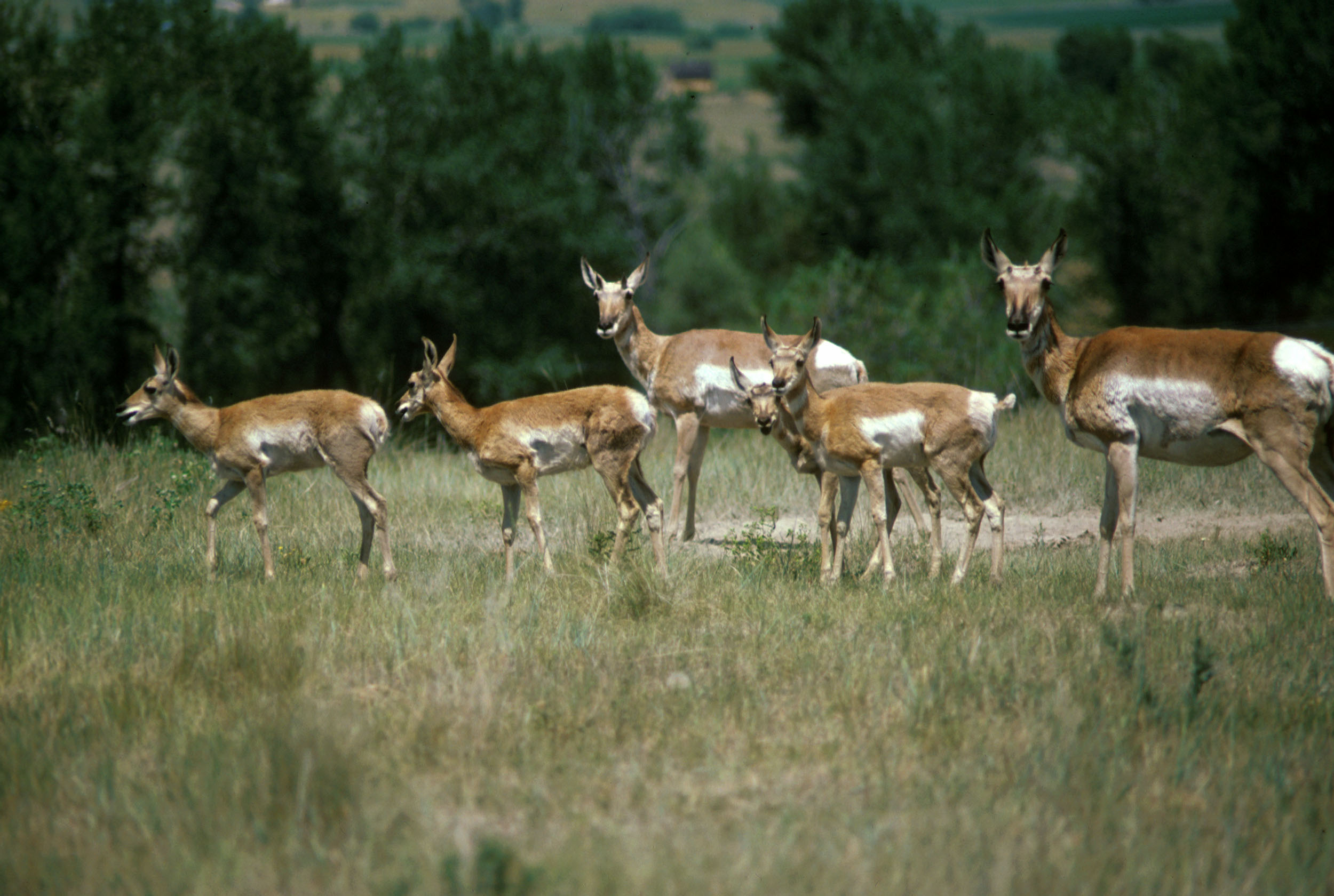
Few North American hunts provide the same feeling of limitless space as chasing pronghorn across expansive western prairies. Hunters may glass several thousand acres from a single ridge while watching wildlife move naturally across seemingly endless horizons. States such as Wyoming, Montana, Colorado, and New Mexico offer some of the continent’s finest opportunities, with many public hunting areas covering hundreds of thousands of acres. Every successful harvest reflects careful planning, disciplined shooting, and patient stalking rather than chance encounters, making pronghorn hunting one of America’s most rewarding and unforgettable big game experiences.