Primers and powder can last a very long time, but only if they are stored with a little discipline. Too often, expensive components are quietly damaged by everyday habits that seem harmless in the moment. This gallery walks through eight common storage mistakes that can lead to erratic performance, lost reliability, and money down the drain.
Leaving Components in Hot Spaces

A garage that bakes all summer or a shed that swings from chilly mornings to brutal afternoons is a rough place for primers and powder. Heat does not always cause obvious failure right away, which is why this mistake is so sneaky. It can slowly change performance and reduce consistency long before a handloader notices something is off.
The bigger problem is repeated heat cycling. Components stored in a stable indoor space usually fare much better than those riding through daily temperature spikes. If the room is comfortable for people most of the year, it is generally a much safer bet for expensive loading supplies.
Storing Powder and Primers Where Humidity Creeps In

Moisture is one of the most common enemies in component storage, and it does not need to look dramatic to cause trouble. A basement that feels only slightly damp, a cabinet near a laundry area, or a room with seasonal condensation can all create a slow decline in component quality.
Primers and powder both benefit from dry, stable conditions. When humidity rises and falls over time, packaging can absorb that stress even if it appears sealed and fine from the outside. A simple indoor storage area with controlled air often protects your investment better than any convenient corner that happens to be nearby.
Using the Wrong Container for Powder

Powder belongs in its original factory container, not in a random jar, coffee can, or plastic bin. Those original containers are designed for safe storage, proper labeling, and material compatibility. Swapping powder into something unmarked or unsuitable creates confusion at best and a serious hazard at worst.
Even careful handloaders can forget details months later. One container starts to look like another, labels smear, and what felt organized becomes a guessing game. Keeping powder in its original packaging protects the product, preserves critical information, and helps prevent costly mistakes that no one wants to discover at the loading bench.
Breaking Up Factory Packaging Too Soon

There is a temptation to open bricks of primers or reorganize supplies into smaller bins for the sake of a tidy shelf. It can look efficient, but splitting up factory packaging too early often invites extra handling, more exposure, and more opportunities for moisture or contamination to creep in.
Factory packaging does more than make products easy to ship. It helps cushion components, keeps lots identified, and limits unnecessary disturbance until you are ready to use them. If you are not actively loading with that batch, leaving it sealed and intact is usually the cleaner, safer, and smarter move.
Keeping Components Near Solvents, Oils, and Cleaning Chemicals
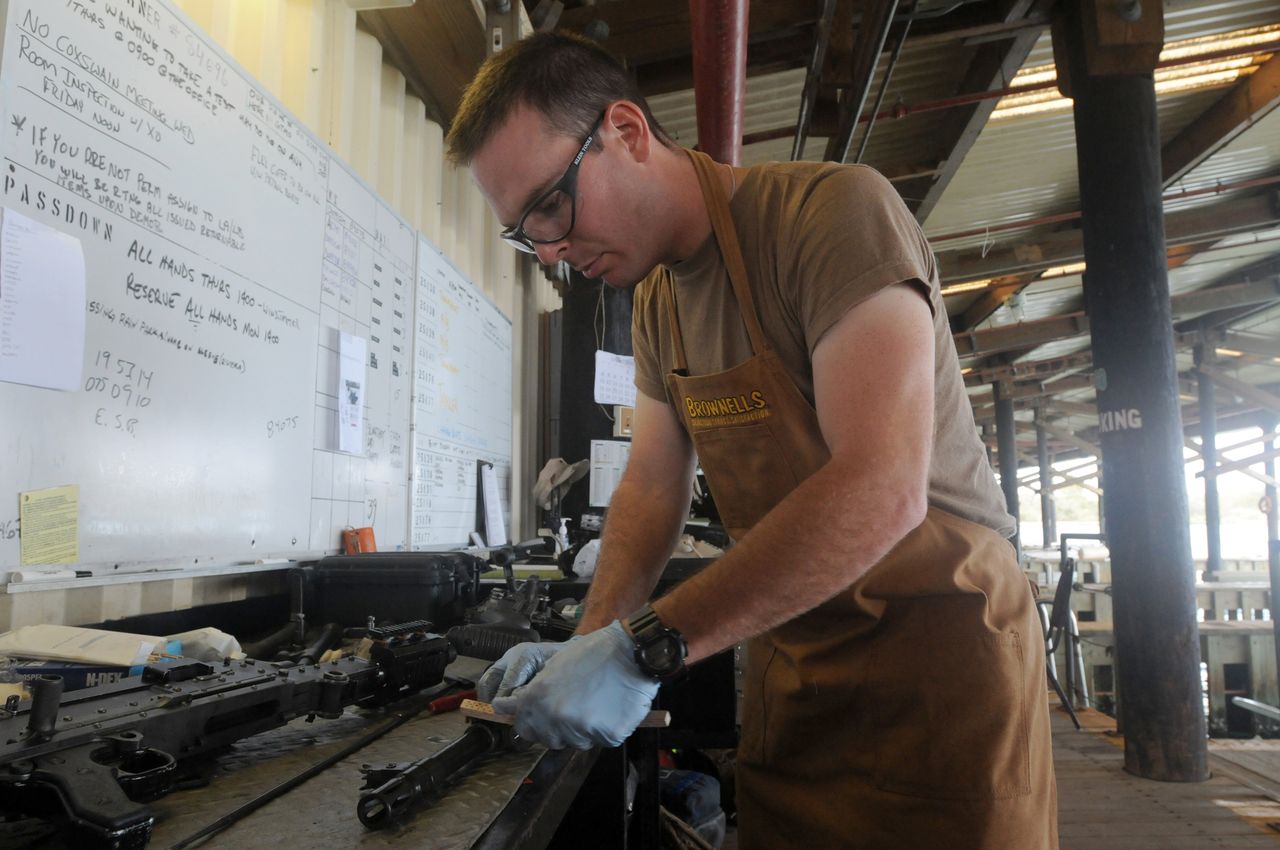
A lot of handloading happens near gun cleaning gear, workshop supplies, and household chemicals. That makes it easy to overlook how close primers and powder are sitting to oils, penetrating sprays, solvent fumes, and general chemical clutter. Convenience can turn into contamination without much warning.
Primers are especially worth protecting from anything that can migrate where it should not. Powder also deserves separation from strong chemicals and dirty shop air. A clean storage area with some breathing room helps preserve consistency and reduces the chances that your components pick up trouble from the rest of the workbench.
Ignoring Lot Numbers and Rotation

Not every storage mistake is about temperature or moisture. Sometimes the problem is simply losing track of what was bought first, what lot it came from, and how long it has been sitting. A pile of components shoved onto a shelf can turn premium supplies into a mystery box over time.
Good rotation keeps older stock in front and newer purchases behind it. Keeping lot numbers visible also helps preserve consistency when working up loads or troubleshooting a change in performance. A little shelf discipline saves money, reduces guesswork, and makes the entire loading process feel more controlled from start to finish.
Letting Dust, Debris, and Bench Grime Build Up
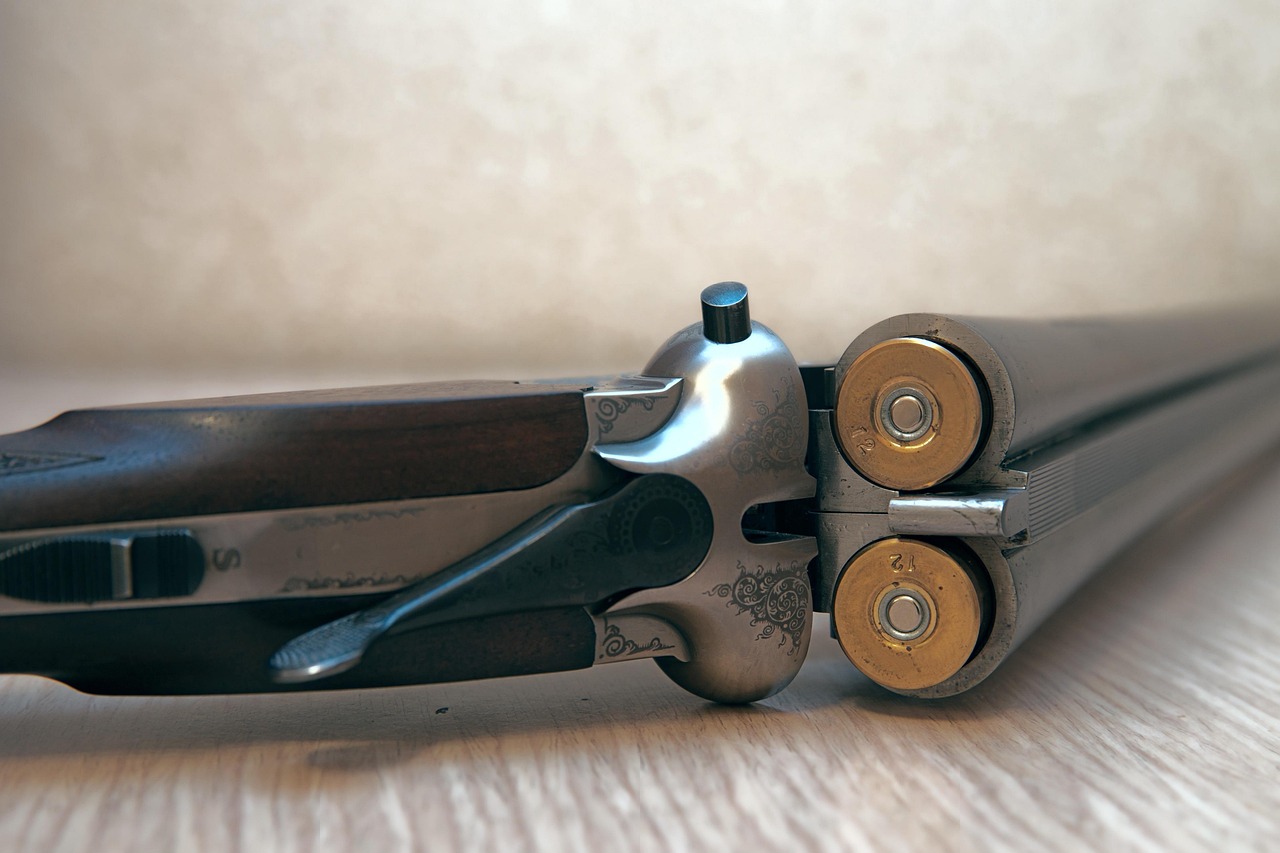
Storage does not happen in a vacuum, especially on a busy loading bench. Dust, bits of media, oily fingerprints, and general shop grime tend to settle everywhere over time. None of it looks dramatic, which is exactly why many people stop noticing it until a workspace starts feeling neglected.
Cleanliness matters because components perform best when they are handled and stored in a clean environment. Packaging can collect residue, lids can get dirty, and contamination risks quietly increase with every messy session. A storage area that stays wiped down and orderly does more than look good. It supports reliable results and protects what you paid for.
Treating Storage as an Afterthought

Many handloaders put a lot of care into measuring charges, seating bullets, and recording data, then treat storage like the least important part of the process. That is where small shortcuts pile up. Components get left out after a session, tucked into a random drawer, or stored wherever there happens to be open space.
The irony is that careful loading starts long before a case touches the press. Good storage preserves reliability, keeps component performance more predictable, and protects an investment that is not cheap to replace. A simple routine, stable location, and a little consistency can quietly do as much good as any tool on the bench.