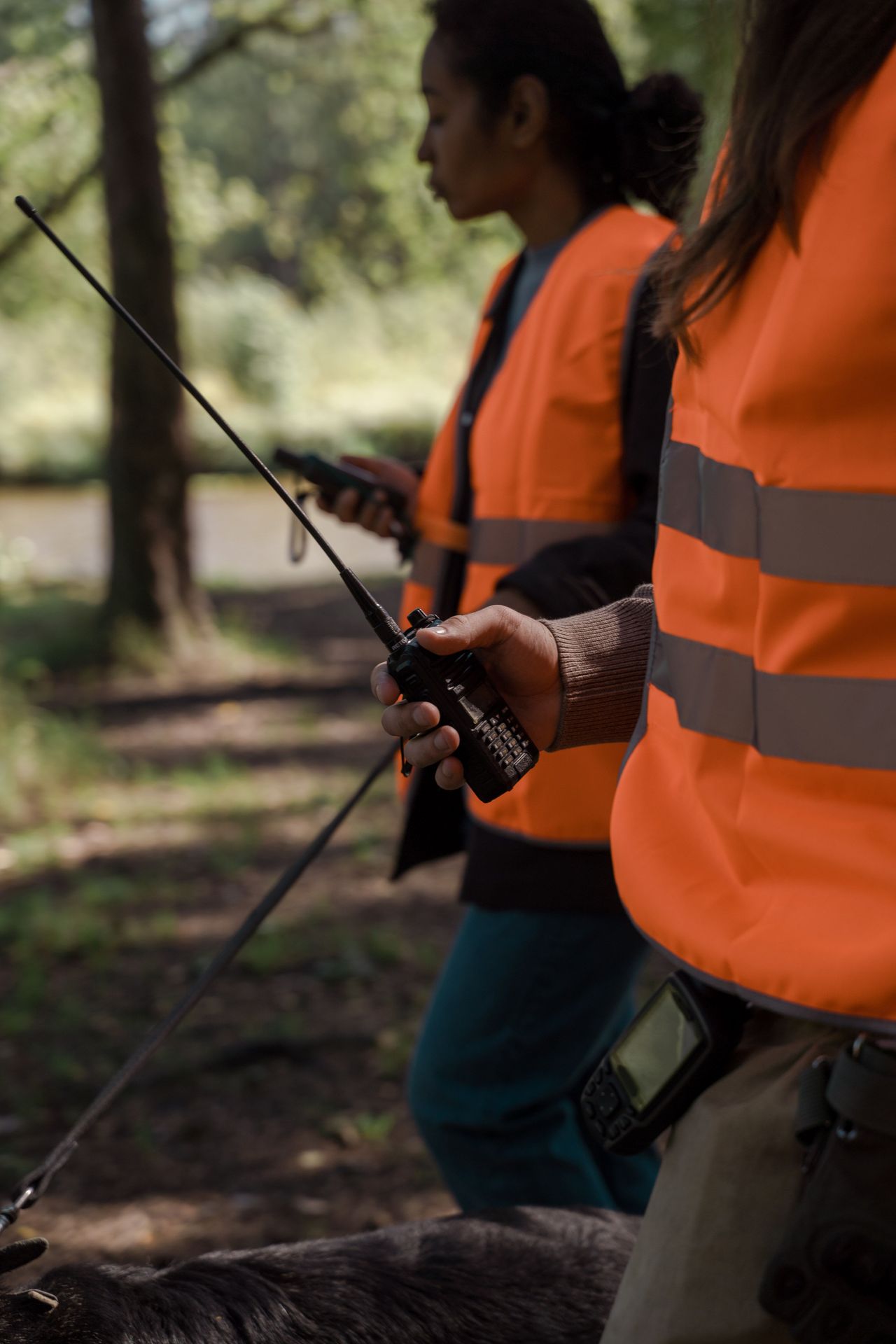
A new season always brings fresh rules, but 2026 introduced a wave of fish and game law changes that could affect where, when, and how hunters operate. From tag reporting to public land access, these updates are the kind that can turn a routine trip into an expensive mistake if you miss them. Here is a clear, fast-moving guide to the changes serious hunters should have on their radar right now.
Digital Tagging Became the Default in More States

One of the biggest 2026 shifts was the move toward mandatory digital tagging and electronic harvest validation. In many states, paper tags did not disappear entirely, but they stopped being the primary method for checking game in and proving legal possession in the field.
For hunters, that means the phone is now part of the gear list in a much more serious way. A dead battery, no downloaded license, or confusion about offline access can create real trouble during a check.
Wildlife agencies framed the change as faster, cleaner, and easier to track. Hunters may appreciate the convenience, but they also need to practice using the app before opening day, not after an animal is already on the ground.
Mandatory Harvest Reporting Windows Got Shorter

In 2026, several states tightened the deadline for reporting harvested deer, turkey, waterfowl, and other game. What used to be a next-day task in some places became a same-day requirement, sometimes within hours of recovery.
That may sound like a small administrative tweak, but it changes the rhythm of a hunt. Hunters who process game late, travel from remote areas, or assume they can report after getting home now face a narrower compliance window.
Agencies say the shorter reporting period improves population estimates and in-season management. From the hunter’s perspective, the lesson is simple: know the exact clock that starts when an animal is taken, tagged, or transported.
Nonresident License Limits Tightened in Popular Units
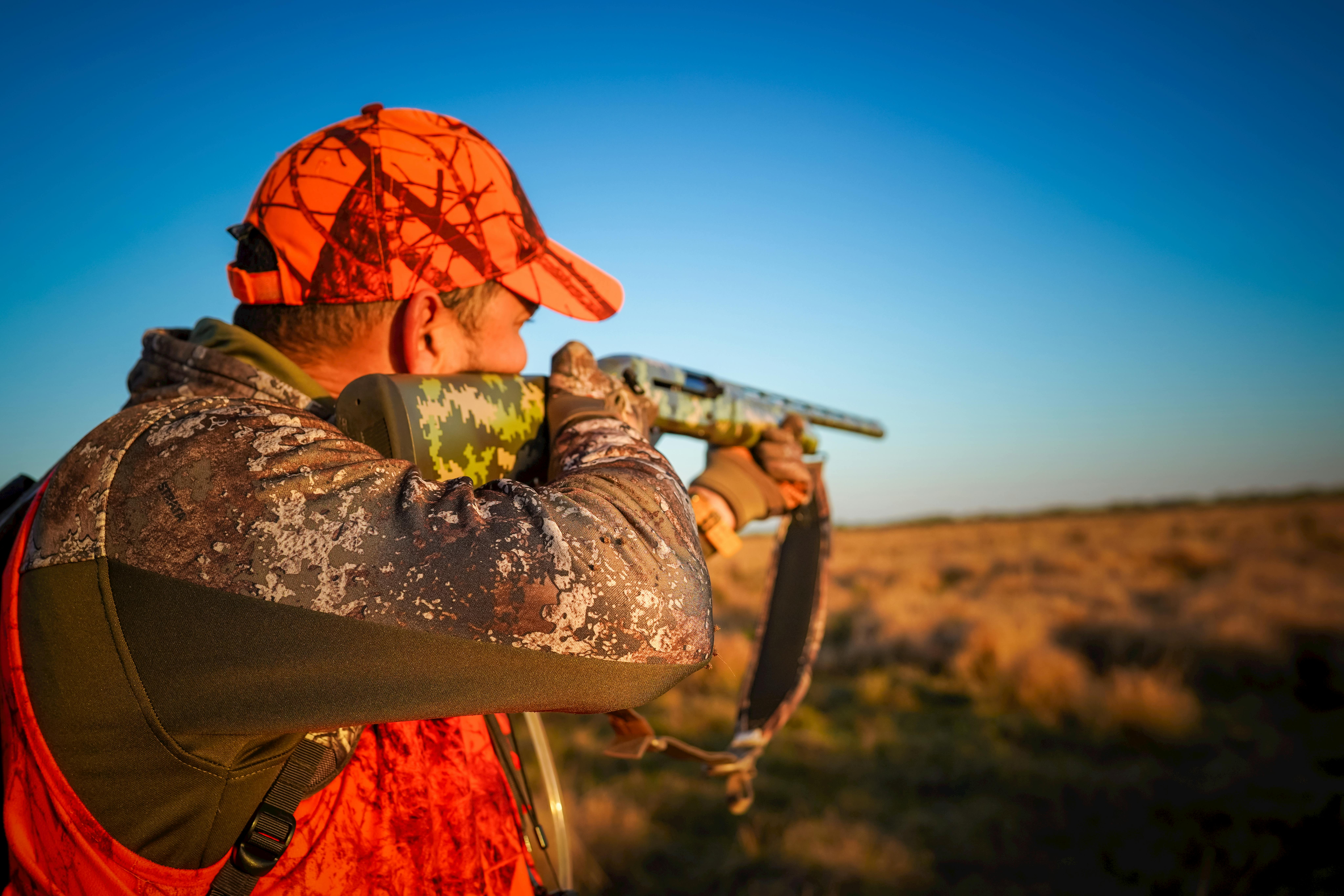
Pressure on well-known hunting destinations pushed more states to restrict nonresident participation in 2026. Some trimmed quotas in high-demand units, while others adjusted draw odds, season structures, or fee levels to favor resident access.
For traveling hunters, this change is about more than cost. Long-standing plans built around over-the-counter opportunities may no longer work, especially in regions already strained by crowding and habitat concerns.
State lawmakers and wildlife boards presented these moves as a response to resident frustration and conservation goals. The practical takeaway is that hunters planning out-of-state trips now need to research unit-specific rules earlier and more carefully than before.
Public Land Access Rules Changed Around Walk-In Areas
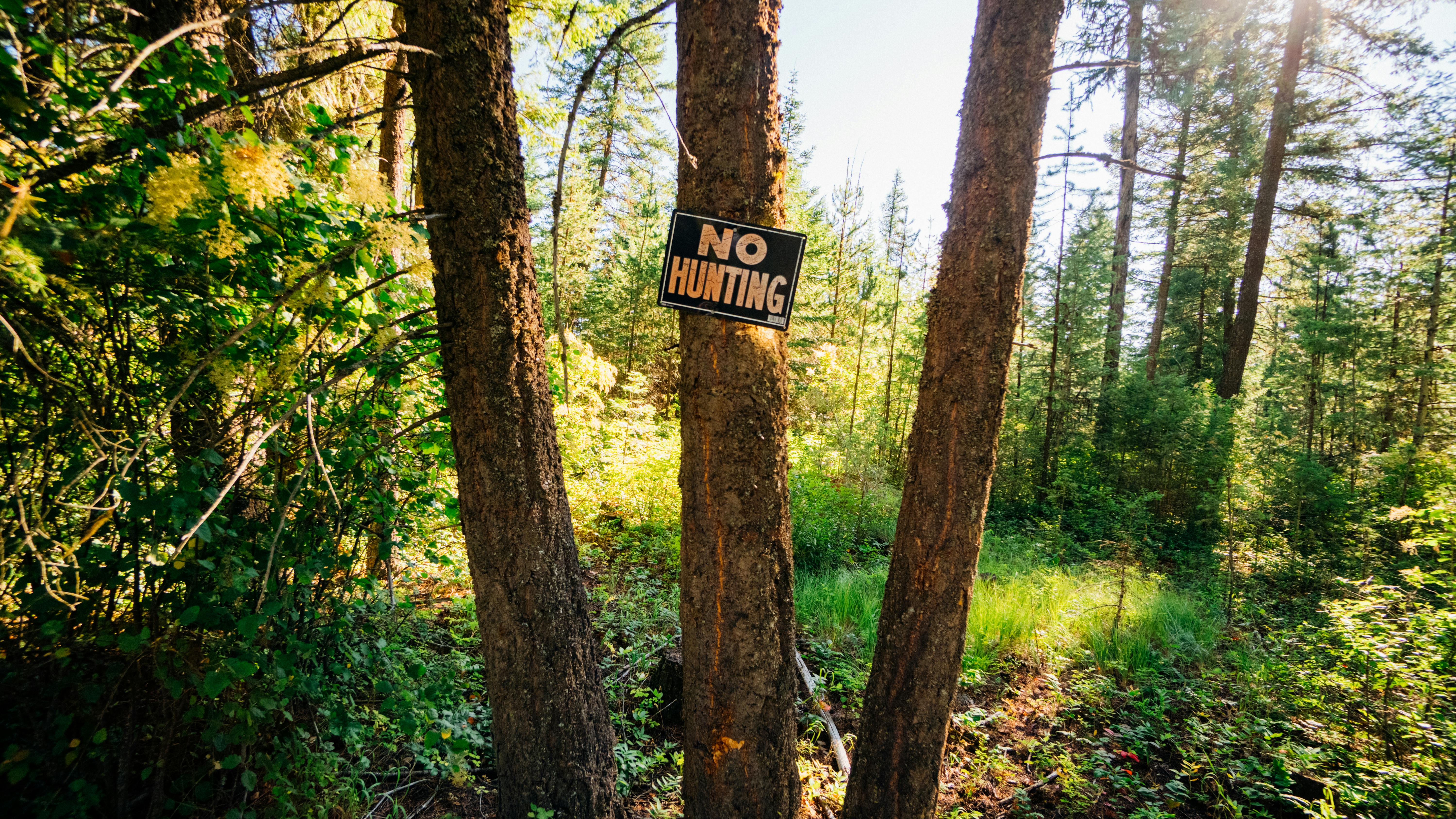
Access rules saw meaningful updates in 2026, especially in walk-in hunting zones, leased access areas, and mixed-use public lands. In some places, parking boundaries, allowable entry points, and seasonal closures were rewritten to reduce conflicts with landowners and other recreation users.
Hunters who rely on old pins, saved maps, or last season’s assumptions are now taking bigger risks. A field that was open under one agreement last fall may be closed, shifted, or restricted this year.
These changes are not always dramatic on the surface, which is what makes them easy to miss. Checking the current access atlas, agency map layer, and posted signs has become just as important as scouting game movement.
Baiting and Feeding Restrictions Expanded

Chronic wasting disease management drove another round of baiting and feeding restrictions in 2026. More jurisdictions expanded no-bait zones, widened carcass transport rules, or clarified what counts as an illegal attractant in deer and elk country.
This matters because many violations happen through habit rather than intent. A mineral site, feed pile, or even a camera setup near concentrated food can now trigger enforcement in areas that once seemed permissive.
Wildlife officials continue to argue that disease control requires fewer artificial congregation points. Hunters do not have to love every rule change, but they do need to understand that local disease maps now influence legal strategy almost as much as season dates.
Equipment Rules Shifted for Lead Ammunition and Tackle

A number of 2026 updates focused on what hunters and anglers can bring into the field, especially in sensitive habitat areas. New restrictions on lead ammunition, sinkers, and jigs expanded in places where agencies cited raptor exposure, wetland contamination, or species recovery concerns.
For hunters, this can affect more than a single box of shells. It may shape firearm setup, shot selection, practice routines, and cost, particularly if a specific public area now requires nonlead loads.
The confusion comes from patchwork enforcement. A statewide rule may differ from a refuge rule, and a waterfowl regulation may not match upland requirements nearby. Reading the exact area language matters more than ever in 2026.
Night Hunting and Thermal Optics Rules Were Rewritten
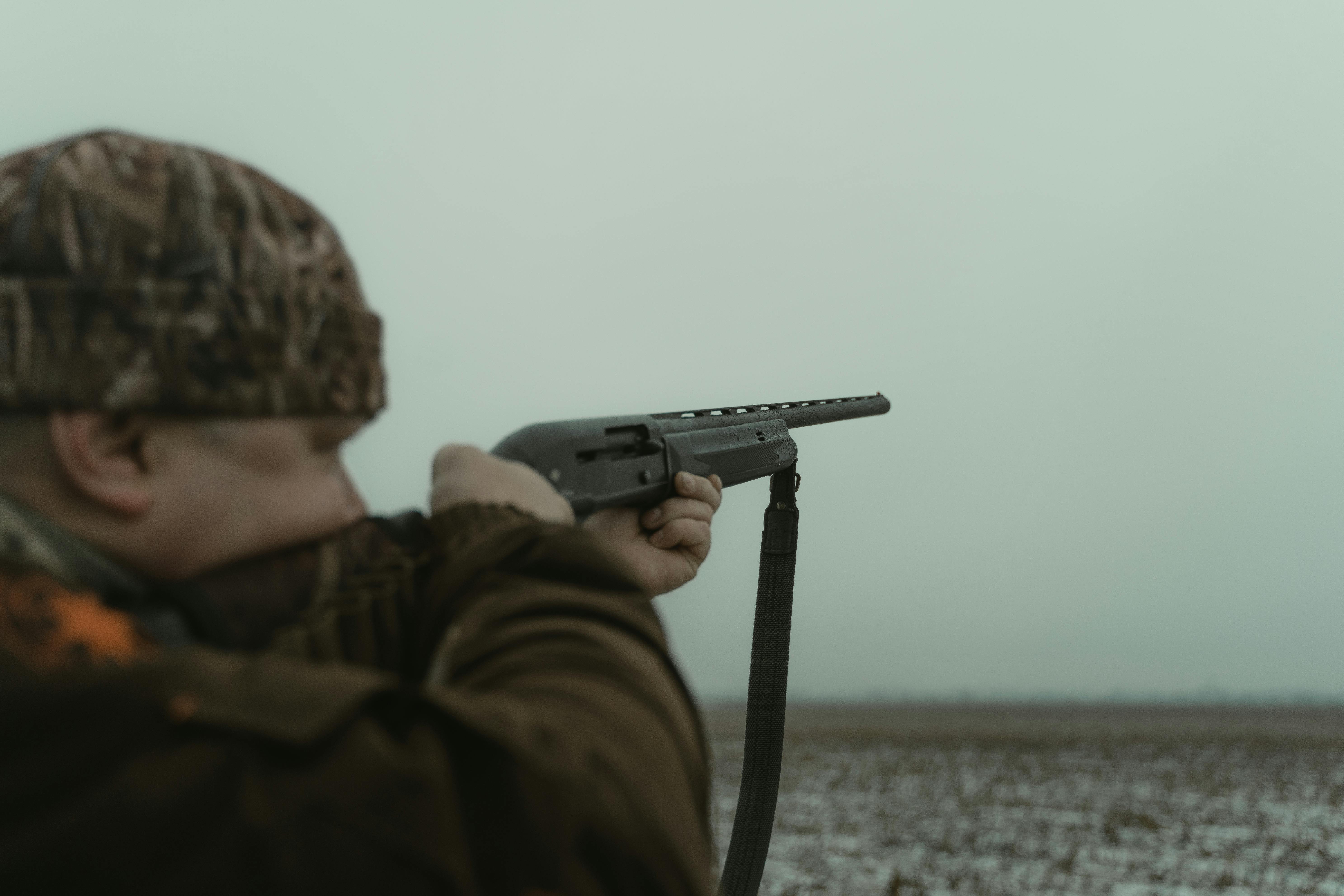
Technology moved faster than many rule books, and 2026 was the year several states tried to catch up. Night hunting provisions, thermal optics allowances, and artificial light restrictions were revised to draw sharper lines between predator control, nuisance take, and standard fair-chase hunting.
That means equipment once treated as a gray area may now be clearly legal or clearly prohibited depending on species and season. Hunters using thermal gear for hogs, coyotes, or private-land management work need to pay attention to those distinctions.
This is one of the most technical rule changes on the list, and one of the easiest to misunderstand. A legal optic does not automatically make every use of it lawful under current game codes.
Trespass Penalties Increased and Enforcement Got Tougher

In 2026, several states raised penalties for trespass tied to hunting activity, and some added stronger consequences for tampering with gates, crossing posted corners illegally, or retrieving game without proper permission. The tone from lawmakers was clear: access disputes are no longer being treated as minor misunderstandings.
For serious hunters, this raises the stakes around mapping and communication. Property line apps are useful, but they are not a substitute for current ownership records, visible signage, and direct landowner approval.
The broader message is cultural as much as legal. As hunting pressure and land value both rise, states are expecting hunters to show sharper judgment before stepping across any boundary.
Youth and Apprentice Rules Opened New Paths but Added Conditions
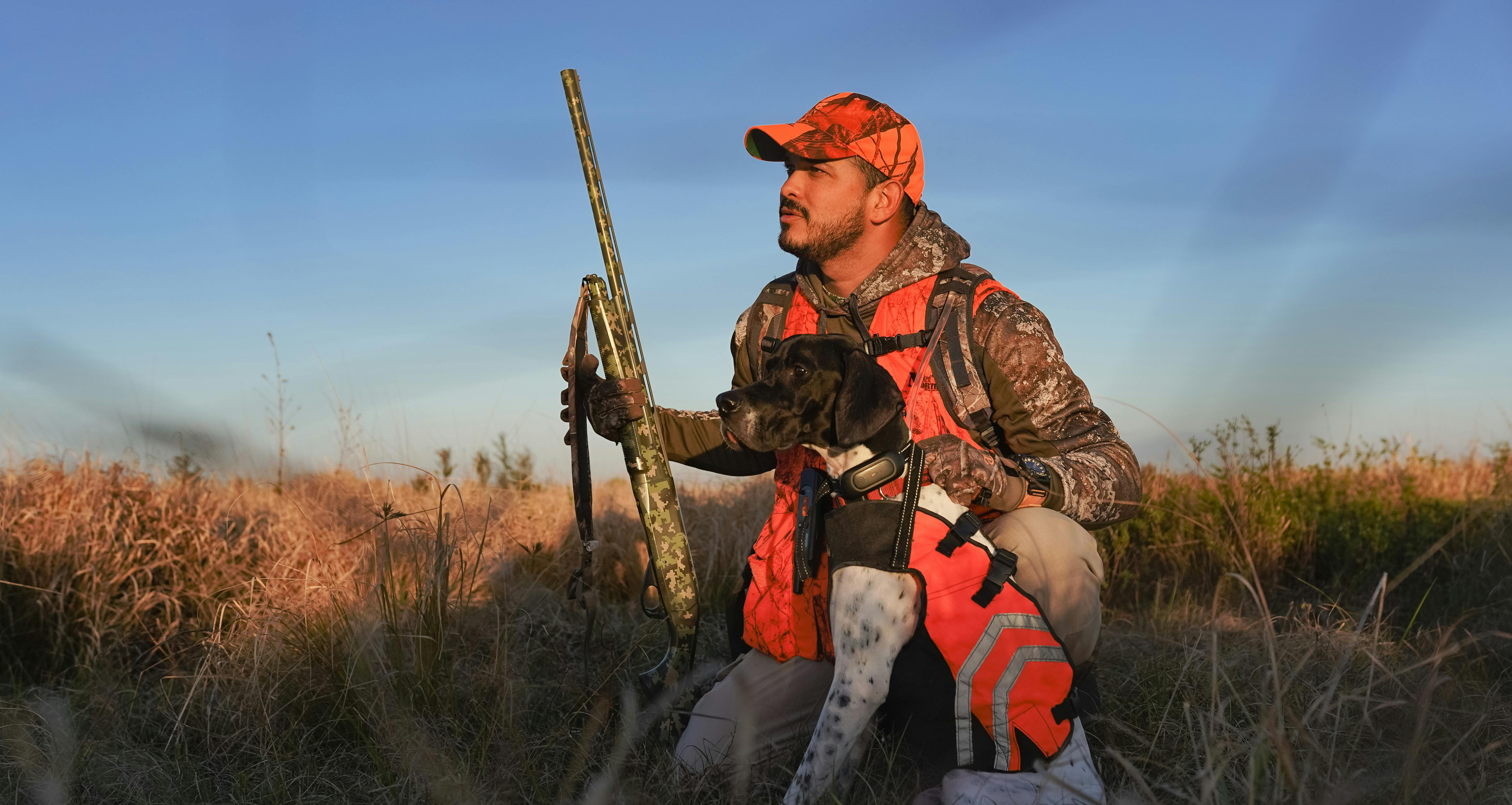
Not every 2026 change was restrictive. Some states expanded apprentice hunting options, adjusted mentored youth seasons, or lowered barriers for first-time participants who want to try hunting before completing the full licensing process.
The catch is that these more flexible pathways often came with tighter supervision rules, species limits, or education deadlines. Adults bringing new hunters into the field now need to understand exactly what the apprentice is allowed to do and when.
That is ultimately good news for recruitment, but only if families and mentors read the fine print. A welcoming policy can still produce citations when enthusiasm outruns the actual language of the law.