Gun storage rules can be surprisingly different from one state to another. A practice that seems responsible in one place may not satisfy the law somewhere else. In 2026, 26 states have child-access prevention laws, with major differences in when liability begins and which age groups are covered. The following mistakes are worth checking carefully, especially after moving, traveling, or when someone new enters the household.
1. Assuming One Storage Rule Applies Everywhere
Gun storage laws are not uniform across the United States, and copying a rule from another state can create a legal problem. In 2026, 26 states have child-access prevention laws, but they differ on when liability begins and which ages are covered. California, for example, requires secure storage when a firearm is not carried or under the owner’s control, while Florida focuses on loaded firearms when a minor is likely to gain access. Check your state statute, not a friend’s advice, an old article, or a generic safe-storage guide found online today.
2. Leaving a Loaded Gun Where a Child Could Reach It

A loaded firearm left in a drawer, closet, nightstand, or unlocked cabinet can create liability in states with child-access or safe-storage rules. The legal trigger is different from state to state. Some laws apply when a child actually gains access, while others apply when the owner knew or should have known that access was likely. Florida’s 2026 statute, for example, covers loaded firearms when a minor is likely to gain access and requires specified secure storage. A 2026 review found 26 states with child-access prevention laws, so a general rule cannot safely cover every home.
3. Treating an Unloaded Gun as Automatically Exempt
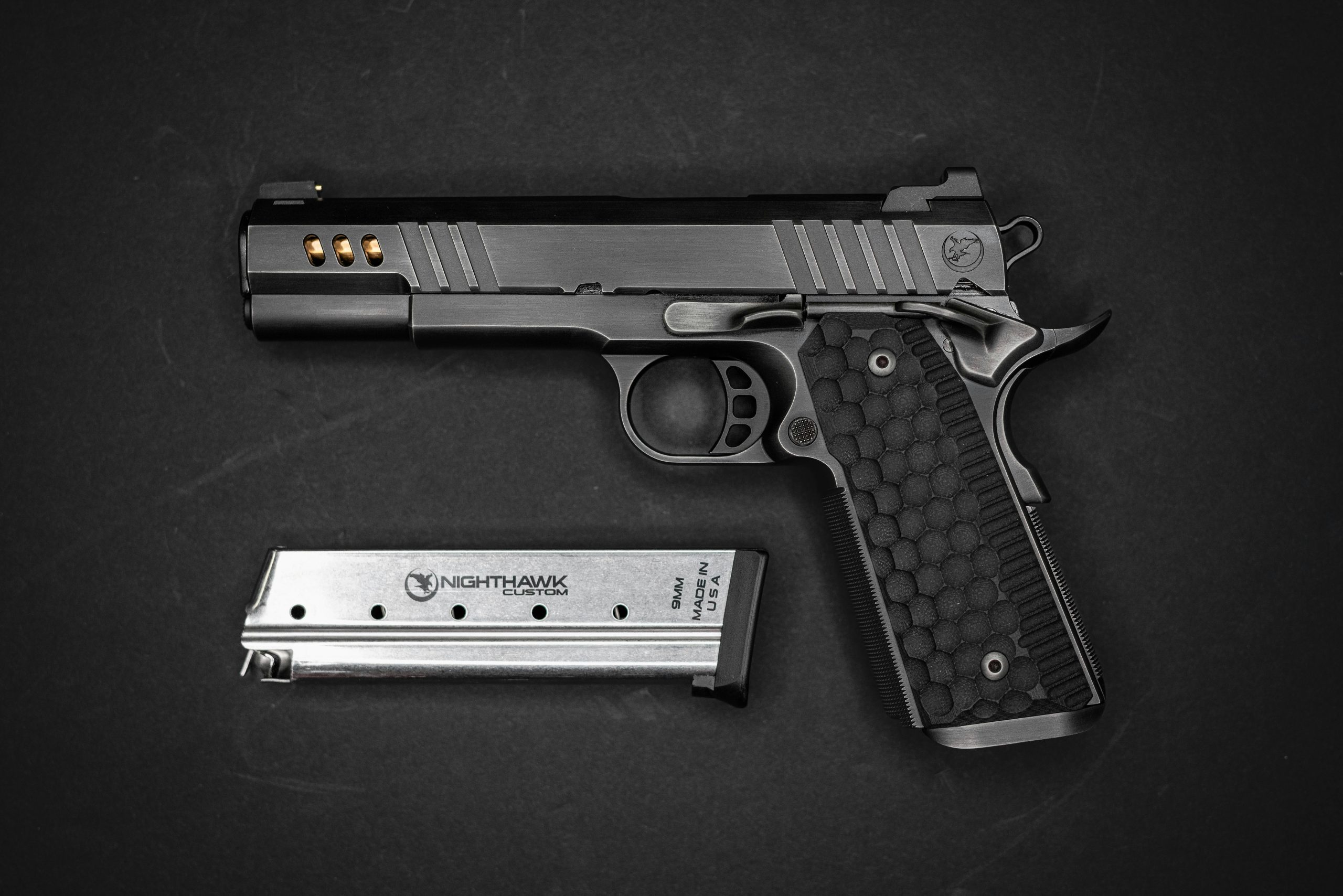
Unloading a firearm does not automatically satisfy every storage law. Several jurisdictions impose duties that can cover an unloaded firearm, depending on the statute and circumstances. California, Hawaii, Nevada, and Rhode Island are examples identified in summaries where negligent-storage provisions can apply to unloaded firearms. Owners sometimes remove ammunition and assume the legal issue disappears. Before relying on an unloaded condition, check whether your state requires secure storage for the firearm itself, regardless of whether a round is present today.
4. Using a Locked Case but Leaving the Key or Code Accessible
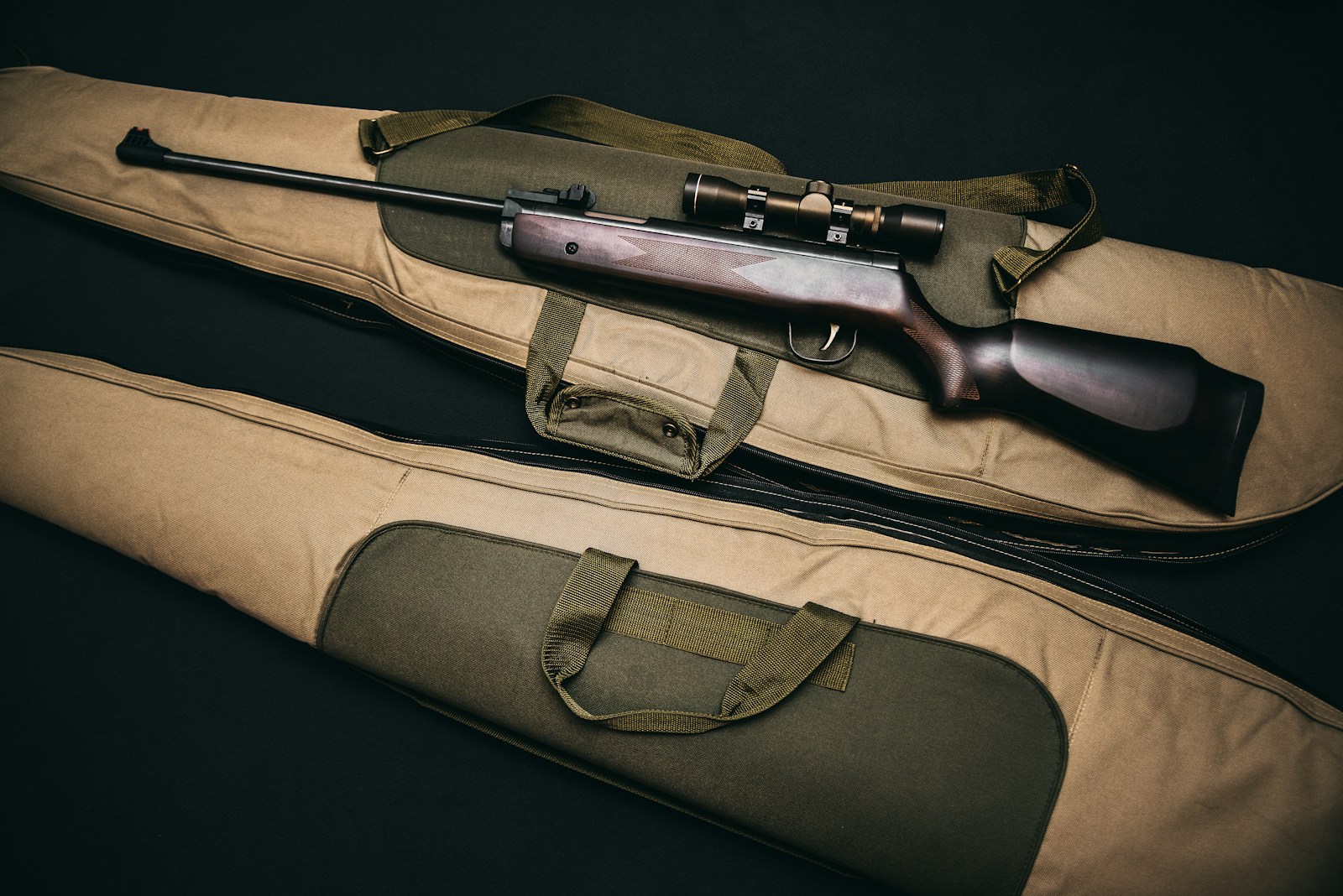
A locked container is not necessarily a legal solution if an unauthorized person can readily obtain the key, combination, or access code. Storage laws generally focus on preventing unauthorized access, and some statutes impose duties when a minor could or does reach the firearm. Keeping a spare key in an obvious drawer, writing a combination beside the safe, or sharing access with someone who is not legally allowed to possess firearms can defeat the purpose of the lock. Secure the access method as carefully as the firearm itself, especially when children or visitors are present.
5. Forgetting About Prohibited People in the Household
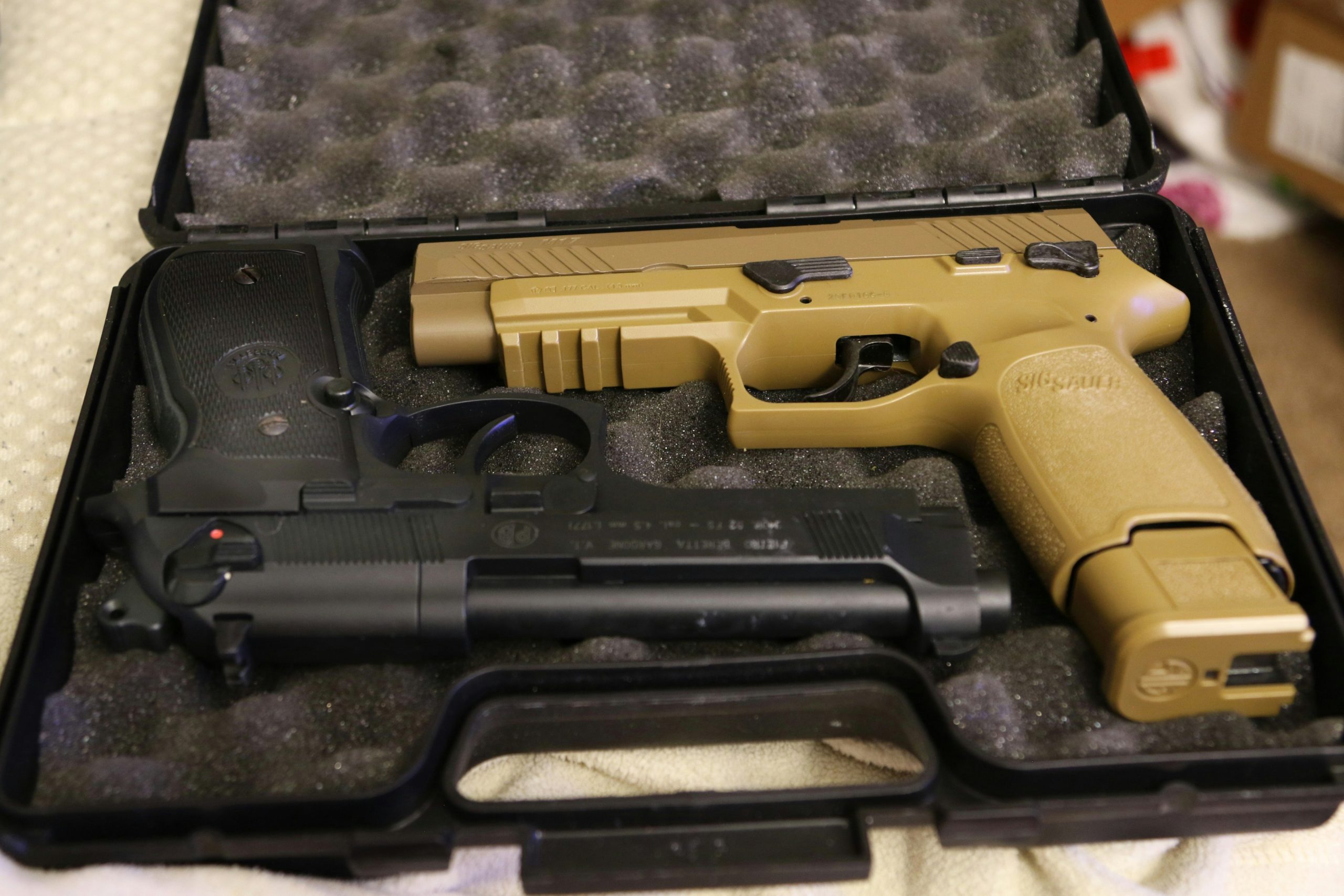
Safe storage is not only about children. Some state laws address unauthorized users, and federal law separately prohibits certain people from possessing firearms. A firearm left accessible to a prohibited household member can therefore create a serious legal issue even when no child lives there. Do not assume that a spouse, roommate, visitor, or adult relative automatically has lawful access. If another person in the home may be prohibited from possessing firearms, use storage that prevents access and verify the applicable federal and state rules before allowing access.
6. Leaving a Gun Unsecured During a Move or Hotel Stay
A storage setup that is lawful at home may not be appropriate during travel. Moving a firearm between homes, staying in a hotel, or leaving a vehicle unattended can introduce different state and local requirements. Some laws specifically regulate unattended firearms, while others address access by minors or unauthorized people. A gun left in an unlocked hotel room, open luggage, or an unattended vehicle may create both safety and legal problems. Before traveling, review the laws of the destination and any state you will pass through, because rules can change across state lines.
7. Assuming a Trigger Lock Alone Meets Every Requirement

A trigger lock can be useful, but it should not be treated as a universal legal answer. Storage statutes vary in the equipment they recognize and in the circumstances that trigger a duty. Some require a securely locked container, while others allow a trigger lock or another specified security method. The firearm’s condition, the presence of minors, and the type of firearm can also matter. Before relying on one lock, read the exact wording of your state law and confirm that the device and storage method satisfy its requirements. If the statute is unclear, obtain qualified legal advice.
8. Ignoring New Laws or Effective Dates
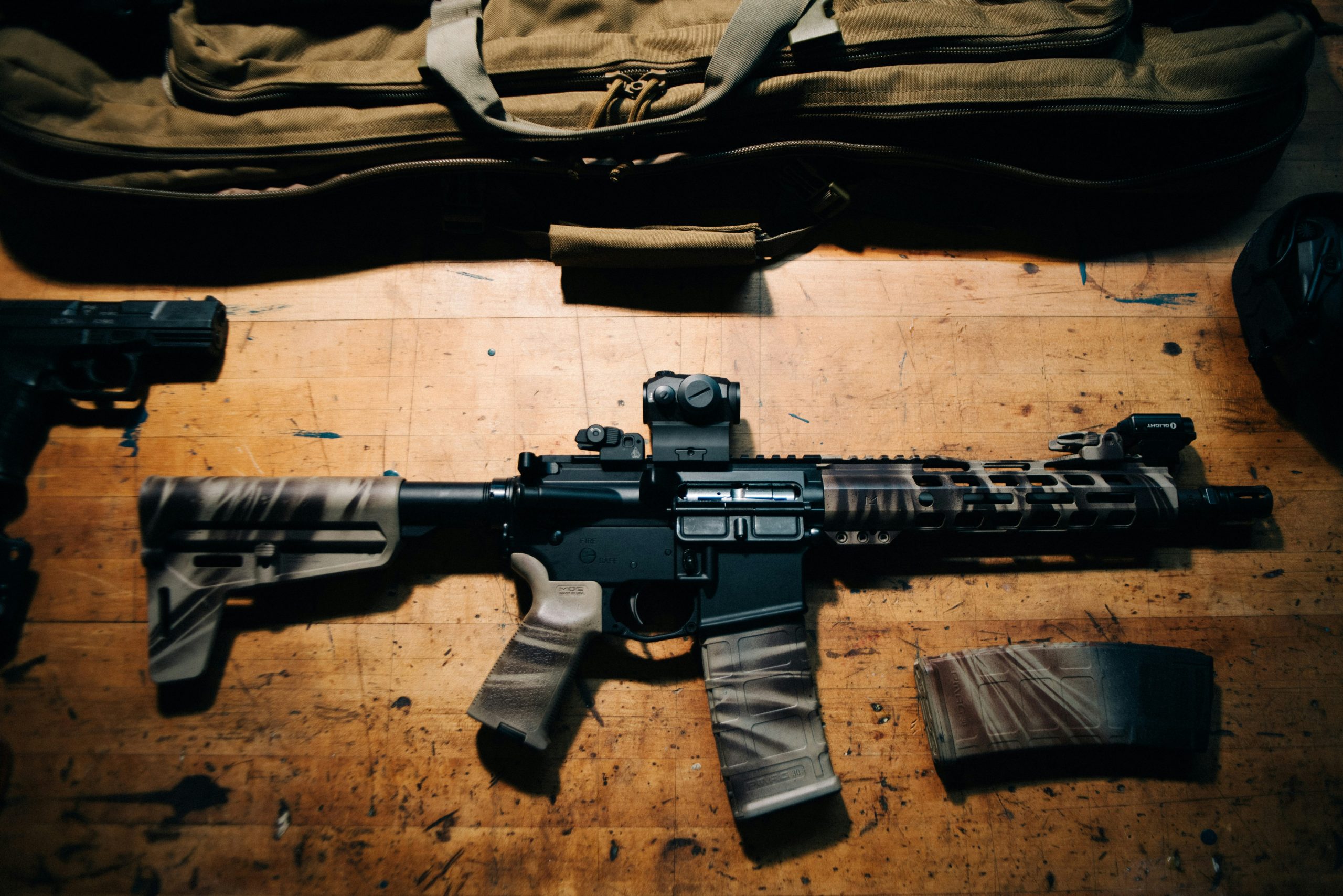
Firearm storage rules can change, and a practice that was legal last year may not remain compliant. California is a clear 2026 example: a safe-storage requirement for firearms in residences took effect January 1, 2026, expanding the duties of owners when firearms are not carried or readily controlled. Other states may change definitions, penalties, or covered situations through new legislation. Check official state sources at least once a year, and especially after moving, buying a new firearm, or seeing a new storage law announced. The effective date matters as much as the passage date.
9. Assuming Safe Storage Is Only a Safety Recommendation
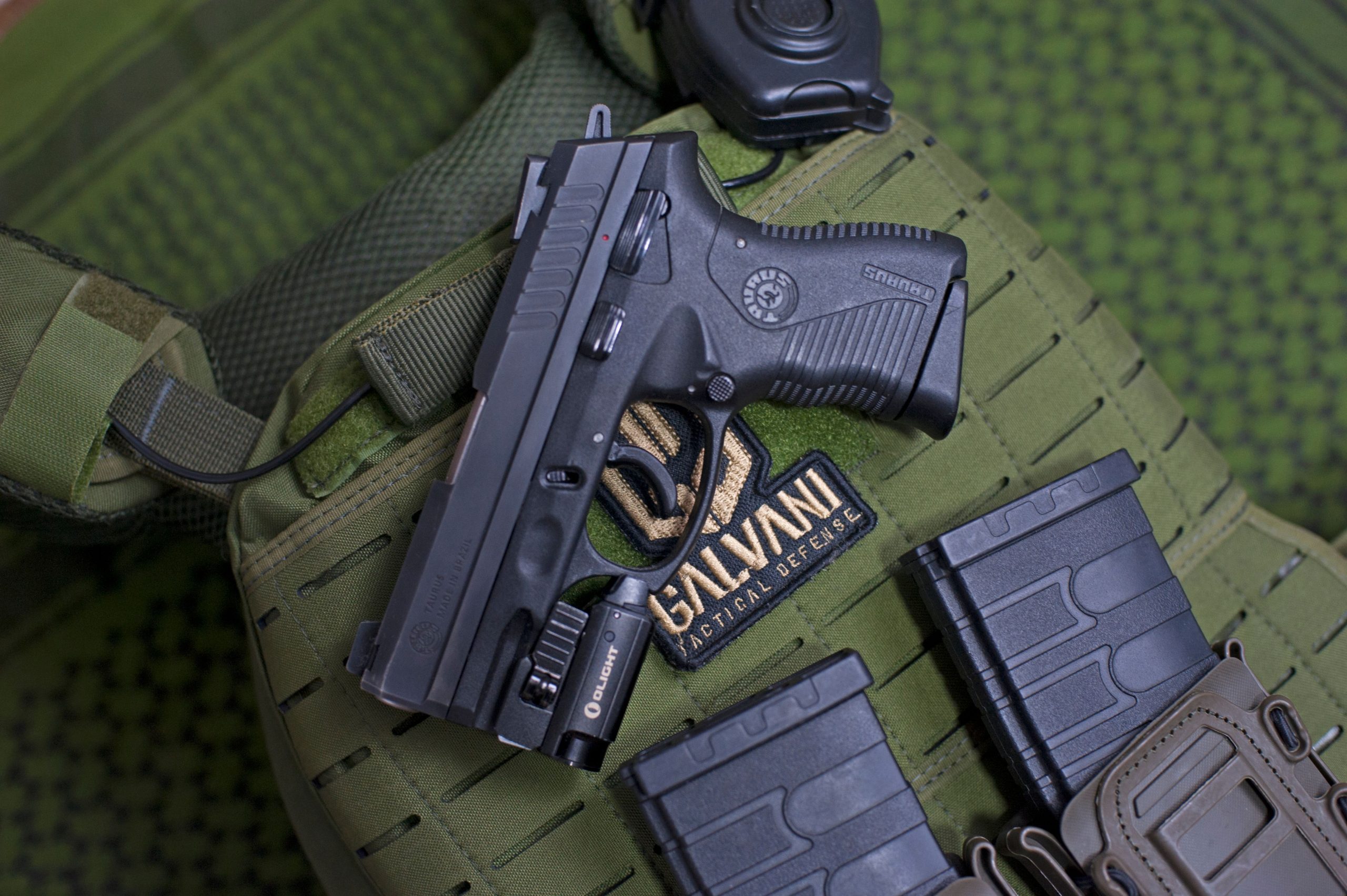
For many owners, secure storage is both a safety practice and a legal responsibility. Current state laws can impose criminal or civil consequences when firearms are stored improperly, and the exact threshold differs widely. Some states act when a child could access a firearm, while others require actual access or later misuse. A 2026 national review identified 26 states with child-access prevention laws. Keep firearms inaccessible to unauthorized people whenever unattended, then confirm your state’s legal standard. Storage duties can also change after a move or legislative update.