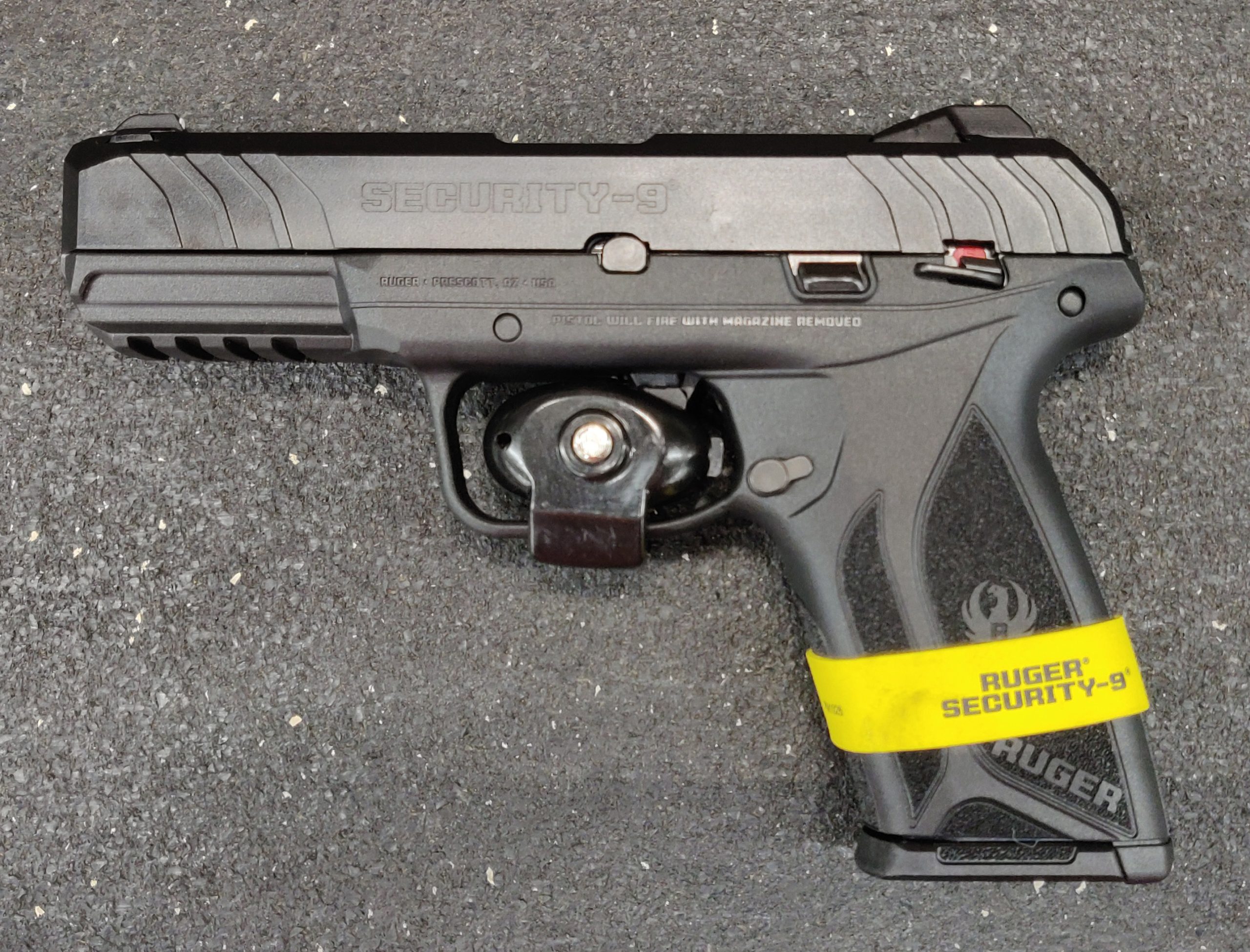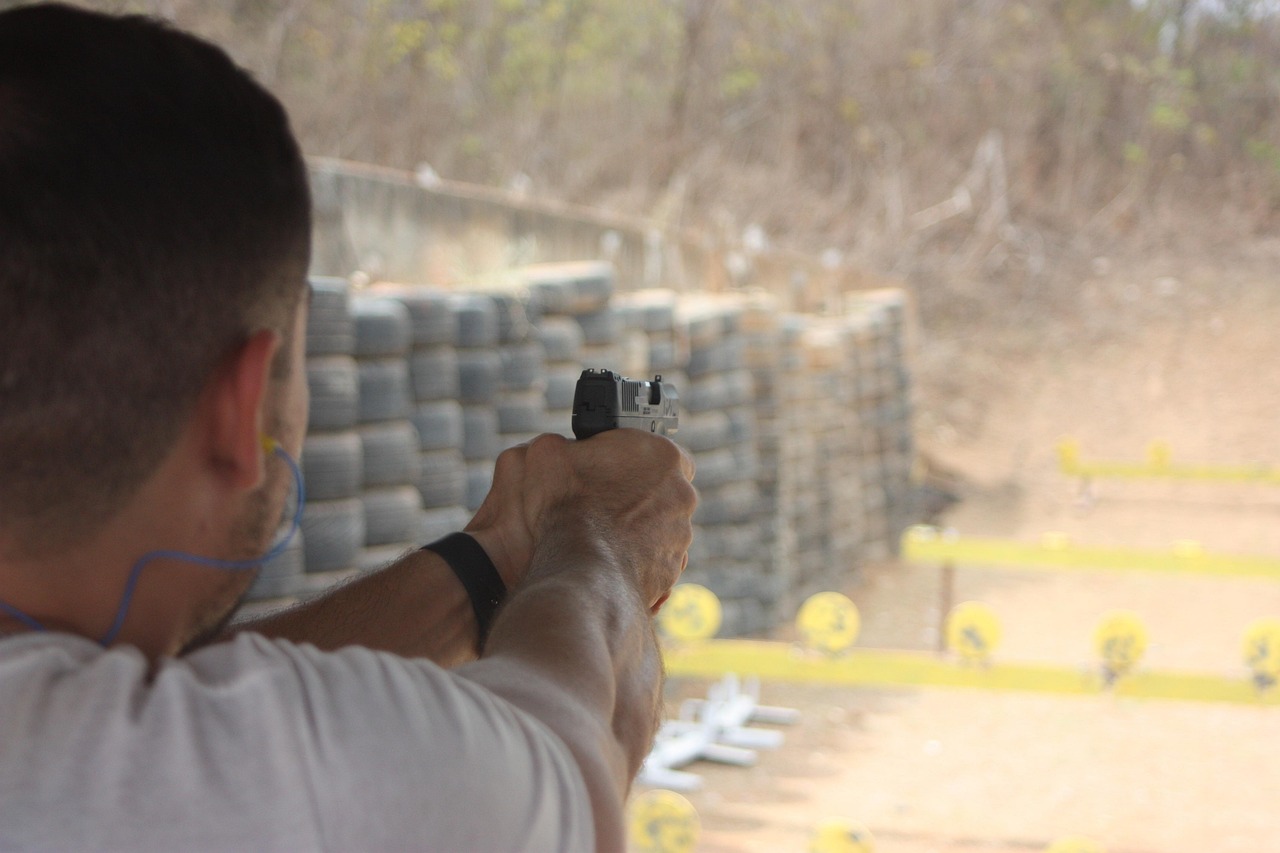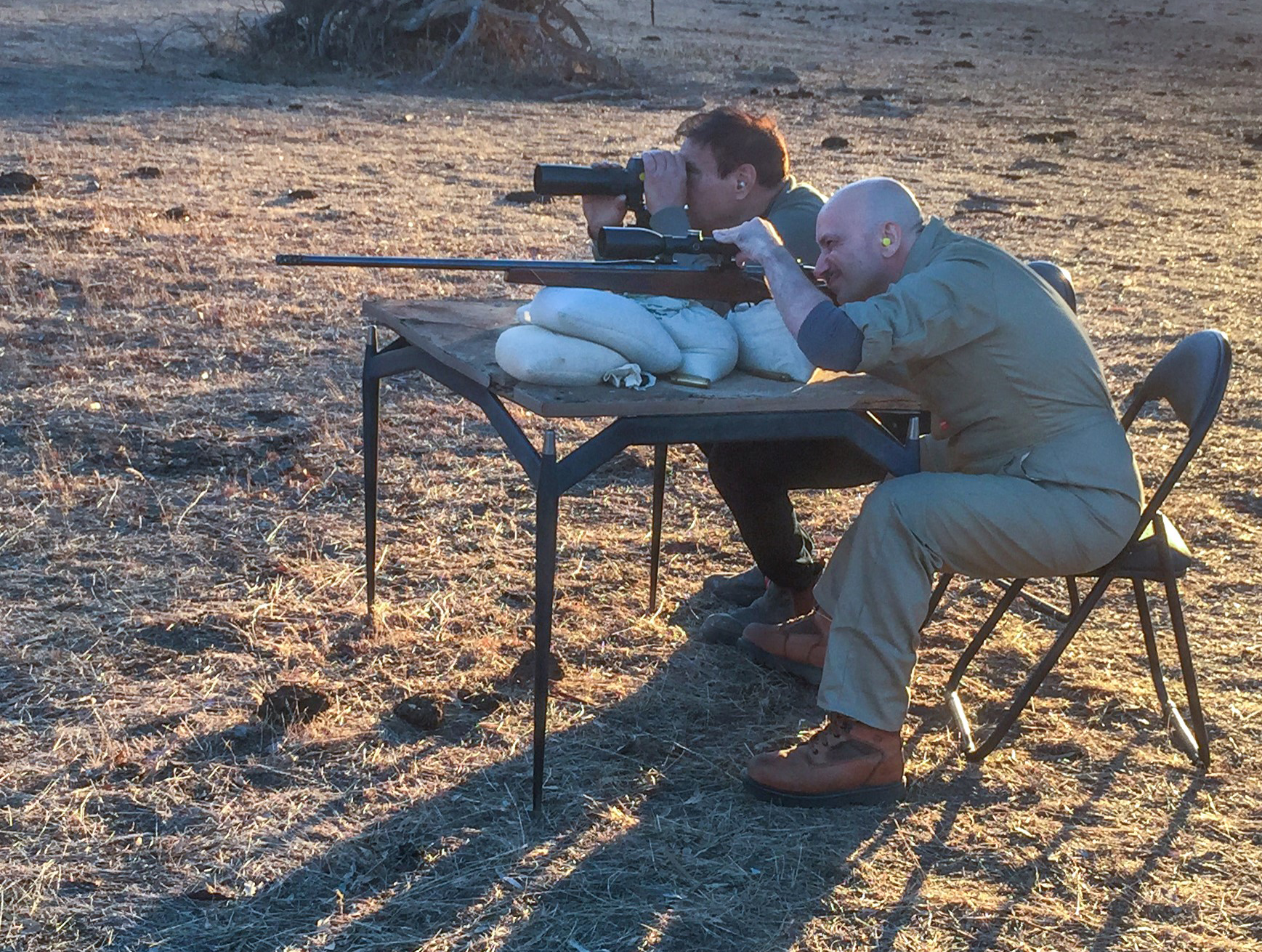
A shooting range has written rules, but experienced shooters also follow a set of unwritten habits. These simple expectations keep the firing line organized, reduce distractions, and help everyone respond correctly when something unexpected happens. They are not about showing off experience or making newcomers uncomfortable. They are about respecting the range, the people around you, and the responsibility that comes with handling a firearm. Learning these habits before your first visit can make the entire experience safer, calmer, and easier to understand.
1. Treat Every Firearm as Loaded
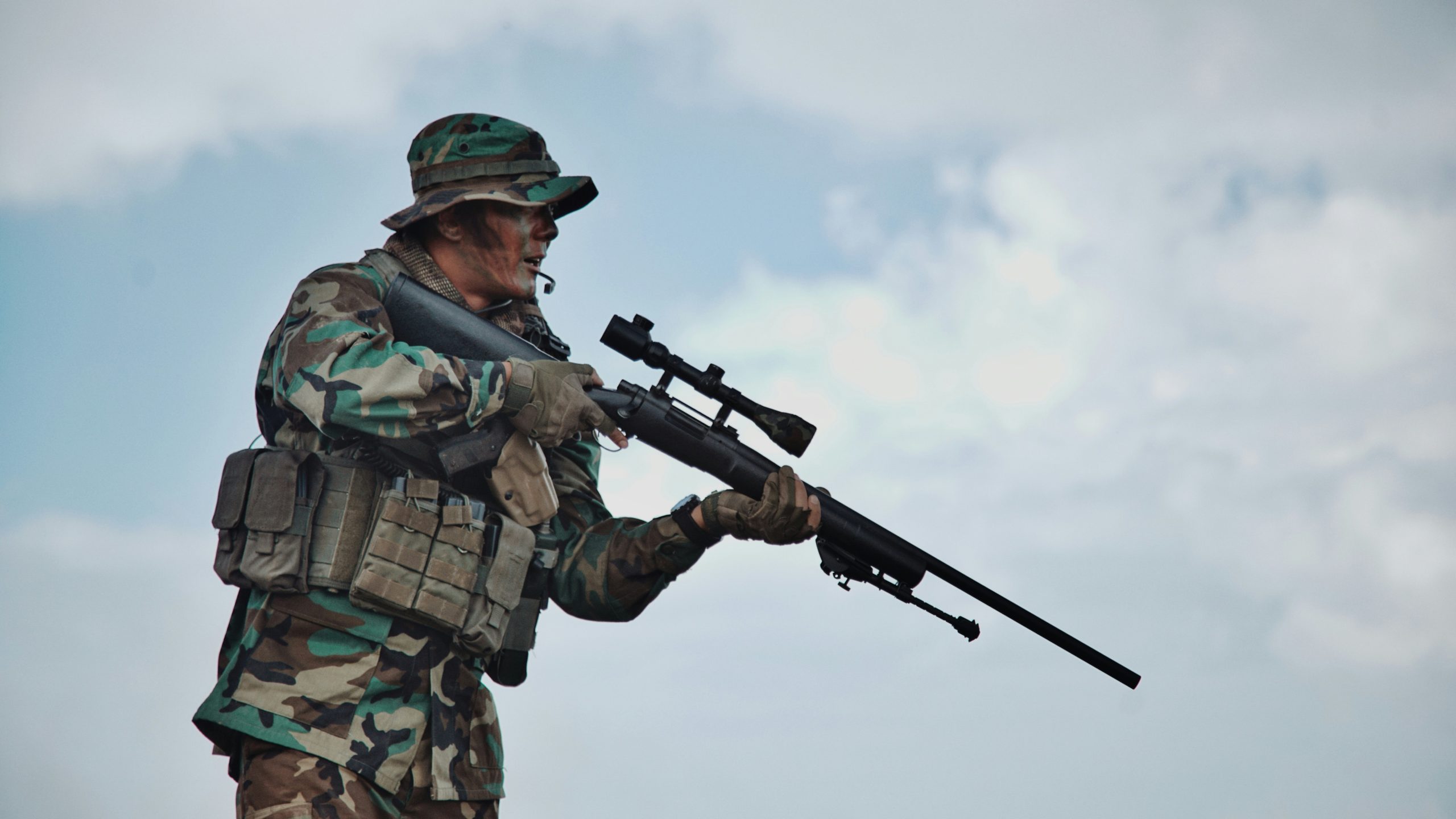
The first rule is simple, even when it appears empty: handle it as though it contains ammunition. Keep the muzzle pointed in a safe direction, keep your finger outside the trigger guard, and check the action when instructed. A range officer may ask you to show that the chamber is clear before moving or leaving a lane. The important number here is 3: muzzle direction, trigger position, and chamber status. Following all three habits prevents careless handling from becoming a serious mistake. This routine also helps experienced shooters avoid complacency when changing firearms or sharing a bench.
2. Follow the Range Officer Immediately
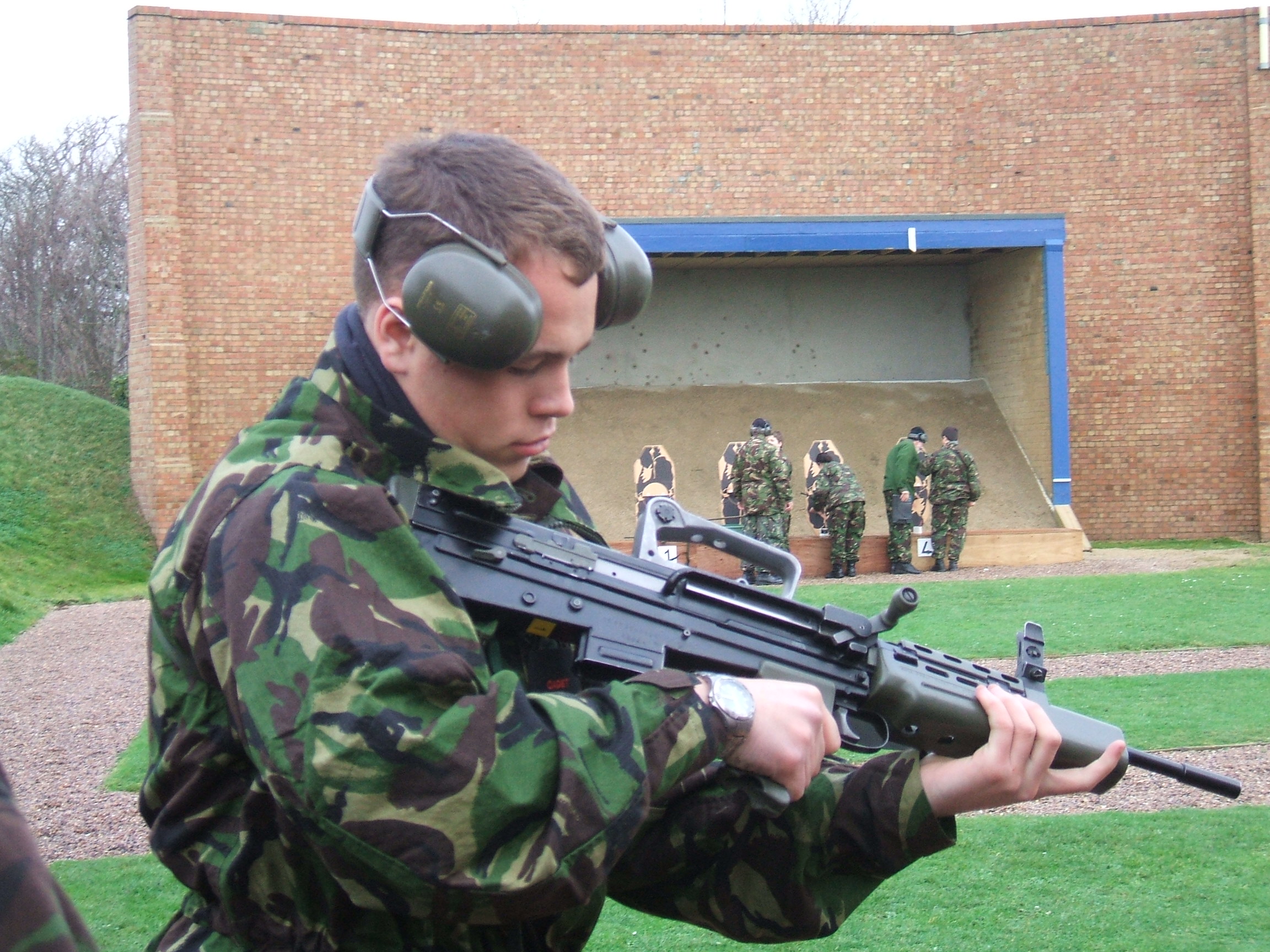
Range officers control the firing line, and their commands take priority over what you planned to do. When you hear a cease-fire, stop shooting, keep the firearm pointed safely, and follow the posted procedure before touching anything. Do not assume a pause is informal or that you can finish one last shot. Many ranges use commands such as “cease fire” and “range is hot.” Remember 2 things: listen first and act immediately. If you are unsure, keep the firearm pointed safely and ask the officer. Their job is to manage safety, not simply enforce etiquette, so take every instruction seriously.
3. Never Handle a Firearm During a Cease-Fire
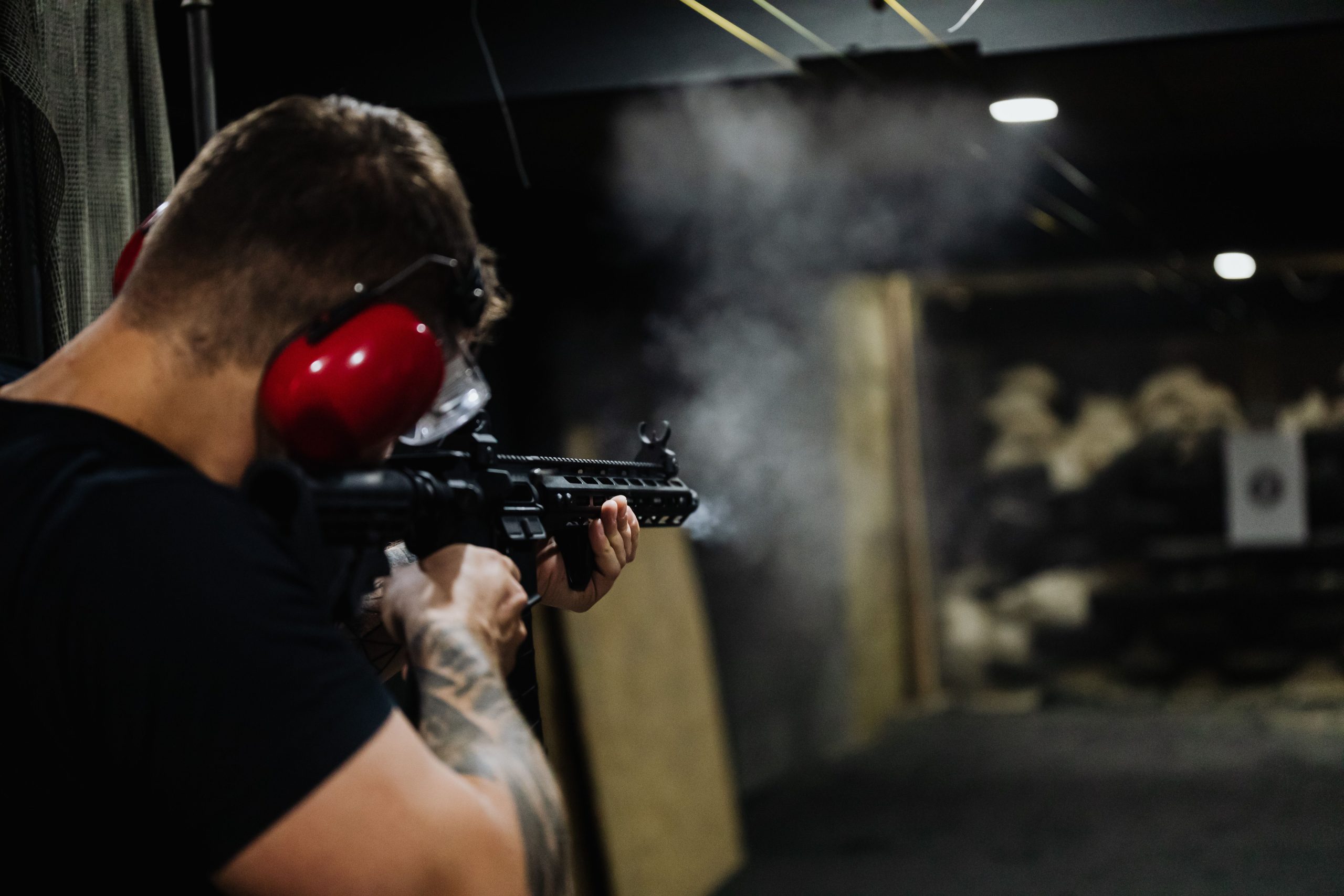
A cease-fire means everyone on the line must stop handling firearms unless the range has a specific procedure allowing otherwise. Keep the action open, place the firearm in the safe condition, and step back when instructed. Do not reach forward to adjust a target, collect brass, or retrieve dropped equipment until the line is declared safe. The key number is 0: zero handling while people are downrange. Even a firearm you believe is unloaded should remain untouched until the range officer gives the all-clear. Another shooter may be downrange checking a target or handling a separate task.
4. Keep Your Equipment Inside Your Lane
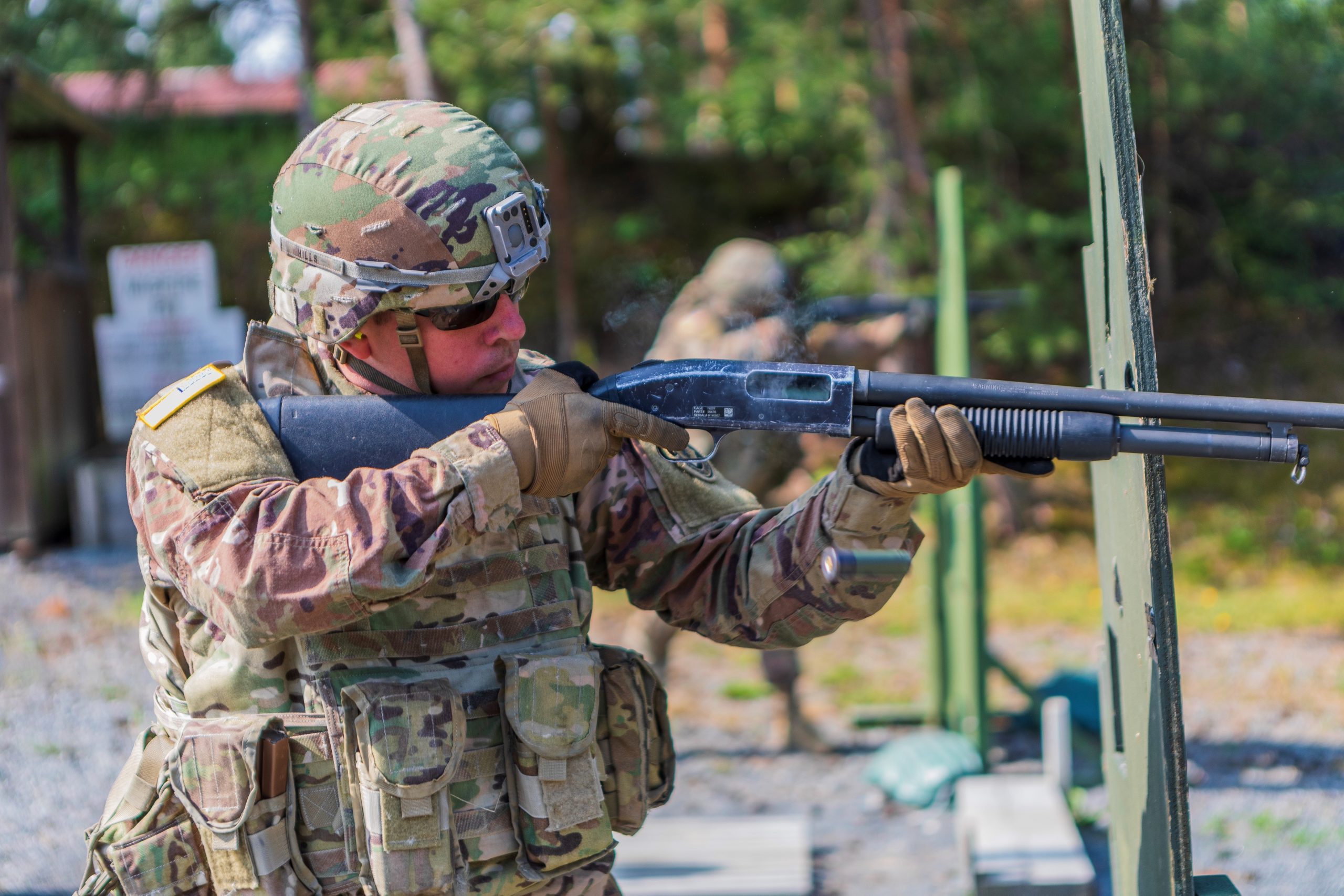
Shooting benches can become crowded quickly, so most ranges expect shooters to keep firearms, ammunition, bags, and accessories within their assigned space. A loose item can distract another shooter or create confusion about which equipment belongs to whom. If something falls forward of the firing line, do not reach for it while the range is active. Ask the range officer for help instead. Your lane has 2 boundaries: stay behind the firing line and keep your equipment within your assigned area. Organization also makes it easier to identify your firearm and spot anything that does not belong.
5. Wear Eye and Ear Protection Every Time
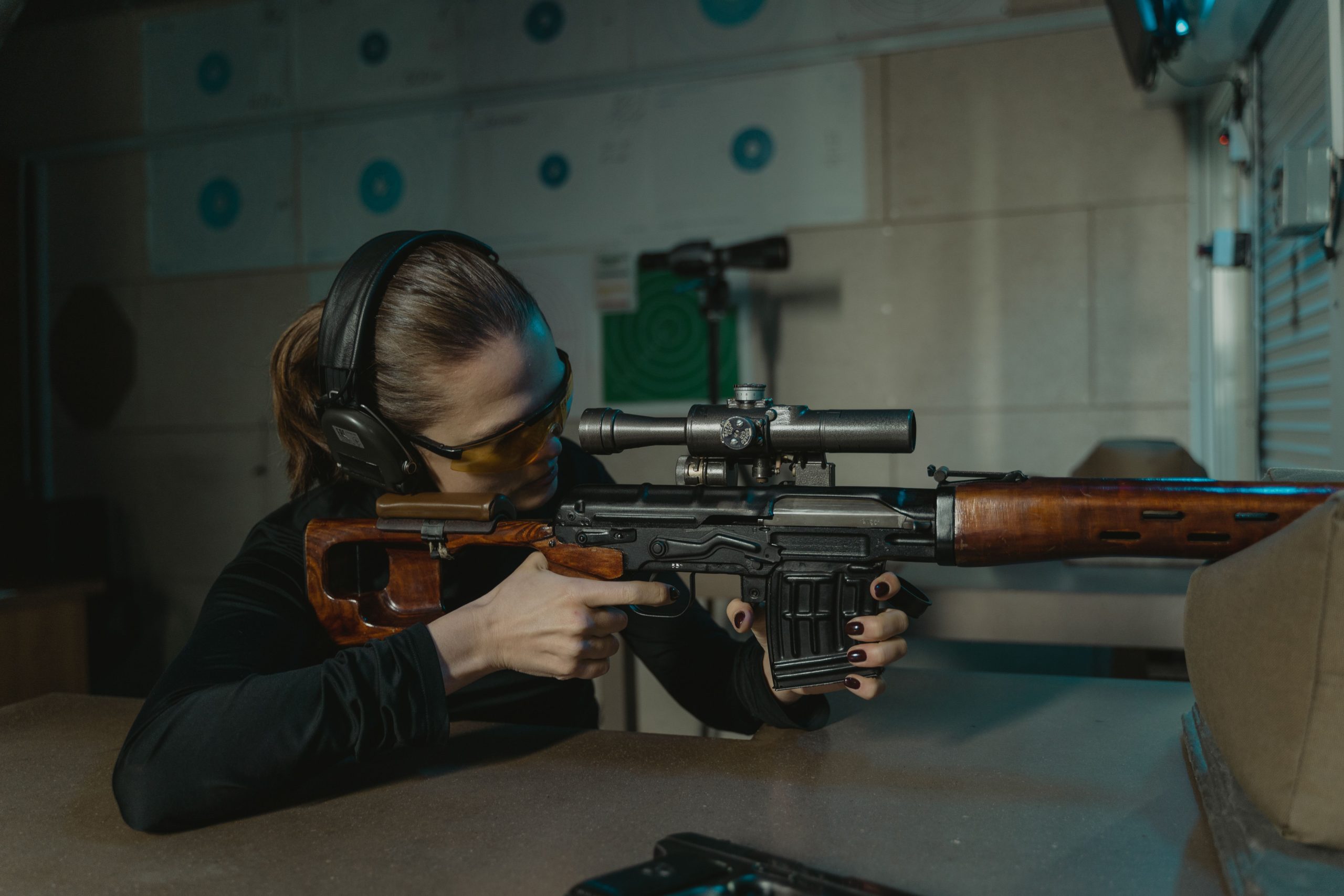
Eye and hearing protection are basic range requirements because shooting produces noise, pressure, and fragments that can travel unexpectedly. Put both on before entering the active firing area and keep them in place until you are safely away from it. Regular glasses may not provide the protection required by a particular range, so follow its posted standard. A useful number to remember is 2: protect your eyes and your hearing. Even one unprotected exposure to a loud gunshot can be enough to cause harm. Protection should fit securely so it does not shift during shooting.
6. Ask Before Doing Something Unfamiliar
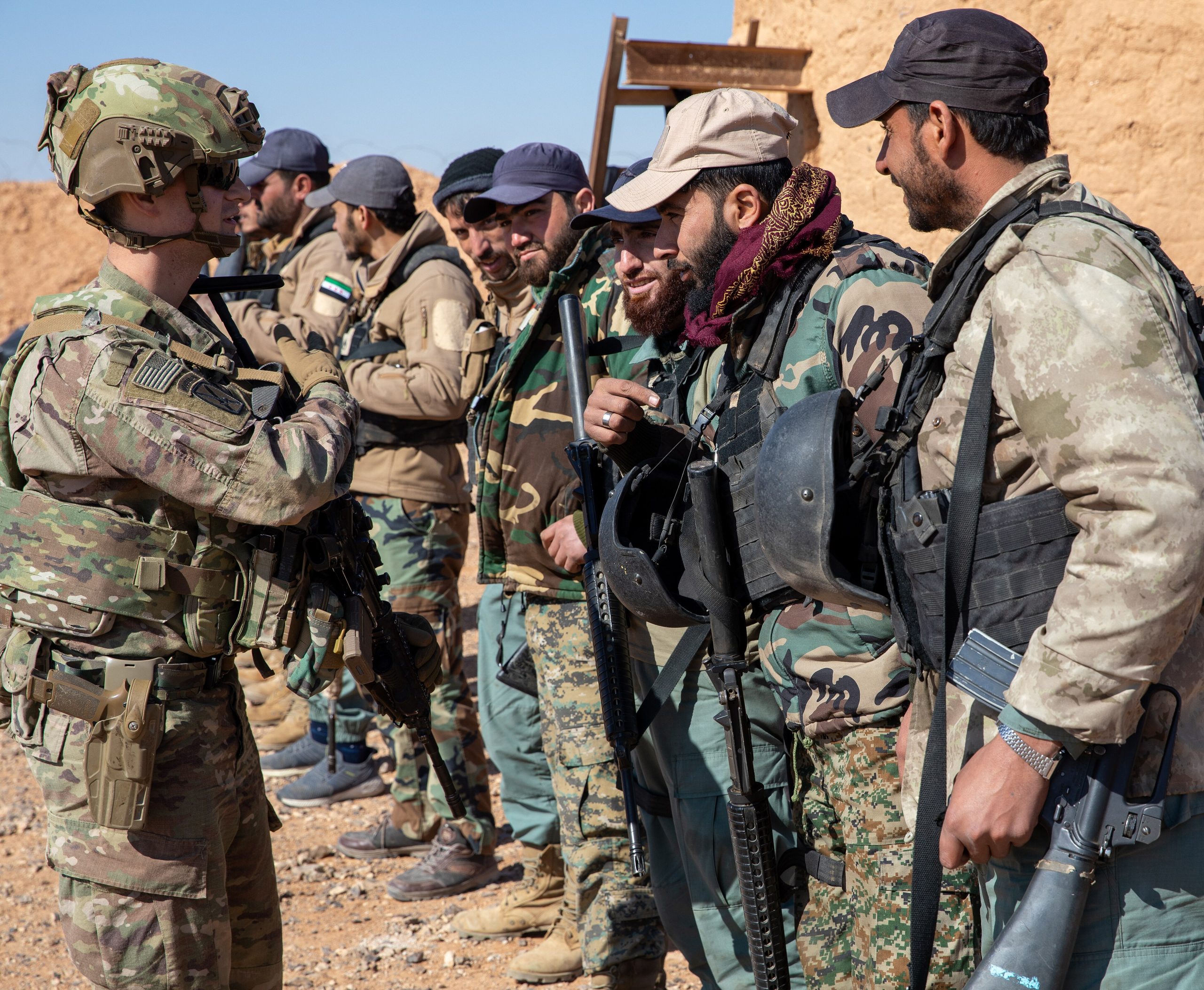
Every range has its own procedures, and experienced shooters still ask questions when they encounter unfamiliar equipment or rules. If you do not know how to use a target system, where to place a firearm, or what to do with a malfunction, stop and ask the range officer. Never improvise with a firearm just to avoid looking inexperienced. One question can prevent a dangerous mistake. Remember 1 rule: uncertainty is a reason to pause, not a reason to guess. Good range manners put safety ahead of pride. Asking early also helps newer shooters learn the local procedure without creating confusion.