Some predators are obvious. The ones causing the most trouble lately often are not.
The animals people worry about most are not always the ones causing harm
When most people hear the word predator, they picture wolves, bears, or mountain lions. Those animals get the headlines, the warning posters, and the dramatic local TV segments. But in many states, the real risk comes from species that are more adaptable, less visible, and far more likely to live near people.
Coyotes are a good example. Once associated mostly with open western landscapes, they now thrive in suburbs, golf courses, industrial parks, and even dense urban neighborhoods. Wildlife agencies from California to Massachusetts have documented steady growth in coyote sightings, attacks on pets, and rare but serious confrontations with people, especially where animals become food-conditioned.
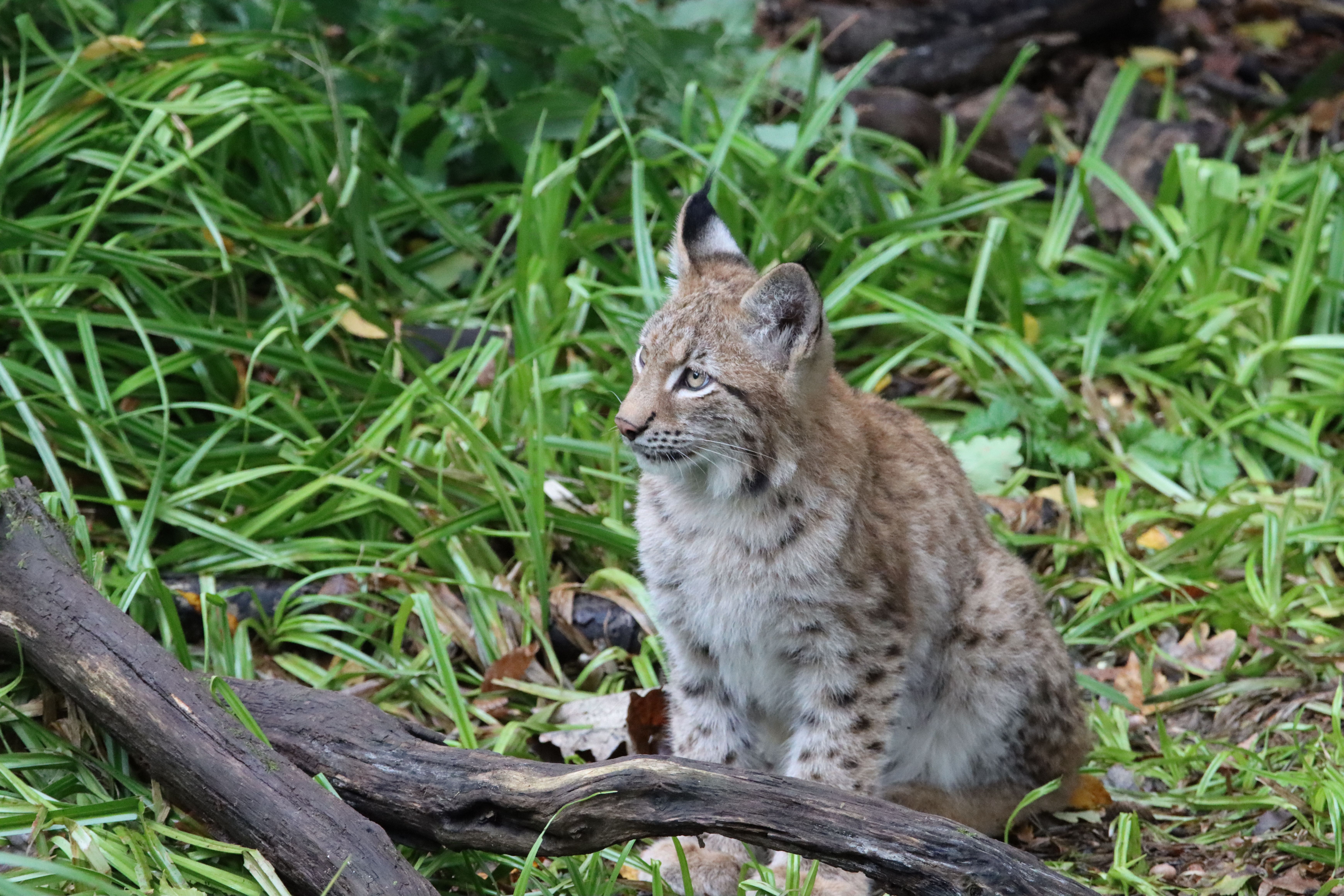
Bobcats are another predator that many residents underestimate. They are usually shy, but they have expanded their range in several regions as forests regenerate and prey populations grow. State agencies often classify them as low-risk animals, yet their increasing presence near backyards, chicken coops, and greenbelts means more opportunities for conflict than many people realize.
Why suburban growth is creating perfect hunting grounds
Predators do not need untouched wilderness to survive. In fact, fragmented development often creates an ideal habitat by mixing cover, water, and easy prey in a compact space. A neighborhood with ornamental shrubs, drainage ditches, retention ponds, bird feeders, and outdoor pet food can function like a buffet.
This is one reason foxes, coyotes, and raptors are doing so well in developed areas. Rodents flourish around trash, compost, spilled seed, and landscaping. Rabbits and squirrels thrive in edge habitat. Small pets, backyard poultry, and unsecured garbage add more attraction, and predators quickly learn where these resources are reliable.
Researchers have repeatedly found that human behavior shapes predator boldness. Feeding wildlife intentionally, leaving pets outside at dawn or dusk, and failing to secure attractants can turn a passing animal into a regular visitor. States often publish general coexistence guidance, but those warnings are easy to miss and rarely match the pace at which predator behavior is changing in expanding suburbs.
The predators most likely to surprise you vary by region.

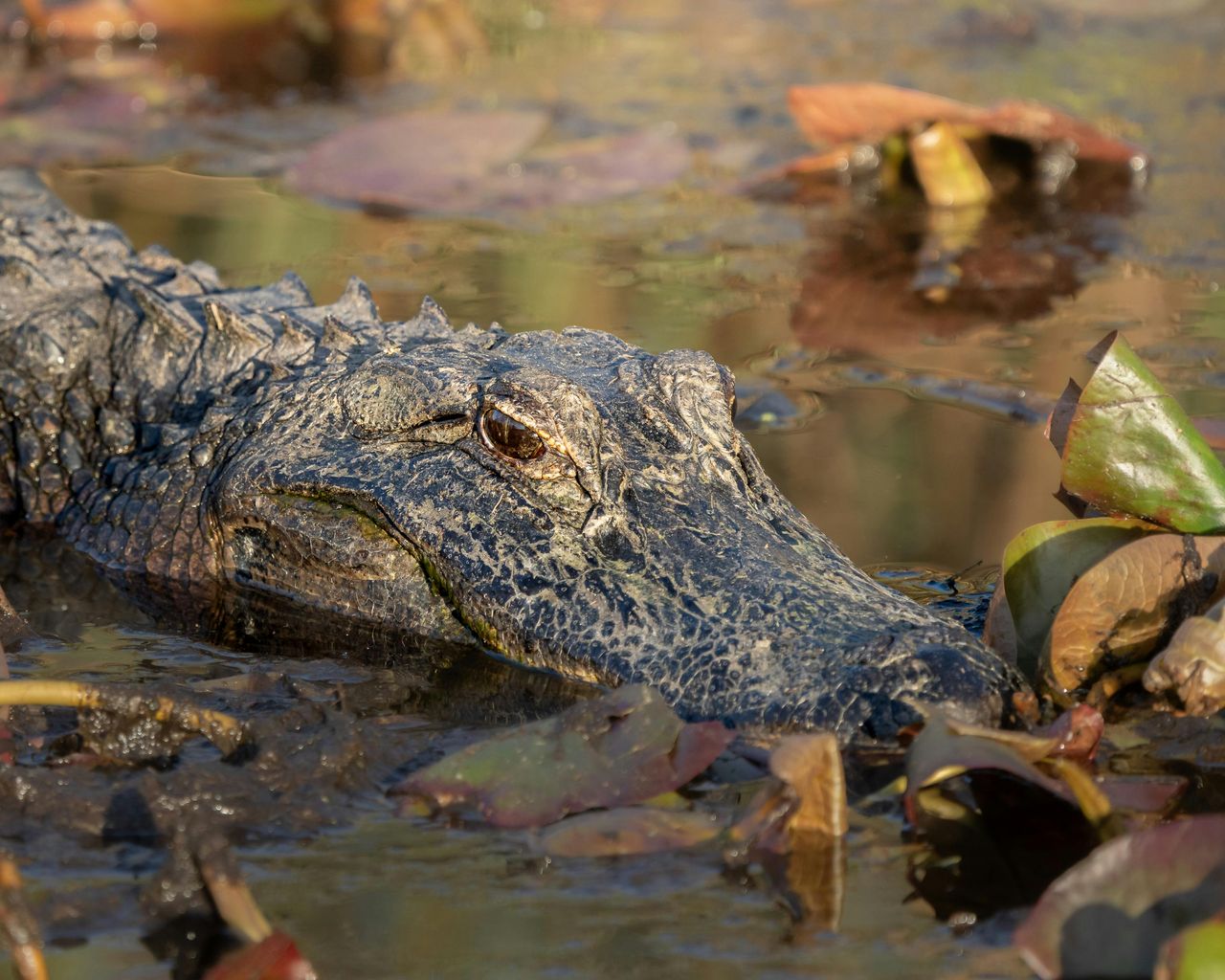
In the Southeast, alligators remain one of the most underestimated predators because familiarity breeds complacency. In Florida, Louisiana, Georgia, and the Carolinas, people often live near retention ponds and canals that can hold large gators. State officials post seasonal reminders, but many residents still assume a neighborhood pond is too developed or too small to pose a threat.
In the Midwest and Northeast, coyotes often top the list of overlooked predators. Their ability to move unseen through wooded strips, rail corridors, and residential streets makes them easy to dismiss until a pet disappears or a daytime sighting rattles a community. According to multiple state wildlife reports, bold coyote behavior is often linked to repeated access to human-provided food.
Out West, mountain lions still deserve respect, but black bears may be the more frequent problem in some communities because they are drawn so powerfully to trash, bird seed, livestock feed, and fruit trees. In Alaska and parts of the northern Rockies, wolves also concern ranchers and rural residents, but moose-calving areas and bear-heavy recreation zones can create more immediate danger than many visitors anticipate.
Why official messaging often lags behind reality
State wildlife agencies have a difficult balancing act. If they sound too alarmist, they risk unnecessary panic and pressure for indiscriminate killing. If they sound too reassuring, residents may underestimate what it means when predators become habituated, territorial, or comfortable around people. That tension can lead to public messaging that feels vague, seasonal, or overly reactive.
Another issue is that warning systems tend to emphasize rare, dramatic incidents rather than slow-building patterns. A viral mountain lion sighting gets attention, while months of increasing coyote denning near schools may not. Predation on outdoor cats, small dogs, and backyard livestock often gets reported informally on neighborhood apps long before it appears in state summaries or local news coverage.
Funding also matters. Many agencies are stretched thin, juggling habitat management, hunting regulation, disease surveillance, and public education with limited staffing. That can mean slow updates, inconsistent outreach, and uneven enforcement. Residents often assume a lack of warning means a lack of risk, when in reality it may simply reflect the limits of how quickly official systems can track and communicate changing wildlife behavior.
The pets, livestock, and routines that increase risk
Small pets are often the first sign that predator pressure is rising. Cats allowed outdoors at night are especially vulnerable to coyotes, foxes, and large owls, while small dogs can be targeted even in fenced yards if they are left unattended. Many attacks happen during routine moments, when owners assume a familiar yard is inherently safe.
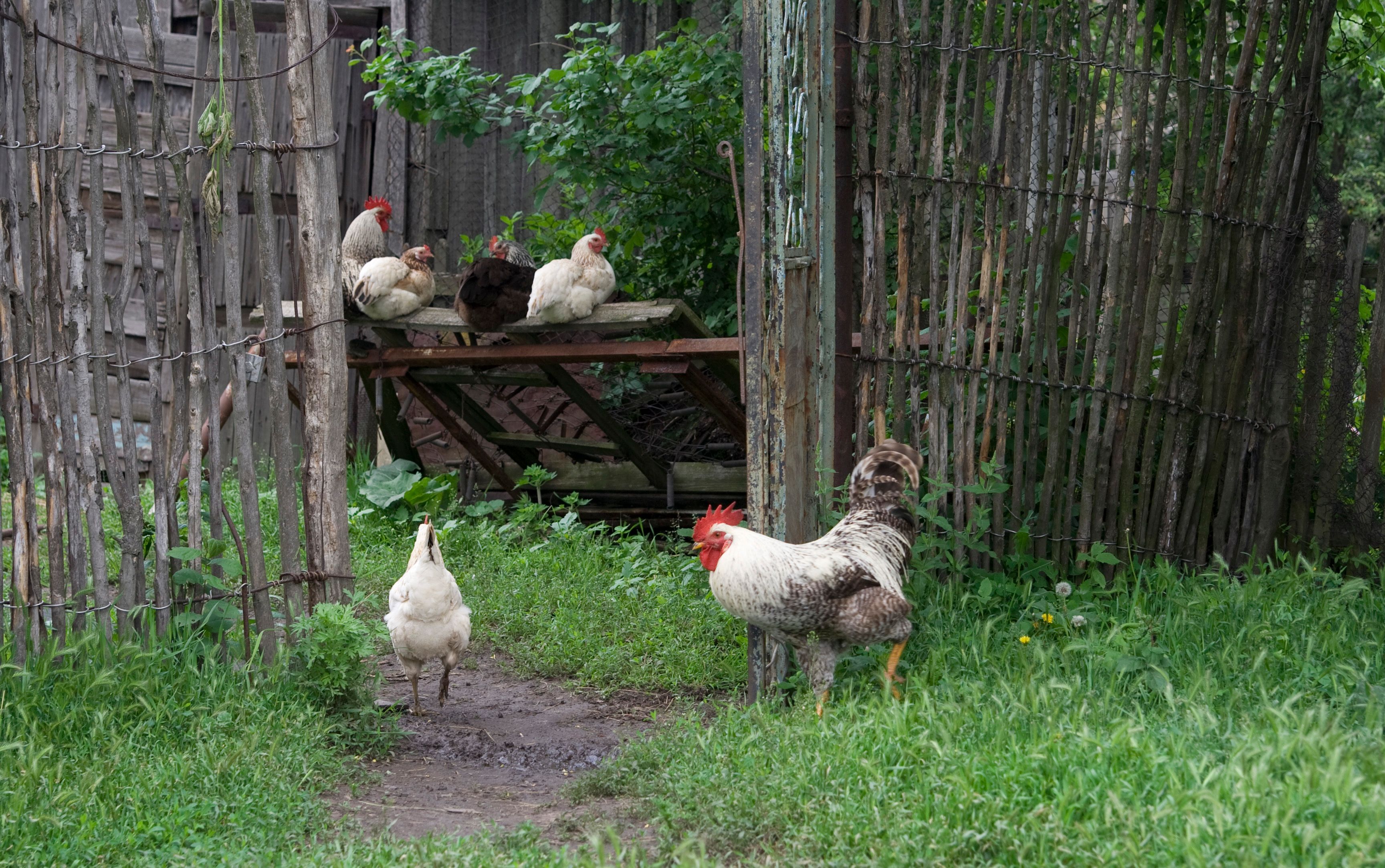
Backyard chickens, ducks, and rabbits also draw predators into residential spaces. Once an animal finds easy prey, it may return repeatedly and become bolder with each visit. This is why wildlife specialists emphasize hardware cloth, roofed enclosures, motion lighting, and secure feed storage rather than relying on basic fencing alone.
Human routines matter just as much. Jogging at dawn, walking a dog near brush at dusk, or letting children play near stormwater ponds can all increase the odds of an encounter in certain regions. Experts consistently advise making noise, supervising pets, and avoiding headphones in high-activity areas, because surprise is one of the biggest factors that turns an ordinary wildlife sighting into a dangerous situation.
What a real warning should look like
A meaningful warning does more than tell people to “be aware.” It explains which predators are active locally, what behavior signals elevated risk, and what residents should do differently right now. For example, there is a major difference between a coyote passing through at night and a coyote following walkers in daylight, yet many public notices fail to explain that distinction clearly.
Good warnings are specific, local, and practical. They identify hot spots such as school perimeters, greenways, drainage corridors, golf courses, or retention ponds. They mention seasonal factors like denning, breeding, drought, or food scarcity. They also tell residents exactly how to haze an animal, when to report one, and when a pattern has crossed from normal wildlife activity into a public safety concern.
Some communities have improved by combining state guidance with neighborhood-level communication. Park districts, animal control offices, and local law enforcement can often share information faster than statewide systems. When those messages are consistent and repeated, residents are more likely to secure attractants, supervise pets, and recognize abnormal predator behavior before it escalates.
How to protect yourself without sliding into panic
The goal is not fear. Most predators want to avoid people, and most encounters end without injury. But practical caution works better than casual confidence, especially in places where wildlife has learned to live alongside dense human populations.
Start with basics that experts recommend across regions: keep pets leashed or closely supervised, remove food attractants, secure garbage, harvest fallen fruit, and use sturdy enclosures for backyard animals. If you live near water in alligator country, keep a distance from pond edges and never assume a shoreline is clear. If you hike in bear or lion habitat, stay alert, travel smart, and understand species-specific response advice.
Most importantly, pay attention to patterns, not just headlines. The predators your state is not warning you about are often the ones that have already adapted to your routines, your neighborhood, and your blind spots. Once you understand that, prevention becomes much more effective than reaction.