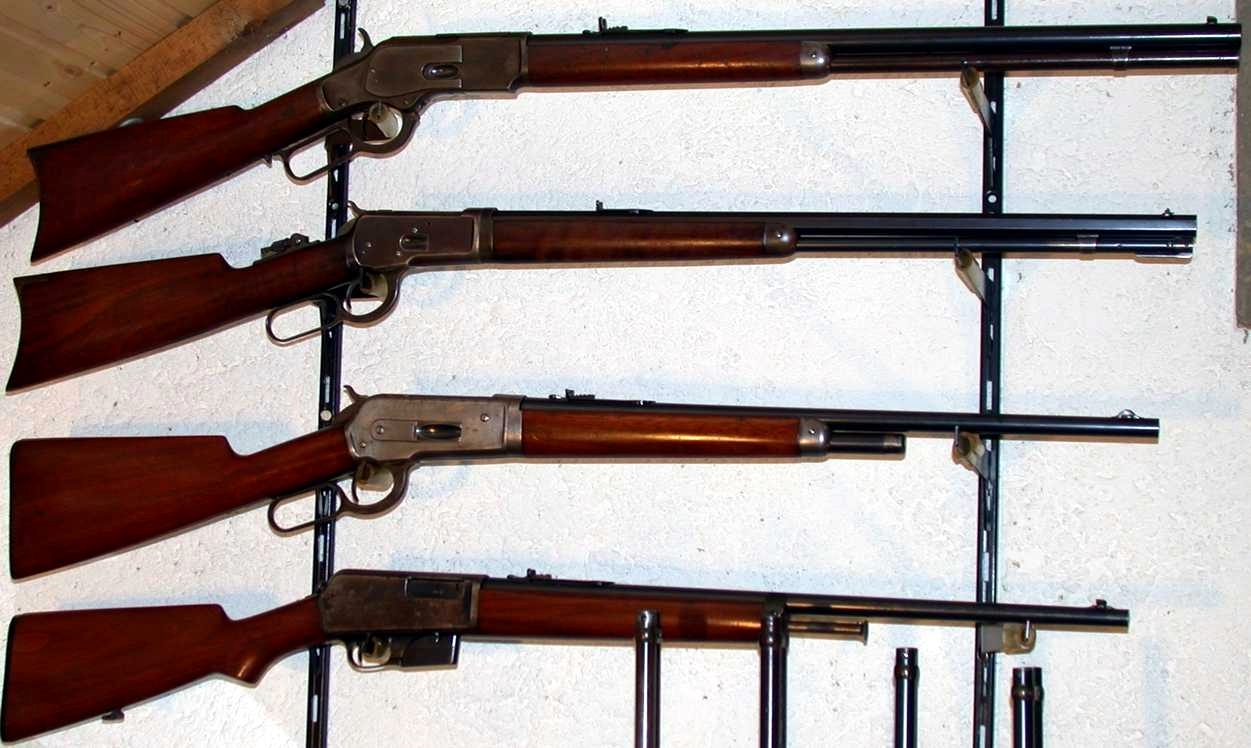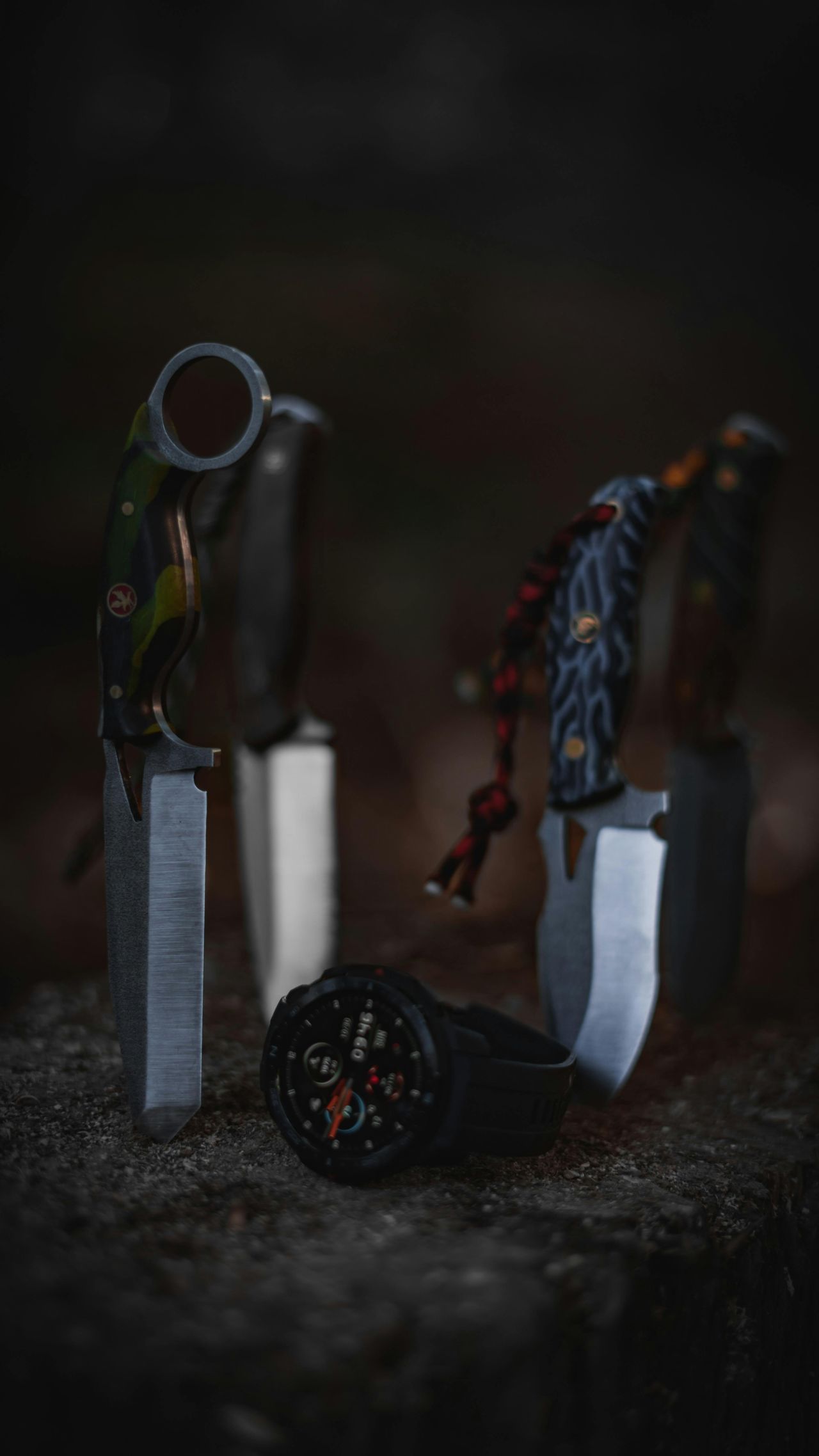
On the frontier, guns were important, but they were far from perfect. Early firearms were slow to reload, unreliable in bad weather, and often clumsy in close quarters, which meant many other weapons could be even deadlier when lives were on the line. This gallery explores ten tools of war, hunting, and survival that often had the edge when every second mattered.
Comanche War Lance
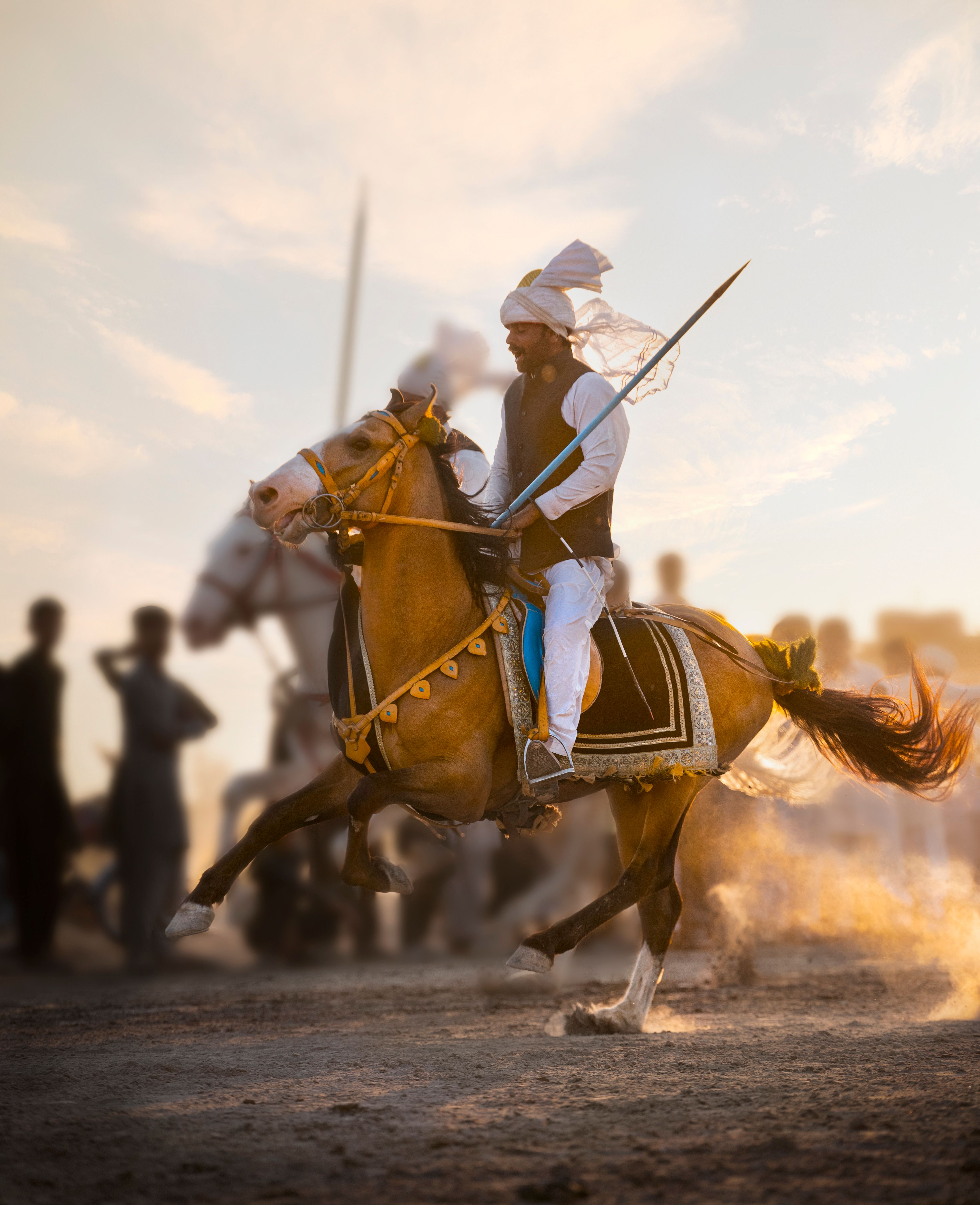
On the open plains, the Comanche war lance was terrifyingly effective. From horseback, it gave a skilled rider far more reach than a pistol and far more speed than a musketman struggling to reload. In a fast-moving charge, it could strike before a gunman had time to aim again.
The real power of the lance was the way it worked with mobility. A mounted warrior could circle, feint, and hit with precision while staying just beyond the reach of a slower opponent. Against early frontier firearms, that combination of reach, control, and relentless momentum could be absolutely devastating.
Tomahawk

The tomahawk was compact, brutal, and incredibly versatile. It could split kindling one moment and end a fight the next, which made it a practical frontier tool as well as a weapon. In close combat, where many early guns became awkward clubs after a single shot, the tomahawk stayed deadly from the first swing to the last.
It also had a psychological edge. A weapon this simple required no powder, no careful loading, and no dry conditions to work. Whether used in hand-to-hand fighting or thrown at short range by someone with skill, the tomahawk delivered speed and certainty that early firearms often could not match.
Longbow

It may sound medieval, but the longbow remained a serious threat wherever firearms were slow, smoky, and unreliable. A practiced archer could loose several arrows in the time it took a frontiersman to fire once and begin reloading. That rate of attack mattered enormously in ambushes, skirmishes, and woodland fighting.
The longbow also worked quietly, which was no small advantage. There was no flash, no thunderous report, and no cloud of smoke announcing the shooter’s position. In dense terrain, that stealth made it deadly in a way many guns simply were not, especially when surprise mattered more than spectacle.
Recurve Bow
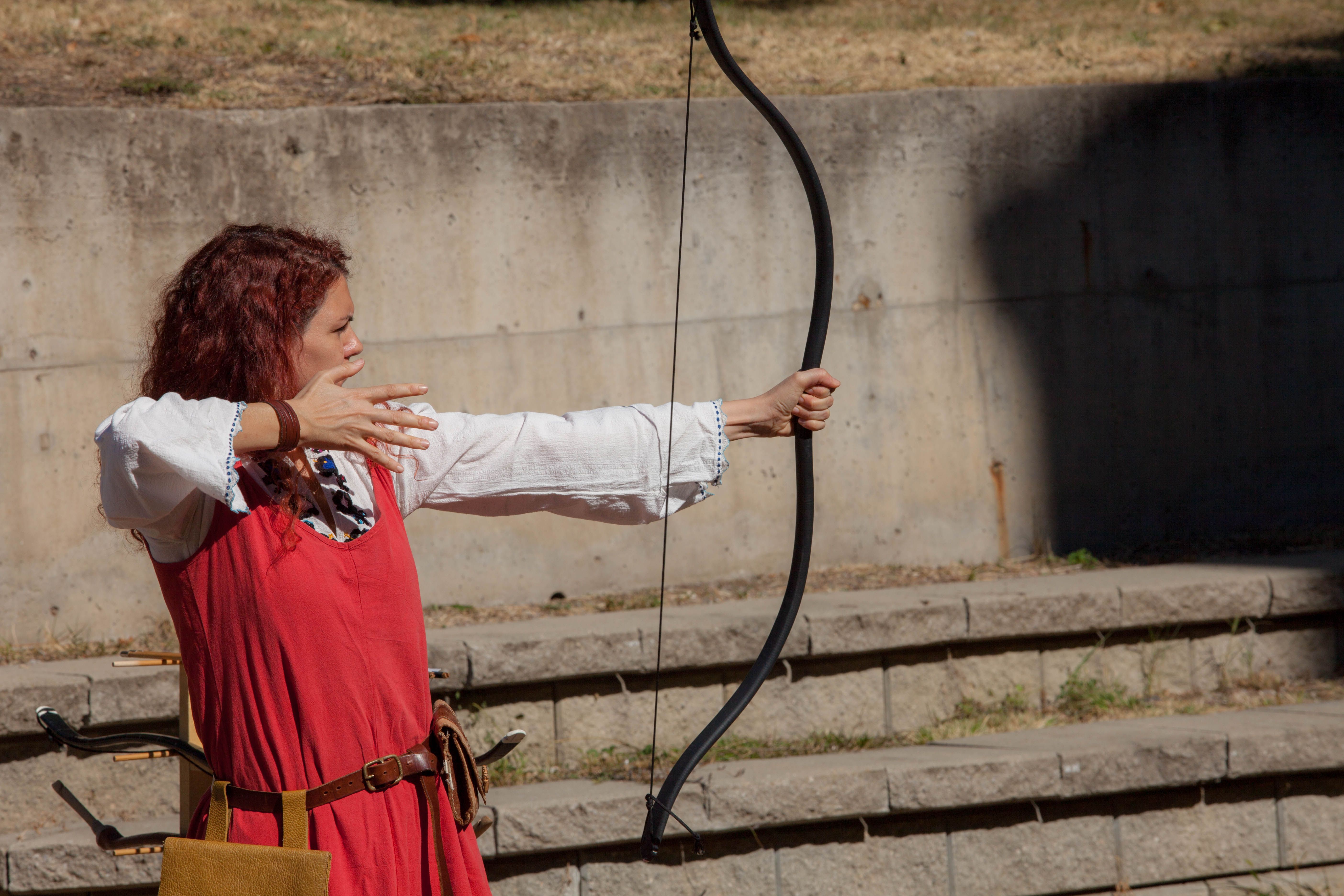
The recurve bow was a masterpiece of compact power, especially useful on horseback or in tight terrain. Its curved limbs stored more energy in a shorter frame, making it easier to handle than a large bow while still hitting hard. On the frontier, that mobility could turn a mounted fighter into a constant moving threat.
Unlike early pistols or muskets, the recurve bow did not force its user into long pauses. It could be fired again and again with rhythm and control, and it kept working in wet or windy conditions that could ruin black powder. In the hands of an expert, that reliability was often more dangerous than raw firepower.
Bowie Knife

Few frontier weapons earned a reputation as fearsome as the Bowie knife. Big, heavy, and built for violence, it was more than a simple blade. In close quarters, where misfires and empty pistols were common, a Bowie knife could decide a fight in seconds.
Part of its deadliness came from its sheer practicality. It was always at hand, never needed reloading, and could slash, stab, or parry in one fluid motion. On a frontier where many confrontations happened at arm’s length, the Bowie knife was often more relevant than a firearm that had already fired its one uncertain shot.
Spear

The spear is one of humanity’s oldest weapons for a reason: it works. On the frontier, its reach gave fighters a crucial advantage over knives and clubs, and in many situations over single-shot firearms as well. A spear could keep an opponent at distance while still delivering a lethal thrust.
It was also surprisingly adaptable. It could be used on foot, from horseback, in defense, or in a sudden rush forward. Unlike early guns, it never depended on dry powder, clean mechanics, or precious ammunition. That simplicity made the spear brutally dependable when chaos, weather, and panic made firearms less trustworthy.
Atlatl

The atlatl looks deceptively simple, but it could launch a dart with shocking force. By extending the thrower’s arm, it created speed and penetration far beyond what most people expect from a hand-cast weapon. In the right hands, it was deadly at ranges where a knife was useless and a primitive firearm might still fail.
Its frontier value came from efficiency. It needed no ignition, made almost no noise, and could be used again without the long reset of a muzzle-loader. While it eventually gave way to other technologies, the atlatl remained a reminder that mechanical advantage could sometimes outperform gunpowder.
War Club
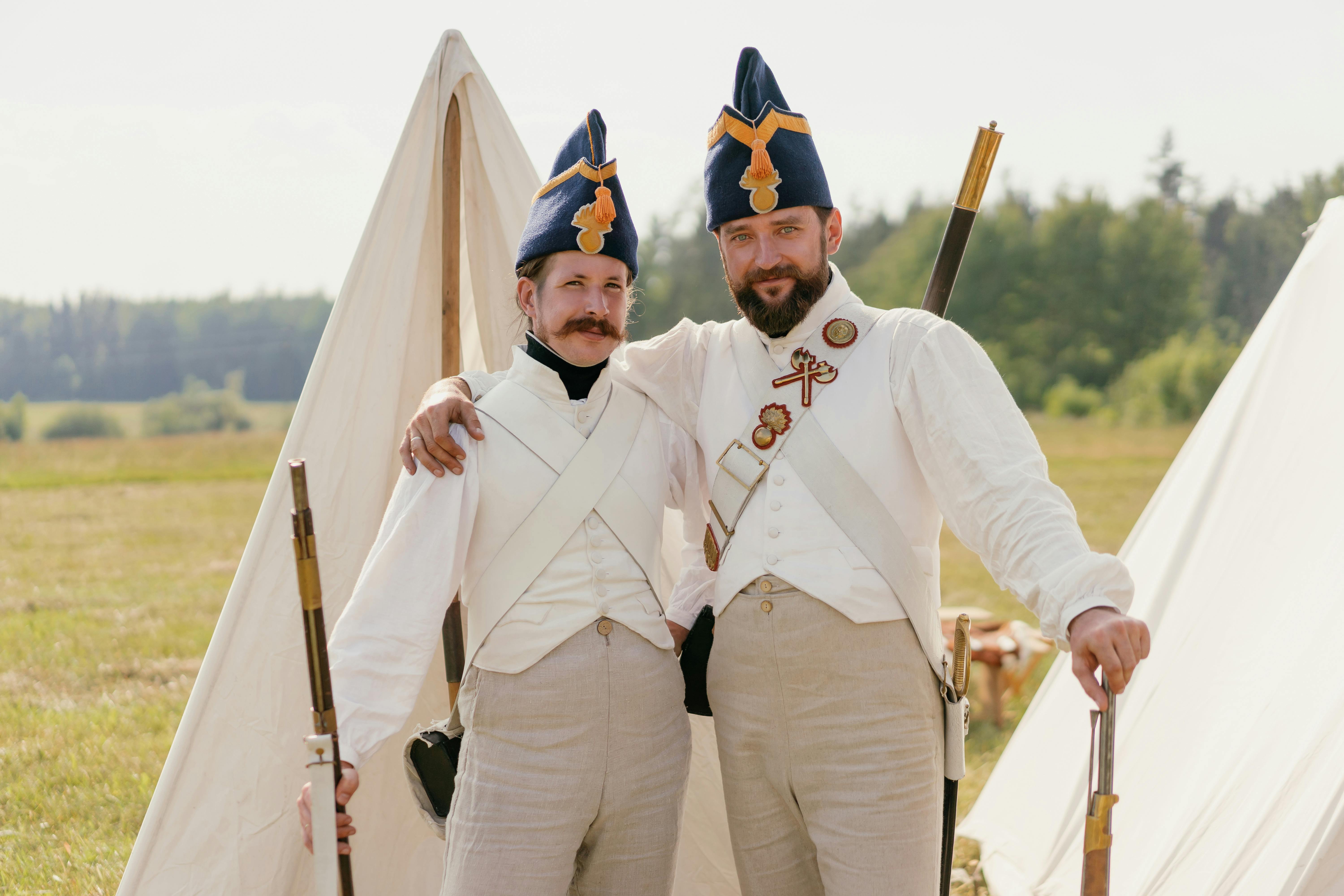
The war club was a blunt answer to a harsh world. It was simple to make, easy to carry, and terrifyingly effective in close combat, especially in surprise attacks or sudden struggles where there was no time to reload. One solid blow could end a fight faster than a faulty pistol ever could.
What made it especially dangerous was its reliability. It did not jam, misfire, or become useless in rain. In the close, chaotic reality of many frontier encounters, that mattered more than technology. The war club lacked the drama of a gunshot, but not the finality that followed.
Crossbow
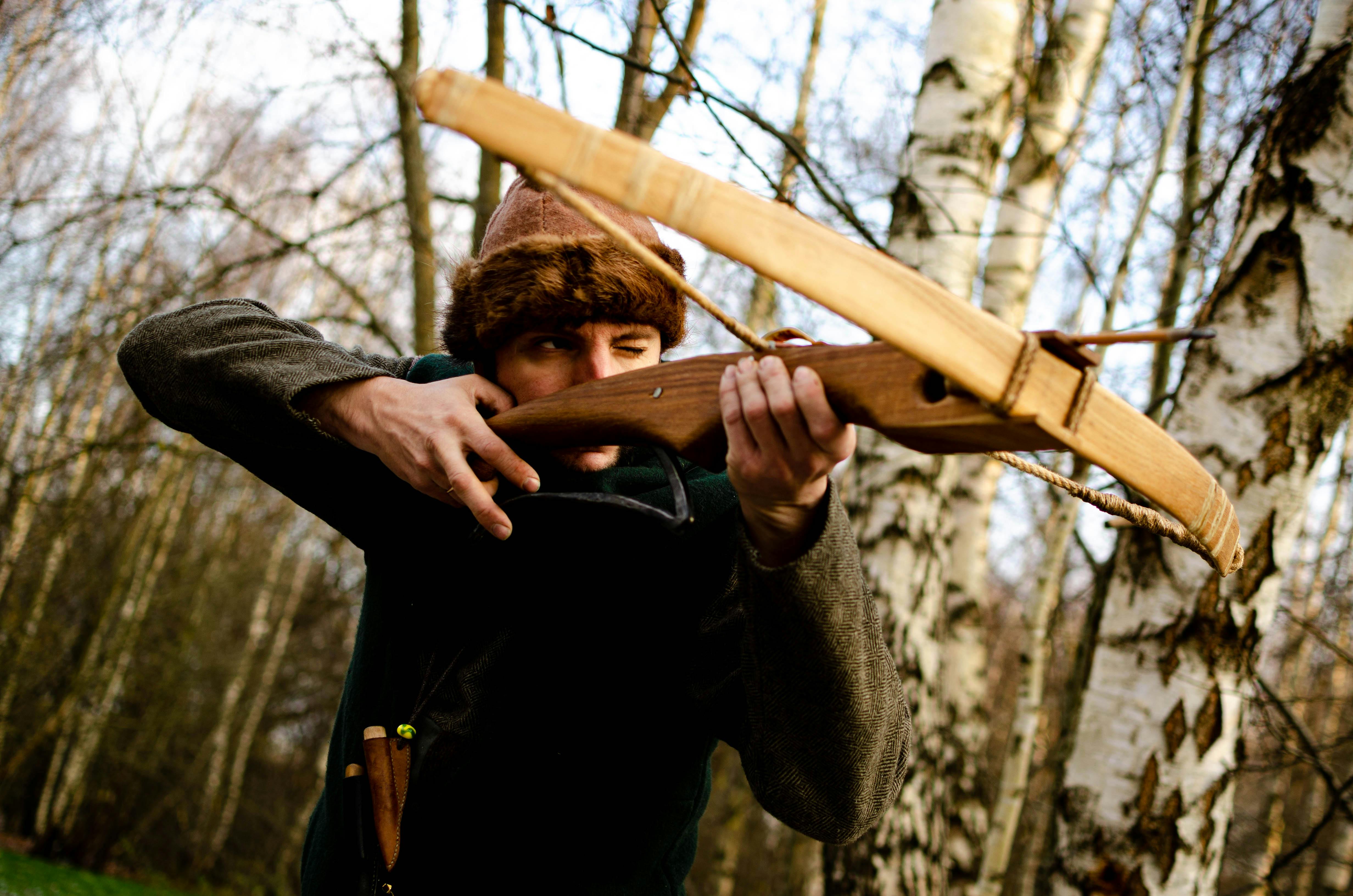
The crossbow brought accuracy and punch in a package that required less continuous strength than a traditional bow. Once loaded, it could be aimed with patience and fired with deadly precision. For a frontier hunter or fighter waiting in cover, that made it a serious threat.
Its bolt could hit hard, and its silence gave it advantages firearms rarely had. There was no booming report to reveal a hidden position, and no powder to protect from damp weather. It was slower than a bow, but in an ambush or a prepared defense, the crossbow could be more dependable than many early guns.
Whip
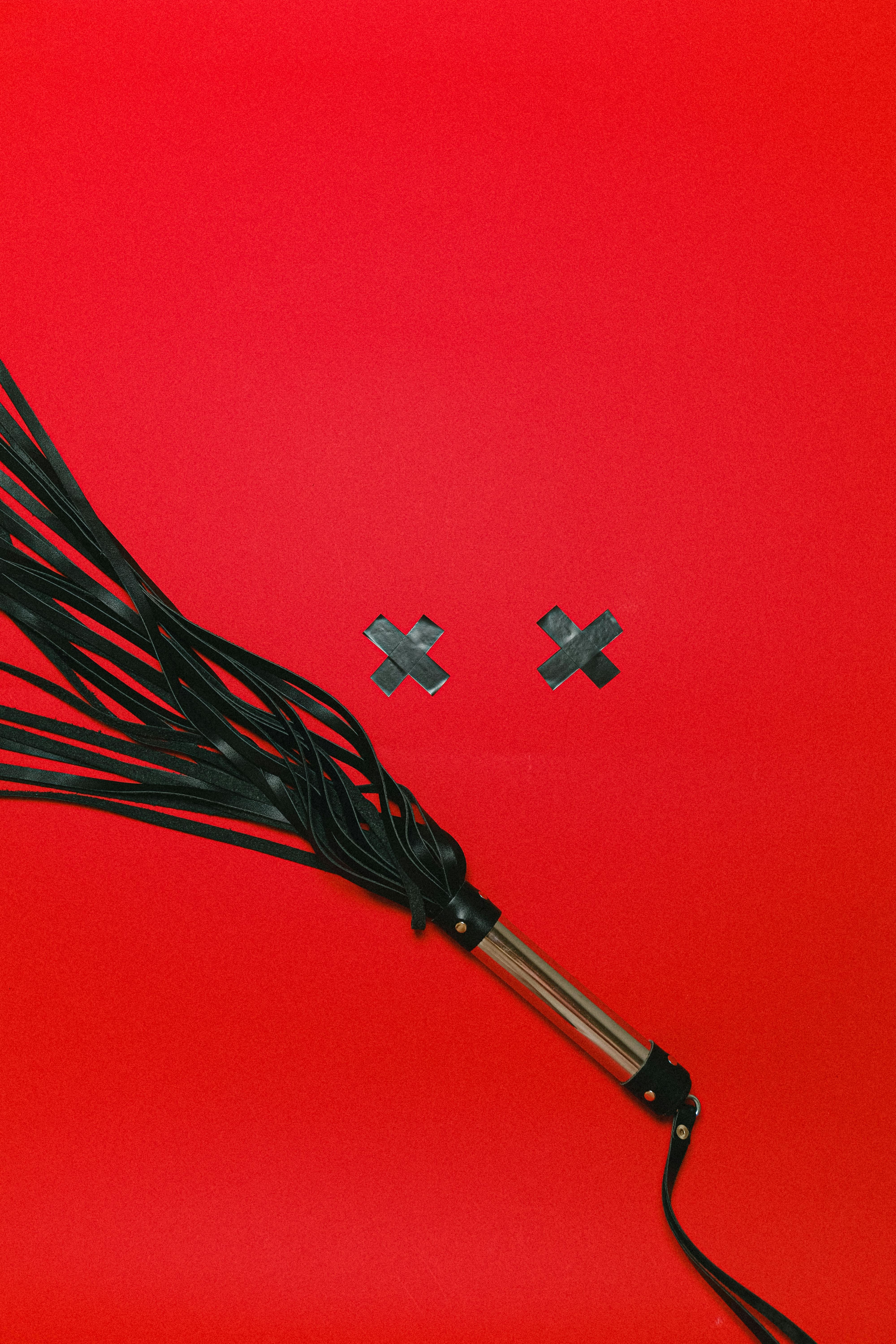
A whip may seem out of place beside blades and lances, but on the frontier it was more than a tool for driving animals. In skilled hands, it could strike with blinding speed, disarm an opponent, control distance, and create instant panic. Against someone fumbling with an early firearm, that speed could be decisive.
Its greatest strength was disruption. A whip could spoil aim, sting exposed skin, and force an enemy to hesitate or retreat, buying precious seconds in a life-or-death encounter. It was not always the killing weapon, but in a rough frontier fight, it could dominate the moment before a gunman ever got another shot.