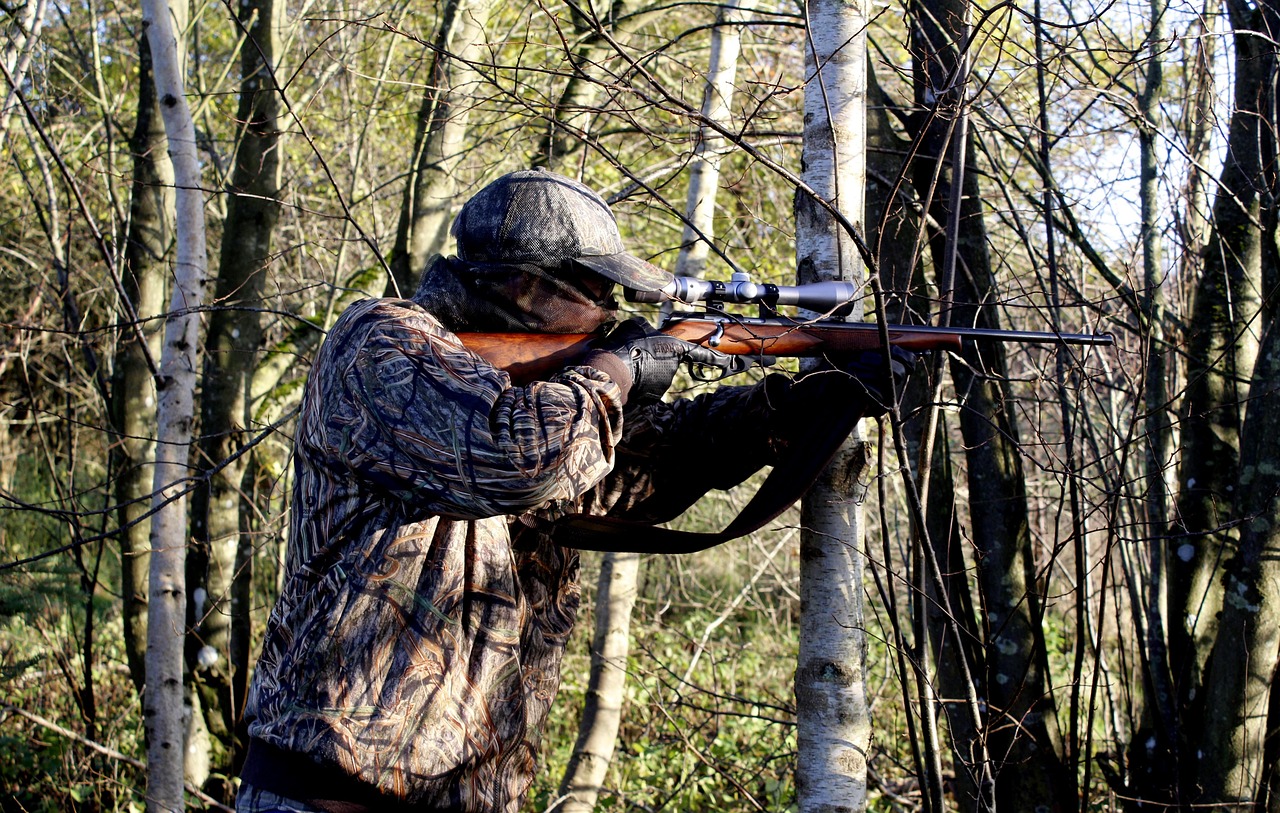
The Browning BAR has spent decades building a reputation that goes far beyond simple brand loyalty. For many hunters, it represents the rare semi auto rifle that blends speed, refinement, and field credibility in a way competitors still struggle to match. This gallery looks at the specific ways the BAR has separated itself from the pack and why it remains such a respected name in deer camps and hunting lodges.
It made semi auto hunting rifles feel truly respectable

For a long time, semi auto hunting rifles had to fight off a certain image problem. Some shooters saw them as practical but not especially elegant, and others questioned whether they belonged in the same conversation as classic sporting arms.
The Browning BAR changed that perception in a big way. With polished lines, quality finishes, and the kind of fit hunters associated with premium rifles, it gave the category a sense of legitimacy that many rivals never fully achieved.
It did not just work in the field. It looked like it belonged there, and that mattered more than some manufacturers ever seemed to understand.
It combined fast follow up shots with real hunting accuracy

Lots of semi auto rifles can deliver speed, but speed alone does not impress serious hunters for long. The real challenge is keeping that quick shooting advantage without giving up the consistency needed for ethical shots in the field.
The BAR built its reputation on doing both. Hunters found they could get a second shot off quickly while still trusting the rifle to place the first one where it needed to go, and that combination gave it enormous appeal.
That balance has always been harder to engineer than advertising copy makes it sound. The BAR made it feel normal, which is exactly why it stood out.
It handled powerful hunting cartridges with surprising polish

Many semi auto platforms are happiest in lighter recoiling chamberings, where their speed and convenience shine without exposing the limits of the design. Once cartridges get more serious, comfort and control can start to unravel.
The Browning BAR earned praise for operating in full power hunting calibers while still feeling composed. That gave hunters access to cartridges suited for deer, elk, and larger game without making the rifle feel clumsy or punishing.
There is a difference between merely tolerating power and managing it gracefully. The BAR built much of its mystique by landing firmly in the second category.
It delivered a smoother shooting experience than many expected
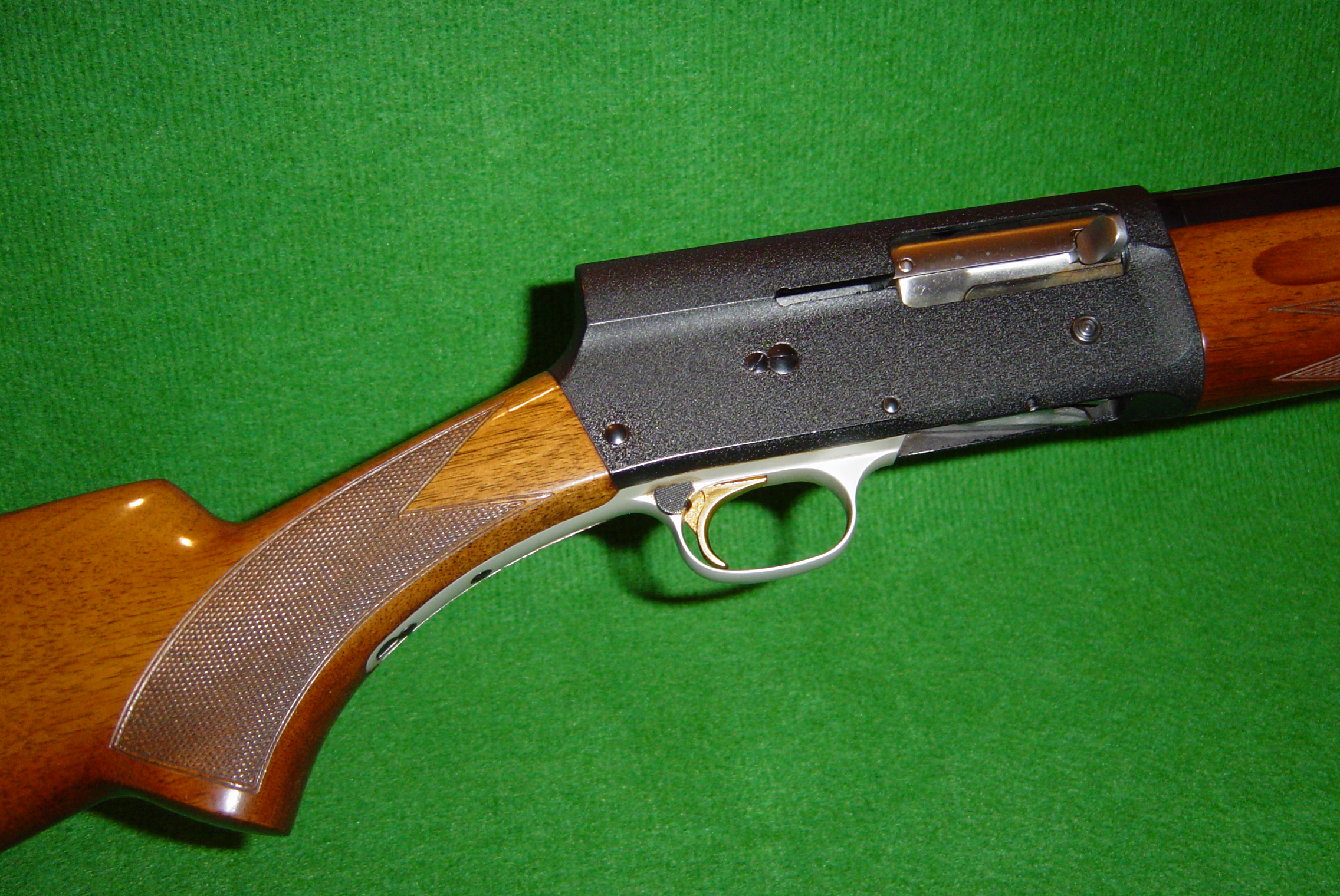
One of the quiet surprises of the BAR has always been how refined it feels in actual use. Semi auto hunting rifles are often judged by function first, with smoothness treated like a luxury rather than a defining feature.
The BAR never seemed content with that tradeoff. Its overall shooting character, from recoil feel to cycling behavior, struck many owners as more civilized than they expected from a hard working hunting autoloader.
That kind of polish changes how a rifle is remembered. Hunters do not only recall what they shot with it, but also how comfortable and confident the experience felt in the moment.
It brought upscale styling to a hard use field rifle

A lot of hunting rifles are built with a simple message in mind: get dirty, get scratched, get the job done. That is a perfectly fair philosophy, but the BAR showed that utility and visual appeal did not have to cancel each other out.
With handsome walnut options, deep bluing, and later variations that still carried a distinctive profile, the rifle offered a level of visual confidence many competitors never approached. It looked like something a hunter could be proud to pass down.
That emotional factor matters. Rifles that feel special tend to stay in families, and the BAR has inspired that kind of loyalty for generations.
It earned trust across decades instead of chasing trends

Plenty of firearms make a splash by riding the latest styling wave or tactical influence. The problem is that trend driven rifles can feel dated almost as quickly as they arrive, especially in the hunting world where tradition still carries real weight.
The Browning BAR took a different path. It evolved over time, but it never seemed desperate to reinvent itself just to keep up with fashion, and that steady identity helped build long term trust among hunters.
When a rifle remains relevant through changing tastes, regulations, and generations of owners, it says something important. The BAR became a fixture rather than a fad.
It appealed to traditional hunters without feeling old fashioned

This is one of the BAR’s most unusual accomplishments. It managed to win over hunters who loved classic wood stocked rifles, even though many in that crowd were not naturally drawn to semi auto actions in the first place.
That acceptance came from the way Browning framed the rifle. The BAR felt like a serious sporting arm with modern advantages, not a radical departure from hunting culture, and that distinction gave it broader appeal than many competitors could claim.
In other words, it did not ask hunters to abandon tradition. It invited them to update their toolkit without giving up their identity.
It built a reputation for reliability where it actually counts

Reliability claims are easy to make in catalogs and commercials. What matters to hunters is whether a rifle works in cold mornings, wet weather, thick timber, and the kind of high pressure moments where one missed opportunity can define an entire season.
The Browning BAR developed a reputation for showing up when it counted. That kind of confidence is not built in a weekend at the range. It comes from years of field use, shared stories, and the slow accumulation of trust.
Hunters tend to remember the rifles that never added drama to the day. The BAR became one of those rifles for a great many people.
It became a benchmark that other hunting autoloaders still chase
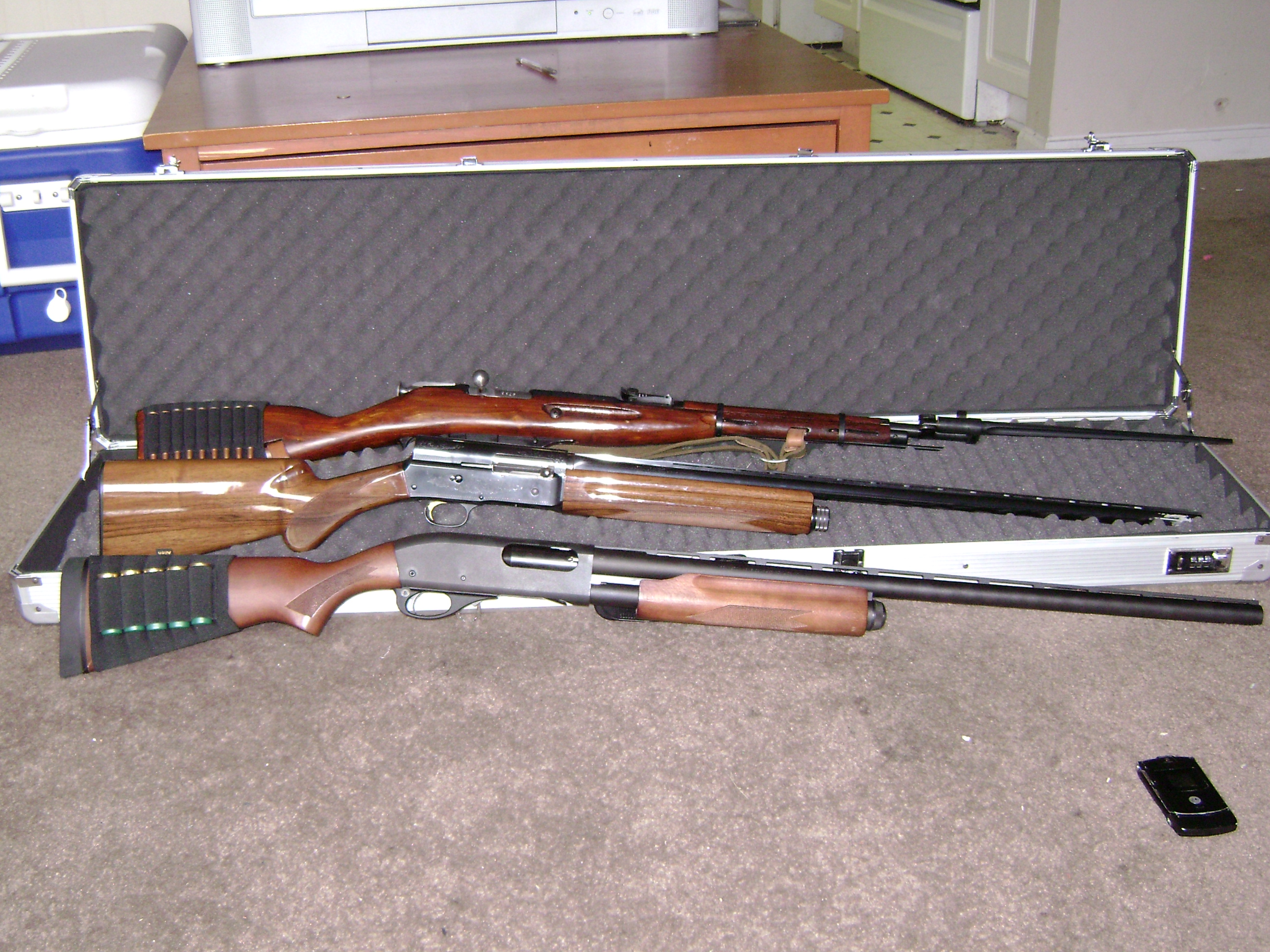
The clearest sign of the BAR’s influence is how often other semi auto hunting rifles are measured against it. Some compete on weight, some on price, some on modern materials, but very few have matched the same mix of reputation, refinement, and staying power.
That is why the BAR remains more than just another familiar model name. It became the reference point for what a semi auto hunting rifle could be when the design is aimed at hunters rather than simply adapted for them.
In the end, that may be its biggest achievement of all. The BAR did not just join the category. It helped define its upper limit.