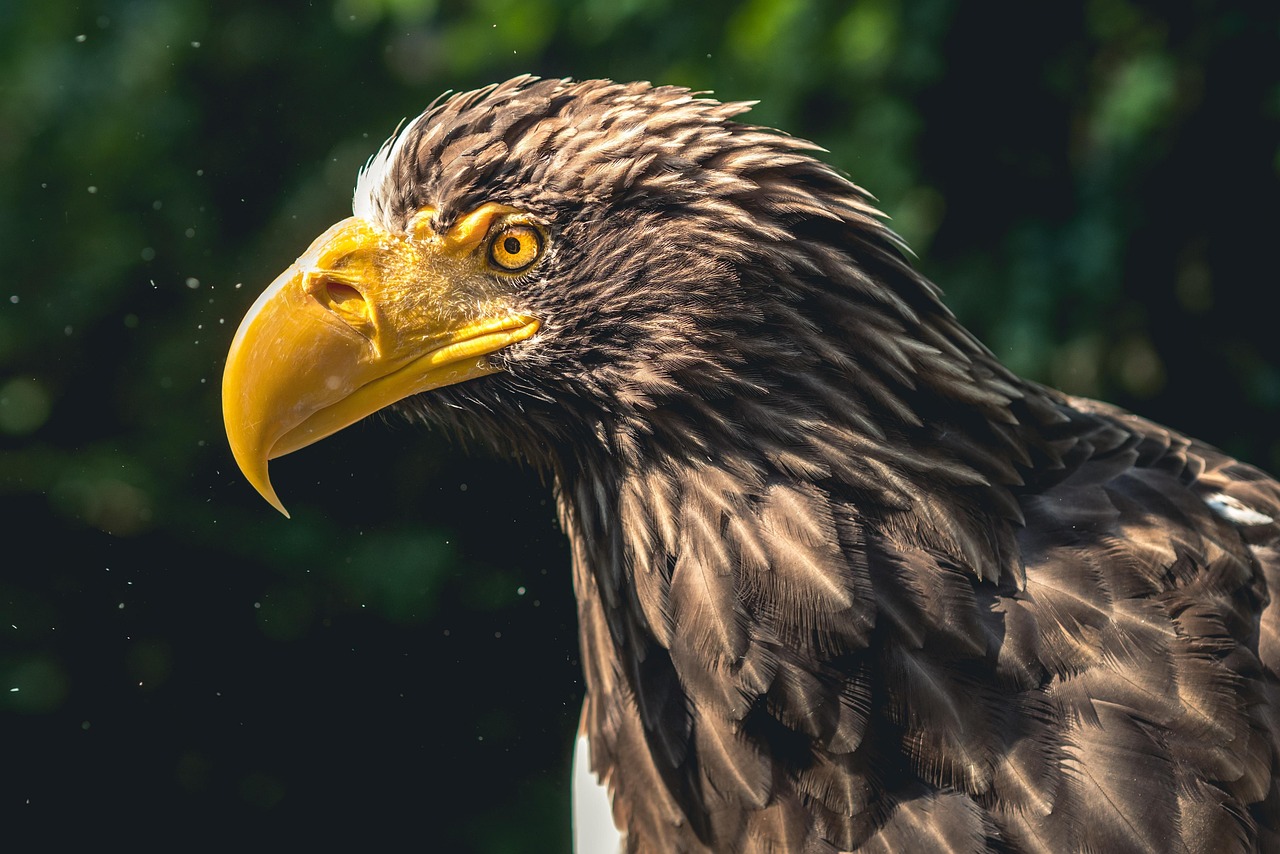
Birds often get cast as graceful, harmless creatures, but some are equipped with weapons that demand real respect. From massive talons and crushing kicks to venom-like toxins and aggressive territorial attacks, these species can injure, and in rare cases kill, humans. Here are 10 wild birds that prove the skies, wetlands, and forests hold more danger than you might expect.
Cassowary
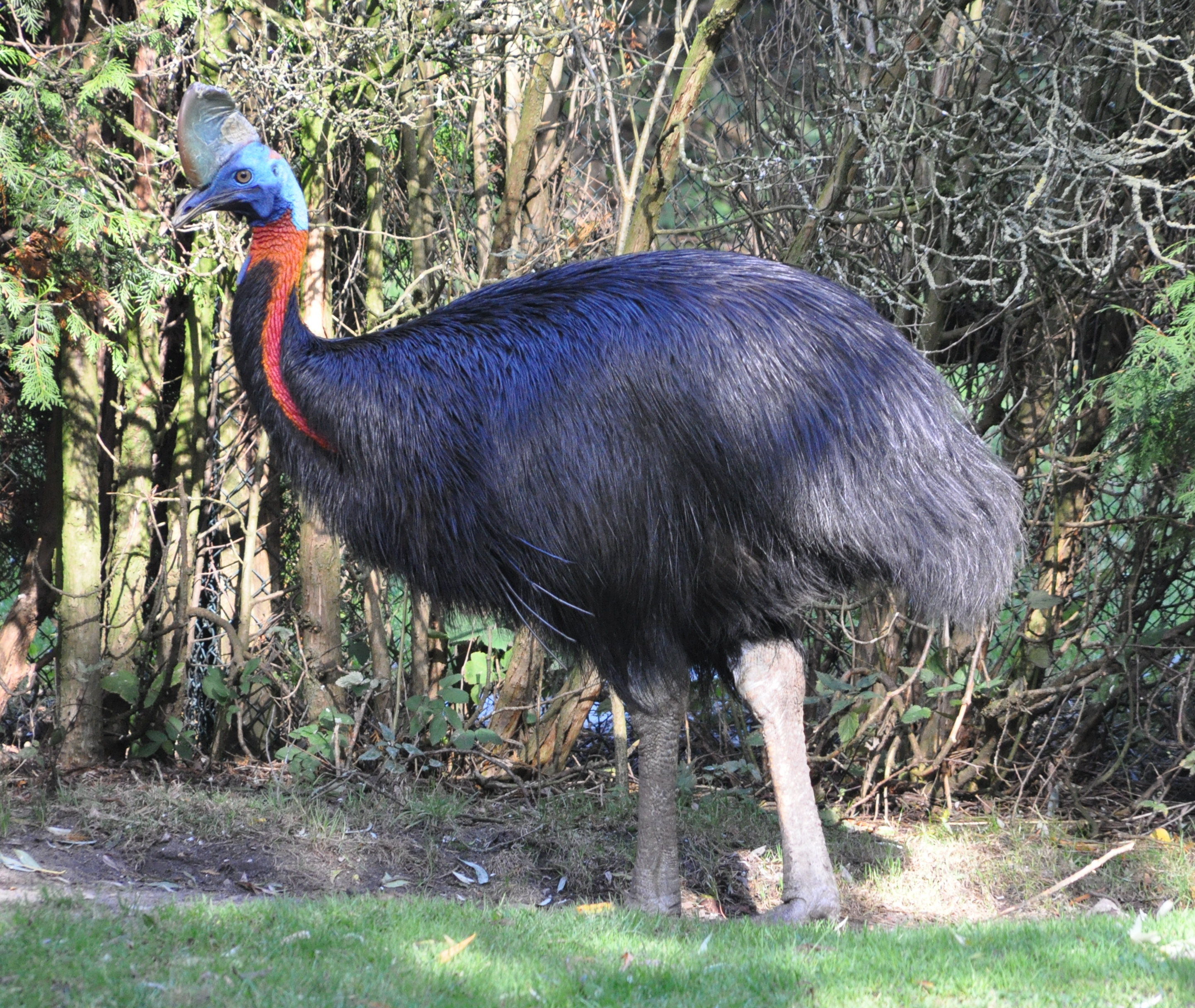
If one bird truly deserves its fearsome reputation, it is the cassowary. Native to the rainforests of Australia and New Guinea, this large, flightless bird can stand tall, sprint fast, and deliver a kick powered by muscular legs and dagger-like inner claws.
Most encounters end without serious harm, but when cassowaries feel cornered, threatened, or conditioned to expect food from people, they can become dangerously aggressive. Their strikes target the legs and torso, and wildlife experts have long warned that a bad encounter can turn severe in seconds.
They are not mindless attackers, but they are wild animals built like living weapons. Admire one from a distance, and you will quickly understand why.
Ostrich

The ostrich may be famous for its size and speed, but its danger is often underestimated. As the world’s largest bird, it can weigh hundreds of pounds and run with astonishing power, turning every movement into a serious display of force.
When threatened, ostriches can kick forward with enough strength to break bones or cause life-threatening injuries. Their long legs act like springs, and the sharp claws at the end of each foot add another level of risk during close encounters.
People sometimes assume big birds are awkward, but ostriches are anything but clumsy. In the wrong situation, their defensive response can be brutally effective.
Southern Giant Petrel

At first glance, the southern giant petrel looks like a rugged seabird built for stormy oceans, not danger. Yet this species has a formidable hooked bill, a scavenger’s confidence, and an aggressive streak that makes close handling risky for researchers and wildlife workers.
These birds are known to fight over carcasses and can inflict painful wounds with sharp pecks and bites. Around nesting sites, they may defend territory with surprising intensity, especially when they sense a threat to chicks.
They are not hunting people, of course, but their size and temperament mean they are far from gentle. In remote colonies, respect is not optional.
Harpy Eagle

The harpy eagle looks almost mythical, and for good reason. This rainforest raptor is among the most powerful eagles on Earth, with enormous talons designed to snatch heavy prey like monkeys and sloths straight from the canopy.
A bird built to crush and carry that kind of weight is not something anyone should approach casually. In defense of a nest, a harpy eagle could inflict devastating injuries with its feet alone, and even trained handlers treat large raptors with extreme caution.
Human attacks are rare, but the bird’s raw physical capability is undeniable. One look at those talons tells the whole story better than any warning sign could.
Golden Eagle

Golden eagles have inspired awe for centuries, and their elegance can make people forget how formidable they are. These broad-winged hunters can dive at speed, seize prey with crushing force, and defend nesting areas with a confidence that reflects their place at the top of the food chain.
A direct attack on a person is uncommon, but not impossible, especially near nests or in rare instances involving trained birds. Their talons are built to pierce and hold, and even minor contact can cause deep injuries.
What makes golden eagles so intimidating is the combination of beauty and power. They do not need to be large by ostrich standards to be dangerous.
Great Horned Owl

Owls tend to be associated with quiet forests and moonlit mystery, but the great horned owl can be surprisingly hazardous. This powerful nocturnal hunter is equipped with strong feet, sharp talons, and a fearless attitude when protecting its nest or young.
There have been repeated reports of great horned owls striking joggers, hikers, and people who unknowingly pass too close to nesting sites. Because attacks often come from behind and in near silence, victims may have little warning before claws rake the scalp or face.
That stealth is part of what makes the species so unsettling. A bird you barely hear can still leave a memorable injury.
Mute Swan

The mute swan has an elegant image, gliding across ponds like a floating sculpture. Yet during breeding season, that calm beauty can vanish fast, replaced by a deeply territorial bird willing to chase, strike, and batter intruders with its wings.
Swans have enough size and strength to knock people off balance, especially in the water where footing is poor and panic rises quickly. Some incidents have ended in drowning after aggressive encounters escalated beyond what victims expected.
What makes mute swans especially deceptive is how ordinary they seem in parks and lakes. Familiarity can make people careless, and that is when trouble starts.
Australian Magpie

Few birds have a reputation for seasonal menace quite like the Australian magpie. During nesting season, some individuals become intensely defensive and will swoop at cyclists, runners, and pedestrians with startling accuracy and persistence.
Most swooping attacks are more frightening than deadly, but serious injuries can happen when people crash bikes, trip, or suffer wounds to the eyes and face. The danger often comes as much from the panic response as from the bird itself.
Australians know the ritual well: spring arrives, helmets get zip ties, and everyone scans the trees. For a bird common in suburbs, the magpie commands unusual respect.
European Herring Gull

Gulls are often treated as comic thieves of fries and sandwiches, but large species like the European herring gull can become aggressive in ways that surprise people. Around nesting areas, food sources, or crowded waterfronts, they may dive, peck, and strike with more force than their everyday image suggests.
Their danger is usually indirect but still real. A gull attack can trigger falls, dropped food, or chaotic reactions near roads, stairs, and seawalls, and a strong peck from a large gull is no small matter.
They thrive around humans because they are bold, adaptable, and unafraid. That confidence can make them seem less like scavengers and more like aerial muggers.
Hooded Pitohui

Not every dangerous bird relies on claws or brute force. The hooded pitohui, a striking songbird from New Guinea, is one of the few known birds with toxic chemical defenses in its skin and feathers, making it a true biological surprise.
The toxins are related to compounds also found in poison dart frogs, and handling the bird can cause numbness, tingling, or burning sensations. It is not likely to kill a person outright, but it absolutely earns a place on this list for being dangerous in a way few people would ever expect.
Its lesson is simple and fascinating. In the wild, even a small, beautiful bird can come with a hidden warning label.