Not every firearm arrives with applause. Some are mocked for odd looks, unfamiliar mechanics, or early production issues, then spend years proving critics wrong. These 10 guns all had rough introductions, but time, use, and real-world results helped turn them into respected names among shooters, soldiers, and collectors.
M16
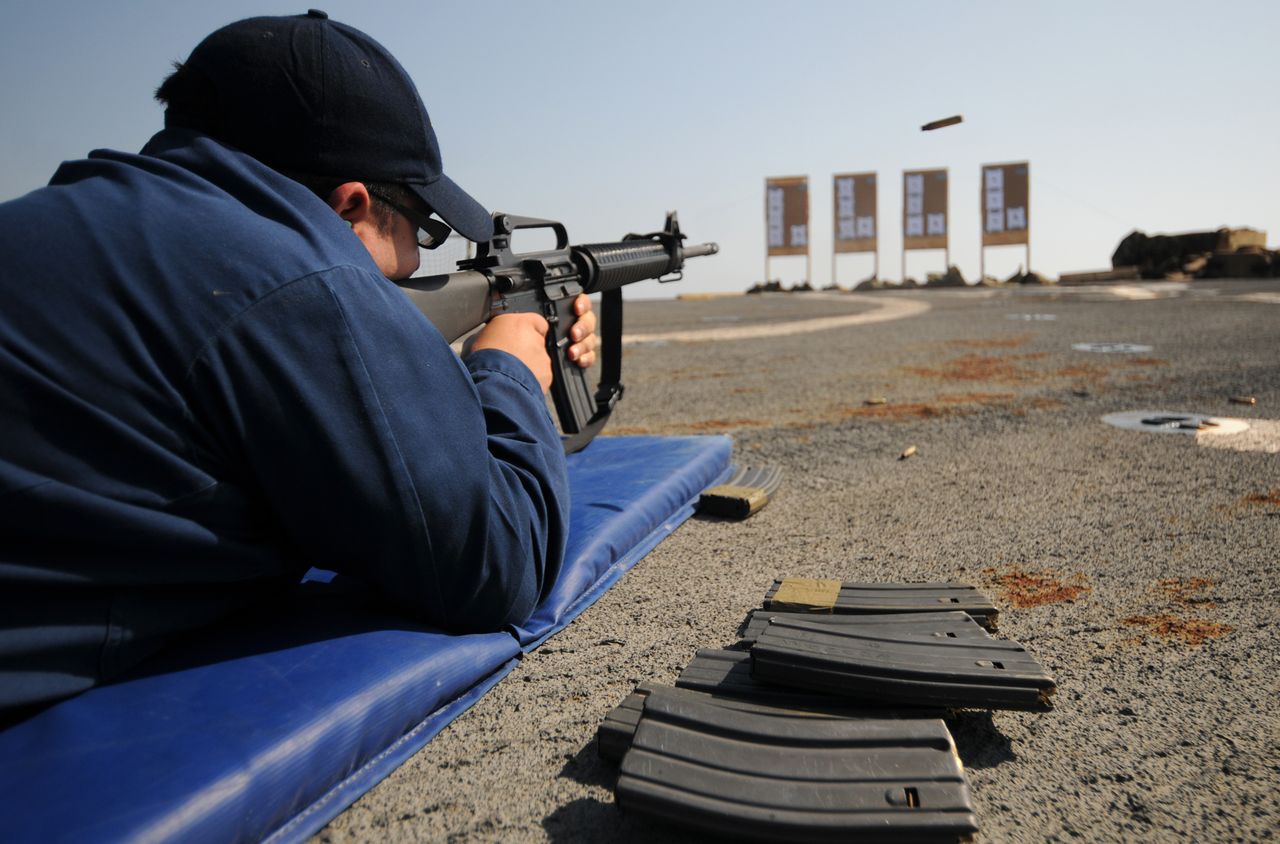
The M16 had one of the rockiest introductions in modern military history. Early rifles went to Vietnam with ammunition changes, poor maintenance guidance, and the damaging myth that the rifle was somehow self-cleaning. The result was a wave of stoppages that hurt its reputation almost immediately.
Over time, engineering fixes and better training changed the story. Chrome-lined chambers, revised components, and a clearer understanding of upkeep helped the platform mature into a dependable service rifle.
Today, the M16 family is respected for accuracy, light recoil, and huge influence on modern military small arms. What began as a cautionary tale became one of the most important rifle designs of the 20th century.
Beretta M9
When the Beretta M9 replaced the beloved M1911 as the U.S. military’s standard sidearm, backlash was immediate. Critics disliked the move to 9mm, questioned the pistol’s size, and seized on early stories about slide failures and the politics surrounding the trials.
Yet the M9 settled into service with a different legacy than many expected. Troops found it soft-shooting, easy to control, and notably durable when maintained properly.
With decades of military use behind it, the pistol earned respect as a reliable service handgun rather than a flashy favorite. Even many former skeptics now view it as a proven sidearm that performed far better than its launch reception suggested.
Glock 17
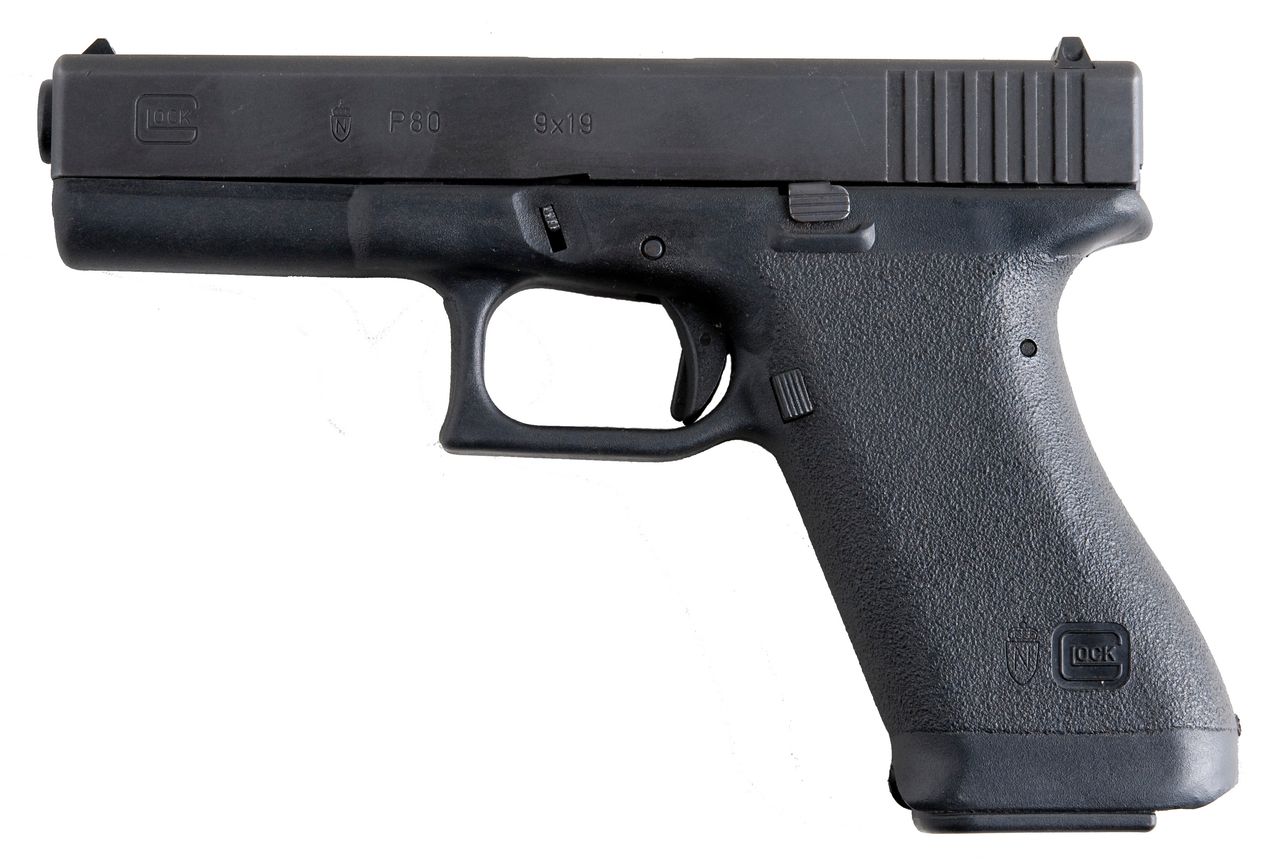
The Glock 17 looked wrong to a lot of traditional shooters when it appeared in the 1980s. A polymer frame seemed cheap, almost toy-like, compared with steel and aluminum rivals. Rumors about invisible plastic guns and unease over their trigger system only added to the suspicion.
Then people started actually using it. The pistol proved rugged, simple, and remarkably reliable across harsh conditions, with fewer parts than many competitors and a consistency that law enforcement agencies appreciated.
Today, the Glock 17 is less a controversial newcomer than a baseline for modern service pistols. Its once-mocked design language helped define the handgun market, and respect followed the performance.
Mosin-Nagant
The Mosin-Nagant was criticized early for its rough ergonomics, stiff bolt, and the political drama surrounding its adoption in Imperial Russia. It did not arrive as a universally admired masterpiece, and plenty of soldiers noticed its quirks from the start.
What changed its reputation was endurance. The rifle proved brutally simple, strong, and capable of functioning in miserable weather and battlefield conditions where more delicate designs might struggle.
Over time, that toughness became the whole point of the Mosin’s appeal. Collectors and shooters may still joke about its awkwardness, but they also respect a rifle that served across wars, continents, and generations with very little pretense.
Colt Single Action Army
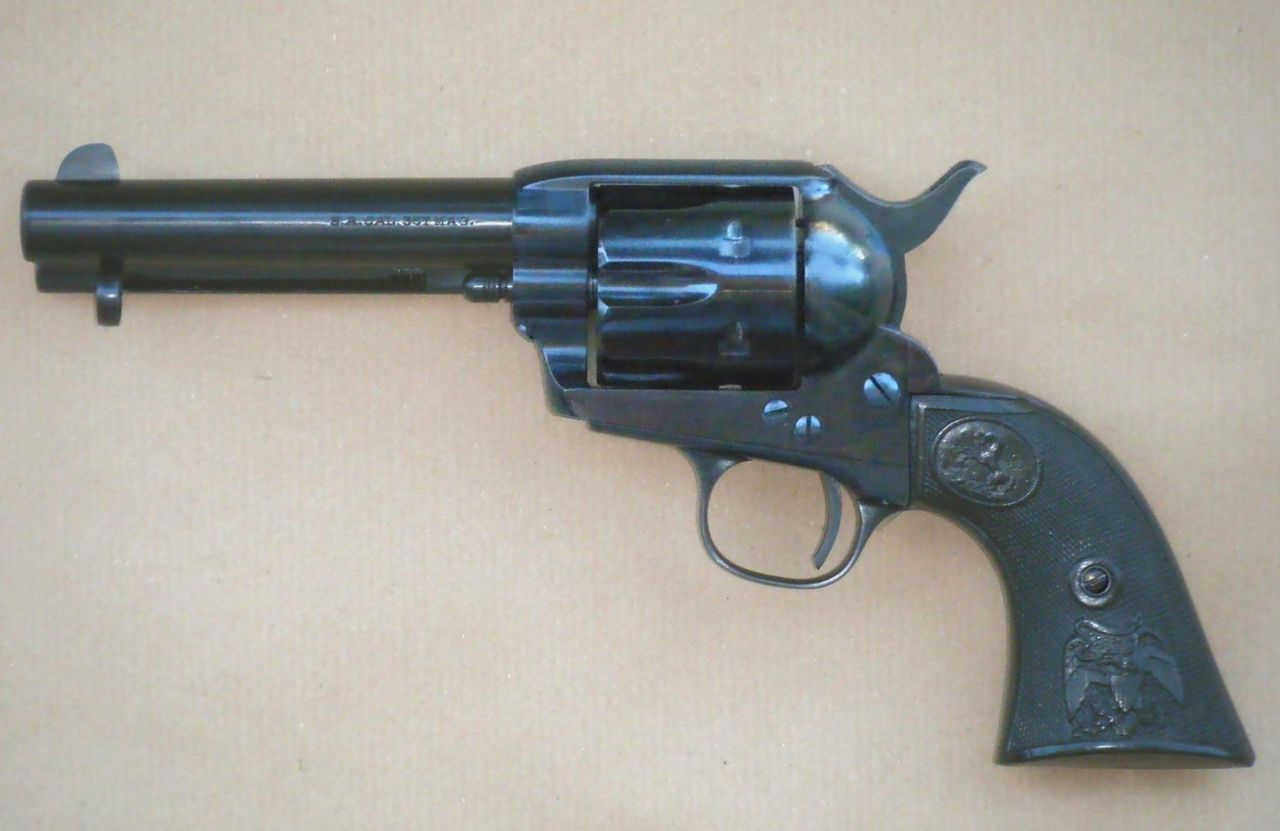
It can be hard to imagine now, but even the Colt Single Action Army entered a crowded and skeptical marketplace. In its day, buyers compared it against other revolvers and questioned whether this new sidearm would truly stand out beyond military contracts and frontier marketing.
What built its reputation was not instant myth but accumulated trust. The revolver proved durable, well-balanced, and effective, with handling qualities that shooters remembered long after trends shifted.
Eventually, the gun’s cultural image caught up with its practical strengths. Today, it is respected not just as a Western icon, but as a revolver whose design, feel, and staying power gave it a place far beyond its uncertain debut.
AK-47
The AK-47’s later legend can make its early reception seem smoother than it really was. Initial production versions were difficult and expensive to manufacture in the Soviet system, and some early decisions around stamped receivers created headaches before the platform stabilized.
Once those issues were ironed out, the rifle’s strengths became impossible to ignore. It was easy to train with, forgiving in rough conditions, and effective in environments that punished more finicky weapons.
Today, respect for the AK-47 goes beyond politics or symbolism. Even people who prefer other rifles usually acknowledge its durability, global impact, and the way it redefined expectations for an infantry weapon.
Winchester Model 1895

When the Winchester Model 1895 arrived, it challenged expectations about what a lever-action rifle should be. Its box magazine and more modern profile felt unfamiliar to shooters who preferred the lines and feeding systems of earlier Winchester designs.
That skepticism softened once users understood what the rifle offered. The design could handle Spitzer bullets and more powerful modern cartridges, making it a bridge between classic frontier thinking and a new ballistic era.
Today, the Model 1895 is respected as an ambitious and forward-looking rifle. It may not have enjoyed universal love at launch, but history has been kinder to a firearm that was clearly trying to push lever actions into the future.
Luger P08
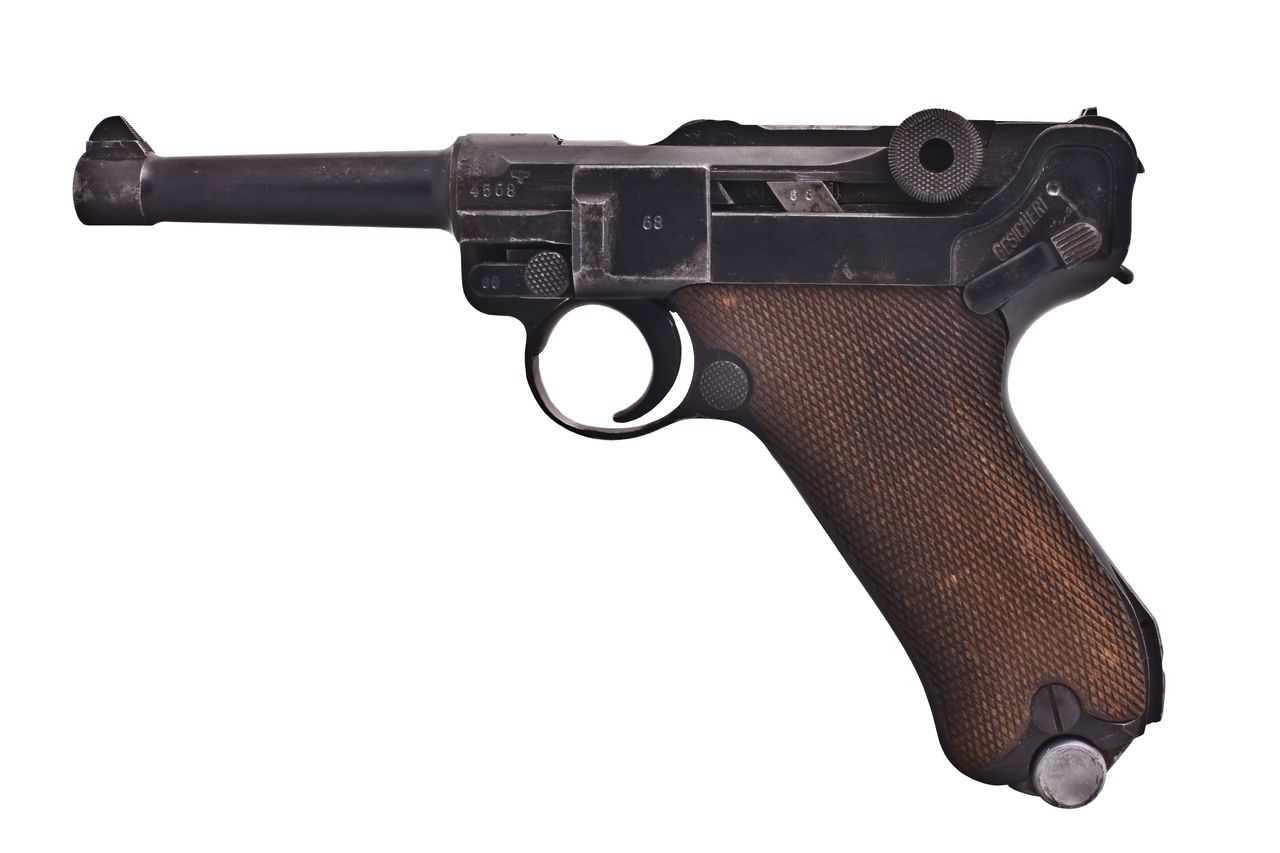
The Luger P08 fascinated people with its unmistakable toggle-lock design, but admiration was never the same as universal approval. Military evaluators and practical-minded shooters saw a pistol that was precise and advanced, yet also expensive to build and sometimes sensitive to conditions and ammunition.
Still, the pistol’s handling qualities won many people over. Its grip angle, crisp feel, and mechanical elegance gave it a reputation for shootability that outlived many of its critics.
Today, the Luger is respected not because it was perfect, but because it was distinctive, influential, and brilliantly engineered for its time. It turned early doubts into lasting historical stature.
FN FAL
The FN FAL is celebrated now as a Cold War classic, but early on it had to overcome shifting military requirements, caliber debates, and the difficult politics of postwar standardization. In several countries, the rifle became part of bigger arguments about doctrine as much as design.
Once adopted, however, the FAL showed why so many nations gave it serious consideration. It offered solid ergonomics, respectable accuracy, and a battle-proven record that earned trust in a wide range of climates.
The rifle’s reputation grew with service rather than hype. Today, the FAL is respected as one of the defining battle rifles of its era, even by people who know its road to acceptance was anything but simple.
M1 Carbine
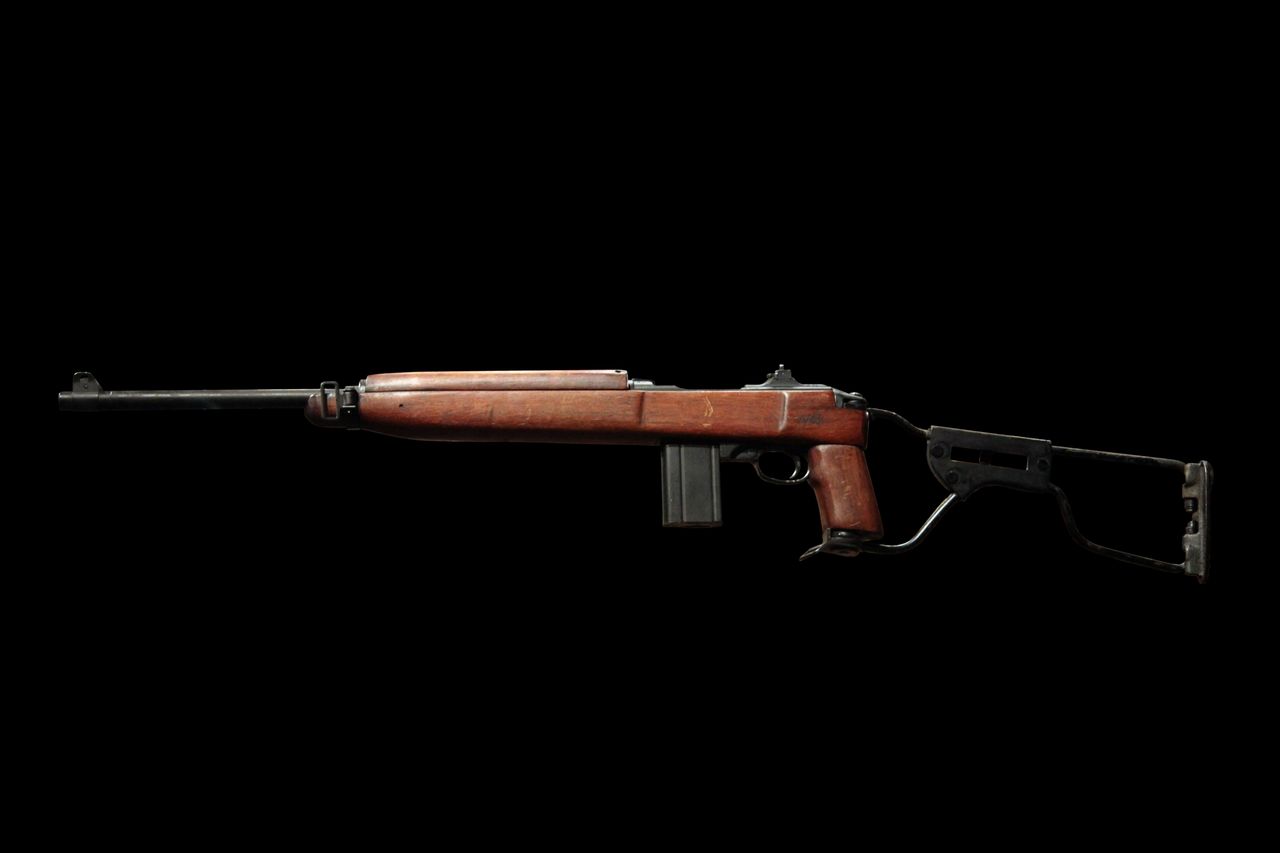
The M1 Carbine drew criticism from more than one direction when it entered service. Some thought it lacked the power of a full-size rifle, while others struggled to understand its role between pistol, submachine gun, and traditional infantry arm.
In the field, though, many troops came to value exactly what critics had questioned. It was light, handy, and easier to carry than a larger battle rifle, which mattered enormously for support troops, officers, paratroopers, and anyone covering ground fast.
That practical usefulness is why the carbine is respected today. It was never meant to be everything, but within its intended role, it proved smart, effective, and much more capable than early skeptics believed.