Some rifles fade away because they fail. Others disappear because politics moves faster than engineering.
A rifle born from hard jungle lessons
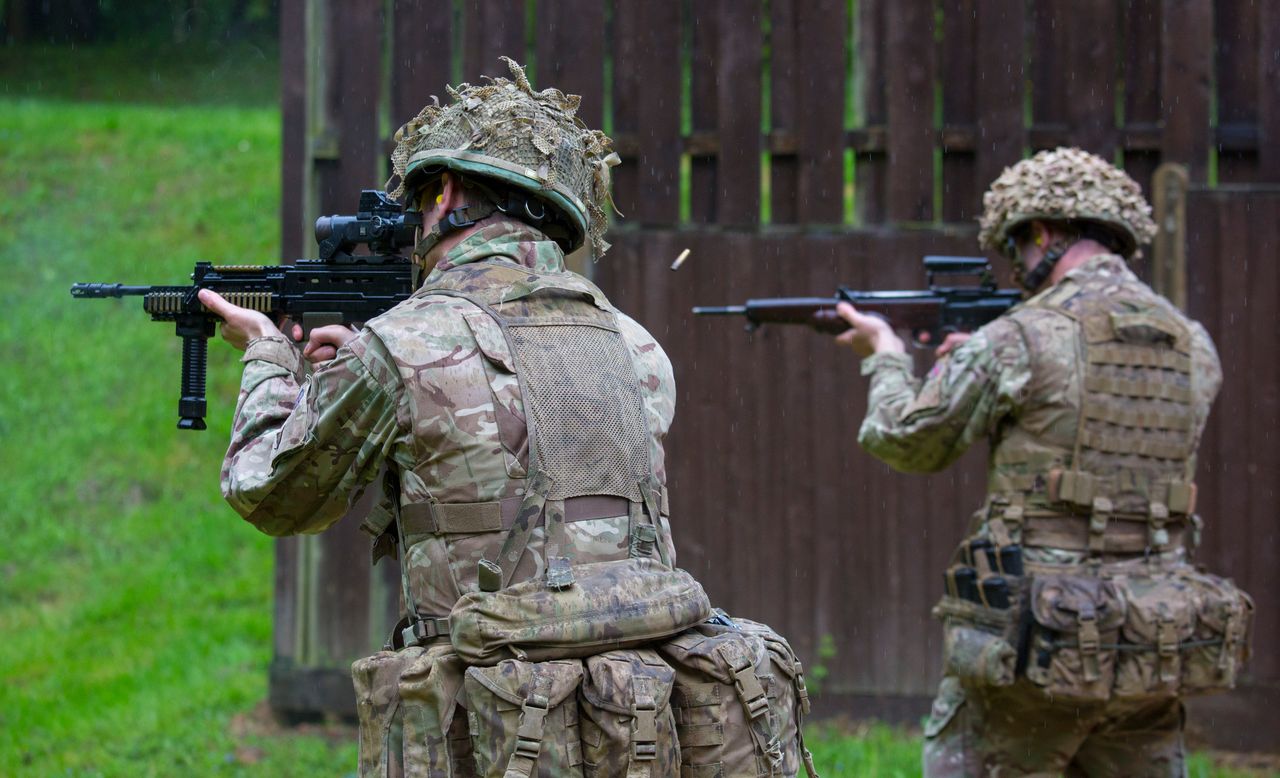
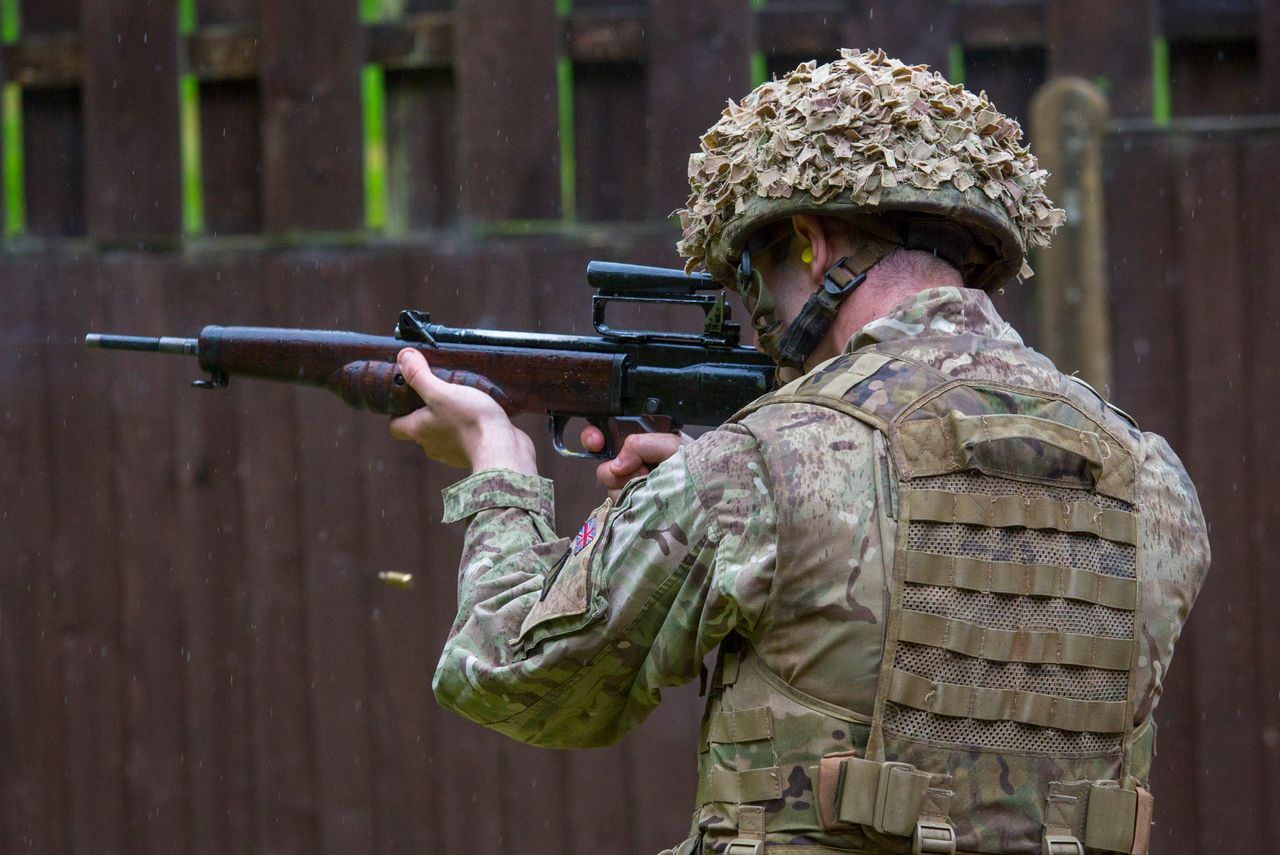
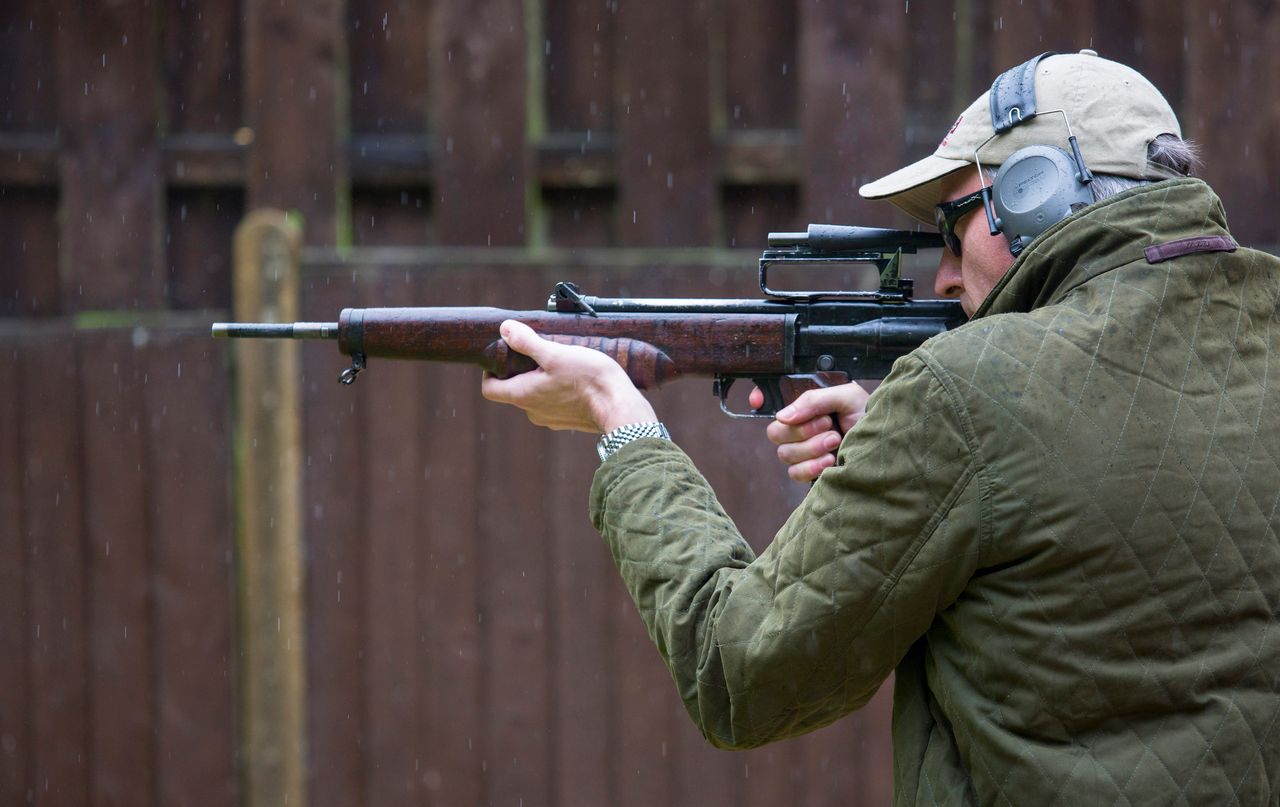
The rifle at the center of this story was the British EM-2, a bullpup design created in the years after World War II. It was shaped by combat experience, especially the realization that long, heavy rifles were awkward in dense terrain and fast-moving infantry fights. In places like Burma, mobility and snap handling mattered.
British planners wanted something shorter than a traditional service rifle without giving up barrel length. That requirement pushed designers toward the bullpup layout, with the action and magazine set behind the trigger. It looked strange in the early 1950s, but it solved a very practical problem.
In simple terms, the EM-2 was meant for the kind of fighting where visibility is short, engagement distances are inconsistent, and a soldier needs controllable rapid fire. That made it especially attractive for jungle warfare and other close-country environments.
Why the EM-2 felt years ahead of its time
The EM-2 did not just look futuristic. It paired its compact shape with an optical sight, a remarkable feature for a service rifle in that era. Small Arms Review notes that the rifle used a simple built-in optic, giving it a level of standard aiming assistance most armies would not normalize until decades later.
Its compact length made it handier than long wood-and-steel rifles still common after the war. Yet because of the bullpup arrangement, it kept a full-length barrel. That balance is exactly why modern militaries still revisit the concept.
The rifle was also designed around controlled automatic fire rather than brute-force full-power recoil. In that sense, the EM-2 was closer in spirit to later assault rifles than to the classic battle rifles that soon dominated NATO arsenals.
The cartridge was just as important as the rifle
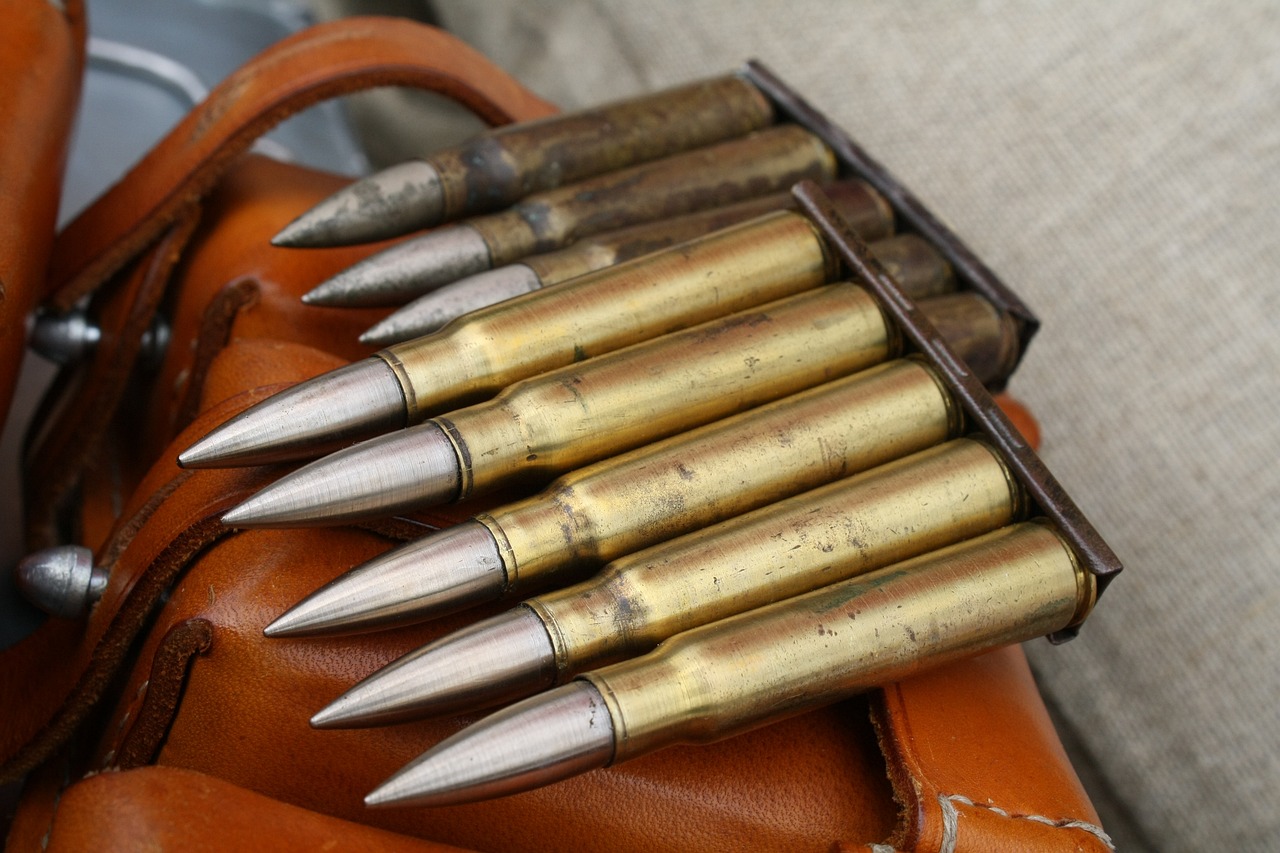
The EM-2 was built around Britain’s .280 cartridge, usually described as 7x43mm. That round sat between pistol-caliber submachine gun ammunition and full-power rifle ammunition. According to Small Arms Review, British advocates saw it as an optimum infantry cartridge because it offered better controllability while still delivering useful battlefield range.
This was a major shift in military thinking. Instead of insisting every rifle round match older long-range power standards, British designers prioritized what ordinary infantry could actually shoot well under combat stress. That idea now sounds obvious, but at the time it was contentious.
The .280 concept was influenced by wartime evidence that many firefights happened at shorter distances than prewar theory assumed. In jungle fighting especially, a lighter-recoiling round made even more sense.
Britain actually adopted it, briefly
Here is the twist that makes the EM-2 so fascinating: it was not merely an interesting prototype. In 1951, Britain officially adopted it as Rifle, No.9 Mk I, while the cartridge was adopted as the 7mm Mk 1Z. Small Arms Review describes it as one of the shortest-lived official adoptions in British small-arms history.
That should have been the beginning of production. Instead, it became the high-water mark before collapse. Britain had a rifle that matched its tactical thinking, but alliance politics quickly got in the way.
The United States was not willing to embrace the .280 concept for NATO standardization. American decision-makers favored a more powerful .30-caliber path that became 7.62x51mm NATO, and that disagreement doomed the EM-2’s future.
Politics, NATO, and the end of the project
The EM-2 did not die because it was useless. It died because standardization mattered, and Britain could not afford to drift away from its closest allies. After talks between London and Washington in January 1952, Britain pulled back from full commitment and resumed the search for a common NATO solution, as detailed in contemporary accounts quoted by Small Arms Review.
Winston Churchill is often cast as the man who sank the rifle, and there is truth in that shorthand. His government was far less interested in forcing through a uniquely British rifle and cartridge if the Americans would not follow.
Once NATO moved toward 7.62x51mm, the EM-2’s core logic unraveled. A compact bullpup was one thing; a bullpup built around a cartridge the alliance rejected was another.
Why the EM-2 still matters today
The EM-2 is one of those rare dead-end weapons that turned out to be conceptually right. It anticipated the modern interest in compact infantry rifles, intermediate cartridges, and optics as standard equipment. Forgotten Weapons and later historians have repeatedly pointed out how advanced the package looked compared with what most armies fielded at the time.
Britain eventually returned to the bullpup layout with the L85 decades later, even though it was mechanically unrelated. That alone says something about how durable the EM-2’s basic idea was.
So the rifle meant for jungle fighting never made it into production not because the concept was foolish, but because it was trapped between battlefield logic and alliance politics. In another timeline, the future of military rifles may have started with the EM-2.