This was never going to be a quiet wildlife project. In Colorado, wolves have returned carrying decades of history, politics, fear, and hope.
A vote brought wolves back, but not everyone felt heard
Colorado became the first state where voters, not wildlife biologists alone, directly ordered wolf reintroduction. In 2020, Proposition 114 passed by a razor-thin margin, telling Colorado Parks and Wildlife to restore gray wolves west of the Continental Divide. To supporters, that narrow win was still a clear democratic mandate. To many people in rural western counties, it felt like urban Front Range voters had imposed a costly experiment on places where they would not live with the consequences.
That resentment still shapes nearly every conversation around the issue. Hunters in mountain towns often say they are not anti-wolf in principle. What they object to is the way the decision was made, with Denver and Boulder voters outweighing communities tied directly to elk herds, cattle allotments, and backcountry hunting economies. The debate became less about one predator and more about who gets to decide what rural landscapes are for.
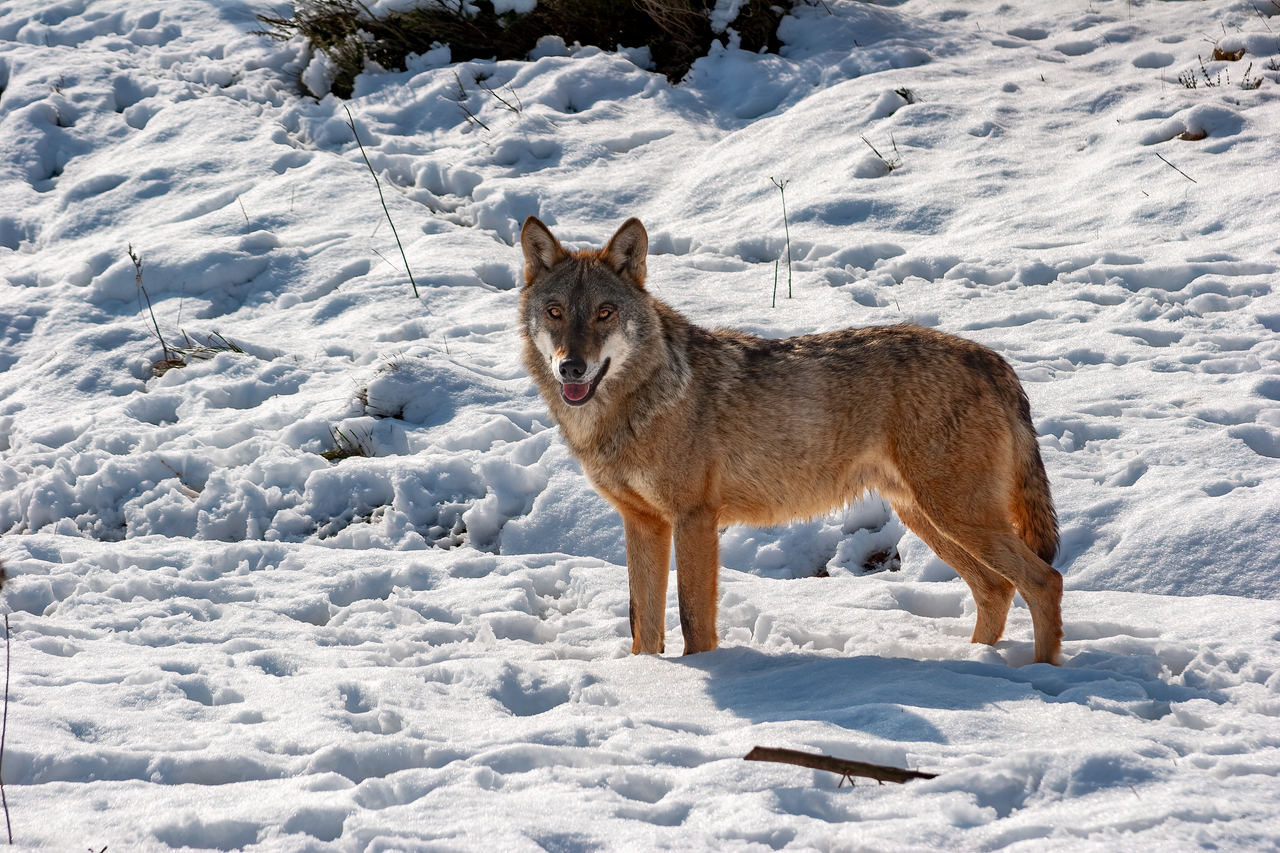
State officials then faced the impossible task of turning a ballot question into workable policy. By late 2023, Colorado released wolves captured in Oregon, marking the first phase of reintroduction. From that moment on, the argument stopped being abstract. Wolves were no longer symbols. They were on the ground, moving through the same country where hunters had spent lifetimes learning the rhythms of elk, deer, and winter range.
Why hunters are split even when they agree on the facts

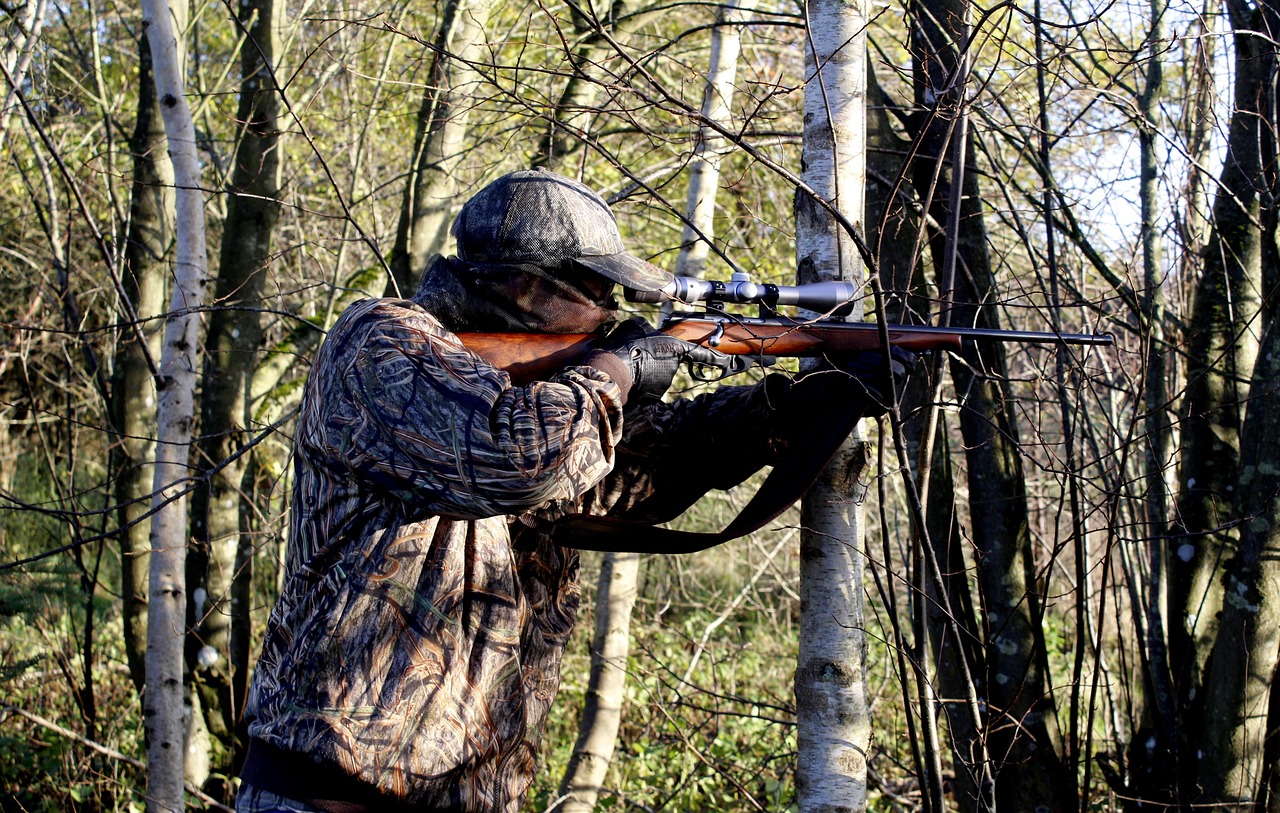
It would be easy to frame hunters as uniformly opposed to wolves, but that is not what is happening. Some hunters support having wolves back because they see predator restoration as part of a complete and honest ecosystem. They point to Yellowstone, where wolves became a powerful symbol of restoring a missing piece of the West. For these hunters, fair-chase ethics mean accepting that humans are not the only predators on the landscape.
Others see the same facts and come to the opposite conclusion. They worry that wolf predation will fall hardest on already stressed elk herds, especially in areas dealing with drought, severe winters, habitat fragmentation, and increasing recreation pressure. They argue that adding another major predator on top of mountain lions and black bears could push local populations below what hunters and wildlife managers have historically maintained.
There is also a generational split inside hunting culture. Younger hunters, especially those active in public lands advocacy, sometimes speak more openly about coexistence and adaptive management. Older hunters, or those with long memories of wolf politics in Wyoming, Montana, and Idaho, are often more skeptical of promises that numbers will be tightly controlled. They have watched wolf debates elsewhere harden into legal fights, emotional rhetoric, and years of management whiplash.
Elk are at the center of the fear, identity, and economics
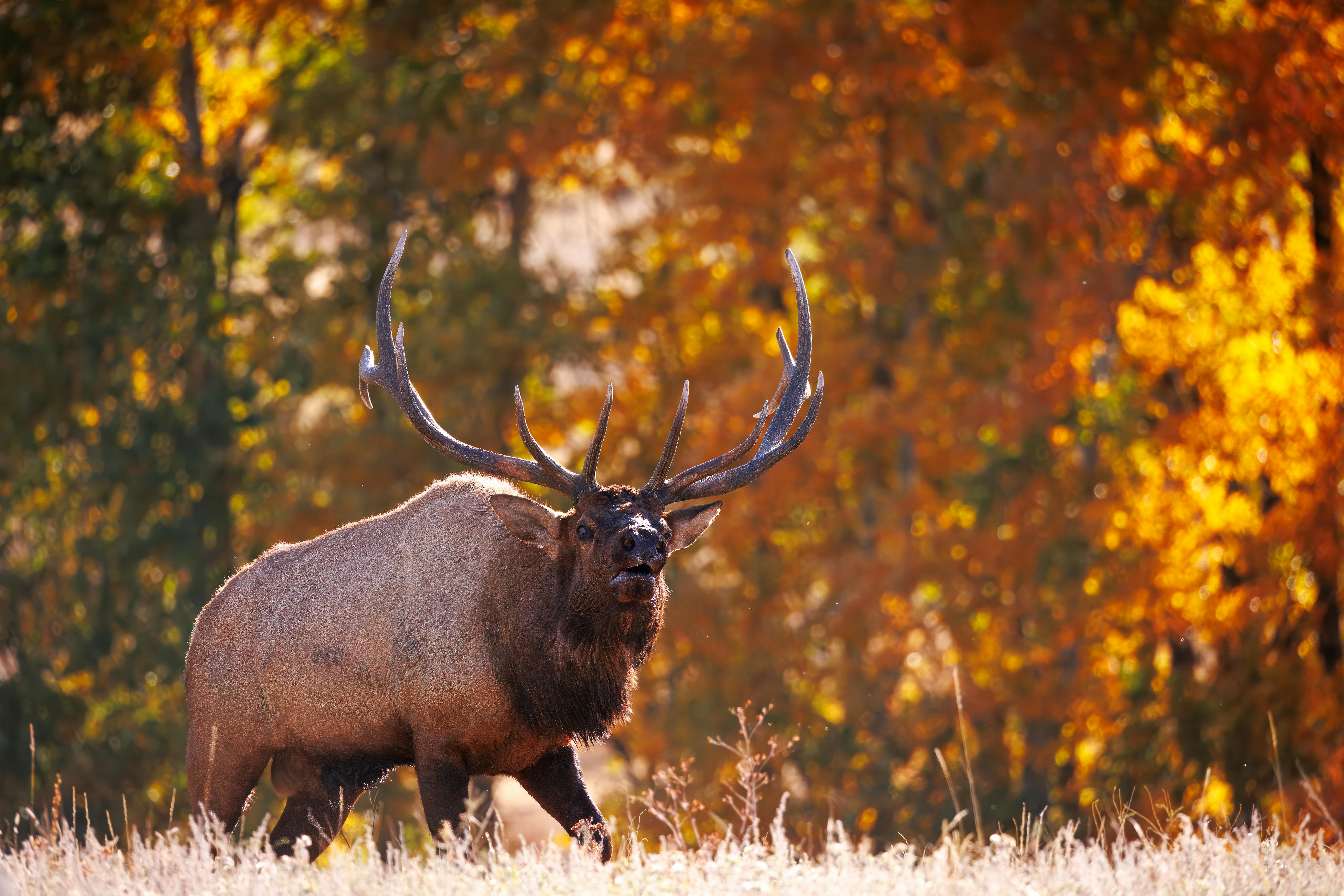
In Colorado, the wolf fight is really an elk fight. Elk are not just another game species. They are central to hunting identity, tag revenue, rural guiding businesses, meat in family freezers, and the cultural calendar of mountain communities. When people say they are worried about wolves, they are often really saying they are worried about what happens if elk become harder to find, more nocturnal, or more likely to avoid traditional hunting areas.
Wildlife science offers both caution and perspective. Research from the Northern Rockies shows wolves can alter prey behavior and reduce some local elk numbers, but outcomes vary enormously by habitat, winter severity, human harvest, and the presence of other predators. There is no universal script where wolves automatically devastate herds, and there is no honest version of the story where they have no effect at all. Colorado’s terrain and herd structure will shape results in ways that cannot simply be copied from Yellowstone.
That uncertainty is exactly what rattles hunters. A resident elk hunter can adapt to bad weather or changing tag allocations, but uncertainty about a newly restored predator feels different. It threatens hard-earned local knowledge. People who have hunted one drainage for 30 years do not just fear lower success rates. They fear losing a relationship with a place that has anchored family tradition, competence, and belonging.
Ranchers and outfitters are living with the most immediate risk
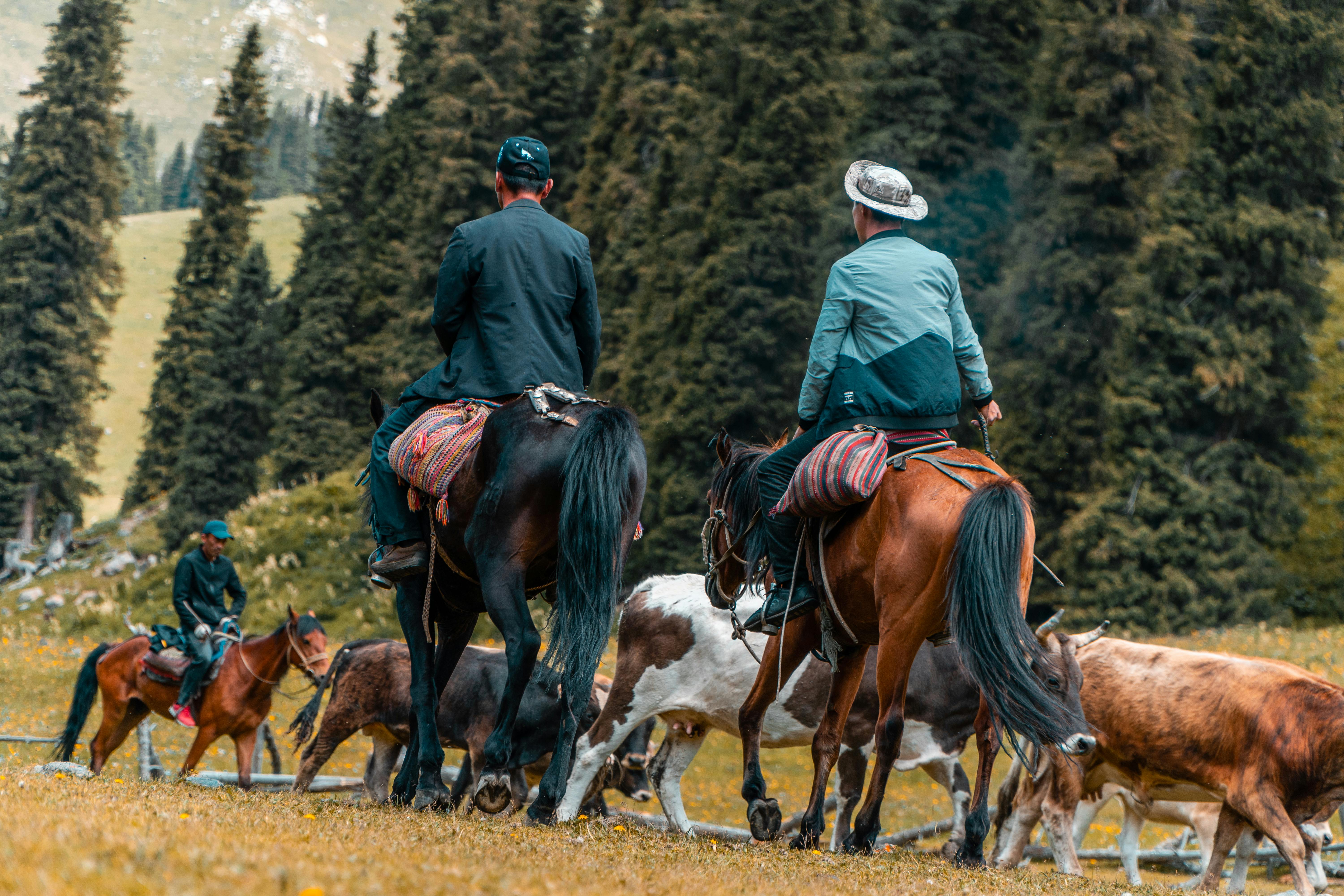
Hunters are not the only rural group under pressure. Ranchers have warned from the start that wolf depredation would not be a theoretical problem, and early livestock losses have kept that concern front and center. Colorado has compensation programs, and state officials have emphasized range riders, carcass management, and deterrents. But for producers, the stress is not only about reimbursed calves. It is about time, sleep, labor, and the feeling that one more burden has been added to an already difficult business.
Outfitters occupy a complicated middle ground. Many depend on healthy elk numbers and predictable animal movement to satisfy clients who book expensive hunts months or years in advance. A guide can tolerate some ecological change, but not endless uncertainty that affects success rates, repeat business, and local reputation. If wolves shift elk onto private ground or into thicker timber, the economic consequences may spread beyond the hunting community to motels, restaurants, processors, and small-town retailers.
This is why the conflict burns so hot. The people carrying the heaviest short-term costs often feel they had the least influence over the original decision. That does not make wolf restoration wrong, but it does explain the bitterness. A policy can be legally approved and still feel socially illegitimate to the communities asked to absorb the first wave of disruption.
The science is real, but science alone cannot settle this
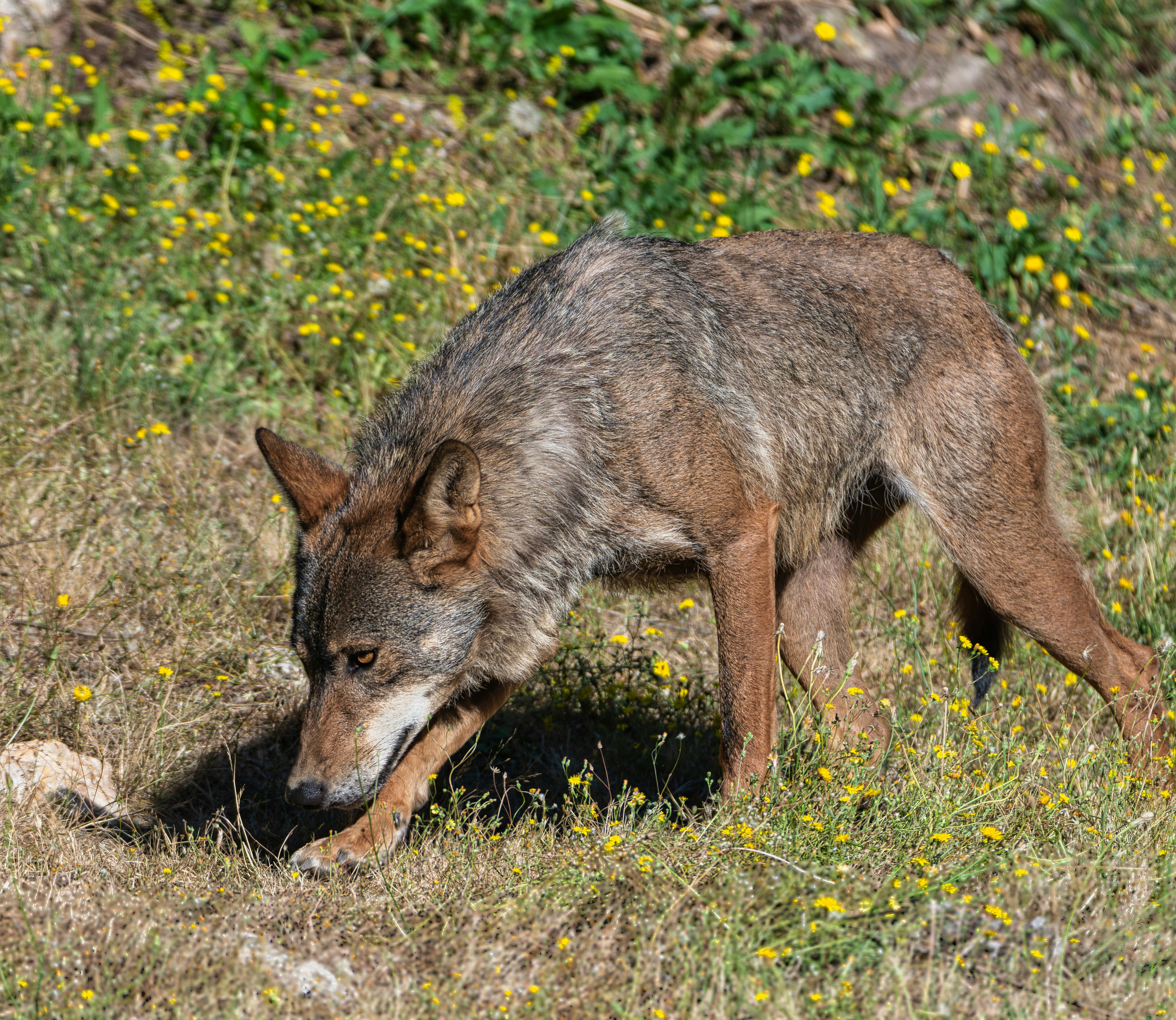
Colorado Parks and Wildlife has tried to root the process in data, monitoring, and formal planning. Biologists track released wolves, investigate livestock losses, assess prey herds, and update the public on pack formation and movement. That work matters. Without credible monitoring, every dead calf becomes proof to one side and every surviving elk herd becomes proof to the other, even when neither claim tells the whole story.
Still, science has limits in conflicts like this. Data can estimate predation rates, calf recruitment, and geographic overlap, but it cannot decide how much risk is acceptable for a ranch family or how much change a hunting culture should absorb in the name of restoration. Those are value judgments wrapped inside a scientific debate. When people say, “follow the science,” they often mean, “adopt the policy outcome I think science supports.”
The hardest truth may be that both camps sometimes misuse certainty. Wolf advocates can sound too confident that impacts will be modest and manageable. Wolf opponents can speak as if collapse is inevitable and immediate. In reality, Colorado is entering a long experiment in active management. The numbers will matter, but so will trust, transparency, and whether agencies respond quickly when local damage is real.
Other states offer lessons, but not the easy ones people want
People constantly point to Montana, Idaho, Wyoming, and Yellowstone for proof of what Colorado should expect. Those comparisons are useful, but only up to a point. States with established wolf populations show that reintroduction can lead to years of political and legal conflict long after the animals are biologically recovered. They also show that management plans often change once wolf numbers grow, public pressure intensifies, and court decisions intervene.
Yellowstone remains the cultural touchstone for wolf supporters, largely because it gave the public a vivid story about ecological restoration. But Yellowstone is not a state wildlife system with broad hunting access, private land conflicts, and statewide ballot politics. It is a protected national park with a unique prey base, heavy tourism value, and management conditions that are hard to replicate elsewhere. Using it as a simple model for Colorado has always been risky.
The strongest lesson from other states is not that wolves are good or bad for hunting. It is that durable management requires flexibility and public legitimacy. Where agencies fail to communicate clearly, resentment deepens. Where they ignore rural experience, trust collapses. And where every wolf issue becomes a symbolic national fight, local problem-solving gets buried under slogans from people far from the ground.
There is no clean victory, only the challenge of living with tradeoffs

That is the uncomfortable reality at the center of Colorado’s wolf debate. Supporters are unlikely to get a conflict-free restoration that satisfies everyone while leaving hunting patterns untouched. Opponents are equally unlikely to turn back the clock and erase a voter-approved mandate simply because the rollout has been divisive. The argument is no longer about whether wolves symbolize wilderness. It is about how much disruption Colorado is willing to tolerate to keep them on the landscape.
For hunters, the path forward may depend on whether the state proves it will manage wolves as a real-world predator, not a sacred icon. That means honest thresholds, quick response to chronic livestock conflicts, transparent elk data, and a willingness to adjust management if local impacts become severe. For wolf advocates, coexistence has to mean more than asking rural communities for patience. It has to include accepting lethal control when necessary and taking local losses seriously.
Nobody gets everything they want here. Wolves can enrich an ecosystem and still create real hardship. Hunters can love wild country and still fear what changes mean for elk and access. Colorado’s challenge is not choosing between romance and resentment. It is building a management system tough enough to hold both truths at once.