Buckshot and slugs are often discussed as though they are simply two versions of the same shotgun ammunition. They are not. Buckshot sends multiple pellets toward the target, while a slug launches one large projectile. Pattern size, pellet count, projectile weight, choke, barrel design, and distance can all change the result. Even familiar numbers can become misleading when treated as universal rules. These 10 myths separate common assumptions from the measurable realities that new shotgun owners should understand before judging either load.
Buckshot Spreads Into a Huge Cloud
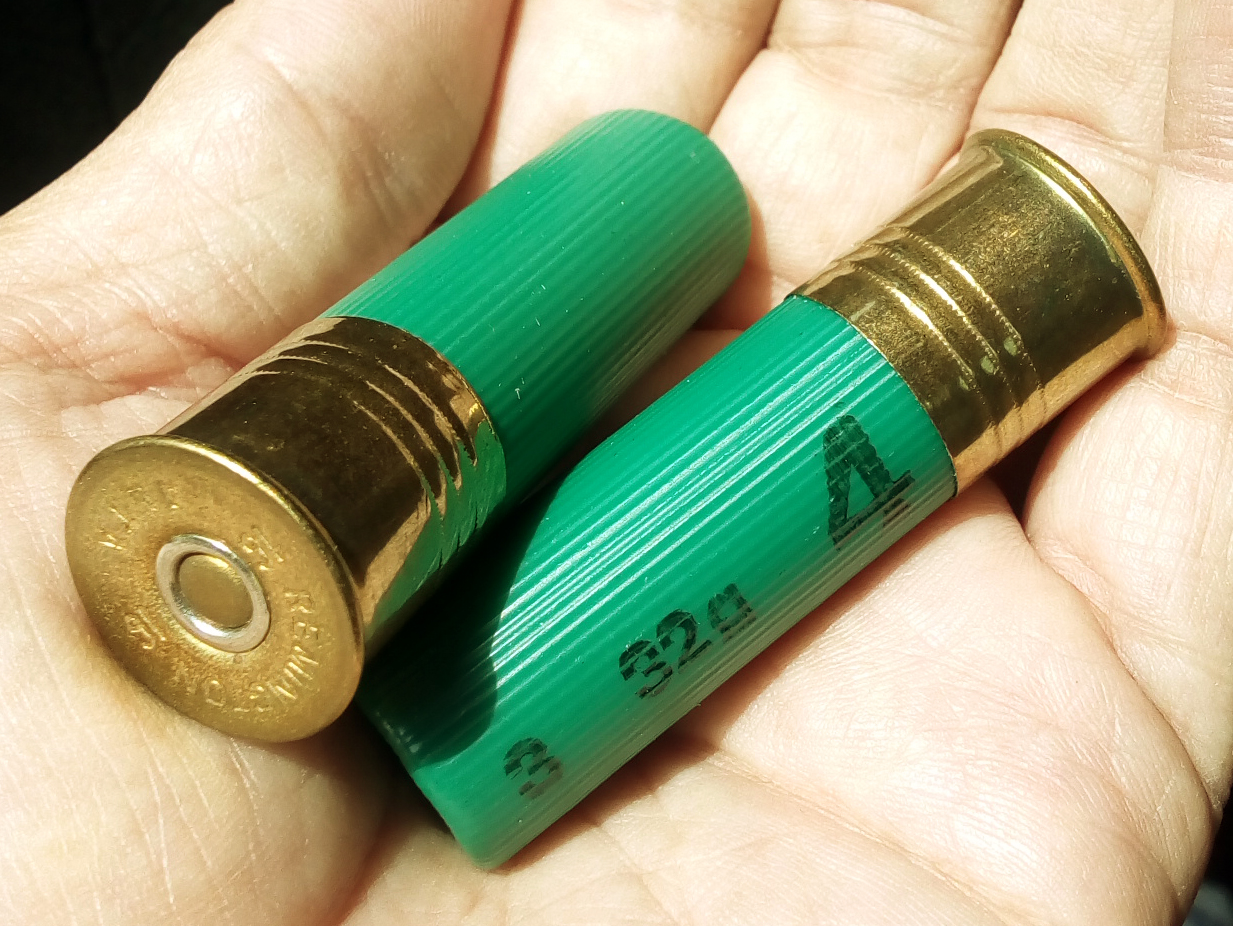
A common beginner belief is that buckshot quickly becomes a wide, forgiving cloud. In reality, many loads remain surprisingly compact at ordinary distances, and pattern size varies with the shell, choke, barrel, and individual gun. One published test found a cylinder-bore 00 buck load around 8 inches at 10 yards, while other combinations produced different results. The useful number is not a movie-style spread, but the pattern your own shotgun produces. At 15 or 20 yards, gaps and flyers can matter much more.
A Shotgun Never Needs to Be Aimed
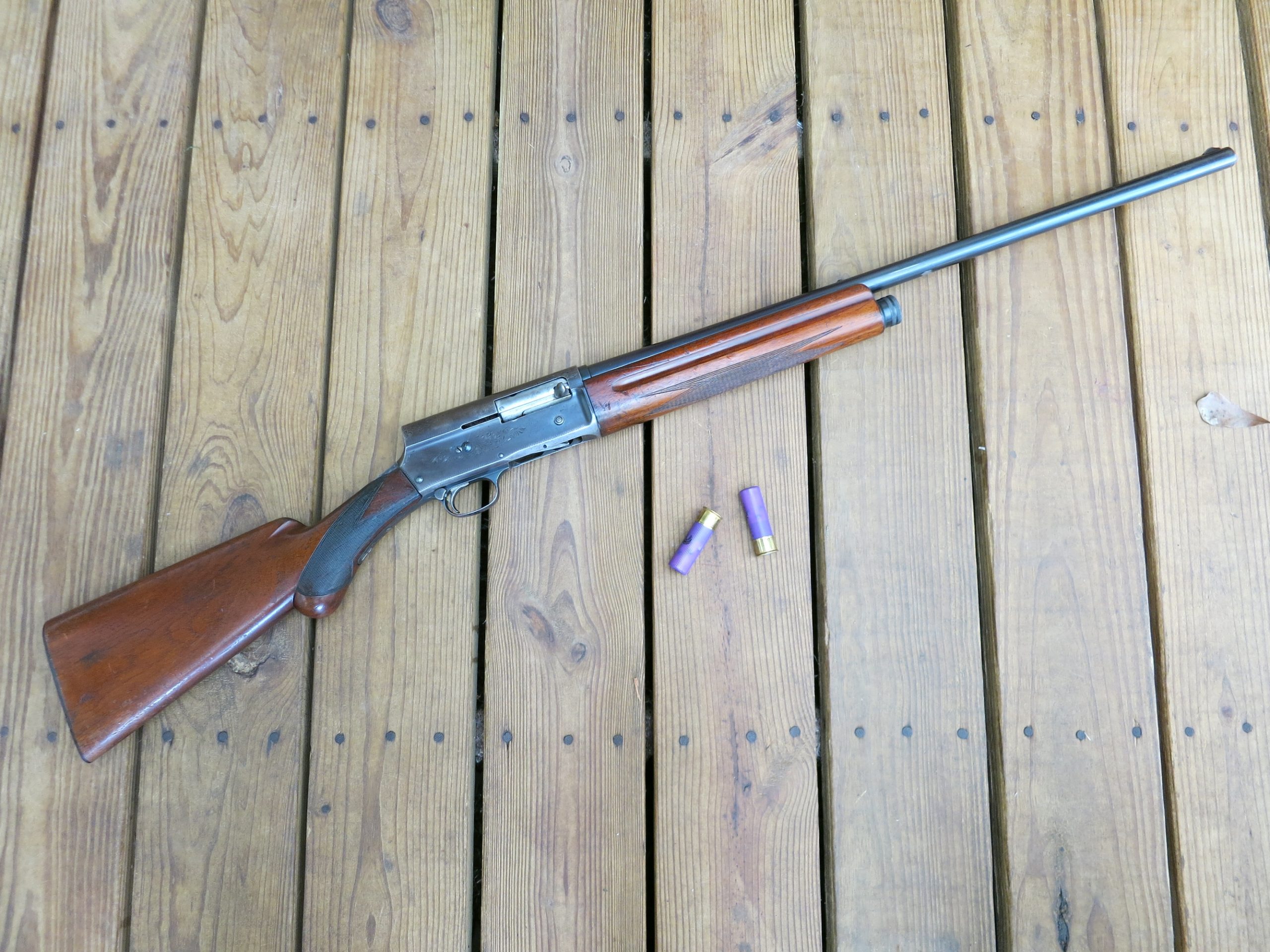
The old image of simply pointing a shotgun in the general direction of a target is misleading. Buckshot launches several projectiles, but they still occupy a limited pattern and can miss. At very short range, the pellets may remain clustered almost like one mass, while distance gradually opens the pattern. A published example measured roughly 3 inches at 5 yards and about 8 inches at 10 yards. A slug is even less forgiving because it sends only 1 projectile. A shotgun still requires deliberate aiming.
Slugs Are Just Extra-Large Buckshot
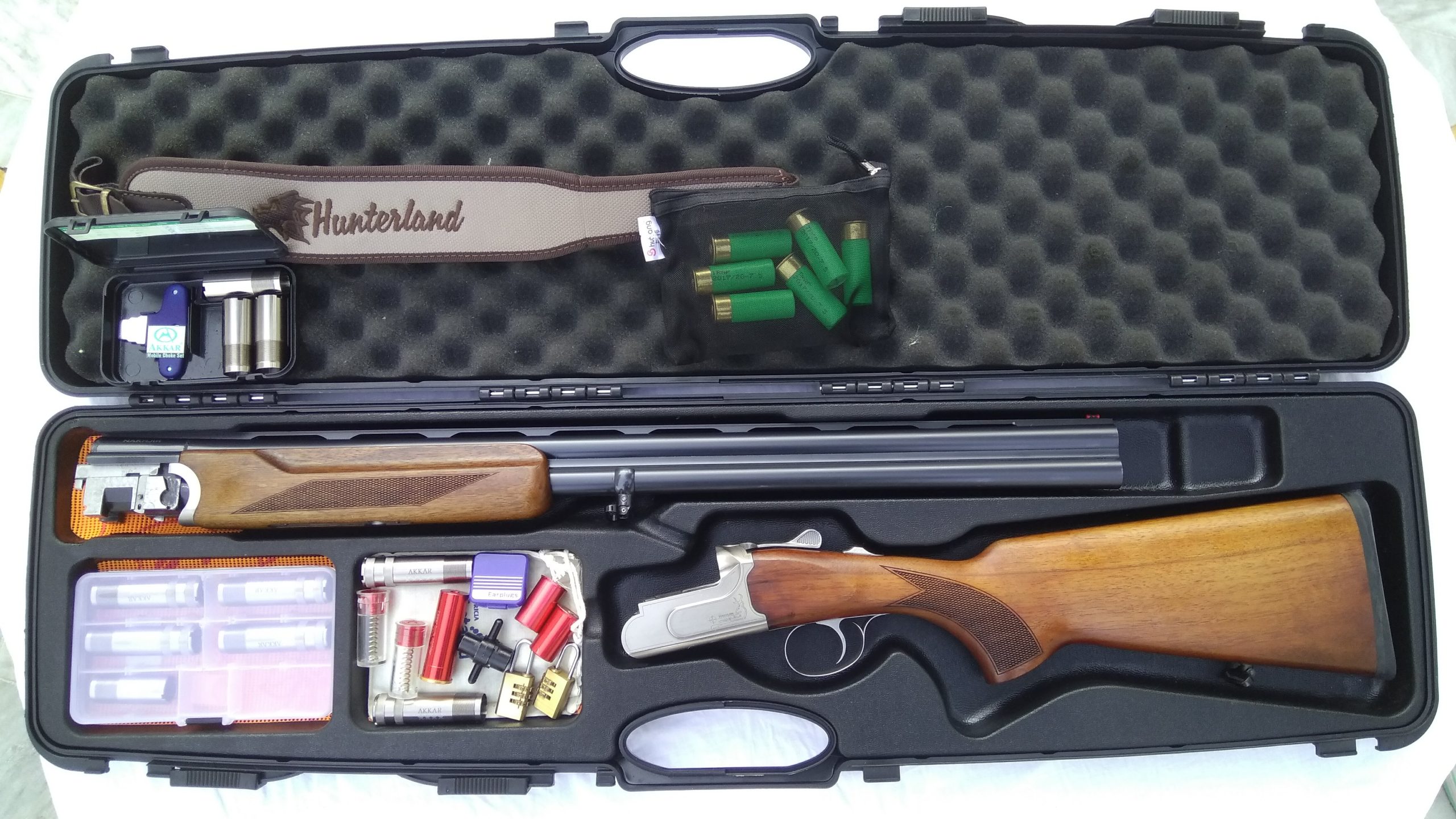
A slug is fundamentally different from buckshot. Buckshot contains multiple pellets, while a slug sends 1 large projectile. Common 12-gauge slugs can weigh about 1 ounce, or 437.5 grains, although loads vary. That single projectile does not create a buckshot-style pattern, so its flight resembles a large, relatively slow bullet rather than a cluster of balls. This distinction affects range, recoil, accuracy expectations,s and what lies beyond the target. Treating the two loads as interchangeable ignores their basic design and purpose.
Bigger Buckshot Automatically Means Better Performance

Shot size is not a simple scorecard where the biggest pellet always wins. Common buckshot sizes include #4, #1, 00, and 000, with pellet diameter and pellet count changing as size changes. One 12-gauge reference lists about 21 to 27 pellets for #4 buck and 16 for #1. A typical 00 load may contain 8 or 9 pellets. More mass per pellet can bring greater individual penetration, but fewer projectiles can change pattern behavior. The load must be judged as a complete system, not by pellet diameter alone.
All Buckshot Patterns Are About 1 Inch Per Yard
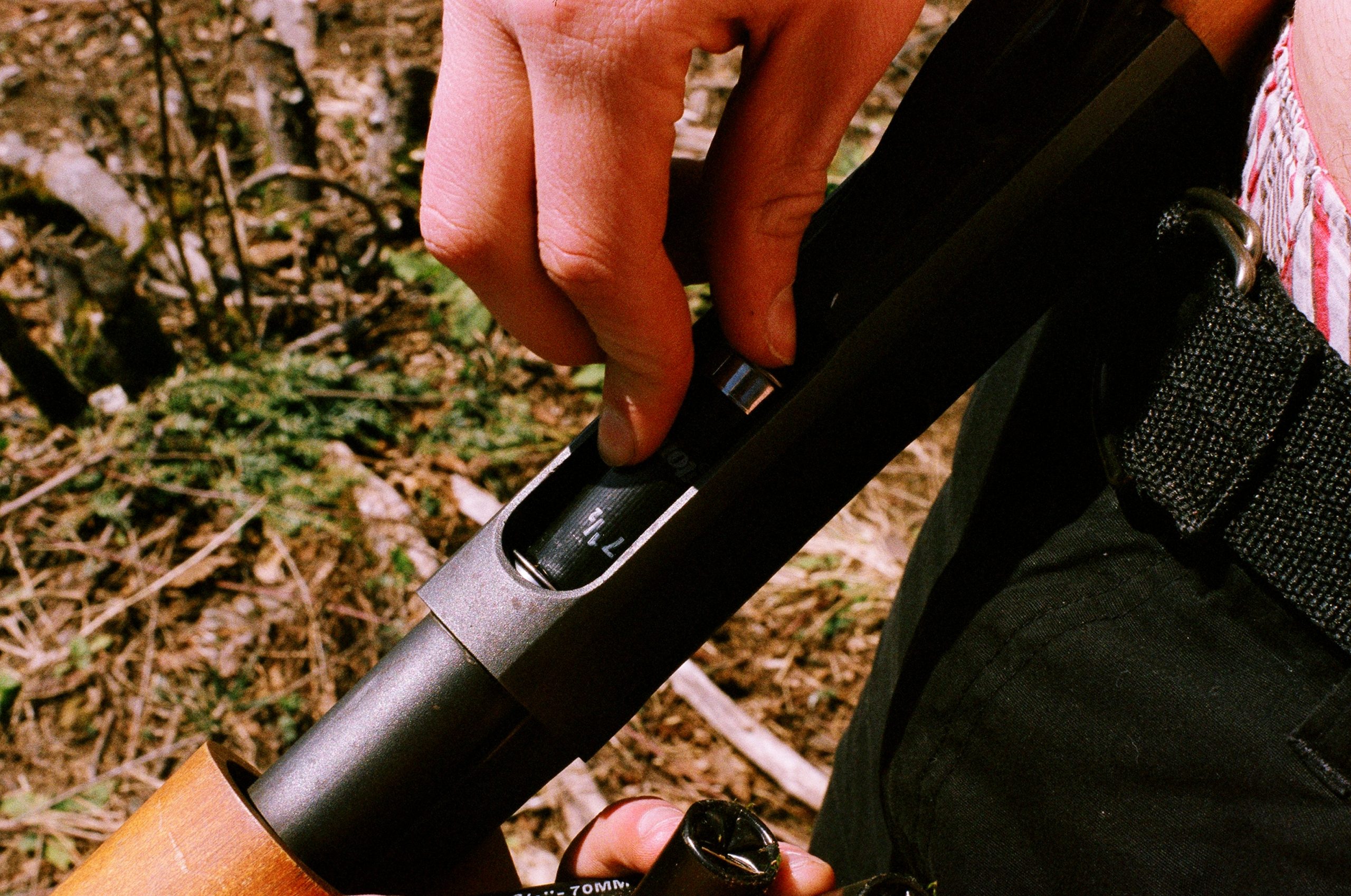
The famous 1-inch-per-yard rule is only a rough historical shortcut, not a law of physics. Modern wads, buffering, pellet quality, choke, and barrel dimensions can produce dramatically different patterns. One published test reported about 8 inches at 10 yards and 12 inches at 15 yards, while another older test found different behavior among several loads. That means a 10-yard pattern cannot safely be predicted from a slogan. The important numbers are measured on paper with the exact shell and shotgun combination.
Slugs Always Shoot Accurately From Every Shotgun

A slug can be more precise than buckshot, but that does not make every shotgun a slug rifle. Smoothbore guns and rifled-barrel guns can be set up around different slug designs, and ammunition makers specify compatibility. Foster-style and Brenneke-style slugs are commonly associated with smoothbores, while sabot slugs are generally intended for rifled barrels. Accuracy also depends on sights, barrel, and ammunition. A slug’s single-projectile design removes pellet spread, but it does not remove mechanical accuracy limits or ammunition compatibility concerns.
Buckshot Cannot Penetrate Walls
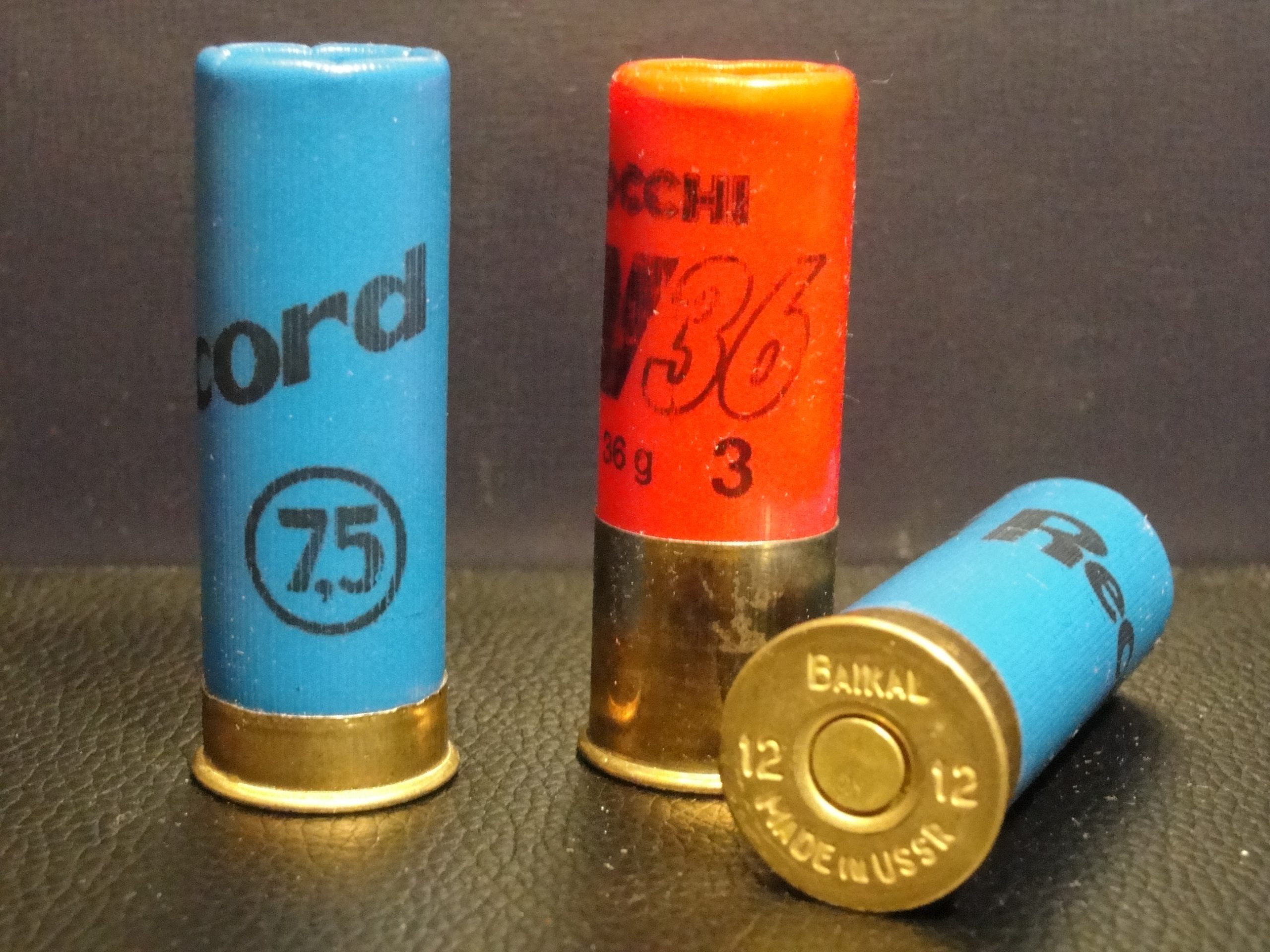
Buckshot is not stopped automatically by drywall or a household door. Large pellets can continue through interior barriers, creating a serious hazard to people or property beyond the intended target. The exact result depends on pellet size, construction, distance,e and impact conditions. A 12-gauge #00 load may contain 8 or 9 pellets, meaning several projectiles can potentially continue independently after a barrier encounter. The safe assumption is that both buckshot and slugs can penetrate common building materials, so knowing what is beyond the target remains essential.
Slugs Are Always More Powerful in Every Situation
A slug concentrates the payload into 1 heavy projectile, so it can deliver substantial energy and deep penetration. That does not mean it is automatically the superior choice for every distance or purpose. Buckshot sends multiple projectiles and can produce several separate impact points when the pattern stays together. Published defensive references commonly describe 00 buck as 8 or 9 pellets, while a 12-gauge slug may weigh roughly 437.5 grains. Those numbers describe different designs, not a universal winner. Application, accuracy,cy and safety context still matter.
Choke Selection Guarantees a Perfect Buckshot Pattern
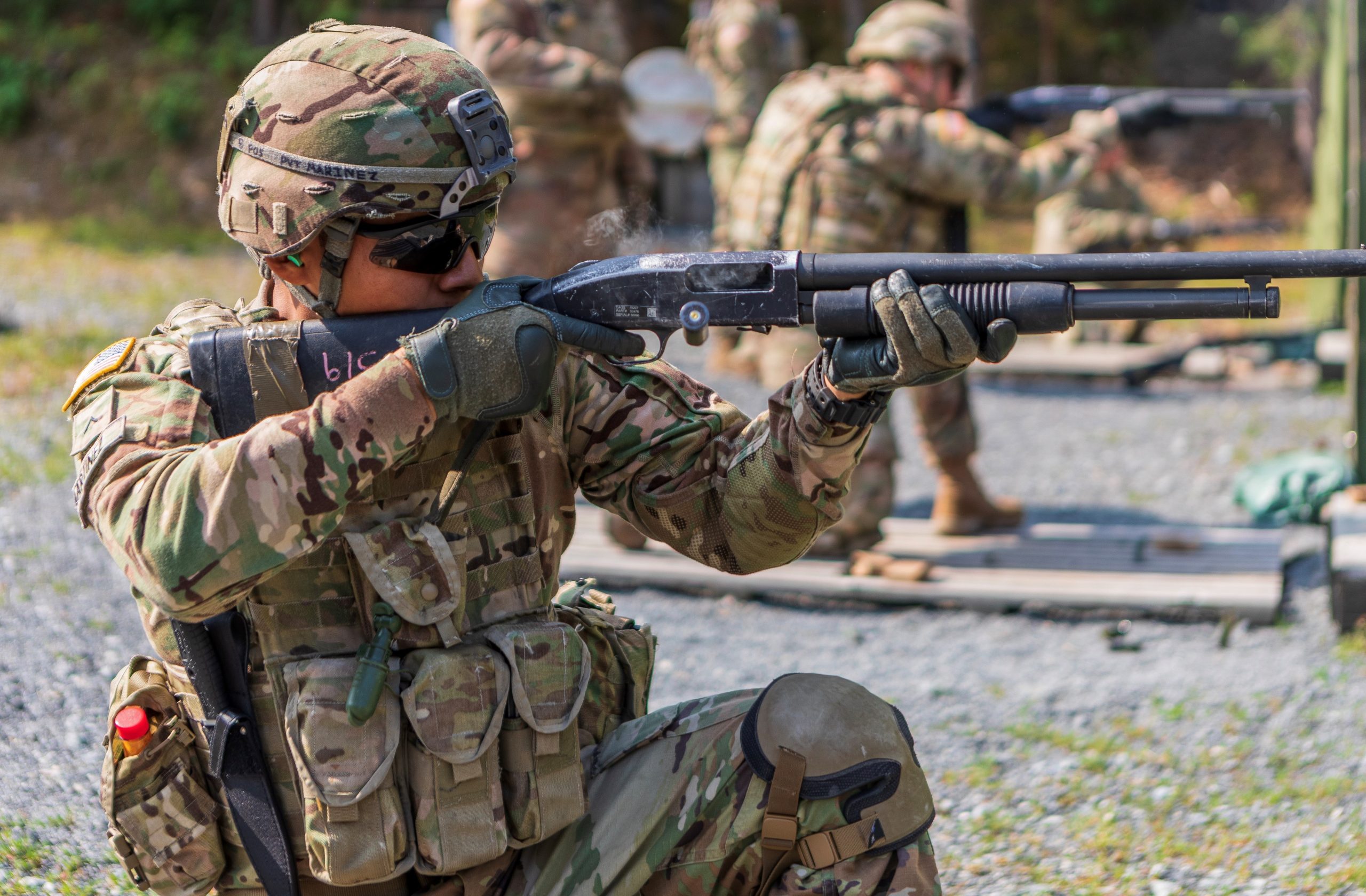
A choke can influence shot distribution, but buckshot does not obey a simple rule in which a tighter choke always equals a tighter pattern. Pellet hardness, wad design, buffering, bore dimensions, and the individual load can change the result. One test found that a full choke did not necessarily improve buckshot patterns and could even produce similar or larger patterns than a cylinder bore. That is why patterning matters. Two shotguns using the same 00 shell can produce noticeably different results. The number to trust is the measured pattern, not the choke label.
Buckshot and Slugs Can Be Judged by the Same Range Standard
Buckshot and slugs solve different ballistic problems, so one universal effective-range number is misleading. Buckshot gradually disperses, and individual pellets become harder to keep inside a defined target area as distance increases. A slug remains a single projectile, so its trajectory and accuracy are evaluated differently. For example, one reference reported that beyond 20 yards,s at least one buckshot pellet was likely to miss a human-sized target, while slugs are commonly used where greater precision is required. Distance alone never tells the whole story.