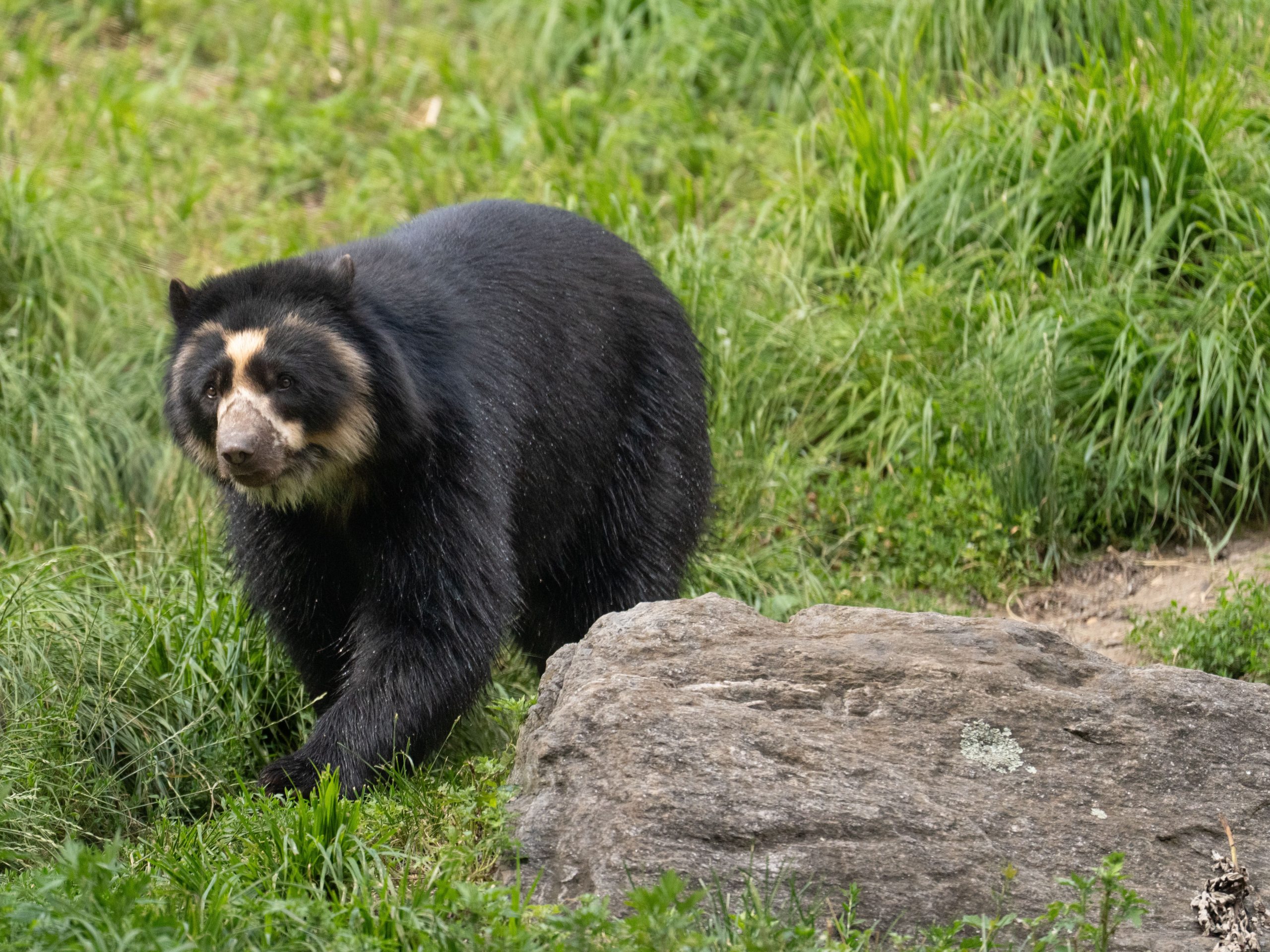
Bear encounters are becoming a bigger concern across parts of the United States in 2026, especially where drought has reduced berries, nuts, plants, and other natural foods. Bears are consequently traveling farther and appearing more often around homes, roads, campsites, businesses, and neighborhoods. Colorado has already broken its previous annual sighting record, while several other western states are reporting unusual activity. The list below highlights 10 states where bear encounters are especially notable right now, using the latest available figures and wildlife reports.
1. Colorado
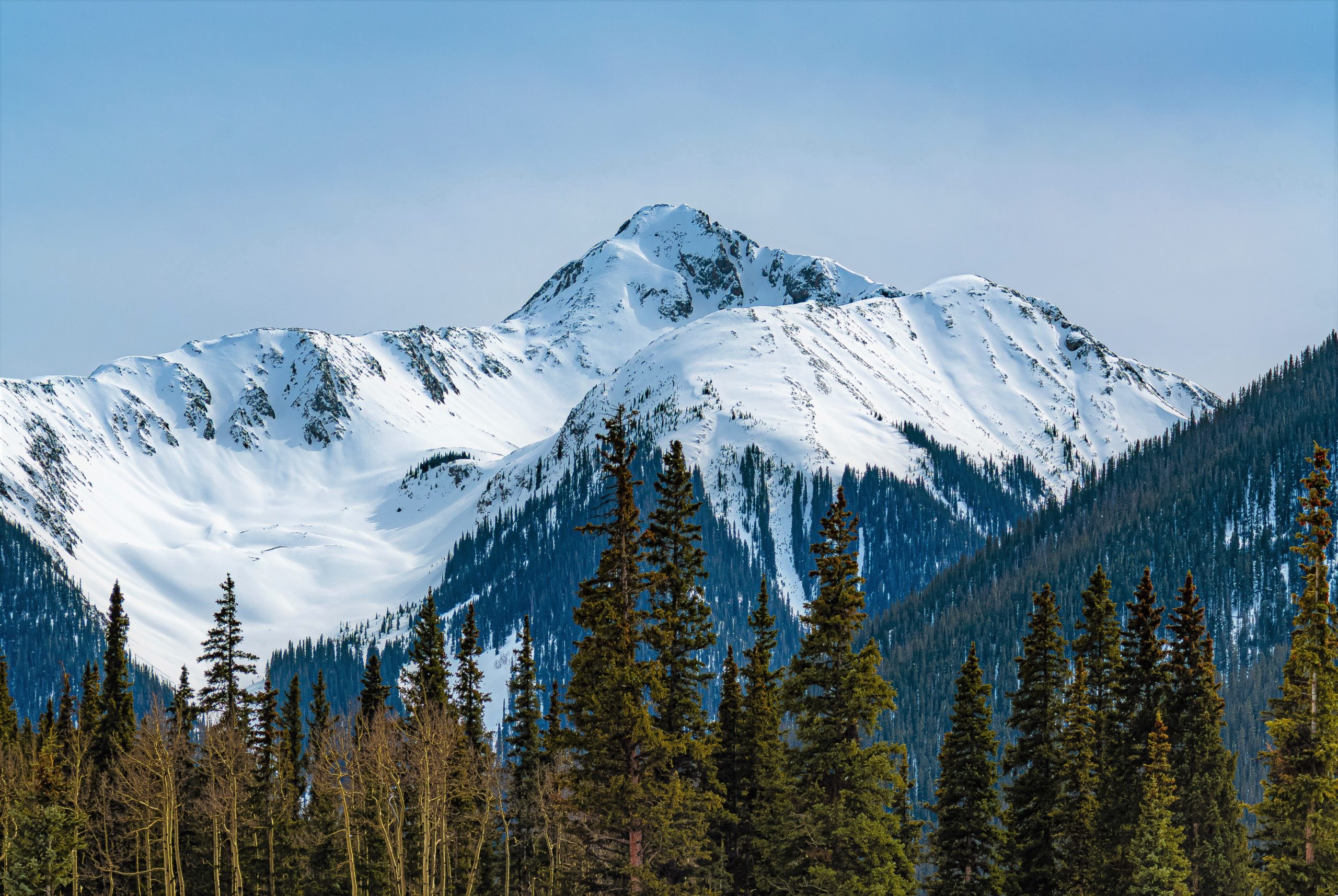
Colorado is currently the clearest hotspot for bear encounters in the United States. By mid-August, Colorado Parks and Wildlife had received 6,129 sightings and conflict reports, nearly twice the 3,115 recorded during the same period in 2025. By late August, the statewide total had passed 7,000, already exceeding the previous full-year record of 2019. Colorado is home to an estimated 17,000 to 20,000 black bears, and severe drought has pushed many into towns, homes, restaurants, and vehicles while searching for food.
2. Montana
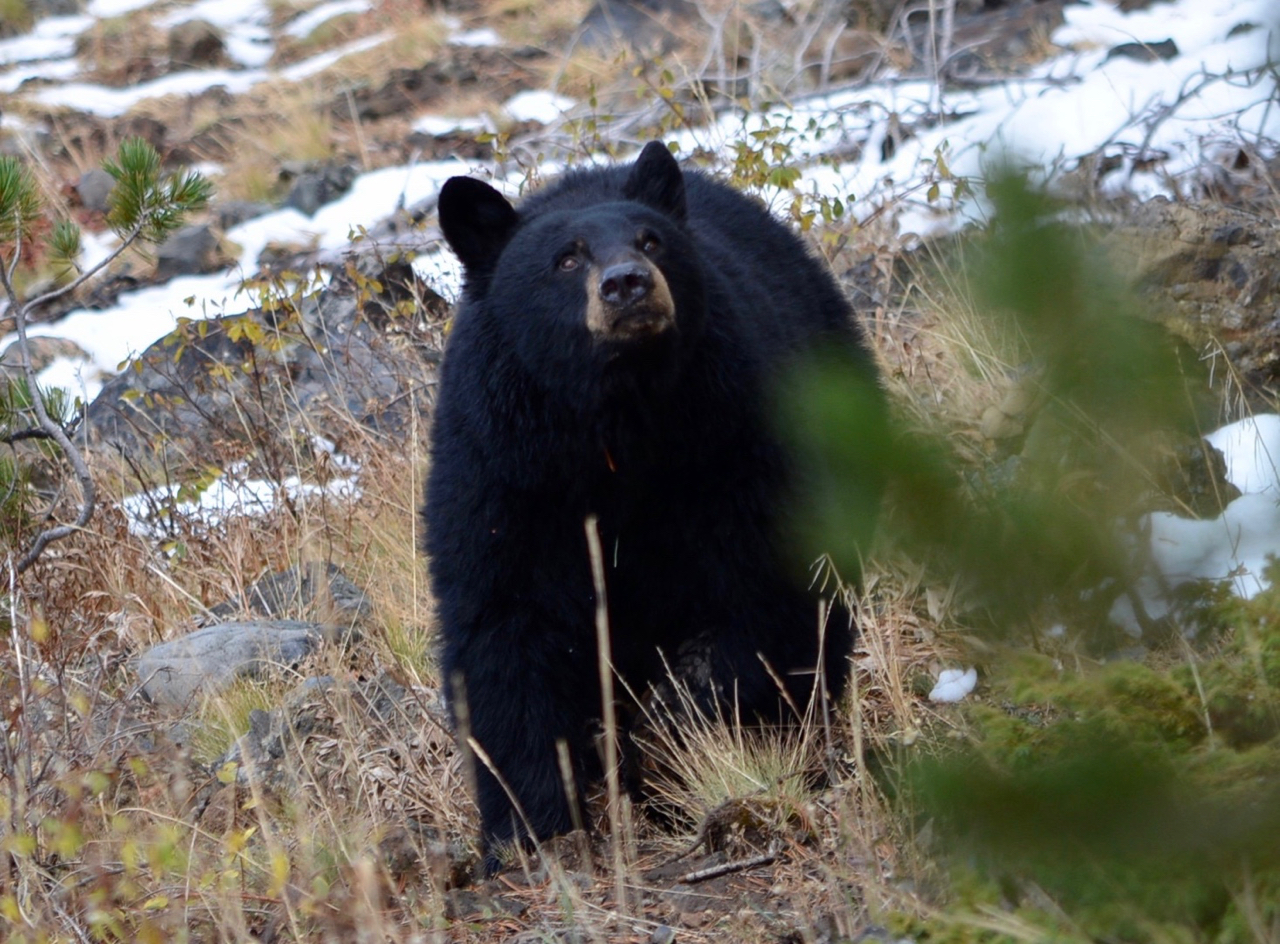
Montana remains one of the most important bear-conflict states because it supports both black bears and a large grizzly population. Wildlife officials have described 2026 sightings as too numerous to count, with grizzlies appearing in places they had not occupied for decades. By late August, 24 grizzlies had died in the state, including animals involved in livestock conflicts, encounters with people, or vehicle collisions. Montana also contains nearly two-thirds of the Lower 48’s grizzly population, making even ordinary backcountry sightings especially significant.
3. New Mexico
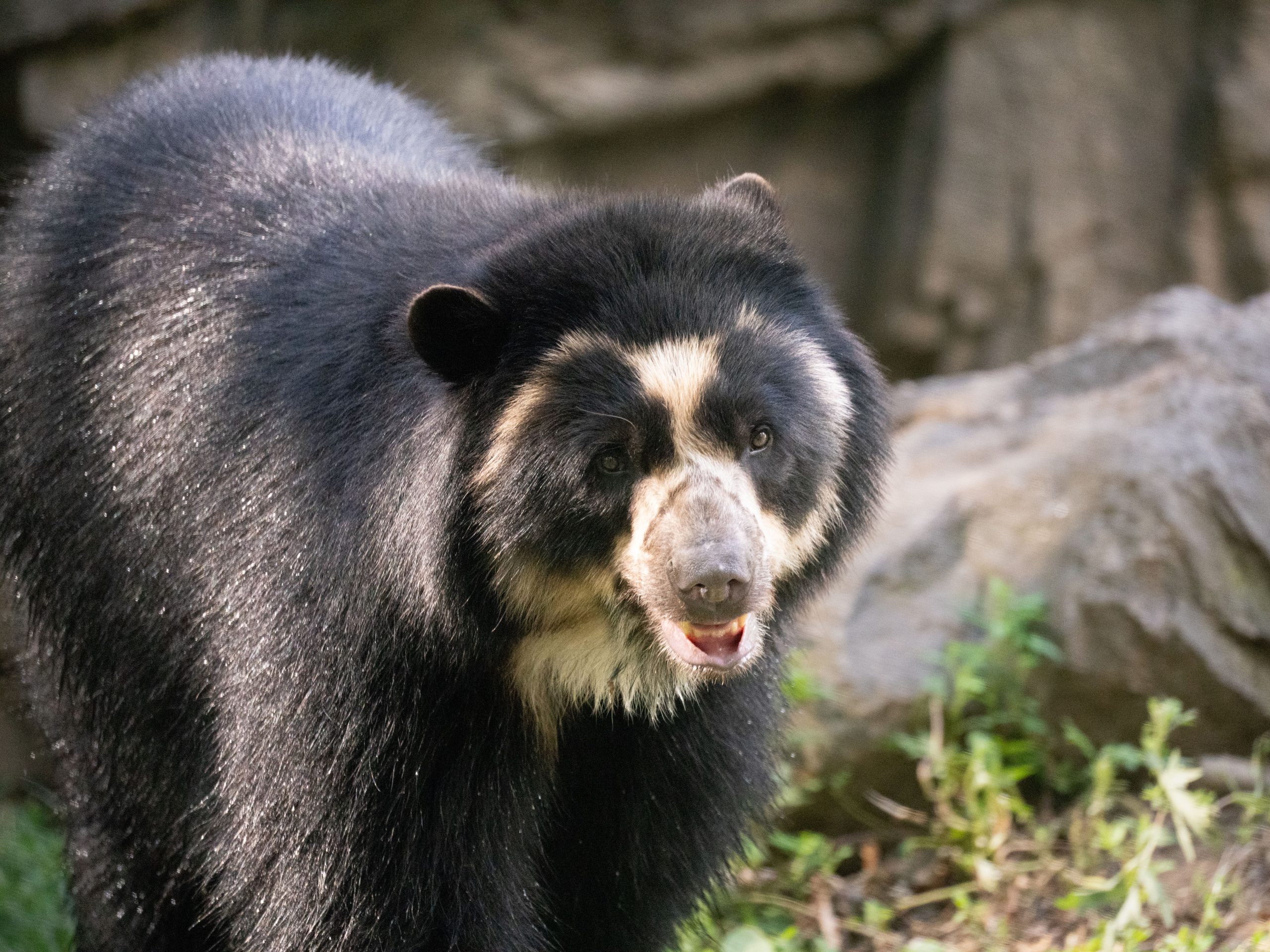
New Mexico is experiencing an unusually serious bear year, with wildlife officials reporting increased encounters as dry conditions reduce natural food supplies. Bears have been turning up around communities, campsites, and developed areas while searching for calories. The state has also recorded a striking management figure: 187 bears had been killed by late August 2026, the highest total since 2011. Officials have relocated 35 adult bears and 16 cubs, showing how frequently encounters are requiring intervention. The trend is closely connected to drought, heat, and shrinking natural food sources.
4. Utah
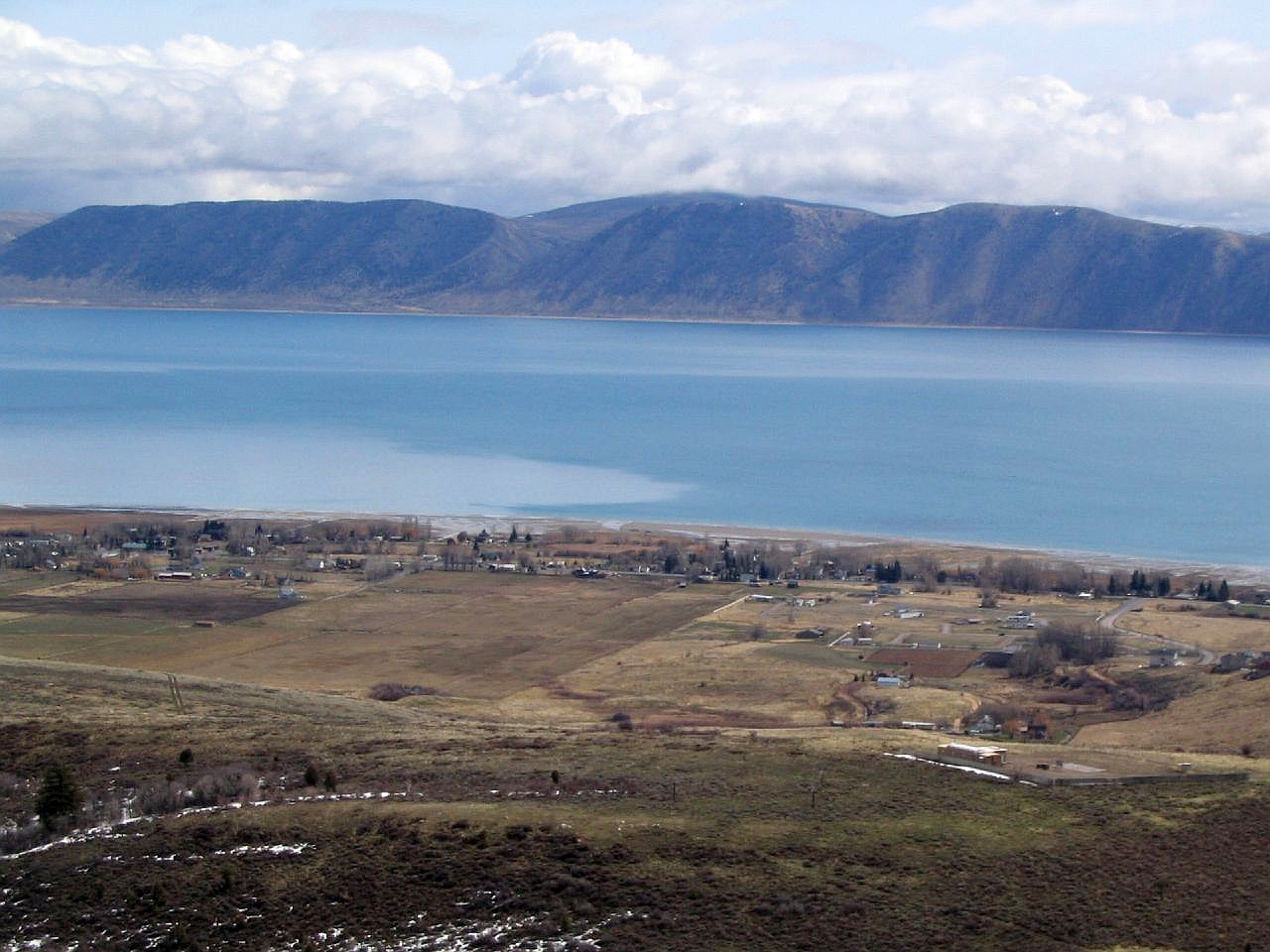
Utah has recorded a dramatic jump in bear-related incidents during 2026. By August 25, state biologists and partner law-enforcement agencies had responded to 168 bear issues, exactly double the 83 responses recorded during the same period in 2025. Utah has only one bear species, the American black bear, but this year’s extreme heat and drought have pushed animals into lower elevations and neighborhoods more often. Officials say 2026 has produced the highest number of bears in Utah cities they have ever observed, making ordinary residential sightings increasingly important.
5. Idaho
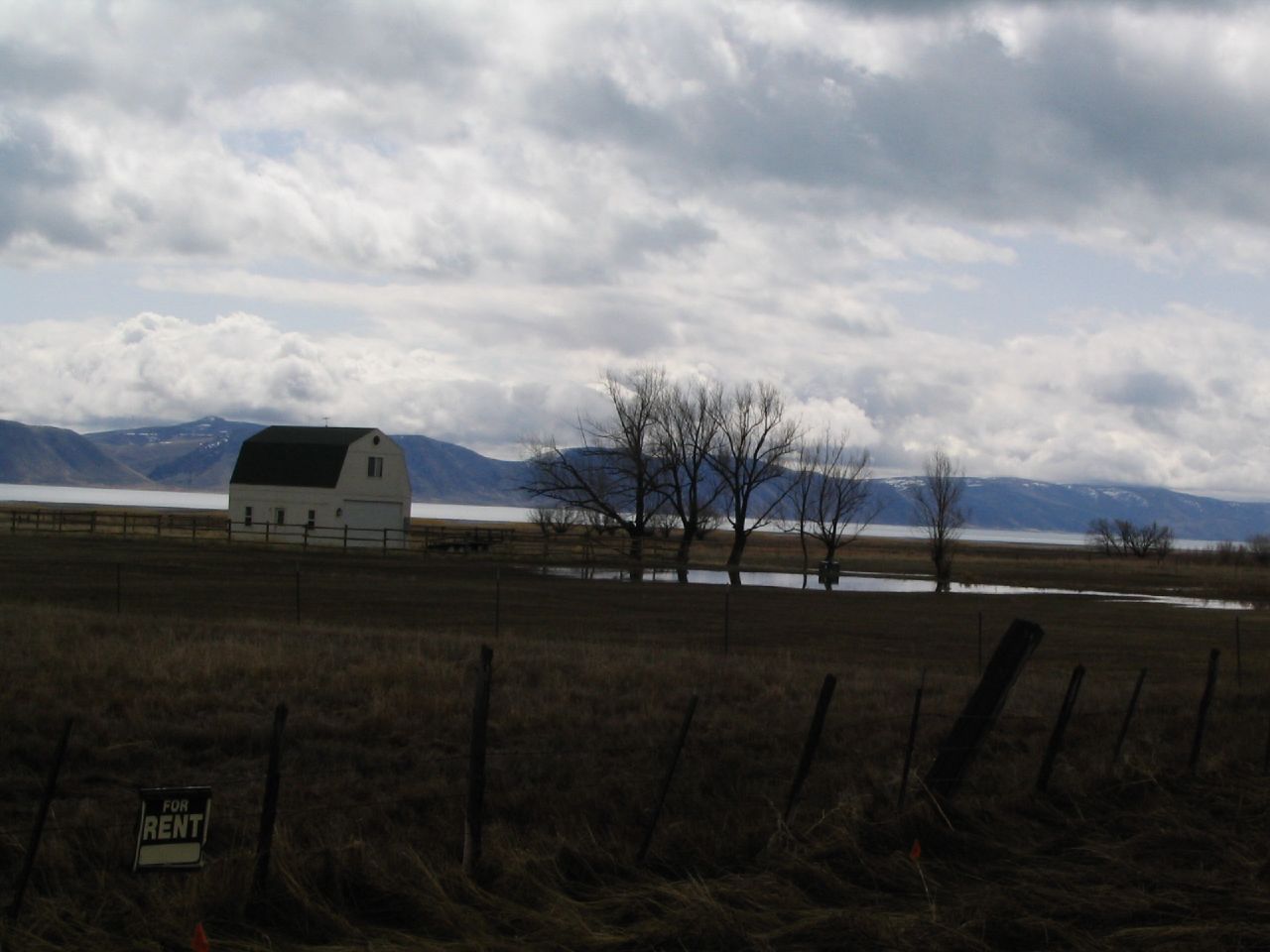
Idaho is seeing bears in places where residents do not normally expect them, particularly as dry conditions make natural foods harder to locate. Fish and Game officials have reported increased activity from the Treasure Valley through the Wood River Valley and into southeastern Idaho. One striking case involved a black bear entering an occupied Swan Valley home and eating a pumpkin pie before returning to the property the following night. Idaho also recorded a 2026 bear attack on a jogger at Henrys Lake State Park, showing that increased sightings can sometimes develop into direct human encounters.
6. Washington
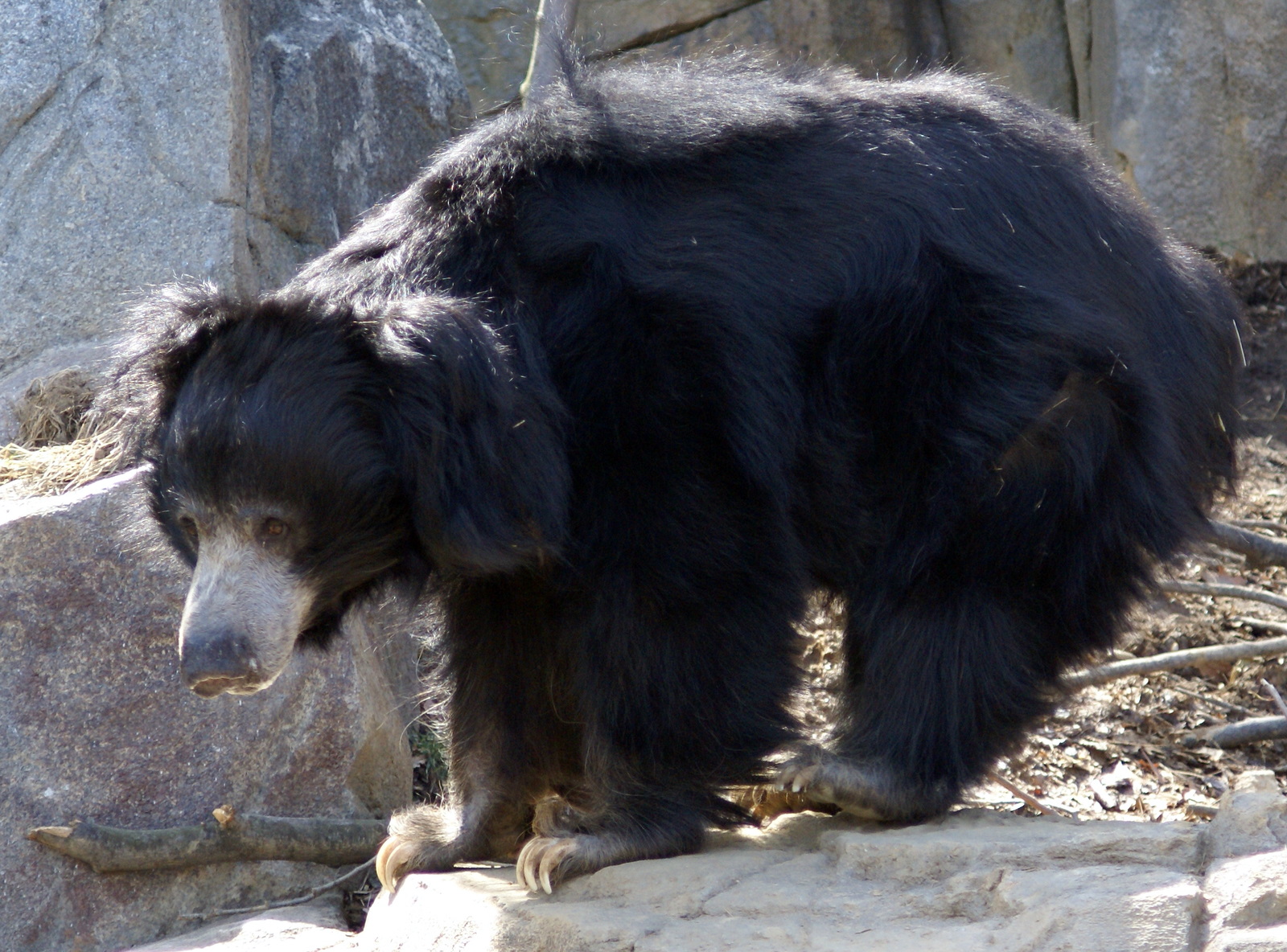
Washington has a large and widely distributed black bear population, while parts of the state also contain grizzlies. The state maintains a public incident system covering reported bear sightings, safety confrontations, and known conflicts, with black bear reports being proactively posted since September 1, 2025. In June 2026, a black bear charged a group of hikers on Mount Si, leaving a teenage boy with scratches. Another hiking group reported being followed closely by a second bear. The incident shows how quickly ordinary recreation can become a wildlife encounter.
7. Wyoming
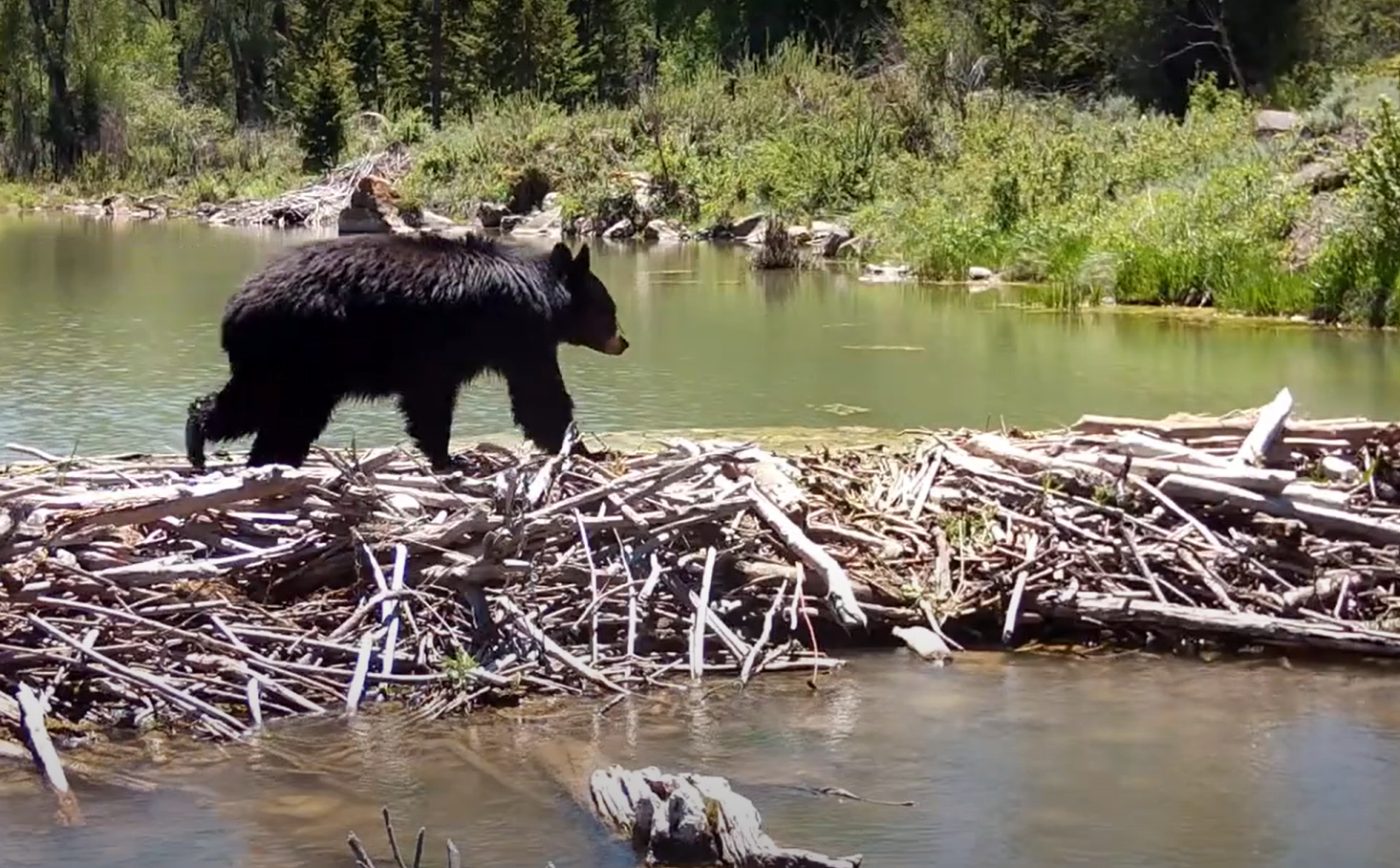
Wyoming continues to experience substantial bear activity because its mountains and forests support both black bears and grizzlies. State officials issued a statewide warning in June as warmer weather increased bear movement at lower elevations and along roads. Several serious incidents followed. In July, a black bear repeatedly raided residential garbage in Big Horn and was eventually removed after receiving food rewards. Another black bear was killed after attempting to enter occupied campers’ tents in the Bighorn National Forest. These cases show why attractants remain a major concern.
8. Alaska
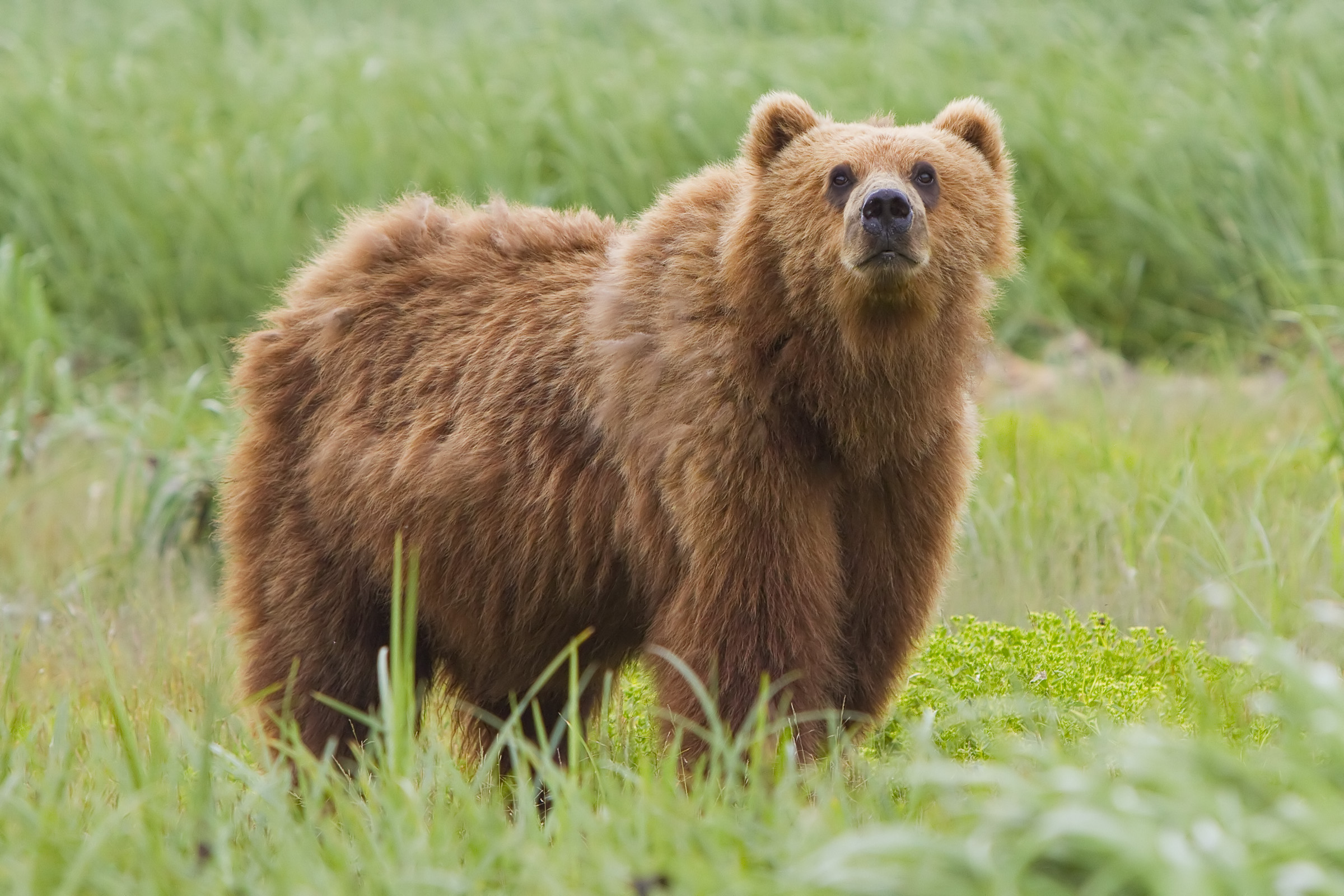
Alaska has an enormous bear population and some of the most frequent opportunities for people to encounter bears in North America. Both black and brown bears are widespread, and the state’s large wilderness areas bring hikers, hunters, anglers, and bears into the same landscapes. In July 2026, a woman hiking with another person and three dogs was attacked by a brown bear on a trail above Anchorage’s Bear Valley neighborhood. The group apparently surprised the bear on a narrow, heavily vegetated trail. Alaska’s scale means encounters vary widely, from routine sightings to serious defensive attacks.
9. California
California has one of the country’s largest black bear populations and continues to record extensive bear activity across mountain communities, forests, and developed areas. Current occurrence data list 5,753 American black bear records for the state, the highest total among the states in that dataset. California’s 2026 management figures also show active bear activity, with 115 bears reported harvested by September 7. Encounters can become especially noticeable around homes and campgrounds when bears discover garbage, food scraps, or other easy sources of calories.
10. New York
New York may seem far removed from the western bear surge, but black bear encounters remain common across large portions of the state. Available occurrence data record 2,785 American black bear observations from 2000 through 2026, with activity peaking from May through August. The Adirondacks, Catskills, and other forested areas provide extensive habitat, while growing development creates more opportunities for bears and people to cross paths. September is also important because New York’s 2026 bear hunting seasons are beginning, increasing attention on bear movements across several wildlife management zones.