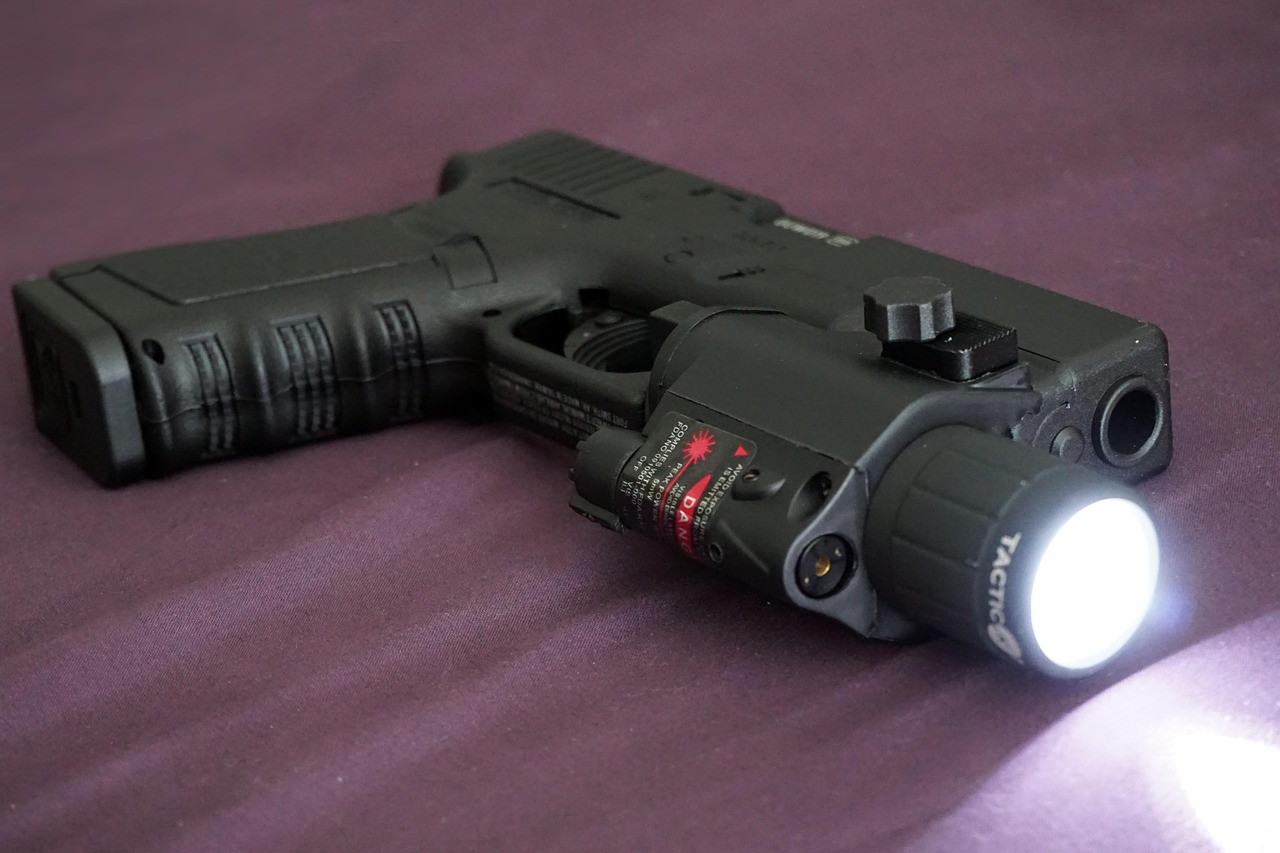
The fight over so-called convertible handguns just got a lot more serious. Four states have now passed laws aimed at Glock-pattern pistols, and the legal backlash is building.
What States Are Actually Banning
California, Connecticut, Maryland, and New York have each enacted laws targeting what lawmakers describe as “convertible” or “machinegun-convertible” pistols. In plain English, these are semiautomatic handguns that state lawmakers say can be too easily altered to fire automatically with an illegal conversion device often called a Glock switch.
The key point is that these laws do not just ban the switch itself. Those devices were already heavily restricted, and converting a handgun into a machine gun is already a federal crime. What is new is that these states are now regulating certain factory-standard pistols based on how lawmakers define their internal design.
In all four states, the heart of the definition centers on a cruciform trigger bar and the idea that a pistol can be readily altered with common household tools. That is why the debate has become so heated. Gun-rights groups argue the laws sweep in ordinary, unmodified Glock and Glock-style handguns that are widely owned for self-defense, range use, and law enforcement service.
The Effective Dates Matter More Than The Headlines

The dates are staggered, which matters because these laws do not all hit at once. California’s law takes effect for sales restrictions on July 1, 2026, according to the state bill text and a California Department of Justice bulletin. Connecticut’s law takes effect October 1, 2026. Maryland’s prohibitions begin January 1, 2027. New York’s sales and transfer restrictions kick in on May 31, 2027.
That timing creates a rolling legal and political battle. California is already in active litigation because its law arrives first. Connecticut and Maryland still have implementation work ahead, including state interpretation, enforcement guidance, and in Maryland’s case, regulations and a published list from state police.
New York’s law is especially notable because it builds in a future enforcement date while also requiring the state police superintendent to produce an annual list of pistols deemed convertible. That means the practical impact may depend not just on the statute, but also on how regulators classify specific handgun models.
What Is Being Banned And What Is Not
This is where a lot of public confusion sets in. These laws generally do not amount to a blanket confiscation order for every handgun a resident already owns. Existing owners are generally allowed to keep firearms they lawfully possessed before the deadline, with the usual law enforcement and military carveouts written into the statutes.
What is mostly being restricted is the manufacture, sale, transfer, importation, receipt, or commercial distribution of newly covered pistols after each state’s deadline. In New York, for example, the law allows certain transactions involving firearms owned before May 31, 2027. California’s law focuses on licensed dealer sales and transfers of covered semiautomatic pistols.
The laws also do not legalize Glock switches in any way. Those remain illegal machine gun conversion devices under federal law. So the real dispute is narrower and more controversial: whether a state can treat an otherwise ordinary semiautomatic pistol as specially restricted because its design could, in theory, be exploited by a criminal using an already-illegal part.
Why Glock-Style Pistols Are At The Center Of The Dispute
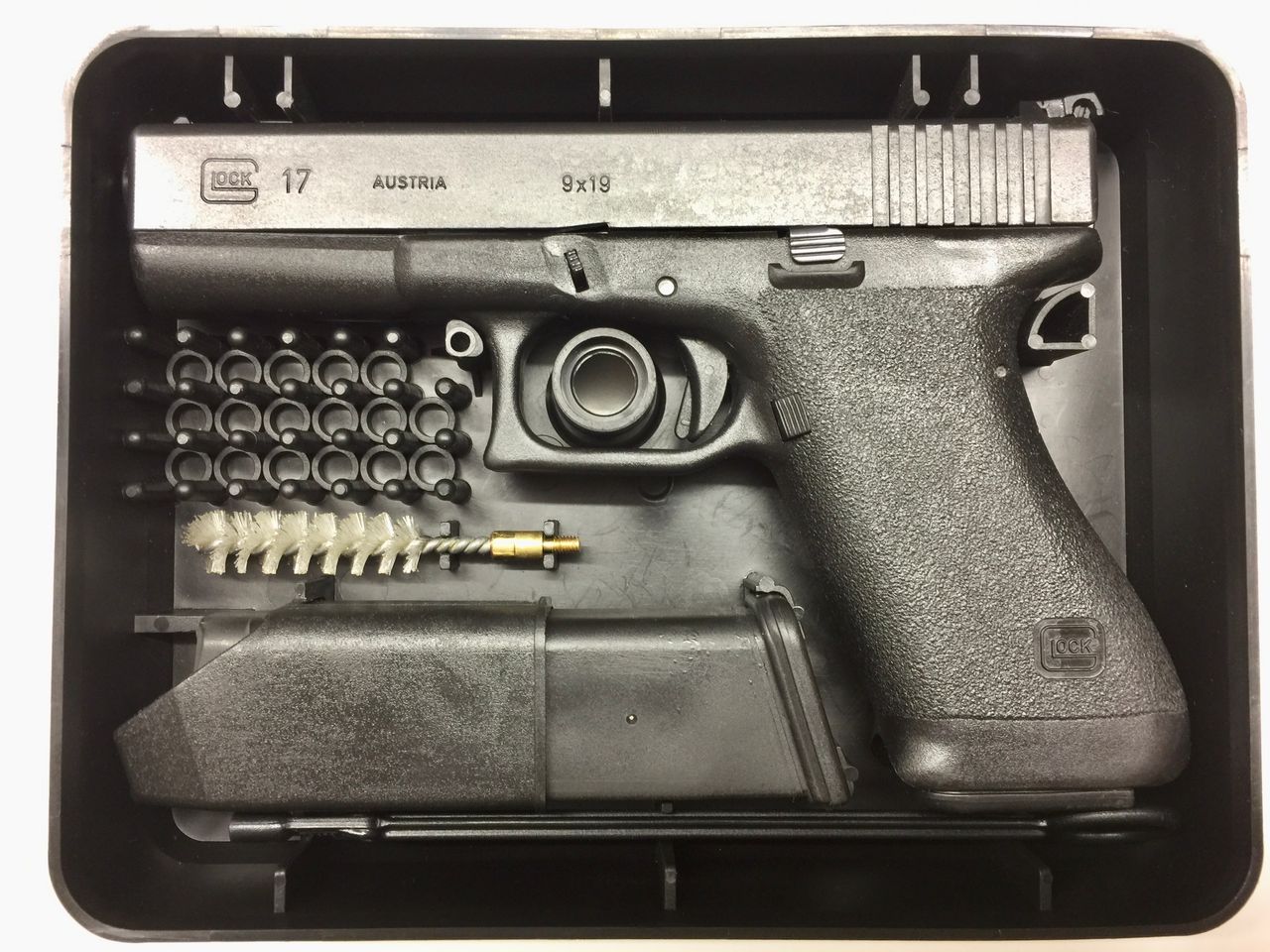
The phrase “Glock ban” is politically loaded, but it is not coming out of nowhere. The statutory definitions in these states focus on striker-fired pistols with a cruciform trigger bar, and that has made Glock-pattern pistols the obvious focal point.
According to the Second Amendment Foundation and allied plaintiffs, that wording reaches not just modified firearms but many factory-stock Glock and Glock-style handguns. Their argument is that the states are redefining common pistols as prohibited products without showing that the pistols themselves are unusual, dangerous in their standard form, or outside normal lawful use.
Supporters of the laws answer that the goal is not to attack ordinary gun ownership. They say the objective is to stop firearms that can be too easily adapted with illegal conversion hardware that has shown up more often in criminal investigations. In New York budget materials and state legislative messaging, lawmakers framed the policy as a way to curb pistols that can be readily converted from semiautomatic to fully automatic fire.
The Court Challenges Are Already Taking Shape

New York is already facing a high-profile lawsuit. The Second Amendment Foundation has sued alongside the National Rifle Association, Firearms Policy Coalition, a dealer, and individual plaintiffs, arguing the law violates the Second and Fourteenth Amendments. Their position is straightforward: the state is banning some of the most common handguns in America by redefining them as convertible based on design features.
California has also been challenged, and a federal judge has so far declined to block the law before it takes effect. That early ruling does not settle the constitutional fight, but it does mean the law is moving forward while the case continues.
Expect the core legal questions to sound familiar to anyone who has followed post-Bruen gun litigation. Are these handguns in common lawful use? Are the statutes too vague or too broad? And can a state ban sales of a standard semiautomatic pistol because it might be altered with an illegal device that is already banned under federal law?
The Public Safety Argument Driving These Laws
Supporters are leaning heavily on crime data and law enforcement testimony. In Maryland, committee testimony cited concerns about illegally converted pistols and included references to Prince George’s County recovery data involving Glock switches. Backers argue these tiny devices can transform a concealable handgun into something capable of spraying rounds at a terrifying rate.
That argument has political force because the switch itself is small, cheap, and easy to hide. Lawmakers say waiting until after a conversion occurs is not enough, especially if the pistol platform is especially vulnerable to unlawful alteration.
Critics respond that this logic punishes lawful owners and dealers for the acts of criminals. They argue states are targeting a category of handgun that millions of Americans use legally, while the actual criminal conduct of converting a pistol into a machine gun was already illegal. That split is exactly why these laws are now heading into major constitutional tests.
What Happens Next In Other States

This issue is not likely to stop at four states. Illinois considered similar legislation in 2026, but the effort stalled when the legislative session ended in May. Even so, the fact that the bill moved at all shows how quickly this policy idea is spreading among gun-control advocates.
What happens in court over the next year or two will matter far beyond California, Connecticut, Maryland, and New York. If judges uphold these laws, more blue states may copy the model. If courts strike them down, lawmakers may have to narrow their definitions or focus more directly on trafficking and possession of conversion devices.
For gun owners, dealers, and anyone trying to follow firearms law without getting lost in slogans, the takeaway is simple: these are not generic “handgun bans.” They are targeted restrictions on certain Glock-style pistol designs, and the real battle now is over whether those definitions are lawful, workable, and constitutional.