Camping gear endures constant stress from weather, terrain, and repeated handling, and even reliable equipment eventually shows its limits. Frayed seams, weakened materials, and outdated designs can turn small inconveniences into safety concerns. Campers often overlook gradual wear because items still appear usable at first glance. However, hidden damage compounds with each trip. Recognizing when gear has reached the end of its lifespan helps prevent failures in the field. This guide examines twelve common camping gear items that typically struggle after years of use. Each reflects signs of fatigue that suggest replacement before another season begins.
Aging Tents With Worn Seams
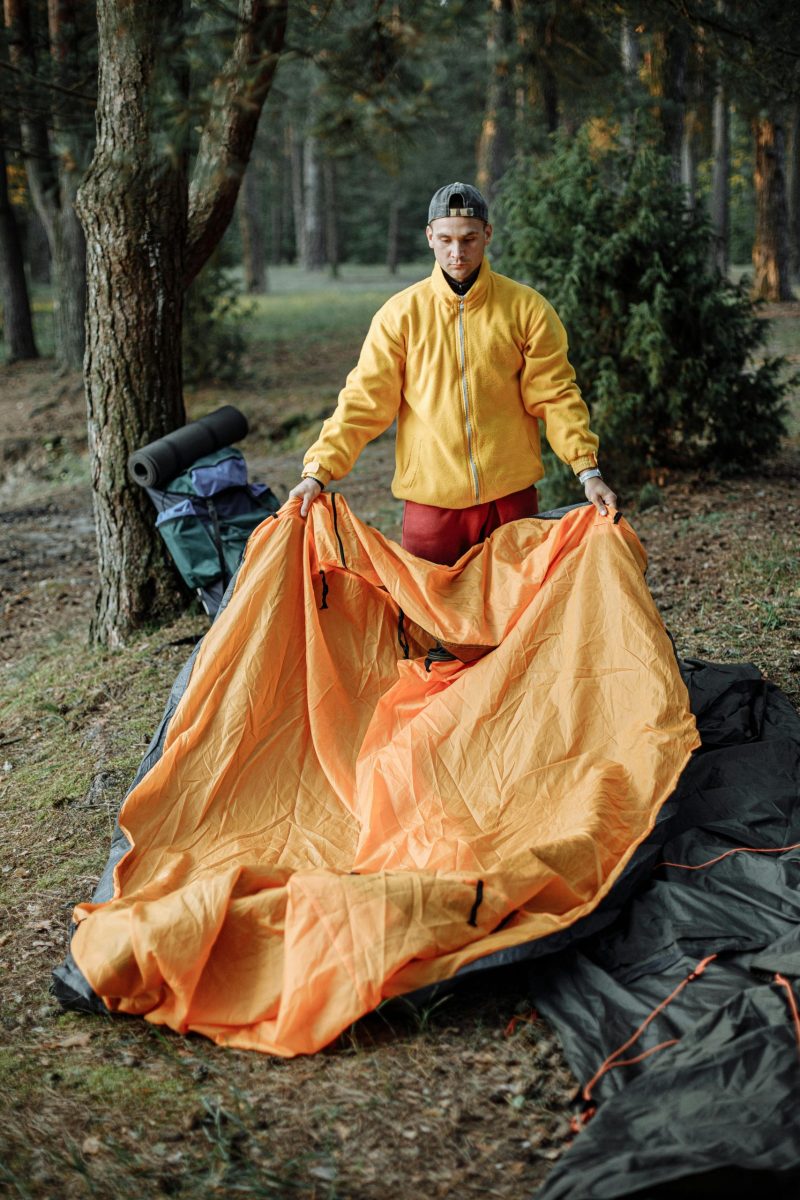
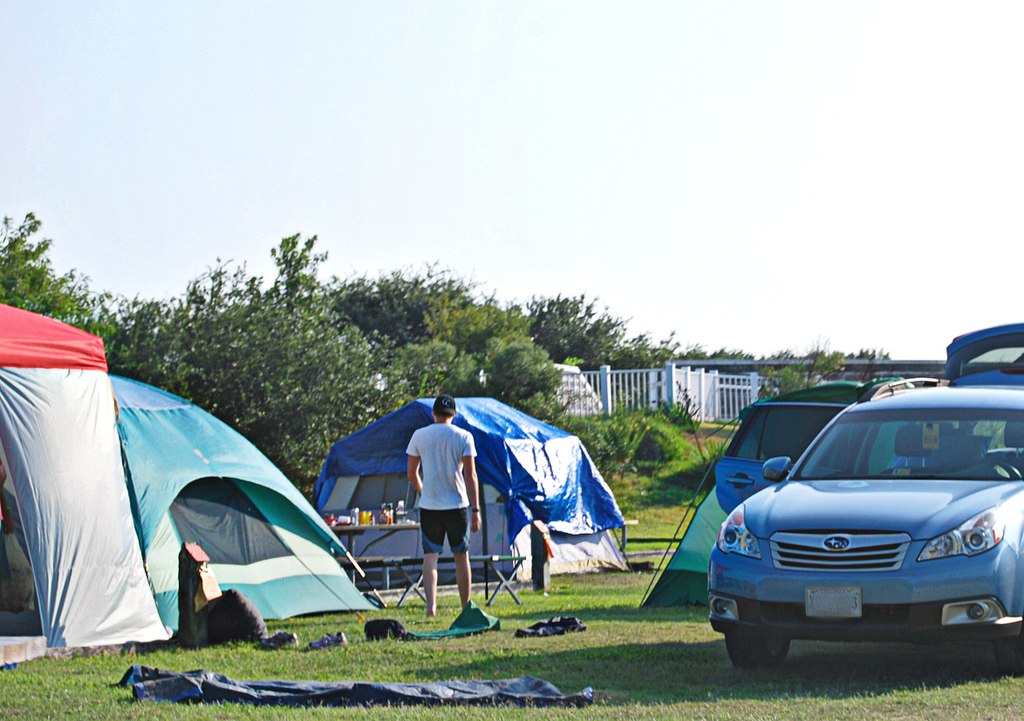
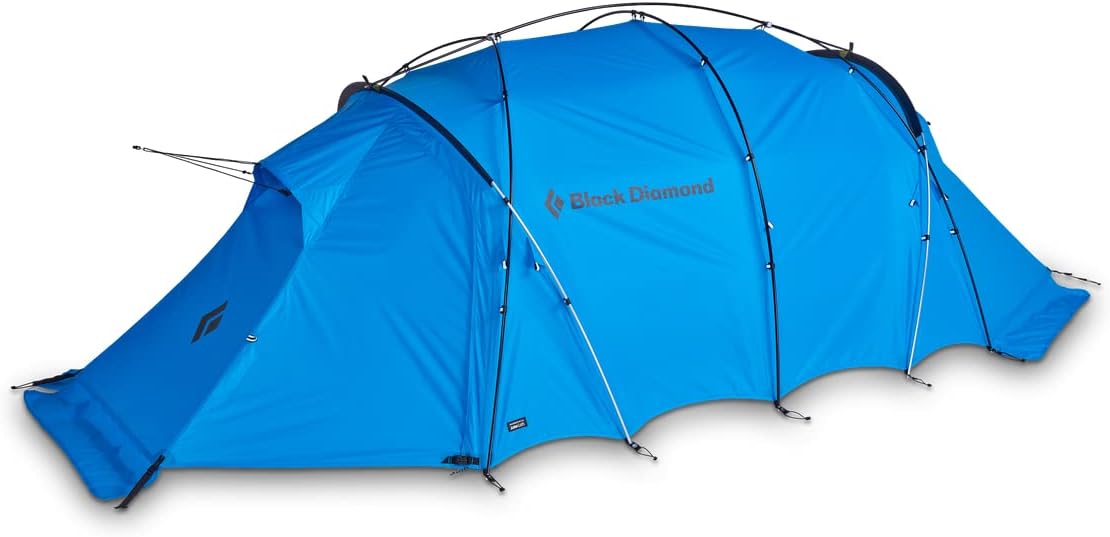
Older tents often fail first at the seams, where stitching weakens from repeated tension and moisture exposure. Seam tape peels away over time, allowing leaks during rain. Fabric coatings degrade, reducing waterproof performance. Zippers may snag or separate under stress. Poles can lose elasticity or crack. Even careful storage cannot fully prevent material fatigue. When condensation increases or water seeps through stitching, reliability declines. These signs indicate a tent nearing retirement. Continuing to rely on a compromised shelter risks discomfort and exposure. Replacing an aging tent restores weather protection, structural integrity, and confidence during overnight stays in unpredictable seasonal conditions.
Sleeping Bags Losing Insulation
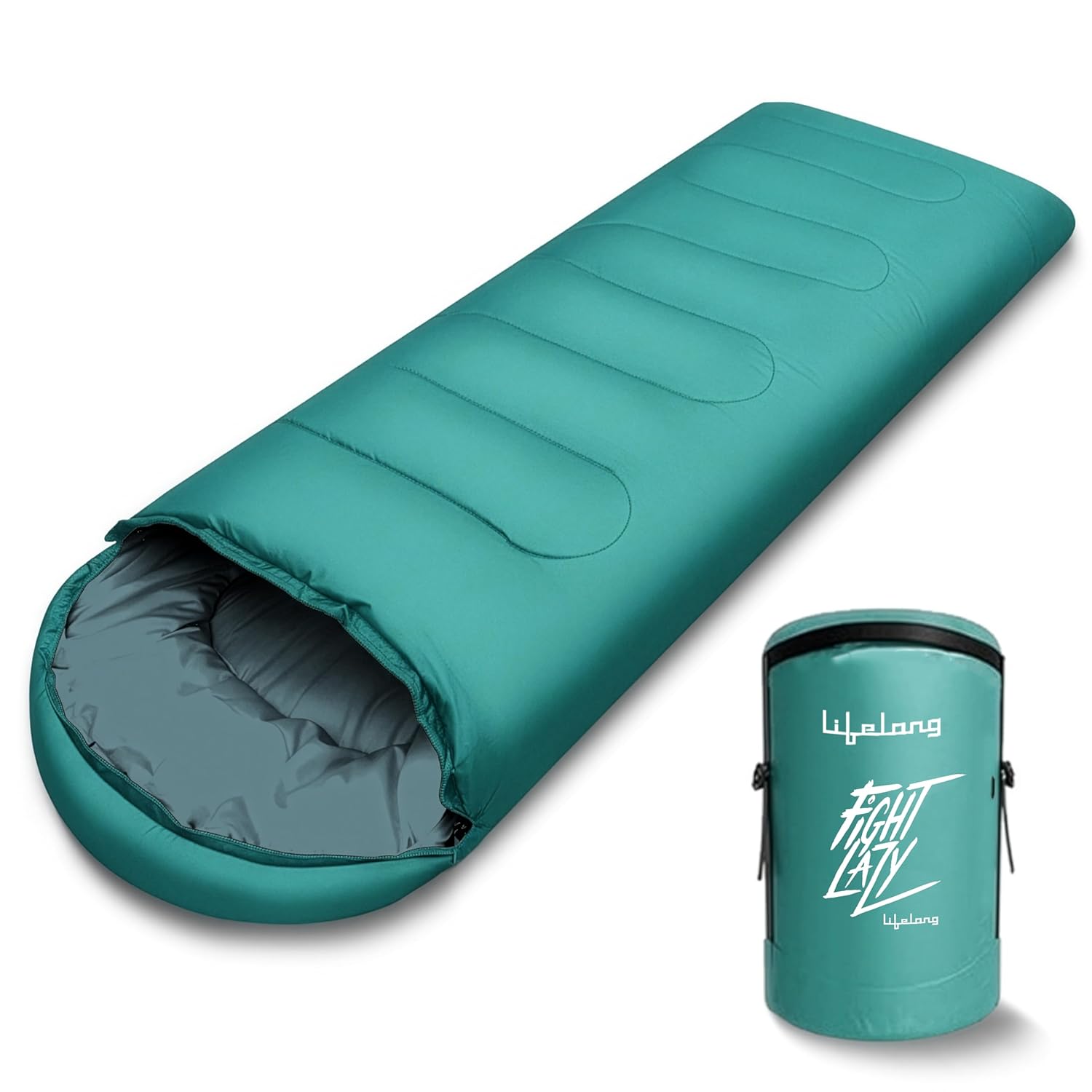
Sleeping bags lose insulating power as the fill compresses over the years of use. Synthetic fibers break down, while down clusters lose loft. Moisture exposure accelerates deterioration. Cold spots develop, reducing warmth consistency. Zippers may fail or snag fabric. Outer shells thin from friction. Even with proper washing, insulation eventually degrades. Campers notice needing extra layers to stay warm. That signals reduced effectiveness. An aging sleeping bag compromises rest and safety in cold conditions. Replacing it ensures proper thermal regulation. Reliable insulation remains essential for recovery and comfort during overnight trips in unpredictable outdoor environments and changing seasonal temperature ranges.
Worn Backpack Straps And Frames
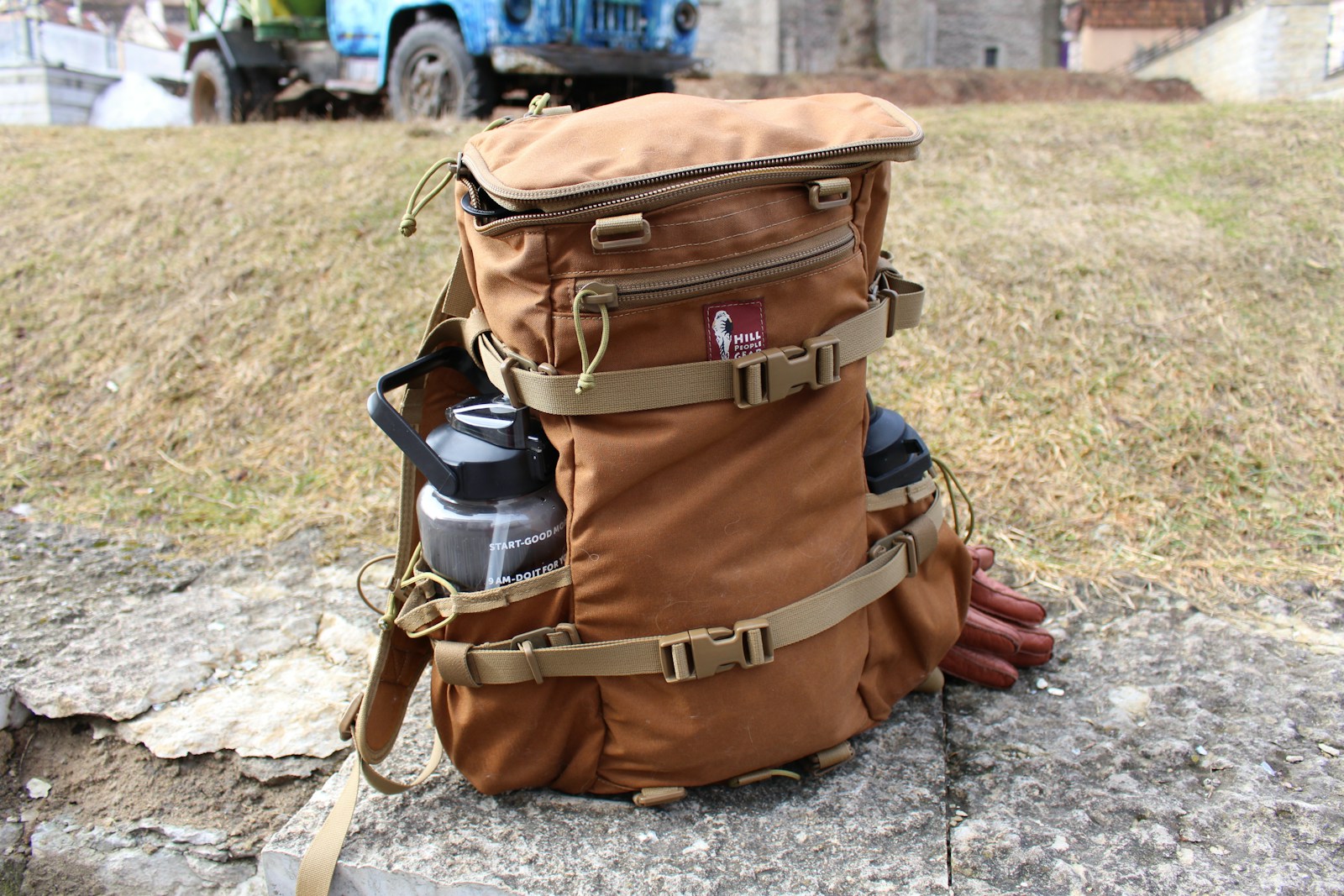
Backpacks endure constant load stress, causing straps and frames to weaken gradually. Padding compresses, reducing comfort and load distribution. Stitching at attachment points loosens. Frames may bend or crack, affecting balance. Buckles become brittle and snap. Zippers strain under weight. These failures often appear mid-trip. A compromised pack increases fatigue and injury risk. When adjustments no longer hold or pressure points form, functionality declines. Continuing use invites discomfort. Replacing a worn backpack restores stability and comfort. A reliable pack supports posture, reduces strain, and ensures gear remains secure during extended travel across uneven terrain.
Cracked Water Bottles And Bladders
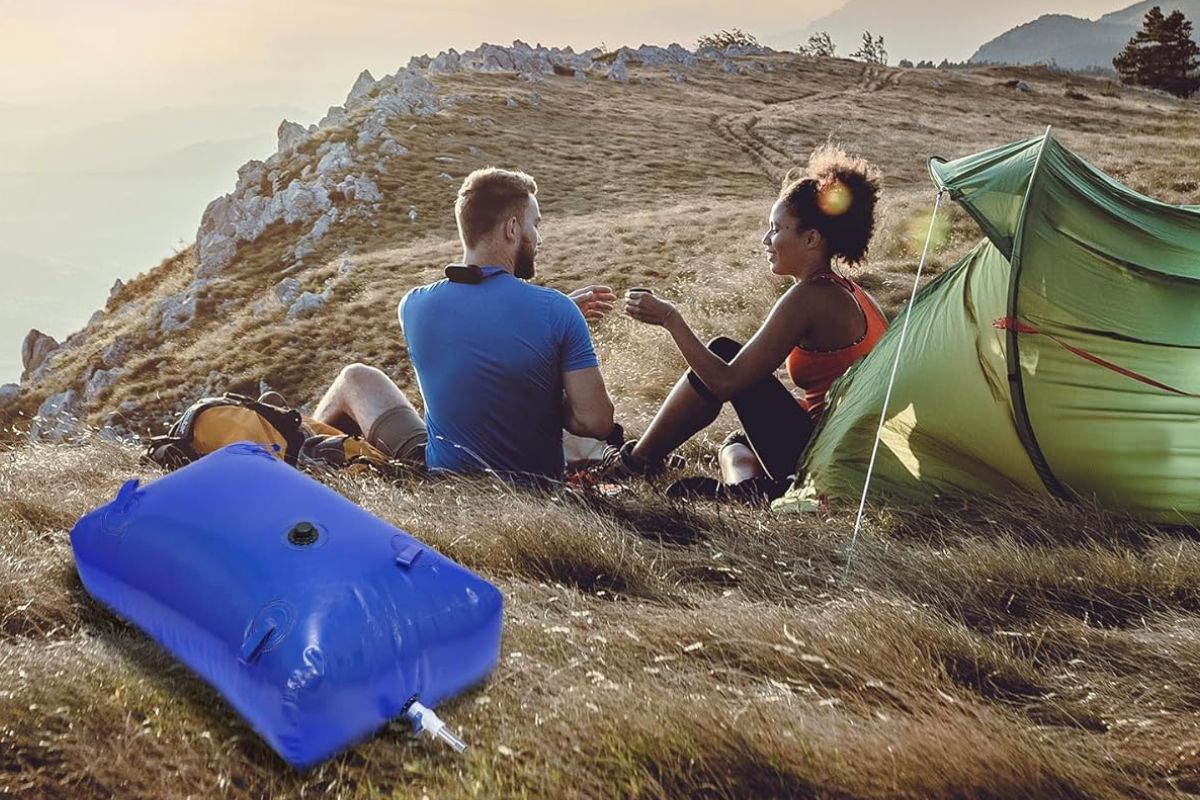
Reusable water bottles and hydration bladders degrade from temperature extremes and repeated flexing. Plastic becomes brittle, developing cracks. Seals loosen, causing leaks. Bite valves wear out. Algae growth stains interiors permanently. Even stainless bottles dent and lose insulation. Leaks compromise hydration plans. A failing container risks contamination and water loss. When cleaning no longer removes odors or cracks appear, replacement becomes necessary. Reliable hydration remains critical for safety. Retiring compromised containers prevents unexpected failures. Fresh bottles and bladders ensure clean water access and dependable performance during demanding outdoor conditions and long-distance trips.
Rusted Or Bent Tent Stakes
Tent stakes absorb repeated impacts against hard ground. Aluminum stakes bend, steel ones rust. Deformed stakes lose holding power. Corrosion weakens the structure. Sharp edges develop, damaging the gear. Bent stakes fail to anchor tents securely in the wind. Campers often overlook gradual deformation. When the stakes no longer drive straight or resist pulling out, reliability declines. Replacing them improves shelter stability. Strong stakes protect tents from collapse. Investing in new stakes enhances safety and efficiency. Proper anchoring remains fundamental to campsite security across varied terrain and weather conditions throughout the camping season.
Fraying Guy Lines And Cords
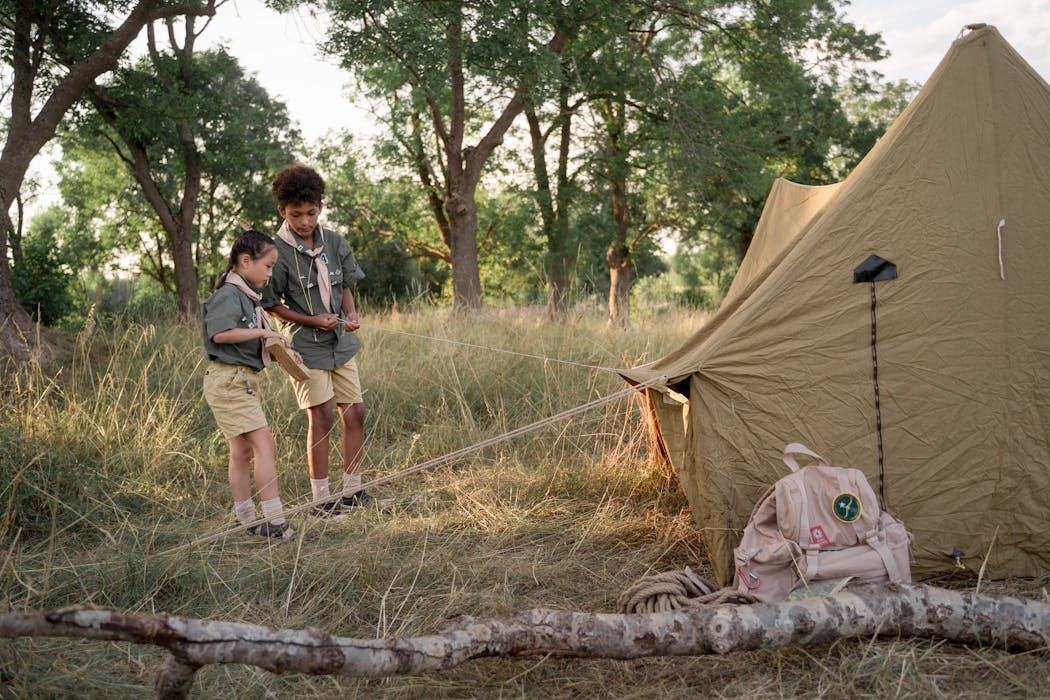
Guy lines experience constant tension and abrasion. UV exposure weakens fibers. Knots wear contact points. Fraying reduces strength significantly. Elastic cords lose stretch. Slippery surfaces develop, causing knots to slip. Damaged lines compromise tent stability. In high wind, failures occur suddenly. Campers should inspect cords regularly. When fibers separate or elasticity fades, replacement is wise. Reliable guy lines maintain structural integrity. Fresh cords provide confidence during storms. Lightweight replacements pack easily and improve performance. Neglecting worn lines risks shelter collapse and gear damage during critical moments outdoors and sudden severe weather events.
Old Headlamps With Weak Batteries

Headlamps lose reliability as internal wiring and switches wear. Battery contacts corrode. Housings crack from drops. Light output dims permanently. Rechargeable cells hold less charge. Flickering beams signal failure. Reliable lighting ensures safety after dark. An aging headlamp risks sudden loss during navigation or emergencies. When batteries drain quickly or controls fail, replacement improves preparedness. Modern headlamps offer better efficiency and durability. Retiring old units prevents frustration. Consistent illumination supports campsite tasks, night travel, and safety in low-visibility conditions across varied outdoor environments and unpredictable nighttime situations.
Delaminated Sleeping Pads
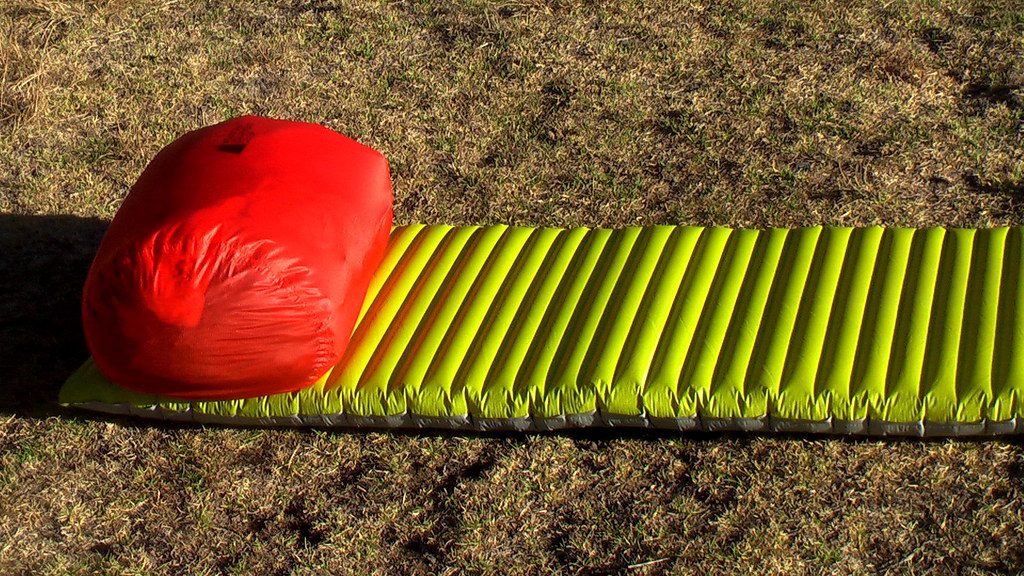
Sleeping pads suffer from repeated compression and moisture exposure. Internal layers delaminate, causing uneven support. Air pads develop slow leaks. Valves weaken and stick. Insulation shifts, creating cold zones. Loss of cushioning affects sleep quality. Campers notice bottoming out overnight. That signals declining performance. Continuing use leads to discomfort and heat loss. Replacing a compromised pad restores insulation and support. Quality rest impacts energy and safety. A reliable sleeping pad protects from cold ground and improves recovery during multi-day outdoor trips in cold or damp environments, especially during extended winter camping or shoulder season trips.
Stoves With Inconsistent Burners
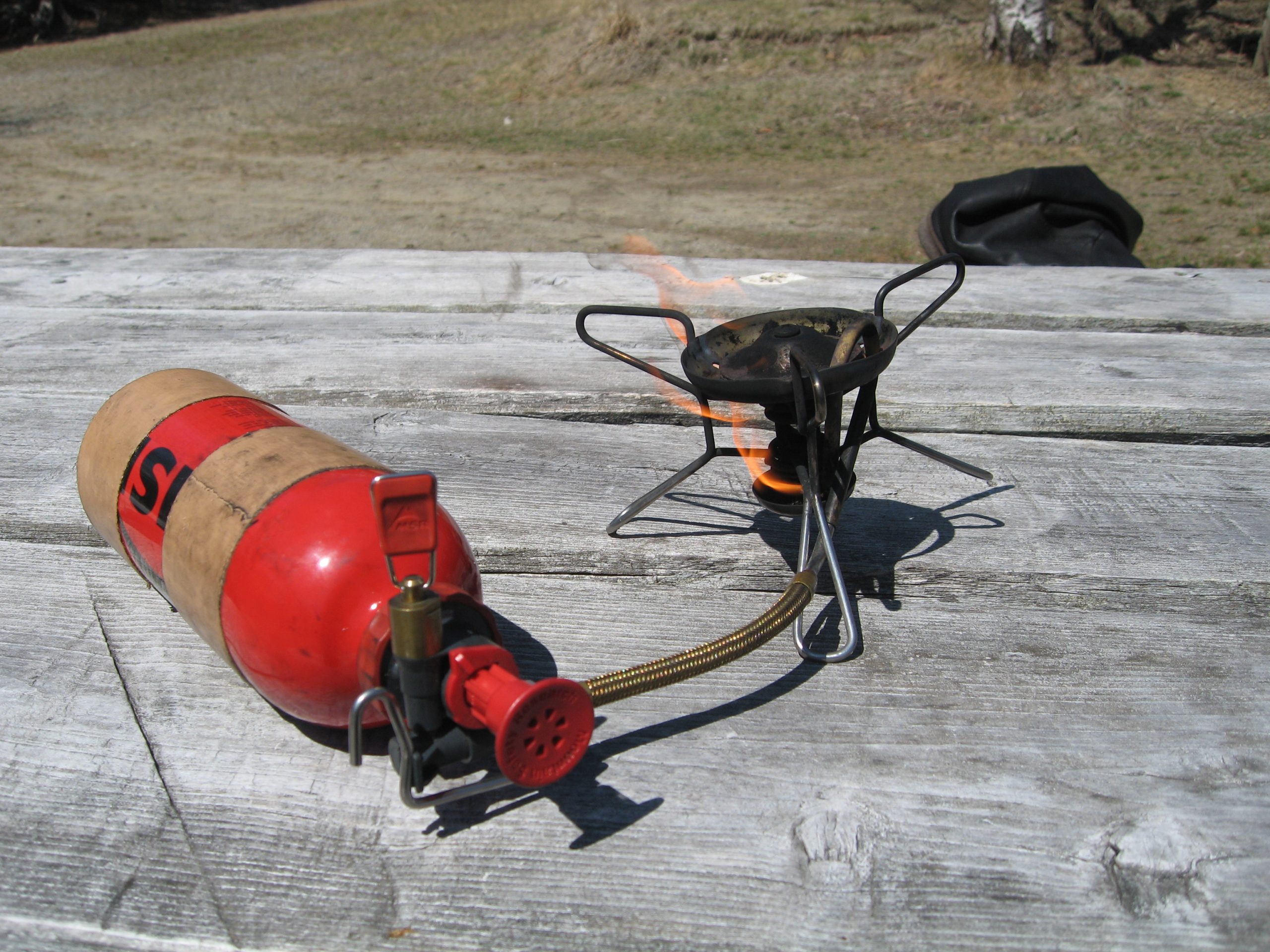
Camp stoves degrade as burners clog and regulators wear. Flame control becomes erratic. Igniters fail. Fuel connections leak. Soot buildup reduces efficiency. Inconsistent heat complicates cooking. Cold conditions worsen performance. When stoves sputter or fail to light reliably, safety concerns arise. Replacement ensures predictable operation. Modern stoves offer improved efficiency and wind resistance. A dependable stove supports nutrition and morale. Retiring unreliable units prevents accidents. Consistent cooking capability remains essential for comfort and safety during camping trips in remote locations with limited alternatives and emergency food preparation needs.
Weathered Rain Jackets
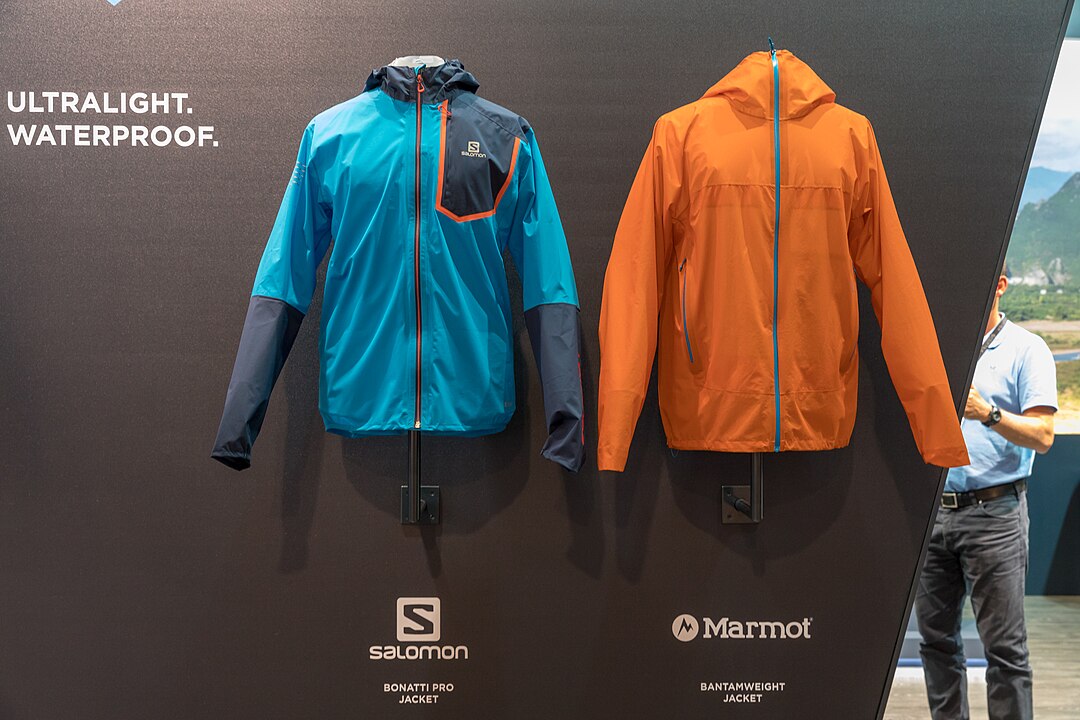
Rain jackets lose effectiveness as waterproof coatings break down. Fabric wets out quickly. Seams leak despite sealing. Breathability decreases. Zippers corrode. Hoods lose shape. Persistent dampness chills the body. When reproofing fails to restore performance, replacement becomes necessary. Reliable rain protection prevents hypothermia. Weathered jackets compromise safety in prolonged storms. New designs offer improved membranes and durability. Retiring an aging shell ensures comfort. Effective rainwear remains a cornerstone of outdoor preparedness across unpredictable weather conditions and long exposure periods in changing climates and increasingly volatile seasonal patterns.
Damaged Camp Chairs
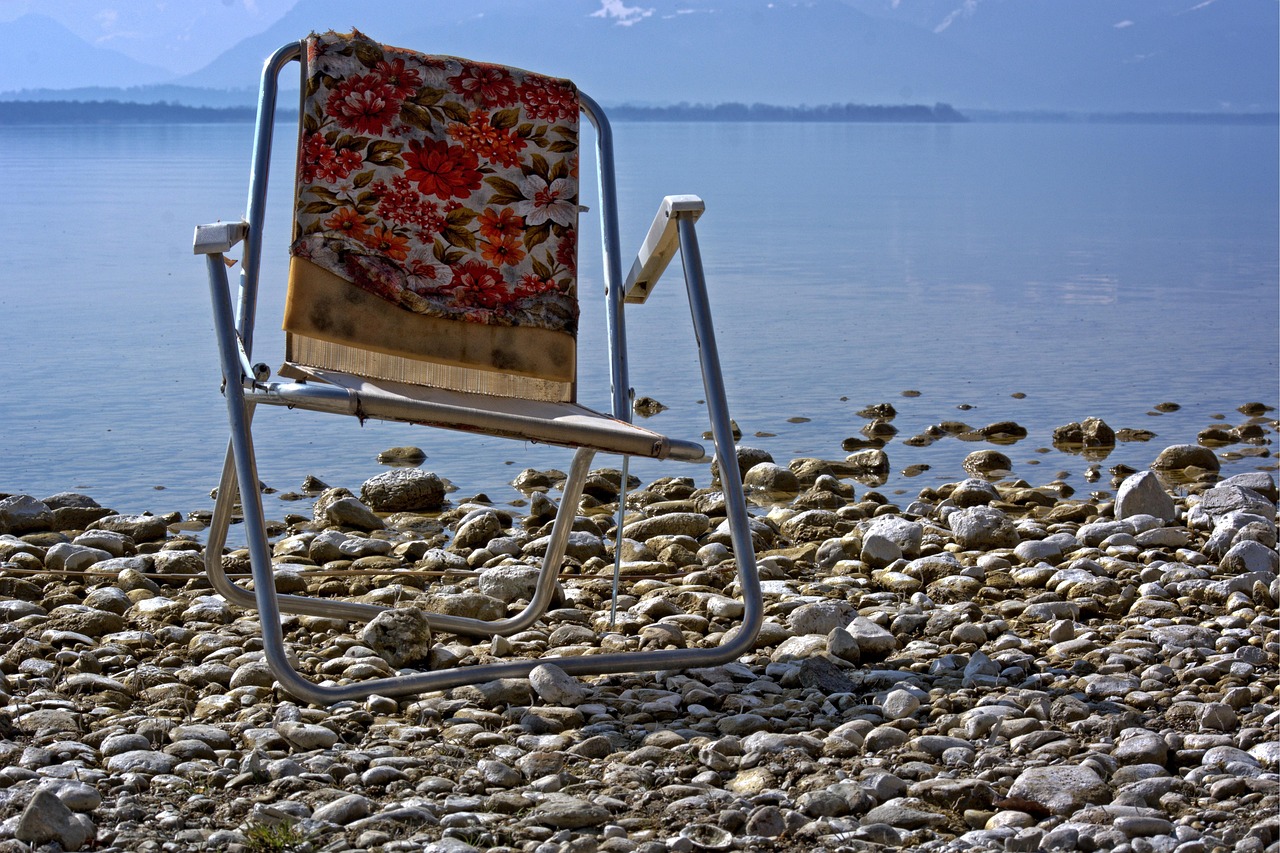
Camp chairs endure repeated folding stress. Frames bend or crack. Fabric stretches and tears. Joints loosen. Weight limits reduce over time. Sudden collapse risks injury. When chairs creak or feel unstable, lifespan nears its end. Replacement improves comfort and safety. Lightweight designs offer improved strength. Reliable seating supports rest. Ignoring wear invites failure. Fresh chairs provide dependable relaxation after long days outdoors. Comfort contributes to overall trip satisfaction and recovery, especially during extended base camp stays with limited alternative seating options available.
Outdated First Aid Kits
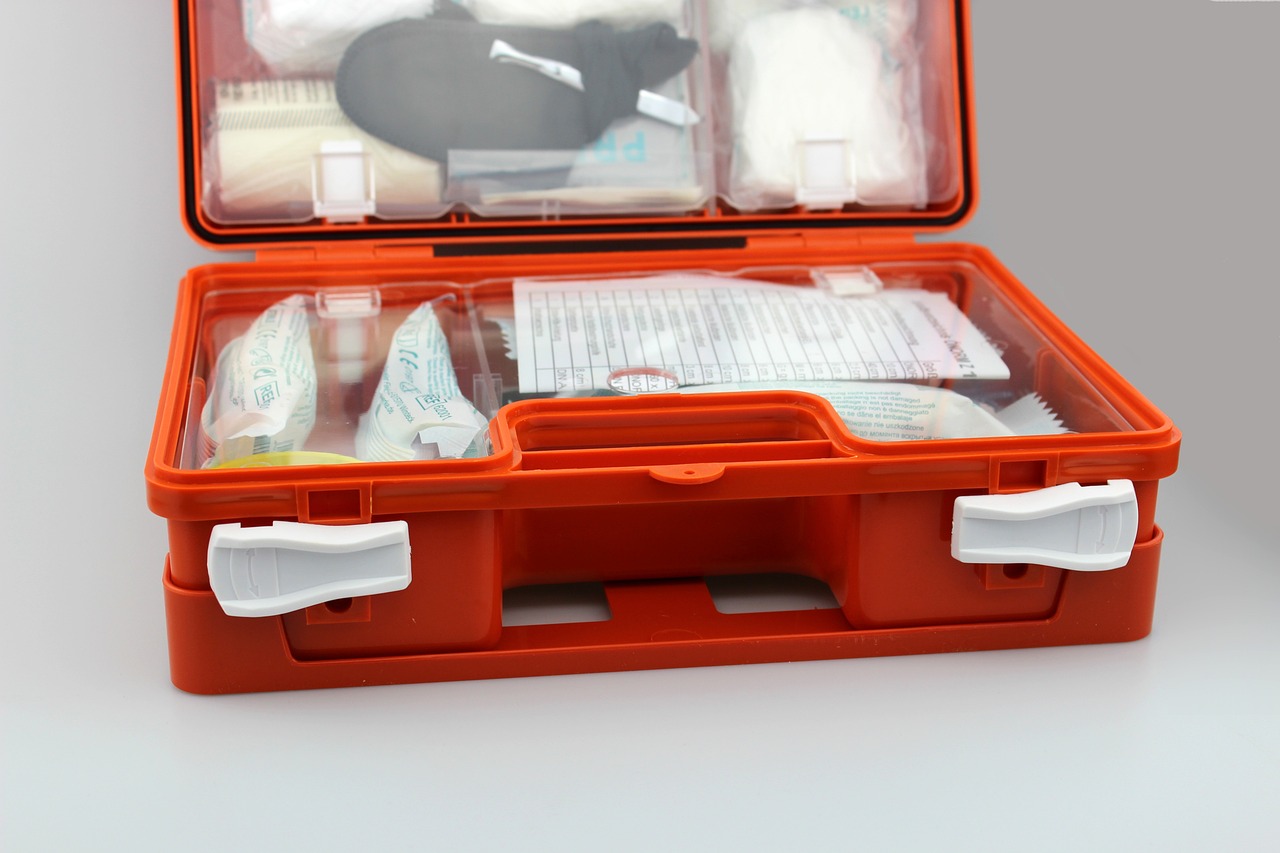
First aid kits expire silently. Medications lose potency. Adhesives dry out. Packaging degrades. Supplies run low. Missing items reduce effectiveness. An outdated kit provides false security. Campers should review the contents annually. When expiration dates pass or supplies deteriorate, replacement ensures readiness. Updated kits include improved materials. Reliable medical supplies matter during emergencies. Fresh kits support proper response. Retiring outdated first aid gear protects health and safety across remote outdoor settings where professional medical help may be delayed significantly during emergencies or severe weather events.