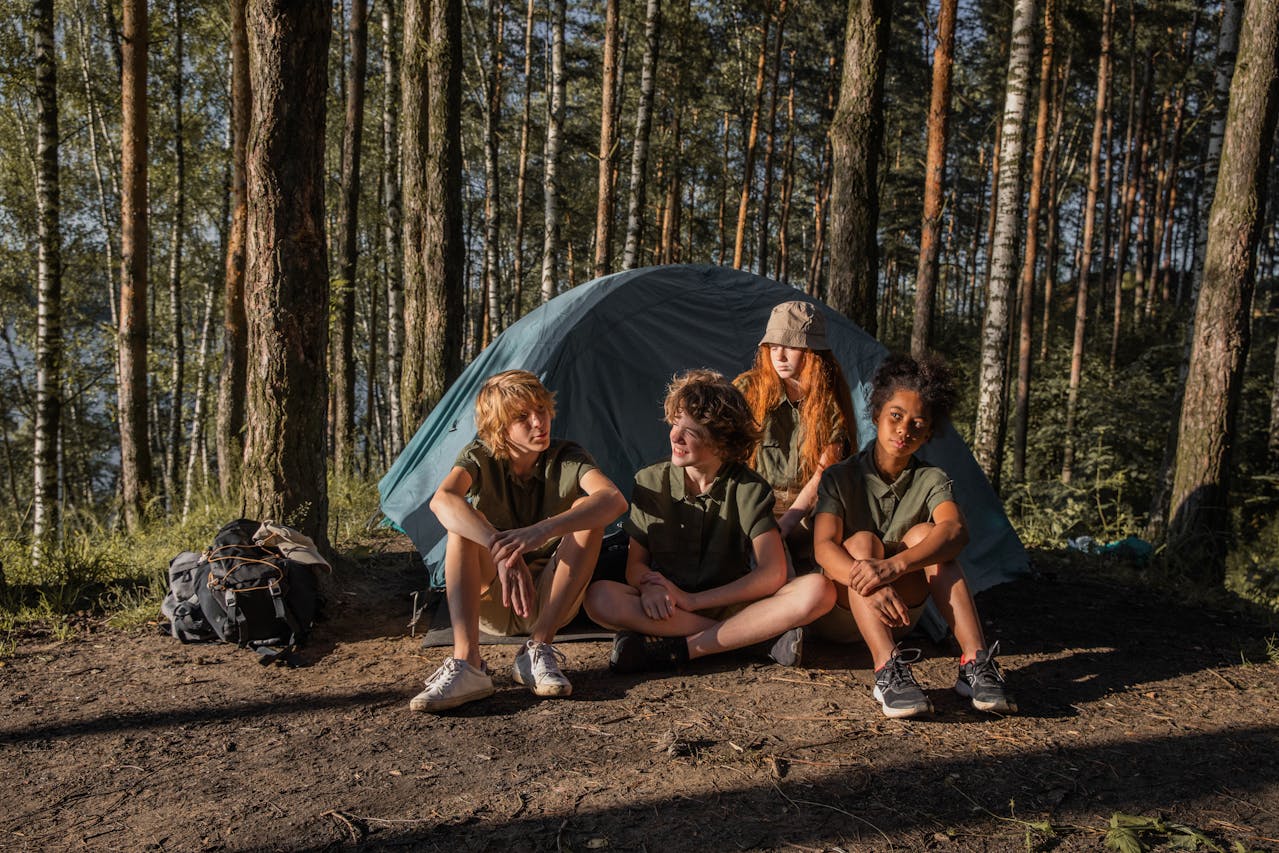
Tent camping remains one of the most popular forms of outdoor recreation, with over 41 million Americans participating in 2022, according to the Outdoor Industry Association. While it’s affordable and accessible, the difference between a miserable trip and an enjoyable one often comes down to preparation and smart packing. Based on research from outdoor gear studies, camping safety reports, and park service recommendations, here’s a practical guide to help you camp comfortably and safely.
Plan Like a Pro: The Power of the List

A 2021 KOA (Kampgrounds of America) survey found that nearly 45% of campers admitted forgetting at least one essential item on their last trip. Creating a checklist not only reduces oversight but also helps distribute weight efficiently. Digital tools like REI’s camping checklist or the U.S. National Park Service’s printable lists ensure that basics such as shelter, first-aid, and cooking gear are not missed. Preparing a tailored list for trip length and weather conditions significantly lowers risks and improves efficiency.
Shelter First: Picking the Right Tent
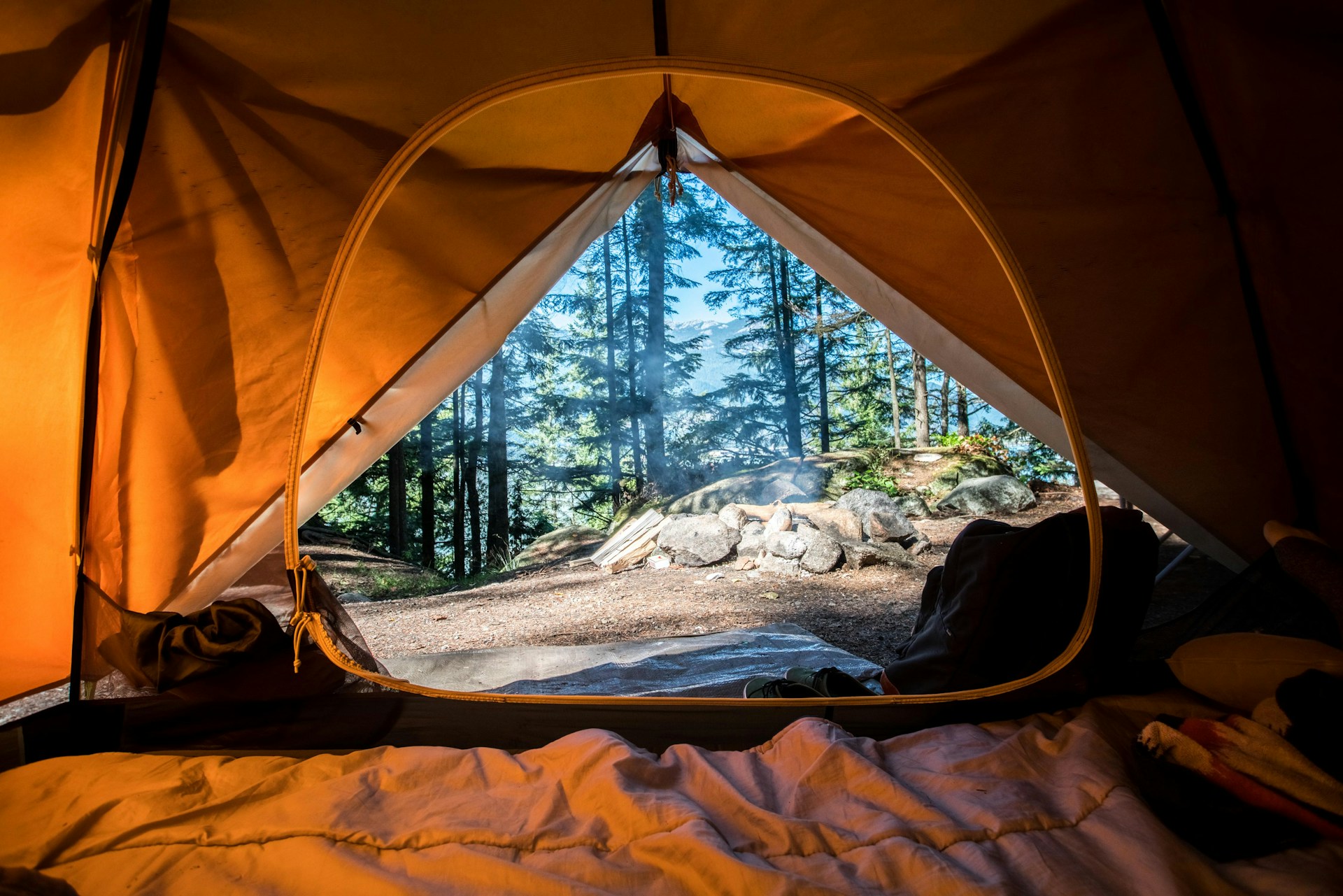
Tent size ratings can be misleading, “four-person tents” are generally comfortable for only two adults plus gear. Studies by Consumer Reports highlight that higher-denier fabrics (e.g., 68D polyester) and aluminum poles withstand heavy rain and wind better than budget models. Ventilation is another critical factor: tents with mesh panels and double doors reduce condensation, a leading cause of discomfort during overnight stays. Always match your tent to your expected environment, three-season tents handle most U.S. climates, while mountaineering tents are overkill for casual trips.
Sleep Like You Mean It: Restful Nights Outdoors
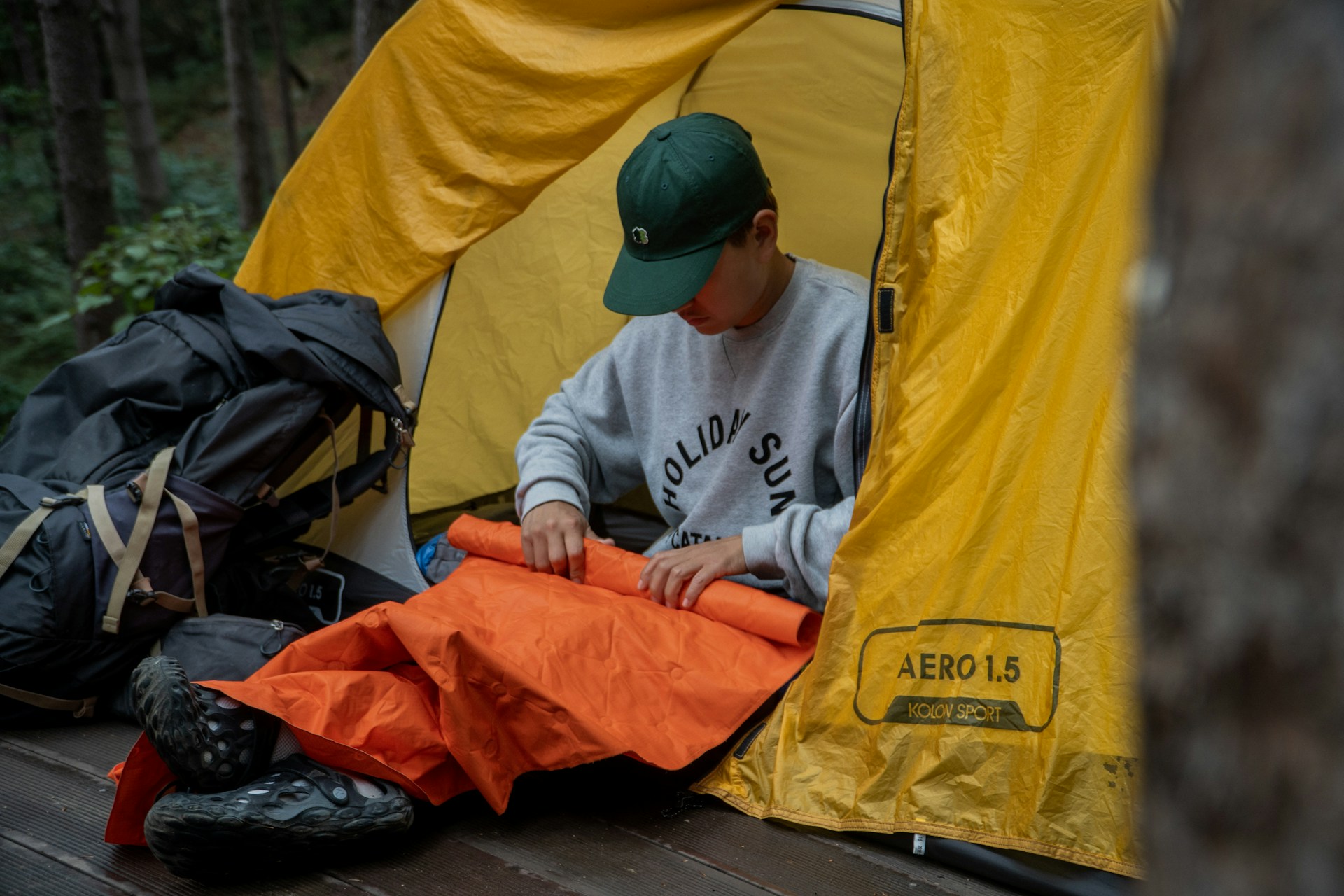
The average ground surface absorbs heat 25% faster than air, making insulated pads crucial for warmth. Research from the American Alpine Institute shows that an R-value of 3 or higher is recommended for spring and fall camping, while summer trips may get by with an R-value of 1–2. Pairing a properly rated sleeping bag (temperature ratings tested under ISO 23537 standards) with an inflatable or foam pad dramatically improves rest and prevents hypothermia risks in cooler climates.
Shine On: Don’t Be Left in the Dark
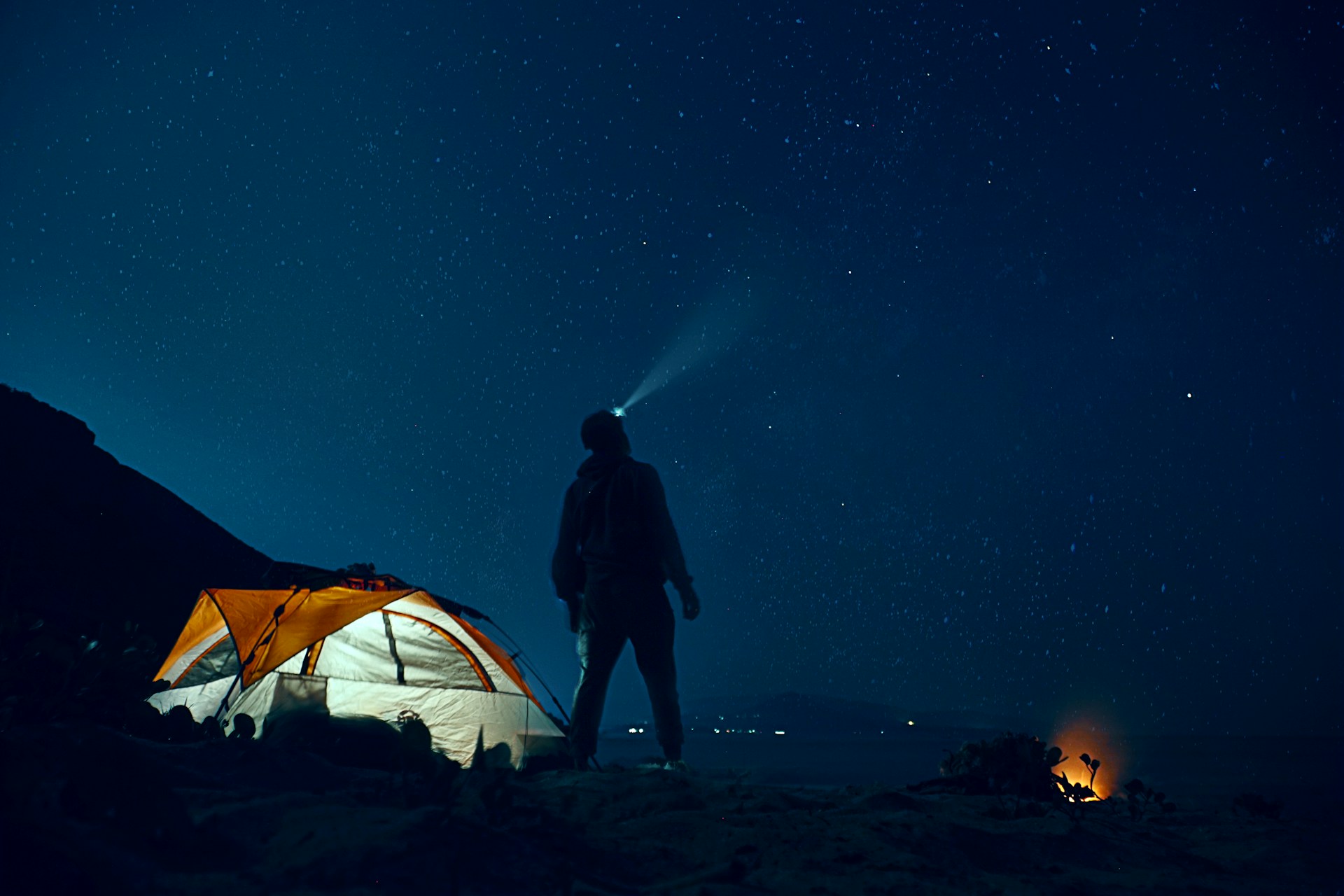
According to the National Outdoor Leadership School (NOLS), 70% of campsite injuries occur after sunset due to tripping hazards and poor visibility. A reliable headlamp with at least 200 lumens ensures hands-free lighting for cooking, navigation, and emergency tasks. Always pack spare batteries or a rechargeable option with a solar backup, since campground charging stations are not guaranteed. A small lantern (150–250 lumens) makes group areas safer and minimizes the risk of fire compared to open flames.
Camp Kitchen Must-Haves: Cooking Beyond Hot Dogs
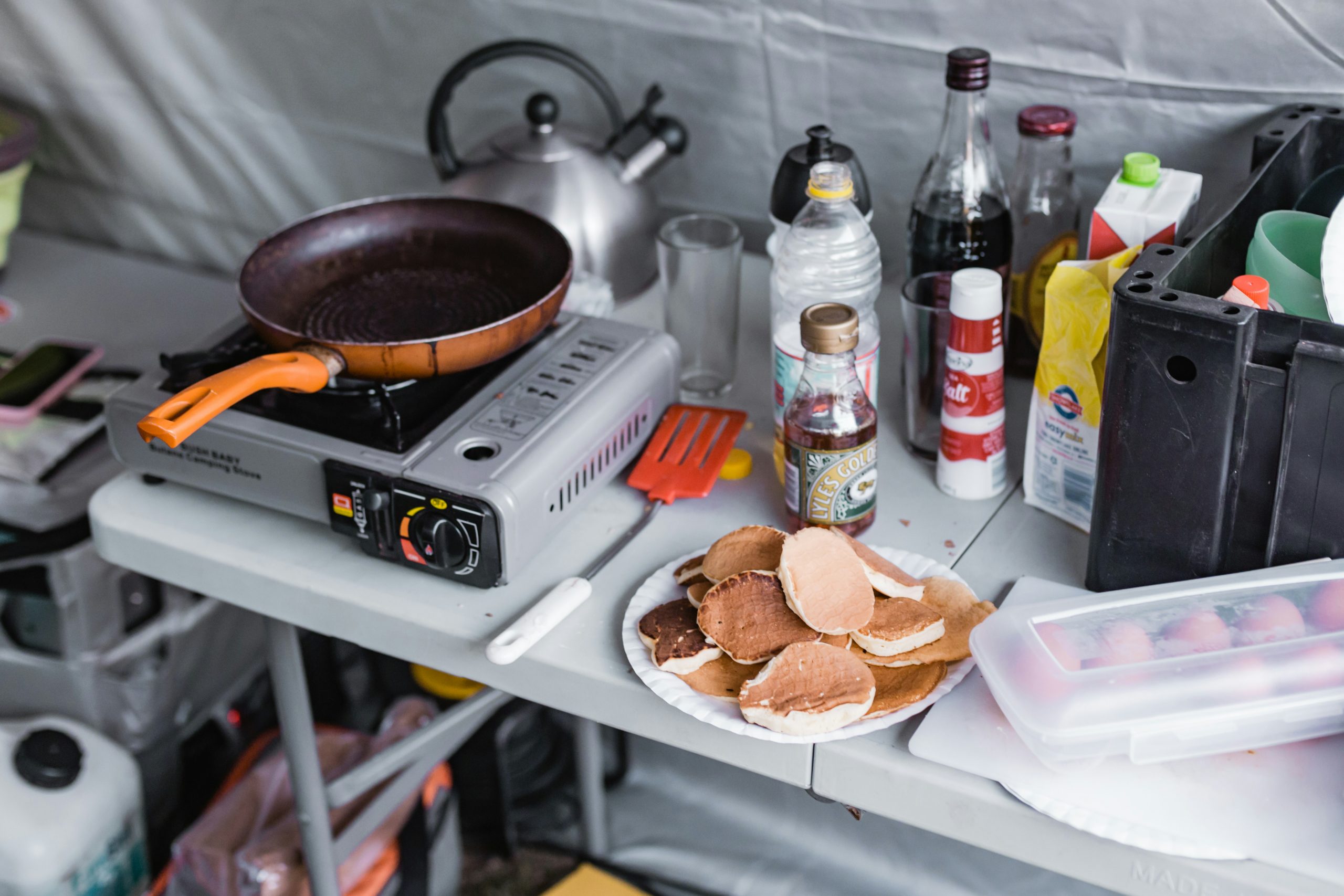
Data from the Leave No Trace Center shows that food waste makes up 50% of backcountry litter, emphasizing the need for efficient camp kitchens. A compact stove with an output of 7,000–10,000 BTUs per burner offers enough power for boiling water quickly without excessive fuel consumption. Pair this with nesting cookware, lightweight utensils, and a collapsible sink for cleanup. Don’t forget a bear-proof food canister or odor-proof bags, which are required in many U.S. national parks.
Safety and Hygiene: Staying Healthy Outdoors

The CDC reports that waterborne illnesses affect thousands of campers annually, often due to untreated stream or lake water. Always carry a filter rated to 0.2 microns or chemical tablets (chlorine dioxide is effective in 30 minutes). A first-aid kit should include blister treatment, insect repellent with 20–30% DEET, and tick-removal tools since Lyme disease risk is rising in many regions. Biodegradable soap helps maintain hygiene without polluting waterways, aligning with Leave No Trace principles.
Dress Smart: Gear Up for the Weather
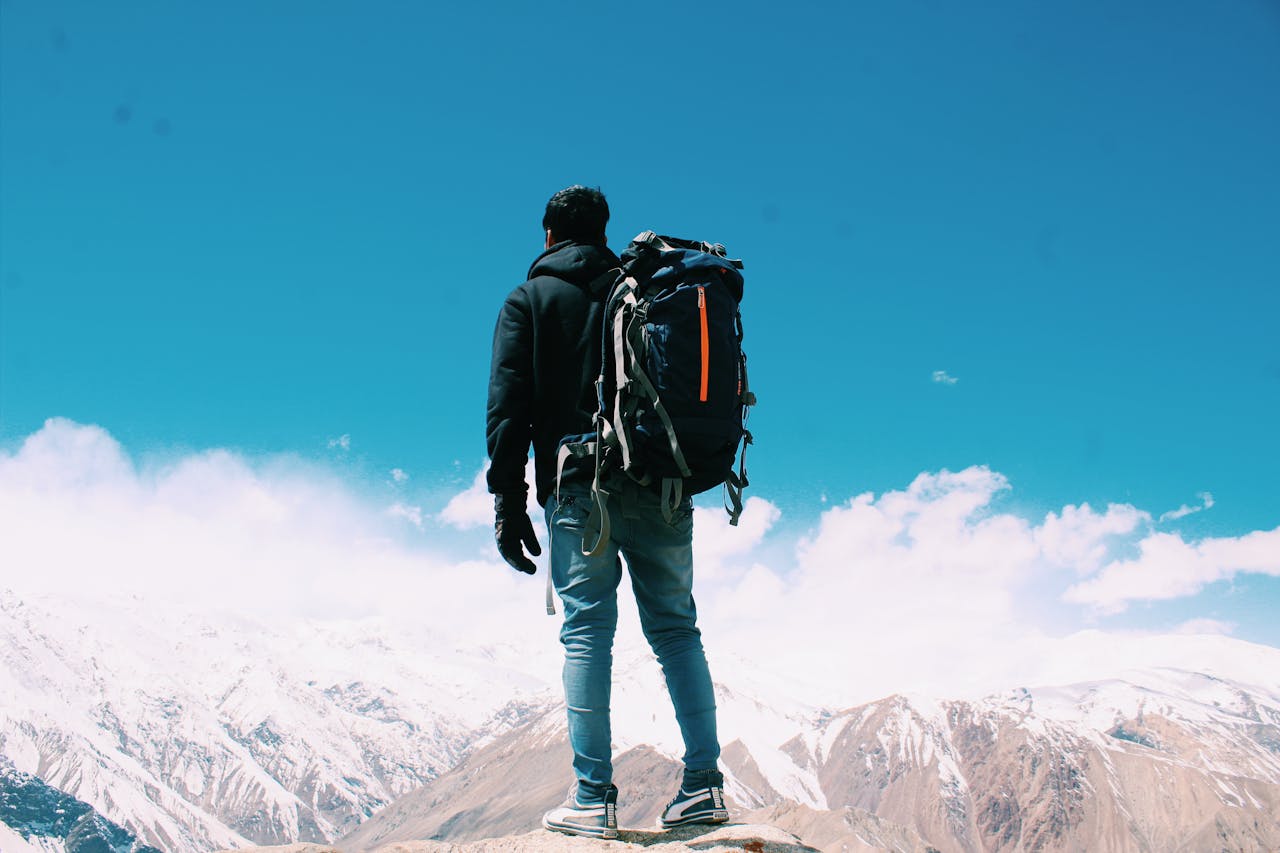
The U.S. Forest Service advises layering because temperatures in some national parks can swing by 30°F in a single day. Start with moisture-wicking base layers, add insulating mid-layers like fleece, and finish with waterproof, breathable outer shells. Avoid cotton, which retains moisture and accelerates heat loss. Investing in merino wool socks can reduce blister risk by up to 30%, according to the American Hiking Society, making them a worthwhile upgrade for multi-day camping trips.
Little Luxuries: Creature Comforts Worth Packing

While survival gear takes priority, data shows campers are 35% more likely to extend their trips when comfort items are included. Lightweight camp chairs under 3 lbs., inflatable pillows, and hammocks improve relaxation without adding significant bulk. A compact power bank (10,000 mAh) provides several phone charges, which is especially useful for GPS-based trail apps. These small investments transform camping from a bare-bones experience into a restorative outdoor retreat.
Keep Wildlife at Bay: Protecting Your Food

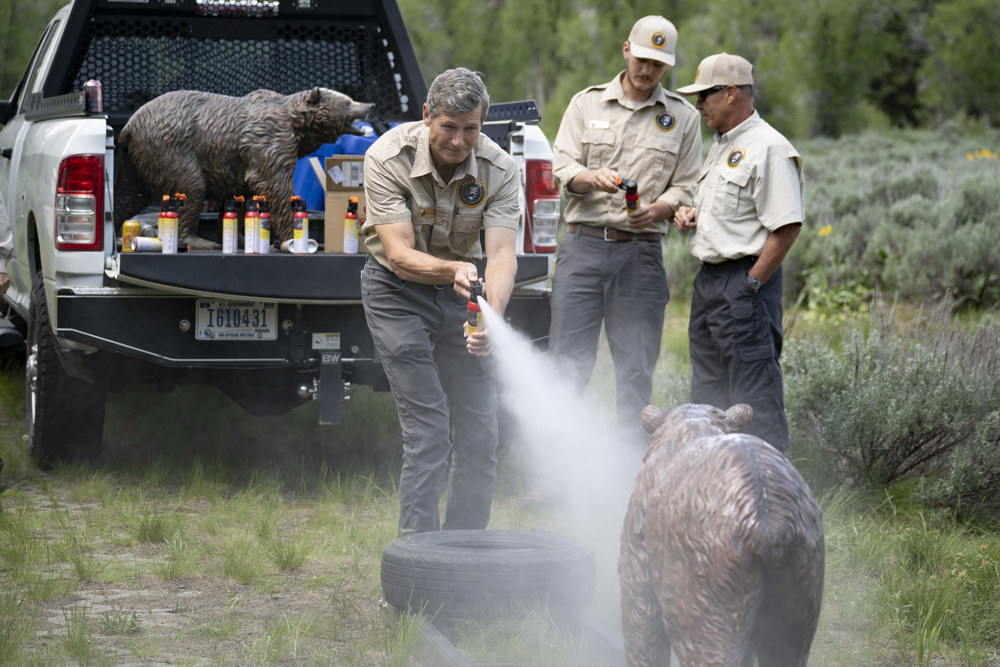
The National Park Service reports over 1,000 human-bear conflicts annually linked to improper food storage. Hanging food bags at least 12 feet off the ground and 6 feet from a tree trunk is recommended where bear-proof lockers aren’t available. In raccoon- or rodent-heavy areas, odor-proof bags and hard-sided containers reduce nighttime raids. Proper storage not only prevents wildlife encounters but also protects ecosystems by discouraging animals from associating humans with food.
Fire the Right Way: Campfire Rules and Etiquette
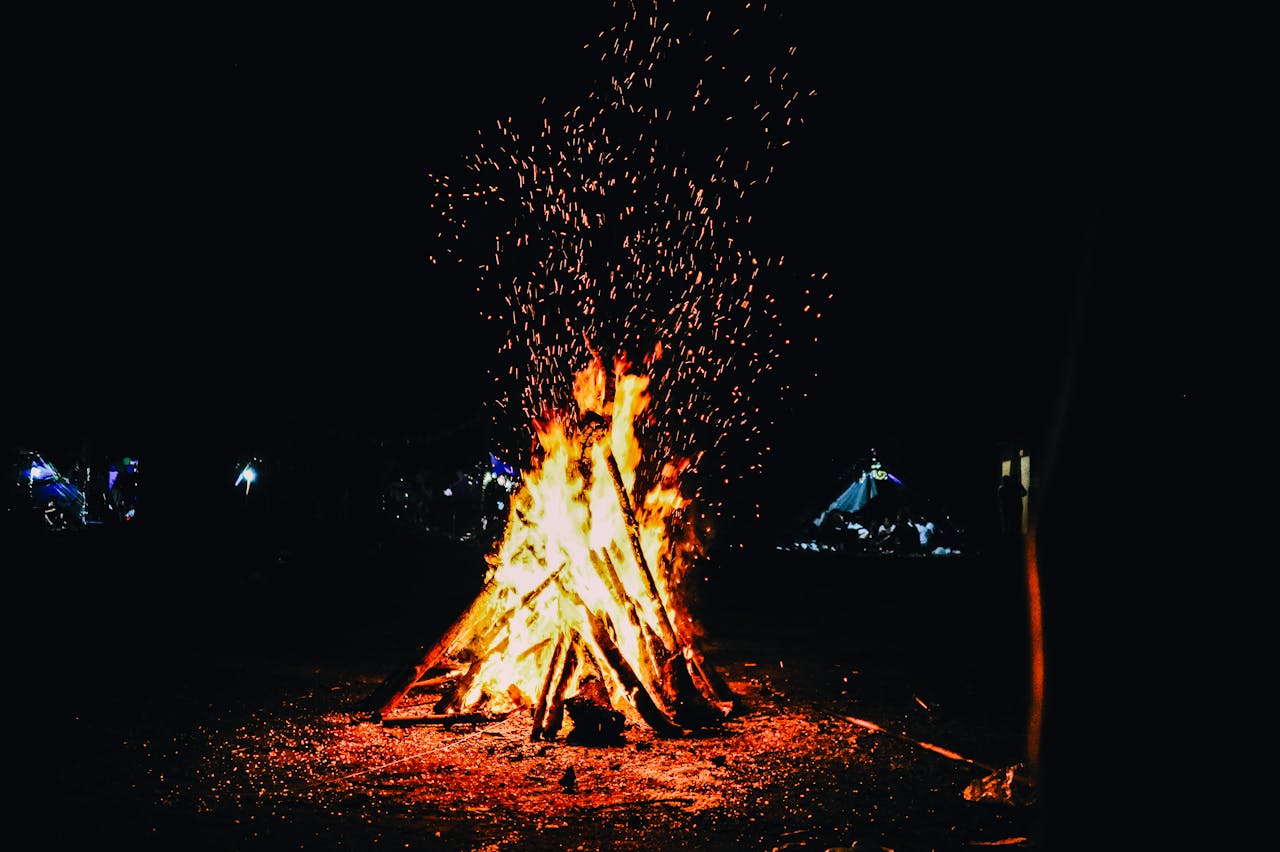
Wildfires in the U.S. burned 7.5 million acres in 2022, with a significant portion traced back to unattended campfires. Always check local fire restrictions before striking a match. Use established fire rings, keep flames under 3 feet tall, and never burn trash, which releases toxic fumes. The “drown, stir, feel” method: soaking ashes until cool to the touch, remains the gold standard for ensuring fires are completely out. Respecting quiet hours and smoke direction also keeps campsite relations positive.