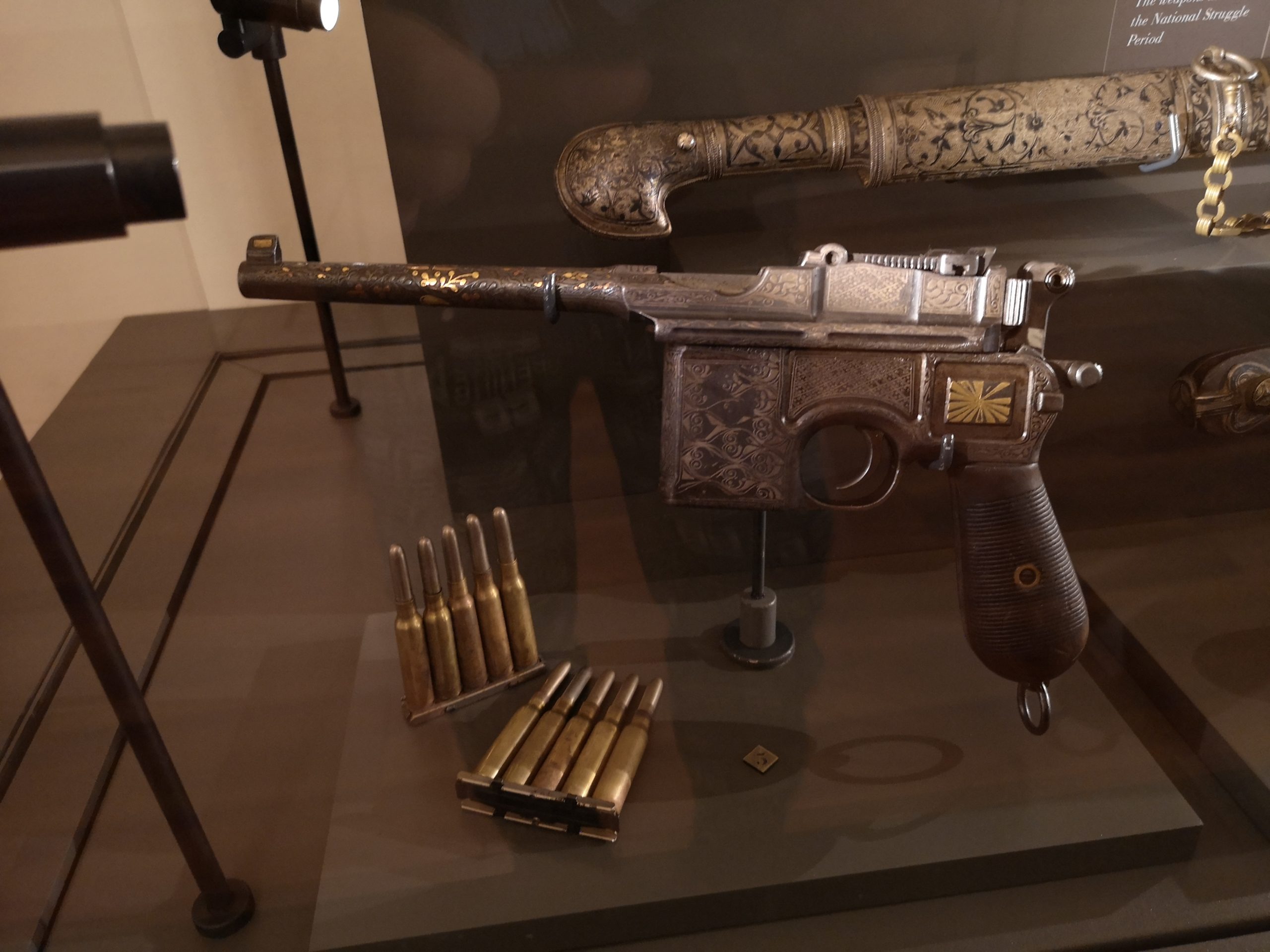
The Mauser 98 was not the first successful bolt-action rifle, but it became one of the most influential. Adopted by Germany in 1898, the Gewehr 98 brought together decades of Mauser development into an exceptionally mature military design. Its strength, controlled feeding, safety features, five-round magazine, and adaptable action gave later rifle makers a remarkably useful starting point. From military service to sporting rifles, the 98’s mechanical ideas travelled far beyond Germany and remained relevant for more than a century.
1. It Solved Problems Other Rifles Still Had
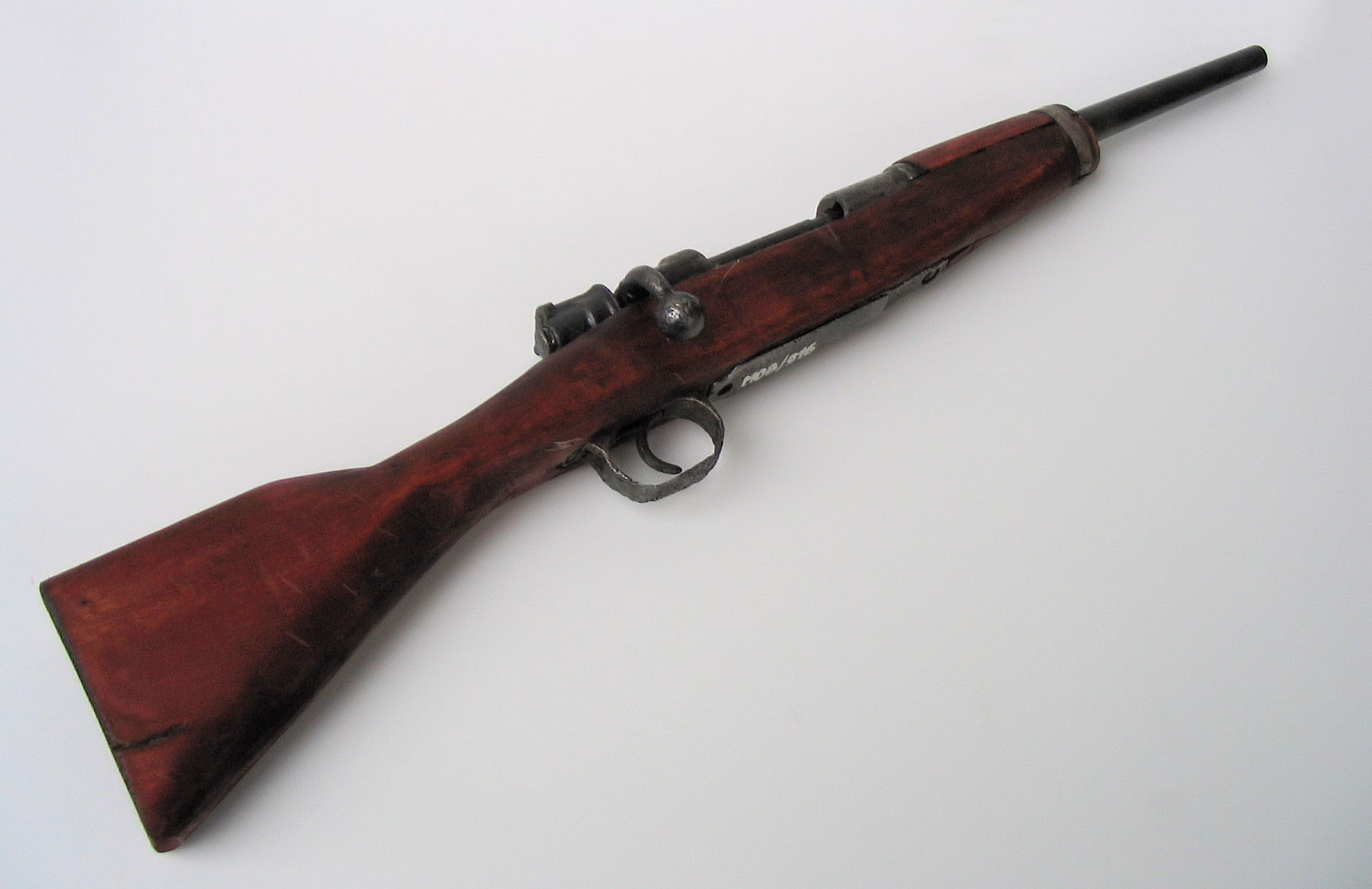
When Germany adopted the Gewehr 98 in 1898, it was not simply another turn bolt rifle. Paul Mauser had spent decades refining the action, and the Model 98 brought those lessons together in one military system. Its larger receiver ring, strong dual locking lugs, rear safety lug, and improved gas handling addressed serious safety concerns. The result was a rifle built around controlled, predictable operation rather than clever novelty. That conservative engineering approach helped make the 98 a reference point for later bolt actions. Its influence was earned through refinement.
2. Controlled Feed Became Its Signature
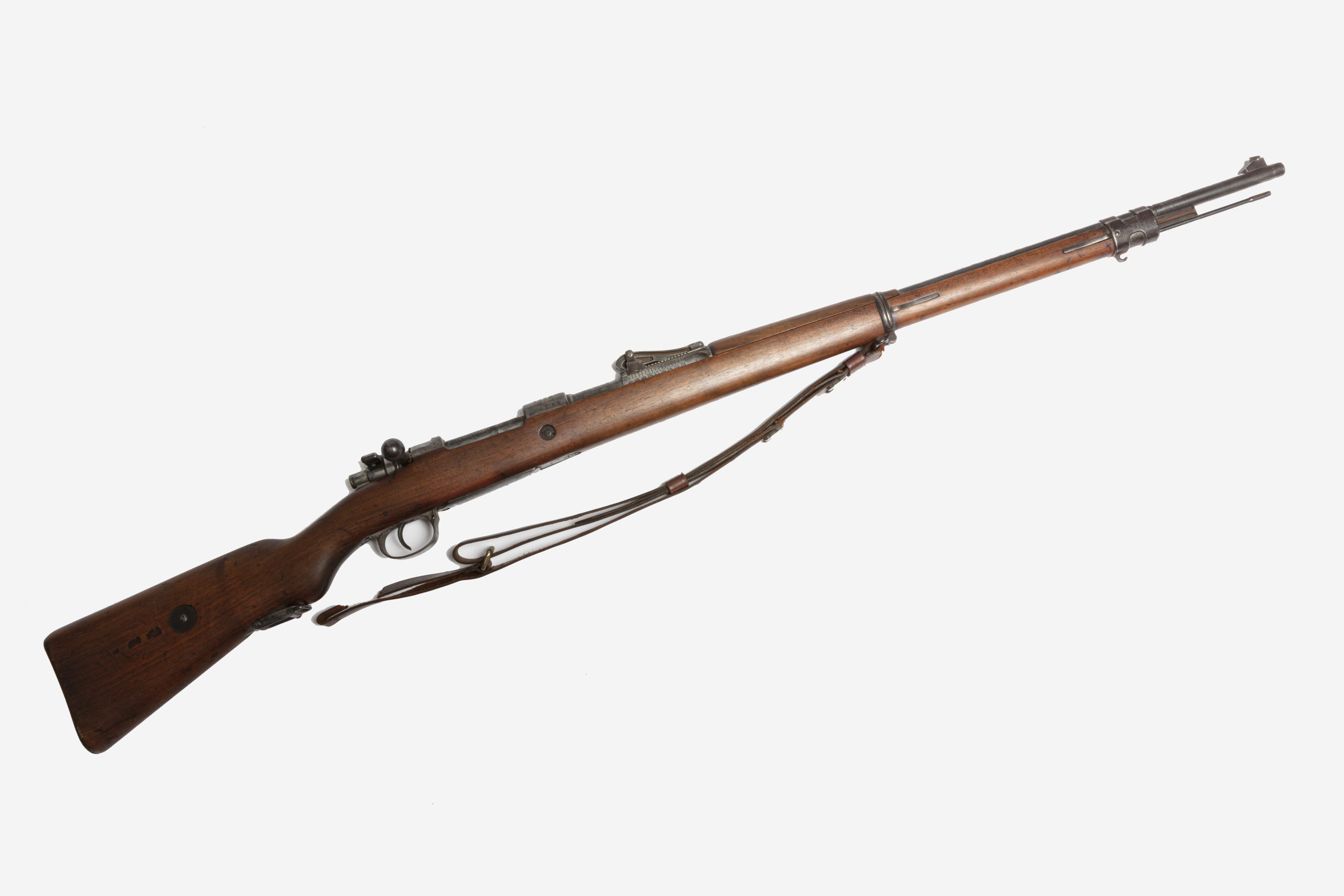
The Mauser 98 became famous for controlled round feed, a feature that made cartridge handling unusually deliberate. A large claw extractor grips the cartridge as it leaves the magazine and retains control of it through the firing cycle. The system was designed to reduce the chance of a loose round being mishandled during cycling. That became a major attraction for military and sporting users alike. Later designers borrowed the concept because it combined positive feeding with a mechanical layout that was straightforward to understand, service,e and maintain.
3. Its Five-Round Magazine Fits Military Needs
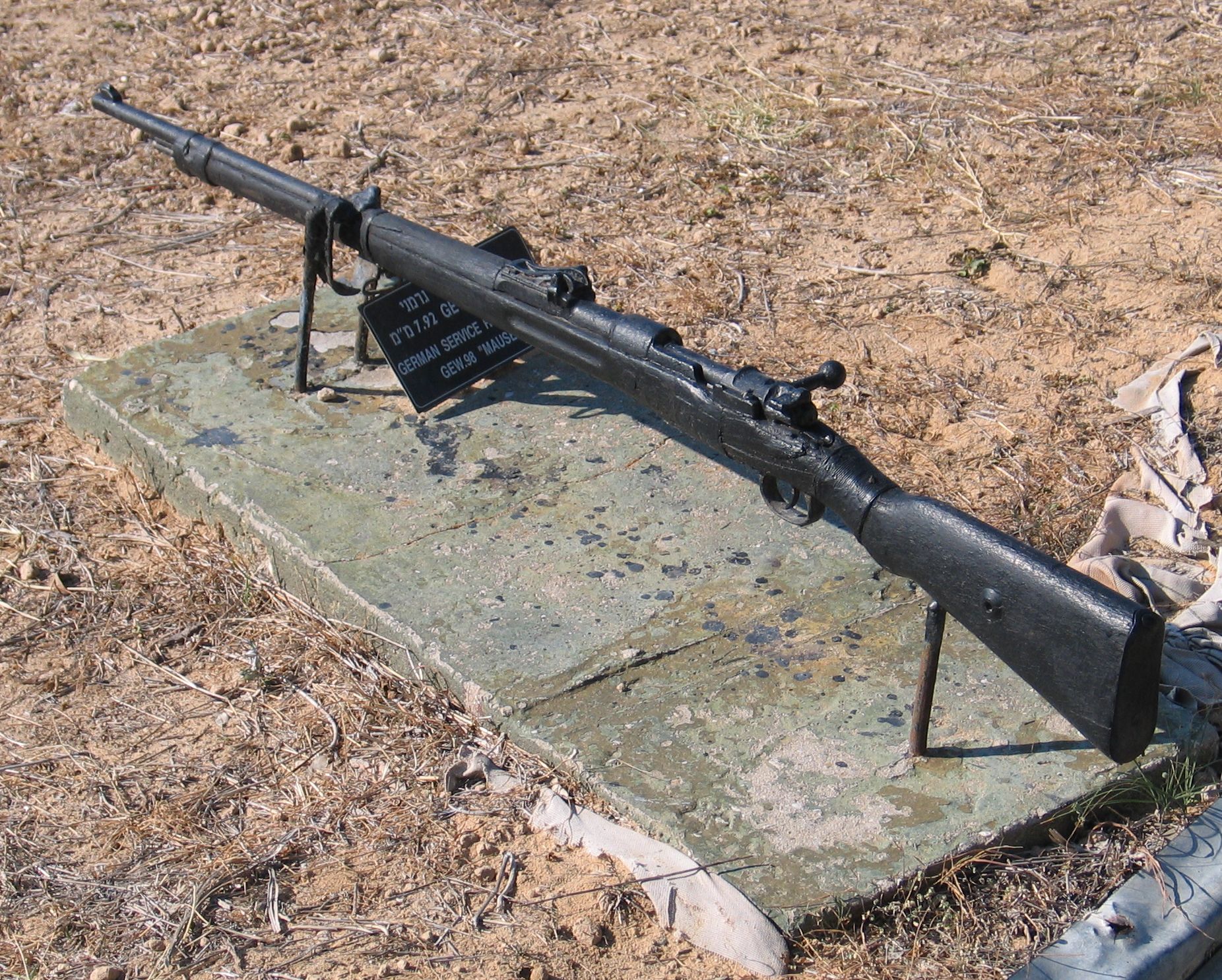
The Gewehr 98 used a fixed, staggered internal magazine holding 5 cartridges, loaded from the top with a stripper clip. That arrangement kept the rifle’s profile compact while giving soldiers a quick way to replenish the magazine. It also avoided the detachable magazines that could be lost or damaged in field conditions. The internal box became an enduring pattern for military bolt actions. Even the basic dimensions and loading philosophy influenced later rifles, including designs that changed the cartridge, stock, sights, or overall length while retaining the same magazine architecture.
4. Safety Was Designed Into the Action
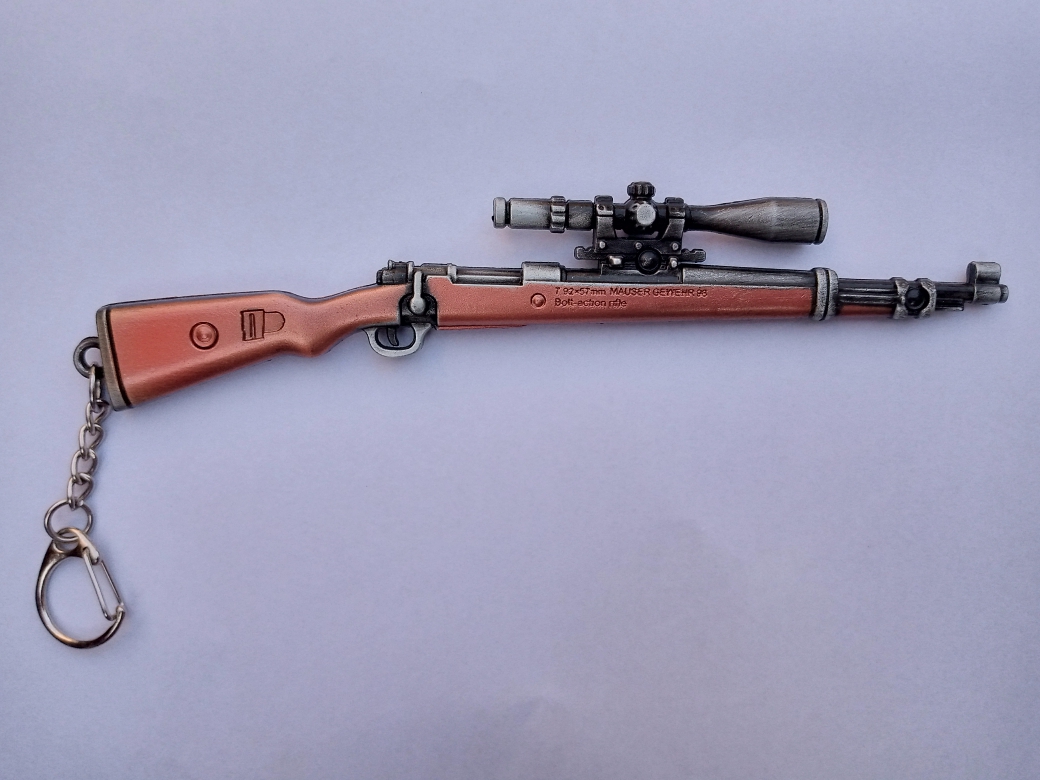
The Model 98’s reputation for strength was tied to several safety features working together, not to one magical component. Two large front locking lugs handled normal bolt locking, while a third rear lug provided additional support. The action also incorporated enlarged gas escape passages and shielding intended to direct escaping gas away from the shooter if a cartridge case failed. These details mattered in an era when ammunition and metallurgy were still developing rapidly. The 98 therefore became an example of how a service rifle could treat user protection as part of basic engineering.
5. It Survived Changes in Ammunition
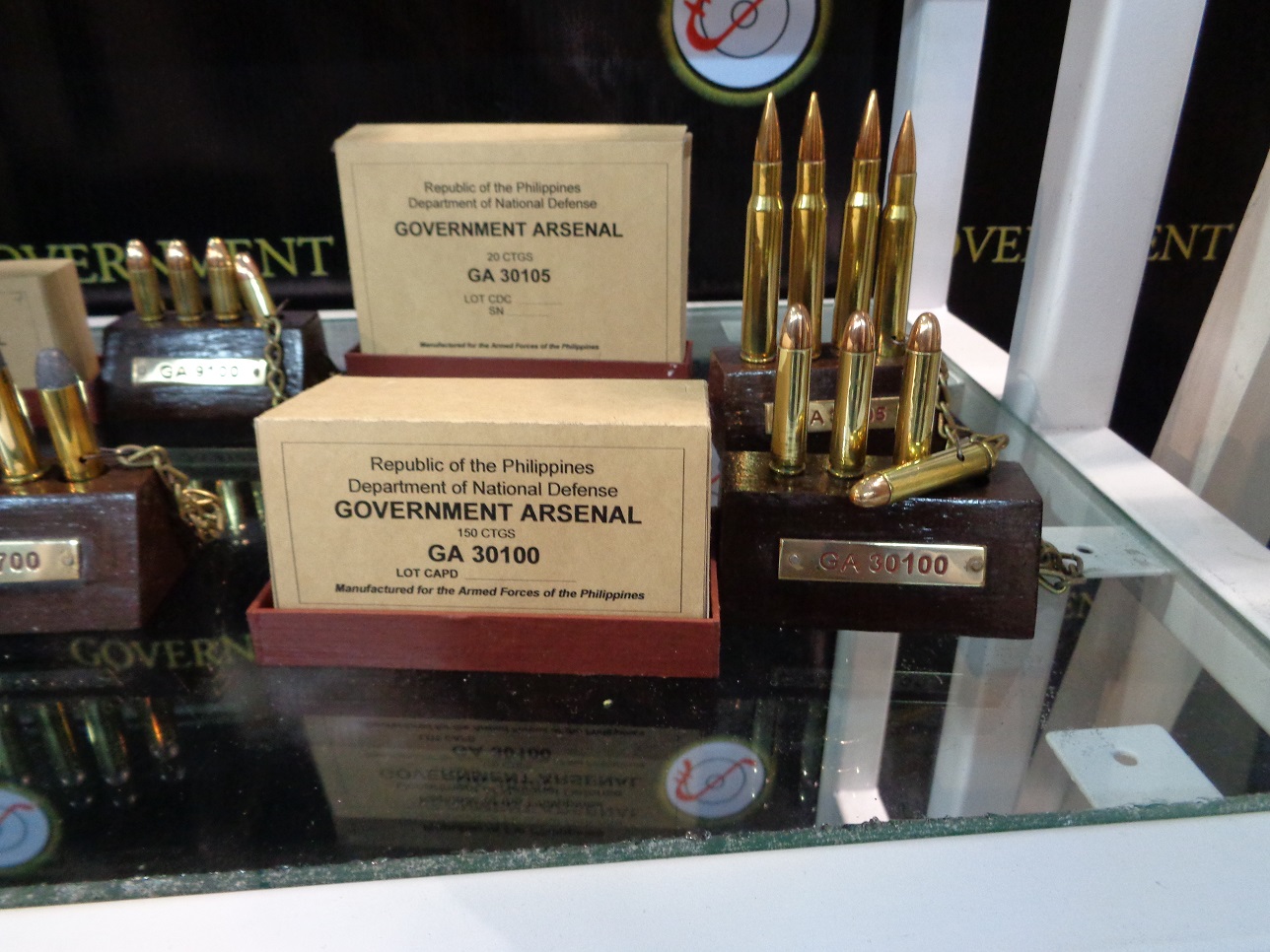
The Mauser 98 also demonstrated an ability to evolve without abandoning its core action. Germany adopted the 7.92×57mm cartridge with the Gewehr 98, then introduced the higher-velocity S-Patrone in 1903, using a lighter pointed bullet. The rifle’s sights and chamber dimensions were subsequently adapted for the new ammunition. That episode showed why a robust action had value beyond one specification. Designers could revise cartridges and components while preserving a proven receiver and bolt system, a pattern later manufacturers followed when developing new military and sporting arms.
6. Other Nations Proved the Formula
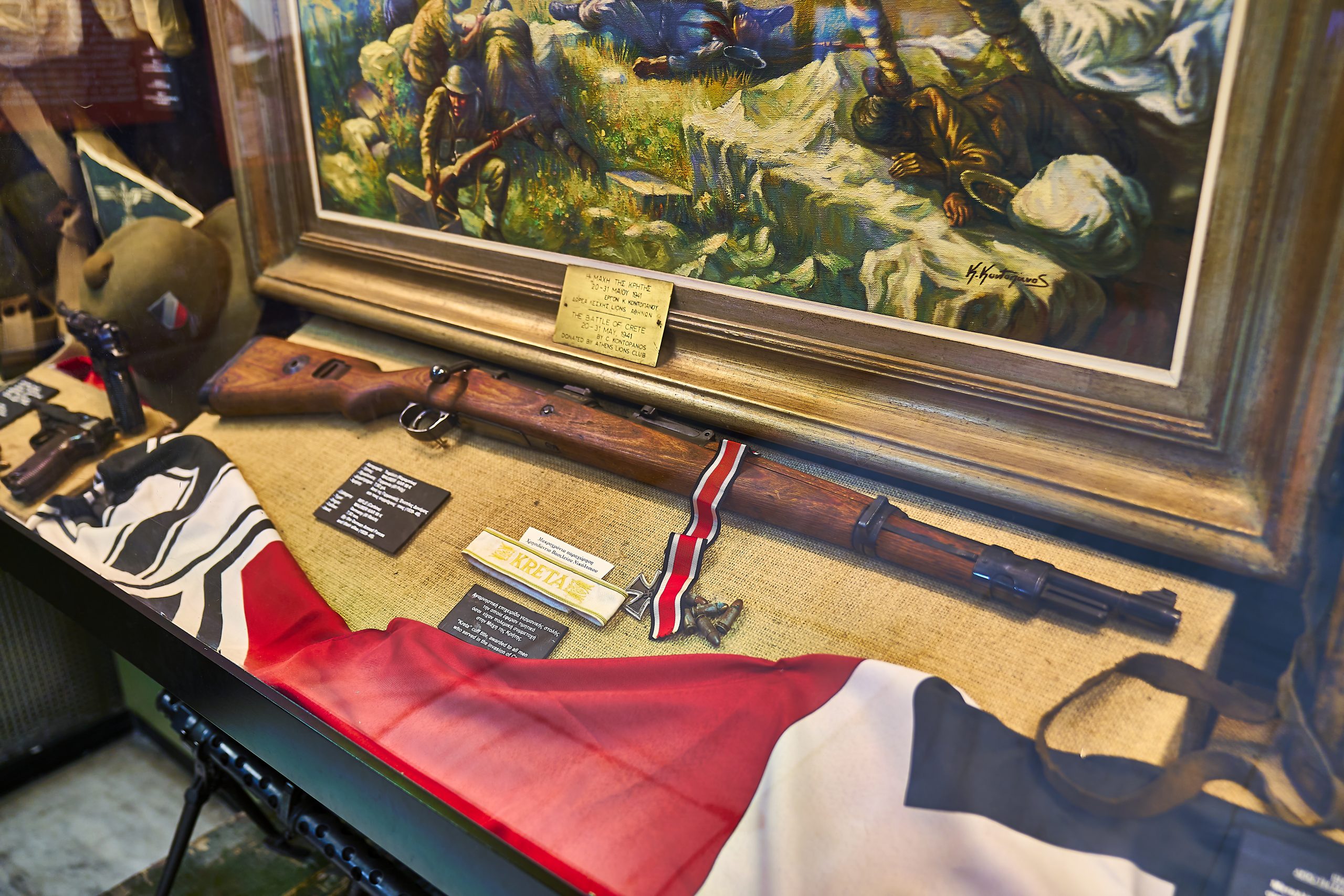
The 98’s influence spread far beyond Germany because Mauser’s earlier rifles had already won foreign contracts. The 1898 action arrived after successful Mauser patterns used by countries including Spain, Belgium, and Argentina. Later, the German 98 family itself inspired or directly influenced rifles made in numerous countries. The U.S. M1903 Springfield, for example, drew heavily from Mauser’s action and became part of a famous patent dispute. This international trail matters because it shows the 98 was not merely copied by one factory. Its mechanical ideas became a global design language.
7. A Century Later, the Blueprint Still Works
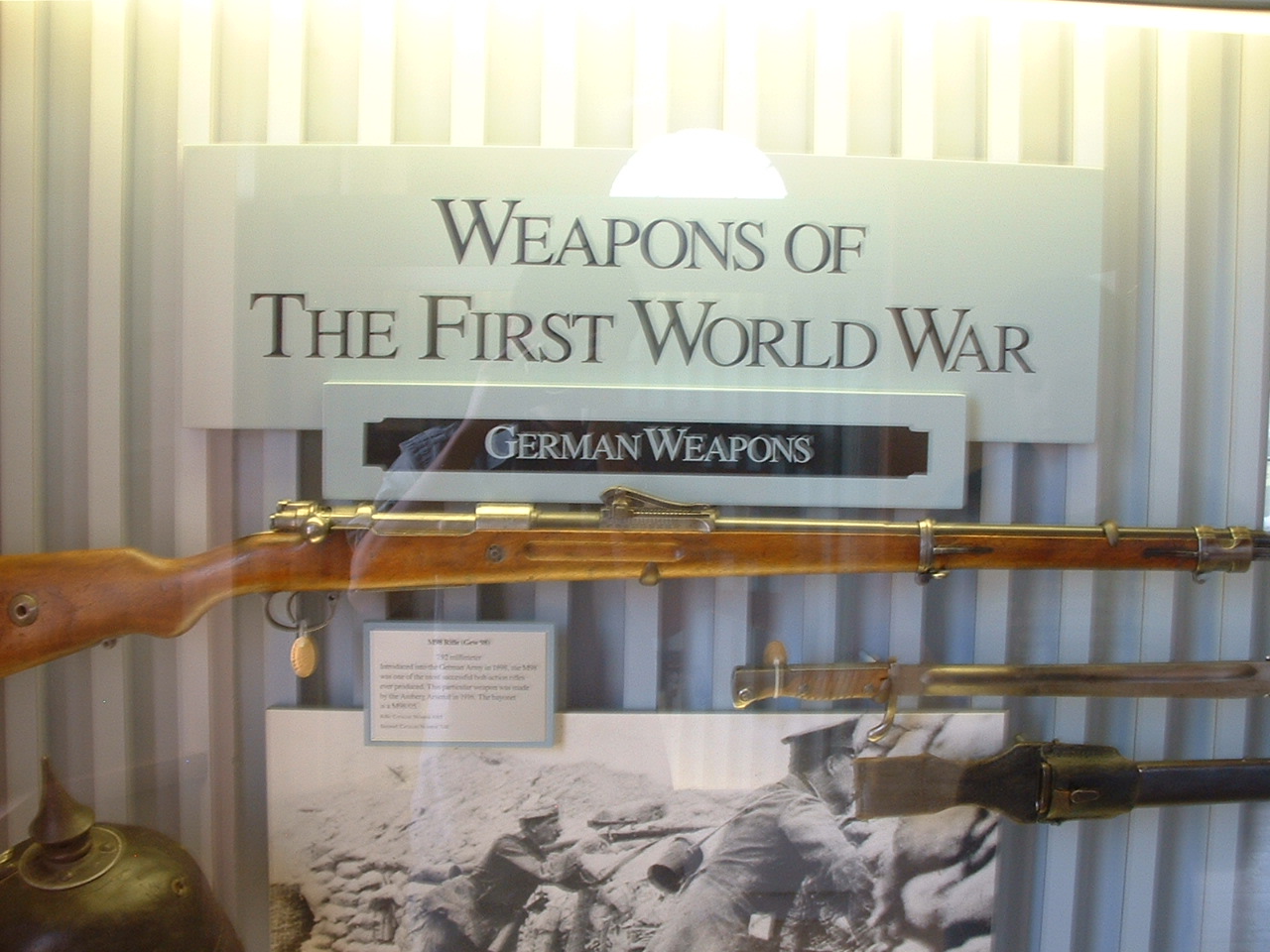
The strongest proof of the Mauser 98’s influence is its longevity. The original Gewehr 98 was a military rifle adopted in 1898, yet its action continued through variants such as the Karabiner 98k and remained important in sporting rifles long afterward. Modern makers still offer rifles using the Mauser 98 system because its combination of strength, controlled feed, compact internal magazine,e and familiar bolt layout remains useful. More than 100 years after adoption, the design is remembered less as a museum relic than as a benchmark against which classic bolt actions are still judged.